The species on Taiwan money

When I first saw Australian coins, I immediately noticed the animals on it. I have always found the people, buildings or species on money interesting, especially animals or plants from different countries. Usually the species are unique in that place to be put onto the currency. For instance there are echidna, superb lyrebird, platypus, kangaroos and emu on Australian coins (I wonder why are there no koalas?). In Taiwan, we also have animals on our bill, but not on coins. However, even though these species are endemic to Taiwan, not all of them are in good conservation status.

2

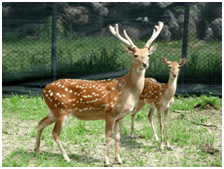
On our NTD$ 500 bill is Formosan sika deer (Cervus nippon taiouanus), an endemic subspecies in Taiwan. The wild population of Formosan sika deer has been extinct in 1969 due to hunting and habitat loss. A restoration program has been commenced since 1984 in Kenting National Park, in south3ern Taiwan. Sika deer have been reintroduced to Kenting National Park and nearby areas since 1994, and a survey in 2010 shows wild populations have more than 1000 individuals. However, since the wild deer populations increased, human-deer conflicts also increased. Deer behaviors, including stripping barks, foraging and rubbing antler, might cause the death of trees, leading to crop destructions. During an interview survey done in 2015, about half of the people thought sika deer caused damage to crops. While 18.4% of the respondents actually suffered crop damage (e.g. fruit trees, sweat potato, herbage…etc.) caused by sika deer (Yen et al., 2015). Another issue is that Formosan sika deer is not labeled as wildlife species by the government. Therefore, they are not controlled by the law. And even though the restoration program has been operated for 30 years, not many local people understand the context or want to participate in it.

Appearing on NTD$ 1000 bill is the Mikado Pheasant (Syrmaticus mikado), a bird species referred as the national bird of Taiwan. Listed as near threatened in IUCN Red 4List, Mikado Pheasant is endemic to the mountains of central Taiwan. They live in forests altitude approximately 1600 to 3300 metres, which are relatively undisturbed by humans. Yushan National Park holds the biggest population (approximately 10,000 individuals) of Mikado Pheasant. However, the population is declining outside protected areas due to the pressure caused by hunting and habitat loss because their habitats are recently affected more and more by landslides, road constructions, habitat destruction, and forest activities. There are also concerns about the isolation of some subpopulations within the protected zones. Conservation of Mikado Pheasant is still quite passive, and protections are only provided inside three national parks.

The NTD$2000 bill features the Formosan landlocked salmon (Oncorhynchus masou formosanus), a freshwater endemic glacial relict species known as one of the most southern population of salmon in the northern hemisphere. Formosan landlocked salmon is listed as critically endangered since its populations dropped drastically in the past fifty years due to agricultural and dam establishments. Its population was once limited to only Chichiawan Stream in the Shei-Pa National Park central Taiwan. The 5conservation of Formosan landlocked salmon started back in 1984. Supported by the government, wild populations have been successfully restored in their native habitat. Their wild population is estimated to rise from 200 to about 3600 individuals. Additionally, several dams were removed to allow the landlocked salmons travel freely in the stream and enable them to swim back to the upstream regions after flushed down by floods during typhoon seasons (Chung et al., 2008). Even so, Formosan landlocked salmon still faces problems such as climate change. Since their nature habitat located in the upstream regions of Tachia River, which is about 1700~1800 metres above sea level, and the water temperature suitable for them is required to be lower than 18°C, rising water temperature will only restrict their distributions in the future.

From these species we know the biodiversity conservation in Taiwan still needs to be improved a lot. Even though we see them every day (on our money), people are not aware of their status. It seems that conservation consciousness isn’t high enough for the people to care about them. Most people know their existence, would be happy to encounter them in the wild, but doesn’t know much about them or want to help their conservation. The same attitude can be seen towards other species as well. Another problem is that basic information is often insufficient even for these endemic species. For instance, the population trend of Mikado Pheasant is unknown. The local communities also don’t participate enough in the protection program such as Formosan sika deer.

Although Taiwan inhabits lots of unique species, they are often unrecognized and unprotected. I hope we can understand them before they are driven to extinction by us. Unfortunately, some already are.

Chia-Mei

References

Yen, S.C., Chen, K.H., Wang, Y. and Wang, C.P., 2015. Residents’ attitudes toward reintroduced sika deer in Kenting National Park, Taiwan. Wildlife biology, 21(4), pp.220-226.

Bridgman, C.L., 2002. Habitat use, distribution and conservation status of the mikado pheasant (Syrmaticus mikado) in Taiwan.

Chung, L.C., Lin, H.J., Yo, S.P., Tzeng, C.S., Yeh, C.H. and Yang, C.H., 2008. Relationship between the Formosan landlocked salmon Oncorhynchus masou formosanus population and the physical substrate of its habitat after partial dam removal from Kaoshan Stream, Taiwan. ZOOLOGICAL STUDIES-TAIPEI-, 47(1), p.25.

Pictures

https://www.travelvictoria.com.au/victoria/money/

http://a-chien.blogspot.com.au/2011/12/blog-post_740.html

http://blog.xuite.net/kevinchen900717/3/220729611-%E5%8F%B0%E7%81%A3%E6%A2%85%E8%8A%B1%E9%B9%BF http://jaffie0125.pixnet.net/blog/post/42361324-%E9%BB%91%E9%95%B7%E5%B0%BE%E9%9B%89%28%E5%B8%9D%E9%9B%89%EF%BC%8C%E5%8F%B0%E7%81%A3%E9%9B%89%E7%A7%91%29

http://www.natgeomedia.com/news/ngnews/8580

Posted in Uncategorized | Leave a comment

Design biodiversity conservation research of my hometown, detecting and monitoring mammals at Bai Yun Mountain in Guangzhou

From 25 August to 27 August this year, I joined a field trip to Booderee National Park, Jervis Bay (around 35°07ˈ45ˈˈS, 150°41ˈ13ˈˈE). I’ve learned and practised how to use two mammal survey methods, live-trapping and camera traps to detect and monitor terrestrial mammals within that place. Research study and working experience during the three-day survey, really inspire me that I can design many biodiversity conservation researches of many other places depends on these methods and the data they collect.

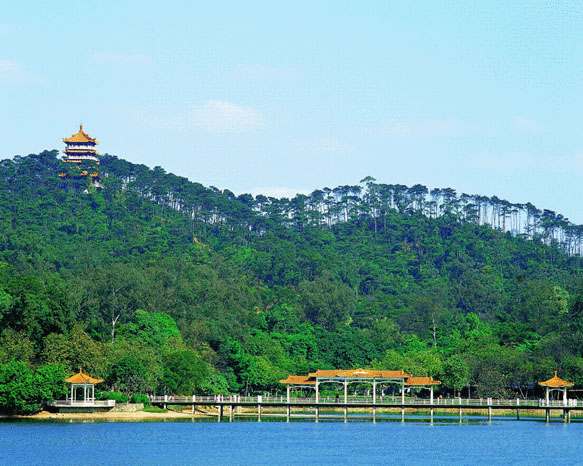
I’m an international student who comes from Guangzhou, south of China. Bai Yun Mountain in Guangzhou is very famous for its beautiful natural scenery. As I’m an environmental science student, I really hope I can help my hometown to protect and improve this one of the most beautiful natural parks in China. I start curious about how well Bai Yun Mountain can protect the wildlife within it, especially terrestrial mammals. There are lots of terrestrial mammals in Bai Yun Mountain, like wild boar, Paguma larvata, Manis pentadactyla, Arvicolinae and Cuon alpinus. However, Bai Yun Mountain is more like a tourist attraction than a national park, there are hundreds and thousands of tourists everyday, so I really worried about whether our tourists will have a great impact on terrestrial mammals inside the park. Before making an appropriate biodiversity conservation plan, the most important thing we should do is to detect species and collect their data of abundance and richness. Linking to the methods I’ve learned and practised, I decide to introduce a combination method of live-trapping and camera traps to my hometown.

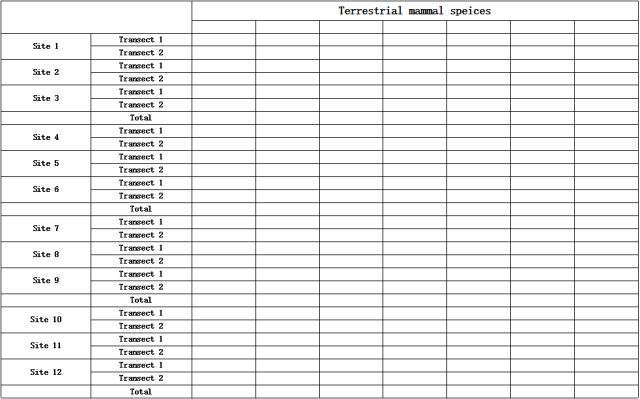
If I have a chance to design a biodiversity conservation research at Bai Yun Mountain in my hometown, I will design a study to find out how serious the impact due by human activities on terrestrial mammals is within this park, and where we should put more attention to set up conservation areas. To achieve my goal, I will set up total 12 sites. 1-3 sites are in an area with high altitude and far away from tourists active area, 4-6 sites are in an area with high altitude and closed to tourists active area, 7-9 sites are in an area with low altitude and far away from tourists active area, 10-12 sites are in an area with low altitude and closed to tourists active area (see Table 1.). And one site will have two 200m transects which are at least 1km away from each other, then I will set up live-trapping and camera traps along those transects, collect data for at least one week. As Bai Yun Mountain will be closed at night, so it is feasible for my research to get into practice. I will check the live-trapping once a day, to clean up the traps, renew the bait, recognize and record the species I’ve got, however the camera traps will no be turn off until I download the data after one week. Also, as the diet of mammal species in Guangzhou maybe quite different from mammal species in Australia, I will check up and find out the most effective bait before my traps get set.

Table 1. Example of data collecting sheet.

By collecting and comparing the data of mammal abundance and richness at different sites in Bai Yun Mountain, I can test out four questions of my study: 1. Whether there is a correlation between terrestrial mammals abundance and altitude in Bai Yun Mountain. 2. Whether there is a correlation between terrestrial mammals richness and altitude in Bai Yun Mountain. 3. Whether there is a correlation between terrestrial mammals abundance and distance from tourists active area. 4. Whether there is a correlation between terrestrial mammals richness and distance from tourists active area.

I have been to Bai Yun Mountain for many times, but it is too difficult to see a wild animal around tourists active area, I can only see animals in the zoo which is managed by government in Bai Yun Mountain. However, there are still lots of areas that are forbidden to tourists, it is very necessary for us to detect, monitor and protect the species in those areas. Better management plan is definitely needed, I hope I can learn more about biodiversity conservation, and someday I will do a real research on my homeland, and contribute my effort to the natural environmental protection business in Guangzhou.

Kangxu Wu (Raven)

Student ID: u6158339

Posted in Uncategorized | Leave a comment

Planting a Food Forest at Caroola

IMG_4539

There are few better ways to spend a long weekend than out in the spring sun. Over the Labour Day long weekend, a small group of us had the privilege of going to Caroola farm to learn about holistic management and permaculture. Following this, we were given some hands-on experience, weeding and planting in The Forest Garden.

About Caroola Farm

Caroola farm is small scale, family run property. Formally a pony stud, Penny and Paul have been working to restore the degraded pastures since 2012. In January 2013, a fire came through the property, and they have worked to restore the property to be a productive site for both growing and grazing. They now grow and sell a broad diversity of produce, their outputs resembling a well-balanced seasonal shopping basket; fruits, vegetables, herbs, meat and eggs.

IMG_4507

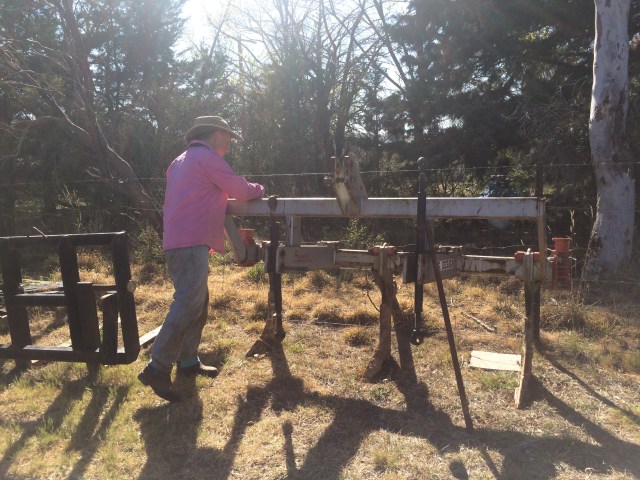
Penny describes that although plows are quite an invasive tool, they are an effective means of breaking up initial compaction; including of hydrophobic soils after fire to increase permeability and provide aeration.

IMG_4547

The first thing we saw on arrival were the hens, our first insight into the ethical and sustainable farming practices at Caroola. The hens can be used for both meat and eggs. They are pasture raised with a supplemented diet, and roost in trees.

A sustainable approach

At Caroola Farm, the owners practice holistic and permaculture management styles. Holistic management is the practice of grazing paddocks intensively for short periods of time before allowing them to rest for long periods of time. This prevents the overgrazing of any one plot; grazing allows for nutrient cycling and subsequent resting allows for the regeneration of pastures. (Savory and Butterfield, 1998). A limitation of the long resting period is the need to be productive in a limited space. At Caroola, this is managed by cycling stock, so one paddock may sustain pig, cattle, sheep or chook stocks over a period of time. Although manager Penny emphasised that there is no hard and fast rule as the state of a paddock is highly dependent, she suggested that a resting period would be no less than 180 days.

“Permaculture is a philosophy of working with, rather than against nature; of protracted and thoughtful observation rather than protracted and thoughtless labour; of looking at plants and animals in all their functions, rather than treating any area as a single-product system.” – Bill Mollison

Permaculture was born out of an understanding that many agricultural processes are destructive, degrading topsoils, destroying biodiversity and affecting climate stability (Alexander, 2016). Agriculture is responsible for large losses of topsoils, and often requires large inputs of pesticides, fertilizers and fossil fuels (Cribb, 2017). Permaculture offers an alternative to traditional, resource intensive monoculture crops; it is a human designed system that mimics natural cycles and structure, demonstrating connectivity and sustainability. It considers the need for structural diversity to create resilience, and operates within a ‘closed loop’ system without the need for large, external inputs. This approach to agriculture is highly valuable, and arguably necessary for food production to be sustained, ecologically sensitive and adaptive.


The Forest Garden

The Forest Farm at Caroola consists of a multi-strata collection of plants; there are trees, shrubs, herbs, ground cover and root species within the same garden, collectively providing a diversity of functions and a variety of produce. Complimentary functions may include attracting pollinators, repelling pest species or providing protection from the elements.

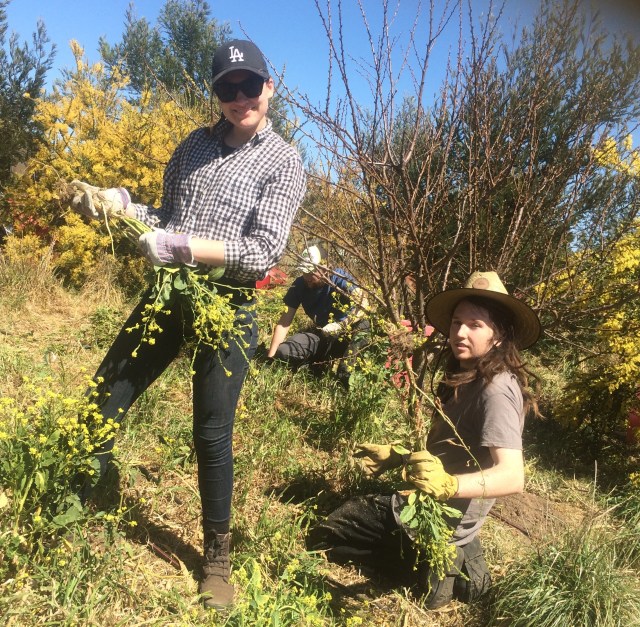
We spent the rest of our time at Caroola removing weeds in The Forest Farm – primarily mustard and grasses – from tree guards and around the base of already established fruit trees. These weeds were left on the ground to act as fertilizer. In the afternoon, we dug holes around the drip-line of trees and did some planting of ground cover and root species followed by watering and fertilizing using home-grown and mixed fertilizers.

IMG_4545

Caitlin and Josh, pulling out mustard plants to make way for planting in The Food Forest

Thank you to Penny…

I have a keen interest in sustainable agriculture, understanding that the way in which we produce and consume food has massive impacts upon the ecological systems and diversity on which we all depend. Despite this, as is the case for most people my age living in cities, I have very little practical experience with agriculture and food production. This was a highly valuable experience, and I’m very appreciative of Penny for her time and for giving us the opportunity to practically engage with permaculture. Thank you also to Anna, who organised this visit with the with the IFSA at ANU.


Emily Smith, u5560343


ALEXANDER, S. 2016. A revolution disguised as organic gardening: in memory of Bill Mollison. The Conversation.

CRIBB, J. 2017. Surviving the 21s Century: Humanity’s Ten Great Challenges and How We Can Overcome Them, Switzerland Springer.

SAVORY, A. & BUTTERFIELD, J. 1998. Holistic management: a new framework for decision making, Island press.


Posted in Uncategorized | Leave a comment

Scottsdale Reserve: An ambitious project

On Friday October 6, I ventured down to Scottsdale Reserve, Bredbo, with ANU senior lecturer Dr. David Freudenberger and some fellow classmates. Our goal was to assess tree health and growth of previous tree plantings by Greening Australia and previous ANU volunteers.

Scottsdale is a privately owned reserved located near Bredbo, approximately an hour south of Canberra (Bush Heritage, 2017). The 1,328 hectares property was officially bought by Bush Heritage in 2007, with assistance from the Australian Government. Current management and work is funded by sponsors and undertaken by Bush Heritage employees and Greening Australia volunteers. This preserve aims to protect valuable Box-Gum grassy woodlands and temperate grasslands, which hold a variety of rare and vulnerable species.

Short video on the volunteer effort and work undertaken at Scottsdale. Source: BushHeritage Australia Youtube

Another goal of the reserve is the ambitious restoration of the 300ha of the property, primarily the valleys and slopes, which has been cleared and heavily cropped and grazed. Much of this area has lost any remnant overstorey trees and is now overrun by weeds. Our job was to assess many of the tree planting restoration work.

The main threat: African Lovegrass

Driving through the gates, we were surrounded by tall, sandy-coloured tussocks, little did we know these were the number one threat to Scottsdale reserve. These tussocks are an invasive, exotic weed known as African Lovegrass (Eragrostis curvula). Originally introduced for the improvement of pasture feed, driven by a need for economic growth, African lovegrass is an unpalatable, aggressive species (Firn, 2009), thriving on infertile soils and easily outcompeting native vegetation (Department of Primary Industries, 2017).

Example of a paddock in Scottsdale completely overrun by African Lovegrass

Now widespread across the Monaro, lovegrass is the main problem preventing natural revegetation in Scottsdale. The picture above shows a paddock covered wall-to-wall in lovegrass. A study by Firn (2009) has found the most successful method of removing African Lovegrass is with cattle grazing and fertiliser (yeah, like that can happen in a government-listed nature reserve) . Currently, the only grazing occurring in Scottsdale is Macropod grazing (kangaroos, wallabies).  While aerial spraying is being done, not much can be done without harming the young seedlings.

Control of lovegrass is important for the eventual success of the restoration work and protection of biodiversity. The most important biodiversity to protect is Yellow-Box Gum grassy woodlands, over 90% of which has been cleared across Australia (Department of Environment, Climate Change and Water, 2010). There are also a number of vulnerable and sensitive species to protect, such as the Speckled Warbler, Golden Sun Moth and a remnant Silver-Leafed Mountain gum.


The restoration process

The extent of the restoration process was evident from the moment we pulled up to the main office (a former shearing shed), passing a storage shed and greenhouse filled to the brim with acacia and eucalypt seedlings, the seeds for which were sourced locally. Phil Palmer, manager of Scottsdale reserve, then showed us maps of the property, where restoration scars could be seen all along the valley floors.

Map of Scottsdale Reserve. Manager, Phil Palmer can be seen here pointing to the sites where scars of restoration can be seen in aerial images.

This restoration work began in 2007, reintroducing key over storey species, including Acacias and various eucalypts such as Snow Gum, Candlebark and Yellow-Box. These plantings we done with various methods, including direct planting of seedlings, performed by ANU volunteers and Greening Australia. Click here for a previous blog post on some of this work.

The most successful restoration method so far has been scraping off the top 10cm of soil and direct seeding native ground cover. This has been done in small plots, with one already showing native eucalypt regeneration. The main factor for this methods success is removing the nutrient-rich top soil and eliminating African Lovegrass. While other methods have been less successful, native vegetation can still be observed in the shallow soils of rocky outcrops.

What we were assessing, however, were the direct plantings in the Southern portion of the reserve. These plantings were done in rows, with a mix of eucalyptus and acacias species.

Example of planting lines, this method ripped up soil and laid seed down. It was not very successful and direct planting has occurred since.

This year, we observed significant impact on Acacia species, with individuals, many of which that had a perfect health score last year, were almost dead. Both David and the employees at Scottsdale noted how exceptionally dry this year has been, and how the plants have suffered. This brings up not only how planting success is extremely variable, but also how uncontrollable factors, including climate, can potentially devastate planting efforts.

Finally, another aspect of restoration we saw, was the removal of rabbits and rabbit warrens. While this is an important control, it is clear a similar effort should be put towards macropods. In the patches where native grasses could come up amongst the lovegrass, they were nibbled to a small nub, with some eucalyptus plantings also suffering. Kangaroo culling, however, still remains an extremely controversial subject.


Other key projects: Reintroductions and Connectivity

While restoration is a key goal at Scottsdale, it is a unique property, with a diverse range of other projects and initiatives at work.

This reserve is also the keystone property of the Kosciusko2Coast project, an initiative aimed at connecting remnant woodlands and grasslands from the Brindabella’s to Kosciusko to the far south Coast of NSW (Landcare NSW, 2016).

Work is also being done along the Murrumbidgee, which borders the northern part of the property. This includes assisting the recovery of native fish through European Carp and Willow tree control.

Finally, the reserve is also the site of a number of research projects. One project has seen the relocation of a doomed Striped Legless Lizard population from Canberra to the reserve, with the reserve having the potential for a number of honours, masters and PhD projects.


How can you help?

The future of Scottsdale relies on the generosity and support of the community. What I learnt from this experience is that restoration is a process of trial and error, an expensive learning process which can (and probably will) take hundreds of years. It is impacted by exotic weeds, feral animals, overgrazing and climate, but I believe projects like Scottsdale will inspire and educate on the future restoration of grasslands and woodlands.  If you would like to donate or volunteer with Bush Heritage Australia, please follow the links below.

DONATE: https://secure.bushheritage.org.au/donate

VOLUNTEER: https://www.bushheritage.org.au/get-involved/volunteer?_ga=2.53603816.175516475.1507353961-1728417094.1502151827


Johnette Peters

___________________

References

Bush Heritage. 2017. Scottsdale [Online]. Available: https://www.bushheritage.org.au/places-we-protect/new-south-wales/scottsdale [Accessed 8 October 2017].

Department Of Environment, Climate Change and Water. 2010. National Recovery Plan for White Box – Yellow Box – Blakely’s Red Gum Grassy Woodland and Derived Native Grassland. Department Of Environment, Climate Change and Water, Sydney.

Department Of Primary Industries. 2017. African lovegrass (Eragrostis curvula) [Online]. NSW Government. Available: http://weeds.dpi.nsw.gov.au/Weeds/Details/3#control [Accessed October 8 2017].

Firn, J. 2009. African lovegrass in Australia: a valuable pasture species or embarrassing invader? TG: Tropical Grasslands, 43, 86.

Landcare NSW. 2016. Kosciuszko to Coast (K2C) [Online]. Available: http://www.landcare.nsw.gov.au/groups/kosciuszko-to-coast [Accessed 8 October 2017].

Posted in biodiversity conservation, Reintroduction, Restoration ecology, Scottsdale Reserve, Volunteer work | 1 Comment

Monitoring the superb parrot in Canberra

On 22nd September, I joined Dr. Laura Rayner from ACT Parks and Conservation Service to prepare for a superb parrot (Polytelis swainsonii) monitoring project in Throsby, ACT.

I was so lucky that superb parrots arrived in Canberra earlier this year so I got the chance to see them—Laura told me they arrived in October last year. Our field day was also the first day Laura saw the superb parrots this year so she was also excited.

Figure 1. male and female superb parrots (from Technical Report: Superb parrot breeding in northern Canberra by Rayner et al., 2015).

Existing threats

The superb parrot is listed as a Vulnerable species in the ACT and federally. According to Laura, a combination of  threats has impacted this species.

Habitat loss

95% of their habitat (grassy woodland) has been cleared in Australia and there are not many hollow-bearing trees in the grassy woodland for them to nest and breed. It is even more difficult to find deep hollows with a small entrance to keep the predators out.

Competition

There are many birds of the similar size to the superb parrot like the eastern rosella that compete with them for hollows. When the superb parrot arrives at its breeding ground after winter, many of the suitable hollows would have been taken by resident species. And the superb parrot is not an effective competitor.

Predators

There are many predators like goshawks, possums and gliders that eat the eggs and nestlings of the superb parrot.

Emerging threats from urban development

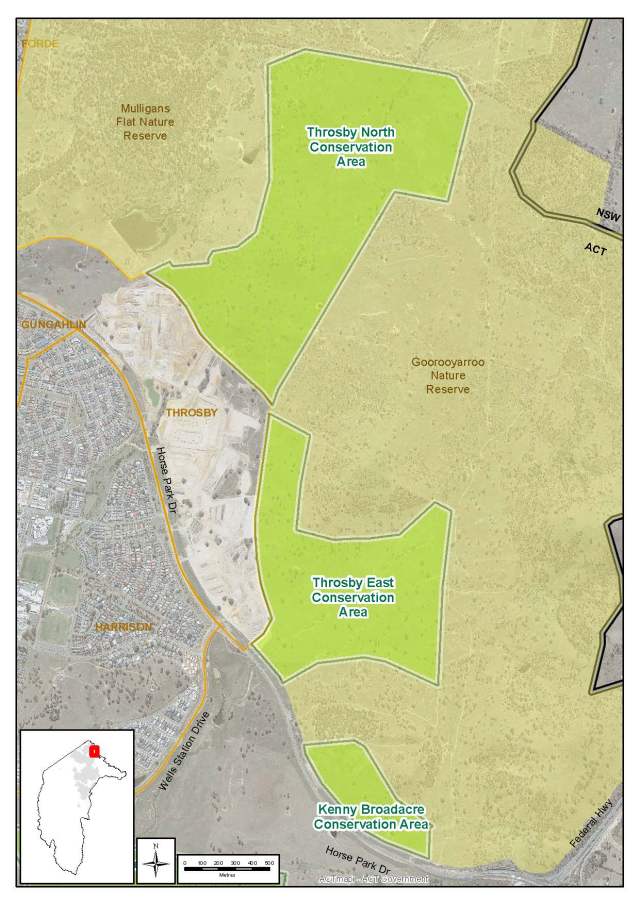
Superb parrots are threatened by development such as the new suburb of Throsby in the ACT (Figure 2). Laura has been working in a monitoring project in Throsby for three years and 2017 is the first year after the development. She said soon there would be more houses, people, cats and dogs, and the impacts of these changes on superb parrots remain unknown.

Apart from the direct impacts, there could be indirect impacts. Some bird species like cockatoos favour urban environment due to water availability and other species such as the rainbow lorikeet favour nectar-rich planted trees and shrubs. As urban development may attract some bird species to this grassy woodland, there might not be enough suitable hollows for superb parrots.

An offset area

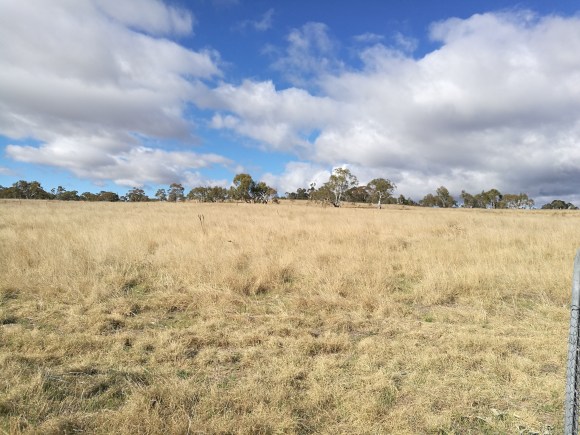
The area we went to became part of the Throsby and Kenny Broadacre offset areas in 2015 (Figure 2). Laura said that the impacts of the development of the new suburb have been minimised before the offsetting as the development area was halved with the consideration of superb parrots, golden sun moths and the overall ecological values of the region. The offset area therefore aims to balance the residual impacts of the development. In addition, the offset is part of the Gungahlin strategic assessment, which connects Mulligans Flat and Goorooyaroo Nature Reserve. Thus, this offset is expected to achieve more ecological gains.

Figure 2. A map of the Throsby and Kenny Broadacre offset areas created by ACT Environment and Planning Directorate

Monitoring research  

In her research, Laura monitors the superb parrots to see whether they can find suitable hollows and nest and breed effectively in the study site to determine whether the development of the new suburb has an impact on them, and whether the offset is effective in conserving this species and the ecological values of this area.

Our fieldwork

We saw about 6 superb parrots at the site and a female superb parrot had already found a nest, which suggests that superb parrots could use the site after the development but Laura still needs to monitor them to see if all of them can nest and breed.

We put strings in the trees where the superb parrots had nested in previous years and the trees where they were likely to nest. We needed to put the string on the branch that was higher than the hollows in the tree, so later Laura could put ropes in the tree and climb the tree to put cameras in the tree to monitor the nesting and breeding of the superb parrots. We used a slingshot and a throw bag to put strings in the trees. Laura said it was easier to use a slingshot, but a throw-bag worked better if she needed to aim for a high branch. Laura said it could usually take 15 minutes to 2 hours to put the string on the right branch. We spent almost the whole day putting strings in the trees. Sometimes there were birds on the tree we were trying to string and that made it more difficult. No one wants to shoot a bird! Laura said it was really hard for beginners to succeed but because she was a wonderful teacher, I succeeded once using the slingshot. That was exciting! We also prepared the monitoring cameras by changing the batteries and the camera settings (Figure 3).

Figure 3. change the batteries and the camera settings

However, Laura did not climb the trees to put the cameras in the trees that day because her manager called and said risk assessment was required. But I put on the climbing harness and I also tried to carry the bag with the cameras and other equipment in and that was really heavy. It would be so hard to climb the tree with the bag on.

Laura also needs to put bands and transmitters on superb parrots to track their movements as she did last year. She said she had been worried about disturbing the birds, but they were relatively tolerant to this disturbance and all went back to the nests after this process last year.

Figure 4. a beautiful superb parrot tail feather we found at the site


‘They aren’t meant to be caged’

Laura told me I could never let anyone know about the exact location of the nest trees of the superb parrot. It is sad to know that some people want to make profits using those beautiful birds. But it is good to know that the ecologists are trying their best to save our nature. Thanks Laura for allowing me to help in the monitoring project of this beautiful species!


u5839511 Yuqing

Reference

http://www.environment.act.gov.au/parks-conservation/environmental-offsets/northern/gungahlin-strategic-assessment/throsby-and-kenny-broadacre

Click to access Breeding-ecology-of-the-superb-parrot.pdf

https://www.goodreads.com/quotes/67049-some-birds-are-not-meant-to-be-caged-that-s-all

Posted in Uncategorized | 1 Comment

Park care in Mount Majura Nature Reserve

Mount Majura Nature Reserve (MMNR) (35°14’15″S 149°10’50″E) is part of the Canberra Nature Park. This natural reserve is located in the northern suburbs of Canberra in the Australian Capital Territory. There is a series of residual bush areas of mainly hills and ridges that frame suburban Canberra. The hills of MMNR are covered with native Australian trees, most of the species are eucalyptus. At the same time, there are also an amount of highly sensitive rare plant species, including up to 26 species of terrestrial orchids such as Spider Orchid (Arachnorchis actensis). Mt Majura has a colourful variety of shrubs and grasses like Redanther Wallaby Grass (Joycea pallida) and Acacia (Acacia genistifolia) (See Figure 1). Also, Mt Majura is home to one of the few remaining stands of Yellow Box Eucalyptus melliodora in Australia. There is the critically endangered Box-Gum Woodland at the lower slope. It’s also significant for endangered birds which include the Scarlet Robin (Petroica boodang) and Swift Parrot (Lathamus discolor). Sometimes we can see mixed species groups of small woodland birds foraging in the winter. MMNR sustains the native biodiversity conservation and maintains the ecological environment.


Figure 1. Acacia genistifolia

There are some environmental issues in MMNR. Pest species and excessive populations of species adversely impact on the MMNR because of the proximity of MMNR to the residential area. On the other hand, native species visibly impact on the conservation. For example, managers should concern about the present overgrazing by European Rabbit, Brown Hare, Eastern Grey Kangaroo and European Red Fox. The impact of large populations of grazing and browsing animals is particularly devastating the structure of the soil. It results in irreversible loss of biodiversity and topsoil during drought season. Also, the weed invasion has greatly diminished the diversity and abundance of native plant species. Woody weeds are threatening the integrity of the nature reserves.
Mount Majura’s local volunteer park care group is known as the Friends of Mount Majura (FoMM). FoMM aims to conserve environment and host events such as informative walks, wildlife exhibitions, and displays. Moreover, FoMM provides many volunteer opportunities to people which use their free time to caring for the nature reserve. The range of activities includes weed management and raising and planting trees. They also conduct monitoring activities on plants, animals and water quality. During the mid-break, I joined in the working party to enjoy contributing to conservation within the MMNR. The main parts of my work experience are watering (Figure 2) and mulching (Figure 3). The aim of watering is to help retain moisture in order to keep growing. Most of the sunlight is absorbed by plants for photosynthesis, the evaporation of water progressively increases at the same time. The watering can prevent too much water from losing. We should care about throwing the water from plastic shells while we are watering the plants, the watering demands patience. On the other hand, the mulch is a layer of material applied to the surface of the soil, the recovery of the ground cover is very limited due to the loss of topsoil and reduced water infiltration. The mulching contributes to retain the soil moisture and improve fertility and health of the soil. Especially reducing weed growth and raising the visual appeal of the area. The main material of the mulch is organic residues including grass clippings, leaves, hay, straw and shredded bark. The lack of ground cover where we need to mulch. Finally, we voluntarily help organizers to check the plastic shells whether there is any damage. If the plastic shells become loose and damaged, we should replace them. Plastic shells are installed by stick, we need to care about species which might be over compressed by plastic shells. The purpose of plastic shells is to prevent destroying the species.


Figure 2. Watering


Figure 3. Mulching

This is the valuable working experience for me that learned how to correctly water the plants and how to suppress the growth of the weed. This activity also contributes to realizing that environmental works are not easy to insist. Managers always have to spend much time to maintain and recover the environment. Therefore, volunteer works have great significance to support the environmental action. Although there are some environmental issues in MMNR, local volunteers are working hard to turn this trend around. In addition, I encourage more people to join volunteer of groups and try to efforts protect the environment.

U5793207
Kaiyuan

Posted in Uncategorized | Leave a comment

Land management and the Encroaching City Boundaries

U6176883

Becoming a park ranger, the dream job for so many Fenner graduates. Getting paid to spend the day in the field, relaxing amongst nature. But how does the idealised vision differ from fact, especially when within the urban interface? This is what I aimed to discover when I spent the day working with rangers Simon and Pat at Canberra Nature Park.

Canberra Nature Park is split into several offices across the ACT, firstly by urban and regional centres, then into district areas. The Mitchell office, where I worked, deals with all CNP land within the north of Canberra. The large majority of the rangers’ role is to monitor ongoing projects, and can also be ceremoniously unglamorous. Yearly, each ranger will deal with upwards of 500 road kill, management of feral animals through shooting and fumigation, including the annual culling of kangaroos, and spraying of invasive plant species.

The first job I was involved with was to check out Duntroon Dairy, a heritage listed building circa 1836, thought to be the oldest surviving building in Canberra (Fig 1). Nestled at the foothill of Mount Pleasant, along the Molonglo River, it was entrusted to CNP due to its historical value. From there we did a visual inspection of Mount Pleasant, which has significant issues with invasive species. This is a persistent problem due to the fact that portions of the land are owned by the Department of Defence, who have different management objectives to CNP, and thus makes interdepartmental affairs more difficult to deal with.

Figure 1: Top: Duntroon Dairy, Bottom: Map of Heritage site (Conservation Management Plan)

Mount Ainslie and Mount Majura, on the other hand, are well managed for invasive weed species and have limited associated problems in contrast to Mount Pleasant. This is partially due to the collective work done by volunteer community groups. Previously, cleared paddocks on Mount Majura were infested with Paterson’s curse, Hedge Mustard and Flatweed, as well as other invasive species (Fig. 2). However, ‘Friends of Mount Majura’ have worked to control them, and consequently native species have repopulated the area, restoring natural resilience to the system (Fig. 3).

Figure 2: Top: Paddock on Mount Majura prior to weed control, October 2007, consisting mainly of Paterson’s Curse

The same paddock on Mount Majura in 2012, after weed control (Friends of Mount Majura)

Figure 3: Paddock on Mount Majura – by removing competitive Paterson’s Curse native ground cover species, like Common Everlastings, Chrysocephalum apiculatum, regrew (Friend of Mount Majura).

Despite ongoing work to restore landscapes within CNP, there is evidence that urbanisation is having a severe impact. On a small-scale I observed this through the intrusion of residential yards onto reserve land, which included the planting of non-native species and encouragement of invasive species, like Chilean needle grass, to grow (Fig. 4).

Figure 4: Residential backyard intruding onto reserve land, encouraging Chilean needle grass to spread


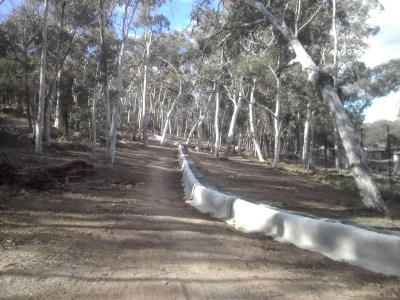
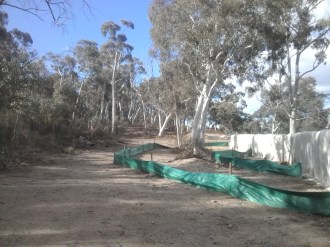
Development intrusion was also viewed on Bruce Ridge, where the tourist park had contracted to place a physical barrier, preventing runoff from flooding their site. This involved removal of the understorey and significant disturbance to the site to allow heavy machinery in. CNP rangers are responsible for monitoring work, the extent to which the landscape has been altered and to evaluate how it is recovering over time. Currently, the site is highly disturbed in comparison to the surrounding landscape, with little to no ground cover, and it remains unknown whether the tourist park is contractually obliged to cover the cost of restoration (fig 5).

Figure 5: undisturbed sites on Bruce Ridge, O’Connor

Sites where drainage lines and a physical barrier have been erected to prevent runoff and erosion

Sites where vegetation had been removed to create barrier

On a large-scale, the threat of urban expansion is apparent within the grasslands and offset sites around Canberra. As new developments grow around the bush capital, rangers have to manage new areas of land designated as offset sites. A site adjacent to Mount Ainslie reserve has been given to CNP to counterbalance a nearby development, but offers several obstacles in the process to restoration. While invasive species are either controlled or sprayed for on Mount Ainslie, the offset site is chockfull of Serrated tussock, Chilean needle grass, Paterson’s curse and has an estimated population of 40,000 kangaroos, all of which will somehow have to be controlled and managed within a defined budget.

An effective management plan for weed control could include burning during early spring before the plants go to seed, however this can be challenging as it may still be too green. Furthermore, kangaroo culling within the ACT is a controversial issue, causing social and political tension, with many groups in open opposition, while rangers agreeing that it is the best, and sometimes only, management option.

Figure: 6 Visual representation of the drivers, pressures and effects of pressures viewed in CNP

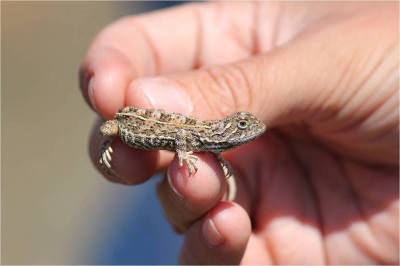
The natural temperate grasslands of Australia once covered an estimated 250,000 hectares. However, it makes for prime agricultural land, and therefore it has become fragmented since European settlement, invaded by species like Serrated tussock, African Lovegrass, St. Johns Wart and Phalaris. Today only 1% of these lands remains in the ACT. Crace Grassland is home to rare and endemic species, like the Grassland Earless Dragon, the Stripped Legless Lizard and the Button Wrinklewort (fig. 7). Concern for these threatened species is driven by the fact that they occur within different patches of the grassland, but all face the risk disappearing from this site with the encroachment of St Johns Wort. The Button Wrinklewort, in particular, only occurs in a very small patch of loamy clay soils (fig. 8). The Grassland Earless Dragon and Stripped Legless Lizard have slightly different ecosystem requirements, and thus controlling St Johns Wort without harming their population is challenging for the rangers. Furthermore, Phalaris, a introduced grass, is prolific within this grassland, however kangaroos prefer to graze on native forbs. This causes increased grazing pressure on native species already under intense competition from weeds, and thus over time will deplete the biodiversity of the grasslands. One management solution is to lease the land out to cattle farmers, which controls the Phalaris, and by carrying out rotational grazing limits the total grazing pressure on the paddocks. Moreover, cattle decrease the fire risk by reducing fuel load.

Figure 7: Stripped Legless Lizard

Grassland Earless Dragon (Environment, ACT)

Figure 8: Grace Grassland, Mitchell, showing the area in which Button Wrinklewort grows. The loamy, clay soils only cover approximately 50 meters (Google maps)

Encroachment of the city edge and urban sprawl poses a large threat to the natural capital of Canberra. While the day-to-day work of an urban ranger may encompass cleaning up road kill, dealing with public complaints and giving ‘move on’ notices to swooping magpies, as human interaction with the environment inevitably increases, their work in protecting biodiversity will become increasingly vital.

Posted in Uncategorized | Leave a comment

Birding in Capertee

A flash of black and yellow streaks across the lens of the binoculars I’m peering through. I swing them around and manage to focus on a bird for a brief moment before it darts off again through the trees. It flies back and forth, but never stays still long enough for me to get a good look at it. It pauses briefly and I get another quick peek at it, before the wind blows through the tall yellow box tree in front of me and the little regent honeyeater launches out across the valley and disappears from view.

*                      *                   *

I’ve come up to the Capertee Valley for a couple of nights to help a PhD student, Ross Crates, with his work looking at the conservation of the Regent Honeyeater (Anthochaera Phrygia), a critically endangered bird. Krish, Shiyao and myself drove up from Canberra to the Capertee Valley, which is about 4.5 hours north of Canberra, on the western fall of the Blue Mountains.

We met Ross in Lithgow, and then followed him out towards Capertee. We stayed at Ross’ place, which was a sweet little set up in the back of a farm shed on a friendly landowner’s property.


The new morning we woke uo early, packed our food for the day and drove off into the Capertee National Park. NSW Parks and Wildlife bought the valley about 6 years ago for conservation purposes, as it is one of the last valleys that has viable habitat for the Regents, and is one of three key breeding sites. It’s mostly been cleared in the last 60-100 years for grazing but would have been yellow box/ironbark/red gum grassy woodland.

Now there are a few paddock trees that dot the valley, and along with the casuarinas that line the river, provide the habitat for the last of the honeyeaters. Like much of eastern Australia, it is dusty and dry at the moment – the Capertee river is a rocky water course with only a few stagnant pools in the shade below tall stands of casuarinas.


It was really windy for most of the day, roaring up through the valley. We followed Ross around as he pointed out the different species of trees that support the birds, and showed us some of the nesting trees.

We saw quite a few pairs of birds as well as some on their own. The regents are breeding at the moment, because the yellow box has started flowering, as well as some of the other food sources – mistletoe in the casuarinas and some of the mugga ironbark. Ross reckons there’s about 350 wild honeyeaters left, only a fraction of the population that would have existed before European colonisation. Habitat loss is the driver behind their rapid decline – they fill a niche in the box gum grassy woodland that provides for them to breed and feed safely. As this habitat declines, the pressure amongst populations of birds increases, as well as competition (from other species such as friarbirds and noisy minors) for limited resources.


Most of the arvo that day was spent watering trees (yellow box and mugga ironbark’s) that had been planted the season prior. We spent a good hour or more trying to start the little Davey water pump, but to no avail. Instead we watered the trees by hand, siphoning the water out of the tank when the level got to low for gravity to work in our favour.

Ross is hoping that the honeyeaters can hang in for another 30-40 years whilst the trees mature to an age where they begin flowering and producing nectar. Its a slow process. The changing climate and predictions in weather forecasting will no doubt make strategies like this harder to execute in the future.


The highlight of the trip was the time we spent birdwatching – it was a pretty amazing opportunity to observe such a rare species in the wild. It was a funny feeling to watch the regents, knowing that there was a fairly good chance they might be found out here in another 30 or 40 years.


The journey back to Canberra was quite pleasant, with a quick stop at the bakery in Lithgow for an esteemed pepper steak pie. Most of that drive was at night and luckily the wombats and kangaroos were having a quite one, so there wasn’t too much swerving or swearing.


IMG_4806

Behind locked gates – a combination code is required to enter the park. Bogan proofing…

IMG_4812

Krish having a crack on the parabolic dish microphone. Using this we were able to record some calls of the regent honeyeater.

Here’s a short video of some of the footage from the trip – no regent honeyeaters were harmed… (or filmed for that matter, they’re bloody quick!)


– Aston

Posted in Uncategorized | 2 Comments

Day in the Life: Tidbinbilla Nature Reserve, ACT

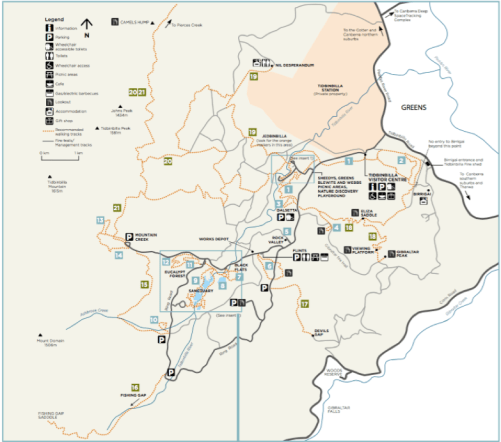
Located just a 40-minute drive from Canberra’s city center, the Tidbinbilla Nature Reserve (TNR) operates as an ecotourism facility striving for sustainable land management and environmental operations, focusing on conserving natural and cultural values. TNR operates through three primary divisions; the Ranger Team, Wildlife Team and Visitor Team. Throughout my volunteer experience, I was fortunate enough to accompany both the Rangers and Wildlife Officers, gaining insight into what a day in their working lives entails.


Figure 1. Tidbinbilla Map Outlining all sites visited including: Depot, Sanctuary, Brush-tailed Rock-wallaby, Woodland and Eucalypt forest zones (taken from ACT Tidbinbilla Nature Reserve).


The Ranger Team

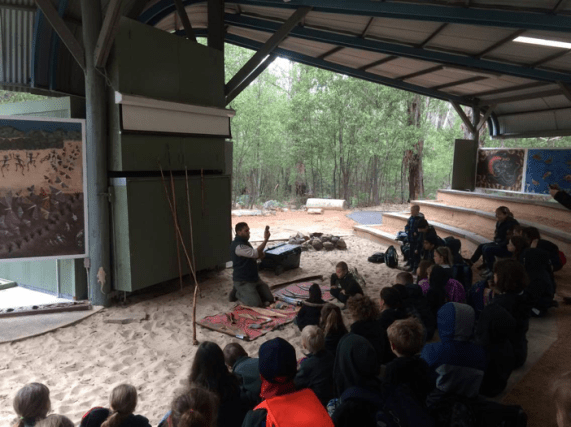
Focusing on environmental and conservation management issues (Naughton-Treves et al, 2005), the Ranger experience commenced with a Ranger Guided Activity (RGAs) an educational tool for primary school participants (ACT Government, 2017). Tidbinbilla, derived from the Ngunnawal word ‘Jedbinbilla’, holds indigenous and heritage significance. A presentation of specific indigenous content was led by Ranger Travis, through his demonstration of indigenous artifacts documenting Tidbinbilla’s indigenous history, promoting indigenous culture and heritage conservation (ACT Government, 2017). Sharing traditional knowledge about local fauna and flora like the Bracken Fern sap, used to neutralizes insect bites, the children’s concentration began to lag and havoc was unleashed upon the various boomerang and spear artifacts.

Figure 2. Indigenous artifact RGA led by Ranger Travis to First Grade Condor Primary Students.


The RGA Platypus pursuits activity led by Ranger Tom, involved the primary school participants walking around the Tidbinbilla’s wetlands in search of platypus. Although the platypus sightings were scarce on this bitterly cold morning, mistaken for debris induced pond ripples, the important take home message for the children was the significance of TNR promoting biodiversity conservation.

The Wildlife Team

Focusing on captive wildlife management, the Wildlife Officers run the Endangered Species Breeding Program, targeting conservation of the Pseudophryne pengilleyi (Northern Corroboree Frog), the Petrogale penicillata (Southern Brush-tailed Rock Wallaby) and the Bettongia gaimardi (Eastern Bettong) (ACT Government, 2017).

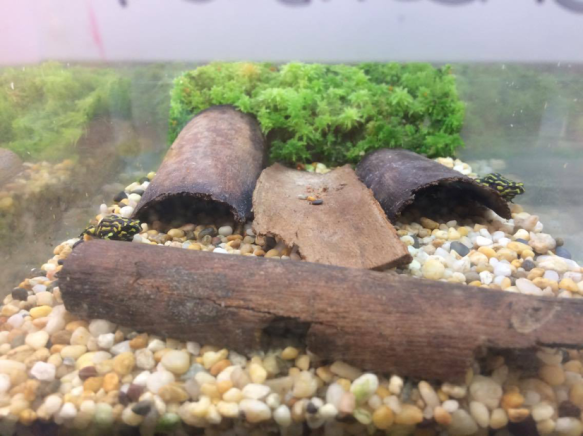
Tagging along with Wildlife Officer Hannah, I spent the morning cleaning and preparing tanks for the 1047 individuals undergoing metamorphosis from the 2017 insurance population bank. The Northern Corroboree Frog (NCF) is a Critically Endangered Native species with current wild population estimates of less than 100 individuals within the ACT (ACT Government, 2017).  The TNR NCF breeding program is the largest active captive breeding program, aiming to bolster wild population levels through the annual release of approximately half of their adult insurance population. The breeding program consists of first and second-generative captive bred frogs, established in 2003 through the capture of 400 wild individuals (ACT Government, 2017).  The significance of this starter population is that the current insurance population reflects wild species genetic diversity, preventing genetic bottlenecking and ensuring sufficient genetic diversity within future captive populations, enabling re-introduction to be a viable conservation strategy.

The identified biodiversity threats for the NCF is the Chytris fungus pathogen, driving population vulnerability by reducing viable alpine sphagnum bog environments (Corroborree Frog.Org, 2016). The program’s success is attributed to the captive populations protection from predators, biodiversity threats and regulating food supply. The adult populations are fed a non-variable diet of crickets bi-weekly, ensuring that the NCF individuals receive adequate nutritional intake enabling populations persistence. The program has been successful in prolonging the NCF estimated life span of 9 years within wild population, evident by the current breeding partners age of 14 years (ACT Government, 2017).

Monitoring the population survival upon release is essential in indicating whether the breeding program has been successful in bolstering wild population levels. The Wildlife Team are currently in the process of auditing population numbers, however, auditing the population for survival is difficult as it involves Conservation Research members recording the number of male breeding calls produced over the summer breeding season, often resulting in an inaccurate record of wild population levels.


Figure 3. Two adult Pseudophryne pengilleyi (Northern Corroboree Frog) members from the 2016 TNR breeding program insurance population.


After spending the morning surrounded by over 1000 amphibians, it was about time to delve into all things marsupial, embarking on the Southern Brush-tailed Rock Wallaby and Eastern Bettong Breeding Program adventures.

The Petrogale penicillata is recognised as an endangered species within NSW, protected under the Threatened Species Conservation Act 1995 (CoA, 2017).  TNR has approximately 70% of the Australian captive breeding population and their management program operates in partnership with several local agencies, targeting the release of their insurance population into VIC as part of the national recovery breeding program (ACT Government, 2017). The identified biodiversity threats for these acrobatic individuals is habitat loss, introduced exotic flora, changed fire regimes, urban development, introduced feral predators, increased food competition and past hunting activities.

The Bettongia gaimardi has received prioritised resource allocation by the Australian government to support population recovery due to its important species ecosystem services of native fungi spore distribution (CoA, 2017).  The focus of the TNR breeding program is to retain genetic diversity through an insurance population, through partnerships with the ANU and CSIRO for reintroduction of populations within large feral-free enclosures at locations including Mulligan’s Flat Woodland Sanctuary. The identified biodiversity threats for the Eastern Bettong include land clearing, agriculture developments, overgrazing, predation from introduced species and competition against introduced species (ACT Government, 2017).

The TNR is able to promote population persistence within both species by conserving prime vegetation corridors, providing exotic flora and fauna management and understanding controlled burning techniques which reduce the intensity of bush fires and subsequent habitat loss (ACT Government, 2017).


Figure 4. Some of the Petrogale penicillata eucalypt forest enclosure population during feeding rounds.


Assisting the Wildlife team with the maintenance of selective eucalypt and casuarina forest enclosures, for these vulnerable marsupial populations and running through the daily routine checklist of food preparation, feeding, enclosure cleaning, water level checks and nesting installations, I finally understand just why these park and service roles are highly competitive to secure (ACT Government, 2017).

After totaling a day of lifting 16 hay bales, walking around for 3hrs in sub-zero temperatures and scrubbing over 30 fungi-covered wood fragments, I can certainly say that this job is not for the weak or faint-hearted. Although challenging, these roles are extremely rewarding and directly result in cultural and biodiversity conservation.  This opportunity has been extremely gratifying and I’ve developed a deep appreciation for the conservation operations and educational endeavors pursued by the TNR team surrounding the anthropogenic-environmental interface (Bickford et al, 2012).

I would like to thank the TNR team, in particular Officers Kristy, Tom, Travis and Hannah, for allowing me to tag along for this experience, an opportunity which I hope to participate again in the near future.

Written by: u5808910

Word count: 989

References

ACT Government, 2017. Aboriginal Connections to Tidbinbilla. https://www.tidbinbilla.act.gov.au/learn/tidbinbilla/aboriginal-connections-to-tidbinbilla. Viewed on the 06 September 2017.

ACT Government, 2017. Endangered Species Breeding Programs. https://www.tidbinbilla.act.gov.au/learn/tidbinbilla/endangered-species-breeding-programs. Viewed on the 06 September 2017.

ACT Government, 2017. Parks and Conservation. http://www.environment.act.gov.au/ACT-parks-conservation. Viewed on the 06 September 2017.

ACT Government, 2017. Tidbinbilla Nature Reserve. 2017 https://www.tidbinbilla.act.gov.au/learn/tidbinbilla. Viewed on the 06 September 2017.

Bickford, D., Posa, M.R.C., Qie, L., Campos-Arceiz, A. and Kudavidanage, E.P., 2012. Science communication for biodiversity conservation. Biological Conservation, 151(1), pp.74-76.

Commonwealth of Australia, 2017. Biodiversity: Threatened species and ecological communities publications; Brush-tailed rock-wallaby- Petrogale penicillata. http://www.environment.gov.au/biodiversity/threatened/publications/brush-tailed-rock-wallaby-petrogale-penicillata. Viewed on the 06 September 2017.

Commonwealth of Australia, 2017. Species Profile and Threats Database; Bettongia gaimardi. http://www.environment.gov.au/cgi-bin/sprat/public/publicspecies.pl?taxon_id=211. Viewed on the 06 September 2017.

Corroborree Frog.Org, 2016. Biology: Corroboree Frog Recovery Program. http://www.corroboreefrog.org.au/biology/fast-facts/. Viewed on the 06 September 2017.

Naughton-Treves, L., Holland, M.B. and Brandon, K., 2005. The role of protected areas in conserving biodiversity and sustaining local livelihoods. Annual Review of Environment and Resources, 30(1), pp.219-252.


Posted in biodiversity conservation, Volunteer work | Leave a comment

Last ones in the wild: Regent honeyeaters.

The regent honey-eater.


            Introduction and issues:

    Some organisms are so rare, and at such low a number, that in a day’s time, and within the radius of a few kilometres, one can find a significant proportion of their existing population. One of these is the regent honeyeater (Anthochera phrygia, Shaw, 1794), which only has 350- 400 remaining individuals in the wild (Crates et al, 2017). This is a critically endangered bird, whose populations have declined by over 80% in the last three decades (BirdLife International, 2016). To observe this species in the wild, Aston, Shiyao, and I went to the Capertee Valley National Park, which is one of the last remnant habitats where they can be found breeding (Geering & French, 1998), and we met Ross Crates, who has been studying these birds since three years. Because of their nomadic lifestyle, these birds are usually difficult to monitor, but at Capertee, they have been nesting at the same spots since 3 years.

A google map of Capertee national park, with our site marked in white
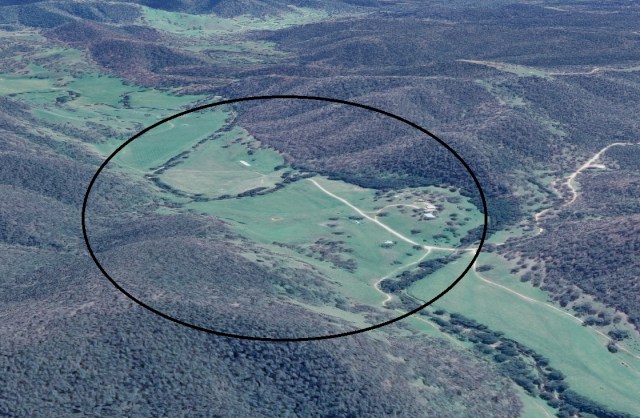


A 3D google map image, of our site. It contains around 5% of the world’s regent honeyeater population!

                   A. phrygia is a nectivorous and insectivorous bird, endemic to NSW and S. QLD, that specialises on trees like the yellow box, iron bark, and mistletoe (Oliver, 2000). It has lost most of its habitat, because these trees exist on fertile land that was cleared for agriculture, or for timber, while remnant habitat exists in small isolated patches, which are heavily fragmented (Garnett et al, 2011). Today, most of their habitat is restricted to paddock trees. Our site, in the Capertee valley had a lot of these tree, hence becoming a stronghold for these birds. Ross said that the honeyeaters have faced an extinction vortex because of their small numbers. Before being at such low numbers, these birds would have flocked and travelled in groups, which would protect them from predation, but now, their vulnerability to predation is much higher. These birds also learn their calls from conspecifics, but because of their low numbers, Ross has been observing many of them make wrong calls, probably because they do not have enough conspecific individuals around them to learn the correct call (Liu et al, 2014), which is preventing them from finding each other, although, some have argued that this could be mimicry (Roderick, 2014; Veerman, 2016). They have also faced a sex ratio bias towards males, causing a skew in their mating system, with not enough females being around (Ewen et al, 2011). Their low numbers have also caused competitors, such as friarbirds, and noise miners, to outcompete them (Ford et al, 1993). I also hypothesize that they would be facing inbreeding depression, and future studies could look at this.

Flowers of the mistletoe: a favourite of the honeyeaters.

            Conservation practices:

 Ross’ research is trying to come up with solutions to conserve this species. One of the things he has done at Capertee, is the planting of over 300 trees of ironbark and yellow box. He says that even then, we would have to wait for a few decades, for the trees to be old enough to produce flowers and be suitable habitat. Till then, conservation efforts would have to prevent any further clearing of this habitat, and maintain the bird in low densities. Nectar is very important for the occurrence of this species, and he has found most of their habitat to be around nectar producing trees (Crates et al, 2017). Captive breeding programs and reintroduction have been undertaken for this bird, but even that has had its own problems (Liu et al, 2014), the main one being lack of suitable habitat where these birds can be released. So, even if we do increase their numbers, they wouldn’t breed, because there wouldn’t be enough nesting sites available. Ross is also using GIS to search for other suitable habitats where this bird may exist (Crates et al, 2017), or can be introduced into, which has been done previously (Oliver & Lollback, 2010). Till now, he has found a few hundred potential sites. He also studies site fidelity in this bird, and is testing whether they come back to the same site to breed, or migrate to different patches of land elsewhere. This would aid us to understand the movement of this species better, across a fragmented habitat, and measure the effects of habitat size and connectivity, on these birds. Fragmentation also creates edge effects, increases stochasticity, predation, and genetic problems, and it would be interesting to test whether such is the case for the honeyeater (Ford et al, 2001). We helped him monitor these birds, by looking for colour bands he had put on their legs, to see whether there were any new individuals in the area, or tagged individuals from previous years. We also searched for new individuals in locations he hadn’t surveyed before, and found 2 two new pairs that were about to start building their nests. This would allow him to create a spatial map of individuals, their nesting sites, and their feeding grounds. Ross is also trying to reduce predation on these birds and their eggs, by reducing their travel time between nest and water. He has placed water tubs near their nests, where they can go to for a drink. He also monitors their behaviour, and is testing whether nesting and breeding coincide with flowering of trees, and whether territoriality depends on the amount of flowers on a tree. He predicts that males would become more territorial, and spend more time chasing competitors away, when flowers come into bloom (Oliver, 1998). This could lead to lesser food being fed to chicks, which is a result of not enough nectar producing trees being around.
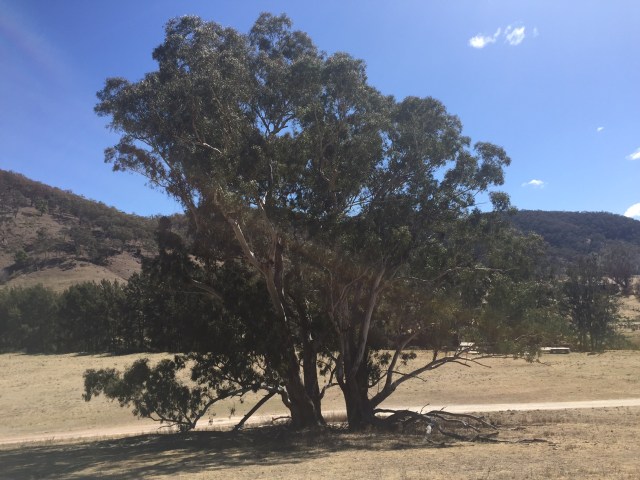
Old growth yellow box paddock trees in a fragmented agricultural landscape: a habitat for honeyeaters.

          Ross says that most areas from where museum specimens for this bird were collected, are farms or urban areas now, and habitat is the biggest limiting factor for its recovery. He says that many honeyeater sites are still being converted to farms, and being offsetted inappropriately, to either unsuitable habitat, or areas which are too far away for migration, and offset restoration is being done by planting non-habitat trees. We noticed another limitation: water. Drought has been shown to reduce nesting success of these birds (Geering & French, 1998). During our visit, Capertee was completely dry, and had received much lower rain that previous years. Many saplings that Ross had planted had withered. Most of the individuals that we saw, were nested around mistletoes that parasitised casuarina, along stream banks. These sites are crucial for conservation of this species, because they have water even during drought years, and hence need to be prioritised for conservation, in order to save these birds. We helped Ross water the saplings, so that in 40 years’ time, they would grow into suitable paddock trees, and [hopefully] become nesting and feeding host spots for these birds. This also made me realise how water can be a limiting resource for an entire community of organisms. I wonder what impact climate change would have on such habitats, with increase in temperature and aridity, and greater unpredictability in rainfall.

Casuarina along streams, with mistletoes on them: suitable riparian habitat.

Aston watering yellow box saplings

           The Park has also carried out culling of 400 noisy miners, which they think will increase the numbers of regent honeyeaters. Noisy miners are very territorial, and compete with honeyeaters for nectar, and often exclude them from suitable habitat (Clark & Grey, 2010). They also prevent lerp eating species, such as pardalotes and honeyeaters, from accessing iron bark and yellow box trees, which can cause a boom in lerp populations, leading to dieback of trees which are habitat and food for regent honeyeaters. Since the culling, Ross has observed regents in areas where they wouldn’t usually go to or nest in, due to competition from miners, and also an increase in honeyeater numbers. The honeyeaters also need the presence of birds, like the mistletoe bird, to facilitate their niche. The mistletoe bird propagates mistletoe seeds, from host to host, allowing mistletoes to parasitize their hosts, providing important food source for the honeyeater. We also helped Ross plant some new Mugger Iron bark saplings, which in the future, would restore their habitat. One problem with planting these trees is that they need low nutrient soil, but because the valley has been used for farming previously, it is rich in phosphorous, which causes exotic plants to outcompete natives (Lambers et al, 2013).

An area from where miners have been culled. New ironbark saplings were planted here. 
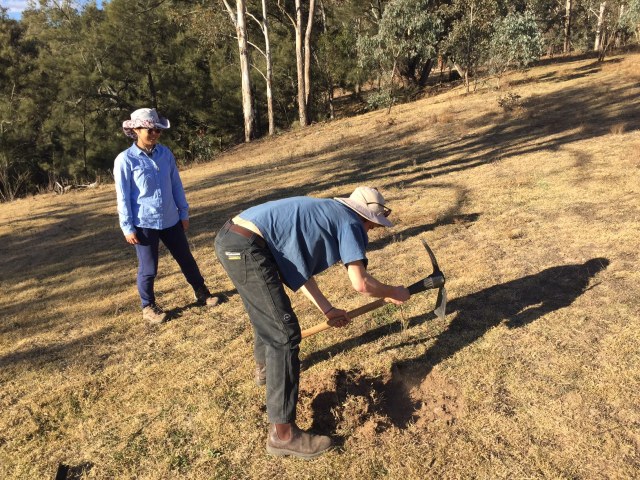


Aston digs a pit, where new sapling will be planted. These will become habitat trees for honeyeaters, after a few decades.

                We spent our last few hours sitting and looking at these rare birds, observing what they do, and appreciating this opportunity we got, to observe them before they may go extinct in the wild. I pondered on the joys of bird watching, something I hadn’t done since a long time. Our 3 day internship had come to an end. I not only learnt about the life history of, and conservation efforts for this species, but also got the privilege of being one of the few people in the world to observe this critically endangered bird in the wild. The regent honeyeater has a very small chance of surviving in the future, and it was surprising to see how much effort is put into saving a single species [without any guarantee], a species whose habitat we destroyed in an eye blink. There seems to be no effective short-term solution for this species’ conservation, because of its habitat being so limited, hence we need to conserve it long enough for our long-term habitat recovery plans to become effective. We also need a long-term monitoring program, that tests whether our efforts are meeting conservation objectives. I still remain optimistic for its survival, and hope that the little time we spent trying to restore its habitat and monitor it, is useful in its conservation.
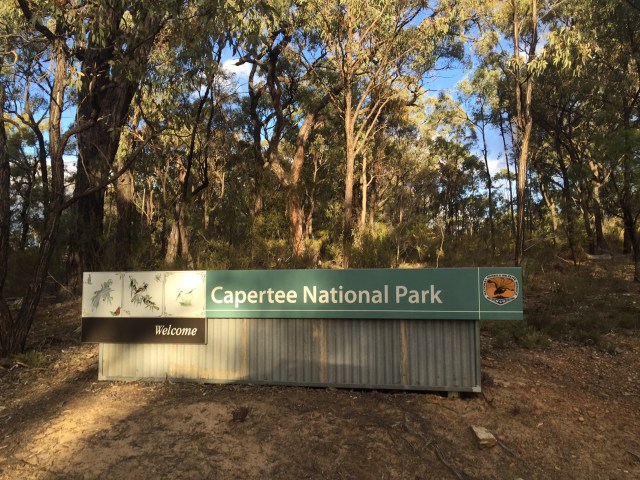
A painting of honeyeaters, on the national park entrance. A flagship species that may soon be extinct.


Krish Sanghvi,

u5871443


References:

BirdLife International. 2016. Anthochaera phrygia. The IUCN Red List of Threatened Species 2016: e.T22704415A93967301. http://dx.doi.org/10.2305/IUCN.UK.2016-3.RLTS.T22704415A93967301.en. Downloaded on 07 September 2017.

Clarke, M.F. and Grey, M.J., 2010. Managing an overabundant native bird: the Noisy Miner (Manorina melanocephala). Temperate Woodland Conservation and Management, pp.115-126.

Crates, R., Terauds, A., Rayner, L., Stojanovic, D., Heinsohn, R., Ingwersen, D. and Webb, M., 2017. An occupancy approach to monitoring regent honeyeaters. The Journal of Wildlife Management81(4), pp.669-677.

Ewen, J.G., Clarke, R.H., Moysey, E., Boulton, R.L., Crozier, R.H. and Clarke, M.F., 2001. Primary sex ratio bias in an endangered cooperatively breeding bird, the black-eared miner, and its implications for conservation. Biological Conservation101(2), pp.137-145.

Ford, H.A., Barrett, G.W., Saunders, D.A. and Recher, H.F., 2001. Why have birds in the woodlands of southern Australia declined?. Biological Conservation97(1), pp.71-88.

Ford, H., Davis, W.E., Debus, S., Ley, A., Recher, H. and Williams, B., 1993. Foraging and aggressive behaviour of the Regent Honeyeater Xanthomyza phrygia in northern New South Wales. Emu-Austral Ornithology93(4), pp.277-281.

Garnett, S., Szabo, J. and Dutson, G., 2011. The action plan for Australian birds 2010. CSIRO PUBLISHING.

Geering, D. and French, K., 1998. Breeding Biology of the Regent Honeyeater Xanthomyza phrygia in the Capertee Valley, New South Wales. Emu-Austral Ornithology98(2), pp.104-116.

Lambers, H., Ahmedi, I., Berkowitz, O., Dunne, C., Finnegan, P.M., Hardy, G.E.S.J., Jost, R., Laliberté, E., Pearse, S.J. and Teste, F.P., 2013. Phosphorus nutrition of phosphorus-sensitive Australian native plants: threats to plant communities in a global biodiversity hotspot. Conservation Physiology1(1), p.cot010.

Liu, S.C., Gillespie, J., Atchison, N. and Andrew, P., 2014. The recovery programme for the Regent honeyeater Anthochaera phrygia: an example of conservation collaboration in Australia. International zoo yearbook48(1), pp.83-91.

Oliver, D.L., 2000. Foraging behaviour and resource selection of the Regent Honeyeater Xanthomyza phrygia in northern New South Wales. Emu-Austral Ornithology100(1), pp.12-30.

Oliver, D.L. and Lollback, G.W., 2010. Breeding habitat selection by the endangered Regent Honeyeater Anthochaera phrygia (Meliphagidae) at the local and landscape scale. Pacific Conservation Biology16(1), pp.27-35.

Roderick, M., 2014. Observations of a Regent Honeyeater performing mimicry of a Little Wattlebird. The Whistler 8, p.58.

Veerman, P.A., 2016. Batesian acoustic mimicry by the Regent Honeyeater Xanthomyza phrygia. Australian Field Ornithology15(6).


Posted in biodiversity conservation, Birds, Volunteer work | Leave a comment