
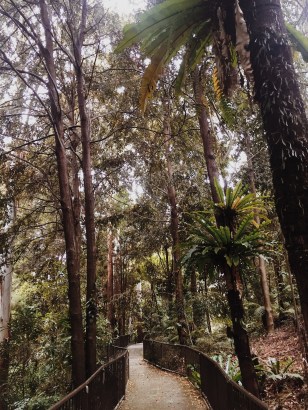
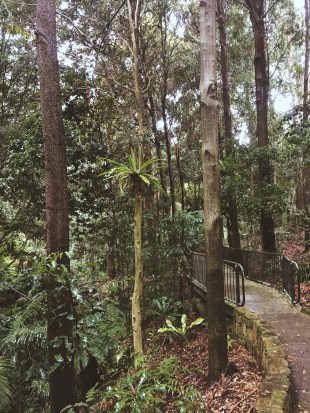
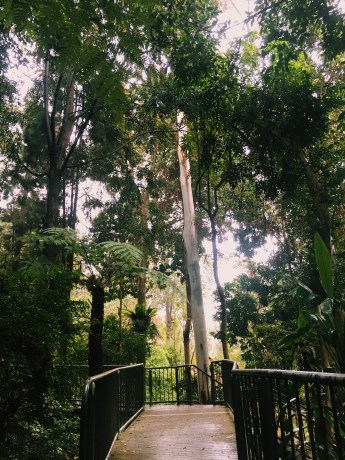
For the past two months, I have spent my Wednesday afternoons in a little lab tucked away in the Rainforest Gulley in the Australian National Botanical gardens.
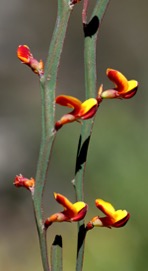
I have been helping Tom North, the curator and manager of the Seed Bank at the gardens, in running a seed germination trial for a species called Bossiaea bombayensis.Bossieae bombayensis,or Bombay Bossiaea, is a shrub listed as vulnerable that is solely found in the Shoalhaven River valley in South-Eastern NSW. The shrub grows on highly inaccessible steep, rocky slopes and much about the species is unknown- including its germination properties. Knowing the conditions under which there is the highest chance of successful germination is vital to be able to cultivate the plant in a setting such as the Botanical Gardens.
Bombay bossiaea is threatened due to competition from invasive species, erosion of riverbanks from recreational events, and stochastic events such as bushfires. The locations of these communities are greatly unknown, but their distribution is sporadic and individual communities are highly isolated from one another. This increases their vulnerability to events such as clearing, degradation and fire, which it is not believed to be resilient towards.
The research I was working on aims to find the most effective pre-germination treatment for Bombay Bossiaea to allow it to be cultivated on a large enough scale to assist conservation efforts.
The seeds used were collected in January and had been kept in a dry store since then. Of about 50 individual trees the seeds were collected from, seeds from 30 randomly ‘mother trees’ were chosen.
My first few sessions in the lab involved weighing seeds from the different parent trees to find an average weight, and counting out batches of 50 seeds from the samples chosen.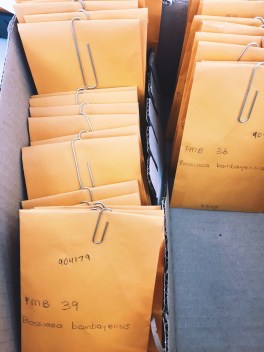
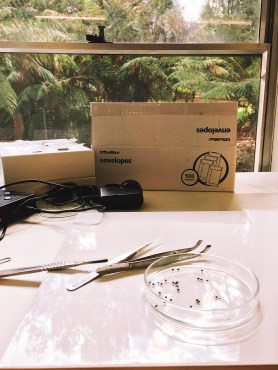
The seeds were then randomly combined and then split into treatment groups, with four replicates being done for each.
- Control
- Microwaved
- Hot water
- Nicked
The next week about 4 hours were spent ‘nicking’ 100 very small seeds with a scalpel under a microscope, extremely painstaking work as the seed had to be nicked in a particular place.
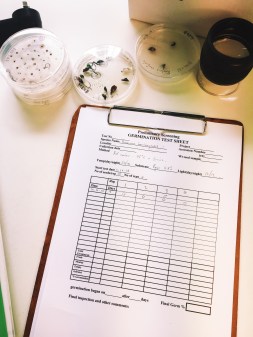
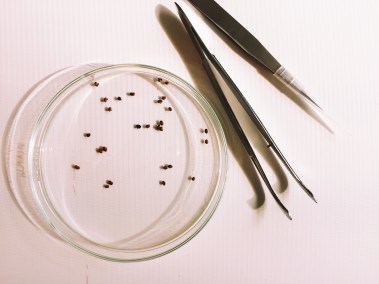
The seeds were then all put in a humidifier overnight, soaked in ethanol and placed in groups of 25 on agar plates before being placed in the incubator for germination, where they currently remain.
I have been going in and ‘scoring’ the seeds every week but there are no signs of germination yet, which is expected to be seen from about 3 weeks of incubation. The results from this project will hopefully give an indication of the best way to allow for successful germination of Bossiaea bombayensis to allow it to survive and thrive in the future!
Working on this project has really emphasised to me the importance of detailed knowledge about what you are actually trying to conserve, as this is vitally necessary to be able to effectively work towards conservation goals.
https://www.environment.nsw.gov.au/savingourspeciesapp/project.aspx?ProfileID=20125
https://www.environment.nsw.gov.au/threatenedSpeciesApp/profile.aspx?id=20125
http://bie.ala.org.au/species/http://id.biodiversity.org.au/node/apni/2887625
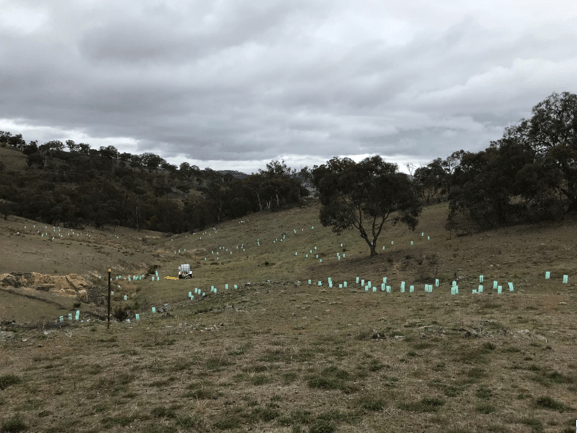
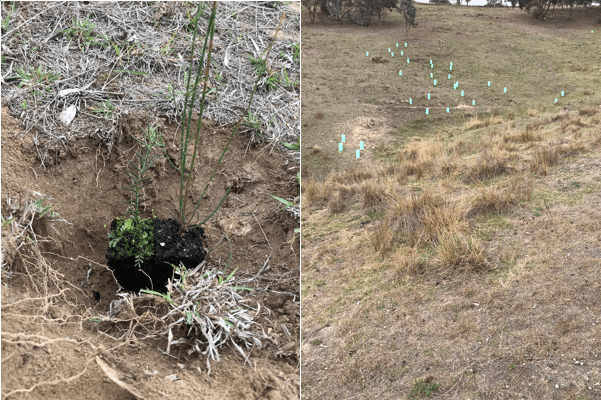
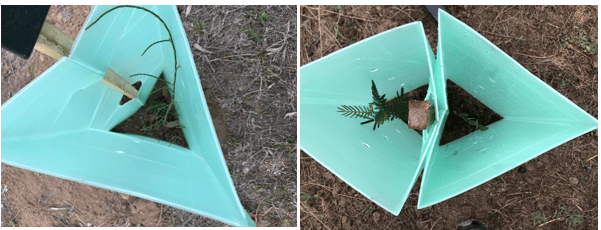 Figure 3. Final view of the new seedlings.




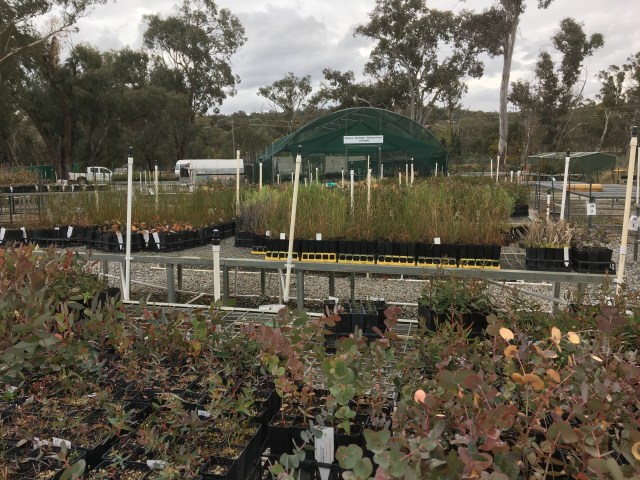
 Figure 2. My first Wednesday weeding at the Nursery. On the left is a bucket filled with weeds and on the right, is a tray of weeded out seedlings





 Biodiversity Conservation