Where’s Delma? Finding it hard to spot the stripes – Vulnerable Striped Legless Lizard (Delma impar) surveying across varied habitat conditions: Bonshaw and Jerrabomberra Grasslands

An image of a Striped Legless Lizard, with a Where's Wally? style costume drawn on to its body.
Striped Legless Lizard (Delma impar), original image Robert Valentic (naturepl.com), adapted by Jamie Barney

For my work experience, I headed out to Bonshaw and Jerrabomberra East Grasslands in Canberra to continue undertaking long-term reptile surveys guided by ACT Parks & Conservation. These surveys aim to investigate the population dynamics of nationally vulnerable listed species[1] [2], the Striped Legless Lizard (Delma impar) – and their relation to habitat condition influenced through differing management strategies.  I learned a whole lot about these lizards – but also, their seemingly controversial management.

Why?

Striped Legless Lizards (Delma impar) resemble exactly what their name suggests – lizards, without legs, that are (generally[3]) striped.  Endemic to south-eastern Australia; over 90% of their natural temperate grassland habitats have been cleared. This is largely due to urbanisation, but also to the agricultural desirability of natural grasslands.[4]

Aggravating this situation is that most of the remaining, fragmented 10% of natural grasslands in south-east Australia are subject to grazing. Regardless of whether grazing is by native kangaroos or through introduced stock pasture, research has shown that grazing at amplified levels disturbs the preferred ecological niche of Striped Legless Lizards: well-developed but structurally complex grass thatch swards, with tussock height between 20-50cm.[5]

Map of south-east Australia showing Striped Legless Lizard and its habitat distribution, segmented into "likely" and "may" occur. Predominately (about 50-60%) of Victoria is shaded, edging into South Australia towards Adelaide. Distribution in New South Wales follows the areas just around the Great Dividing Range, largely to the west of it. Extends from Victoria to the inland of the central coast, around Greater Sydney, and over Canberra.
Striped Legless Lizard and natural temperate grassland distribution map, Geoscience Australia

Is this not a high maintenance lizard? Wouldn’t triaging the species be a better trade-off? 

Like any threatened, vulnerable or endangered species: perhaps. There are more common lizards in these ecosystems which can do their job. At this point, conserving Delma impar is a valuable insurance policy in favour of the overarching ecosystem by the means of species diversity. 

Moreover, the environment will always require “maintenance”. Indigenous peoples have recognised the importance of biodiversity and have managed country for thousands of years to support it – through cultural burns[6], selective harvest[7] [8] and seasonal monitoring[9]. Ecologist Brett Howland notes:

“You can’t lock a reserve up and throw away the key – that doesn’t work.”[10]


Cattle – Controversial management at Bonshaw and Jerrabomberra

Jerrabomberra and Bonshaw grasslands have been subject to community backlash in past leaseholds for kangaroo culling (as a form of overgrazing management), and are now, under Parks & Conservation[11][12]. This management decision is relevant to the Striped Legless Lizard as while it is important to maintain grass cover for them and therefore reduce grazing, as noted earlier, maintaining structural complexity (mixed length grass tussocksis also integral. This means grazing cannot be entirely removed– rather, it must be intermittently retained.[13]

Considering this, it was to my surprise when I found out that both reserves still utilise cattle grazing, but cull kangaroos.  Why cull kangaroos and retain cattle when the latter are considered a more destructive grazing mammal?[14]

My guide for the day, Thea, pointed to the pro’s and cons. More relevant to Delma impar was that the weed, serrated tussock, is particularly unpalatable to cattle – and as such can actually function as a temporary surrogate habitat shelter for the lizards[15]. Additionally, whilst maintaining community engagement (i.e. with the previous agisters), cattle also have temporary benefits of removing phosphorus (problematic to native plants[16] and remanent from previous exotic pasture fertilisers) from the landscape more so than kangaroos, as they are removed from, rather than returned to the system when agistment ends. 

Conclusion

This experience reinforced how effective biodiversity conservation can be a complicated process, and consequently, might require a shift in perspective from a traditional lens. It also gave me the opportunity to learn more about Delma impar conservation efforts in Canberra.

Acknowledgements

Thank you, Thea, for sharing your extensive knowledge with me – and Phil, for facilitating this work experience opportunity.

Olivia Torresan
u6380380


References:

[1] Australian Government Department of Agriculture, Water and the Environment. n.d. EPBC Act List of Threatened Fauna, Australia. Accessed 9th September, 2020.

[2] Australian Government, Department of Agriculture, Water and the Environment. EPBC Act – Referral guidelines for the vulnerable striped legless lizard, Delma impair. Australia. Accessed 9th September, 2020.

[3] ACT Government, Environment, Planning and Sustainable Development Directorate, Striped Legless Lizard, Delma impar Action Plan. Australia. Accessed 9th September, 2020.

[4] ACT Government, Environment, Planning and Sustainable Development Directorate, Natural Temperate Grassland Endangered Ecological Community Action Plan. Australia. Accessed 9th September, 2020.

[5] See 3.

[6] Fletcher, M.S & Thomas, I. 2010. “The origin and temporal development of an ancient cultural landscape”, Journal of Biogeography, vol. 37, no.11. pp. 2183-2196.

[7] Commonwealth Scientific and Industrial Research Organisation (CSIRO). n.d. About the Indigenous seasons calendars. Australia. Accessed 9th September, 2020.

[8] Leonard, S., Parsons, M., Olawsky, K. & Kofod, F. 2013. “The role of culture and traditional knowledge in climate change adaptation: Insights from East Kimberley, Australia”, Global environmental change, vol. 23, no. 3, pp. 623-632

[9] See 7.

[10] Australian National University (ANU) College of Science. n.d. Kangaroos Eating Reptiles out of House and Home. Australia. Accessed 9th September, 2020.

[11] Mcillroy, T. 2014. Vandals target Canberra kangaroo cull site at Jerrabomberra Grassland West Nature Reserve, Canberra Times. Accessed 9th September, 2020.

[12] Australian Wildlife Protection Council (AWPC). 2017. “Brutal ‘Conservation Cull’ of ACT Kangaroos – Carnage Wrapped in Environmental Language!”, Australia. Accessed 9th September, 2020.

[13] See 3.

[14] Grigg, G. 2002. Conservation benefit from harvesting kangaroos: status report at the start of a new millennium: a paper to stimulate discussion and research, University of Queensland Department of Zoology and Entomology, Australia. Accessed 9th September, 2020.

[15] See 3.

[16] Lambers, H., Ahmedi, I., Berkowitz, O., Dunne, C., Finnegan, P.M., Hardy, Giles E. St J, Jost, R., Laliberté, E., Pearse, S.J. & Teste, F.P. 2013. “Phosphorus nutrition of phosphorus-sensitive Australian native plants: threats to plant communities in a global biodiversity hotspot”, Conservation Physiology, vol. 1, no. 1, pp. 1-14.


Posted in Uncategorized | Leave a comment

Biodiversity Offsets with ACT Parks and Conservation Services (PCS)

By U6062766

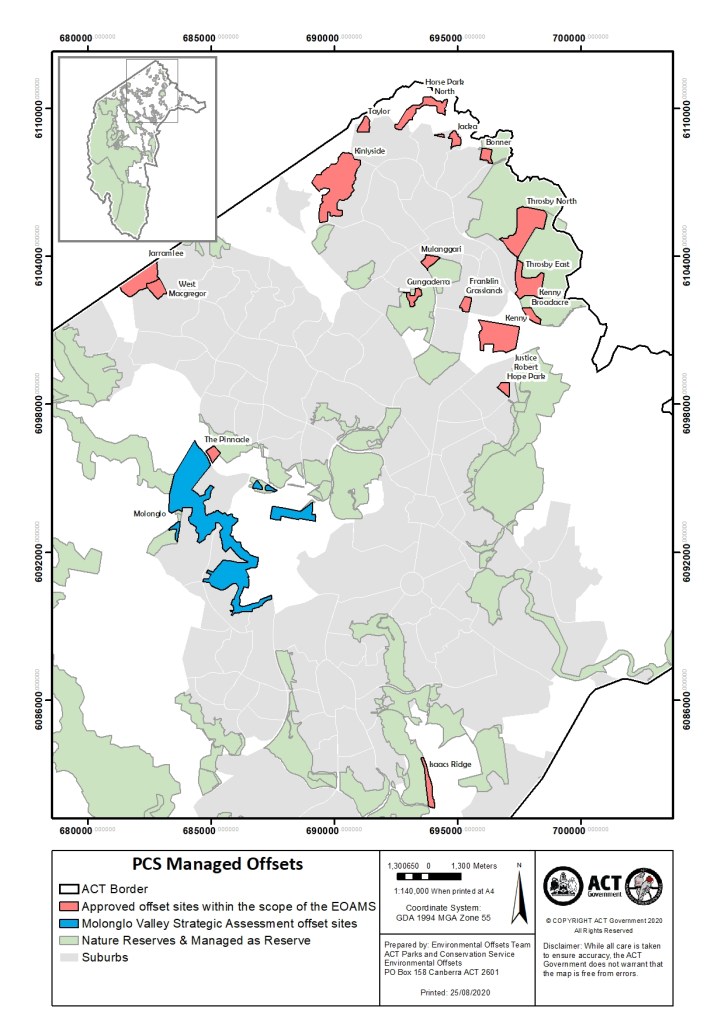
My work experience was held at the ACT Parks and Conservation Services (PCS) Athllon Depot. It involved reviewing, synthesising and condensing information from the Offset Management Plans of Isaacs Ridge Nature Reserve Extension and Kenny Nature Reserve into summaries. These summaries would then be used to track management obligations and to create future management plans. This work experience was obtained under the guidance of Karen Ikin, who is Conservation Planner in the Environmental Offsets.

Figure 1: Entrance to PCS Athllon Depot. Source: L.Esposito

What is a biodiversity offset?

Environmental Offsets. Source:Logan City Council

Habitat loss and fragmentation are key threats to biodiversity. A biodiversity offset is a policy instrument proposed and utilised by developers and planners for compensating for the loss of biodiversity in one place by biodiversity gains in another. Offsetting allows more flexibility for developers and regulators to continue with development with no net loss of biodiversity. Additionally, it places an economic value on biodiversity equivalent to the cost of the offset.

Figure 2: Map of PCSs managed Offsets including Isaacs Ridge Nature Reserve Extension and Kenny. Source: ACT Government

Offset site 1: Isaacs Ridge Nature Reserve Extension

Is a planned biodiversity offset for the Mugga Lane Resources Management Centre Expansion, which involved clearing ~9.5 ha of vegetation consistent with White Box-Yellow Box  -Blakely’s Red Gum Grassy Woodland. This environment is listed as critically endangered under the EPBC Act 1999 and endangered under the ACT Nature Conservation Act 2011. This ecosystem was consistent with the land nearby Isaacs Ridge Nature Reserve which is part of a large contiguous wooded vegetation corridor. ACT NOWaste is proactively managing the area targeting Matters of National Significance (MNES) affected by the expansion of the project. The primary objective of the offset is to protect and enhance the condition of the White Box- Yellow Box Blakey’s Red Gum.

Figure 3: Map of Isaacs Ridge Nature Reserve Extension indicating the vegetation zone ID. Source: ACT Government

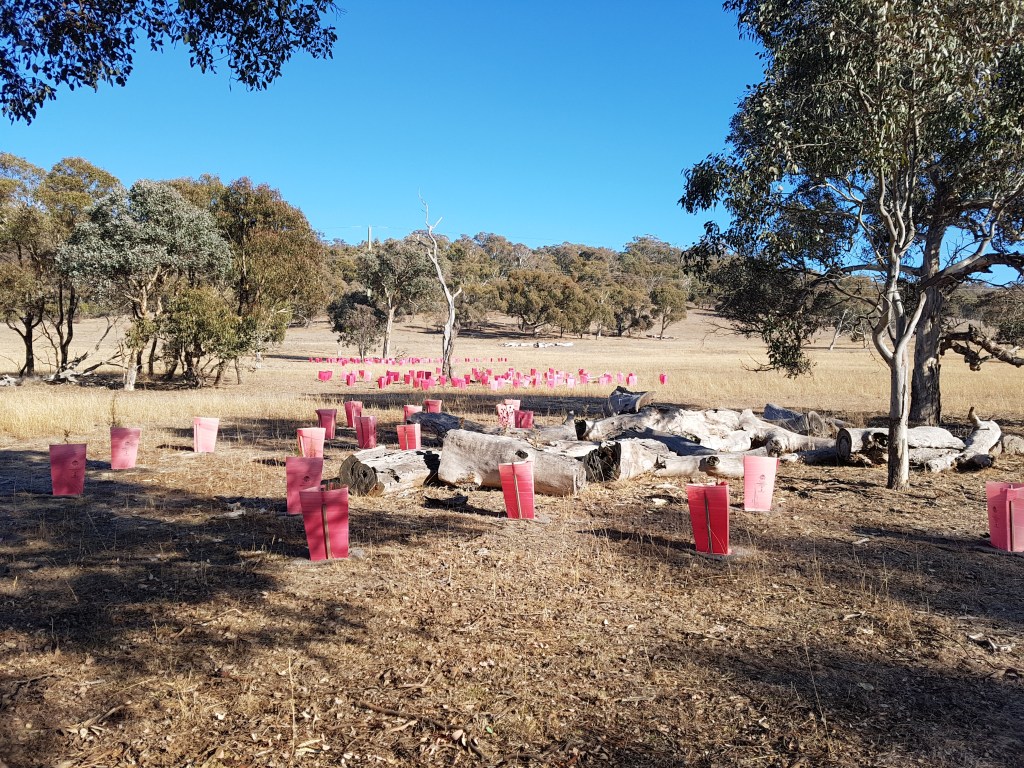
Figure 4: Active restoration of White Box-Yellow Box – Blakely’s Red Gum Grassy Woodland on Isaacs Ridge Nature Reserve Extension. Source: ACT Government

Offset site 2: Kenny Nature Reserve

Is biodiversity offset under the Gungahlin Strategic Assessment Biodiversity Plan, which has been developed as a result of urban development that has impacted ~173 ha of MNES Habitat, including the Striped Legless Lizard (Delma impar) and Box Gum Woodland. The offset site is located in a nature reserve in the south-west of the suburb Kenny. The primary goal of the offset is to retain ~90% of striped legless lizard population and the majority of box gum woodland, ~300-year-old large trees. Other MNES in the area include the Superb Parrot (Polytelis swainsonii) and the Golden Sun Moth (Synemon plana). Management of a nature reserve in Kenny has been ongoing before the commencement of construction.

Work experience project

The project involved documenting threatened species and ecological community’s management of offset sites for the development of future management plans. Activities included reading through the Isaacs Ridge Nature Reserve Extension Offset Management Plan and the Gungahlin Strategic Assessment Biodiversity Plan, extracting, collating and summarising information into categories of types of MNES, offset description, outcomes and mechanism for implementation into a table on Excel. Additionally, assessing the vegetation zones of each site. These would assist the offset team to easily locate and compare the outlines of the management plan against what is actually being done in the field which will be of assistance when updating versions of both management plans.

Personal conclusion

Biodiversity offsets are a valuable tool for moderating development whilst maintaining protection of biodiversity. This work experience has proved to be both an eye-opening and hands-on experience into understanding the amount of research and time that goes into creating and managing offset sites. The dedication and passion of the offset team provided to be a good work environment.

Acknowledgements 

I would like to thank Karen Ikin for incorporating me into her busy schedule, for facilitating this work experience and welcoming me into her work space.

Posted in Uncategorized | Leave a comment

AGROBIODIVERSITY IN TUVALU – THREATS AND SOLUTIONS

by Tiale Panapa, u6718302

An interview with Mr. Soseala Tinilau –Director of Environment in Tuvalu’s Ministry of Public Works, Infrastructures, Environment, Labour, Metrology and Disaster (MPWIELMD).

Biodiversity conservation is often discussed when it comes to endangered and extinct species and protected areas. The Department of Environment where Tinilau works, focuses on the agrobiodiversity of Tuvalu, which include crops, livestock and aquaculture species. The significance of this focus is that many people in Tuvalu are aware that agrobiodiversity is the most popular, crucial, valuable and accessible type of biodiversity in Tuvalu’s nine atolls.

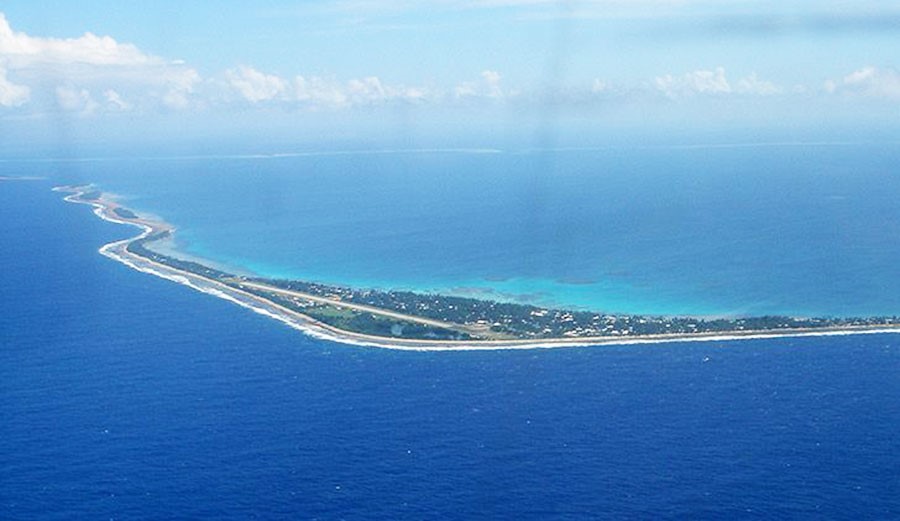
Funafuti Island, Tuvalu. Photo by: World Atlas

Agrobiodiversity is the most important base for environmental products and services that sustain food, health, resources and conservation of livelihood on the 8 low-lying islands of Tuvalu. This is because these atolls are some of the earth’s most fragile and highly endangered inheritances of terrestrial biodiversity and have fewest opportunities for modern market-oriented growth. Most of these small atolls have a mandatory reliance on their restricted biodiversity resources for the subsistence of the population and the growth of the country.

Threats to the agrobiodiversity of Tuvalu

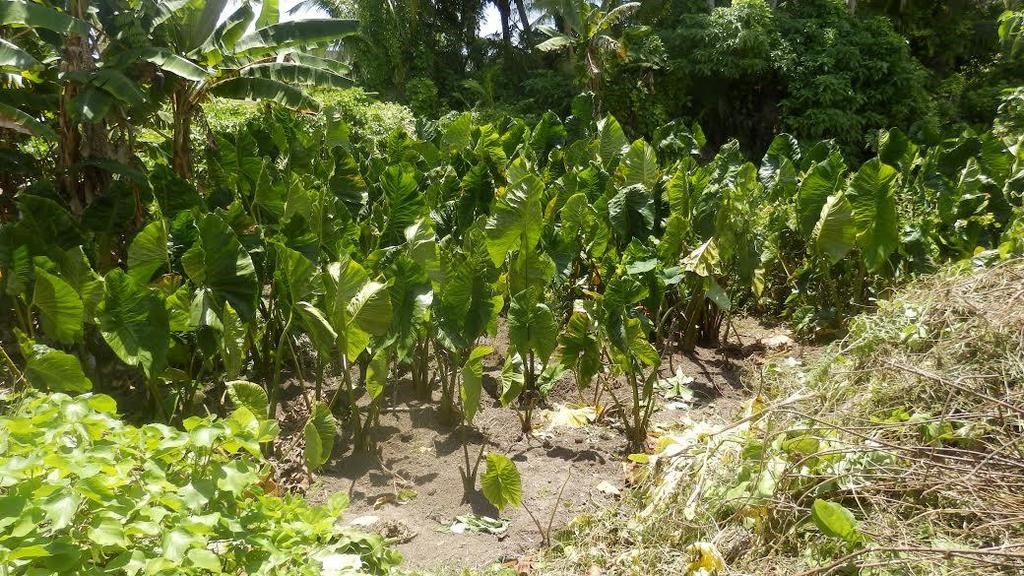
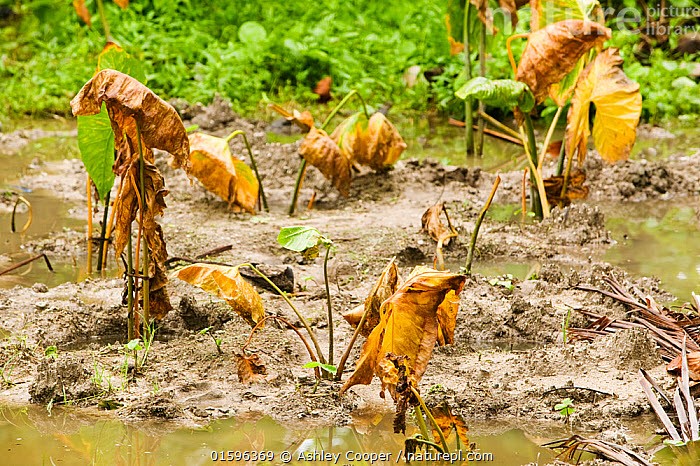
Mr. Tinilau articulately explained how Tuvalu’s number one environmental issue – climate change – impacts the agrobiodiversity of Tuvalu. Sea level rise has increased risks of inundation and coastal flooding, erosion, saltwater intrusion into underground aquifers, coastal vegetation and pulaka (Cyrtosperma merkusii) pits, and changes in sediment deposition patterns. Pulaka leaves, as a result, have turned yellow and even died.

Pulaka pit in Vaitupu island, Tuvalu. Source: Tufoua Panapa
Dead pulaka crops in Funafuti island, Tuvalu. Photo by: Ashley Cooper

Vegetation and other species that grow or live along the coast died off due to storm surges. Native habitats for ground-nesting birds such as terns were also destroyed and disturbed.

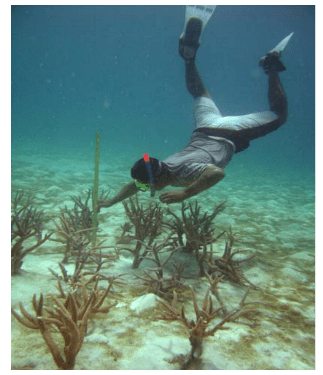
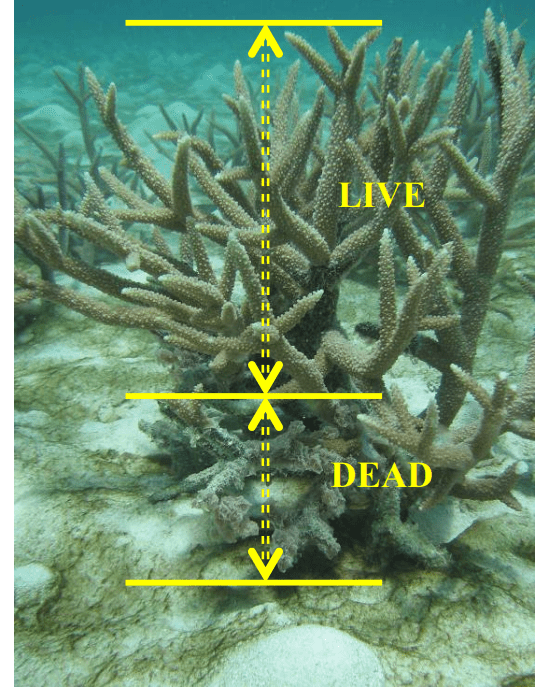
He further stated that coral bleaching is a common threat to reefs – part of agrobiodiversity – due to high sea temperatures. Increases in ocean pH derived from increased absorption of CO2 make it more difficult for corals and shellfish to absorb the calcium carbonate they need to build their skeletons, which consequently threaten reefs and food supplies.

A diver measuring the conditions of these affected coral reefs in Funafuti island, Tuvalu. Source: Funafuti Atoll Coral Reef Restoration Project
Affected coral reefs. Source: Funafuti Atoll Coral Ref Restoration Project

Ridge-to-Reef Project (R2R) – a key strategy to address these issues

The Department of Environment in Tuvalu is currently working with regional and global partners to implement projects that could potentially tackle these threats. One of the many projects is the Ridge-to-Reef (R2R) Project.  

R2R Project logo

Mr. Tinilau said that the goal of the R2R project is “to preserve ecosystem services, sustain livelihoods and improve resilience in Tuvalu using a ‘ridge-to-reef’ approach”. This project focuses on enhancing and strengthening conservation and protected areas, rehabilitating degraded coastal and inland forests. This will maintain and enhance agrobiodiversity in Tuvalu.

Constraints in conserving biodiversity and how to address them

Mr. Tinilau emotionally revealed the general barriers that make the conservation of agrobiodiversity challenging in Tuvalu:

– Lack of legal protection

– Limited financial and technical resources

– Remoteness and smallness

– Limited management capacity

– Lack of awareness, in communities regarding the importance of biodiversity

– Inadequate policies

– Insufficient baseline data

Mr. Tinilau went further to list what he thought could be done to conserve agrobiodiversity in Tuvalu:

– Establishing new conservation areas or increasing area of marine conservation but also consider to conserve terrestrial areas as well (employ R2R principles)

– Enhancing management of existing conservation areas by developing and implementing management plans for marine & terrestrial conservation areas.

– Carrying out restoration of ecosystem (coral reef restoration)

– Conserving rare medicinal plants

– Encouraging the use of traditional knowledge in managing natural resources

– Fostering and promoting the equitable sharing of benefits derived from biodiversity

– Adopting Ecosystem-based Adaptation approach & using of Natural-based solutions

A simple final thought

Mr. Tinilau’s final simple advice for me, as an environmental student and future environmentalist for Tuvalu: “If you are passionate about conserving biodiversity, then look at innovative ways to conserve biodiversity in a very vulnerable place like Tuvalu”.

Acknowledgement

Gratitude and appreciation to Mr. Soseala Tinilau for his time, understanding and knowledge.

Posted in Uncategorized | Leave a comment

Monitoring Canberra’s Catchments

By Catherine Gray (u6679765)

Stretching over 84,000 square kilometres, across the southern regions of NSW and the ACT, lies the Murrumbidgee catchment. An incredibly diverse landscape containing nationally significant ecosystems and unique biodiversity.

“A catchment is an area where water is collected by the natural landscape. Imagine cupping your hands in a downpour of rain and collecting water in them. Your hands have become a catchment.”

Water NSW
A map of the Murrumbidgee catchment, indicating the scale and variety of land uses. Source: Department of Agriculture and the Environment

Urbanisation and Water Quality

Urban environments are known to decrease water quality through various means, including…

Canberra is located within the upper region of the Murrumbidgee catchment, where waters are exposed to the effects of an urbanised landscape. Several threatened aquatic species are found within the ACT, and rely on healthy waterways. Including the Murray cod (EPBC Status: Vulnerable), Trout cod (EPBC Status: Endangered), the Murray River crayfish, and more.

Waterwatch: A Citizen Science Project

Over the past year and a half, I have volunteered for Waterwatch. A national citizen science project with three aims.

1. To engage the community in the environment through monitoring and caring for our catchments.

2. To educate and raise awareness in schools and the community on issues concerning catchment health.

3. To use data collected by volunteers to inform policy and on ground catchment management.  

Waterwatch ACT

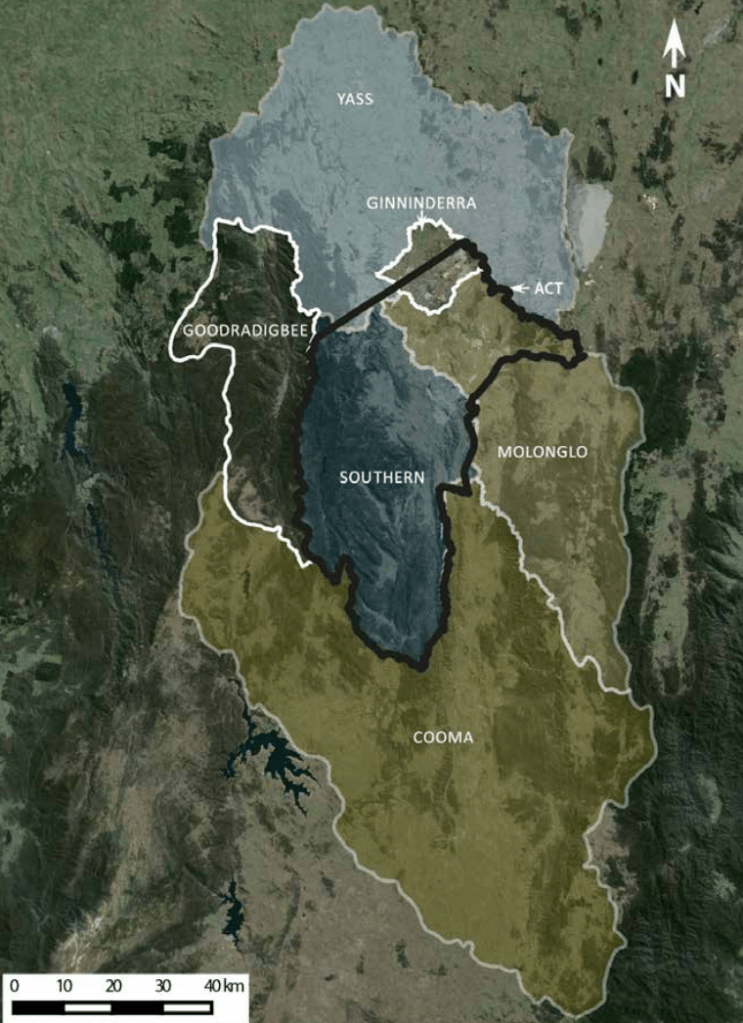
ACT Waterwatch (also known as Upper Murrumbidgee Waterwatch) monitors several sub-catchments in and around Canberra.

A map indicating Canberra’s sub-catchments. Source: 2019 ACT Waterwatch CHIP Report

Volunteers monitor sites monthly and record key water quality data. The data is compiled to create the Catchment Health Indicator Program Report, more commonly known as the CHIP Report. This report provides insight into the health of the sub-catchments, and is used to inform policy and management within the region.

Over my time with Waterwatch, I monitored three sites over two sub-catchments.

Southern Sub-Catchment

Within the southern sub-catchment, I monitored the water leaving Lake Tuggeranong. A lake containing several native fish species, including the golden perch and vulnerable Murray cod.

Site: CTT100 – Tuggeranong Ck Lower site @ level crossing. Source: Catherine Gray

Ginninderra Sub-Catchment

I monitored two sites within the Ginninderra sub-catchment. Including a site located after a pollutant trap (providing insight into the urban impacts on water quality), and a second site following a conservation location (providing insight into the water quality within the conservation area).

Site: STW001 – Giralang stormwater drain via Dodwell street. Source: Catherine Gray
Site: GIN004 – Ginninderra Creek at Giralang. Source: Catherine Gray

Importance of Waterwatch

Waterwatch is an incredibly valuable program. Providing community engagement, creating positive changes within policy and water management, and encouraging healthier waterways to support local biodiversity.

Acknowledgements

A big thank you to Martin and Bruno for the opportunity to volunteer with Waterwatch over the past year and a half!

My last day of monitoring! Source: Catherine Gray
Posted in Uncategorized | Leave a comment

People, politics, and primeval forest: Finding a way forward for the most controversial conservation site in Europe

Monika Iskander, u6587481

Bialowieza Forest is home to the largest free-roaming population of European bison, the descendants of a 20th century reintroduction program after the species went extinct in the wild.  © Mariusz Cieszewski 2019, some rights reserved.  Licenced under https://creativecommons.org/licenses/by-nc/2.0/legalcode

Bialowieza Forest is a UNESCO World Heritage site straddling the border of Poland and Belarus, thought to be the last remnant of an ancient woodland that once spanned continental Europe.  In recent years, it has become the battleground for a heated environmental policy conflict involving forestry officials, conservationists, local communities, and the broader public.  The conflict reached its peak between 2016-2018, when the Polish government’s approval of intensified logging after a widespread, debilitating bark beetle infestation spurred protests and drew condemnation from the European Union’s Court of Justice.

Greenpeace-led protesters clash with Bialowieza Forest guards in August 2017.  They were protesting the Polish government’s intensification of logging after a widespread bark beetle outbreak. © Greenpeace Polska 2017, some rights reserved.  Licenced under https://creativecommons.org/licenses/by-nc/2.0/legalcode

To explore the issue, I spoke to Associate Professor Malgorzata Blicharska, senior lecturer in natural resources and sustainable development at Uppsala University and lead author of a recent scientific review of the Bialowieza conflict. 

When we connect over Zoom, she is taking a brisk walk through a Swedish forest.  Blicharska studied philosophy before moving on to forestry and biology.  Her research interests include biodiversity conservation policy – where people and conservation intersect – and sustainable development of natural resources. 

She explains that the heart of the conflict lies in a disconnect between forestry officials’ and conservationists’ strategies for safeguarding the forest’s future. 

The foresters believe that the “forest can’t manage itself” and requires human management to continue to persist in its current state.  Blicharska says this argument is reasonable, as there is evidence that oak trees in Bialowieza would struggle to regenerate without human input.

The conservationists, in their ideal world, would incorporate the entire forest into the existing national park and keep human management to a minimum.  This conflicts with the interests of the logging industry and local communities who rely on the forest’s firewood for affordable heating.  

The management conflicts also involve local communities, some of whom work in the logging industry, and who rely on wood from the forest for affordable heating in winter.  © Mariusz Cieszewski 2019, some rights reserved.  Licenced under https://creativecommons.org/licenses/by-nc/2.0/legalcode

Blicharska suggests that thousands of years of human disturbance, including firewood collection, should be acknowledged in Bialowieza’s conservation.  This parallels conservation in Australia, where the landscape has been shaped by tens of thousands of years of Indigenous fire regimes, hunting, foraging, and other cultural practices, and where the continuation or reintroduction of these practices could protect and restore biodiversity.  

Blicharska believes both parties’ approaches are based on assumptions about what an acceptable old-growth forest looks like: Polish foresters have strict guidelines on what species to plant and where, while conservationists want to retain as many natural processes as possible.  She suggests that they loosen their preoccupation with theory and adapt to reality, particularly as future climate change intensifies the stresses on the forest, exacerbating bark beetle outbreaks and changing species distribution.  “I don’t believe in a stable state, in which the forest will always be as we want it”. 

Blicharska’s team proposed a “mosaic” solution to the conflict, where foresters and conservationists could pursue their preferred management strategies in their allotted patches.  She recognises that parts of the forest may need to be more intensely managed in future to help it through the trials of climate change.  This cannot happen without an accessible, inclusive, and people-centred conservation strategy, because “conservation only happens if people make it happen”.

Looking ahead: Blicharska says we need a more diverse (and thus more resilient) forest as the effects of climate change intensify in coming years.  © Mariusz Cieszewski 2019, some rights reserved.  Licenced under https://creativecommons.org/licenses/by-nc/2.0/legalcode
Posted in Uncategorized | Leave a comment

Reintroducing the Eastern Quoll in Mulligans Flat: Quoll-ity Biodiversity Conservation

Samuel Phillis u5820978

An Interview with Belinda Wilson – Conservation Ecologist, and PhD Candidate at the Fenner School of Environment and Society at the Australian National University on the reintroduction biology of the eastern quoll.

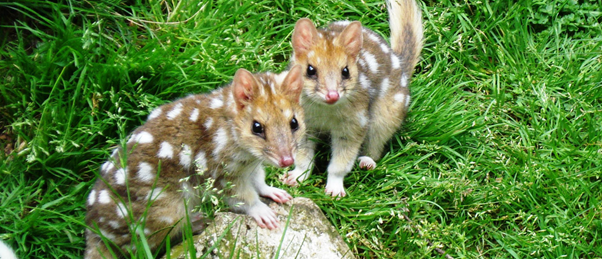
Image curtesy of www.wwf.org.au – available at https://www.wwf.org.au/what-we-do/species/eastern-quoll#gs.fhaegf

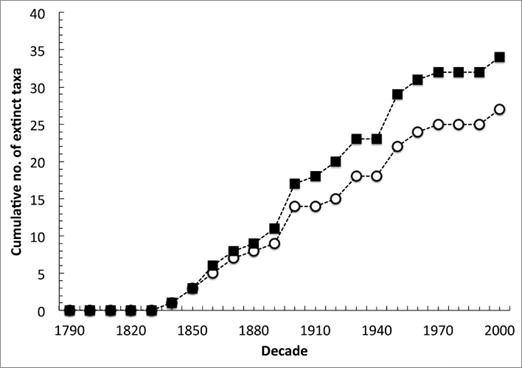
Australia holds many records, but probably the least flattering is our record for the most mammal extinctions in the world. With 34 mammals lost since European settlement, Australia claims over 1/3 of the world’s mammal losses. Combating the continued effects of human civilisation on biodiversity is a monolithic challenge, however continued research and conservation efforts are yielding results that may help mitigate these impacts.

Fig 1. Total numbers of extinct Australian Mammal taxa, where open circles indicate species and closed squares include subspecies. Each decade point includes the following 10-year period. The dates of some extinctions could not be accurately estimated, and thus this figure indicates less than the true number of extinctions.

Graph produced by Woinarski JCZ, Burbidge AA, Harrison PL (2014) The Action Plan for Australian Mammals 2012 (CSIRO Publishing, Melbourne)


Loss of the eastern quoll

Around 60 years ago, the eastern quoll (Dasyurus viverrinus) went extinct on the Australian mainland, disappearing from the Australian Capital Territory nearly 80 years ago, succumbing to invasive species predation, disease, and human habitat destruction and persecution. Recently however, efforts to reintroduce the species into the Mulligans Flat Woodland Sanctuary in the ACT have met great success!

Why Mulligans Flat?

Mulligans Flat is “a really good spot” says Belinda Wilson, a PhD Candidate from the ANU who has been working tirelessly on the reintroduction, which she describes as the “intentional movement of an organism within its historical range”.
Mulligans Flat is equipped with “a predator proof fence… about 11.5km” long and protects ~485ha of Box Gum Grassy Woodland, a critically endangered ecological community, having lost >95% of its extent. This makes it a perfect sanctuary for the eastern quoll’s reintroduction, protecting them from invasive predators like foxes, and allowing them to be monitored and studied ensuring their continued survival.

“Juvenile quolls caught on camera trap at Mulligans Flat by the ANU Mulligans Flat Goorooyarroo Experiment team”, Courtesy Elsie Percival available at https://youtu.be/BlXnR5qxZnw

Key Threats

Wilson described the threats the eastern quoll faces as being continued predation from foxes and invasive species, as well as disease, and human persecution, noting that climate change induced drought may pose a persistent threat to the species. The aim is to expand the species from Mulligans flat so continued efforts to mitigate the impact of invasive predators will be paramount for the survival of not only the eastern quoll, but many Australian species. According to the NSW Department of Primary Industry, Foxes can have a density of up to 5/km2 in the regions around Canberra, and up to 12/km2 in peri-urban and urban areas.

“Beyond the fence, by far, the biggest issue would be foxes”

Belinda Wilson
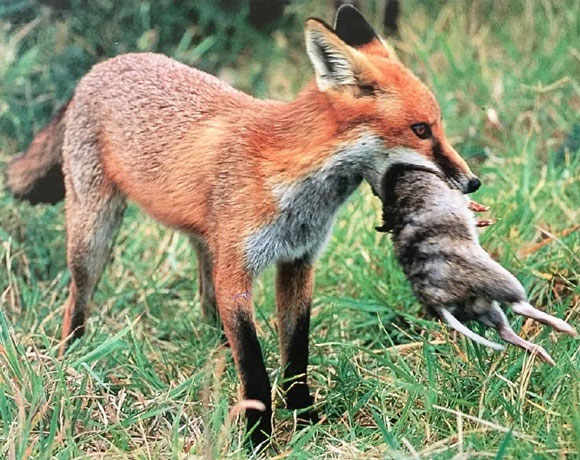
A red fox, one of the key threats to the eastern quoll, image courtesy of http://www.rewildingaustralia.org.au
– available at
https://rewildingaustralia.org.au/wp-content/uploads/2019/04/Fox_Kill_580x460.jpg

Threat Mitigation

To mitigate this, Wilson set the goal of minimising the eastern quolls’ dispersal as “the less they disperse, the less likely they go over the fence and get taken by foxes”. The first reintroduction had an effective success rate of just 23% in 2016, but through “manipulating tactics… like timing” or where the quolls were released, as well as reintroducing a higher number of females with pouch young, rather than males which “disperse further and have larger home ranges”, Wilson was able to raise that statistic to 77%”

Future Quoll-ity

The reintroduction of the eastern quoll to the ACT is a rare success story, but gives hope that we can change our tune as a country and begin protecting, and hopefully even restoring, our country’s astounding biodiversity. Limiting habitat destruction, developments near threatened ecosystems or species, and by better managing invasive species and predators, we may just be able to slow our horrifying mammal extinction rates. Couple this with greater governmental prioritisation of conservation, increased funding, and research approvals, our conservational ecologists may just stand a chance of helping our country progress, whilst protecting our unique ecosystems.

If you are interested in volunteering opportunities at Mulligans Flat head to https://mulligansflat.org.au/volunteer-2/

Posted in Uncategorized | Tagged , , , | Leave a comment

Scoop a Poop-understand antibiotic resistance from possum poop

U6535090-Tsz Fung Law

What is Scoop a Poop?

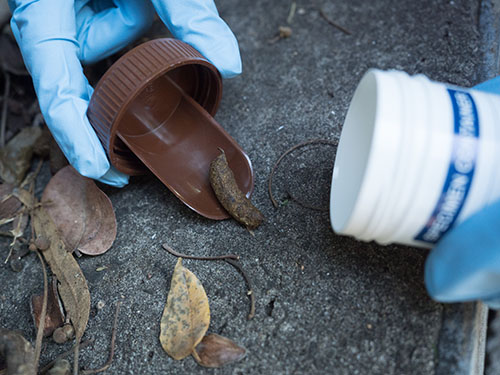
Scoop a Poop is a citizen science project to locate antibiotic resistance genes in the environment by studying brushtail and ringtail possum poop. This project is designed by scientists from Macquarie University and collaborating with Taronga Zoo and the University of Sydney. In ACT, they collaborate with the Woodland and Wetland Trust to expand the geographic range of their studies.


Last month, I attended a Zoom presentation held by the scientists from the Scoop a Poop team to understand the framework of the project. Then we volunteers were asked to scoop possum poop samples by a specially designed collection kit. I collected some brushtail samples from the Mulligan Flat woodland. As we are aimed to get some fresh possum poop samples, I went there in the early morning. Also, we used the Scoop a Poop app for locating and picturing samples. After that, I returned the collected possum poop samples to Forde Community Centre. Finally, the samples are sent to Macquarie University and screened in the laboratory for the antibiotic resistance gene.

Collection kit for possum poop samples
Copyright – Macquarie University

Antibiotic resistance in Wildlife

Antibiotic is used for clinical, veterinary and agricultural practices. And antibiotic resistance is evolving and spreading among bacterial pathogens, which is a threat to human health. By urbanisation, we human are not only sharing cities with wildlife but also our bacteria. Antibiotic-resistant bacteria are those that have overcome the effect of antibiotics are spreading to wildlife. Studies have been found that antibiotic-resistant bacteria in penguins, sealions and flying foxes. However, we still do not know whether these antibiotic-resistant bacteria in our wildlife affect their health or not. Therefore, the Scoop a Poop project is aimed to locate antibiotic resistance genes in the environment and understand how and where the bacteria are moving from human to wildlife and potentially transferring back to human.

Why Possum Poop?

Wildlife poop contains commensal bacteria, and scientists can easily test these for antibiotic resistance genes. This can also measure the impact of antibiotic pollution on native wildlife. As we do not know how widespread antibiotic resistance is in the Australia environment, sampling wildlife poop is necessary for us to understand it. Moreover, possum poop is chosen for the Scoop a Poop study because possums are common throughout Australia, especially in urban areas. We knew that common brushtail possum is one of the most familiar and abundant species in Australia. Therefore, citizens could easily get involved in collecting samples just from their backyard or somewhere near. Having many citizens involved in collecting possum poop samples can maximize the geographic range of the study, although their sampling effort might be varied sometimes. It is exciting to see that many schools and community groups were participating in the Scoop a Poop project

How to Identify Possum Poop?

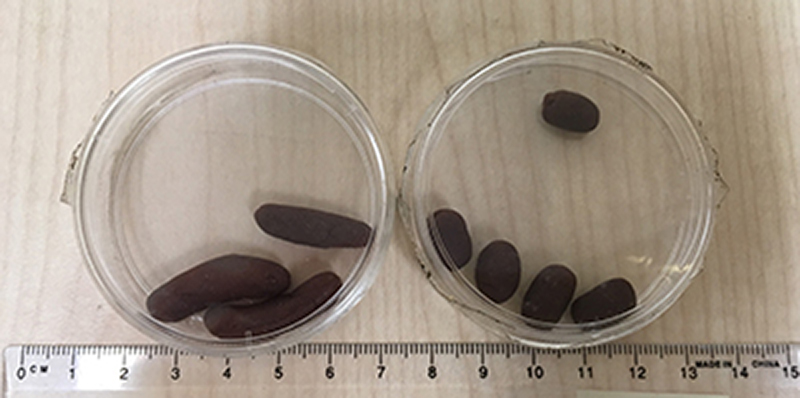
Brushtail possum poop is generally 2 to 3 cm long with rounded ends and ringtail possum poop is shorter and rounder than brushtail poop. Also, fresh and moisture samples are preferred as it is easier for scientists to screen in the lab for antibiotic-resistant bacteria and specific antibiotic resistance genes.

Brushtail (left) and ringtail poop (right)
Copyright – Macquarie University

Posted in Uncategorized | Leave a comment

Grassland Conservation in the A.C.T; What is being done?

James Benjamin Smith – u6680704

The Canberra’s Friends of Grasslands (FOG) community is dedicated to conserving the native vegetation of local grasslands.

On the 14th of August, Geoff Robertson (President of FOG) and I visited Franklin Grasslands. Despite much of the grassland being infested with weeds, Geoff explained that future programs will be aimed at restoring this area. Geoff outlined possible strategies to aid this process such as tilling and spraying of weeds and replanting of native plants.

Stirling Park, Yarralumla

On the 16th of August, I visited Stirling Park, a critically endangered Yellow Box – Blakey’s Red Gum Grassy Woodland, with members of the FOG community.

Work at Stirling park has been ongoing for over a decade and has seen great success with weed control and the replating of native vegetation.

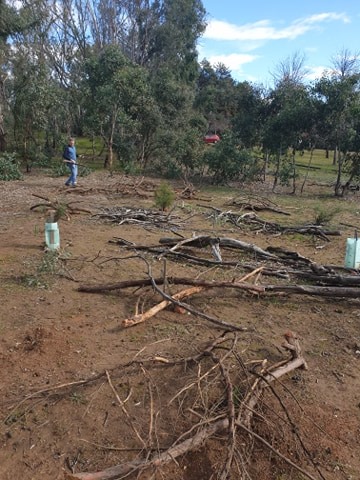
Our task was to protect vegetation from animals such as hares, rabbits and kangaroos. We were placing barriers consisting of sticks and logs around and over the plants and grasses to cover them. Jamie Pittock stated that this would deter animals from trampling or eating them.


Pictured: Stick and log barriers placed over recently planted vegetation to protect them from animals

In the past, this has proven to be effective. And although it isn’t necessarily pleasing to the eye, it is important for the future protection of the vegetation.

On this day I met Jamie Pittock, a professor at the ANU who is also heavily involved in the FOG community. He invited me to aid him in a project at the Yarramundi Reach Grasslands a few weeks later.

Relocation of native vegetation

Jamie Pittock, Dr John Fitz Gerald and I relocated Kangaroo grass tussocks (Themeda triandra) from Ginninderry (a site that will soon be lost to development) to Yarramundi Reach Grasslands with the hope that they will grow and outcompete the invasive species in the area.

The relocation of Kangaroo Grass is a sort of last resort, as previous weed control measures have failed.

Jamie Pittock describes the project more precisely;
Among the native temperate grasslands (endangered ecological community), invasive weed grasses have been sprayed out by FOG volunteers over the past decade. However, there has been little or no regeneration of native species in these gaps but rather, many new weed species have colonised. Burning, past direct seeding and plant multi-species tube stock restoration efforts have failed to engender recolonisation.
– Professor James Pittock


The weeds of African Love Grass (Eragrostis curvula) and Chilean Needlegrass (Nassella neesiana) are a major pest. Both are transformative, meaning they degrade the soil and quickly outcompete native vegetation. This makes it difficult for native vegetation to recolonise these sites.

We used three methods of replanting to see which one would be the most successful.

We began our day by digging out 20 mature Themeda tussocks From the Ginninderry development site. These were to be replanted in a clustered area on Yarramundi reach.

Pictured: Myself holding a native Themeda tussock from the Gininderry development site

We also planted ~80 tube stock tussocks with soil from the native Themeda site, to see if ‘seeding’ the soil biome helps.

Finally, we planted ~30 tube stock tussocks directly into the soil at Yarramundi reach.

Yarramundi Reach Grassland has been cleared of weeds quite successfully by FOG, however, there are still some bare patches of dead weeds that have been sprayed. The replanting of native tussocks will hopefully take their place.

It is expected that the tussocks taken from the Ginninderry site will have a high survival rate. For the remaining tussocks, it is optimistic, but there are still some uncertainties around what the outcome will be.

Upon completion of my work experience, it became apparent that conservation in the A.C.T region is widespread, with many volunteers donating their time. It is thanks to communities such as FOG, that Canberrans are able to enjoy parklands that are rich with native flora and fauna.


I would like to thank Geoff and Margaret Robertson for introducing me to the Friend of Grasslands Community and teaching me about the ecology and management techniques of the local grasslands.

I would also like to thank Jamie Pittock and Dr John Fitz Gerald for allowing me to join their project and for teaching me techniques for grassland and developmental management and the ecology of native vegetation.


Citations;
ACT Government, 2020, Invasive Plants, available at: https://www.environment.act.gov.au/parks-conservation/plants-and-animals/Biosecurity/invasive-plants

Greening Australia, 2003, Revegetation Techniques, available at; https://www.greeningaustralia.org.au/wp-content/uploads/2017/11/GUIDE_A-guide-for-establishing-native-vegetation-in-Victoria.pdf

Rod Taylor, 2020, Ask Fuzzy: What is a Transformational Weed?, The Canberra Times, Canberra

Sharp S., 2016. Ecological Management Plan for National Capital Authority Conservation Areas. Report to the National Capital Authority, Canberra, April 2016.

Posted in Uncategorized | Leave a comment

Scoop a poop

U6396547

In the term break of the second semester 2020, I joined a volunteer science program called ‘scoop a poop’ involving the collaboration of researchers from Macquarie University and the University of Sydney. The program was one component of a citizen science project aimed to collect possum poop in order to examine their resistance to antibiotics. In the ACT region, they are cooperating with the Woodlands and Wetlands Trust to extend the research area to Mulligans flat and Jerrabomberra reserve. Associate Professor Michelle Power from Macquarie university identified the concerns hidden within our treatment towards possums and other animals which is the consequence of antibiotic resistance. Using excessive antibiotics can and will result in resistance and many interventions are needed to meet this challenge (Laxminarayan, 2013). As so researches have shown, antibiotic resistance is a complex problem that involves human activities at various level and the program is trying very hard to attract volunteers to address this. The program was conducted in a way for normal citizens (with or without ecological management experience) to step out and collect possum’s sample to make the monitoring work more effective and efficient.

Prior to this task, I know close to nothing when it comes to antibiotic resistance. It all comes from the decrease in the effectiveness of antibiotics in treating infections. The program provided with the collection kits and enough information for us to identify and collect the poop. The scholars also provided us with several scientific details of typical ringtail and brushtail possum and their conservation and management strategies within the mulligans flat reserve. The implementations are then elaborated by the rangers at mulligans flat with respect to the commonwealth regulations. They stressed that as a study found that human populations can influence animal microbiota, it is vital that human identification of antimicrobial natural can provide us with crucial information regards to the human usage of antibiotics on animals (Fulham, 2018).

It easier said than done when it comes to identifying possum poop from other animals. The first few hours in the field are a total failure as I seem to be a bit lost as I was surrounded by many animal poops. However, I did learn a lot about the volume of these resources and their relation to covers such as the littler cover, cryptogams, and deposited materials. I never recognise the rich amount of nutrients and the possible threat the antibiotics are doing to the whole ecosystem (also it is amazing to get a bit of fieldwork done with this pandemic). In short, the scoop a poop program is a voluntary work that has just kicked off in ACT, but the result from Sydney can be traced back to 2017. The samples are tested with PCR (polymerase chain reaction) to detect a piece of bacterial DNA known as the Class 1 integron (Power, 2013). The result (either positive or negative) is an indicator of antibiotic resistance. The possum can potentially spread resistance genes into wild wallabies and into new environments that form a feedback loop. It is not much effort but the positive impact we potential can bring is humongous.

Posted in Uncategorized | Leave a comment

The Woodlands and Wetlands Trust: Managers of Two Very Different Ecosystems

By Jonah Lafferty, u6381824

Last week I had the privilege of talking to Millie Sutherland Saines from the Woodlands and Wetlands trust about her work in Ecology and Outreach. You can listen to the full interview below or read a summary of our conversation in this blog.

Biodiversity Conservation Interview Biodiversity Conservation

Mulligans Flat Woodland Sanctuary

Mulligans Flat Woodland Reserve, Photo By Mark Jekabsons, 2014

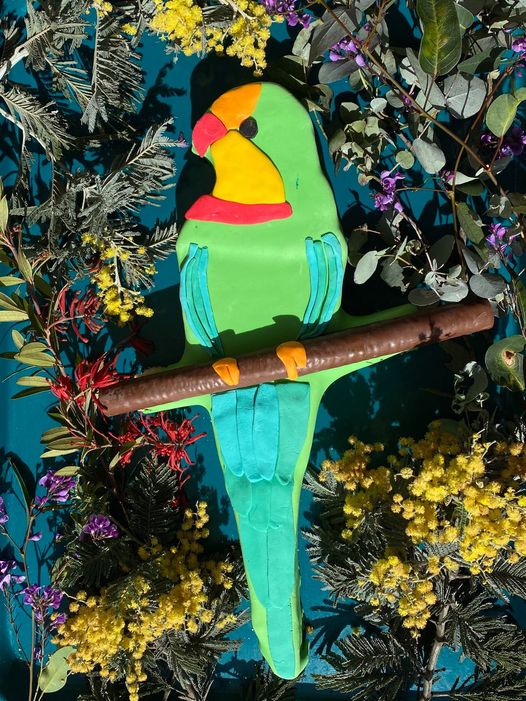
I met with Millie on Canberra’s northern edge, where the north of Australia’s capital city backs onto critically endangered Box Gum Grassy Woodland. When I arrived work had just finished on the organisation’s entry into the Threatened Species Commissioner’s cake baking competition.

It was a fitting animal to re-create in sponge form. The Superb Parrot was the reason that Mulligans Flat Woodland sanctuary was originally established in 1994 after being identified as an important habitat for the endangered species. Moving forward a decade, the ACT Government announced it intended to build a feral animal proof fence around the sanctuary and in 2009, 485 hectares of land was successfully fenced off from feral animals.

Box Gum Grassy Woodland

Box Gum Grassy Woodland is an open woodland ecosystem, Yellow Box and Blakey’s Red Gum are the two dominant tree species (Eucalyptus melliodora and Eucalyptus blakelyi). The sanctuary is an important remnant of this critically endangered ecological community. Land clearing across NSW and Victoria has led to the clearance of over 95% of this ecosystem. This habitat loss has been driven mainly by the ecosystem doubling as prime agricultural land. Habitat fragmentation has left Mulligans Flat nature reserve as one of the largest remaining remnants in Australia.

“It’s rare to find a patch of this ecosystem that is as intact as Mulligans Flat”

Millie Sutherland Saines

Re-Introductions

By establishing a fence to keep out rabbits, foxes and cats, the Woodlands and Wetlands Trust, in collaboration with the ACT Government, CSIRO and the ANU have been able to reintroduce some locally extinct species back into the ACT. These have included the Eastern Bettong, Eastern Quoll and the Bushstone Curlew. The sanctuary is also home to a well-established population of Sugar Gliders and Echidnas. Below you can see some footage of Eastern Bettongs filmed inside Mulligans Flat.

Jerrabomberra Wetlands: A More Novel Ecosystem

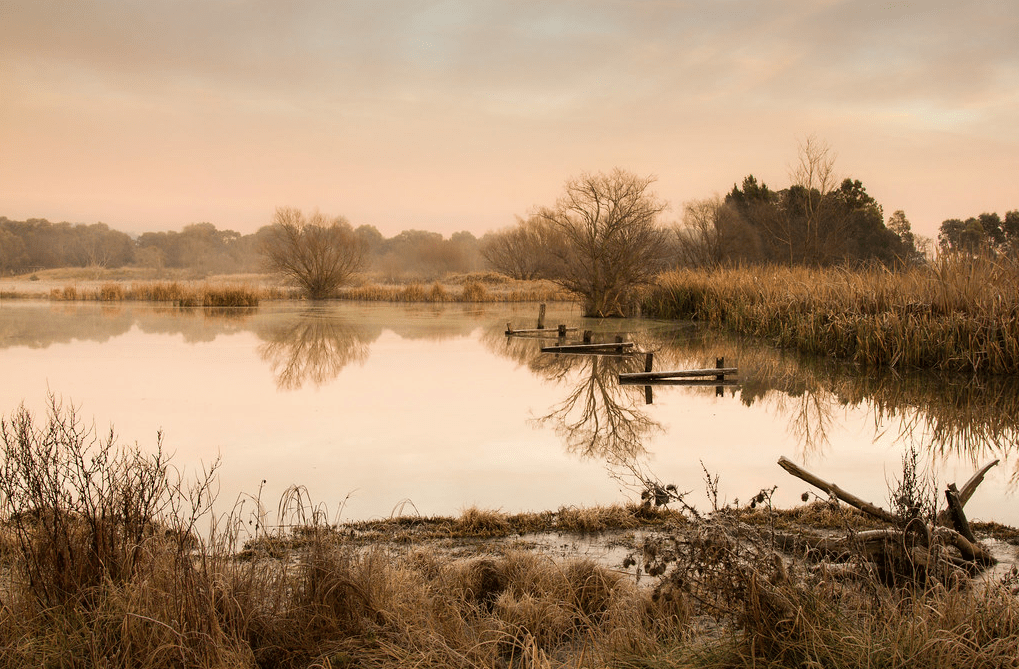
Whilst the trust manages an intact critically endangered ecological community, they also manage a separate wetland at a different location. This wetland, in Fyshwick, is infested with weed and carp and is situated between a an agricultural business (Canturf) and a sewage treatment plant. As there are feral foxes and blackberry plants scattered around the wetlands it is no longer an intact native ecosystem. Even the eucalyptus and acacia planted around the edges are mostly not native to the Canberra region.

Jerrabomberra Wetlands, Photo by Colin Pilliner (2012)

Despite the lack of local native flora surrounding the wetlands, this novel ecosystem is home to over 150 species of wetland and woodland birds, making it a hot-spot for local birdwatchers and nature enthusiasts. The Trust see it as their role to protect the value that this modified ecosystem brings to the community. Their research at the site includes studying the migratory patters of the Latham’s snipe, which travels between Japan and Canberra every year.

“With Lake Burley Griffin there, it would be impossible to restore Jerrabomberra Wetlands to its natural state”

Millie Sutherland Saines

The work of the Trust illustrates the import role of NGOs to protect and conserve biodiversity in our urban environments.

A Latham’s Snipe at Jerrabomberra Wetlands, Photo by Geoffrey Dabb.

Posted in Uncategorized | Leave a comment