
by Tiale Panapa, u6718302
An interview with Mr. Soseala Tinilau –Director of Environment in Tuvalu’s Ministry of Public Works, Infrastructures, Environment, Labour, Metrology and Disaster (MPWIELMD).
Biodiversity conservation is often discussed when it comes to endangered and extinct species and protected areas. The Department of Environment where Tinilau works, focuses on the agrobiodiversity of Tuvalu, which include crops, livestock and aquaculture species. The significance of this focus is that many people in Tuvalu are aware that agrobiodiversity is the most popular, crucial, valuable and accessible type of biodiversity in Tuvalu’s nine atolls.
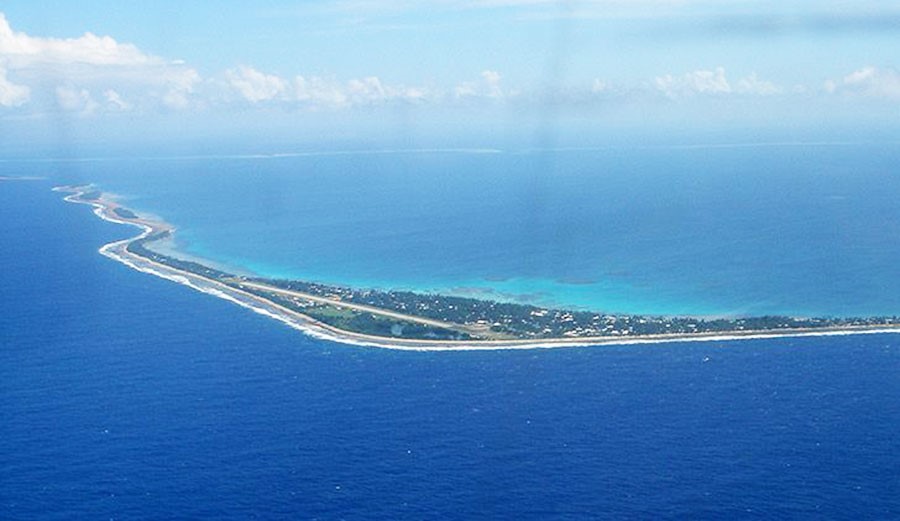
Agrobiodiversity is the most important base for environmental products and services that sustain food, health, resources and conservation of livelihood on the 8 low-lying islands of Tuvalu. This is because these atolls are some of the earth’s most fragile and highly endangered inheritances of terrestrial biodiversity and have fewest opportunities for modern market-oriented growth. Most of these small atolls have a mandatory reliance on their restricted biodiversity resources for the subsistence of the population and the growth of the country.
Threats to the agrobiodiversity of Tuvalu
Mr. Tinilau articulately explained how Tuvalu’s number one environmental issue – climate change – impacts the agrobiodiversity of Tuvalu. Sea level rise has increased risks of inundation and coastal flooding, erosion, saltwater intrusion into underground aquifers, coastal vegetation and pulaka (Cyrtosperma merkusii) pits, and changes in sediment deposition patterns. Pulaka leaves, as a result, have turned yellow and even died.
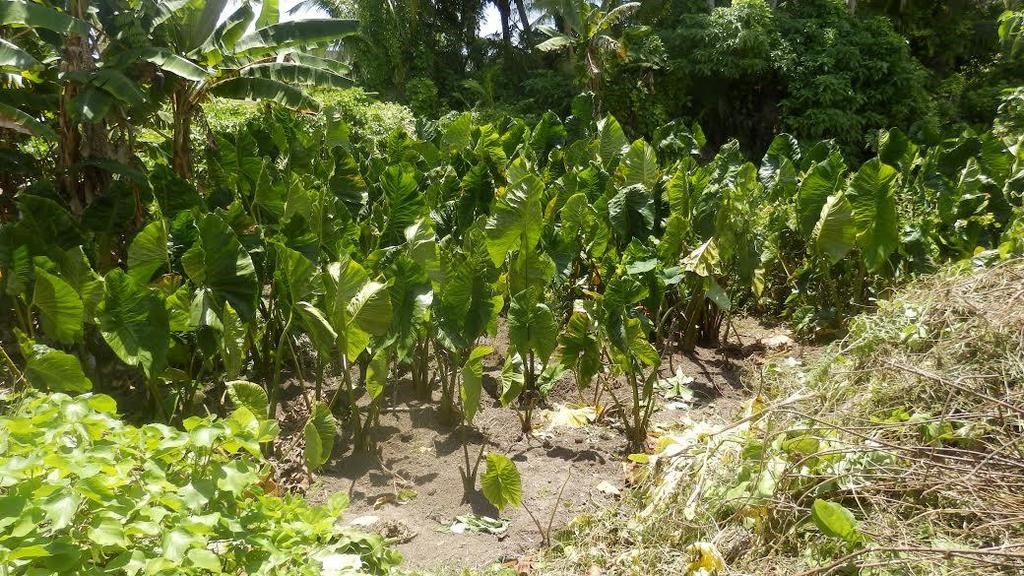
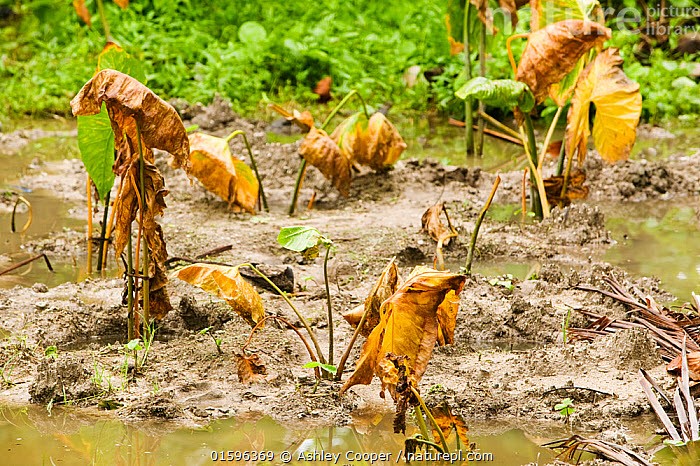
Vegetation and other species that grow or live along the coast died off due to storm surges. Native habitats for ground-nesting birds such as terns were also destroyed and disturbed.
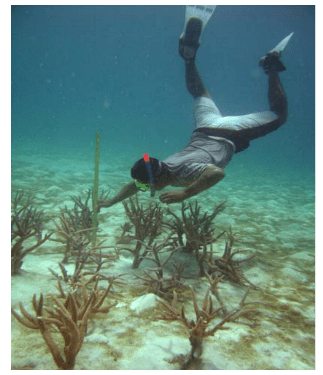
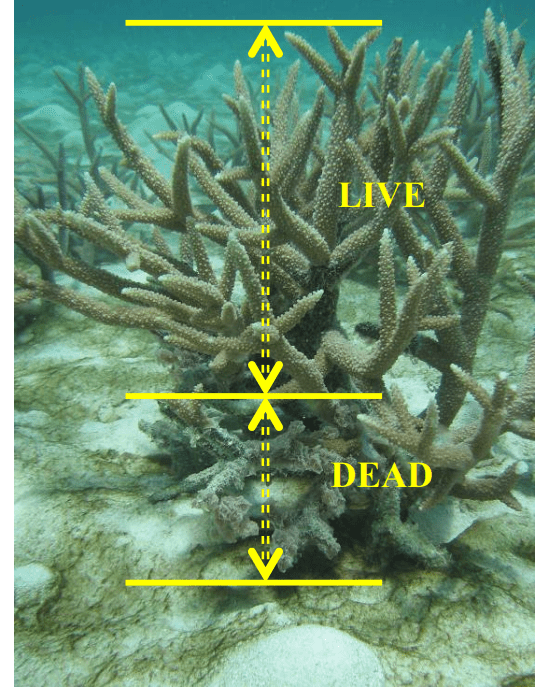
He further stated that coral bleaching is a common threat to reefs – part of agrobiodiversity – due to high sea temperatures. Increases in ocean pH derived from increased absorption of CO2 make it more difficult for corals and shellfish to absorb the calcium carbonate they need to build their skeletons, which consequently threaten reefs and food supplies.
Ridge-to-Reef Project (R2R) – a key strategy to address these issues
The Department of Environment in Tuvalu is currently working with regional and global partners to implement projects that could potentially tackle these threats. One of the many projects is the Ridge-to-Reef (R2R) Project.
Mr. Tinilau said that the goal of the R2R project is “to preserve ecosystem services, sustain livelihoods and improve resilience in Tuvalu using a ‘ridge-to-reef’ approach”. This project focuses on enhancing and strengthening conservation and protected areas, rehabilitating degraded coastal and inland forests. This will maintain and enhance agrobiodiversity in Tuvalu.
Constraints in conserving biodiversity and how to address them
Mr. Tinilau emotionally revealed the general barriers that make the conservation of agrobiodiversity challenging in Tuvalu:
– Lack of legal protection
– Limited financial and technical resources
– Remoteness and smallness
– Limited management capacity
– Lack of awareness, in communities regarding the importance of biodiversity
– Inadequate policies
– Insufficient baseline data
Mr. Tinilau went further to list what he thought could be done to conserve agrobiodiversity in Tuvalu:
– Establishing new conservation areas or increasing area of marine conservation but also consider to conserve terrestrial areas as well (employ R2R principles)
– Enhancing management of existing conservation areas by developing and implementing management plans for marine & terrestrial conservation areas.
– Carrying out restoration of ecosystem (coral reef restoration)
– Conserving rare medicinal plants
– Encouraging the use of traditional knowledge in managing natural resources
– Fostering and promoting the equitable sharing of benefits derived from biodiversity
– Adopting Ecosystem-based Adaptation approach & using of Natural-based solutions
A simple final thought
Mr. Tinilau’s final simple advice for me, as an environmental student and future environmentalist for Tuvalu: “If you are passionate about conserving biodiversity, then look at innovative ways to conserve biodiversity in a very vulnerable place like Tuvalu”.
Acknowledgement
Gratitude and appreciation to Mr. Soseala Tinilau for his time, understanding and knowledge.


