Why I have spent my evenings sitting in the dark, eavesdropping on frogs (in the name of science of course)

By Isabella Howard (u6663532)

Spring is a wonderful time in Canberra – the weather is getting warmer, the flowers are out in force, and the summer feelings are on their way.

But for a couple of hundred of Frogwatch volunteers, spring is also time to dust off the gumboots, grab a census kit and recording device, and go listen to some frogs.
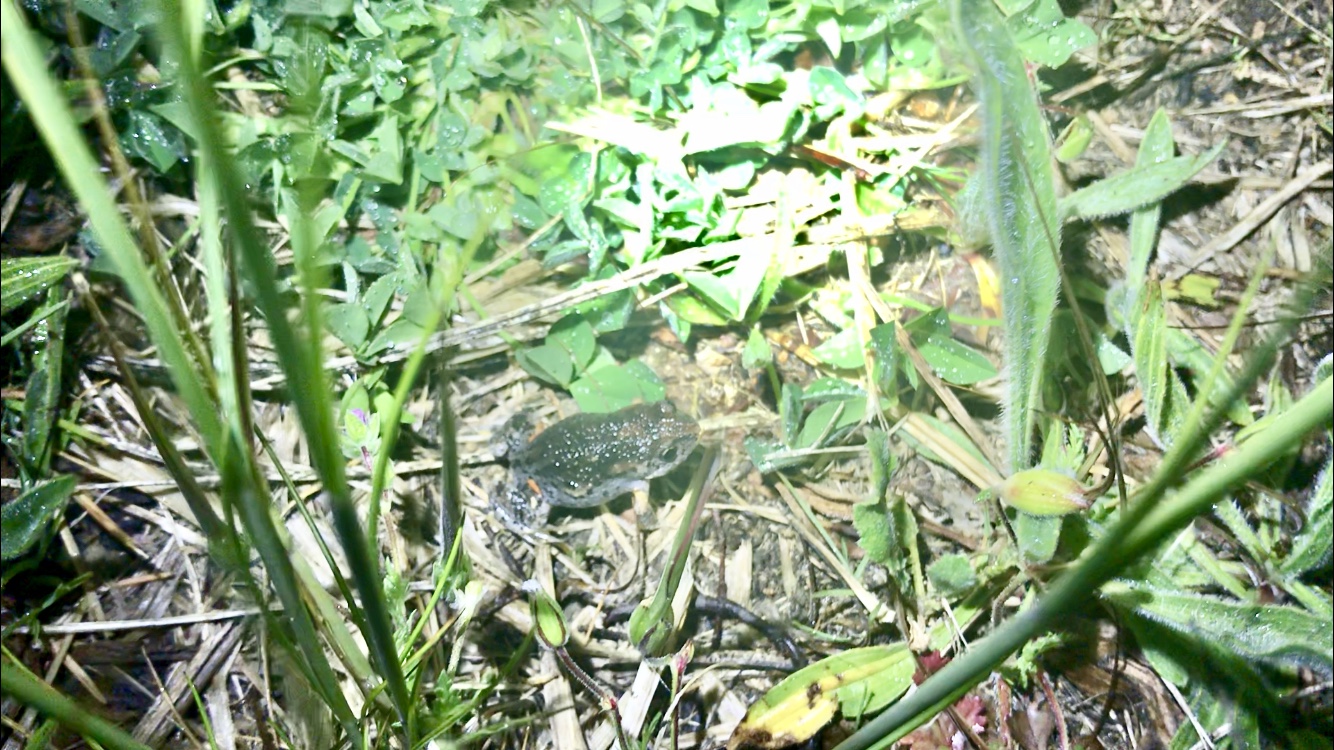
Common Eastern Froglet (Crinia signifera) at one of the sites in West Belconnen. (Photo: Isabella Howard)

What is Frogwatch doing?

Frogwatch is a community-based frog monitoring program run by the Ginninderra Catchment Group. For the month of October, it conducts its annual census, recording information about the presence and abundance of frog populations in the ACT and surrounds.

Over 200 volunteers get involved monitoring approximately 140 sites, recording observations about the numbers and types of frog species present, and making assessments about the habitat quality, such as recording the vegetation cover, depth of the pond and evidence of modification such as mowing.

The significance of frog song

October is breeding season for many of Canberra’s frog species, which means that the males are busy calling away to get the attention of the females. Each frog species has a unique mating call that can be used to identify which species are present at a site.

Frog chorus from Belconnen (06/10/20). How many unique calls can you hear?

Why frogs?

Frogs are one of the most threatened groups of animals on the planet. Of the approximately 230 known frog species in Australia, 37 species are listed as nationally threatened, and 4 have gone extinct in the last 50 years. Some of the threats to frog populations include climate change, habitat loss, as diseases such as Chytrid fungus.

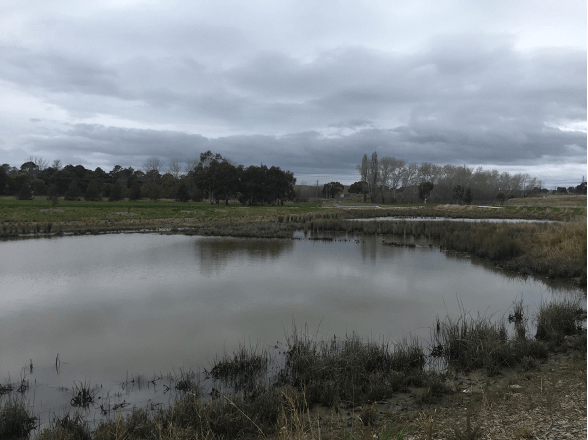
The ponds that my team have been monitoring are on the edge of MacGregor and Dunlop in west Belconnen – at the very edge of Canberra’s urban sprawl. Urbanisation can impact frog populations at a local level by altering the water quality and surface hydrology through runoff and erosion as well as at larger scales by fragmenting and altering the habitat and creating barriers to dispersal and migration between ponds.

Frogs are also indicators of ecosystem health. The presence (or absence) of different frog species can be indicative of water and habitat quality, and overall wetland health.

Sites like those we are monitoring are important to survey as they can provide insight into how urbanisation is impacting both frog populations and the quality of our waterways in the ACT as Canberra continues to grow.

Importance of citizen science!

Citizen science projects like this one provide a comprehensive dataset and are an incredible resource for researchers. They can help to inform policies, conserve natural resources and support our local ecosystems!

They are also a great way to increase awareness and knowledge about local wildlife and allow the community to get involved in natural resource management.

If you are interested and want to learn more about FrogWatch and the work of Ginninderra Catchment Group or want to get involved, see here.

Volunteers in action. (Photo: Isabella Howard)

References:

Department of Agriculture, Water and the Environment (n.d.) EPBC Act Threatened Species List. [Online] [Accessed on 12th October 2020] https://www.environment.gov.au/cgi-bin/sprat/public/publicthreatenedlist.pl?wanted=fauna.

Hoefer, A. M., and D. Starrs (2016) ‘One pond fits all? Frogs as an indicator of urban wetland health. Final Report to Upper Murrumbidgee Waterwatch.’ Ginninderra Catchment Group, Canberra.

Kruger, D. J. D., Hamer, A. J. and Du Preez, L. H. (2015) ‘Urbanization affects frog communities at multiple scales in a rapidly developing African city.’ Urban Ecosystems, 18(4) pp. 1333–1352.

Pellet, J., Guisan, A. and Perrin, N. (2004) ‘A Concentric Analysis of the Impact of Urbanization on the Threatened European Tree Frog in an Agricultural Landscape.’ Conservation Biology, 18, December, pp. 1599–1606.

Posted in Uncategorized | Leave a comment

The Pobblebonk Frog Acapella

Cassandra Murrell (u6650485)

Undeterred by social distancing restrictions or late-night curfews, thousands of eligible bachelors have been gathering in huge numbers after dark all over the ACT. Meeting in the shady parts of nature reserves, where they can hide relatively unseen, these camouflaged males have started SINGING! So, who are these lovesick choristers? It is certainly not the ADFA boys, instead, it’s an army of frogs.

Rugging up throughout October 2020, I joined a network of volunteers across the ACT as part of Frogwatch, an initiative run by the Ginninderra Catchment Group. Our task was to help survey frog numbers and their habitat, to assist in creating an annual frog census for the Canberra region.

So why do we care about frogs?

Answer: Because they are really cute…

A Common Eastern Froglet under the spot light in West Belconnen.
(Photo by Cassandra Murrell 6/10/2020)

Well yes, but frogs are also a very useful indicator species of water quality, their behaviour casts light on how our climate is changing and globally their numbers are in serious decline.

“With their permeable, membranous skin, through which respiratory gases and water can pass, and their shell-less eggs laid in water, they are sensitive to even low concentrations of pollutants in water and soils.”

Saskia Beudel and Anke Maria Hoefer

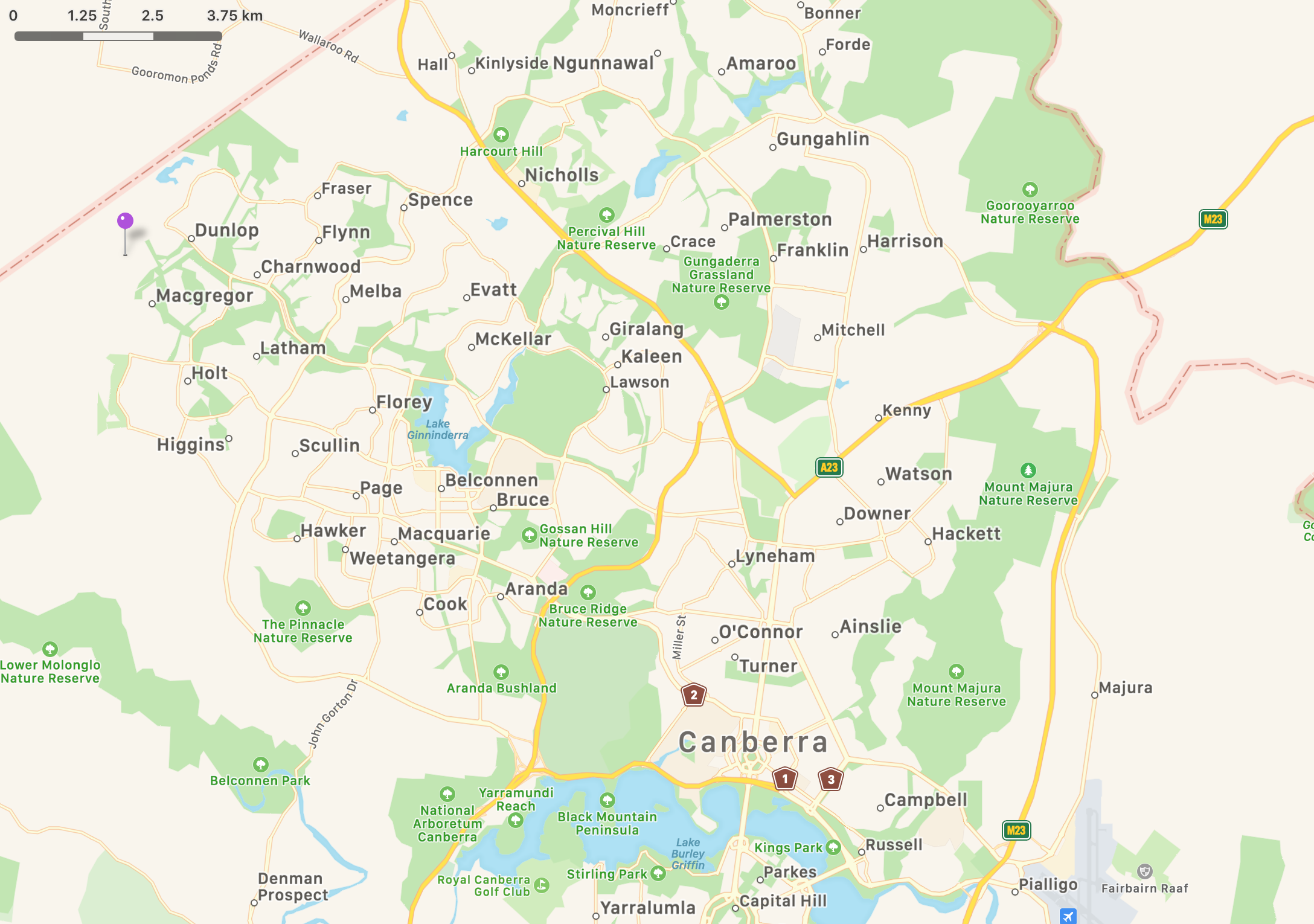
The ponds that we are surveying are on the very edge of Canberra’s growing urban sprawl, to the west of MacGregor and Holt. These areas are coming under increasing urban stress, so we are using frogs to gauge the ecosystem’s health. 

Unfortunately, physical trapping/camera trap techniques are less effective when it comes to these slippery nocturnal amphibians, so the easiest way to gauge their species distribution and population size is from eavesdropping on their late-night singing sessions!

Images from Google Earth 2020 showing the location of our study sites within the Canberra region (located with the purple pin) and a closer satellite zoom showing the four survey ponds in red.

Our role

My small team is responsible for surveying four ponds in West Belconnen each Tuesday of this month. After a training session and a couple of hours of listening to practice recording of frog sounds (my neighbours think I am insane), we descended on the ponds: collecting air and water temperature measurements, noting particular features (such as water depth and surrounding vegetation) and most importantly identifying the numbers of each species of frog that we could hear.

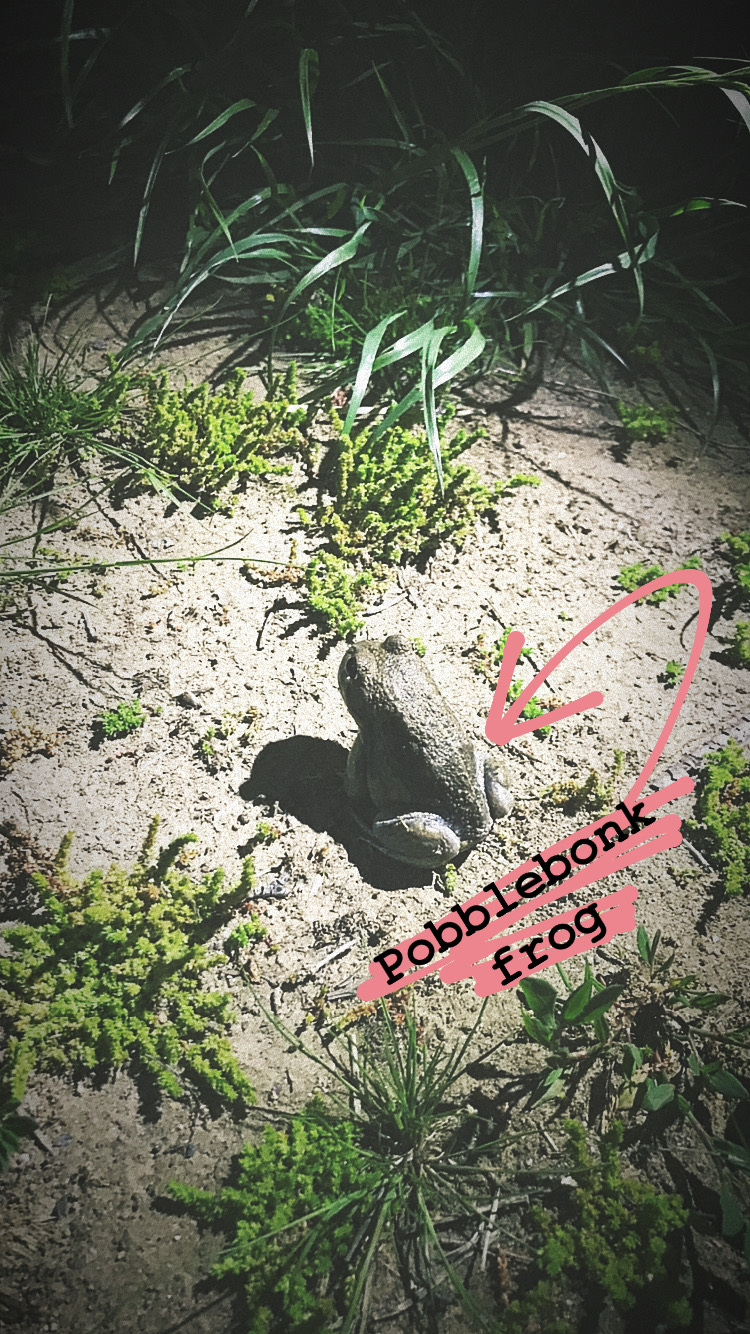
This may sound easy, but unless you are as experienced as ACT Frogwatch Co-ordinator: Anke-Maria, it definitely took us a little while to get our ears connected. Here is one of our recordings, featuring a chorus of my favourite little slippery singers – Pobblebonk Frogs!

(Video: Cassandra Murrell)

Croaking a warning about our changing climate

The goal of Frogwatch initiative is to create a long-term record of frog populations and mating seasons, which eliminates the noise from year-to-year variability. Most frogs only call during mating season, which is triggered by temperature and rainfall. While population size and species makeup provides useful information on biodiversity, it has also revealed an interesting change in their phenology – the timing of biological events such as mating. When comparing the results of recent Frogwatch years, to data collected by Will Osborne in the 1980s-90s, we see that frogs are now starting their mating calls earlier in the season – showing the impact of a warming climate.

  • Winter breeders (Common Eastern Froglet and Whistling Tree Frog)

  • Early/mid-spring breeder (Plains Froglet, Smooth Toadlet, Striped Marsh Frog and Spotted Grass Frog)

  • Late spring/summer breeders (Peron’s Tree Frog and Eastern Banjo (Pobblebonk) Frog)

Timeline showing the mating periods for frogs found in the ACT region. While frogs mating seasons are spread throughout spring and summer, warmer temperatures could see more overlap in breeding seasons and greater competition for resources/survival.

The power of citizen science

For many in the community, including myself, it is often difficult to get a sense of the impacts of climate change. We hear constantly of the need to reduce our emissions, slow global warming… but for city-dwellers it is difficult to see the effects first hand.

Frogwatch offers Canberrans a valuable way of contributing to a meaningful research project and seeing the impacts that we humans are having on the world around us. If you are interested in volunteering this season or next year, find out more at https://ginninderralandcare.org.au/frogwatch/.

(Video: Cassandra Murrell)

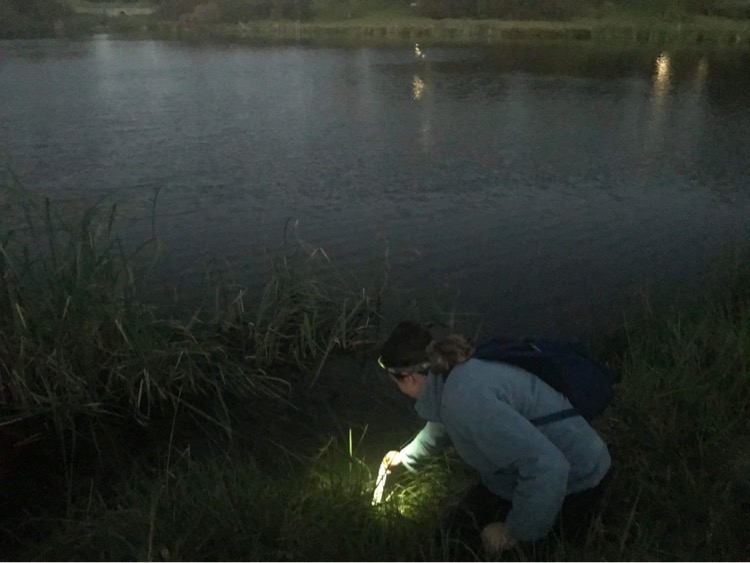
A few photos from our Frogwatch, collecting water temperature at various locations. Over the last two weeks we have seen a number of frogs, including a number of Common Eastern Froglets, Spotted Grass Frogs and finally this Pobblebonk! (Photos: Cassandra Murrell and Isabella Howard)

Bibliography

Beudel, S. (2018). Friday essay: frogwatching- charting climate change’s impact in the here and now. The Conservation, [online]. http://theconversation.com/friday-essay-frogwatching-charting-climate-changes-impact-in-the-here-and-now-98161 [Accessed 10 Oct. 2020].

Beudel, S. and Hoefer, A.M. (2019). Frogwatch Climate Change Study. Wetlands Australia, [online] 31. Available at: https://www.environment.gov.au/water/wetlands/publications/wetlands-australia/national-wetlands-update-february-2019/frogwatch [Accessed 10 Oct. 2020].

Campbell, A. ed., (1999). Declines and Disappearances of Australian Frogs. [online] Canberra: Environment Australia. Available at: https://www.environment.gov.au/system/files/resources/7de68015-f93b-4064-bed6-b2e21d16b5bd/files/frogs.pdf [Accessed 5 Oct. 2020].

Hoefer, A. M., and Starrs, D. (2016) One pond fits all? Frogs as an indicator of urban wetland health. Final Report to Upper Murrumbidgee Waterwatch. Ginninderra Catchment Group, Canberra. Available at: http://www.act.waterwatch.org.au/Files/frogs/Hoefer_Starrs_Wetland_Indicator_Final_Report.pdf [Accessed 10 Oct. 2020].

Lindenmayer, D., Margules, C. and Botkin, D. (2000). Indicators of Biodiversity for Ecologically Sustainable Forest Management. Conservation Biology, 14(4), pp.941-950.

Lowe, K., Castley, J.G. and Hero, J.-M. (2015). Resilience to climate change: complex relationships among wetland hydroperiod. Marine and Freshwater Research, [online] 66, pp.886-899. Available at: https://www.publish.csiro.au/mf/MF14128 [Accessed 9 Oct. 2020].

Posted in Uncategorized | Leave a comment

The future of ecological restoration is in our hands, literally

Ming Hui Choy (u6575435)

Scottsdale Reserve

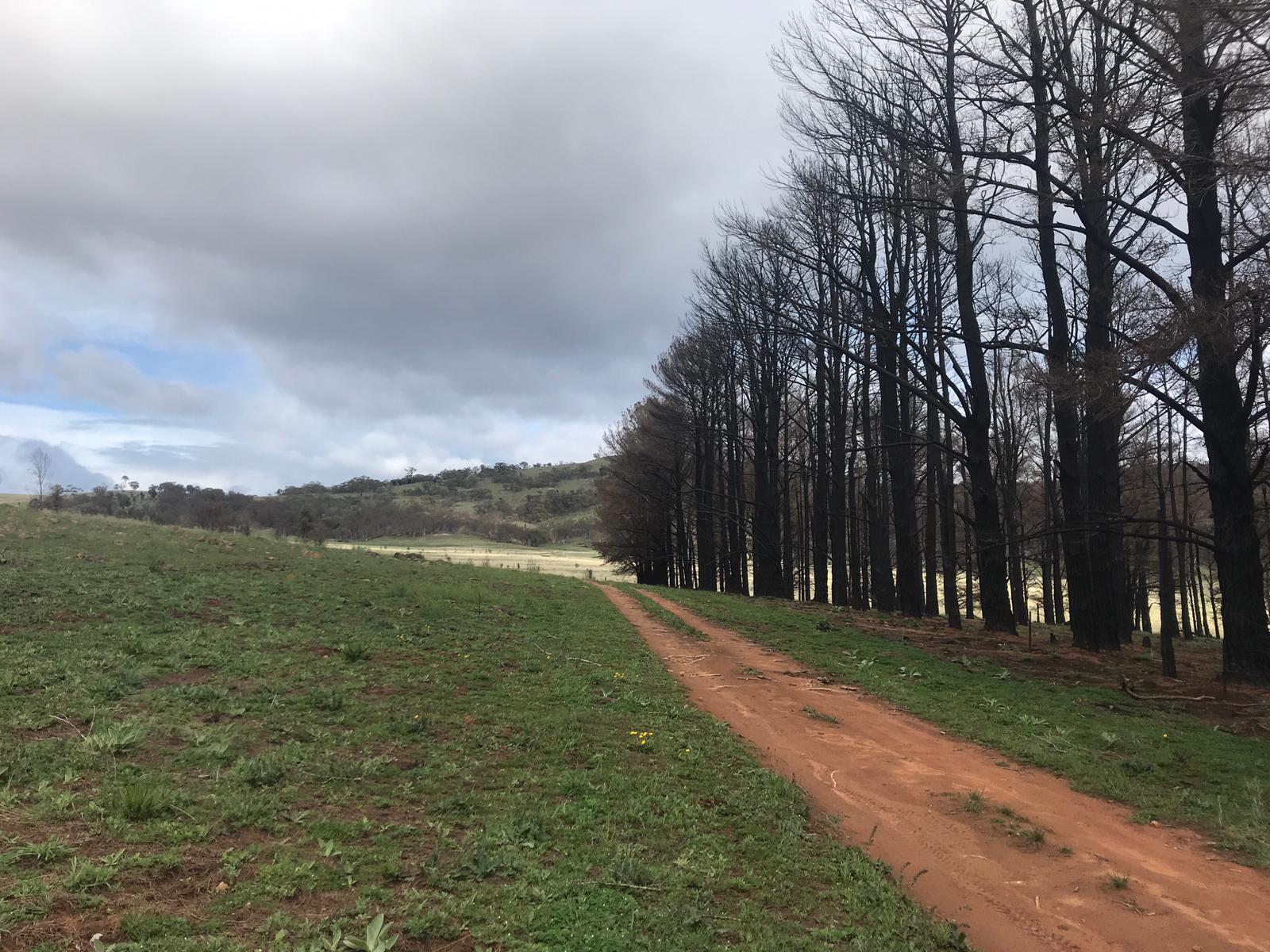
Figure 1: A section of Scottsdale Reserve with old plantings of Pinus radiata charred from fires (Photo by: Ming Hui Choy)

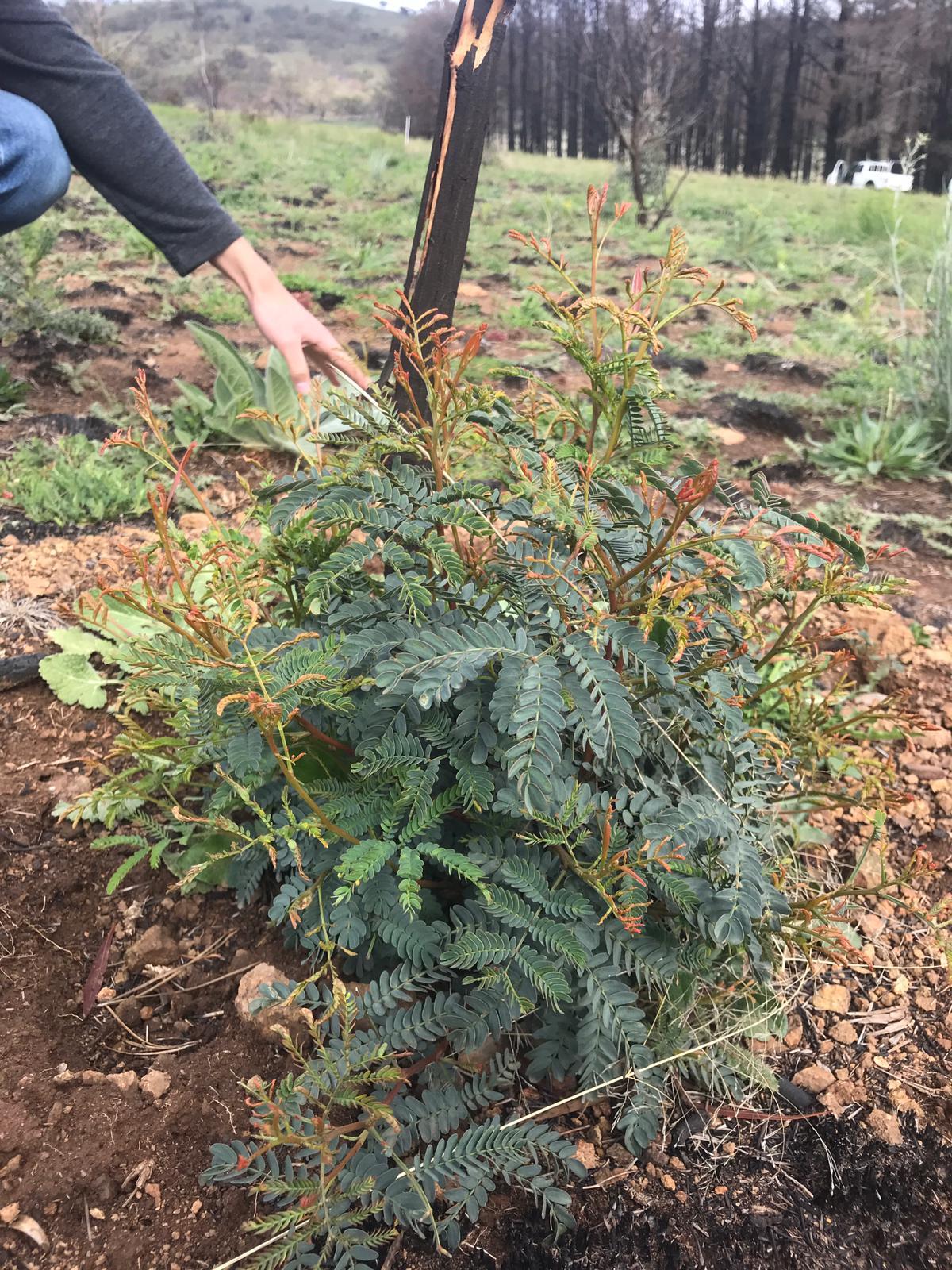
On the 9th of October, I headed down to Scottsdale Reserve with Dr David Freudenberger, his team, and two other fellow students. Scottsdale Reserve is located 75km south of Canberra and the entire reserve area of 1,328 hectares is owned by Bush Heritage Australia, with restoration work concentrated on 300ha of the property. In 2014/15, David conducted hundreds of native plantings in the reserve with his students to restore the landscape and investigate their survival in the area. Species planted were Eucalyptus and Acacia trees, and Cassinia and Bursaria shrubs. Unfortunately, the plantings were affected by the Orroral Valley fire that occurred at the start of this year and parts of the reserve were burnt.

Our task

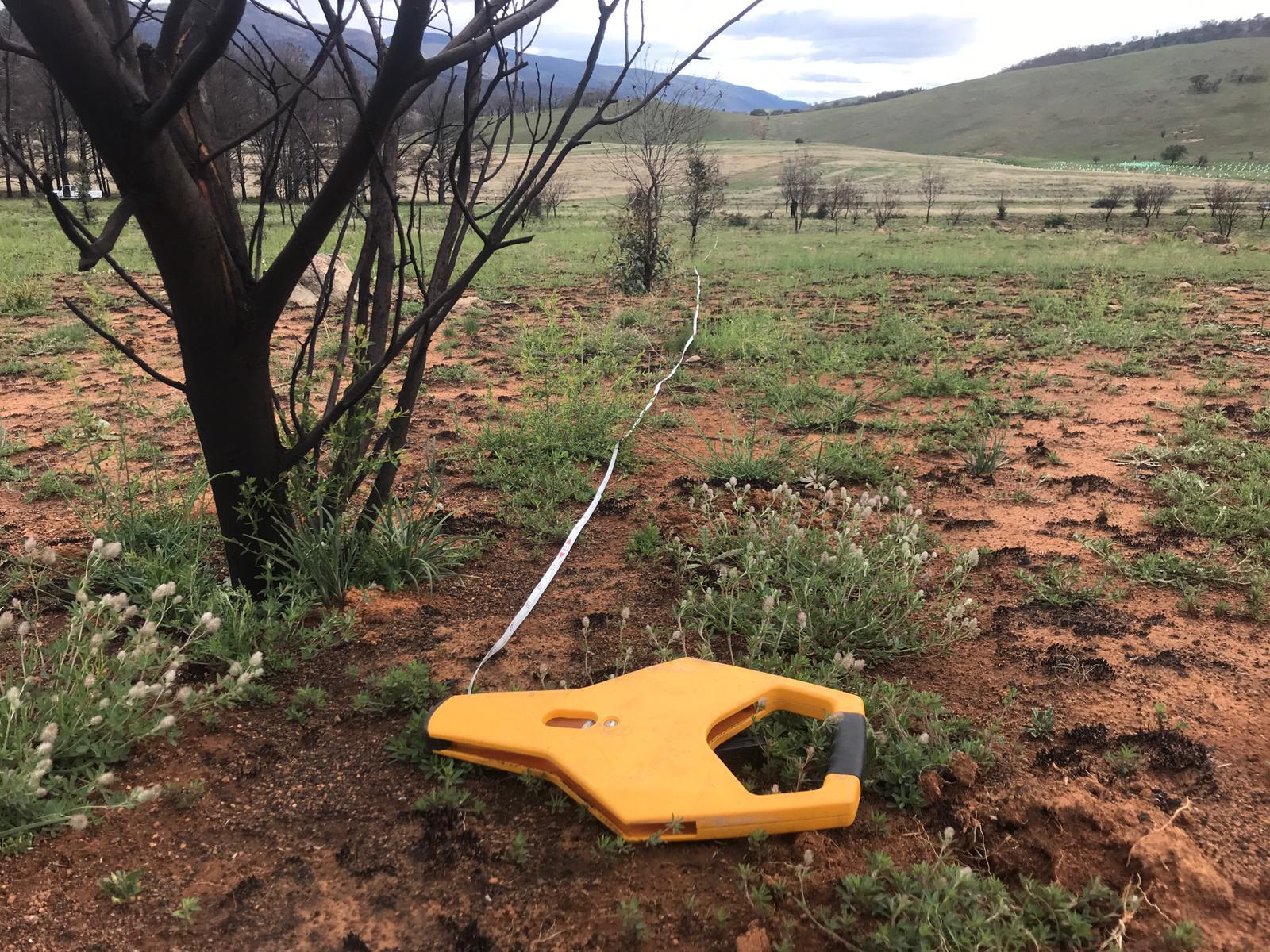
Figure 2: Planted trees and shrubs scattered along a transect (Photo by: Ming Hui Choy)
Figure 3: An abundance of Acacia species resprouts from root plates was observed around a parent tree (Photo by: Ming Hui Choy)
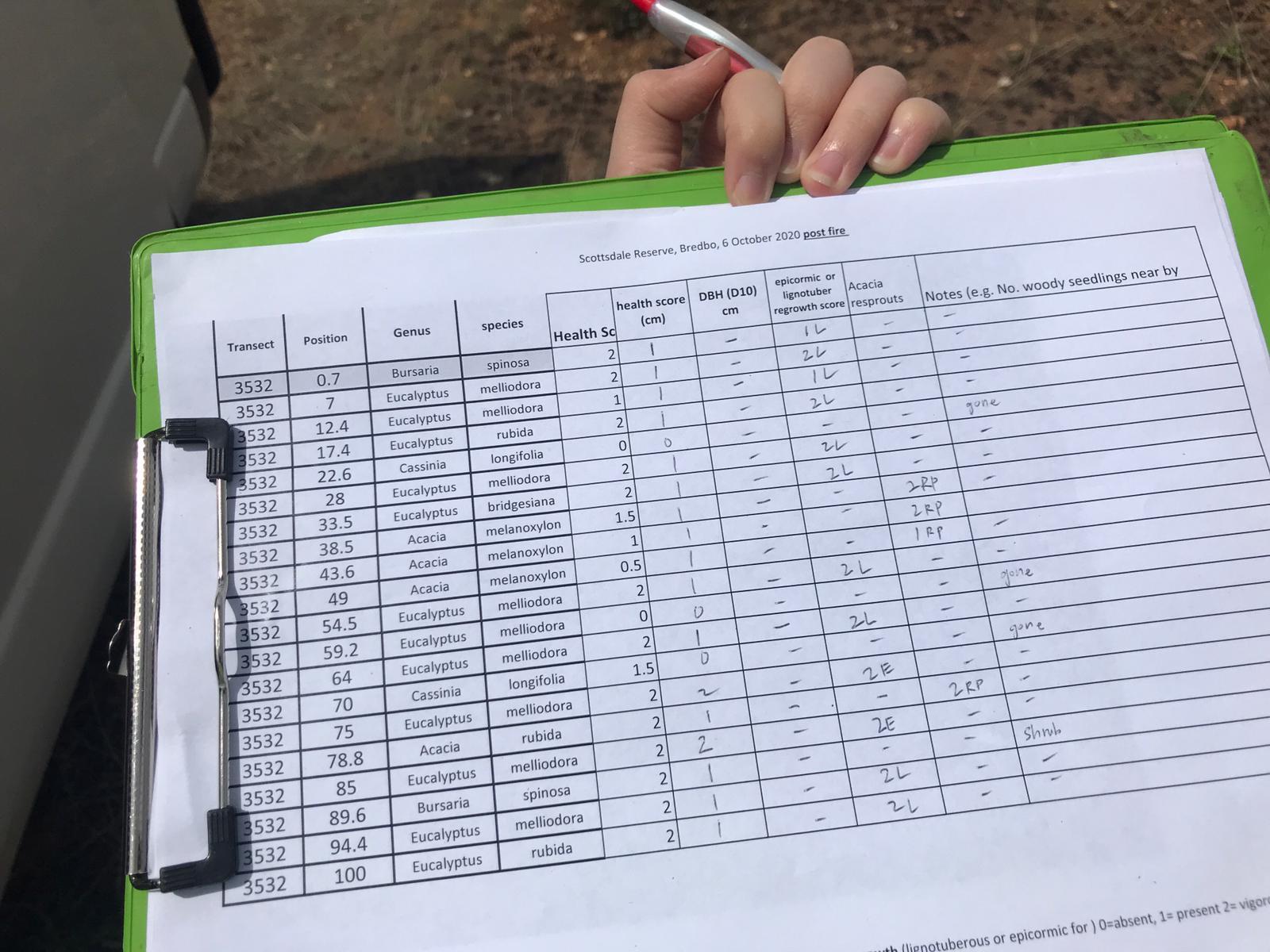
Figure 4: Datasheet of plants along a transect with their health characteristics recorded (Photo by: Ming Hui Choy)

In order to monitor the regeneration and growth of these plantings since the fires, David has borrowed our help to conduct vegetation surveys. These surveys will also potentially help inform David on his ongoing research looking into the survival rates of volunteering plantings. We were tasked with inspecting the plantings along several 100-metre transects around the reserve based on a scoring system. Each plant was allocated both a health and regrowth (i.e. epicormic, lignotuber, root plates, seedlings) score ranging from 0 – 2, with 0 indicating its death and absence of regrowth and 2 reflecting its good health and abundance of regrowth (refer to Figure 4). As many of the plants are still in their juvenile phase after regenerating from the fires, measurements of DBH was not necessary. However, David mentioned that these measurements will be needed in the near future for the accounting of carbon credits for the carbon market which Scottsdale Reserve is actively participating in.

Results and insights

Looking at the results, it was very heartening for us to learn that the survival rate of the plantings is extremely high, with David making a preliminary guess of > 90% survival rate. While the fire damage to the plantings was extensive, we noted that high levels of post-fire regeneration which serve as an indicator for resilience, occurred in almost all of the plants except for the Cassinia species. Given the effects of climate change on increasing fire intensity and frequency in Australia, the resilience of native eucalypts and acacias will be important for their long-term survival in a changing fire regime and in the ecological restoration of degraded landscapes. Native vegetation has the potential to create self-sustaining ecological communities resilient to periodic disturbance and should be actively incorporated into restoration efforts.

A little can go a long way

At the end of this experience, I gained an even greater appreciation for volunteers after knowing that their contributions are making a significant difference to the conservation of our ecological communities. A little can go a long way, and I believe I too can create positive changes for the environment by participating in more volunteering activities into the future. The future of ecological restoration is in my (our) hands, literally.

Word count: 500 words

Acknowledgements

Deepest gratitude to Dr David Freudenberger for providing this volunteering opportunity and sharing his knowledge, Shoshana Rapley for sharing her field experience, Peter O’Rourke for his role as a photographer/videographer, and my fellow students who came along with me. Also to the first magpie who swooped me at Scottsdale Reserve, you will be remembered.

Literature referenced

  • Collins, L., 2019. Eucalypt forests dominated by epicormic resprouters are resilient to repeated canopy fires, The Journal of ecology, 108(1): 310-324.
  • Diffenbaugh, N. S., Singh, D., Mankin, J. S., Horton, D. E., Swain, D. L., Touma, D., Charland, A., Liu, Y., Haugen, M., Tsiang, M. and Rajaratnam, B., 2017. Quantifying the influence of global warming on unprecedented extreme climate events, Proceedings of the National Academy of Sciences – PNAS, 114(19): 4881-4886.
  • Hnatiuk, S., Rayner, I., Brookhouse, M. and Freudenberger, D., 2020. Survival of native seedlings planted by volunteers: The Lower Cotter, ACT case study, Ecological management & restoration, 21(2): 151-154.
  • Lipoma, M. L., Gurvich, D. E., Urcelay, C. and Díaz, S., 2016. Plant community resilience in the face of fire: experimental evidence from a semi-arid shrubland, Austral ecology, 41(5): 501-511.
  • Pickup, M., Wilson, S., Freudenberger, D., Nicholls, N., Gould, L., Hnatiuk, S. and Delandre, J., 2013. Post‐fire recovery of revegetated woodland communities in south‐eastern Australia, Austral ecology, 38(3): 300-312.
  • Smith, F. P., Prober, S. M., House, A. P. N. and McIntyre, S., 2013. Maximizing retention of native biodiversity in Australian agricultural landscapes—The 10:20:40:30 guidelines, Agriculture, ecosystems & environment, 166: 35-45.
Posted in Restoration ecology, Scottsdale Reserve | Leave a comment

A Wacky Phenomenon- Sex Reversal in Central Bearded Dragons

Marcus Dadd (u6945315)

Reptiles have long held a special place in my heart so when a fieldwork advertisement titled ‘Sex in Dragons’ popped up on my Instagram feed in the middle of Canberra’s winter I was hooked. A few months later I volunteered at Bowra Wildlife Sanctuary, just outside Cunnamulla in south-western Queensland for three weeks from the end of November to early December 2019.

Background
Despite being one of the most common reptiles in the pet trade and Australia, Central Bearded Dragons(Pogona vitticeps) are poorly studied in the wild. Offspring gender in reptiles is generally temperature-dependent or genotypic sex determination but some reptiles use both forms of sex determination.

The Study
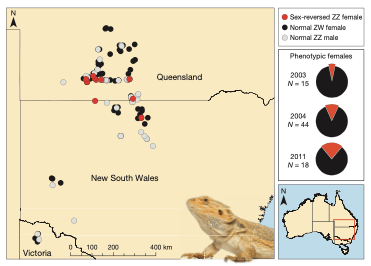
Along with five other volunteers I assisted Kristoffer Wild, a PhD candidate at the Institute for Applied Ecology with his study looking at the ‘ecological causes and consequences of sex reversal’ in Central Bearded Dragons6. Sex reversal is an evolutionary mechanism that occurs in Central Bearded Dragons at incubation temperatures between 34 and 37C. Sex reversed individuals are genetically male but phenotypically and reproductively female1. This was demonstrated in laboratory settings and first detected in wild animals in 2003.

A map showing the known distribution of wild sex-reversed Central Bearded Dragons.

Kris is determining sex reversal frequency and comparing the behaviour of sex reversed females to normal individuals. Other aims are to understand the spatial ecology, movement patterns, habitat selection and physiological ecology of this species.

Every dragon captured at Bowra was fitted with a jacket that holds a GPS and accelerometer so that behavioural and movement patterns can be monitored. Temperature loggers were placed across microclimates to ascertain the relationship between thermoregulatory behaviours and environmental temperatures. Metabolic rates were calculated through taking blood samples before and after injecting some water, mixed with a stable isotope.

One of the Bearded Dragons we were tracking with its GPS jacket.

Our Role

We used radio telemetry to track dragons for capture or to monitor their behaviour from afar with binoculars over 30 minute intervals to validate accelerometer data. With their excellent camouflage it often took us minutes to locate a lizard we’d tracked to a bush or logs. Lizards were brought back to the shearer’s quarters for body length and weight measurements, jacket repairs, downloading accelerometer data, and to take blood and DNA samples(for newly caught animals). Environmental metrics such as temperature, humidity, windspeed, shelter and vegetation were measured to understand habitat selection. Other tasks were data entry and collecting temperature loggers inside copper pipes that resemble the thermoregulatory characteristics of Bearded Dragons.

Some Challenges
Extreme conditions with temperatures reaching 45C for consecutive days made fieldwork challenging, particularly when we had to walk many kilometres, tracking dragons. These conditions contributed towards low detectability as dragons conserve energy by slowing their metabolism. Consequently we only added two new individuals to the study, despite a high survey effort with many hours walking and road cruising. High mortality is a harsh reality of studying species at the bottom of the food chain with a few dragons dying over the volunteering period.

A picture of me pointing to a new Bearded Dragon I spotted from the car, one of only 2 new additions to the study.

Final Reflections

Climate change may reduce genetic variability in Central Bearded Dragon populations if sex reversed females are a significant percentage of the population as they display bolder behaviours that increase the likelihood of predation. Despite the challenges I thoroughly enjoyed my time at Bowra, contributing to an interesting and important study that has future conservation implications for Central Bearded Dragons.

Reference List

  1. Butler,M2017,‘UC researchers peek inside the dragon’s egg’, University of Canberra, viewed 6 September 2020, https://www.canberra.edu.au/research/institutes/iae?result_1631967_result_page=3
  2. Holleley, C, Meally, D, Sarre, S, Marshall Graves, J, Ezaz, T ,Matsubara, K, Azad, B, Zhang, X, & Georges, A 2015, ‘Sex reversal triggers the rapid transition from genetic to temperature-dependent sex’, Nature, vol. 523, no. 1, pp. 79-88.
  3. Quinn, A 2007,‘How is the gender of some reptiles determined by temperature?’,Scientific American, viewed 6 September 2020, https://www.scientificamerican.com/article/experts-temperature-sex- determination-reptiles/
  4. Quinn, A, Georges, A, Sarre, S, Guarino, F, Ezaz, T, & Marshall Graves,J 2007,‘Temperature Sex Reversal Implies Sex Gene Dosage in a Reptile’, Science, vol. 316, no. 5823, pp. 411.
  5. Wild, K 2020,‘Research Interests’,Kristoffer Wild, viewed 7 September 2020, https:// www.kwildresearch.com/research.html
  6. Wild, K 2020, ‘Understanding the Ecological Causes and Consequences of Sex Reversal’, Kristoffer Wild, viewed 7 September 2020, https://www.kwildresearch.com/phd-research.html

Posted in Uncategorized | Leave a comment

A new Seed Bank to conserve biodiversity for generations to come

Anna Penington u6351985

For my volunteering experience, I approached Tom North the associate director of the National Seed Bank in the Australian National Botanic Gardens to see if he needed any help.

Importance of Seed Banking

Seed banking is an often overlooked but incredibly important aspect of biodiversity conservation and biological research, becoming increasingly important with the growing impacts of climate change. As mentioned by Geoff Cary, as the intervals between fires get smaller, some non-sprouting tree species do not have time to germinate and regrow before the next fire. Seed banks provide a backup of biodiversity as these kinds of threats become more common.

Image Credit: Australian National Botanic Gardens

The National Seed Bank

The National Seed Bank is a vital part of Australia’s biodiversity conservation efforts, and works as part of the Australian Seed Bank Partnership to create a comprehensive collection of Australian flora. The collection they house is not just useful for conservation efforts, but also has practical benefits for germination and planting into the Botanic Gardens itself.

Currently the seed bank at the ANBG consists of a few small demountable buildings inside the Botanic Gardens, just up the road the from Pollen Café. Their setup consists of several offices, a laboratory, two drying rooms, a freezer room and the tea room where I work from.

In order to expand their capacity for conserving flora species diversity, the team is moving to a new facility in two years’ time. Through funding from the government and their New National Seed Bank campaign, the Seed Bank will have a majorly upgraded new home with more advanced facilities in order to expand their banking capacity.

My role at the National Seed Bank

When I started, Tom took me to meet a number of strategy and marketing staff members throughout the ANBG to scope out how I could be of help to them. We established that I might be able to assist with some science communication for the facility in order to shed a light on what they do to conserve biodiversity and provide some content for the donation campaign.

After some workshopping and discussing what priorities the seed bank had in terms of their science communication strategy, we landed on creating a virtual tour of the new seed bank. This fulfilled several objectives of the team, including making information about the seed bank more accessible to the public, as well as providing a platform to fundraise for some much-needed equipment in the new facility. I have been working on writing descriptions of what occurs in the different rooms and the equipment needed, to eventually be included in a larger virtual tour of the new Seed Bank where donors will be able to find out how they can contribute to this important cause and interested members of the public can learn more about the process.

Creating interesting and accessible information about the Seed Bank’s work is a great way to highlight the importance of the work they do and provide a pathway for education.

Posted in Uncategorized | Leave a comment

Flora Restoration: From Seed to Native Richness

The first half of my work experience hours were with Friends of Grasslands a community-based group that is dedicated to the conservation of natural temperate grassy ecosystems in south-eastern Australia. I spent my time with them at Stirling Park, located in Yarralumla.

Stirling Park has a rich and deeply fascinating history of European settlement and Indigenous value for both Canberra and Australia more broadly. The area was one of the first settlements in Canberra, which was known as Westlake the suburb was established in 1923. Along with surrounding hills that hold scarred trees and hilltop meeting places that have a deep connection and meaning to Indigenous History and Culture of Ngunnawal Country and Canberra.

The work we completed was on Haines Creek that runs through the old suburb and along these significant hilltops. 

The Creek had been inundated with Vinca major, Blue periwinkle a non-native weed that had engulfed the creek bed and left no chance of survival for any native shrub underneath.

Haines Creek, Stirling Park

However, after many years of trying and failing to kill off the weed with pesticide the right combinations of pesticides was finally figured out and successfully killed off the species.

While culling off the species is fantastic it now leaves bare ground around the river bed. This bare ground can leave space and fertile soil for either the Vinca major, blue periwinkle to grow back or for other species that may be considered to be weeds to grow right back in its place.

Hence why myself and the other group members spent the day tube stocking seedling of

River Tussock (Poa Labillardieri), Spiny-headed Mat Rush (Lomandra longifolia) and Tall Mat Rush (Carex appressa) along the creek and up the embankments. Doing this will hopefully allow for these native species to take back control of the Creek bed and restore it back to its native state.

Haines Creek, Stirling Park

The other half of my work experience was at Greening Australia Nursery in Aranda, Canberra. The Hundreds of seedlings we had planted at Haines Creek had all been provided by Greening Australia. Due to this, I was interested in the beginning stages of how this process occurs.

Thus having done the planting stage with Friends of Grasslands it was time to understand the earlier stages of conservation and flora restoration.

The Nursery here in Canberra plants and raises its own seeds into seedlings along with purchasing developed seedlings from other growers and distributing them through their well known channel, that being the brand Greening Australia.

Greening Australia, Aranda Nursery (Greening Australia Facebook)

While my job for the day was certainly not the most stimulating, pulling seedlings out of trays of 50 and moving them to Greening Australia’s trays of 20 for sale. It allowed me to see the large amount of labour, time, water and other materials that need to go into the entire process of flora conservation and restoration, right from the seed to the planting stage with Friends of Grasslands.

U6404851

Posted in Uncategorized | Leave a comment

Grassroots Biodiversity Conservation: Rivers of Carbon

U6664609: Greta Owen

It is well known that Australia’s distinct biodiversity is battling threatening processes such as climate change, land use change, invasive species and habitat fragmentation (SOE, 2016). Historically, the effort to conserve biodiversity has been restricted to securing protected areas that could contain large, undisturbed ecosystems (Figgis, 2004). The increasing pressure for land for production and development, it is becoming apparent that new approaches to increase opportunities for biodiversity conservation are vital. That’s where Rivers of Carbon comes in.

On the 3rd of September I had the pleasure of accompanying Lori Gould on a site visit to a landowner who has reached out to her via Rivers of Carbon.

Rivers of Carbon: How they work

Rivers of Carbon (RoC) works to support landholders protect and restore water systems with the long-term goal of stopping erosion, filtering and trapping sediment, providing habitat improving water quality and sheltering stock. The Macquarie Perch project is all about improving a known habitat Macquarie Perch habitat in the Murrumbidgee River. This starts with engaging up-stream landowners.

Supporting landholders through directly funding fencing for overall habitat restoration enables landholders to receive the required help without going the route of directly contacting government for funding, which can be an arduous and overly complicated process.

Go with the flow: The site visit

Lori and I drove to Adaminaby to visit a landholder who had recently reached out to RoC after hearing about the program from a neighbor started working with the program. As we located the property Lori reminded me “You never know what to expect, so it’s always best to assume the worst [with regards to the state of the land and the land-holder’s mindset to the program].”

Image 1: Channel erosion caused by livestock dreading on banks to access water

We arrived, engaged in some niceties then set off in a 4WD to check out the property and areas the landholder wanted help with restoring. The main issues faced by this property was livestock causing channel erosion, poor floodplain drainage, and land-use changes since colonization.

Fortunately, the landowner is aware of the issues faced by his property and has tried to remediate the channel erosion through removing livestock from the paddocks and creating temporary leaky-weirs from wire off-cuts (Image 2) in attempt to slow-flow. Lori pointed out the program is more inclined towards developing bank stability than leaky weirs, however it is more important to work with the landowner and what their plan is.

Image 2: Leaky weir made from wire cuttings

Flow on effects: Personal Conclusion

To me, the most surprising aspect of this field of work is just how social it is. “There are some crucial aspects about the landscape you will never know without engaging with the landowners and digging into historical records of the region… its really equal parts social science and environmental science” said Lori when we were on our way back into town.

In its Summary for Policy Makers, the IPBES (Intergovernmental Science Policy Platform for Biodiversity and Ecosystem Services) recognises the importance of grassroots-level biodiversity conservation focused on community level change (IPBES, section D pp. 18-21). RoC is an extraordinary example of these incentives coming to action, but the battle is not over yet.

Acknowledgements

Thank-you Lori for taking time out of her busy work schedule to fit in time for this work experience. Thank-you Phil for making this work experience a part of our course.

References

Figgis, P., 2004, ‘Conservation on Private lands: The Australian Experience’ IUCN, Gland, Switzerland and Cambridge, UK, available at: https://portals.iucn.org/library/sites/library/files/documents/PAPS-013.pdf

IPBES (2019): Summary for policymakers of the global assessment report on biodiversity and ecosystem services of the Intergovernmental Science-Policy Platform on Biodiversity and Ecosystem Services. S. Díaz, J. Settele, E. S. Brondízio E.S., H. T. Ngo, M. Guèze, J. Agard, A. Arneth, P. Balvanera, K. A. Brauman, S. H. M. Butchart, K. M. A. Chan, L. A. Garibaldi, K. Ichii, J. Liu, S. M. Subramanian, G. F. Midgley, P. Miloslavich, Z. Molnár, D. Obura, A. Pfaff, S. Polasky, A. Purvis, J. Razzaque, B. Reyers, R. Roy Chowdhury, Y. J. Shin, I. J. Visseren-Hamakers, K. J. Willis, and C. N. Zayas (eds.). IPBES secretariat, Bonn, Germany, available at: https://ipbes.net/sites/default/files/2020-02/ipbes_global_assessment_report_summary_for_policymakers_en.pdf

State of Environment (SOE), 2016, ‘Frameworks: Pressures’, available at: https://soe.environment.gov.au/frameworks/pressures

Posted in Uncategorized | Leave a comment

Changing Climates, Eroded Gullies and Community Spirit

Petrea Harrison U6674509 (Word Count: 500)

Through work experience, I gained insight into the consultancy and planning processes of community Park Care initiatives whilst also being involved in planting native grasses to regenerate landscapes.

Conservation in a Changing Environment

The first component of my work experience involved attending a consultancy talk, with Grassroots Environmental Consulting, regarding vegetation in the Narrabundah Wetlands. The main goal of the consultation was to learn about plants suitable for enhancing habitat, particularly in the face of climate change.

Figure 1: The Narrabundah Wetlands (Petrea Harrison).

The Narrabundah Wetlands, which form part of the Murray Darling Basin, were designed to act as a haven for wildlife and local recreational use. The wetlands play an important role in removing nitrogen, phosphorous and pollutants from the water before it flows into the Jerrabomberra Wetlands. Moreover, they provide habitat for a diversity of fish, frogs and birds, such as Latham’s Snipe, a migratory bird which breeds in Japan. To enhance this diversity, ensuring sufficient habitat connectivity throughout the wetlands is imperative.

As emphasised throughout my work experience, it is important to select plant species which will survive with climate change into the future. This provides an additional component for Park Care groups to consider when undertaking conservation efforts, as climate change will have varying effects depending on the region. In the Australian Capital Territory, maximum temperatures are projected to increase by 0.7 degrees Celsius by 2030, whilst rainfall is projected to increase in spring and decrease in autumn. Tools such as climate analogues provide insight into what the climate of different regions may look like in the future, by identifying locations which currently experience similar climatic conditions. These tools are useful to identify plant species which may suit the projected environmental changes so they can be integrated into conservation efforts.

Land Degradation and Erosion Control

The second component of my work experience involved volunteering with the Friends of Aranda Bushland to plant Lomandra longifolia in an eroded gully.

Land degradation refers to processes which drive the decline or loss in biodiversity and ecosystem functions or services. One of these processes is soil erosion. There are many factors which make gullies vulnerable to erosion, including sparse ground cover, intense rainfall and unstable soils. In the case of the gully pictured below, one contributor to erosion was repeated use by kangaroos. By planting the native grass Lomandra longifolia in the gully, we were seeking to increase vegetation cover and stabilise the soils.

Figure 2: Before and after planting Lomandra longifolia in an eroded gully in Aranda (Petrea Harrison).

The Community Spirit of Park Care

It was wonderful to see a diverse range of people sharing their passion and appreciation for the local environment by volunteering their time through Park Care. As humans, we are constantly exploiting the Earth and so having the ability to care for the environment is a rewarding experience. Whilst volunteering, I was struck by the strong sense of community which had been established. If more people volunteered their time performing tasks through Park Care, not only could they benefit the environment, but also strengthen the culture of their community.

Posted in Uncategorized | Leave a comment

LAND CARE AT ARANDA BUSHLANDS AND DRYANDRA STREET WOODLANDS

U6665234 – Audrey Cooper

Over the past few weekends, I helped with land care projects at two sites and worked on conserving bushland in two very different ways. With the Friends of Aranda Bushlands, I was helping plant native species with a group that had been working to conserve the area for 30 years, whereas the people working at the Dryandra street woodlands had only just started to work on the site and we were weeding out invasive species. However, both forms of action help to conserve native biodiversity in patches amidst an urban landscape albeit in different ways.

Aranda Bushlands

The Aranda bushlands are a community of snowy gums surrounded by grassland that has been maintained by volunteers for 30 years. Running through the middle of the site is a deep gully that is constantly eroding, due to natural weather processes, poor soil, and the constant impact of kangaroos. I joined a group that was planting native grasses in a gully, hoping to control the erosion. The grasses are fast growing, and once they establish themselves, the fibrous root systems help hold the soil together. This has the dual positive effect of helping with the erosion and increasing the native plant population.

Dryandra Street Woodland

The woodlands here are a small triangular patch surrounded by roads and houses, cut off from larger areas of bush. This was the first work party in the area (organized by Jamie Pittock of the ANU) and volunteers were surveying plants, collecting rubbish, and weeding. I was helping weed out invasive plants, mostly Cootamundra wattle and ash trees, by cutting them down and daubing the stems with pesticide. Weeds threaten the natural diversity of an environment, competing with natives for water, sunlight, space, and nutrients. The disturbed environment that we were working in provides ideal habitat for invasive species where native species are struggling, and although it will take a lot more work, we made a decent dent!

Community Participation

Globally and nationally biodiversity is one the decline at an alarming rate and realistically speaking having working parties once a month in neighborhood bushlands is not nearly close to the massive economic and policy response that is needed to stop the degradation. Despite this, it was really heartening to see how many people showed up to try and help protect the environment and local biodiversity. Landcare groups are an exemplary of direct grassroots action and although they cannot fix everything, it is good to see positive action being taken. On a small scale, the community is showing up and making a difference; collectively, it could make a large-scale change.

One really lovely experience that stood out to me was when working at the Dryandra street woodlands, one of the plant identification experts working on the site showed us a small group of what he identified as the Black Mountain Orchid. There are probably only around 2000 of them in the world, and we saw 10.

496 words

https://theconversation.com/joan-kirner-united-farmers-and-conservationists-to-care-for-the-land-42746

environment.gov.au/biodiversity/invasive/weeds/weeds/why/impact.html

https://www.abc.net.au/gardening/factsheets/preventing-soil-erosion/9430758#:~:text=Drainage%20is%20one%20thing%20but,and%20plant%20them%20in%20accordingly.

Posted in Uncategorized | Leave a comment

Phoenix Forests

By Alexandra Antich

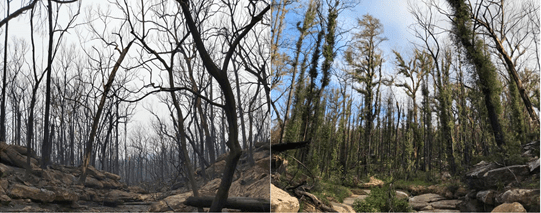
My work experience occurred with the wildlife conservation group – Wildlife Stations. Wildlife Stations is a community run conservation initiative in Kangaroo Valley. I initially did work with them in January, right after the bush-fires went through the area and completed further work in early September.

Figure 1: Kangaroo Valley, a few weeks after the fire and nine months after the fire.

Fire

Wildfires are a natural part of the Australian ecosystem, regular fires cycle nutrients, germinate species and promote diversity in the understory. However scientists have predicted that climate change will cause increased fire severity, frequency and scope.

Frequency

Eucalyptus trees have two varying responses to fire, obligate seeders and re-sprouters. Kangaroo Valley is populated with mainly re-sprouting eucalypt trees. Re-sprouting trees are more tolerant to frequent fires however with increased frequency there is a reduction in seeds and the trees lose the ability to re-sprout. This vulnerability could result in changes to forest structure, as mature eucalypt stands may change into shrubland, subsequently posing a threat to the biodiversity of the forest.

Severity

The severity of a fire affects how the ecosystem recovers. High severity fires, such as the 2019/20 fires, result in large scale loss. A large amount of fauna is killed and many biota have a reduced regeneration capacity. High severity fires also result in a longer period of reduced habitat for species.

Scope

Large scale fires result in an increased loss of biodiversity. Due to the scale of the fires many animals could not travel far enough to escape, resulting in an increased loss of life. Furthermore, as increased proportions of a threatened species habitat are destroyed the species risk of extinction increases.

How I helped…

Pteropus poliocephalus (Flying fox)

Pteropus poliocephalus are a species that live in Kangaroo Valley. The fire burnt the eucalyptus trees which are their main food source. We made garlands, which are metal loops with fruits attached (figure 2). We then went into an affected zone in Kangaroo Valley and put garlands on trees. In September I went back into the affected site to remove the left-over metal.

Figure 2: A garland we put out for P. poliocephalus

Vombatus ursinus (Common Wombat)

Vombatus ursinus are another native species in Kangaroo Valley. V. ursinus like to graze on native grasses, which were destroyed by the fire. We set up camera traps to know which burrows were active and then placed pellets at those locations. Due to the erosion damage we continued to put out food for the wombats as it provides a reliable food source until the ecosystem recovers.

Figure 3: Footage from the camera traps of V. ursinus

Water

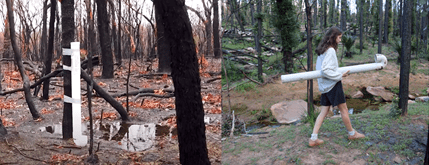
The fires occurred right after an extreme drought resulting in a server lack of water for the surviving animals. To ensure the animals had a water source we set up water stations in the affected forest. From January to September there has been an abundance of rain, resulting in the creeks filling with water. As the water stations are no longer necessary, I went in and removed the structures to ensure no plastic was left behind.

Figure 4: Water stations we put out right after the fire and me taking in the structures a few months later.

Final thoughts…

It was extremely devastating to see the effects of the wildfires however being able to help and track the recovery has been very rewarding.


Posted in Uncategorized | Leave a comment