
u6718252, Matthew Qiu
It is fairly well known that that many of Australia’s frog species have been rapidly declining over recent decades. There have been multiple causes of this – climate change, habitat destruction and disease just to name a few. In particular, chytrid fungus disease, a disease that was introduced into Australia in the 1970s, has been taking a heavy toll on our frogs ever since. This disease has contributed to the extinction of at least four native species and is threatening many more not just in Australia but world-wide. As a result, we’re looking for ways to mitigate this disease and find methods to support affected frog populations.
A Surprising Bounce Back
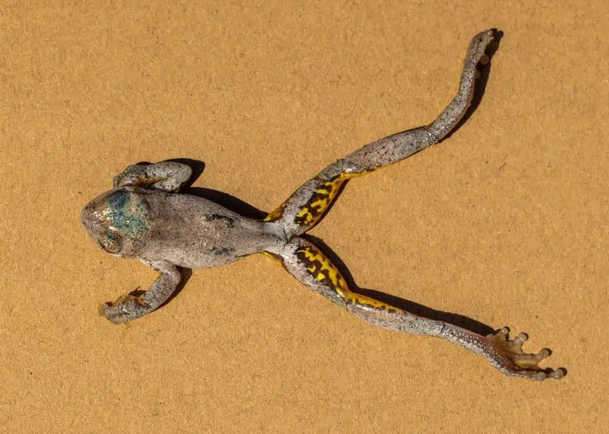
Surprisingly however, a number of frog species appear to be bouncing back in population and in areas of high concentration of chytrid fungus no less. The whistling tree frog (Litoria verreauxii) is a frog species that was heavily impacted by the introduction of chytrid fungus disease, but recent studies have shown that despite mortality from chytrid fungus remaining high, population appears to recovering. Other studies have also shown that infection rates in the tadpoles of some frog species like the whistling tree frog are remarkably low.
So why is this important? Well, much of the current biodiversity work on frogs are mostly focused on high risk of extinction species due to chytrid fungus. While this is fine, there may be potentially much to learn from these frog species that are seemingly coexisting with the disease. Understanding why these frogs are so resilient in the face of a normally deadly disease may unlock potential interventions we can use in order to support other more vulnerable frog species.

Pioneering a Potential Management Option
Jordann Crawford-Ash, a PhD student from the ANU is investigating this exact mystery and aims to identify the interactions that the chytrid fungus disease has with the different stages of life of the whistling tree frog. Volunteering to assist them in this endeavour, my work consisted of aiding them in capturing tadpoles from select sites where whistling tree frogs were known to have inhabited. These tadpoles were then swabbed for traces of chytrid fungus and the data collected would be compared to swabbing’s done to frogs of different life stages. Crawford-Ash’s project also aims to collect data on micro-predators in the water which may give us answers to the whistling tree frog’s resilience.
Frogs provide many essential ecological services to humans, such as controlling pest populations for agriculture, reducing spread of disease and pollination just to name a few. The central takeaway from this work I believe is the importance of finding new and more effective management options for biodiversity. With the number and severity of threatened species we have in Australia today, our current methods may not be enough to keep up with the rate of extinction.

 Biodiversity Conservation
Very informative blog Matthew and interesting research.