
Kylie Kiu – u6425641 – Word Count: 548
Over the past few weeks, I’ve had the pleasure of volunteering at the National Zoo and Aquarium (NZA). I was able to interact with many animals while I assisted the Zookeeper around with their daily tasks (including feeding animals, cleaning their enclosures and preparing their food).
Located near Scrivener Dam, NZA is home to over 65 species of animals. They offer a variety of experiences for all ages, from causal visits to school excursions, and close encounters with the animals. The work done as a volunteer is only a small contribution to the larger efforts that the Zookeepers at NZA do to conserve animal biodiversity.
Red Panda (Ailurus fulgens)
We recently welcomed 2 red pandas to the NZA. Listed as endangered on the IUCN Red List, direct drivers to their population decline includes habitat loss and susceptibility to diseases.
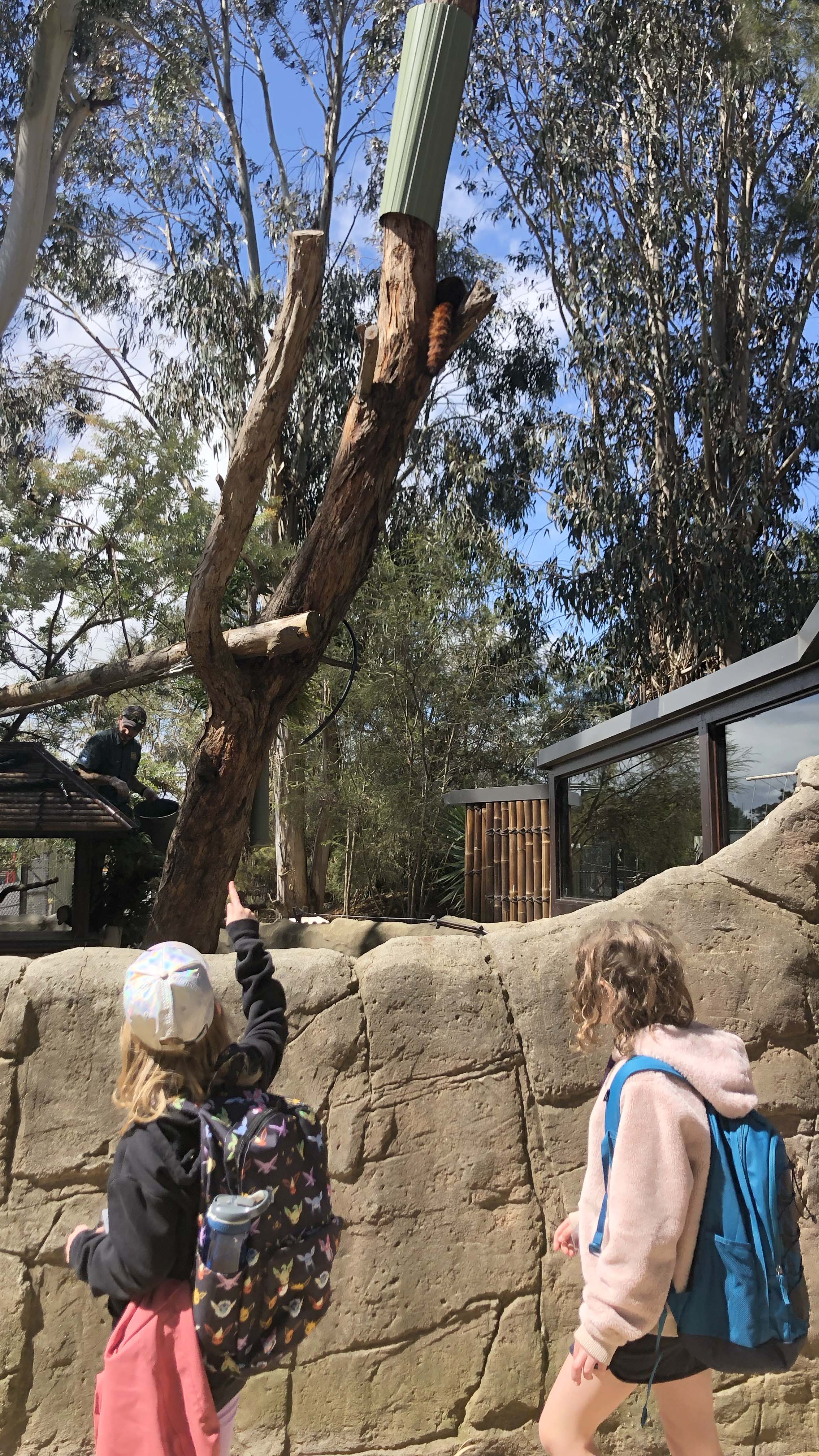
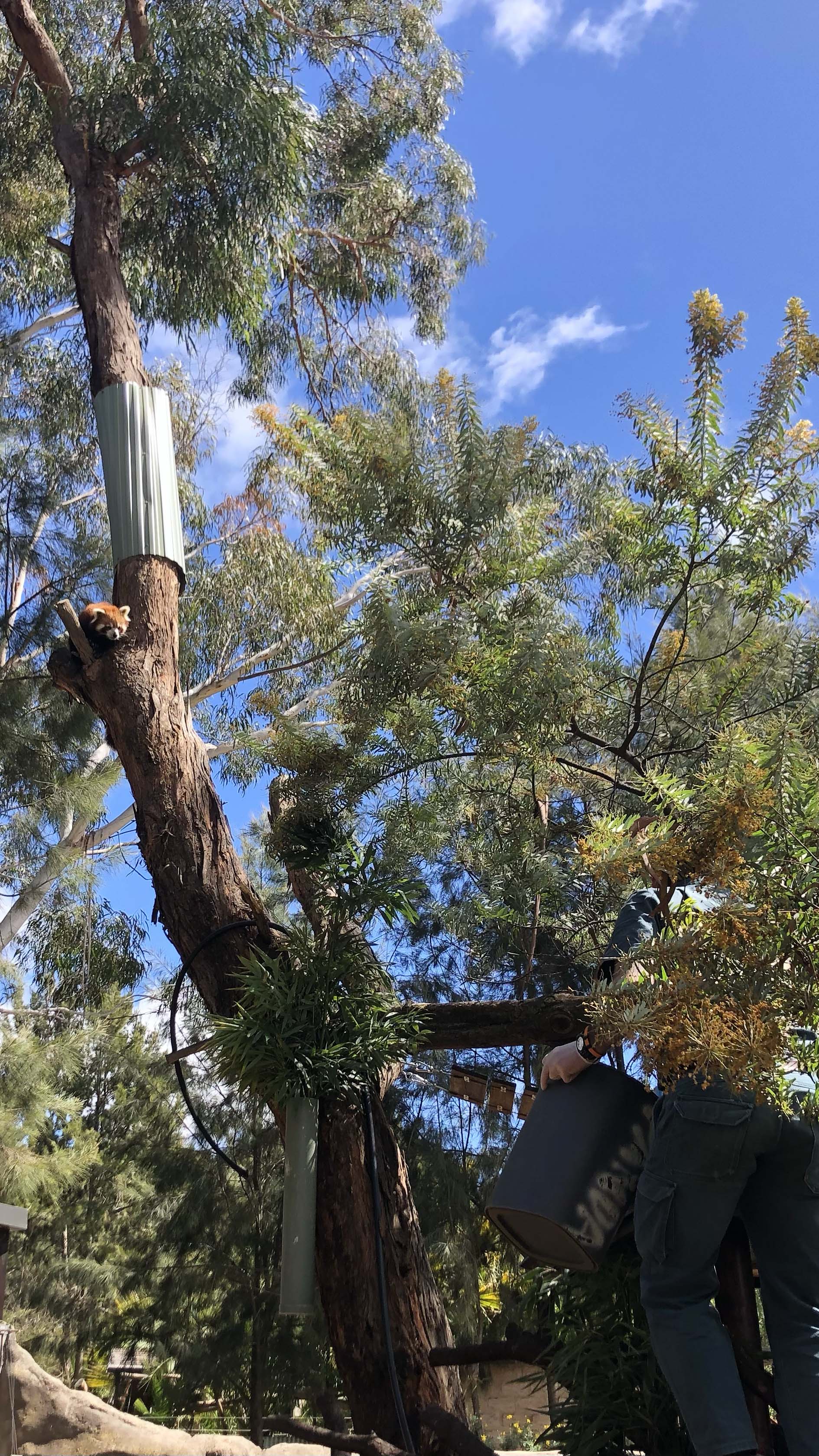

The loss of their habitat and food source is a result of deforestation (for clear land and harvest resources). Red panda populations are at further risk as they often occur in fragmented patches in small numbers. Many individuals are susceptible to diseases and bacterial infections, in both in-situ and ex-situ conservation, further putting their populating at risk.
The cuteness factors of red pandas make them ideal for conservation education and raising awareness at the NZA and other zoos. A trip to the zoos installs biodiversity values in visitors and provide valuable conservation education. The NZA also contributes to the Red Panda Network who are doing valuable research, restoration and protection of wild Red Pandas.
Otters (Aonyx cinereus)
The NZA has a family of 5 smart and playful otters, but trust me when I say their poop stinks!! Luckily for them, they’re very cute so I’ll happily clean up after them.


Asian-clawed otters are listed as vulnerable and face habitat loss through aquatic ecosystem damage and pollution. If you’ve ever seen an otter dive in the water, you may notice a trail of bubbles behind them. This is caused by the release of the air trapped between their two-coat layers. Unfortunately, they are also being killed for the illegal trade of their fur pelts or hunted as pests by local farmers.
Ex-situ conservation at the NZA contributes to otter breeding, with the birth of Bal and Pai’s 3 offspring (Basil, Chester and Josey).
Servals (Leptailurus serval)
Although they may look scary, Souda and Ashaki are just like any cat – they love basking in the sun and minding their own business!
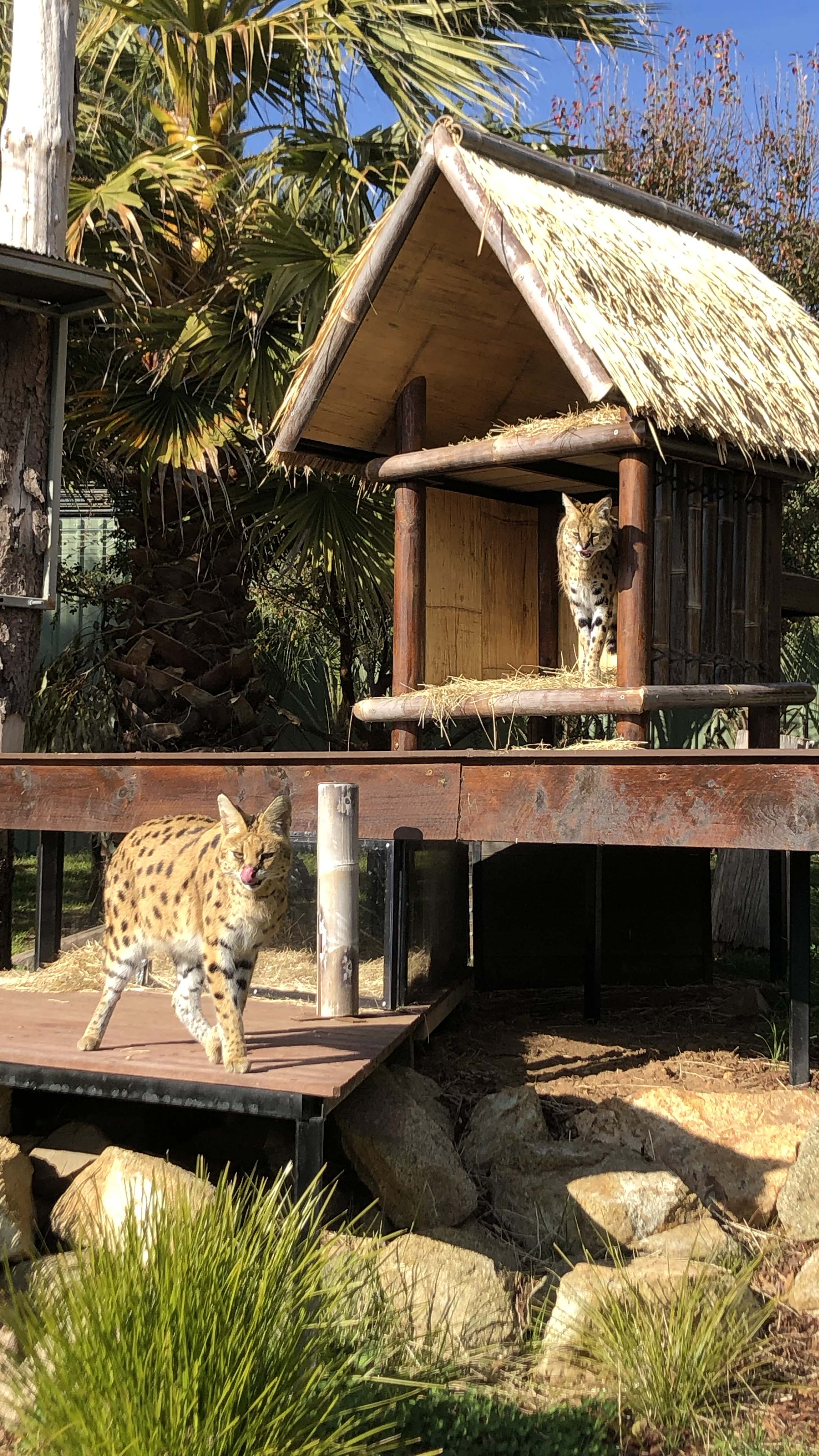


While they’re classified as of least concern, serval populations in the wild face still face habitat loss from urban developments, resulting in further habitat fragmented and degradation. Males and females are often segregated in separate ranges, and come together to breed. Thus, fragmented patches make it harder for males and females to navigate and find each other.
The NZA contributes to regional serval breeding programs and donates to further conservation programs that are focused on conserving other Big Cat species who are vulnerable and endangered.
Final Thoughts
While it may be controversial, zoos are contributing to animal conservation through ex-situ conservation, breeding programs and education. I’ve learnt so much from this experience, and I would defiantly recommend visiting the NZA if you haven’t done so already.
I’d like to say thank you to all the zookeepers who I’ve worked with over the past few weeks, not just for sharing your knowledge but also your enthusiasm for animal conservation.

 Biodiversity Conservation
This inspires me to visit our local zoo. Nice blog. Phil