
u7126980
Biodiversity in the Urban environment
As urban populations skyrocket and urban areas expand outwards important habitat and biodiversity will be lost. In Australia the habitat of over 30% of our threatened species overlaps with urban areas, which means new developments pose a huge threat to our more vulnerable species.
Canberra’s population is predicted to double by 2050, and as it grows new developments will push further and further into surrounding native grasslands, that are home to both the Golden Sun Moth (Synemon plana) – Endangered in the ACT- and the Pink-tailed Legless Lizard (Aprasia parapulchella) – Vulnerable in the ACT. These Box gum grassy woodlands (BGGW) have already lost 90 to 95% of its pre-European distribution, so it can’t really take much more – it listed as Critically Endangered nationally. Its location right on our doorstep means urban developments around the city have an important role to play in its conservation.

Source: Environment.act.gov.au
Are Parks Part of the Problem?
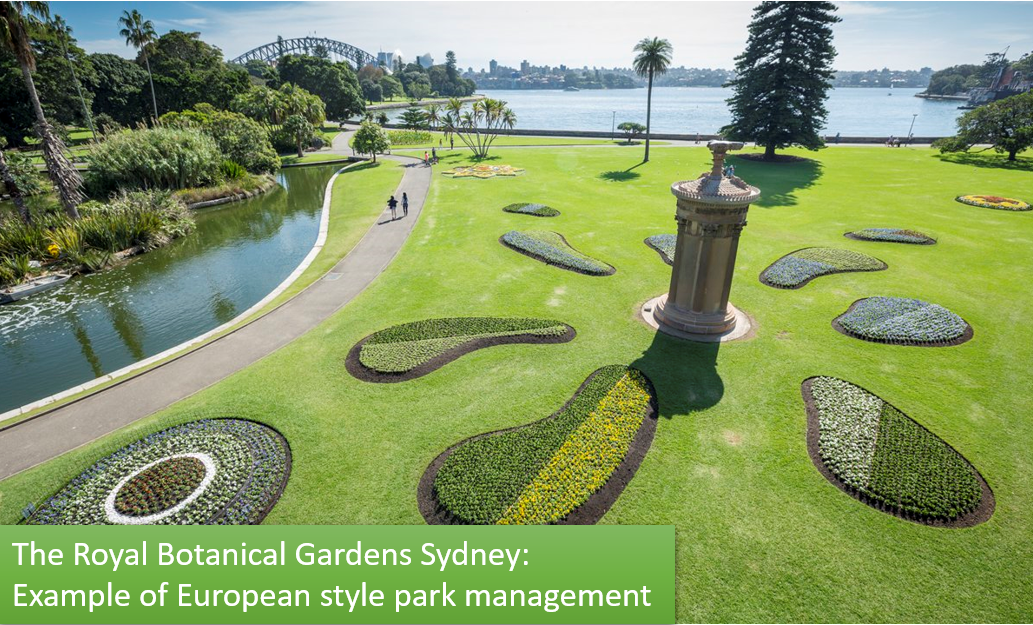
Urbanisation usually means removing most of the existing native vegetation and, in the green spaces that do remain, replacing it with more aesthetic European plants and grasses. This new ecosystem creates an unsuitable habitat for our native species and often allows invasive species to thrive.
The Ginninderry Community Development
Ginninderry is a new suburb of North Canberra located on the ACT/NSW border, they aim to set an international example to other new sustainable developments. During the development 81% of mature trees were retained and, in a partnership with the ANU, they have devised 3 possible treatments for small ecological parks to conserve biodiversity around the trees. The first is the traditional European style management, which was employed when trees were near major roads. The second treatment was the mass planting of mid-storey shrubs and grasses, while the third was removing the nutrient rich topsoil and attempting to re-establish the endemic BGGW. In both new logs are introduced and coarsy woody debris retained.

Solution? Signs point to…
While the retention of mature trees is definitely a positive for biodiversity, its not quite clear yet whether these parks will have an impact and to create a conservation corridor between larger remnant patches or habitat and increased biodiversity. The ideas behind them are sound, with coarse woody debris and native shrubs both being critical structural components of BGGW and having positive correlations with species richness and abundance of small native birds and insects. However, it has been found that remnant patches in urban spaces must be over 50 hectares to retain urban-sensitive vegetation or threatened species, which these definitely are not. While this is a step in the right direction, we have yet to see how successful the parks will be. The retention of the mature trees is already a huge positive though, as in nearby developments roughly only 26% are retained.
Work experience
Because Ginninderry is still in development these parks are still being created. In early October a group of us students made the trek to Ginninderry for our work experience, with the intention of planting some of these shrubs, only to be met with torrential rain and be sent home with our tails between our legs. We still got a fantastic tour from Matthew Frawley, Ginninderry’s Urban Design and Landscape Manager though!

 Biodiversity Conservation
A brilliant account of one issue associated with urban development and biodiversity. Phil