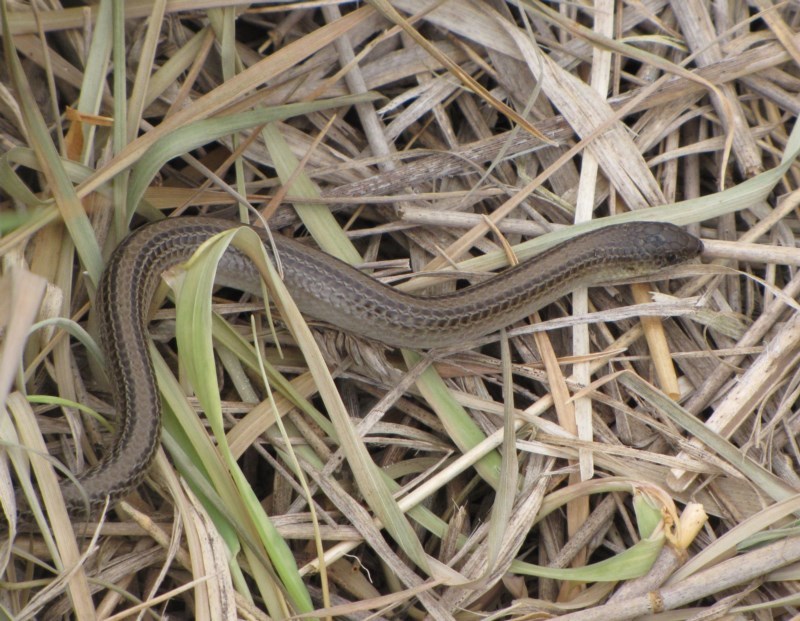
Honey I’ve Lost My Legs – Striped Legless Lizard Monitoring in the ACT

Images Left to Right, Top to Bottom: Wombey, Geoff Robertson, Wombey, Michael Mulvaney and Emily Sutcliffe

Here is the (adorable) Striped Legless Lizard (Delma impar), which roams in small populations across remnant grasslands in the ACT, Australia. 

Current State

Currently, the Striped Legless Lizard is listed as Threatened in the ACT and nationally and as Endangered by the IUCN. Our lizard is one of 21 Delma species in Australia, and found throughout native temperate grassland fragments in the Canberra region as seen on the map. Their importance to grasslands is twofold, they are an integral part of the food web, managing insect populations and being prey for native birds and mammals. They are also an indicator species for grassland health. 

Map of Delma impar distribution in the ACT in blue

Native grasslands are a heavily threatened ecosystem, 99.5% of this ecosystem has been altered since European invasion, and of what remains only 2-10% is in high ecological condition. The remaining populations are isolated from each other due to the expanse of roads and urban areas between remains. 

How did this happen?

It is thought that the Striped Legless lizard was once present throughout the native temperate grasslands of New South Wales, Victoria, South Australia and the Australian Capital Territory. With European arrival, the land-use of these grasslands was altered. Grasslands were converted to cropping and pasture land, degrading them, and more recently increased urban development is the driver of grassland loss. Striped Legless Lizards prefer high density grass of ~20cm height, this habitat does not persist with grazing or urban development. So what’s being done?

The Project

What is the Project?

The volunteer project is part of the ongoing Striped Legless Lizard monitoring on biodiversity offset sites that was outlined in the Action Plan. I joined Emily and Emma (who exclusively referred to each other as Em) to turn tiles and tally these tiny noodles (technical term). 
The monitoring is currently related to the various populations. Annually, each site is visited 5 separate times to count the lizards and compare them to previous years to establish if the populations are stable or not. 

How do we do this?

Roof tiles. Roof tiles have been laid out in groups of 8, as shown below, each plot has three groups, and sites have between 3-8 plots. We lifted each tile, again shown below, and counted what was underneath. Sadly when I joined no Striped Legless Lizards were interested in the tiles but we did count multiple Delicate Skinks (Lampropholis delicata) and three chubby Spotted Marsh Frogs (Limnodynastes tasmaniensis). This data is saved into Survey123 to be analysed at the end of the season. My only quam, this data is not possible to find online so interested members of the public cannot keep up to date. Ensuring accountability in monitoring actions increased biodiversity outcomes so this is an important aspect that this project currently is not meeting. 

Group layouts, Plot layouts and Method for lifting the roof tiles

So?

These lizards are often found in landscapes alongside the Golden Sun Moth (Synemon plana) and the Grassland Earless Dragon (Tympanocryptis pinguicolla). By monitoring them, and continuing to conserve their habitat, other species benefit and a critically threatened ecosystem persists a little longer.


Acknowledgements

I want to thank Emily Sutcliffe and Emma Carlson for taking me with them and answering all my questions. Thank you for your kindness and all the reptile related information I now know. 
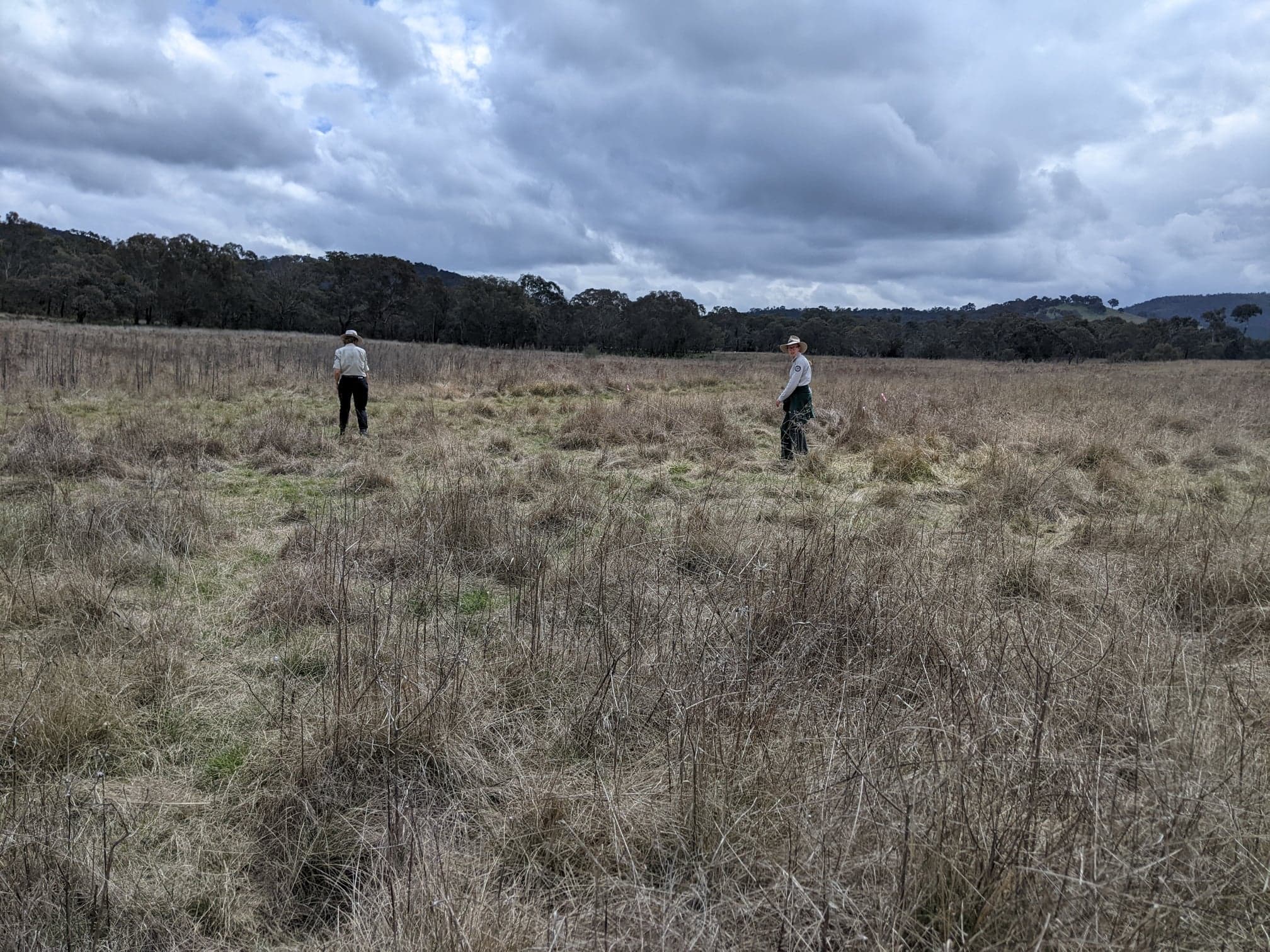
Emily and Emma in the grasslands

By P. Roebers, U6984090
509 Words

Posted in Reptile | Leave a comment

Sharing is Caring: Biodiversity in Urban Areas

u6361657

How does urbanisation affect biodiversity?

Urbanisation is a continuously growing modern phenomenon that shapes the world we live in today. Currently, according to World Bank, 86% of Australia’s population live in urban areas, and 57% of the global population reside in urban areas. This number is expected to rise to 68% globally by 2050 (United Nations, 2018).

Creating liveable cities for a growing human population comes at a great cost to biodiversity. Human-induced changes and land-use transformation increases environmental disturbances, creating pressure on the assemblage of local flora and fauna (Kondratyeva, et al. 2020). A study by Kowarik et al. (2020) discovered that even a single removal of a green space can create pressure in network habitat patches, and consequently, escalate fragmentation. Additionally, urbanisation often brings forth a surge in non-native and invasive species which can be a threat to local and vulnerable species when in competition for resources.

Why preserve biodiversity in urban areas?

Conserving natural environments in urban areas has a vast array of benefits for human health and well-being. These benefits fall under the ecosystem services category, which conceptualises human-environmental interactions using a range of components that link ecological processes to human well-being (Luederitz, 2015). The presence of ecosystems in urban areas have been found to provide great effects to mitigate climate change, thus, improving resilience of cities, biodiversity, and human-health (MacPherson, 2015). Closeness to urban green spaces can boost conservation ethics, stimulate high-quality interactions between people and the natural environment, enhance religious beliefs, traditional and cultural values, and hence, benefit human emotional and physical well-being (Dearborn & Kark, 2010).

Work Experience at Ginninderry

On the 30th of August, a group of ANU students participated in manual weed removal and revegetation on an ecological site in Ginninderry, a development project and organisation, located on the north-west border of the ACT and NSW. Their vision is to be a “sustainable community of international significance in the Capital Region” (Ginninderry, 2022).

Weeding and revegetation at an ecological site by u6361657

To address pressing issues of urbanisation and the decline of biodiversity, the Ginninderry Conservation Trust utilises a few methods. The first is weed management, including surveying, mapping, recording, and surveillance (Eland et al. 2021). ANU students engaged in some of these processes such as identification and manual weed removal. Weeding was followed by revegetation of the area using native saplings and shrubs, with the goals of restoring native grassland habitats for birds, insects, and lizards. This site was in between housing development, within proximity to future human residential areas. It aims to enhance both biodiversity conservation efforts within urban areas, as well as increase exposure to green spaces for future residents of Ginninderry. 

How can we help?

Studies have shown that urban or backyard gardens are effective green spaces that can enhance ecosystem services, enhance human well-being, and assist local species and biodiversity in cities and suburbs. Active garden management practices through cultivation of an array of vegetation has the ability increase both aboveground and belowground biodiversity (Tresch, 2019).

Additionally, education is a crucial step in promoting knowledge and local awareness, increasing interest, and aiding changes in attitudes and behaviours towards the environment (Shwartz, et al. 2012). We, as individuals, can support movements and organisations for conserving local biodiversity, be mindful of policies and actions that local councils and developers may want to take, and share our knowledge and experiences with our friends, family, and local communities.
Word Count: 513

Posted in biodiversity conservation, Birds, Climate change, invasive species, Landcare, Urbanisation, Volunteer work, weeds | Tagged , , | Comments Off on Sharing is Caring: Biodiversity in Urban Areas

Biennial Badies

Olivia Stansfield – U6939957

The gift that just keeps giving

The 2021 State of the Environment Report found that invasive species in Australia affected 82% of threatened taxa making it the most significant threatening process. In Australia, invasive species are estimated to have cost at least $389.59 billion since the 1960s. Eradication of invasive species has had success on smaller islands but is near impossible to achieve on mainland areas. Therefore, invasive species management has shifted from aiming for eradication to controlling populations, reducing spread into new ‘clean’ areas, and prioritising areas of higher value for eradication works.

“An invasive species is a species occurring as a result of human activities, beyond its accepted normal distribution and which threatens valued environmental, agricultural or other social resources by the damage it causes.”

Invasive plant species are called weeds and they cause significant problems for biodiversity, agricultural production and in aquatic ecosystems. Approximately 2,800 terrestrial plant species have naturalised in Australia and 10% of these are now considered invasive plants. These invasive species dominate landscapes and significantly reduce native ground cover biodiversity.

What the Ginninderry Conservation Trust is doing

The Ginninderry Conservation Trust is the organisation that manages the Ginninderry Conservation Corridor, see Figure 1. Still a bit lost? Ginninderry is a new suburban development being developed as a highly sustainable, Green Star accredited community and will extend across the ACT border into NSW on the western edge of the ACT. The corridor showcases science based biodiversity restoration, innovative community engagement and management, opportunities for sustainable recreation and active learning opportunities.

Figure 1: Looking along the Murrumbidgee River from Shephards Lookout over the Ginninderry Conservation Corridor towards the ACT/NSW Border (Stansfield, 2022)

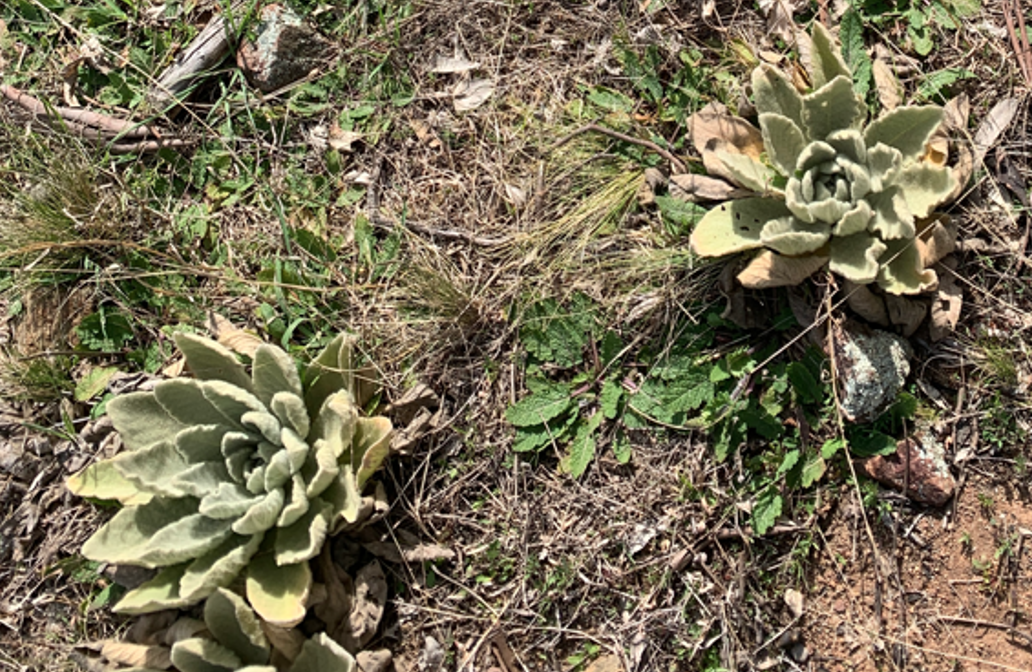
Like most other landscapes in Australia, the corridor has many exotic species, including invasive weed species. Our target for our morning of work experience: Verbascum thapsus, common name Mullein, see Figure 2. This biennial species is a medium to high risk weed in the corridor. It likes areas with bare dirt where it can create a large monoculture plot, outcompeting any native ground cover species, typically in grasslands, or grassy woodlands. A single plant can produce greater than 100,000 seeds and the seedbank viability is greater than 100 years.

Figure 2: Verbascum thapsus within the Ginninderry Conservation Corridor (Stansfield, 2022).

Many hands make light work

We removed the weed species manually using small mattock tools so that the taproot was removed with the plants. The plants are then turned upside down and laid on the ground, so their roots are facing up towards the sun to dry out and die. Considering the large size of the conservation corridor the Trust works on small areas at a time to try and control the species. We worked in this area as it was part of a critically endangered ecological community of Box-Gum Woodland and is known habitat for the vulnerable Pink-Tailed Worm Lizard. Generally, this is an extremely time-consuming task considering how prevalent the species was in the area we were in, but a bigger group made it significantly easier, see Figure 3. However, for the Trust it is a never-ending job.

Figure 3: Before and after photo of area of Box-Gum Woodland ecological community where high numbers of Verbascum was present (Stansfield, 2022).

References

Belgeri, A., Bajwa, A. A., Shabbir, A., Navie, S., Vivian-Smith, G. & Adkins, S. 2020. Managing an invasive weed species, Parthenium hysterophoris, with suppressive plant species in Australian Grasslands. Plants, 9, 1587.

Bradshaw, C. J., Hoskins, A. J., Haubrock, P. J., Cuthbert, R. N., Diagne, C., Leroy, B., Andrews, L., Page, B., Cassey, P. & Sheppard, A. W. 2021. Detailed assessment of the reported economic costs of invasive species in Australia. NeoBiota, 67, 511-550.

Department of Climate Change, Energy, the Environment and Water. 2021. Australia State of the Environment. Invasive Species and Range Shifts.

Department of Climate Change, Energy, the Environment and Water. 2022a. Invasive Species [Online]. Available: https://www.dcceew.gov.au/environment/invasive-species [Accessed September 2022]

Department of Climate Change, Energy, the Environment and Water. 2022b. Weeds in Australia [Online]. Available: https://dcceew.gov.au/environment/invasive-species/weeds [Accessed September 2022]

Eland, E. 2021. Weed Management Plan Ginninderry Conservation Corridor

Moon, K., Blackman, D. A. & Brewer, T. D. 2015. Understanding and integrating knowledge to improve invasive species management. Biological Invasions, 17, 2675-2689.

Stansfield, O. 2022. ENVS3039 Biodiversity Conservation Work Experience

Starr, F., Starr, K. & Loope, L. 2003. Verbascum thapsus.

TRC Tourism Ltd. 2018. Ginninderry Conservation Corridor Management Plan 2018-2023. Weeds Australia. 2021. Verbascum thapsus L. [Online]. Available: https://profiles.ala.org.au/opus/weeds-australia/progile/Verbascum%20thapsus [Accessed September 2022].

Posted in Uncategorized | Leave a comment

People and Platypus: How citizen science can support biodiversity monitoring

By Hamish Stewart u6676910

Earlier this year I participated in the annual volunteer Waterwatch Platypus Month Survey. This post will explore the importance of biodiversity monitoring and how citizen science programmes can support conservation efforts.

Biodiversity monitoring: what is it and why is it important?

Biodiversity monitoring refers to the systematic and repeated observation or measurement of biodiversity in its various forms, including species, ecosystems and environmental processes. Effective and ongoing biodiversity monitoring is critically important for conserving species and protecting ecosystems because it helps build an understanding of how biodiversity changes over space and time in response to different processes and management techniques (Conrad and Hilchey 2011). Despite its importance, biodiversity monitoring is often poorly implemented due to the high costs and technological challenges involved in making continuous, accurate observations (Aceves-Bueno et al. 2015).

Citizen science based biodiversity monitoring

One way researchers, governments and conservation groups can enhance the effectiveness of biodiversity monitoring is by engaging citizen scientists, i.e. volunteers who collect and/or process data to support scientific research. Citizen scientist biodiversity monitoring programmes are cost effective and can be conducted for long periods on a large scale, which is particularly important for species population monitoring (Tulloch et al. 2013).

Case study: Waterwatch Platypus Month Survey

One of the longest ongoing citizen science biodiversity monitoring programmes in the Australian Capital Territory (ACT) is the annual Platypus Month Survey facilitated by the community-based organisation Upper Murrumbidgee Waterwatch. The Platypus Month Survey involves volunteers conducting thirty four surveys of local platypus (Ornithorhynchus anatinus) populations throughout August at eight designated survey spots (see the map and infographic below). Although many volunteers do not have formal scientific training, Waterwatch maximises the quality of this survey data by using a simple, repeatable population count method that is complemented by digital learning tools and an on-site training brief (Alabri and Hunter 2010).

After participating in the annual volunteer Platypus Month Survey, I identified two major benefits of the programme. Firstly, this project provides critical insight into the status of platypus populations in the ACT and surrounding areas. Despite the significant cultural and ecological importance of the platypus, there remains very limited understanding of platypus populations in remaining sub-catchments (Hawke et al. 2019). As such, the data collected in the Platypus Month Survey is used by a variety of stakeholders, including the ACT Government, Icon Water, and the Australian Platypus Conservancy, to help inform effective and adaptive platypus conservation management strategies.

The second major benefit of this project is increased public awareness and community engagement. In addition to providing valuable data, the Platypus Month Survey helps enhance conservation efforts by empowering citizens, fostering the relationship between management authorities and locals, and educating communities regarding the significant threats facing the platypus (Conrad and Hilchey 2011).

How can you get involved?

The growing popularity of citizen science programmes amongst both researchers and the general public is reflected in the establishment of numerous new volunteer-based research projects in the ACT. This list provides an overview of several important programmes seeking local participation. To join the next Platypus Month Survey, keep an eye on the Waterwatch website.

As human settlements continue to encroach on wild areas, citizen science biodiversity monitoring projects will be critically important for conserving vulnerable species and ecosystems.

WORD COUNT: 531

Reference List

Aceves-Bueno, E. et al. (2015) ‘Citizen Science as an Approach for Overcoming Insufficient Monitoring and Inadequate Stakeholder Buy-in in Adaptive Management: Criteria and Evidence’, Ecosystems, 18(3), pp. 493–506.

Alabri, A. and Hunter, J. (2010) ‘Enhancing the quality and trust of citizen science data’, Proceedings – 2010 6th IEEE International Conference on e-Science, pp. 81–88.

Conrad, C., and Hilchey, K. (2011) ‘A review of citizen science and community-based environmental monitoring: issues and opportunities’, Environmental Monitoring and Assessment, 176(1), pp. 273–291.

Hawke, T., et al. (2019) ‘A silent demise: Historical insights into population changes of the iconic platypus (Ornithorhynchus anatinus)’, Global Ecology and Conservation, 20.

Tulloch, A., et al. (2013) ‘Realising the full potential of citizen science monitoring programs’, Biological Conservation, 165, pp. 128–138.

Waterwatch (2020). ‘Platypus Month Report 2020’

Posted in Uncategorized | Leave a comment

Life is a highway: the importance of habitat corridors for threatened communities

Grace Findlay – u7114453

Figure 1: A rainbow over our habitat corridor restoration at Scottsdale Reserve. Photo Credit: Grace Findlay.

Why did the chicken cross the road? I’m sure you know the answer, but perhaps we should also ask a more complex question: how could the chicken even cross the road if its habitat was fragmented? 

Disconnected: the impact of habitat fragmentation

Severe habitat fragmentation leads to tiny habitat patches becoming isolated from each other with serious consequences for biodiversity. Due to land clearing, Yellow-Box Gum Grassy Woodland (YBGGW) is now considered Critically Endangered on a national scale with less than 5 percent of their original extent remaining. Subsequently, small native species have significantly declined in the tiny remnant patches that remain.

Creating corridors: the importance of connectivity

Establishing habitat corridors between remnant patches of a community is critical for maintaining species survival, thus maintaining ecosystem diversity. Evidence shows connectivity between habitats reduces population fragmentation and genetic inbreeding, improves bird and reptile abundance, and generates increased resilience to climate change as species move between habitats. 

Figure 2: The GPS location (35° 54′ 40″ S, 149° 8′ 53″ E) of we conducted our work experience at Scottsdale Reserve. Image Credit: Google Maps, 2022.

Our Bush Heritage Heroes

Restoration is key to improving the survival of YBGGW. Bush Heritage Australia (BHA) is a not-for-profit organisation that specialises in restoring degraded and neglected land. BHA does an excellent job at restoring habitat corridors within YBGGW remnants at Scottsdale Reserve (Bredbo, NSW), a 1,328 ha former sheep-farming property.

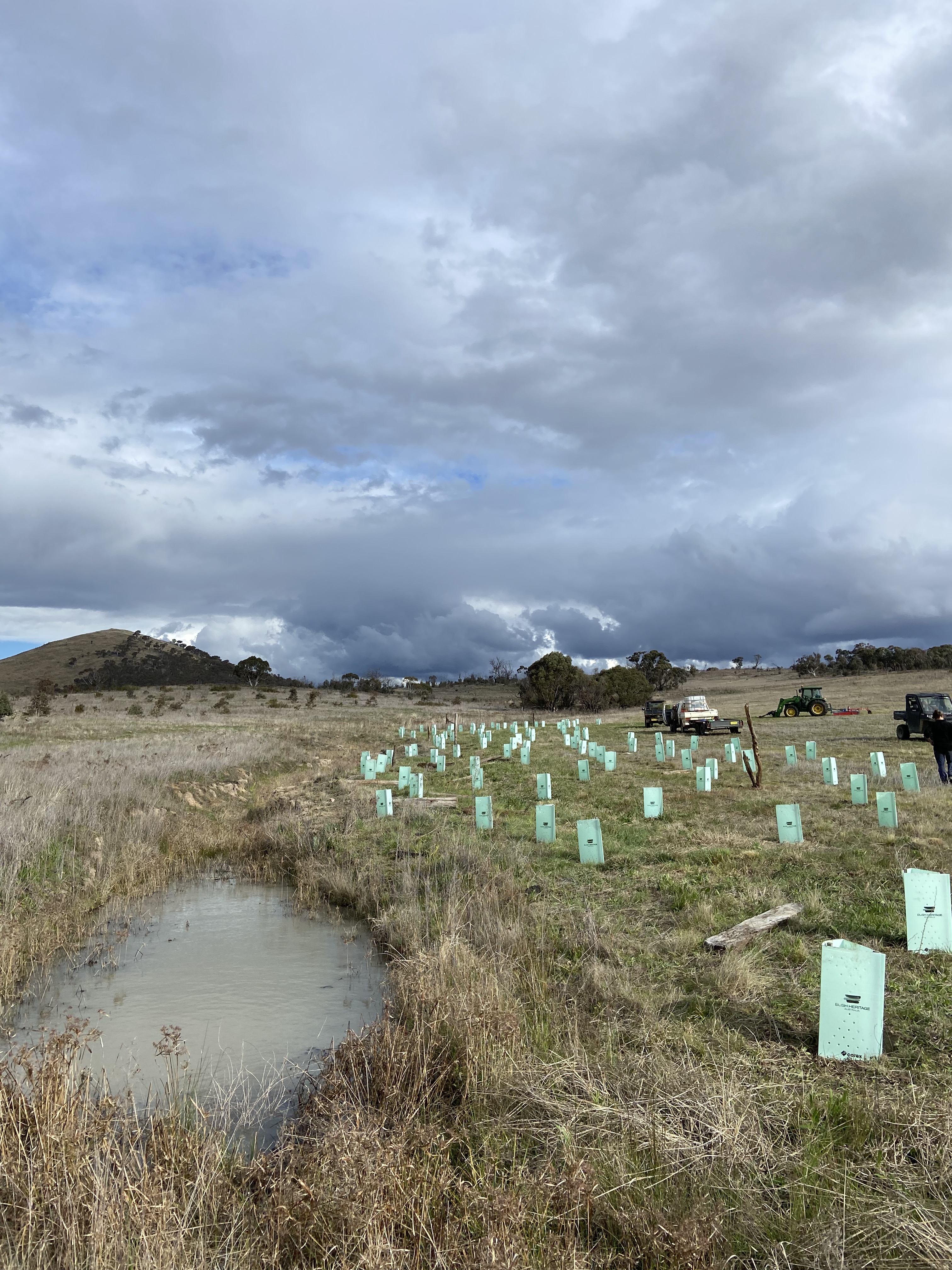
Our work experience at Scottsdale Reserve involved planting a variety of native shrubs, trees and grasses along a riparian habitat to connect two remnant patches of YBGGW. In this way, we not only established connectivity between the patches but also restored a diversity of native plant species to the area, which will help stabilise erosion within the riparian bank and may even encourage the return of threatened species to the area (based on previous reptile surveys in YBGGW).

Wrapping up…

Whilst our work experience involved time in torrential rain, it was rewarding to know that we would create adequate and biodiverse habitat connectivity between YBGGW sites well into the future. So perhaps the chicken could have safely crossed the road if habitat connectivity was restored!

Thank you to Phil Palmer and Bush Heritage Australia for providing an engaging work experience.

Figure 6: The group of ENVS3039 students that conducted work experience at Scottsdale. Photo Credit: Phil Palmer, 2022.

Word Count: 498

Posted in Uncategorized | Leave a comment

Tidbinbilla volunteering for koala monitoring program

Jonathan u6961698

The koalas we see in the zoos are more different than the ones in the wild. I used to think that koalas like to be in groups and live together but after this experience it was told to me that they like to be more alone and be inside their own territory and that they are more of a solitary creature. And another interesting fact is that they are picky eaters and will not go for same leaves over and over again, within the enclosure the volunteers also provided them with different type of eucalyptus leaves to eat. If people have a chance, they should really visit the nature sanctuary within Tidbinbilla.  

Koalas (Phascolarctos cinereus) are labeled as endangered within the ACT one of the major threats to the koalas are the intensification of urbanization causing a clearing of their habitat which lead to the fragmentation of their population causing genetic diversity to go down and increasing their chances of diseases making them endangered (Department of Sustainability, 2012). Koalas were also hunted for their skins during the 1870s and 1880s (Georges, 2019) and the affect of bushfires and predation from invasive species. During the black Christmas bushfire, the Tidbinbilla sanctuary was also affected, and one of the survivor koalas was named lucky after the event. It is important for us to protect them as koalas are important to the Australian environment and the ecosystem because their manure feed the forest floor that help the woodlands grow and regenerate leading to an increase in biodiversity. Droppings are also known to be a source of food for small mammals and insects (IFAW, 2022).

The main way Tidbinbilla is protecting this species is through breading programs and creating protected habitats for the species (Canberra, 2012). The main goal for us was to do surveys and renew their enclosure. The surveys are done so that we know how much koalas are within the sanctuary as the carrying capacity for the sanctuary is 13 koalas within the 17ha of area to prevent over-browsing (Victoria, 2022). The main way we try to identify if a koala is nearby is by the manure(Department of Planning, 2021) and the potential of the tree being a good place for them to rest.  But to survey the whole area while not double counting koalas is difficult for humans, it was interesting that one of the workers mentioned a potential use of drones which would make monitoring koalas within the area more effective.

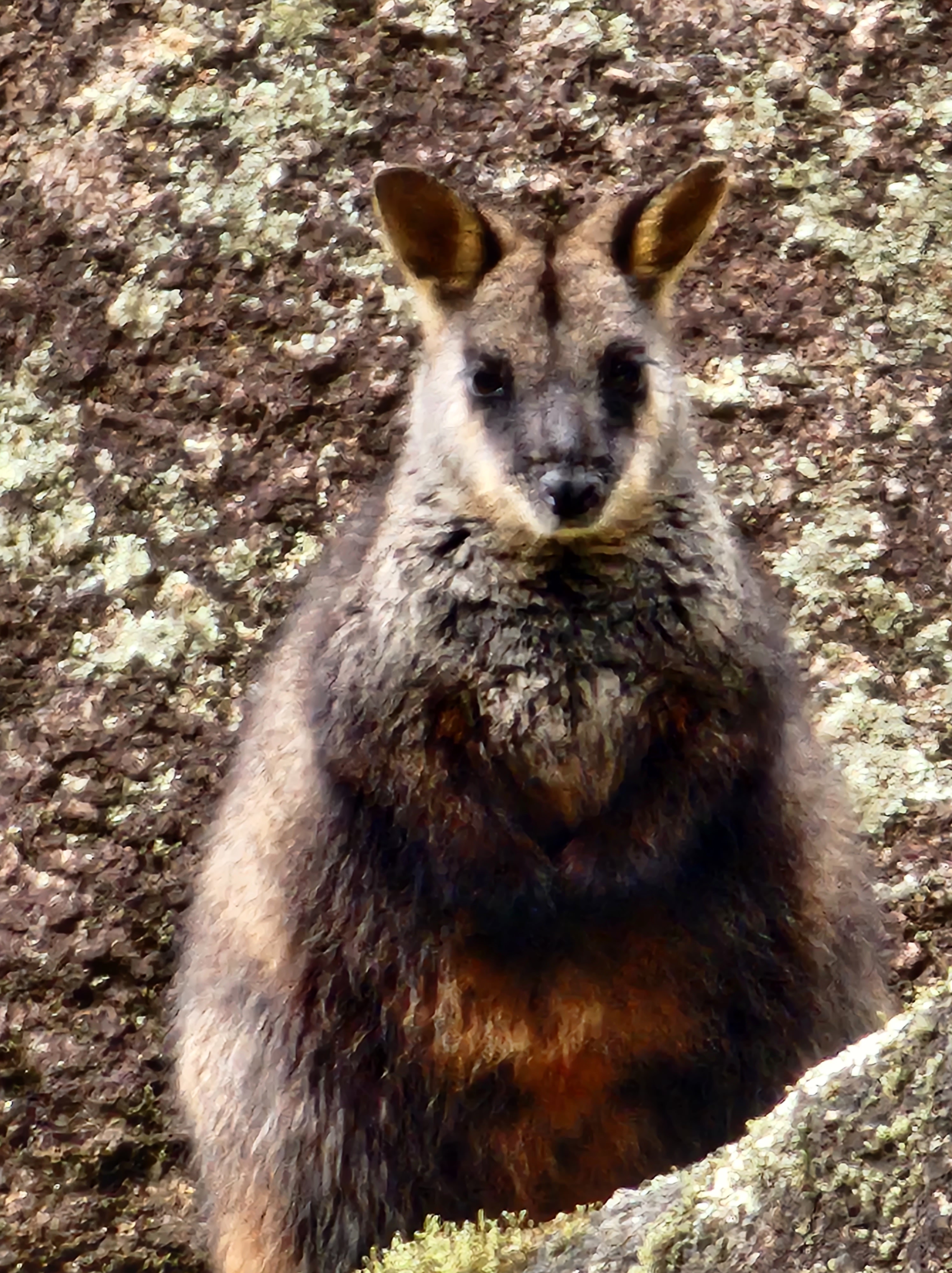
If you are lucky during the walk within the sanctuary you might be able to spot other animals that are being protected within such as Southern Brush-tailed Rock Wallaby and Tidbinbilla is the only place in ACT where it can be found. And smaller animals like the bettong.

Canberra, A. G. T. N. R.-. 2012. The Eucalypt Forest.

Department of Planning, I. a. E., 2021. NSW Koala Monitoring Framework.

Department of Sustainability, E., Water, Population and Communities, 2012. Koala populations in Queensland, New South Wales and the Australian Capital Territory and national environment law.

Georges, A., 2019. Nature Conservation (Koala) Conservation

Advice 2019.

IFAW, 2022. Koalas.

Victoria, F. F. M., 2022. 10 facts about koalas in Victoria.

Posted in Uncategorized | Leave a comment

High koala-ty monitoring program informs management of endangered species at Tidbinbilla 

By u6951572  

Did you know koalas are eucalypt connoisseurs? Did you know koala scat smells like eucalyptus essential oil? Did you know koalas were previously extinct in the ACT? I didn’t… Until I joined a group of Tidbinbilla staff, Parkcare volunteers and ANU students for a day of work experience surveying and caring for ‘koala bears’ at Tidbinbilla Nature Reserve, a protected area in the ACT. I’m here to share this experience with you, some of the fun facts I learnt along the way and raise awareness for the threats facing this iconic Australian animal.  

Koala’s carrying capacity  

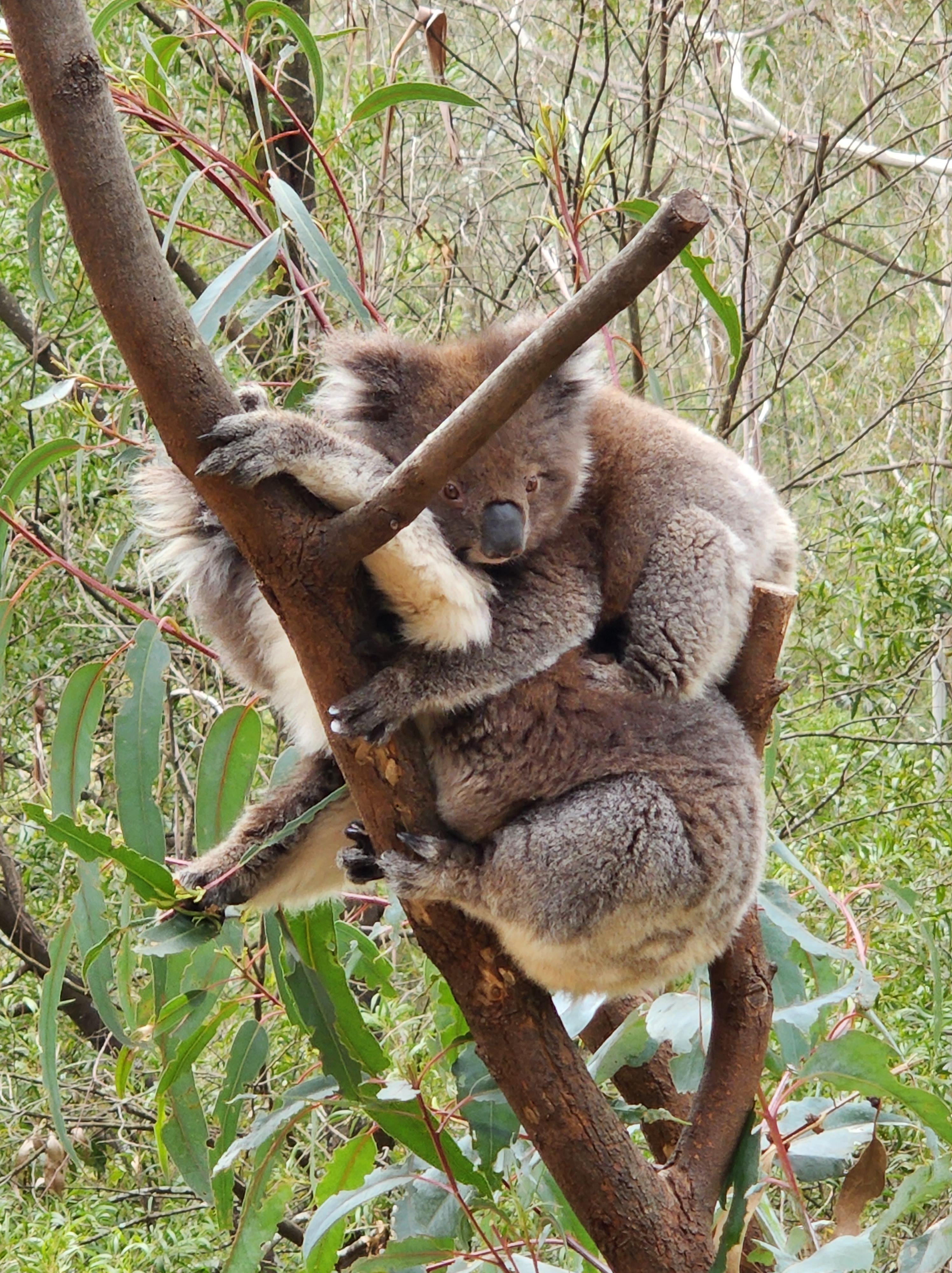
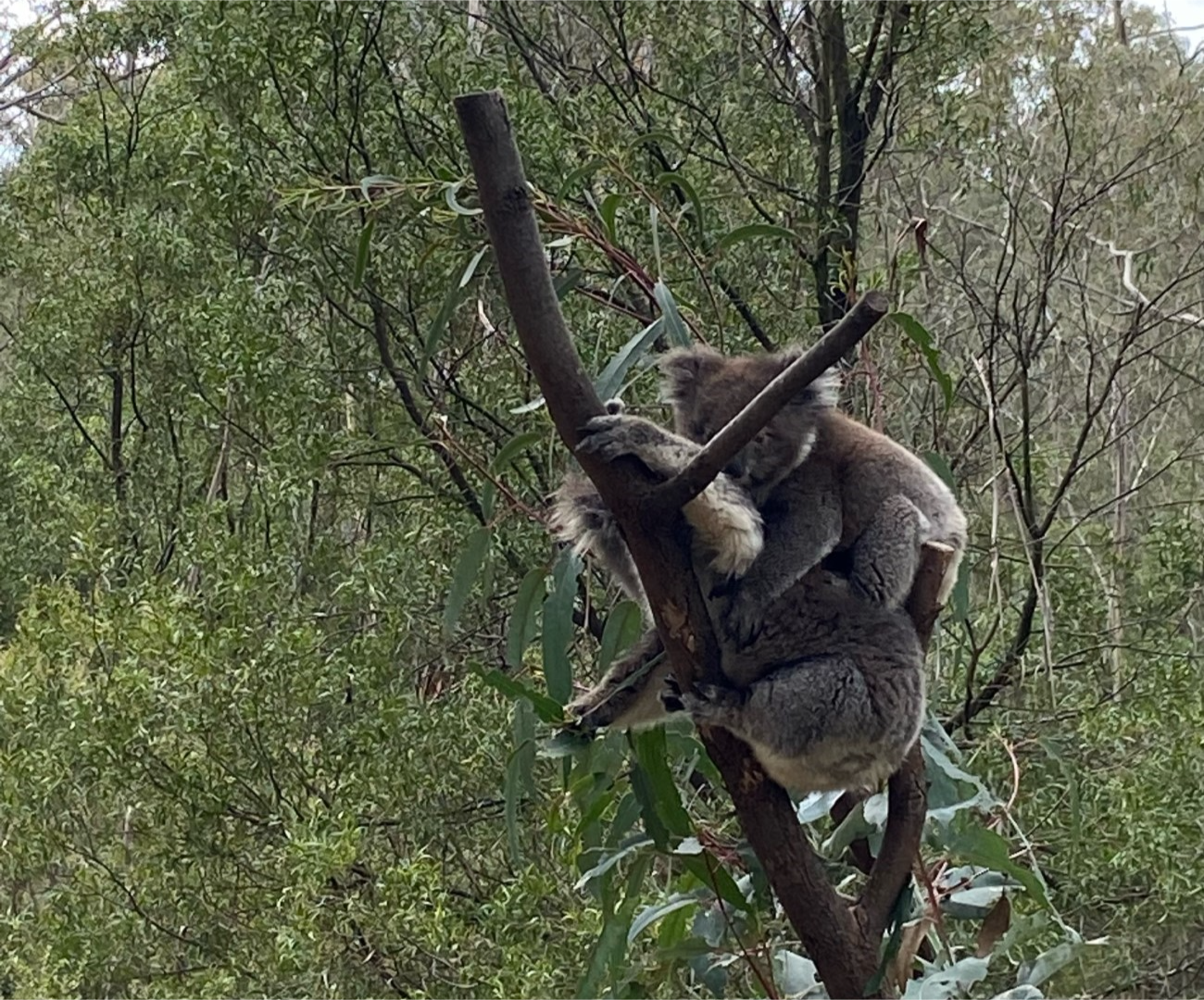
Mama bear and baby bear in the breeding enclosure at Tidbinbilla (Photo: u6951572)

Koalas (Phascolarctos cinereus) are tree-dwelling marsupials which feed almost exclusively on eucalyptus leaves. As connoisseurs, the koalas at Tidbinbilla only like to eat six species of eucalyptus leaves as their acute sense of smell can detect the different toxicity levels. Part of our work experience involved husbandry (not midwifery) of the breeding koalas by providing them with their favoured leaf flavours and renovating their enclosure to meet their high-maintenance habitat requirements.  

Why is this important? Well, the presence and density of their preferred species influences the distribution and numbers of koalas. If primary species are not present or occur in low densities, koalas must subsist on secondary species, meaning the sustainable number of animals per hectare (aka the carrying capacity) is lower. Surveying koalas to monitor population trends and health is therefore essential to ensure they don’t exceed their carrying capacity, leading to devastating consequences such as severe canopy defoliation, tree death and distressed, malnourished and declining koala populations.  

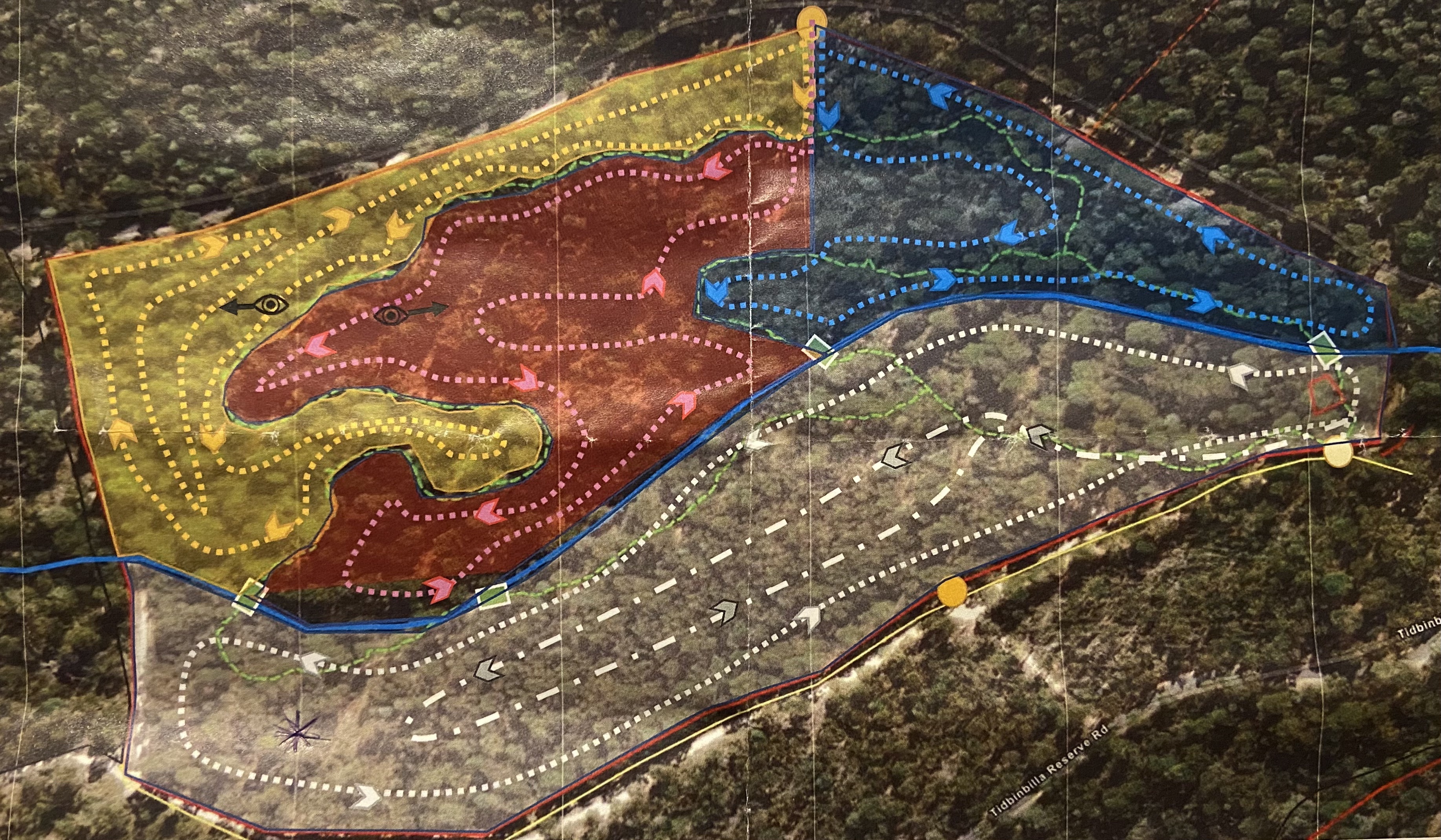
Map of Tidbinbilla koala survey design: 4 quadrants (yellow, blue, pink and white) with transects (Photo: work experience handout)

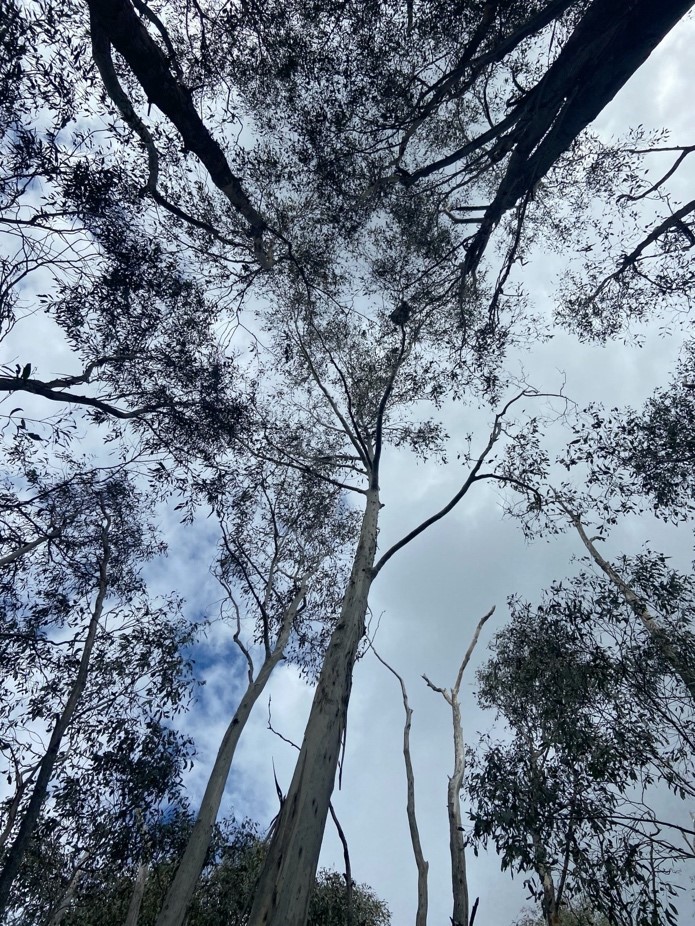
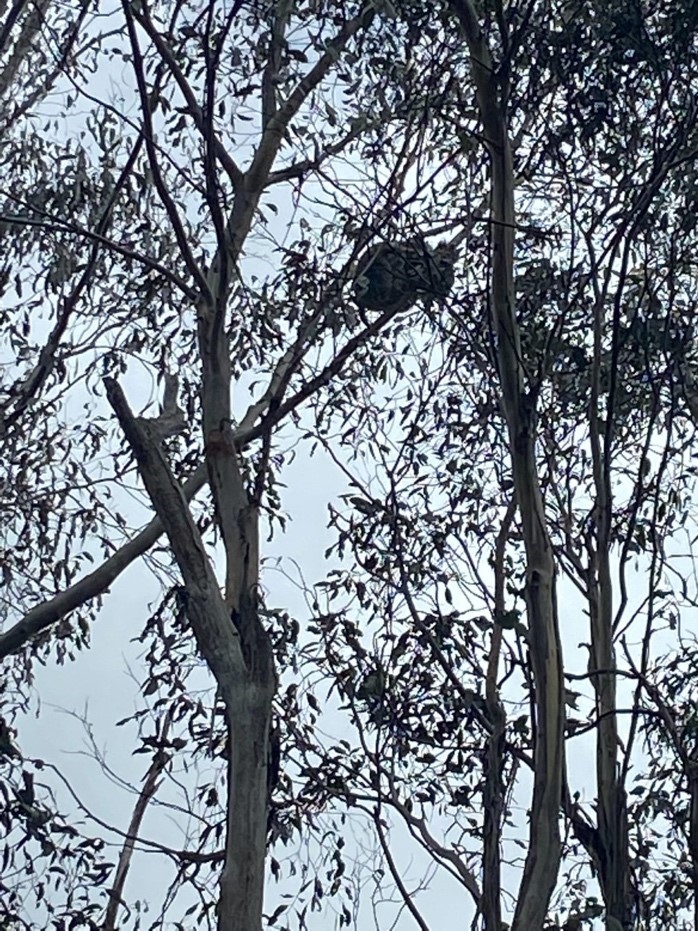
At Tidbinbilla, the koala’s carrying capacity is around 12 individuals in the 17-hectare Eucalyptus forest, as explained by threatened species manager Dr Sarah May. Their koala survey is designed by dividing the forest into four quadrants with transects. We walked these transects in four small groups and used binoculars to scan the canopy for small balls of grey fur. Any koala sightings are recorded with the time, location and tree species. Our group walked the white quadrant and after 2 hours ‘hot on the trail’ – following eucalyptus scented scat – we finally spotted the elusive koala!  

One of the many challenges of koala conservation is that they’re difficult to detect and therefore knowledge of koala populations is patchy, making it problematic to accurately estimate their current and changing status. The good news is… with koalas producing up to 360 pellets 24/7, surveying koala scat is an effective method for monitoring koala occupancy and could help overcome the challenge of imperfect detection.  

The koala surveys at Tidbinbilla inform passive adaptive management of the koalas. If the population is below carrying capacity, managers supplement the population with their successful breeding program, if at or above carrying capacity, koalas are put on contraception.  

Koalas are in danger! 

Koalas were previously extinct in the ACT until a breeding population was successfully reintroduced to Tidbinbilla. In February this year, the combined koala populations of ACT, NSW and Queensland were listed as endangered under the EPBC. This is due to key drivers of biodiversity loss; like habitat loss, modification and fragmentation, disease (chlamydia), predation by invasive species, fire, drought and climate change. These drivers result in small, fragmented and isolated populations which are subject to the extinction vortex. Koala monitoring is critical to inform the management of this cute, cuddly and endangered species and avoid extinction.   

Want to help the koalas? Visit Tidbinbilla Nature Reserve or get involved in volunteering!  

Thank you to the team at Tidbinbilla for this experience.

Posted in Uncategorized | Tagged , | Leave a comment

Weed better do something: Invasive plant control to improve biodiversity in the Pinnacle Nature Reserve.

Jessica Kriticos (u7126966)

Running along the part of the upper western edge of Canberra, The Pinnacle Nature Reserve is a grassy woodland beloved by the residents of the neighbouring Belconnen suburbs. But this ecosystem hasn’t always been an idyllic spot for a bushland wander, and it bears traces of its previous near-decimation. The Pinnacle, as it is fondly known, was merely a patch of cleared grazing land until the late 1980s, when the overstorey was regenerated by mass plantings to the bush we know and love today. As a result, the understorey remains infested with agricultural weeds that require constant efforts to curtail.

Why are weeds an issue?

Despite their ability to tolerate long droughts and our harsh summers, our grassy woodlands are surprisingly delicate ecosystems. Invasive agricultural weeds outcompete ground cover plants for nutrients, water and light, and are unpalatable to native herbivores such as our iconic Eastern Grey Kangaroos. Once they are dispersed through the grazing of livestock and the transport of their fodder, weeds reduce the stability and function of ecosystems. Increasing the biodiversity of our native understory and mid-storey plants in The Pinnacle is therefore contingent on weed control, although this is notoriously difficult once invasive plants become established.

What is being done to control them?

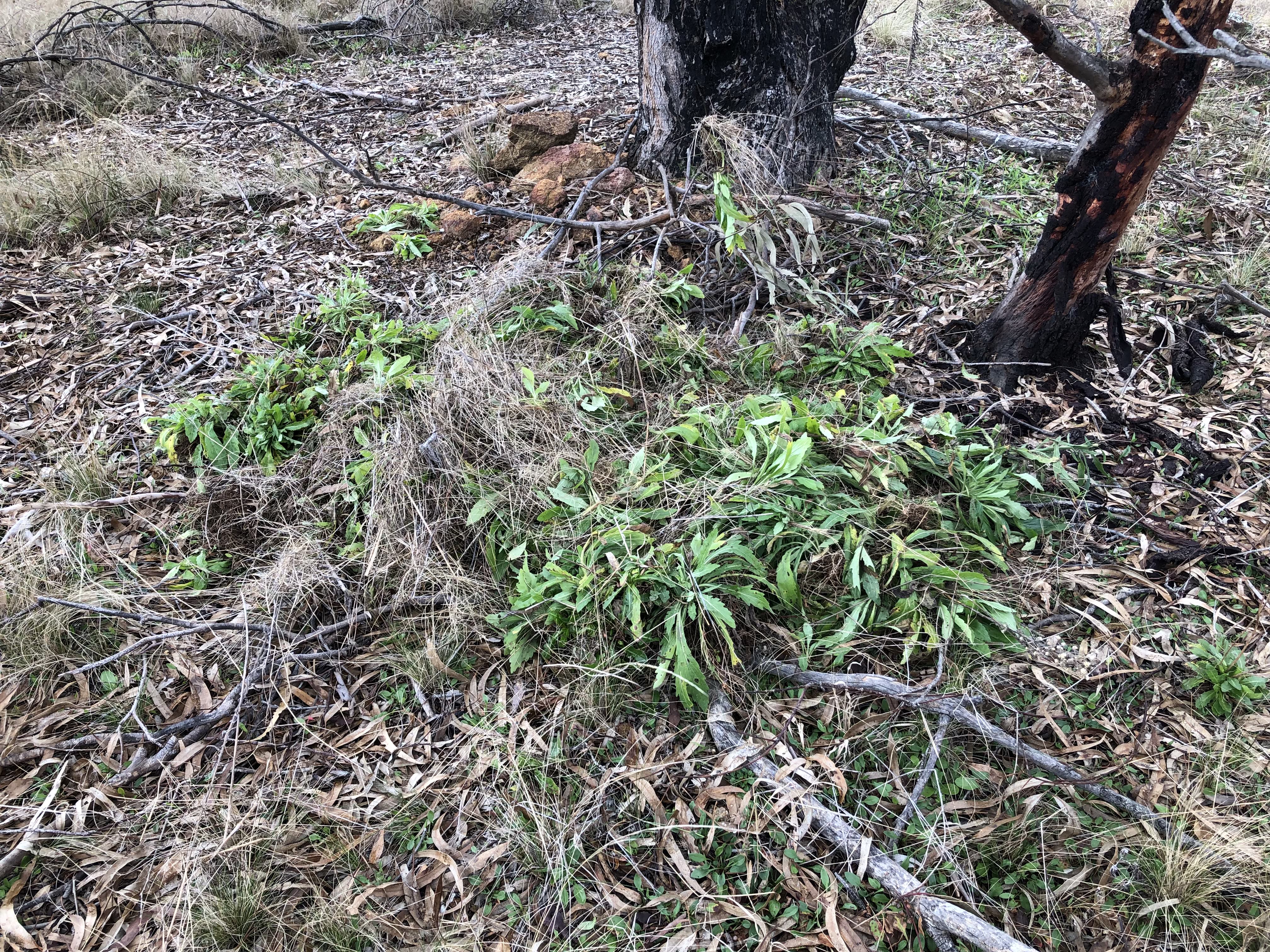
The Friends of the Pinnacle organisation (FOTPIN) is a local volunteer group dedicated to improving the ecological function of the Pinnacle Nature Reserve, with an especial focus on weed control. I was fortunate to participate in one of their bi-weekly manual grubbing parties, where we pulled up Mullein and Flaxleaf Fleabane from a patch of the Weetangera Paddock. To retain the nutrients held within the plants, FOTPIN pile the pulled weeds underneath large eucalypts, which has the added benefit of choking sheep sorrel by preventing it from photosynthesising. We also removed bags of weeds that had flowered, to remove the seeds from the Pinnacle.

How does this improve biodiversity?

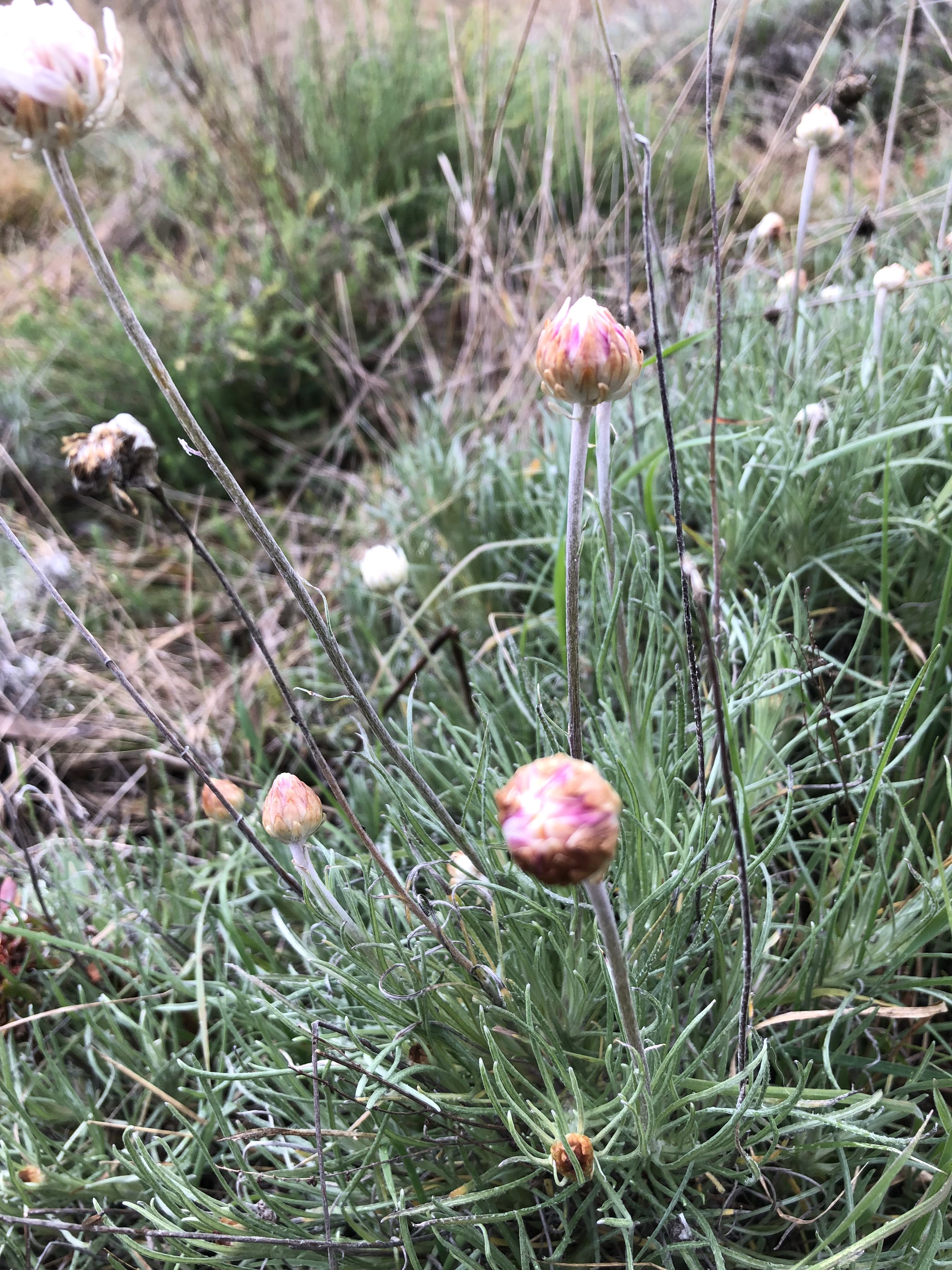
Weed control allows native plants to recover and revegetate previously-infested areas. Many organisms are dependent on herbs and grasses for sustenance and shelter, especially our often-overlooked invertebrates. Once patches have been cleared of weeds and revegetated with native understorey plants, they are much more resilient and less prone to re-invasions than the surrounding areas, with a higher species richness. Local species, including the delicate blush-pink paper daisies pictured below, thrive in these recolonised patches.

Local paper daisies within the Weetangera Paddock.
Photo credits: Jessica Kriticos, 14th August 2022.

Concluding remarks

While there is still a long way to go to improve the biodiversity and function of the understorey at the Pinnacle Nature Reserve, the efforts of the Friends of the Pinnacle are sincerely appreciated by the local community. They have reduced the abundance of multiple target weed species over the years, particularly the thorny issue of Sweet Briars, and in doing so have increased the abundance of our local native understorey grasses, herbs and forbs.

Many thanks to Len Taylor for sharing his immense knowledge and love for the Pinnacle while I volunteered with FOTPIN.

Posted in Uncategorized | 1 Comment

It’s not just “trees”

By u6973085 Astor Lee (508 words)

When it comes to ecological restoration or environmental protection, many might think of tree planting, photos of families with their shovels around a tree seedling. Don’t get me wrong, tree-planting is a great activity, but it’s not the only thing we can, and honestly, should do. Recently, I went out to Scottsdale Reserve in Southern NSW to do a day of work experience with Phil Palmer and Bush Heritage Australia, and here’s what I learnt.

Me and some of my colleagues planting Poa labilladeri along the creek line.

Where to start?

Scottsdale is a poorly degraded site as it has been cleared and farmed for 300 years. As such, it requires a lot of labour and human intervention to restore it to pre-disturbance quality, with great uncertainty in its success rate. Nevertheless, it was established as a nature reserve to protect most importantly box gum grassy woodland, which is critically endangered with 5% of original habitat remaining. We chose to plant along and within a creek bank, which is a key spot to restore as creek lines are one of the sites most prone to degrading. Protecting creek lines also helps with the health of the whole ecosystem in the area to prevent water erosion. Additionally, its potential success means regaining connectivity between nearby patches, which greatly improves the flow and the resilience of biodiversity. It is a lot harder work than most other sites, and Bush Heritage Australia has taken up the mammoth task.

It’s more than putting trees into holes in the ground.

There needs to be diversity of plants and variety in structure, to provide different species the habitat they need, so besides trees, there are shrubs, sedges and grasses too. For grasses planted along the creek line, we chose water-tolerant species, specifically Lomandra longifolia, Carex appressa, Poa labilladeri, for their soil stabilization character.

The planting process starts from collecting seeds from mature trees and growing it in the nursery. Once they are strong enough, we then transplant them into the field. We can dig holes either manually or with augers, then plant the trees in. The trick here, is to select species and spots wisely. We planted sedges and grasses in and along the creek back, and trees and shrubs in rows parallel to the creek line, each row 1 m apart, and each planting 3m apart, alternating between tree and shrub, and finally guarding all trees and shrubs plantings. We chose to plant in a denser cluster to help restore vertical structure more easily.

Growing plantings in the nursery. (Credit: Grace Findlay)
Planting a dense patch of trees and shrubs along the creek (creek line is just left of the plantings.)

Great fun in the sun?

It was actually raining when we were working! But it was great fun, working in a team digging holes and filling them with different seedlings. I was very satisfied after a long day’s work, and am very excited to see the impact of what we did today would have years down the road.

Posted in Uncategorized | Leave a comment

Connecting the Dots: Why Habitat Connectivity is so Important for Conservation

By Sabina Aitken u7105859

How do you get home from work? What if I took away your roads and footpaths and replaced it all with woodland? Will you still be able to find the way?

Land clearing in the ACT and NSW has seen the loss of 90% of Box Gum Grassy Woodland and temperate grassland ecosystems. In most cases these ecosystems have been replaced with pastures for grazing, leaving only small remnants of native vegetation spread out across the landscape.

While we would struggle to find our way home through bushland, native species struggle to move through our cleared landscapes. Areas cleared for pasture are devoid of large trees and shrubs meaning there is no shelter or food for natives as they make the journey across them. Because of this many species become trapped in their current ranges which can bring a whole host of other problems

Sheltered Box Gum-Grassy Woodland before land clearing. Image: ACT Government (2019)
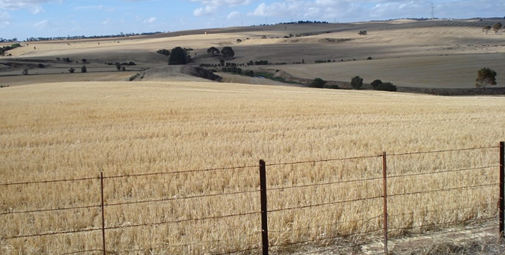
Land cleared for agriculture with great distances between remnant habitats. Image: Pixabay/ Katzhere

Moving day: Why species need to relocate

Connectivity is important for maintaining genetic diversity by allowing individuals to move between subpopulations of the same species. Sharing genetics between subpopulations means species are more likely to have the right traits to adapt to changing climates. Connectivity also ensures that species can bounce back after stochastic events such as bushfires or floods allowing individuals from neighbouring populations to recolonise the affected areas.

The need for connected landscapes is only becoming more important with climate change driving species out of their current ranges and increasing the frequency of natural disasters. Areas that once offered suitable microclimates are becoming less suitable as our climate warms. This means species have to relocate for survival, to find new areas that suit their habitat needs but to do this they need to be able to cross these vast cleared areas.

Natures Highways: Increasing connectivity

Just like we cross the country by driving down highways, flora and fauna need highways too. These highways take the form of connected protected areas, where native vegetation is managed and restored. While Australia has an extensive state and national park system this isn’t always enough to build fully connected highways.

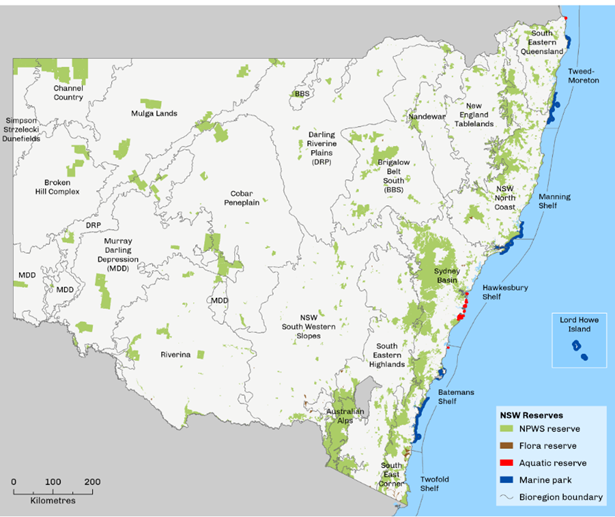
We need more reserves in between the green areas to build connectivity. Source: NPWS (2021)

This is where organisations such as Bush Heritage come in. Bush Heritage buy and manage private land, often in areas where no public land is available for conservation. In particular, Bush Heritage focus on ‘priority landscapes’ that help build connectivity between existing parks and reserves.

An example of this is Bush Heritage’s Scottsdale Reserve in Bredbo NSW. Scottsdale helps connect remnant vegetation along the Murrumbidgee River corridor with Namadgi and Kosciusko National Parks as well as other local nature reserves.

Bush Heritage has been working hard to restore the critically endangered Yellow-Box Gum Grassy Woodland community that used to dominate the Scottsdale reserve area. Volunteers have spent many hours planting native vegetation across more than 300ha of the reserve.

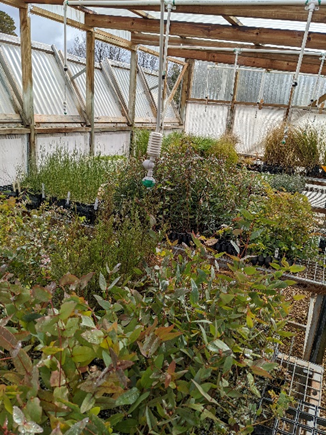
Seedlings grown on-site at Scottsdale Reserve, Bredbo NSW. Photo: Sabina Aitken 2022
Planting seedlings on cleared lad at Scottsdale Reserve, Bredbo NSW. Photo: Sabina Aitken 2022

Evidence suggests that more restoration on private reserves, like Scottsdale, can increase habitat connectivity as well as create more representative and adequate protected area networks in Australia and beyond.

Posted in Uncategorized | Leave a comment