Conservation, Recreation and Education: Koalas in Tidbinbilla Nature Reserve

Dakota Comino – U6940213

In 2022 Phascolarctos cinereus (koalas) were officially declared endangered in ACT, however, hope is not lost with Tidbinbilla Nature Reserve still conducting some breeding of koalas in an enclosure with open access to the public. In September 2022, myself and other ANU students worked with the Parks and Conservation Service staff to complete koala audits and enclosure rehabilitation at Tidbinbilla Nature Reserve. These tasks are necessary for the continuation of the koala conservation and public education efforts.

The ROOT of the issue…

Since European settlement in Australia koala numbers have plummeted. As European settlement expanded, so too did the koala-skin trade. In response, koala hunting was banned in Australia in 1927. Since then, land clearing as a result of urban development, climate change and the Chlamydia outbreak have been major drivers of koala population decline. With viable breeding koalas now scarce, finding genetically viable individuals for breeding to repopulate wild populations is a challenge.

Cute, fluffy and Protected!

The Eucalypt Forest is a 40 acre area of Tidbinbilla Nature Reserve that is enclosed with a fence to protect the inhabitants from predators such as cats and foxes. These inhabitants include a few species such as wallabies, koalas, and the threatened long-nosed potoroos. Inside this enclosure is an additional enclosure for the koalas used for breeding; Yellow, Scully and their offspring. Breeding programs are necessary for repopulation of koalas and rely on up to date information about the current population in the enclosure. Therefore the audits and weighing of the koalas in the enclosure that we helped with are vital to the program’s continuation as well as tracking the health of the koalas. Further, the habitat restoration that we completed is important for koala safety as it removes fallen debris and faecal waste and adds new eucalyptus cuttings for the specialised feeders to eat. Additionally, a clean enclosure helps the education outcomes of the park as it makes the koalas easier to see and therefore enhances the experience.

A place to educate and appreciate…

The Eucalypt Forest gives the public the chance to see koalas in their natural habitat. Immersive education experiences like this have been shown to yield the best outcomes for visitor education. By combining education, recreation and conservation, visitors can learn and build empathy for the animals while achieving conservation goals.

The future is YOU(calyptus)

Since koala populations are predicted to be extinct in NSW by 2050, the breeding program at Tidbinbilla is set to expand in the future. However, education and breeding at low levels are the main priorities of the program. Public attendance to the Eucalypt Forest allows programs like this to continue running while also spreading awareness for conservation issues. Koalas’ role in the ecosystem is important as their scat is vital for regeneration of vegetation and enhancing biodiversity of forests. They also have cultural significance to Indigneous Peoples and are a tourist icon. If this species’ population is not regrown, the services they provide will be lost.

To get involved in conservation programs like this you can go to: https://www.tidbinbilla.act.gov.au/get-involved. Koalas need YOUR help.
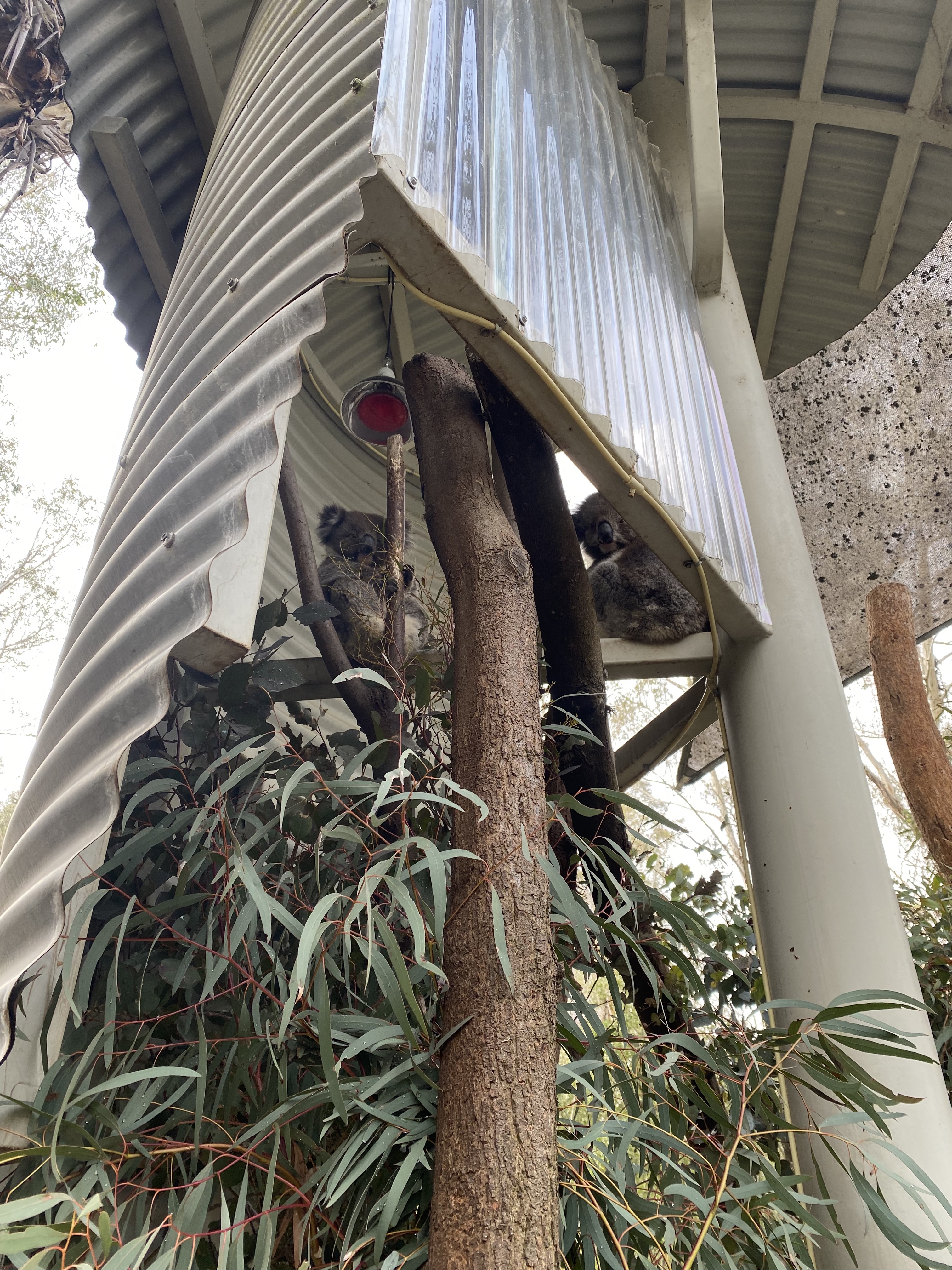
The koalas in the breeding enclosure enjoying their rehabilitated home

Acknowledgements

Thank you to the team at Tidbinbilla Nature Reserve for facilitating this experience and teaching us the importance of the program.

Word count: 549

Posted in Uncategorized | Leave a comment

Fed up with Feral Foxes: community conservation at Mulligan’s Flat ‘Echidna Sweep’


I took part in the annual ‘Echidna Sweep’ at Mulligans Flat Woodland Sanctuary, where a group of volunteers and scientists collaborated to monitor echidna numbers within the Sanctuary.

by Sophie Pinner (u7125901)

Mulligans Flat Woodland Sanctuary (left) and echidna spotted at the sanctuary (right). Source: mulligansflat.org.au

Our Prickly Protagonist

The beloved short-beaked echidna (Tachyglossus aculeatus) is the only echidna species native to Australia, and one of four species in the world. Echidnas are “ecosystem engineers” which dig up and turn over soil, facilitating soil processes1.

Major threats to the echidna include invasive predators such as feral dogs, foxes and cats (which particularly prey on newborn “puggles”), as well as vehicle strike and habitat loss2. Although short-beaked echidnas in Australia are listed as ‘Least Concern’ there has been insufficient study on impacts and population size – with estimates ranging from 5 to 50 million!3

Check out these cute puggles born in captivity at Taronga Zoo in Sydney!

Mulligans Flat Woodland Sanctuary

Mulligans Flat Woodland Sanctuary is a 1251ha protected area in the north-east of Canberra, ACT, which conserves biodiversity and aims to restore the variety and abundance of wildlife that existed prior to European settlement.4

The sanctuary conserves Critically Endangered  Yellow Box–Blakely’s Red Gum Grassy Woodland and works to rehabilitate the site back to its original composition. The Sanctuary  provides habitat for a range of threatened and native species, including the echidna, which are protected by 22.8km of predator-proof fencing.4

Mulligans Flat Woodland Sanctuary. Source: Flickr

The Sweep

I volunteered in the annual ‘Echidna Sweep’ monitoring program at the Sanctuary, which has been occurring every year over two weekends in November since 2016. Every year, ~60 volunteers and team leaders sweep the sanctuary in groups of ~10-12 allocated to different ‘zones’.

Divided “zones” of the sanctuary allocated to one group each for the Echidna Sweep. Source: Millie Sutherland Saines

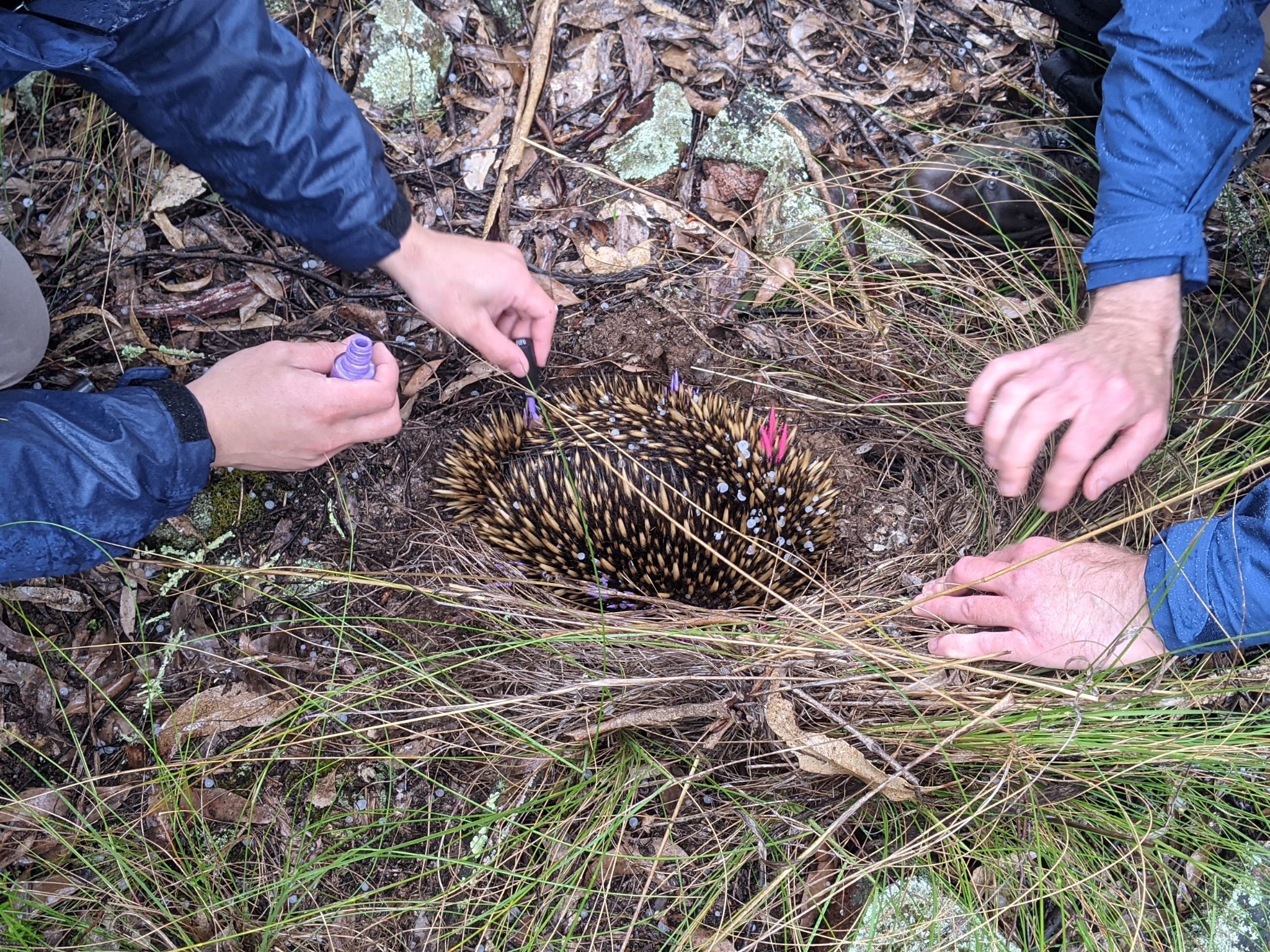
When an echidna is spotted they are checked for markings, and if unmarked a team leader paints their quills with different colours of nail polish. This manicure gives the echidna a unique colour combination that can be used to identify it in the future. This Capture-Mark-Recapture method allows scientists to count ‘old’ and ‘new’ echidnas and use this result to estimate overall numbers.

Millie, the lead ecologist, explained that our estimates showed that the echidnas were in a positive state of population growth and the rate of puggle survival was much higher due to the lack of foxes.


Post-sweep reflections

The echidna sweep showed the ability of protected areas to allow native or threatened species to recover and thrive when external influences, like invasive predators, are removed and natural ecosystems are rehabilitated. This is crucial in the context of threatened critical-weight-range mammals in Australia, or the phenomenon of mammals in a ~35g-5.5kg range (e.g. puggles) being predated upon by introduced predators.5

Further, my experience showed me how passive adaptive monitoring in protected areas allows scientists to understand population health. This allows a direct response to threats (where necessary) through adaptive management.

Lastly, I understood the importance of citizen science, or active public involvement in science. I witnessed the sense of the community within the volunteers, and the engagement with hands-on learning. Everyone left the sweep at the end of the day feeling like they’d made a meaningful contribution, and that is truly invaluable.


Posted in biodiversity conservation, Volunteer work | Tagged , , , | Leave a comment

Give me a home among the gumtrees – Koalas at Tidbinbilla

U6105124

If you grew up in Canberra, chances are you’ve been on at least one school trip to Tidbinbilla. I was lucky enough to visit again with a group of ANU students and spent a day learning about their koalas (Phascolarctos cinereus). Once abundant throughout Australia, koalas are now classified as endangered in many states. Their numbers are decreasing due to habitat loss, disease, and climate change and its effects. So, what did I learn?

“Yellow” and “Scully” hanging out in their enclosure

How do you find a koala?

Firstly, I learnt they are really difficult to see! As my group set off to walk our sector, one of the volunteers warned us we’d have to keep our eyes peeled. Maybe we didn’t look hard enough, or maybe the koalas had decided that the north side of the sanctuary wasn’t where they wanted to be that day – either way, our group returned having seen a grand total of zero koalas in the trees. Luckily, the groups walking the other sectors had spotted three– however that was less than the amount Tidbinbilla expects.

While Tidbinbilla obviously wants to make sure their koalas are healthy, it’s also important to accurately track koalas in the wild so we can tell how the populations are changing (for example, in response to harsher weather from climate change), but also to ensure they aren’t over reproducing, and exceeding their habitats carrying capacity. So, how do you accurately count koalas? Traditionally, managers have relied on manual surveys. However, this takes a lot of time and (as we discovered) can be inaccurate. We were told that Tidbinbilla was looking at the possibility of using thermal drones to scan for koalas. This could be a lot quicker and more exact – drones are starting to be used more in wildlife monitoring because of this.

What do you feed them?

Secondly, I learnt that koalas are really picky. Koalas will only eat leaves from certain species of eucalyptus. This is another reason why habitat loss is such a serious issue for them – because they are used to their specific eucalypts, habitat fragmentation can isolate them from food sources. On a larger scale, this will lower the carrying capacity of an area, leading to sick koalas.

Can you spot the potoroo?

What else is out there?

Finally – that they aren’t the only important animals out there. While my group didn’t manage to spot a koala on our walk, we saw plethora’s of potoroos– another group even managed to spot a rock wallaby. These animals are part of Tidbinbilla’s management plans, which aims to help conserve them, while also contributing to research on how to help them adapt to ecological challenges they face in Australia. While I went into my work experience thinking about koalas, the koalas introduced me to the animals and plants that live around them, and how these also need to be managed. So, if you’re ever down at Tidbinbilla, make sure to go say hi to their koalas – but don’t forget to keep an eye out for all the other adorable, important, but less well-known animals.

WC = 488

Posted in Uncategorized | Leave a comment

Saving biodiversity from urbanisation: Rethinking urban green space

By u6963692

While we are busy building more homes for ourselves, we are destroying the homes of many threatened species.

Rapid population growth and poor housing affordability are placing pressures on governments to make more land available for housing leading to the destruction of habitats for many threatened species. Australia’s urban developments are expanding into areas of high species diversity at a rate more than double the average for developed countries. New residential areas around Canberra are threatening ecological species such as the Box Gum Grassy Woodland, the Superb Parrot and the Pink-tailed Worm-lizard.

Globally, urban green spaces (public open space in built-up areas primarily covered by vegetation) have quickly expanded to provide habitat for various threatened species promoting conservation in urban environments. However, not all urban green spaces fulfil this role as some are typically mowed and tidied for aesthetics which prohibits natural regeneration and biodiversity. Famous examples include the Gardens by the Bay in Singapore, the picturesque Central Park in New York and London’s well-visited Hyde Park.

Conserving biodiversity at Ginninderry

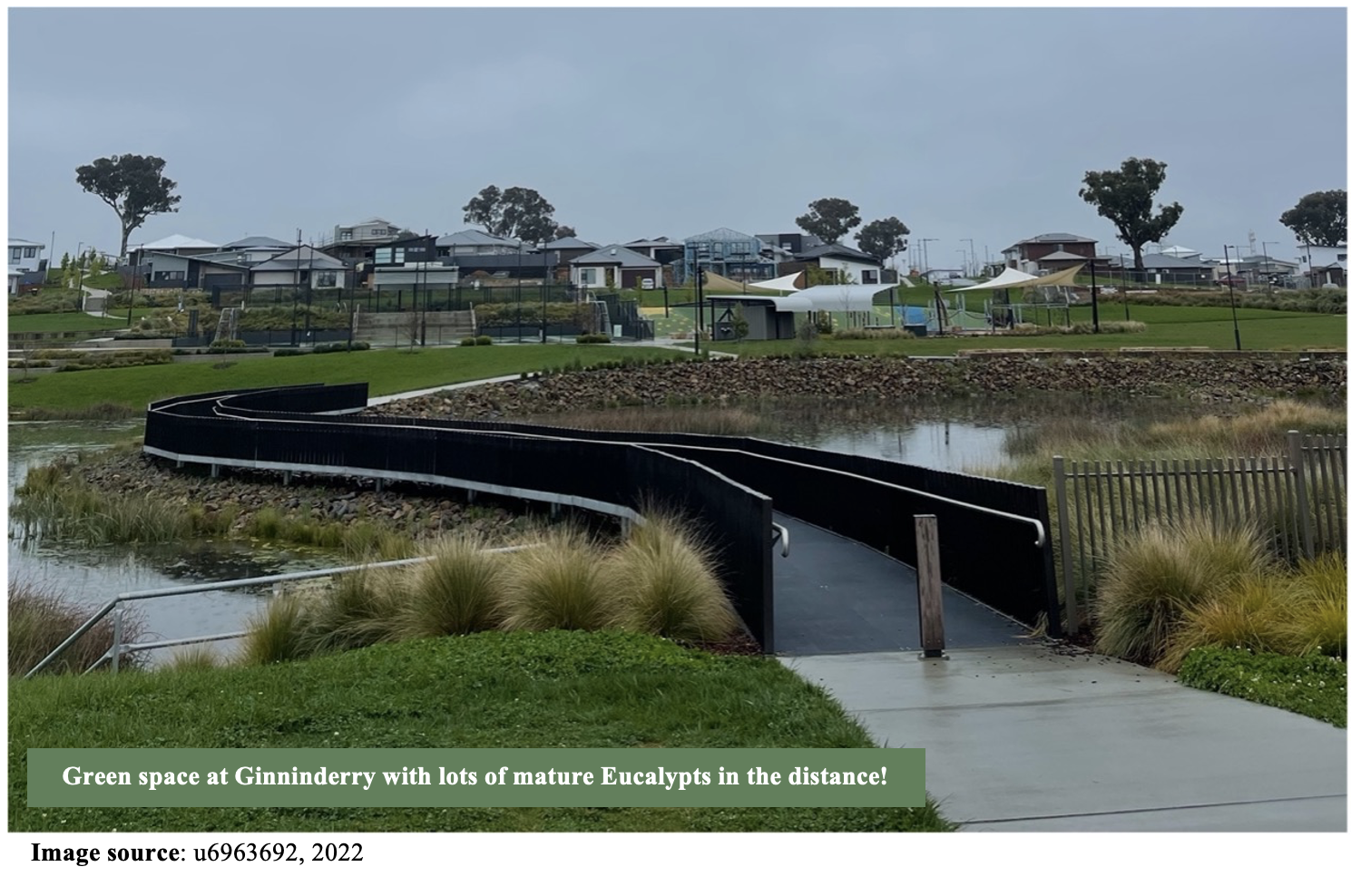
Researchers from ANU collaborated with Riverview Projects Pty Ltd and their landscape architects, Cia Landscape and Colour, to devise two alternative treatments for urban green spaces to compare with traditional “park-like” management at Ginninderry, a new sustainable residential area in west Canberra. The project aimed to evaluate the benefits to biodiversity, the economy and society of alternative treatments of urban space.

The first alternative treatment was mulching and mass-planting where landscapers extensively mulched before hand-planting native (but not endemic) ground-cover below a mature tree. The second alternative treatment focussed on restoring Box Gum Grassy Woodland by removing topsoil and scalping near the tree before seeding native endemic species.

I joined a group of fellow ANU students to help contribute to this project by planting mid-storey species at Ginninderry. We initially aimed to assist in early September, however the weather had other plans…

Second time’s a charm (kind of…)

We rescheduled to early October, when yet again it was tipping down. However, we didn’t let the rain stop us from heading out to Ginninderry, but we did let it stop us from planting (and getting all wet and muddy!).

We saw the shrubs we were supposed to be planting and the landscapers from Cia Landscape and Colour that will now have to plant all of those without the help of all of us student volunteers. It was a shame that we missed out on contributing to this project at Ginninderry however I am glad we were still able to visit and see all of the good work!

Matthew Frawley, Ginninderry’s Urban Design and Landscape Manager, explained that the most successful treatment so far has been the mulching and mass-planting. Traditional management caused minimal regeneration and the third treatment suffered as it is challenging to establish native species in an urbanised environment due to warmer microclimates and different soil conditions.

Having the opportunity to visit Ginninderry and speak with the people concerned in this project, made me realise the importance of such sustainable developments in promoting biodiversity and species richness with our continual urbanisation.

Posted in Uncategorized | Leave a comment

VerbaSCUM of the Ginninderry Conservation Corridor

By Bridget Smits – u6953448

Verbascum thapsus, commonly known as Rams Ear is a plant that my Nana has always had in her garden. I used to love rubbing the velvety soft leaves between my fingers as I explored her sensory rich backyard. Until I volunteered with the Ginninderry Conservation Trust, I didn’t realise this nostalgic plant was a highly invasive weed species dominating landscapes across southern and eastern Australia.

Who is the Ginninderry Conservation Trust?

I completed my work experience day at the Ginninderry Conservation Trust (GCT), where we met with Riparian Restoration Officer Bridie Noble and her colleague Violet to get stuck into some weeding in the Ginninderry Conservation Corridor (GCC). The Corridor is made up of 597 hectares of conservation area between the ACT’s northwest suburbs and the Murrumbidgee River, spanning the ACT-NSW border. After extensive historical clearing for grazing and timber, the Corridor now protects and manages Grassy Box-Gum Woodland ecosystems, which now only covers 8% of its original pre-European coverage over large areas of southeast Australia.

The invasive nature of Verbascum

As humans continue to influence and control the natural environment at unprecedented rates, plant species are invading new regions and environmental niches at a rate that poses large threats to ecosystems and human security and wellbeing. Plant or animal species become invasive when they have been displaced due to human activity and now negatively impact the new environment they inhabit.

Verbascum is well adapted species that grows vigorously in a broad range of landscapes and soil types (Invasive Plant Atlas 2018). It is a prolific seeder which can produce 100,000-240,000 seeds from a single flowering stem which grows in dense, often tall clumps. The invasive nature of Verbascum poses threat to the Corridor as it can outcompete native vegetation and species such as the Golden-Sun Moth, Box-Gum Woodlands, and Natural Temperate Grasslands.

How are weeds managed in the GCC?

When identifying which sites to conduct weeding on, priority was given to sites containing highly invasive weeds in significant numbers which pose risk for severe spread or affecting areas of high conservation value, such as Pink-tailed Lizard worm habitat.

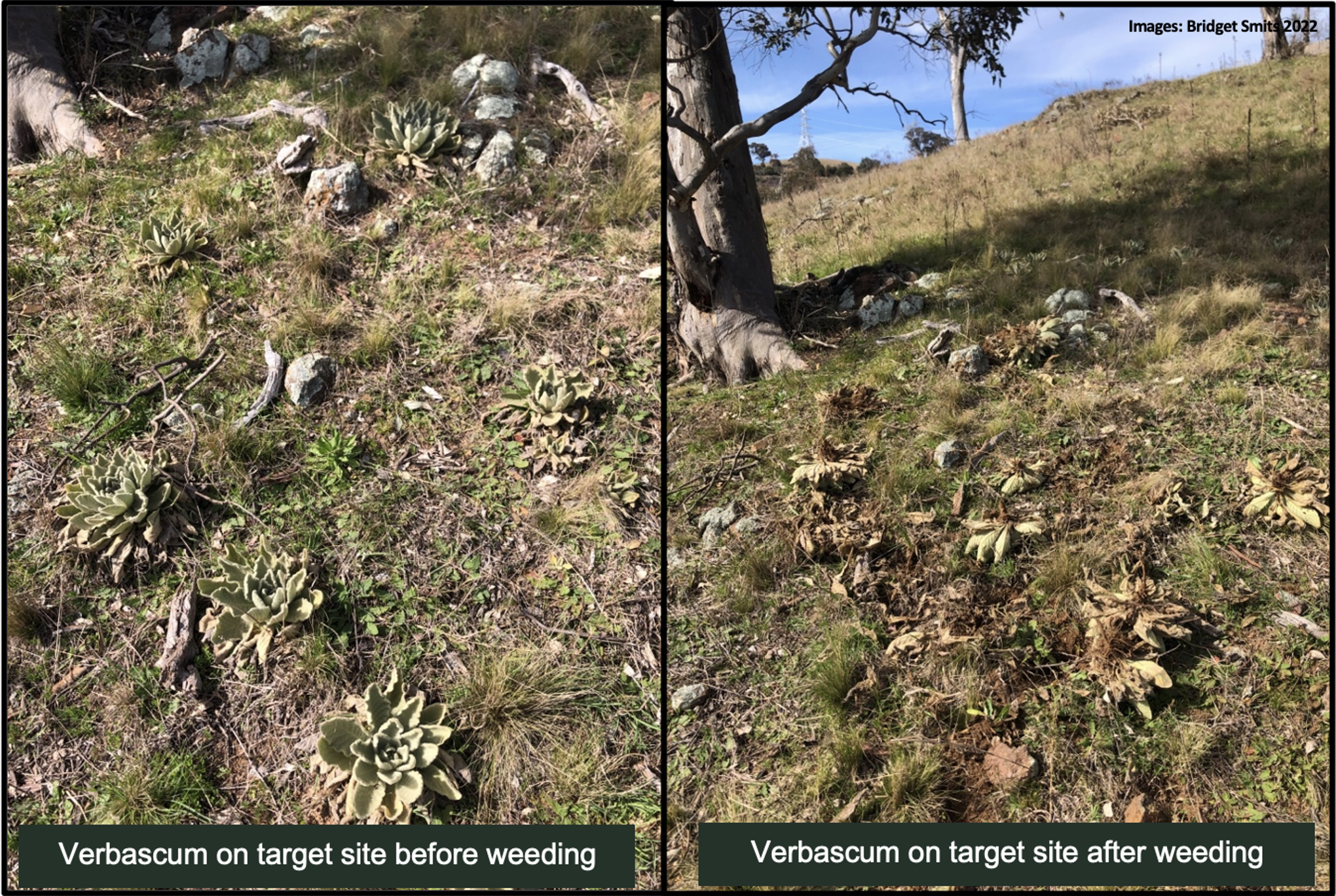
With the help of the GCT staff, we spent hours physically removing Verbascum from the targeted area of the Corridor. We used a pickaxe to pull the deep-rooted weeds from the hard soil and made sure to leave them flipped over to avoid reestablishment.

Verbascum is easily removed by hand but spreads quickly, having dedicated volunteers to regularly clear the area is crucial in maintaining habitat and control.’ – Bridie Noble, GCT

Staff also conduct herbicide spraying, targeted grazing to maintain groundcover while reducing weed biomass which effective for short term weed prevention and control, but to achieve long-term eradication, techniques such as Indigenous cool burning should be implemented, and education should be developed to avoid future importation of the plant into the community.

References

Ginninderry Conservation Trust (2018)  ‘Ginninderry Conservation Corridor 2018-2023 Management Plan’ Ginninderry, http://www.ginninderry.org.

Ginninderry Conservation Trust (2022)  ‘Our Mission’ [2022, 1.10.2022, Ginninderry Conservation Trust]

Gupta, A., Atkinson, A., Pandey, A., Bishayee, A. (2022)  ‘Health-promoting and disease-mitigating potential of Verbascum thapsus L. (common mullein): A review’, Phytotherapy Reseearch 36:4, 1507-1522.

Westwood, J., Charudattan, R., Duke, S., Fennimore, S., Marrone, P., Slaughter, D., Swanton, C., Zollinger, R. (2018)  ‘Weed Management in 2050: Perspectives on the Future of Weed Science’, Weed Science 66:3, 275-285.

Posted in Uncategorized | Leave a comment

Can Eucalyptus blakelyi Come-back from the Die-back: Ranger Assist with ACT ParkCare

u7278791, 509 words

Eucalyptus blakelyi is running out of time.

We are running out of time.

Freepik (2022). Beautiful eucalyptus arrangement. Available at: https://www.freepik.com/free-photo/beautiful-eucalyptus-arrangement_27589004.htm#query=eucalyptus%20blakelyi&position=4&from_view=search&track=ais [Accessed 20 Oct. 2022].

E. blakelyi, is in danger of becoming extinct.

So what? It is just one species, right?

Wrong.

E. blakelyi is part of a biodiverse landscape; an ecosystem of interlocking links that rely on each other to survive. Biodiversity is thus integral to ecosystems and is proven to benefit human wellbeing. Many species depend on E. blakelyi for survival in the form of shelter, food and other resources (unpublished). Therefore, not only E. blakelyi would suffer if it were to die out.

In recent years, the condition and quantity of E. blakelyi has diminished drastically (unpublished). This leads to the reduction of quality, resilience and survivability of entire ecosystems that E. blakelyi are a part of. The rate at which this is happening is increasing, and soon it will be too late to reverse the damages (unpublished).

To prevent this from happening, we have to understand the root of the problem.

While nitrogen is integral to the survival of flora and fauna, too much can be an issue. Increased levels of it in the soil result in E. blakelyi’s leaves being highly nitrous. This is many herbivorous insects’ ideal food source. The consequence of this is that the tree is subject to increased herbivory and insect attack. This inevitably leads to dieback, the slow killing of a tree.

This is a widespread issue for E. blakelyi; it is in serious danger of extinction.

What can be done?

First, some background… Increased microbial population in soil decreases the nitrogen content via consumption. Decreased nitrogen means the E. blakelyi leaves are less susceptible to insect attack and thus dieback and death.

I got involved with The ParkCare Initiative in the ACT to address this. There are three sites for studying in Canberra; Mulanggari woodlands, Redhill and Farrer Ridge. This Ranger Assist program focuses on research that encourages microbial activity to reduce nitrogen content and dieback. Carbohydrates, such as mulch and sugar, can be used to provide sustenance for microbes and promote their growth. This program is part of a bigger research study that aims to determine whether mulch, sugar or a combination of both increases microbial population (and thus decreases nitrogen content) best (unpublished).

‌Several E. blakelyi of varying levels of health, due to dieback, were selected to investigate. Their response to different carbohydrate treatments will be explored over five years to determine what plan of action can protect the species.

This could be the start of the end of E. blakelyi dieback issues.

Research is being conducted all over the southeast coast of Australia just like in Canberra, racing to save E. blakelyi.

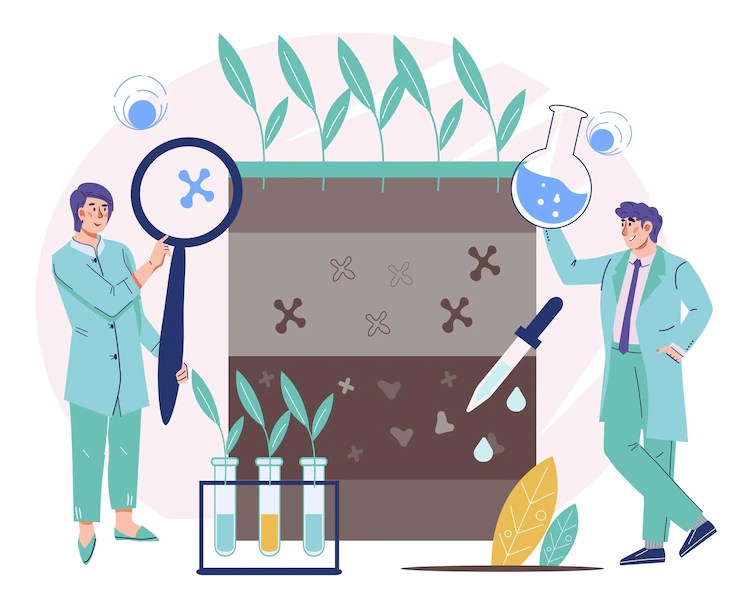
Freepik (2022). Soil analysis and land pollution control with agronomy and ecology specialists vector. Available at: https://www.freepik.com/premium-vector/soil-analysis-land-pollution-control-with-agronomy-ecology-specialists-vector_27149940.htm#query=microbes%20soil&position=5&from_view=search&track=sph [Accessed 20 Oct. 2022].

Except it is not just about E. blakelyi. This research could save entire ecosystems from collapse.

It is a volunteer-based program that needs support, however. It cannot be done alone. If you have time, get involved via the ACT ParkCare!

Eucalyptus blakelyi is running out of time.

We are running out of time.

Get involved!

Posted in Uncategorized | Leave a comment

Why Botanic Gardens are Better than Sex

Jack Thomas – u7115672

“Gang gang Bang bang” – Graham Gall

Wow! A pretty huge claim isn’t it. As a participant in both sex and botanic gardens (unequivocally, not at the same time) I can assure you that after reading this article, you will stand firmly by a flowering Prostanthera or Hakea in chastity, ready to devote your life to the humble pursuit of biodiversity conservation.  

Okay, I admit I only wrote that title to get your attention! However, now that you are here, prepare to be thoroughly convinced by the undervalued power that Botanic Gardens have in the world of biodiversity conservation. The Australian National Botanic Gardens (ANBG) are an outstanding example of this, and below are 4 reasons why – at the very least from a biodiversity conservation standpoint – Botanic Gardens are far better than sex.

1) Botanic Gardens are outstanding educators of conservation issues

It is well known that having hands on experience with nature and the environment is integral in influencing people to engage with biodiversity conservation issues, especially from a young age. The ANBG hosts a school groups several times per week, and tour guides conduct engaging and informative tours to both school groups and adults to help communicate the importance of the species being conserved there, often through stories and hands on experiences.

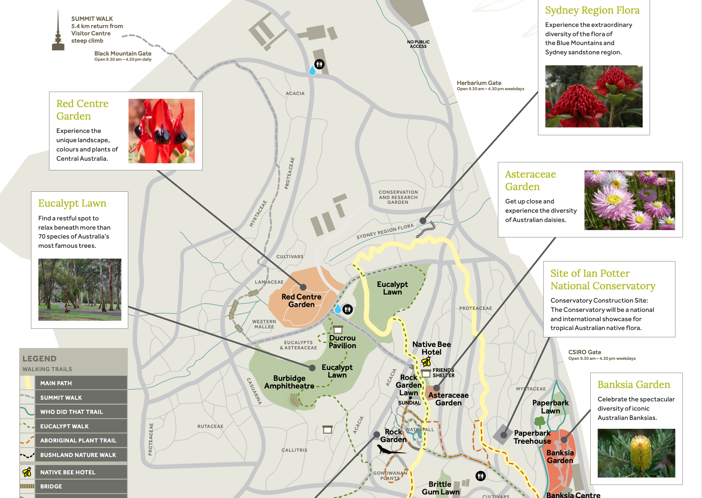
Map of part of the ANBG, featuring taxonomically distinct sections – ANBG

2) Botanic Gardens provide strong mid-story protection and tree hollows birds

Many of the ACT’s endangered birds are falling victim to the loss of essential habitat. In particular, the loss of important shrubs that provide protection from birds of prey, or through the loss of nesting hollows in trees that are often hundreds of years old. The ANBG provide a remedy to both of these issues, with large garden beds of Protaceae plants in the Banksia and Grevillia genera that provide important protection, as well as many nesting hollows in old Eucalypts

Left: Gang Gang cockatoo expanding a nesting hollow. Right:  and a spotted pardalote – ANBG Ranger Ben Harvey

3) Botanic Gardens contain strong insurance populations

After the recent Black Summer bushfires destroyed the last wild plants, the ANBG held the last remaining population of the small purple pea (Swainsona recta) and have been able to reintroduce the plant to its habitat in Namadgi National Park. This is just one example of the insurance populations stored in the gardens and seed banks of Botanic Gardens around the world, preserving fragile biodiversity. 

Swansonia recta – Greening Australia

4) Botanic Gardens are a hub for research and innovation

Finally, while there is certainly no shortage of supposed experts in sex, Botanic Gardens worldwide attract academics, students and hobby botanists and birdwatchers daily to explore and learn about the variety of biodiversity in the Stylidium gardens, as well as experiment with new methods of monitoring and propagating and endangered species. During my experience with the ANBG Rangers, we were regularly approached by bird enthusiasts and researchers to discuss recent sightings and nesting habits of Tawny Frogmouths and Little Eagles, or to identify a species.

Ultimately, the Australian National Botanic Gardens represent the strength that Botanic Gardens’ provide worldwide in understanding, communicating and conserving threatened and endangered plant and animal species. Certainly, those fortunate enough to have visited the beautiful ANBG site in Canberra will know that the seeing a pair of nesting Little Eagles provides a thrill that certainly trumps the endorphins of ‘Netflix and Chill’.  

Posted in Uncategorized | Leave a comment

Getting legless this spring: Striped Legless Lizard monitoring in the ACT and surrounds

By Imogen Rayner u7138959

Monitoring reptile populations in grasslands is important in understanding and conserving their habitat, as well as understanding threats, dispersal patterns, and morphology. Reptiles are an important indicator of ecosystem health and contribute heavily to the functioning of their habitat. When it comes to making important conservation decisions and managing agricultural development, reptiles provide a good baseline.

A brief introduction:

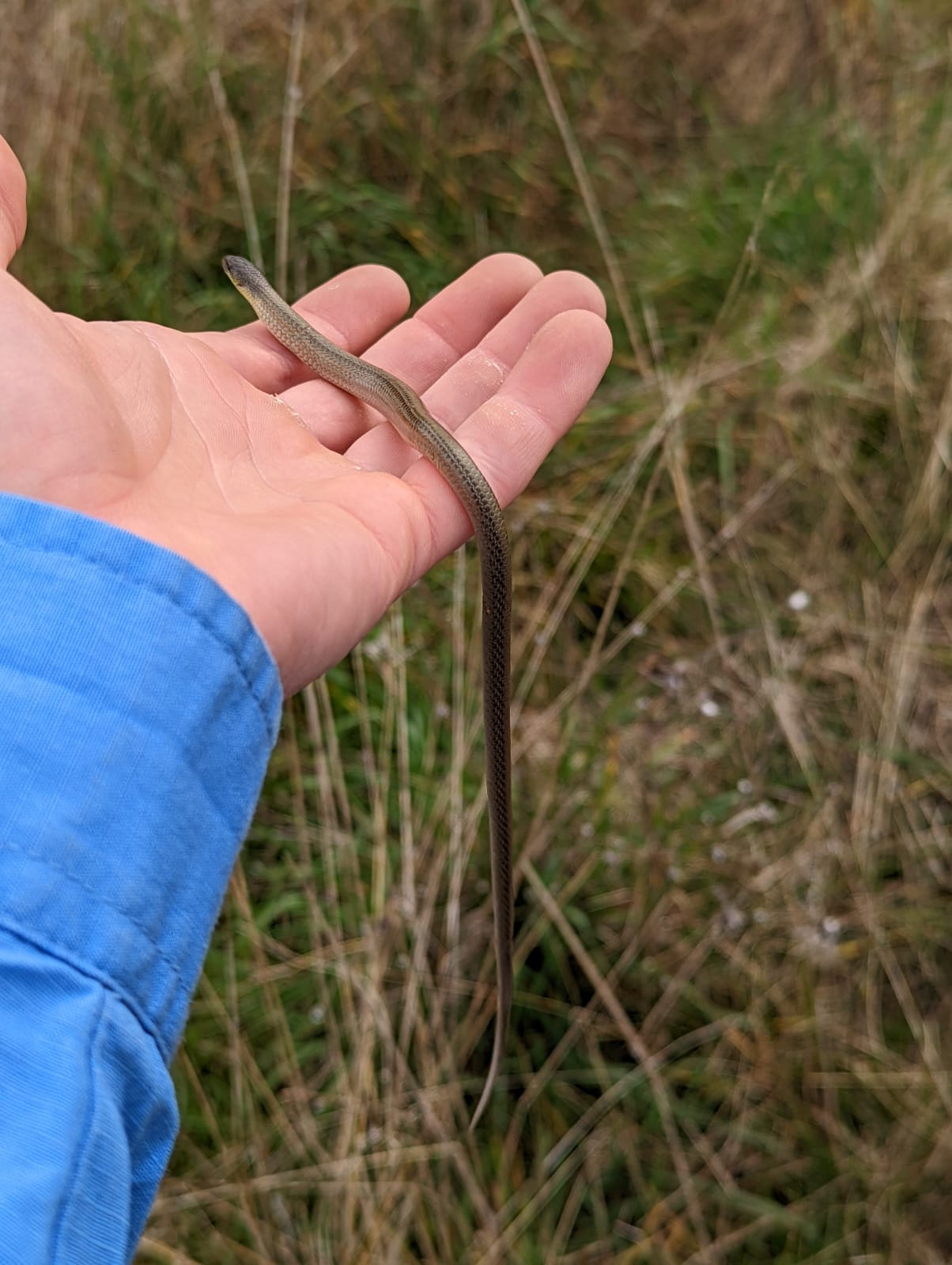
Striped Legless Lizards (Delma impar) are listed as vulnerable by the EPBC in the Australian Capital Territory. On first appearance they are like snakes, but are easily distinguished by their ear opening, broad tongue, and shedding tail. They each have a unique scale pattern on their head, making them easily identifiable as individuals. The lizard is often found in treeless grasslands, both with native and exotic grasses, they particularly favour tussock grasses.

The grassland habitat favoured by legless lizards is under constant threat, affected by multiple anthropogenic and climate barriers. The biggest of which are caused by agricultural and infrastructure development and poor land management practices.

Fig. 1 and 2: Striped Legless Lizard

The project:

The Legless Lizard monitoring program in the ACT are under the direction of the Striped Legless Lizard Action Plan which is part of the broader 2017 Native Grassland Strategy. The aims are to:

  1. Conserve all large populations in the ACT
  2. Manage the species and its habitat to maintain the potential for evolutionary development in the wild
  3. Enhance the long-term viability of populations through management of adjacent grassland to increase habitat area and connect populations, or to establish new populations
  4. Improved understanding of the species ecology, habitat, and threats
  5. Promote a greater awareness of, and strengthen the stakeholder and community engagement in the conservation of the species

In the ACT, Legless Lizards are found in Gungahlin, Belconnen, Majura Valley, Yarramundi Grassland, Jerrabomberra Valley, Yass, and Murrumbateman. These sites are on both private and government land. The monitoring program is conducted by Capital Ecology, a privately owned ecological consulting business. Capital Ecology have identified several sites around the ACT and uses roof tile grids as the preferred survey method.

I participated in a field monitoring day with Capital Ecology at their established sites in Hume near the Mugga Lane Recycling Centre and on a private property, Bonshaw. The fieldwork involved turning over the roof tiles to check for Legless Lizards. If found, they are measured, weighed, and photographed. Other species are also recorded. The table used is shown below:

Fig. 3 Monitoring sheet used and created by Capital Ecology

Shannon Thompson, a spatial ecologist with Capital Ecology, said that the weather can be a tough barrier to monitoring. Wet weather causes the lizards to seek dry shelter and if the tiles are cool the lizards are unlikely to seek shelter under the roof tiles. On the contrary, if it is too hot the lizards will also not utilise the roof tiles. Overgrazing can also reduce the available tussocky grass cover that the lizards favour.

Legless Lizards are an important indicator of ecosystem health in the ACT’s threatened grassland. Continuing these monitoring programs will not only ensure survival of the Legless Lizards, but also improve other conservation practices and achieve biodiversity goals in the future.

Acknowledgements:

Thank you to Shannon Thompson, Rob Speirs, Catherine Ross and the rest of the Capital Ecology team for providing this experience and their knowledge of the Striped Legless Lizard.

Posted in Uncategorized | Leave a comment

Our waterways…BUGGER! How water bugs are used to illustrate the health of our waterways

By Bex Hadfield (u7522737), Word Count: 500

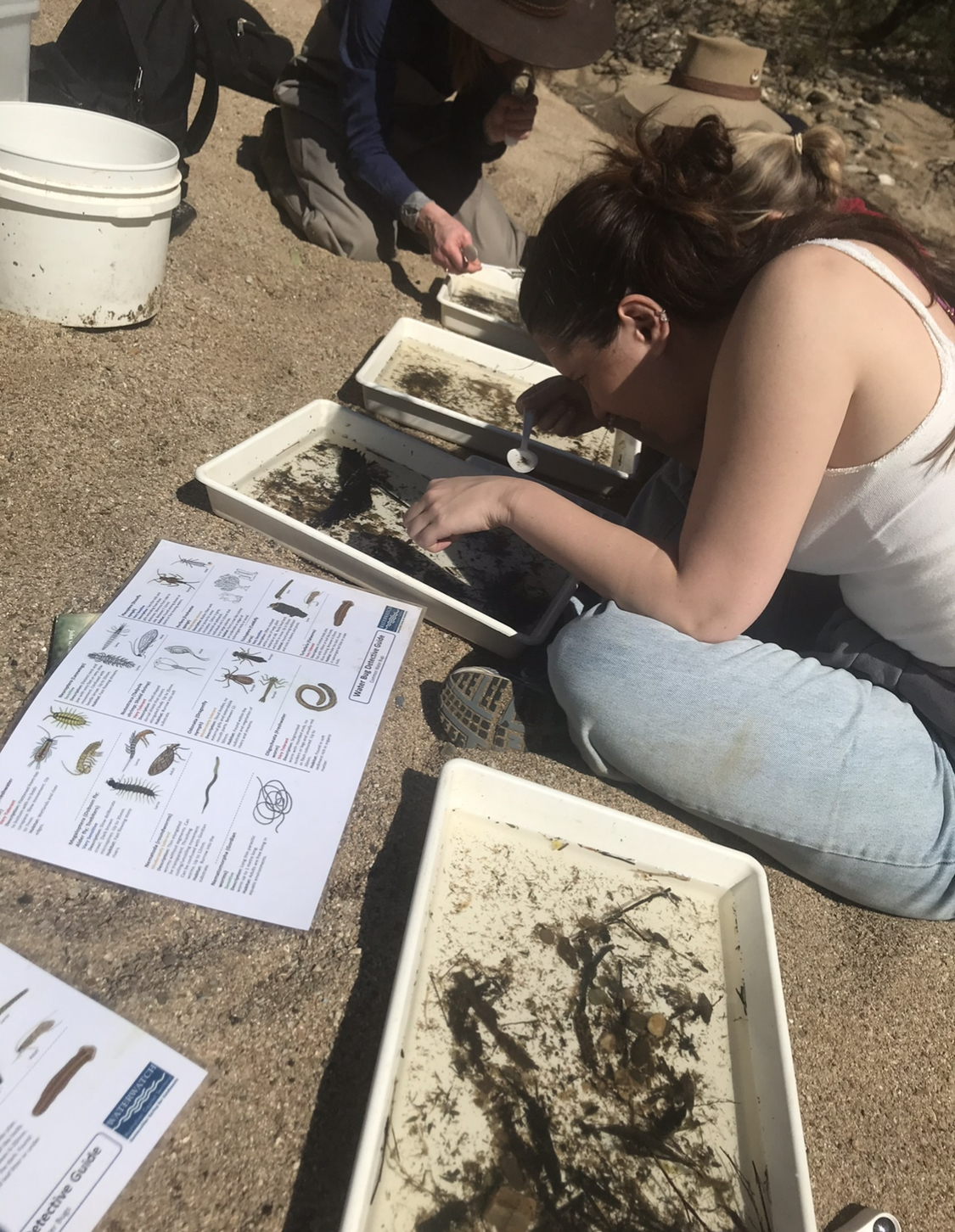
A day of work experience sampling and recording water bugs to measure the water quality of freshwater rivers in the ACT and upper Murrumbidgee catchment area. This is part of long-term citizen-science research project by Waterwatch ACT.

Water bugs to water quality: An indicator species

Our waterways are the world’s unsung heroes of biodiversity. Not only do plants and birds depend on freshwater ecosystems to survive, but so do we. The health of such waterways directly and indirectly impacts all the species relying on them, and fortunately there is something that tells us exactly how healthy the freshwater ecosystem is…the water bug. 

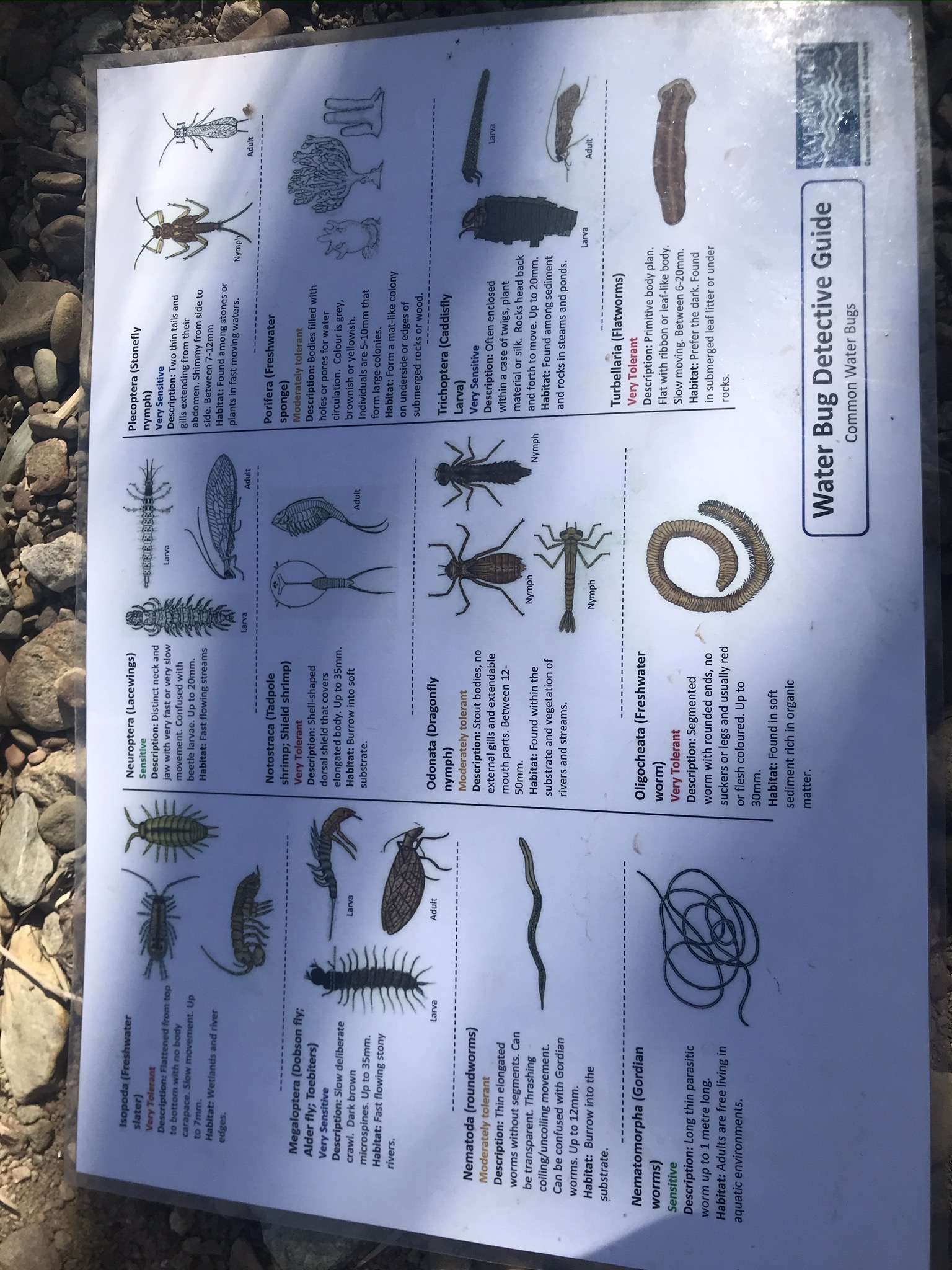
These water bugs are aquatic macroinvertebrates – small creatures that can be seen with the naked eye and have varying sensitivity to environmental changes. Ranging from ‘Very Tolerant’ to ‘Very Sensitive’, these water bugs (shown in Figure 1 and Figure 2) tell us how healthy a section of a river is, making them a useful indicator species for pollution in freshwater. 

Figure 1: Water Bug Detective Guide. Source: Waterwatch ACT
Figure 2: Water Bug Detective Guide. Source: Waterwatch ACT

Quality over quantity? Rather quantity over quality

Healthy waterways positively correlate with high biodiversity and there are three common ‘Very Sensitive’ water bugs that are of most use when determining the health of freshwater: Trichoptera (Caddisfly Larva), Plecoptera (Stonefly nymph) and Ephemeroptera (Mayflies). A low abundance indicates to us that there has been a wave of pollution through a section of the river causing these highly sensitive creatures to move away or be killed. On the flip side, a high abundance and diversity of these water bugs tells us that the stretch of freshwater being sampled is healthy and has favourable stable conditions.

Anyone can be involved! A citizen-science approach collecting data

Waterwatch ACT was generous enough to let me to spend a day with them sampling water bugs from different sections of waterways in the ACT and upper Murrumbidgee catchment area. I met citizen scientists who help collect data in their local area as well as learn how to catch and record the data on water bugs myself. The sweep sampling method (Figure 3) is an easy and accessible way of collecting water bugs from a river.

Once collected in the net, pour the suspended material into a (white) tray along with water and use an identification card (such as the ‘Water Bug Detective Guide shown in Figure 1 and in Figure 2) to detect the water bugs present. 

Figure 3: Sweep sample method. Source: Hadfield, 2022
Figure 4: Water bug identification. Source: Hadfield, 2022

How is the information used? 

Waterwatch ACT collects data each year from over 200 citizen-scientists (Figure 4) and summarised into report cards for each section of river. These are then combined into the annual Catchment Health Indicator Program (CHIP) report. The published CHIP report is used as a communication tool to inform policymakers regarding biodiversity, water resource and water protection throughout the ACT and upper Murrumbidgee catchment area.

Acknowledgements

Thank you to Woo O’Reilly for taking the time out of her busy schedule to facilitate this work experience through Waterwatch ACT

I would also like to acknowledge the Traditional Custodians of the land on which I carried out my research, and pay my respect to Elders past, present and emerging.

References

All images: Hadfield, Bex, 20 September 2022. JPG. 

Posted in biodiversity conservation, Freshwater biodiversity | Tagged , , , , | Leave a comment

Making an impact on climate change as an individual

by Matilda Needle (u6664597)

With all this talk of climate change and greenhouse gas emissions it can be overwhelming to think anything we do on an individual level will make a difference. I try to limit waste and compost, but it can be disheartening at the supermarket when everything is packaged in plastic. It is difficult to see the difference our little choices make if any at all.

After volunteering with Park Care in ACT, I was able to see a physical impact that I was improving habitat for invertebrates, more than any other effort I make to limit my impact. Park Care offer a range of opportunities to get your hands dirty and become involved in biodiversity conservation. Climate change is impacting habitat for native species by changing the weather systems that impact Australia.

Wetlands at Namadgi Visitor Centre

Coleman et al. (2021, https://pubmed.ncbi.nlm.nih.gov/34854175/ ) highlights that climate change, including long-term warming, is a significant threat to biodiversity. A topical example is the Pygmy Possum (Burramys parvus), which is currently becoming endangered because the Bogong Moth (Agrotis infusa), it’s primary food source, relies on a cold climate and will have lower survival rates in the warmer climate in alpine areas in Kosciusko (Gibson et al, 2018, CSIRO PUBLISHING | Wildlife Research). These changes impact fauna and flora across Australia. While it may be too difficult to stop climate change altogether, we can help protect and improve habitat for existing species in our local area and this is where Park Care ACT come in.

Volunteering Experience

I went on a Park Ranger Assist with ACT Care and improved habitat surrounding the wetlands at the Namadgi Visitor Centre. At first it seemed as though we were just moving rocks to the side of the wetlands but as I spoke to our Ranger Chris Evans, the benefits seemed endless. The rocks provide habitats for all sorts of invertebrates including lizards, frogs, and other small mammals. The foliage and rocks protect insects and small mammals from birds, and creates a soil microclimate (Yates et al. 2000, Grazing effects on plant cover, soil and microclimate in fragmented woodlands in south-western Australia: Implications for restoration — the UWA Profiles and Research Repository). The rocks catch the silt when it floods and slows the flow of water to protect this area from soil degradation (Xiong et al. 2018, Effects of soil conservation techniques on water erosion control: A global analysis – PubMed (nih.gov)). Putting in this area provides a corridor between the wetland to the box-gum grassy woodland habitat, allowing it to operate as an ecological network between habitats (Whytock et al. 2017, The Society for Conservation Biology (wiley.com)).

All these benefits from a relatively small task of transferring rocks and foliage to the wetlands edge. Habitat creation provides substantial benefits to biodiversity in the region. The immediate impact and ability to revisit the area to see the natural vegetation contribute to the biodiversity makes the experience one of the most rewarding and I highly recommend it to anyone feeling disillusioned with climate change.

Word Count: 514

Posted in Uncategorized | Leave a comment