It’s a long road to recovery for many threatened species

roadPhoto courtesy of Google images

There are no substitutes for the benefits humans derive from biodiversity.  Biodiversity, such as flora and fauna species are essential for human existence and provide ecosystem services in “regulation of the atmosphere, maintenance of soil fertility, food production, regulation of water flows, filtration of water, pest control and waste disposal  (SEWPaC 2011).

Over 1700 threatened species are listed under the Australian Government’s Environment Protection and Biodiversity Conservation Act 1999 (EPBC Act 1999).   At the time of listing a decision is made to have a Recovery Plan.  Recovery Plans are the subject of much debate as to whether they are effective.

There is one other aspect to the listing of a threatened species that appears absent in the prevailing Recovery Planning and prioritisation literature (Carwardine[1] et al, 2012, Joseph[2] et al, 2009).  Once a species is listed under the EPBC Act 1999 it then becomes a Matter of National Environmental Significance (MNES). Any action that is likely to have an impact on a MNES has to be referred to the Commonwealth Government of Australia for assessment and approval.  With the stroke of a pen, protection can be afforded to a number of MNES through this mechanism in addition to implementation of recovery actions in Recovery Plans.

The challenge remains, however, to implement recovery actions in Recovery Plans, in light of resourcing constraints, whether these are a result of less dollars, lack of human resources or stakeholder engagement. For example, the New South Wales Office of Environment and Heritage’s (OEH) (or as it was known in 2006, the Department of Environment and Conservation [DEC]) Bush Stone-curlew (Burhinus grallarius) (Figure 1) approved Recovery Plan (DEC Recovery Plan) states:

“While support for the implementation of the actions in the Recovery Plan resides with the DEC, other organisations have been suggested which may also provide support for implementation of recovery actions. It is noted that these organisations have not agreed to be responsible for the implementation of these actions.”
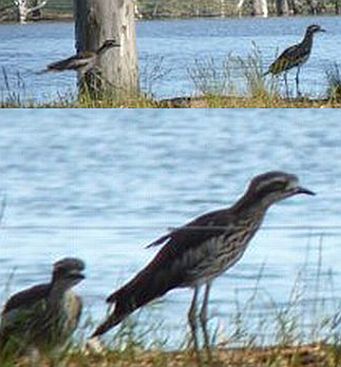
birdFigure 1: Photo Bush Stone Curlew in the wild courtesy of Ace Hardy via Kowree Farm Tree Landcare Group at Edenhope. Listed as endangered under the  Threatened Species Conservation Act 1995

However, the Recovery Plan for the Mountain Pygmy Possum (Burramys parvus) (Figure 2) does make explicit a number of stakeholders involved in its recovery and is an exemplar of stakeholder engagement.  This blog is not intended to say that Recovery Planning doesn’t work or that stakeholders are not involved in recovery of the Bush Stone-curlew —it is designed to draw attention to the inability to implement numerous recovery actions in Recovery Plans for threatened species in the absence of resources.   In prioritising biodiversity conservation funding, governments could investigate how to strategically implement priority recovery actions from Recovery Plans to ensure the long road to recovery for threatened species is secure for the future.

mountain pygmy possumFigure 2: Photo Mountain Pygmy Possum (Burramys parvus) listed as endangered under the EPBC Act 1999

 Shaneen Coulson – student Australian National University, Canberra, Australia.


[1] Carwardine J., T. O’Connor, S. Legge, B. Mackey, H. P. Possingham, and T. G. Martin (2012). Prioritizing threat management for biodiversity conservation, Conservation Letters 5:196–204.

[2] Joseph, L., R.F. Maloney and H. P. Possingham (2009). Optimal Allocation of Resources among Threatened Species: a Project   Prioritisation Protocol, Conservation Biology 23:328-338.
Posted in Uncategorized | Leave a comment

Biodiversity Conservation in Hong Kong

Hong Kong was originally covered in tall and dense rainforest rich in species with the only clearings being cliffs and beaches. Previously there were definitely tigers, leopards and there is also evidence of elephants, rhinos and gibbons (1). As the islands have long coastlines and rugged topography there is a diverse range of natural ecosystems in a small area ranging from coral reefs to mangrove forests and high altitude forests. There are now man made habitats such as fire maintained hillside grasslands that are quite species poor and freshwater wetlands formed from abandoned rice fields which house many diverse species.

Image

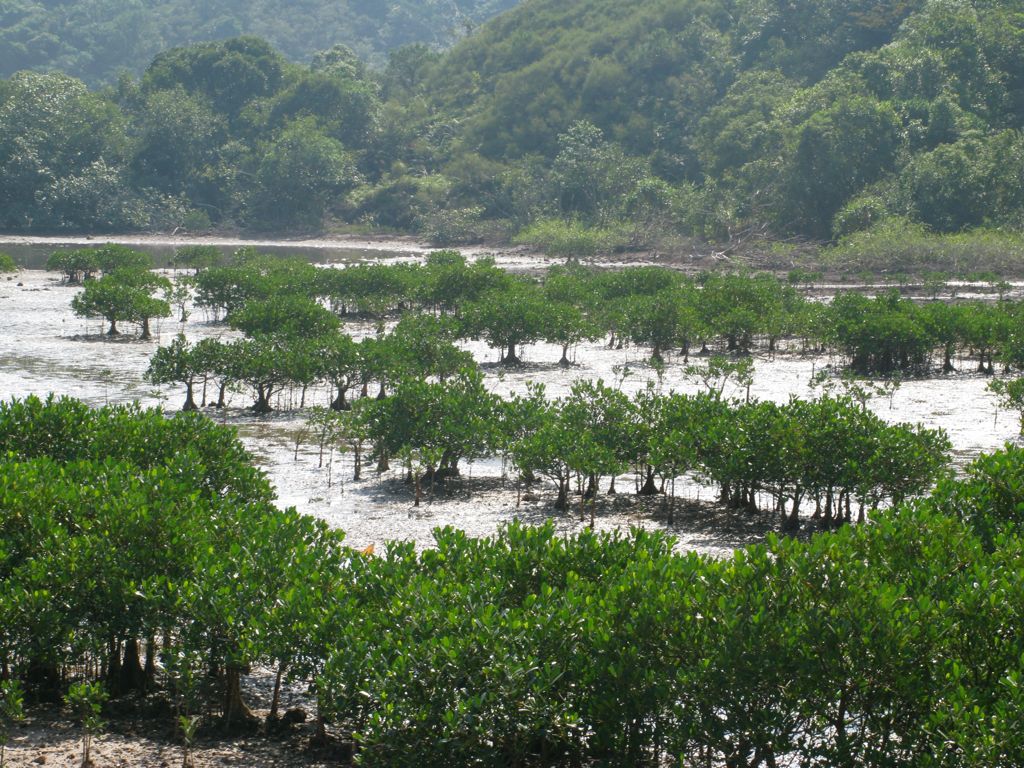
Figure 1: Mangroves in Sai Kung

Several centuries of human impact

  • Deforestation and erosion
  • Burning not natural in this system
  • Hunting of larger animals
  • Constant expansion and growth of urban areas that are not suitable for wildlife habitation
  • Commercial and industrial waste dumping is now a huge problem

There has been return from fire controlled grassland to more natural shrub and secondary forests. Also 40% of Hong Kong’s land is country parks and most high altitude areas are unaffected by humans (2). There are healthy remnants of each ecosystem but all environments are in danger from development.

The diversity

There has been very few recorded extinctions in the last 150 years, probably as only the resilient species are left. Its an immensely diverse place, although being 200 times smaller than the United Kingdom there are more species in every group of animal (Table 1).

Image

Table 1: Numbers of species recored in Hong Kong (1100km2) and the United Kingdom (244000km2) for various animal groups

Endemic species 

Romer’s frog, Hong Kong paradise fish, many wild orchids and the Hong Kong asarum

Endangered species

Three banded box terrapin, the black faced spoonbill and the Hong Kong rhododendron

Mai Po wetland is a major resting spot for over 30 000 migratory birds in flight from Siberia to Australia each year. It is a perfect habitat with marshes, mangroves and connected ponds containing fish and shrimp. There have been 24 endangered species seen in the area at once and previously 200 black faced spoon bills have been seen simultaneously, a quarter of the global population (3).

Image

Figure 2: Black faced spoonbills, one of Hong Kong’s most endangered residents

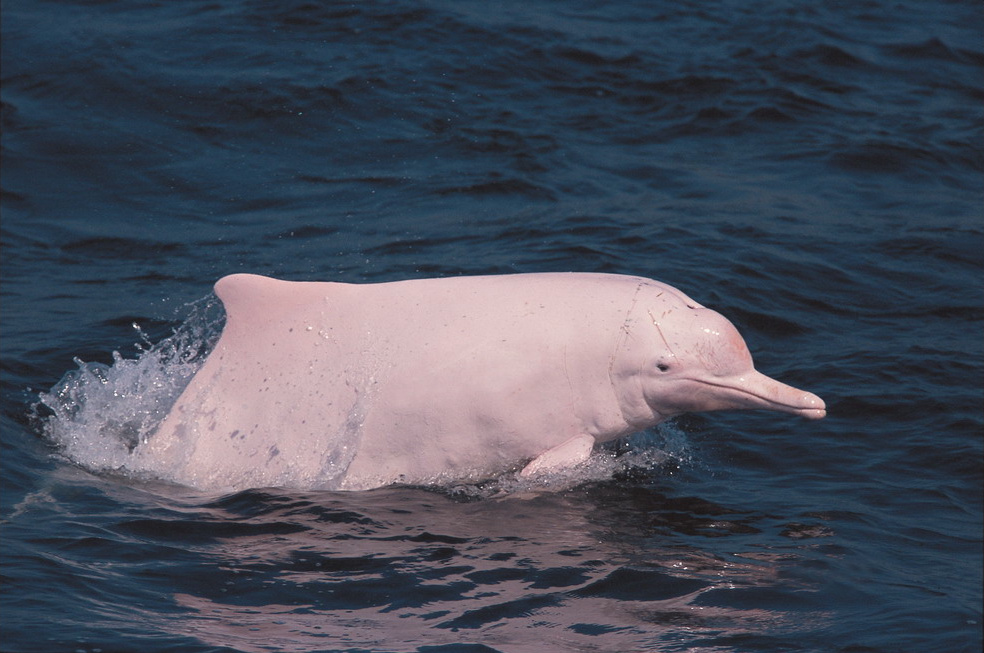
Hong Kong’s oceans are affected by warm and cold sea currents therefore around 1000 species of tropical and temperate fish, Chinese white dolphins and over 80 hard coral species are present (1). Populations maybe decreasing rapidly as scientists are predicting a collapse in the marine system due to unsustainable fishing practices, inadequate regulation and marine protected areas which have shown no improvement after 10 years. Fish stocks are looking extremely low because of no regulations on fishing licenses, quota or methods.

Image

Figure 3: A Chinese white dolphin swimming near the shore

An attitude problem

  • Land is extremely rare and economic incentives must be offered
  • Both the government and public think that the owner of land has the right to make as much profit possible from their investment
  • People won’t admit that the largest problem is habitat degradation
  • Public awareness of biodiversity conservation is inadequate – proactive educational programs on conservation for children would help

By living in Hong Kong all through my teens I have learnt to appreciate the diverse animals and unique landscape. Though I do hope to see a change from development always trumping conservation.

Sophie Acton

References

(1) Courlett, R. T. “Sustainability and Biodiversity Conservation in Hong Kong.”Sustainable Development in Hong Kong. Hong Kong: Hong Kong UP, n.d. N. pag. Print.

(2) Mottershead, T. “Sustainable Development in Hong Kong – A Road Yet To Be Travelled?” Singapore Journal of International & Comparative Law 6 (2002): 809-54. Web

(3) “Conservation: Marine.” WWF – Hong Kong. http://www.wwf.org.hk/en/whatwedo/conservation/marine/ WWF, 01 Sept. 2011. Web. 10 May 2013.

Posted in Uncategorized | 1 Comment

Hop Over to Kangaroo Meat: The More Sustainable Choice

By Michelle Nairn

There is much debate over eating kangaroo, our national emblem. But the truth is that it is far healthier and more sustainable than eating beef or lamb. Here I outline 5 reasons to make the switch to kangaroo meat.

1. Kangaroos Produce Barely Any Methane

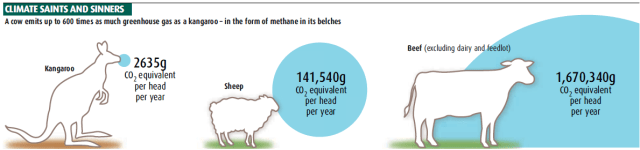
Methane produced from livestock makes up 18% of greenhouse gas emissions and has 25% more warming potential than Carbon Dioxide (Trivedi, 2008). Kangaroos have different microorganisms in their guts than cows and sheep, resulting in kangaroos producing very little methane (Trivedi, 2008). In fact, cows produce up to 600 times more greenhouse gas (in the form of methane) than kangaroos (Trivedi, 2008). Replacing 1/3 of Australia’s sheep and cattle with kangaroos would reduce Australia’s entire greenhouse gas output by 3% (Trivedi, 2008).

Image from Trivedi, B (2008) ‘Kangaroos to the Resuce’ New Scientist 20-27 December pp. 48-50 www.newscientist.com

Image from Trivedi, B (2008) ‘Kangaroos to the Resuce’ New Scientist 20-27 December pp. 48-50 http://www.newscientist.com

2. Kangaroos Eat Less than Sheep and Cows

Kangaroos eat less than sheep and cows, resulting in less grazing pressure. To put it into perspective, cows eat 6 times that of a sheep, bulls eat 10 times that of a sheep and kangaroos eat 0.625 as much as a sheep, in other words 1 sheep is equivalent to 1.6 kangaroos (Department of Primary Industries, 2010). Furthermore Kangaroos feed on native vegetation and can eat lower quality foods than sheep and cattle. This reduces the needs for extensive irrigation and damaging fertilises.

3. Kangaroos are Super Healthy

Kangaroo meat is low in saturated fat, and is 98% fat free (Macro Meats, 2012). It is high in iron, protein, zinc and B-group vitamins. Kangaroo meat is also a good source of omega-3 fats, which help reduce the risk of heart disease (Heart Foundation, 2013). Furthermore, kangaroo meat contains conjugated linoleic acid, and antioxidant that helps reduce body fat.

4. Kangaroos are Abundant

Kangaroos are super abundant, so much so that they are considered a pest. The Australian government allows for the cull of 10-15% of the kangaroo population each year. It makes sense to use these kangaroos for meat, and keep the population at bay at the same time.

5. Kangaroos are More Gentle on Our Land

Image from: http://www.sierranaturenotes.com/naturenotes/CSERC_GrazingImpacts_201001.html

Image from: http://www.sierranaturenotes.com/naturenotes/
CSERC_GrazingImpacts_201001.html

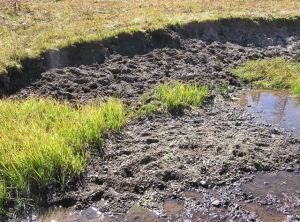
The hooves on livestock including sheep, cattle and pigs are detrimental to Australian land. Hooves cause damage to vegetation and cause soil pugging, which is the compaction of soils. Severe compaction results in erosion (WWF, 2013). Kangaroos have padded feet, which are much gentler on soil.

Kangaroo meat is also delicious! Check out this website for tips on cooking and delicious recipes: http://www.kangaroo-industry.asn.au/recipes/recipe_frame.htm

References

Department of Primary Industries (2010) ‘How to use Dry Sheep Equivalents (DSEs) to compare sheep enterprises’ accessed May 12, 2013 from http://www.dpi.nsw.gov.au/agriculture/farmbusiness/budgets/livestock/sheep/background/dse

Heart Foundation (2013) ‘Omega 3’ accessed May 12, 2013 from http://www.heartfoundation.org.au/healthy-eating/fats/pages/omega-3.aspx

Macro Meats (2012) ‘Kangaroo, The Super Food’ accessed May 12, 2013 from http://www.macromeats-gourmetgame.com.au/Nutrition/NutritionQAs

Trivedi, B (2008) ‘Kangaroos to the Rescue’ New Scientist 20-27 December pp. 48-50 www.newscientist.com

Posted in Uncategorized | 16 Comments

Is it contradictory to consider both biodiversity conservation and economic development at the same time?

It has been widely known that China is experiencing a period that the economy is developing in a staggering speed, while there are quite a few other issues including environmental and social issues arisen at the same time. Due to the nationwide urbanization, lots of natural lands such as forests, grassland and wetland are degraded, resulting in the loss of habitat. As a consequence, some species have been extinct and some are at the edge of extinction.

 There is a “World Extinct Wildlife Cemetery” in Beijing, in which each species within recent 300 hundred years has its own species name marked on a stone stele.    

picture1

Picture 1. The lying stone stele indicates this species is already extinct while the standing one represents the unextinct species. Therefore, the half-down stele represents an endangered species. Sourced from: http://www.wretch.cc/blog/trackback.php?blog_id=MrPrinceRb&article_id=20512459

Extinction of the “Giant Panda in water”

picture2

Picture 2. Baiji (Yangtze River dolphin) is the species that only distributed in the middle and lower reach of Yangtze River and since it evolved from 25 million years ago, it has a nickname of “live fossil”. (Sourced from Theodore Lim, July 20th, 2010, All About the Three Gorges Dam)

 The population of Baiji (or Yangtze River dolphin) declined dramatically during the decades when China industrialised and made heavy use of the river for fishing, transporting and hydroelectricity. Though it was listed as an endangered species by the US government under the Endangered Species Act, and was conserved by Chinese environmentalists, we still could not stop its decline. In 2007, it was considered to be functionally extinct.

The extinction of Baiji is mainly attributable to human activities including:

  • Hunting: During the Great Leap forward (1958-1962), Baiji were hunted for their skin and flesh.
  • Fishing: In the 1970s and 1980s, half of the population was killed due to entanglement in fishing gear and nets, as well as electrical fishing equipment.
  • Pollution: A great amount of industrial waste was released into the Yangtze River, causing serious pollution to Baiji’s habitat.
  • Habitat loss: After completion of the Three Gorges Dam, many locations of the riverbed were reinforced and dredged by concrete, destroying important habitats for the species.
  • Noise pollution: Construction along the riverbank makes these almost blind mammals collide with boats and propellers.

Social factors that contributed to the extinction of Baiji

Extinction of the Baiji cannot be attributed to just one reason, but a combination of human activity and social awareness. For instance, almost everyone in China knows Giant Panda, while only a small group of people care about the living situation of Baiji. Even some fishermen working along the Yangtze River were not aware that Baiji was an extremely endangered species. 

 Moreover, education system and mass media in China do not insert the importance of biodiversity conservation into people’s everyday life. Instead, most of the public prefer to care about economic development: whether economic growth this year is higher than last year; whether people’s income can be increased or not etc.

It is not just environmentalists’ responsibility to conserve the ecosystem. Instead, biodiversity conservation should be a nationwide action, in which everyone pays attention to it. Otherwise, as “World Extinct Wildlife Cemetery” tells us, humans would be the last third species extinct (the other two are rats and insects).

Xiying Zhao (u4912236) Undergraduate student at Fenner Sc

Posted in Uncategorized | Leave a comment

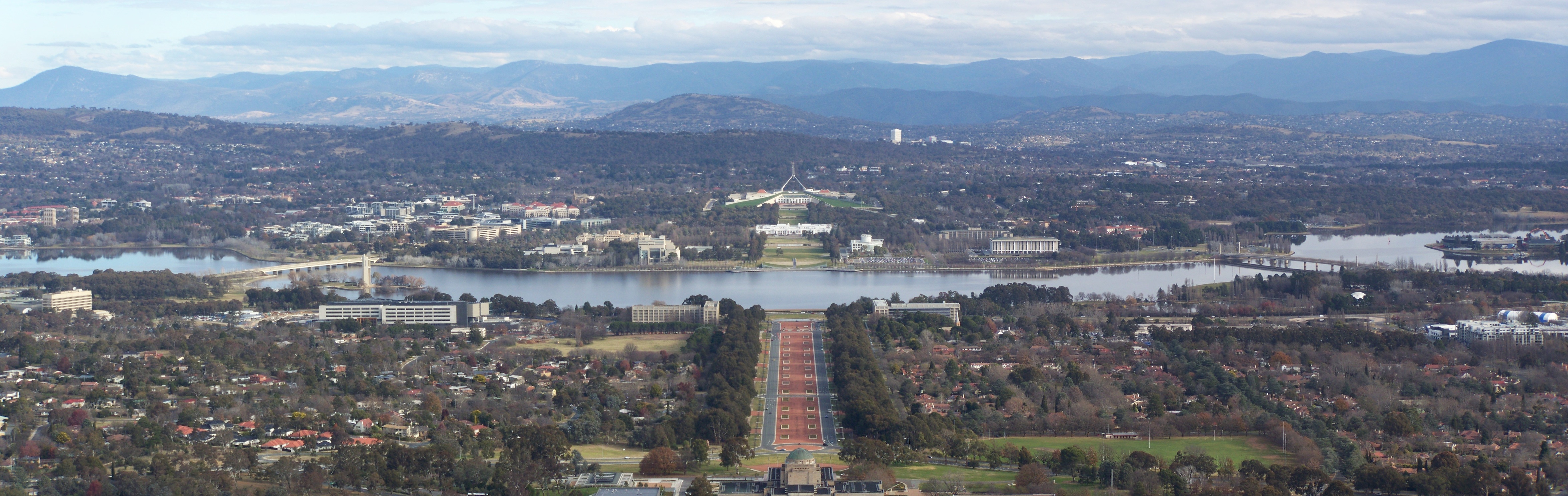
A Centenary of Conservation: What does it mean to live in the ‘Bush Capital’ 100 years on?

Canberra gets an almost universally bad rap, often even from the people who live here. Frequent complaints are that it is boring, sterile and that a politician seems to pop out from behind every controversial piece of street art.

Image

One of the more controversial examples of Canberra’s recent embracement of public art.

However, those of us who love it (and there are more of us than you might think), love its sense of community, its greenery, its open spaces and the fact that our gardens are visited by parrots and kangaroos. In short, we love it because we live in a ‘bush capital’.

Image

At the ANU’s recent Sustainability Day, the Conservation Council got an overwhelming response to the question “What do you love about Canberra’s Environment”. The most popular responses were “birds”, “trees” and “green!”.

This year we are celebrating 100 years of life in the ‘bush capital’, but how many of us have stopped to think about what that means? It is a unique situation where a city can feel so connected with its environment, but this connection comes at a cost. Canberra’s increasing urbanisation affects the viability of local biodiversity through changes to connectivity, water flows, fire regimes and the impacts of pets, weeds, waste dumping and recreational activities. This means that Canberra’s community is directly impacting on local biodiversity conservation

Canberran's visit natural areas more than do residents of any other state or territory http://www.canberratimes.com.au/act-news/canberra-tops-with-fauna-and-flora-its-a-walk-in-the-park-20130326-2gsma.html

Canberrans visit natural areas more than do residents of any other state or territory http://www.canberratimes.com.au/act-news/canberra-tops-with-fauna-and-flora-its-a-walk-in-the-park-20130326-2gsma.html

However, the situation is not all bad! Many Canberrans feel strongly about their local environment and are passionately involved in making positive change. Canberra is home to an abundance of community environment groups, full of dedicated staff and volunteers. These groups are integral to biodiversity monitoring, on the ground conservation and advocating for better bushcare.

Community volunteers work hard at events like 'Clean up Australia Day' to protect their local biodiversity

Community volunteers work hard at events like ‘Clean up Australia Day’ to protect their local biodiversity

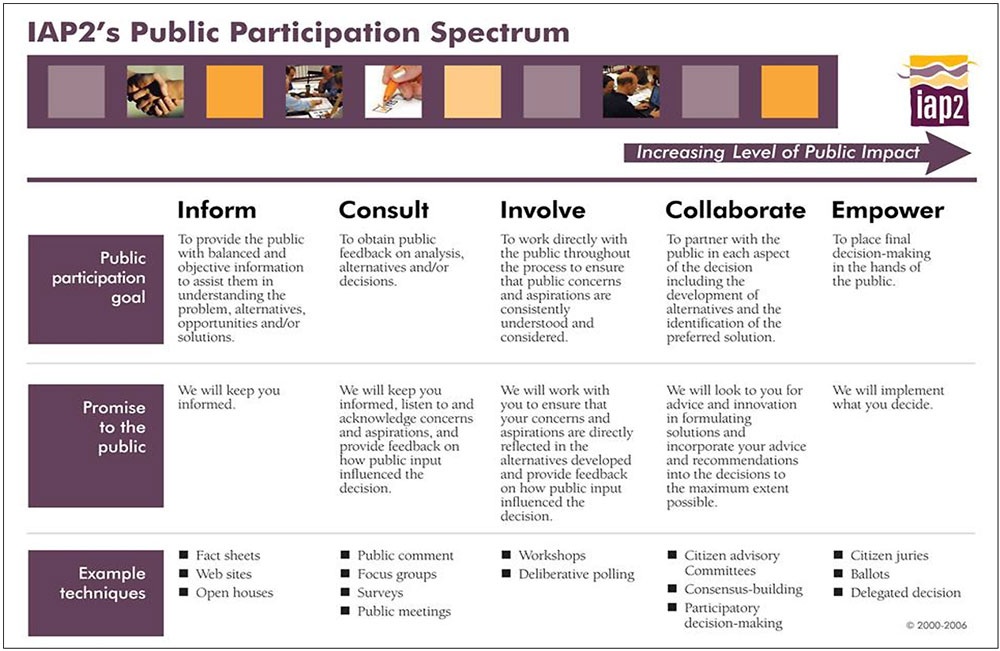
The integrated nature of urban biodiversity begs for serious consideration of the importance of community participation in conservation. Participation theory has long believed that communities should be involved in the decisions that affect them. We can take this even further by considering the idea that communities should be involved in the decisions which they affect. Canberrans are not only affecting biodiversity management by creating problems, they are also trying hard to solve them.

The International Association of Public Participation believes that communities should be involved in the decisions which affect them on principle. See their core values at www.iap2.org.au

The International Association of Public Participation believes that communities should be involved in the decisions which affect them on principle. See their core values at http://www.iap2.org.au

If Canberra is to remain the beautiful ‘bush capital’ that we (well, most of us) love, we need to embrace the role of communities in actively and passionately participating in biodiversity conservation.

Rebecca Palmer-Brodie is a Masters Student at the Australian National University – examining the role of public participation in environmental management, and the Bush on the Boundary Coordinator at the Conservation Council – investigating the impacts of the urban edge on ecological values.

Posted in Uncategorized | 3 Comments

Environmental Concerns for Canada

Over the past few years, I’ve developed concern for our current Prime Minister’s environmental agenda. Under Stephen Harper government, protection of our natural resources has been seriously hindered through various policy implementations and modifications as well as considerable funding cuts to environmental research, programs and organizations.

The ideal behind this agenda is the development of the Canadian economy based on the extraction of oil out of the Alberta Tar Sands. The recent changes to environmental regulations have made it indirectly easier for major oil companies to gain access, develop and exploit numerous natural resources for the sole purpose of expanding the industry. Though development is important, the consequences of focusing an economy on what is described as “the most destructive project on Earth” are disastrous and would no doubt be amplified if our environmental protection regulations and provisions are destroyed.

With regard to natural biodiversity, the effects would be dire. The Tar Sands project has already been branded a sacrifice zone, referencing operations such as clear cutting of the Great Bear old-growth temperate rainforest. Ancient forests such as these provide countless ecosystem services, homes for rare, endangered and threatened species and house the kind of species richness and diversity that only a forest that has aged hundreds of years can provide. Degradation also takes place in the form of oil spills and leaks, creating unrepairable damage to oceans and bodies of fresh water as well as their inhabitants – fish and migrating birds.

The Great Bear Rainforest, a wild stretch of western red cedar, hemlock, and spruce forest that runs 250 miles down British Columbia's coast. It is the largest intact stretch of ancient temperate rainforest left on the planet.

The Great Bear Rainforest, a wild stretch of western red cedar, hemlock, and spruce forest that runs 250 miles down British Columbia’s coast. It is the largest intact stretch of ancient temperate rainforest left on the planet.

The most radical transformation of environmental legislation was condemned by bill C-38: a budget bill which include changes to seven environmental statutes. Included in the bill are changes to:

  • Fisheries Act
  • Navigable Waters Protection Act
  • Species at Risk Act
  • Canadian Environmental Protection Act
  • Canadian Environmental Assessment Act

As well as a complete cut of funding for:

  • National Round Table on the Environment and the Economy (an advisory panel) and
  • The Canadian Foundation for Climate and Atmospheric Science (awards research grants)

Besides changes in legislation, the bill translates to cuts in government scientist jobs, elimination of research projects as well as pollution control and monitoring programs.

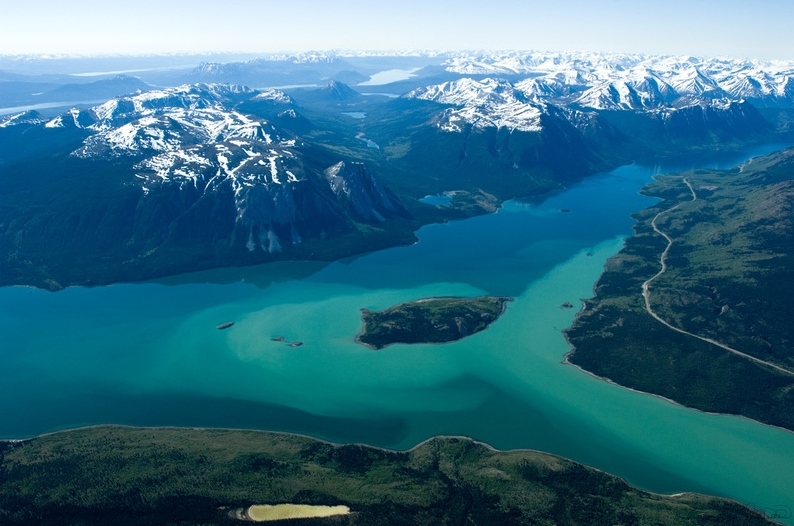
To focus on just one of these statutes, let’s take the Navigable Waters Protection Act.  Before Bill C-38, the Act prevented rampant resource development in the form of pipelines, bridges, power lines, dams etc. by enforcing a permit process which required approval for any works that may affect navigation in Canadian waters. Where there was once blanket protection for all bodies of water in Canada, the new bill covers only 97 lakes, 62 rivers and three oceans. Everything else is fair game.

Atlin Lake, British Columbia, Canada. Atlin Lake is no longer protected under the Navigable Waters Protection Act.

Atlin Lake, British Columbia, Canada. Atlin Lake is no longer protected under the Navigable Waters Protection Act.

Perhaps the most alarming trend is the withdrawal of Canada from global conventions, increasing the degree of isolation from the world stage of environmental issues. Since the election of Stephen Harper, Canada has pulled out of the Kyoto Protocol and the UN convention to combat desertification.

It’s an accumulation of these acts that is a part of a much broader problem in Canada; the promotion of a short-sighted, narrow interest at the expense of our natural resources. Canada, a nation who prides herself on long and hard fought for environmental regulations, has never seen an affront like this on these traditions, and the rate at which these changes are occurring have our nation headed towards an extremely degraded natural biodiversity and resource availability.

Thanks for reading!

Emily Janzen (U5291834)

Exchange student at ANU – Studying a B.Sc of Natural Resources Conservation at the University of British Columbia

Posted in Uncategorized | 2 Comments

The impacts of human activities and the earthquake on giant panda habitat in China Sichuan province

On the 22nd  April 2013, a destructive earthquake struck China’s Sichuan province. A ‘terrified pandas climbed into tree to escape Sichuan earthquake’ video clip posed on YouTube and caught my eye. It got me thinking about the effect on giant panda habitat by human activities and after natural disaster. 

Giant panda in China

The giant panda is known as a living fossil and is the national treasure in China. They live in a few mountain ranges in central China, mostly in Sichuan province. Over 80% of the world’s giant pandas live in Sichuan province.   The giant panda is highly endangered animal worldwide and WWF has been active in China giant panda conservation since 1980. Seven nature reserves covering 9245km2 have been established in Qionglai and Jiajin Mountains in Sichuan for conserving and breeding.

Habitat loss

Pandas rely on abundant bamboo forest because 99% of their food source is bamboo although the animal classified as a carnivore. As human activities increased and Chinese population exploded, many bamboo forests in Sichuan were cleared for infrastructure construction and economic activities. Nature reserves currently protect 60% of the panda population, but this only limits pandas ability to find new feeding areas during periodic bamboo die-back episodes, this in turn increases the risk of inbreeding which leading to higher disease susceptibility.  Bamboo die-back is a natural phenomenon it happened every 15-20 years. When the bamboo dies, it can take a year to regenerate from seed and take 20 years before it can support a panda population. During these periods, pandas must migrate to new areas, however, human settlements and activities have created barriers against to giant panda movement.

One Quarter of habitat was lost after the 2008 Sichuan catastrophic earthquake

On 12th May 2008, a magnitude 8.0 catastrophic earthquake hit Sichuan province and Wolong Panda Reserve which was home of 280 giant panda just 18 miles away from the epicentre and located in narrow valley vulnerable to landslides. One panda was killed as boulders and debris caused her concrete enclosure to collapse and many of others were injured. Moreover, one quarter of giant panda habitat was lost which caused the pandas to face severe food shortages after earthquake.  A total of 137 square miles of bamboo forest habitat was cleared to bare ground and it takes many years to regenerate back to a bamboo forest.   

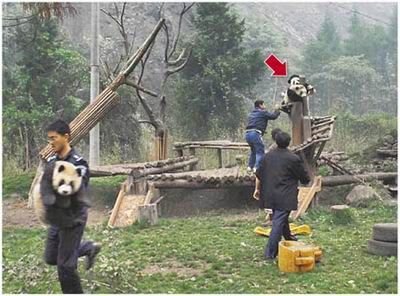
A magnitude 6.6 earthquake hit Sichuan province on April 20 2013. Fortunately, no giant pandas were injured in this earthquake. However, some of the bamboo forest was destroyed by debris. In addition, giant pandas were traumatized after the disaster which became a challenge for conserve park staff. Park staff said ‘pandas stayed the trees and volunteers had to carry them into the shelter one by one. They were always in the groups after the earthquake because of fear’.

panda stayed on the trees

‘The giant pandas stayed on the tree and volunteers had to carry them to shelter’, conserve park staff said.

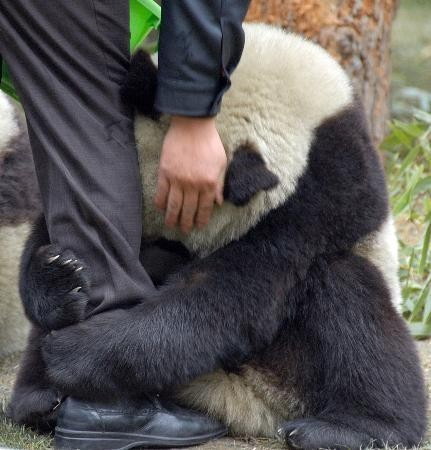
panda grabs a volunteer's leg

A terrified giant panda grabs a volunteer’s leg in 2008 Sichuan earthquake.


Because of the human activities increasing and combined with threatening natural disasters in and around panda habitat, many pandas have been sold to zoos around the world, or sent as gift to other countries, to aid in panda conservation. With WWF and Chinese giant panda conservation plans, I hope that all the giant panda can back to the wild rather than stay in zoos or conservation parks, but this would require a great reduction in threatening process in their native China, and great increase in the bamboo forests that support them.


Thanks for reading.


Yushan Feng (u4994885)

Posted in Uncategorized | Leave a comment

Biodiversity Conservation in Japan

http://www.bbc.co.uk/nature/life/Red-crowned_Crane

The Red-crowned crane

Dear fellow classmates,

I thought I’d take this opportunity to provide an insight into what other countries are doing to promote their biodiversity.

The country I have decided to look into is Japan. I’m sure that all of you know a little about Japan, but you may not know that Japan consists of several thousand islands and its archipelago stretches for approximately 3,000km from north to south. It’s located in the mid latitudes (20-45 degrees) of the northern hemisphere[1]. Japan has a huge variety of biological life in both terrestrial and marine environments; known species in Japan number around 90,000 and unclassified species up to 300,000[2]. Along with Australia, Japan is in the International Union for Conservation of Nature’s (IUCN’s) top 15 countries in terms of the proportion of endemic species; 40% of mammals (30% including marine mammals) and about 80% of amphibians are found only in Japan.

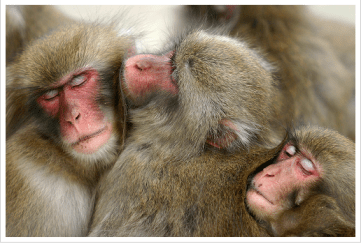
Japanese Snow Monkey. Photo by David Jez. Creative Commons.

Like many countries, Japan suffers from human induced diversity pressures including:

  • Population growth vs land
  • Environmental pollution and destruction
  • Over use of natural resources
  • Issues with alien species / Introduced species
  • Climate change (increasing temperatures)

By far the greatest pressure on biodiversity conservation is population growth even though it’s projected that Japan’s population will decline from the current 128 million to 87 million by 2060[3]. With Japan being so densely populated, you would think that land clearing for agriculture and logging were the major pressures on biodiversity, but the problem lies more with tourism. To support the huge influx of tourists into Japan, more infrastructure and transport systems are needed to provide better access to more remote areas of Japan. Additionally, land clearing for golf courses and other open space recreational pastimes add pressure.

So what kind of programs and processes are being developed to mitigate pressures? More national parks and reserves are under consideration, but some argue that the structure of the parks is detrimental- developments for tourist facilities, road construction and vehicle pollution are causing more damage rather than creating more areas for biodiversity.

The Ministry of Environment has created a sector for biodiversity conservation and its website (Biodiversity Centre of Japan http://www.biodic.go.jp/index_e.html) maintains up-to-date information on biodiversity research. “The National Strategy Plan of Japan 2012-2020” (which can be accessed from the above website) is an educational brochure which outlines current challenges for Japan and what Japan aims to achieve by the year 2020. These are:

  1. Raising public awareness of biodiversity
  2. Developing human resources and a collaborative framework
  3. Regions linked by ecosystem services
  4. National land conservation and management taking into account the dwindling population, etc.
  5. Strengthening the scientific knowledge base for the development of political measures.

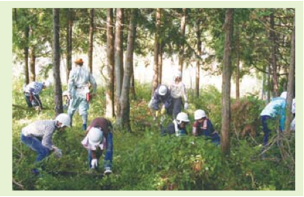
Locals helping in conserving the surrounding forest

Although this blog is only a small insight into the planning and research being undertaken, if I’ve managed to ignite your interest in biodiversity conservation work in Japan, I have a list of recommended resources you may like to browse through in your spare time:

‘The 3rd National Biodiversity Strategy and Action Plan’ by Ministry of Environment Japan –

http://www.cbd.int/doc/meetings/nbsap/nbsapcbw-seasi-01/other/nbsapcbw-seasi-01-jp-nbsap-en.pdf

Newsletter: Towards Biodiversity Conservation in Japan –

http://www.japanfs.org/en/mailmagazine/newsletter/pages/027854.html

Biodiversity Center of Japan-

http://www.biodic.go.jp/index_e.html

Ministry of Environment Japan-

http://www.env.go.jp/en/nature/biodiv/nsj/index.html

WWF Japan-

http://www.wwf.or.jp/activities/wildlife/cat1016/

Yurika Shiokawa, BSc/BA (Global Change Science and Japanese)

Works cited

[1], [3]Nature Conservation Bureau, Ministry of Environment, Government of Japan Japan. 2012. Living in Harmony with Nature: The National Biodiversity Strategy of Japan 2012-2020. [ONLINE] Available at: http://www.biodic.go.jp/biodiversity/wakaru/library/files/nbsap2012-2020/nbsap2012-2020_cop11ver_EN.pdf. [Accessed 24 April 13].

[2] Edahiro, J. 2008. Towards Biodiversity Conservation in Japan. [ONLINE] Available at: http://www.japanfs.org/en/mailmagazine/newsletter/pages/027854.html. [Accessed 24 April 13].

Posted in Uncategorized | 1 Comment

Conservation through the lens

There is no doubt that photography is an important tool for conservation. Yet the role of the photographer is often downplayed and good photos undervalued. Let me offer you the perspective of a budding nature photographer who has experienced some of these issues first hand.

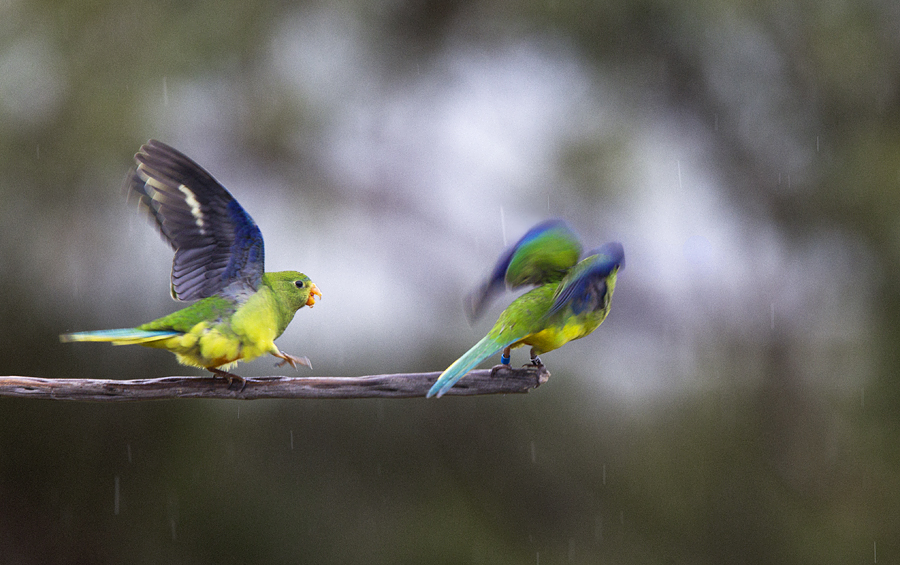
Orange-bellied Parrot, Melaleuca, Tasmania, January 2011 x8

A young Orange-bellied Parrot, Neophema chrysogaster, tries to get food off an adult male (right) but the male is having nothing of it. The Orange-bellied Parrot is listed as Critically Endangered and breeds exclusively in the wilderness of SW Tasmania. With less than 50 birds remaining in the wild, they is very little hope for their continued survival unassisted.

I challenge anyone to find a successful conservation campaign that doesn’t make use of photos. In fact, the majority will be built entirely around photos. By making liberal use of photos, one can convey a sense of reality in showing people an endangered animal or plant. Let’s face it; the majority of people are not going to go to the effort of actually seeing the Critically Endangered Orange-bellied Parrot in the wild, so the only way they are going to know about it is through photos. No matter how good your imagination, it’s hard to get excited about the name Neophema chrysogaster.

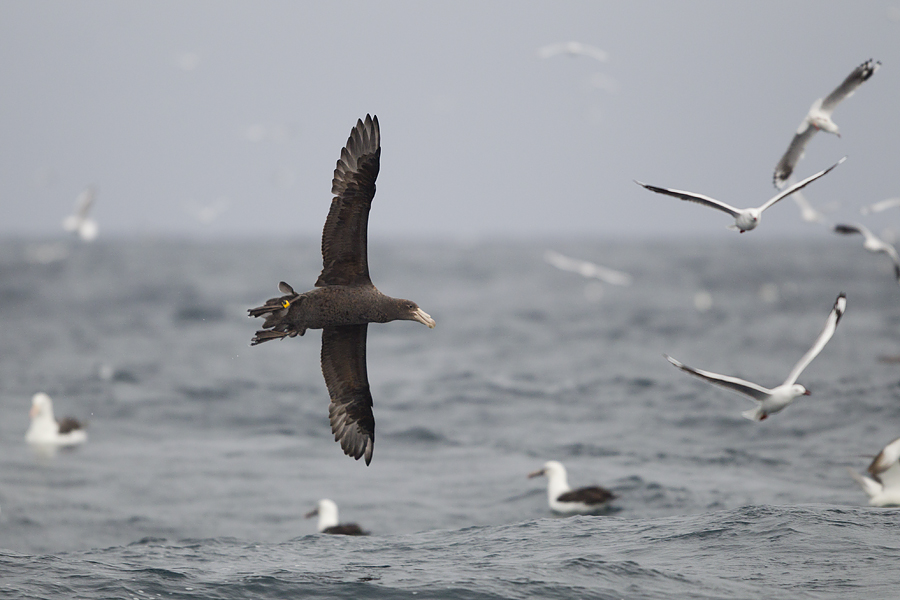
Northern Giant Petrel with GPS tag from South Georgia, off Wollongong, NSW, June 2012x2

This Northern Giant-Petrel is wearing a GPS locater tag on its left leg from when it was banded in South Georgia. This photo was taken off eastern NSW, showing just how far these birds can wander. Many seabirds are endangered due to long-line fishing and other threats.

Some of my photos were once involved in a flyer about the Great Eastern Ranges initiative, set up by the government to try to promote and conserve connectivity along the eastern seaboard. While there was some text explaining the aims of the initiative, most of the poster consisted of photographs. Where large blocks of text seem disengage people, photos have the opposite effect.

Spot-tailed Quoll, Melaleuca, Tasmania, January 2011

Spot-tailed Quolls have declined drastically on the mainland, but still persist in good numbers in parts of Tasmania.

Despite the incredible importance of photos in conservation efforts, professional conservation photographers are few and far between. In my experience, photos are often taken for granted. These days, with the accessibility of digital cameras, there is an abundance of photos taken by amateurs who are willing to give away their images for free. While this can be great, it makes it much harder for nature photographers to make a living out of taking photos. What does it matter if a select group of people can’t make a living out of photos – surely its better that everyone can do it? Professional nature photographers often take more powerful, impact images while (hopefully) avoiding the sometimes negative impacts that (some) overzealous amateurs can have on sensitive species.

untitled-1-23

Sometimes we have to build around Nature…

Don’t get me wrong, I’m not dishing amateur nature photographers. After all, I am one. But I think there should be more recognition of the role that really good photos do play in conservation efforts. After all, you have to get a majority of people interested in conservation and nature, because if it is a minority group it will always struggle to gain momentum.

Thanks for reading.

Tobias Hayashi, student at the ANU and amateur nature photographer.

Posted in Uncategorized | 3 Comments

Madagascar – The link Between Biodiversity and Poverty

About Madagascar

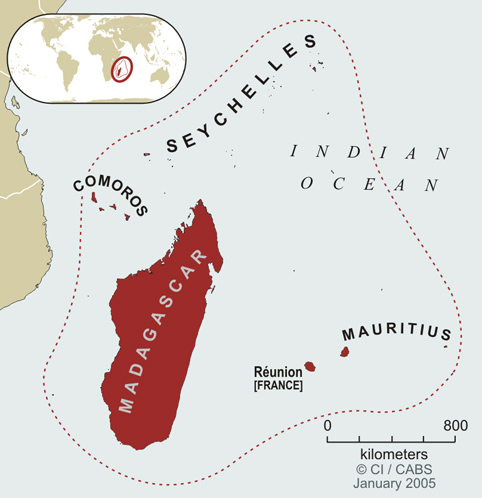
Located in the Indian Ocean, East of Mozambique and with an area approximately three quarters the size of New South Wales, Madagascar is the fourth largest Island in the world. The country has an estimated population of over 22 million and according to the International Fund for Agricultural Development (IFAD), 69% of the island’s inhabitants live below the poverty threshold,  with the majority (85%) living in rural areas.

The island of Madagascar and some of its Indian Ocean neighbors. © Conservation International

The island of Madagascar and some of its Indian Ocean neighbors. © Conservation International

Biodiversity in Madagascar

The geographical isolation of the island means that over time, many species have evolved uniquely and cannot be found anywhere else in the world. According to Conservation International, Madagascar along with some of the smaller islands in the Western Indian Ocean is the tenth most important biological hotspot out of 25 worldwide. The number of species and their endemism for the region is summarized below.

table

Table 1 – Diversity and endemism in Madagascar and Western Indian Ocean Islands
(Conservation International)

Left - Black-and-white ruffed lemur (Varecia variegata).Photo R. Quatre. Top left – Smallest chameleon (Brookesia micra) Photo digitaljournal.com. Bottom right – Baobab trees. (Photo mydestination.com).

Left – Black-and-white ruffed lemur (Varecia variegata).Photo R. Quatre. Top left – Smallest chameleon (Brookesia micra) Photo digitaljournal.com. Bottom right – Baobab trees. (Photo mydestination.com).

Threats to Biodiversity in Madagascar

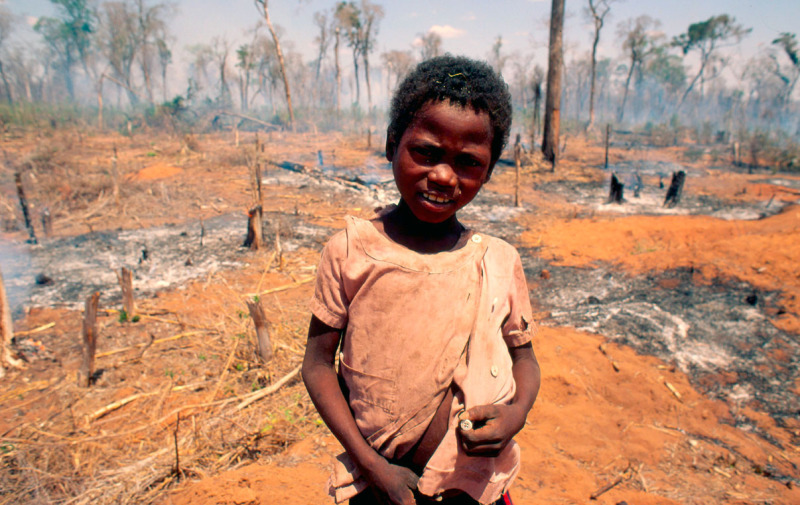
The major threats to Biodiversity in Madagascar include deforestation/habitat destruction, agricultural fires, erosion and soil degradation, over-exploitation of living resources and invasive species. A process known as ‘tavy’ or slash and burn agriculture is practiced where forests are cleared and farmed for a few years before being left for a few years before the process is repeated. This often results in erosion of the land and also the establishment of invasive plants. Some animals are hunted for food with some species such as the elephant bird driven to extinction since the 18th century. Other species such as reptiles and amphibians are collected for the international pet trade.

A child in a forest burnt for agriculture. Photo WWF

Biodiversity and Poverty challenges

With almost three quarters of Madagascar’s population living in poverty and with most of them (85%) living in rural areas, most people survive by either subsistence farming or directly exploiting the remaining natural forests and other natural resources. As a result these activities negatively impact biodiversity in the country. Although there are quite a number of programmes to preserve biodiversity and reduce poverty, threats to biodiversity are still very high. Being in a political crisis since 2009, issues such as political stability, high levels of corruption, economic growth and welfare of the population definitely become priorities over the conservation of biodiversity.

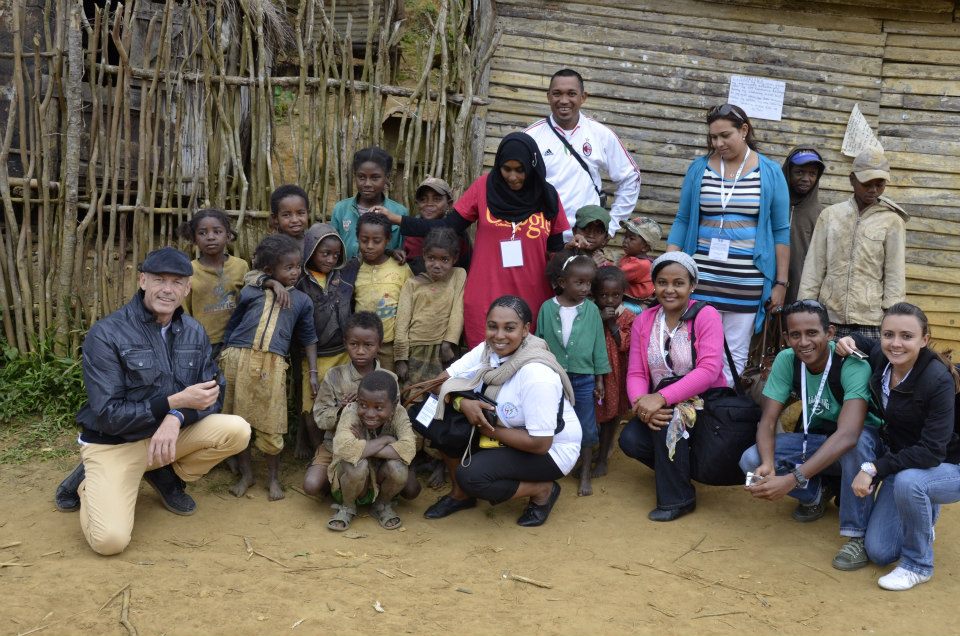
Visiting group of inhabitants relocated by from a national park for the creation of wildlife corridors. Photo R.Quatre

Madagascar illustrates the broader issues for biodiversity loss in developing countries where unfortunately most hotspots are located. In these regions, issues such as poverty and economic growth automatically precede environmental conservation and the challenge now is how to use interdisciplinary approaches to generate tangible solutions towards poverty alleviation whilst simultaneously safeguarding the biodiversity of our planet for future generations.

Rodney Quatre, Student, Australian National University

Posted in Uncategorized | 4 Comments