Agri-Environmental Practices in Ancient China

As one of the most biologically diverse landscapes, China has more than 7,000 years of agricultural practices in history (Liu et al., 2013). Producing food largely in a self-sufficient manner, the traditional farming practices incorporate biodiversity-friendly landscape management such as organic manure application, integrative farming approaches like rice-fishery systems and diversified cropping system. These practices, on one hand successfully supported the ever-growing population in ancient China; on the other, they maintained the agro-landscapes with soil fertility, structural habitat complexity which favoured the sustenance of species richness and stable ecosystem operations. This blog takes a look at what and how these traditional practices managed to achieve the nowadays conflicted agenda regarding food production and biodiversity conservation, and then it discusses future implications for conservation on agricultural lands.

Terracing is a typical traditonal farming practice in China which utilises resources along the landscape in an efficient way.

Terracing is a typical traditonal farming practice in China which utilises limited resources along the agricultural landscape in an efficient way. (Photo by me in 2006, Longsheng, Guangxi Province of China)

Organic manure application:

Using animal manure and agricultural waste, organic manure application improves soil bacterial communities and foster a shift of the composition within it. It is a traditional mainstream farming practice in China ever since the Shang dynasty, 3,000 BC.

Integrative farming systems:

Characterised by small-scale production, integrative farming systems usually combine crop growing, animal husbandry and fishery together. Such a practice forms a stable and yet structurally complex ecosystem and enables it to deliver services like natural pest control, sustainable high yields and ideal micro-climatic conditions in a resource-efficient manner.
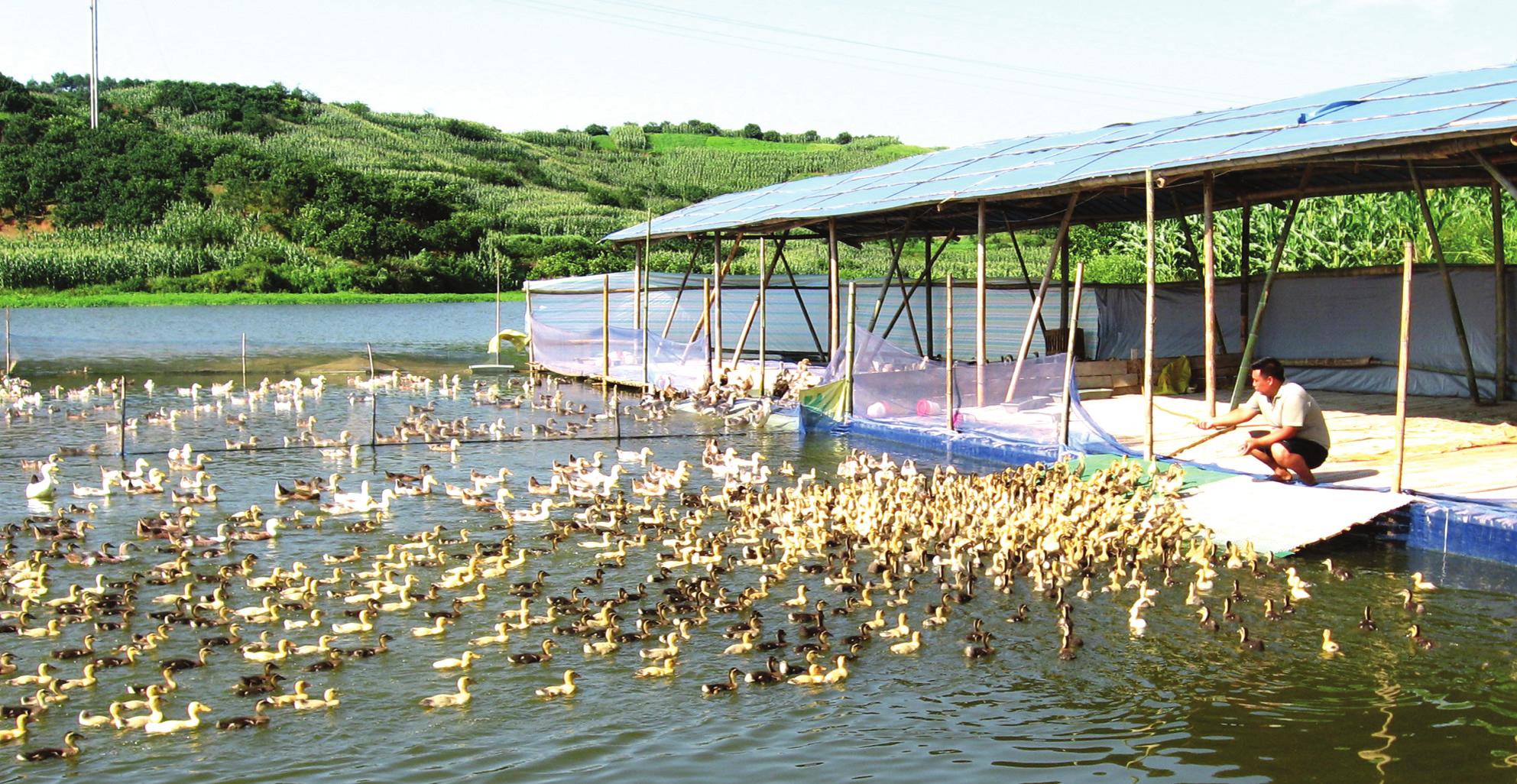
Integrative farming system of duck breeding and fishery in Hunan Province of China.

Integrative farming system of duck breeding and fishery in Hunan Province of China. (Source:http://epaper.shaoyangnews.net/epaper/syrb/html/2010/07/28/01/01_36.htm)

Diversified cropping system:

Diversified cropping system aims to address the requirement for high-yield and limited resource availability on the agricultural landscape. By coordinating the interactions between crops and the environment spatially and temporally, the system sustains a more diverse range of habitats and species, and it is less vulnerable to pests and diseases than monoculture.

Intercropping provides a more structually complext habitat for species on agricultural landscapes.

Intercropping of taro and corn in Yunan Province, China. Intercropping provides a more structually complext habitat for species on agricultural landscapes. (Source: http://www.fy.qj.gov.cn/new_lanmu2.php?wzid=4675)

With the arrival of industrialisation and technological advancement, China has undergone the transition from traditional to the modern intensive agricultural production mode. The specialised division of labour encourages mechanised massive production, and de-peasantises the labours from agricultural lands to urban development. Facing global problems such as over-population, environment degradation, urban expansion and climate change, the industrialised farming practices induce greater pressures to biodiversity especially on the agricultural landscapes. In contrast to this, agri-environmental schemes lack policy support or framework as both the central and local governments put their focuses mainly on natural habitats rather than farm lands conservation currently.

Drawing mainly from empirical knowledge inter-generationally, the wisdom from ancient times leaves us space for progressing towards biodiversity-friendly farming practices. Put up by Harvey (2000), “Edilia” is an enlightened idea on developing sustainable urban communities when the world faces biodiversity decline, overpopulation and food (in) security. It proposes potential sustainable food production and human-environment harmony which include: (1) community-based production, (2) self-sufficiency on a community scale, and (3) human-environment sustainable interaction. Where does the future lie? Human beings cannot and should not be the only one who decides.

About the author:

Huan Zheng, BA in Sociology and Environmental Studies, the Australian National University.

Further readings:

FAO. (2013). “Semi-intensive food-fish production in ponds.” Food and Agriculture Organisation of United Nations, available from http://www.fao.org/docrep/005/AD016E/AD016E06.htm.

Harvey, D. (2000). “Edilia”, or “Make of it what you will”, in Spaces of Hope, Berkeley, University of California Press.

LIU, Y., DUAN, M. & YU, Z. 2013. Agricultural landscapes and biodiversity in China. Agriculture, Ecosystems & Environment, 166, 46-54.

Posted in Uncategorized | 1 Comment

Biodiversity Conservation – Mindanao Style (Philippines)

(For personal safety reasons all identifying details have been omitted)

Ekaf Eman is a forestry student like me. He attends university (Mindanao State University, Philippines) and like me has to contend with handing in assignments on time, balancing study/life commitments and contending with what his future will hold. However there are a few differences.

Illegal Logging

His home town is the outlet of the immediate watershed and was known as the “timber city of the south but now it is experiencing the adverse effects of unsustainable logging”. It now floods from January to February, a result he believes is from illegal logging. The resulting siltation level is high and the water colour looks like chocolate. When it floods (think Monsoon season) the logs that have been illegally harvested rush downstream destroying everything along the way including buildings, roads, bridges and lives.

Illegal LoggingSource: http://www.tiarara.com/wp-content/uploads/2011/12/405990_283464621705571_100001261066388_863562_2003601148_n.jpg

His region has numerous check-points for law enforcement. Illegal logging trucks go through them with the toss of a few pesos. This has become business as usual. When stationed at a checkpoint all he has is a pen, paper and stamp. The people he is trying to stop have guns.

Monitoring Station Source: http://news.mindanao.com/2008/09/caraga-ngo-leader-gets-death-threats-after-exposing-illegal-logging-activities/


Community Conflict

Conflict in Mindanao is primarily a result of Christians being given land by the government in the early 1970’s without community consultation with in the Muslim dominated island. The 40 year civil war continues to this day.

The whole island of Mindanao is listed as ‘do not travel’ under the Australian Governments Smartraveller website. This despite danger hot spots only being truly present in Lanao del Sur and the island of Sulu where even Ekaf will not travel. The ironic benefit of this has meant that timber companies have not gained access. This has reduced large-scale native timber harvesting but biodiversity loss still occurs.

University Life

Internet speeds are slower than dial-up (“Facebook takes 30minutes to load”) and limit the ability to collaborate on conservation issues and gather external content to enhance capacity. I can stream in real time.

Ekaf’s university is located in the mountains and is close to conflict zones. Last year an armed car drove into his campus and emptied a few rounds. The school closed down for two weeks to let it calm down.

Army carSource: http://www.mindanews.com/photos/marawi-ambush/

In his university some people carry guns. When there is a problem the gun speaks. Thankfully Ekaf has not been injured. I only worry about basketball injuries and RSI.

Females are very vulnerable. When there are robbers in the dorms and they see women it is common for them to be violated. Despite this female enrolments are still high.

“They fight for their education. They have no choice”.

Ekaf’s class practical involved engaging in community based education seminars aimed at assisting poor people to improve biodiversity conservation outcomes. Illegal poaching by villagers is common as a means of survival. Despite the prospect of arriving unannounced to a hostile village, Ekaf, his fellow students and lecturer (imagine leading that one Phil, Nicki and tutors) must do so to attempt to gather evidence of illegal activity. Even if evidence is found they cannot really prosecute the person because the fine can’t be paid and imprisonments will more than likely result in the primary provider being taken away.  The obvious consequence being hardship for young children.

Mining vs. Indigenous People

Indigenous people have been granted ancestral claims and they own the land (Indigenous Peoples Rights Act (1997)).

“This acknowledges their presence since time immemorial”.

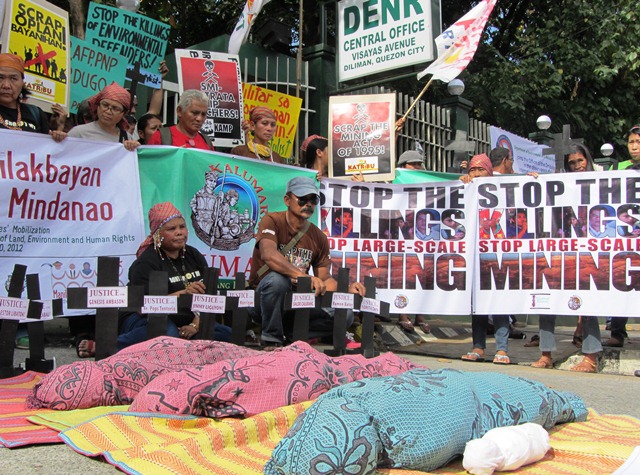
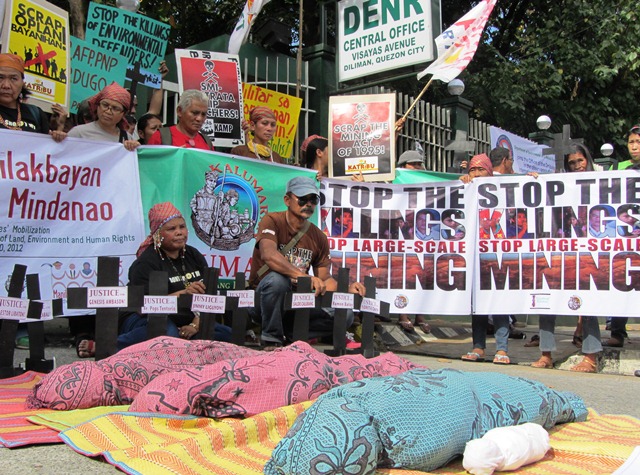
As a legal requirement mining companies must get ‘free prior informed consent’ from the tribal leader. Most leaders do not allow this because they know that the majority of profits will go to the mining company. To overcome this many companies displace tribes through intimidation. Consequently some are killed, and some kill.

 LossSource: http://bulatlat.com/main/wp-content/uploads/2012/12/denr_stopwhle.jpg

Ekaf and his fellow students try to engage with this issue through supporting rallies. They take a multi-sectoral approach including NGO’s and government agencies. I just sign online petitions and click send.

MY-Moro-Youth-STAND-FOR-PEACE-IN-MINDANAOSource: http://www.peacetech.net/blog/2012/statement-on-the-clashes-in-marawi-city-and-maguindanao-by-my-moro-youth-stand-for-peace-in-mindanao/

After meeting Ekaf I feel even more privileged to come from a developed country. His stature is small but his courage is large. He is the result of an interfaith youth engagement program between Muslim and Christian teenagers. He tells me that “change is just around the corner”. I wonder if after he has dealt with the challenges of biodiversity conservation from illegal activities that he will then have to deal with the challenges of biodiversity conservation from legal activities.

Legal logging 

Further Reading

NGO Perspective

http://www.refworld.org/cgi-bin/texis/vtx/rwmain?page=topic&tocid=463af2212&toid=469f2ec82&publisher=&type=&coi=&docid=4fedb3f2c&skip=0

http://www.envirosecurity.org/sustainability/presentations/Wicks.pdf (p33)

http://www.internal-displacement.org/idmc/website/countries.nsf/%28httpEnvelopes%29/658548A8400046B8C12572820035EA38?OpenDocument

Click to access Mindanao.pdf


Government Perspective:

http://businessmirror.com.ph/index.php/news/nation/14081-responsible-mining-can-be-life-changer-in-mindanao-dureza


Academic Perspective

http://www.tandfonline.com/doi/abs/10.1080/09512740500189199#.UaWaWtha-vY

http://onlinelibrary.wiley.com/doi/10.1111/j.1541-0064.2007.00193.x/abstract;jsessionid=6099359B84D03C676C8FA8A837850F74.d02t04?deniedAccessCustomisedMessage=&userIsAuthenticated=false


Conservation Perspective

http://www.conservation.org/FMG/Articles/Pages/warfare_in_the_hotspots.aspx

News Items

http://www.illegal-logging.info/item_single.php?it_id=1783&it=news

http://news.mindanao.com/2008/09/caraga-ngo-leader-gets-death-threats-after-exposing-illegal-logging-activities/

http://www.trust.org/spotlight/philippines-mindanao-conflict/

http://bulatlat.com/main/2011/10/19/peace-advocates-press-for-release-of-3-npa-hors-de-combat-in-mindanao/

http://www.mindanews.com/photos/marawi-ambush/

Posted in Uncategorized | 1 Comment

Conservation from the Perspective of Animal Behaviour

The struggle to conserve wildlife populations and preserve biological diversity is often impeded by in our inadequate understanding of animal behavior. How do animals react to get in forested land, or you or hunters? Do the variances in gender, age, size, or experience influence animal reactions to situation? The differences in individual behavior determine the success or failure of a conservation initiative, yet they are seldom ustalised by policies and strategies. Knowledge in the behavior of focal animals may help increase the effectiveness of conservation programs.

For example, captivity and release programs for conservation purposes have come about as result of behavioral studies. Captivity can compromise natural animal behavior and reduce the success of reintroduction programs (Linklater 2004). Successful release conservation programs utalise information provided from behavior on ‘free-range’, animals born in the wild (movements, range size, habitat preferences, shelter requirements, foraging and feeding ) to design practices  to improve replication of these behaviours.

Image 

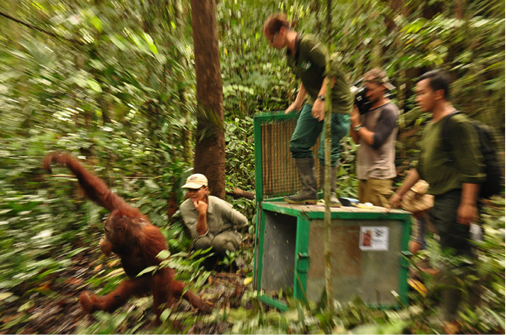
Image1. Released by the Borneo Orangutan Survival Foundation capture the moment that a young orangutan called Terusan was released into the wild, running from the cage waving his arms above his head. Terusan was one of 21 orangutans released into the wild at the Bukit Batikap Conservation Forest earlier this month after finishing jungle school.

The general strategies employed by individuals to maximize fitness plays an important part when their natural behavior leads to conservation problems in habitats now occupied by humans.

Specialize predators are good example of how animal behavior can affect wildlife management on a local scale.  For example in the 1980’s Radio collared Cougars (puma concolor) in southwestern Alberta, Canada were known to hunt deer and wapiti, one female cougar suddenly switched to preying on domestic dogs and hunting hounds; possibly as a response to increased residential development in their habitat. The normal reaction of a cougars perused by hounds is to climb a tree – as they would when perused by a pack of wolves. It is likely, climbing trees is an adaptive response to wolves. However, once a cougar had learned dogs are easier to kill, it may change its behavior and attack rather than flee.

 Image

Image 2. One Of The Collared Cougars In A Tree Along The Southern Alberta Foothills. (http://www.agcanada.com/albertafarmer/2011/09/26/cougars-padding-silently-through-prairie-towns/)

With domestic dogs living in human quarters, and causing concerns in social situations, it would be very helpful for managers to know if the dog attacks are generalised or limited to specialized cougars. This example demonstrates how behavior, even in at the individual level can affect many aspects of wildlife management

 However you choose to look at wildlife management or conservation, the practical application involves considering both human and animal behaviours. Such knowledge needs to be adopted by those in the profession of managing wildlife.


On a personal note, I highly recommend the text ‘Animal behavior and wildlife conservation’ by Marco Festa-Bianchet and Marco Apollonio. This is a fantastic book focusing on the benefits of incorporating behavior into conservation.


REFERENCE

Apollonio, M., Marco Festa-Bianchet, M. 2003, Animal Behavior and Wildlife Conservation, Nature, Environmental Conservation & Protection Washington, DC : Island Press.


Linklater, WL. 2004, Wanted for conservation research: behavioral ecologists with a broader perspective. BioScience 54: 352-360.


Bell, BD., Moore JA. and Linklater, WL. 2008, The Debate on Behavior in Conservation: New Zealand Integrates Theory with Practice. BioScience 2008 58 (5), 454-459


McPhee, EM. 2002, Generations in captivity increases behavioral variance: considerations for captive breeding and reintroduction programs. Biological Conservation 115: 71-77.                


Posted in Uncategorized | Leave a comment

The Dichotomy of Conservation and Production: Reconceptualising Biodiversity

Ecosystem Engineers

Management of the Australian landscape drastically changed with the arrival of Europeans in the 18th Century. Not only did the colonisers bring with them management techniques adapted to completely different ecosystems, they also brought the dominant paradigm of that time: that nature needed to be conquered by man. The advent of the industrial revolution and the subsequent replacement of traditional techniques for the extraction of food, fibre and shelter from ecosystems with fossil-fuelled machinery saw the fruition of the eternal struggle between man and nature. We have now entered a new geological era, the anthropocene, defined as such because of the degree to which humans now manipulate the earth’s biogeochemical processes to serve human purposes. In doing so, civilisations have begun to consider themselves separate from and superior to the natural world. This anthropocentric mindset has created a cultural and cognitive divide between the healthy functioning of ecosystems and the services these ecosystem provide (ecosystem services), such a clean water, food, waste decomposition and climate regulation. In essence, we have forgotten that we rely on the natural world not only for quality of life, but life itself.

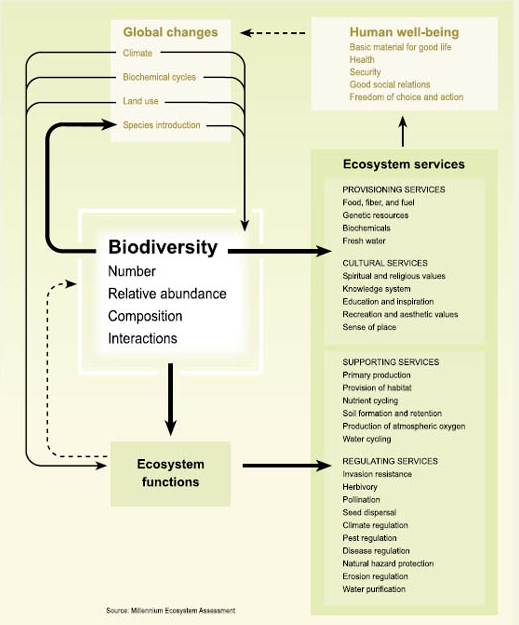
Picture 6 Diagram from the Millennium Ecosystem Assessment showing relationships between biodiversity, ecosystem services and human well-being.

 Production vs Conservation

But what does this have to do with biodiversity conservation? By understanding the paradigm within which we live, we can begin to understand why current land management decisions are being made. In recent decades, the importance of natural ecosystems is again being recognised and environmental movements have advocated the need to conserve them. Such conservation movements have made headway by reconceptualising the way natural resources are valued and managed. The establishment of national parks, nature reserves and land care groups are good examples. Yet the colonial paradigm – that is, the segregation of humans and natural environments – pervades and persists. It creates a spatial and conceptual divide between land which is managed for human purposes – productive or urban land – and land which is managed for biodiversity – conservation land. Fundamentally, this view fails to conceptualise the human being as part of the natural world and part of biodiversity. It is therefore unequipped to recognise the systemic nature of biodiversity threats.

The real threats

Ironically, although we consider humans separately from ecology, it is humans who are the underlying causes of biodiversity loss. Every decision we make as an individual impacts biodiversity. Many of these choices, particularly the consumption of products and services, have unforeseen consequences which negatively impact upon ecosystems. Collectively, these decisions create societies in which provisioning systems, such as those for food, energy and transport, are degrading ecosystems globally. These social and economic systems create social norms so that many people aspire to have lifestyles in which their everyday actions indirectly cause ecological harm. Many such people simultaneous seek to protect biodiversity, however, due to the spatial and temporal disconnect between ecosystems and their services, people are unaware of the impacts their actions have upon the environment. Until we recognise these systemic realities and their inherent causal relationships, biodiversity will continue to decline. Biodiversity is impacted by the way in which non-conservation land, such as urban and agricultural areas are managed. In fact these land uses are becoming more common as populations increase, however they have great potential to support biodiversity when managed from a human-ecological perspective. Biodiversity is what exists when landscapes are not degraded.

Picture 7

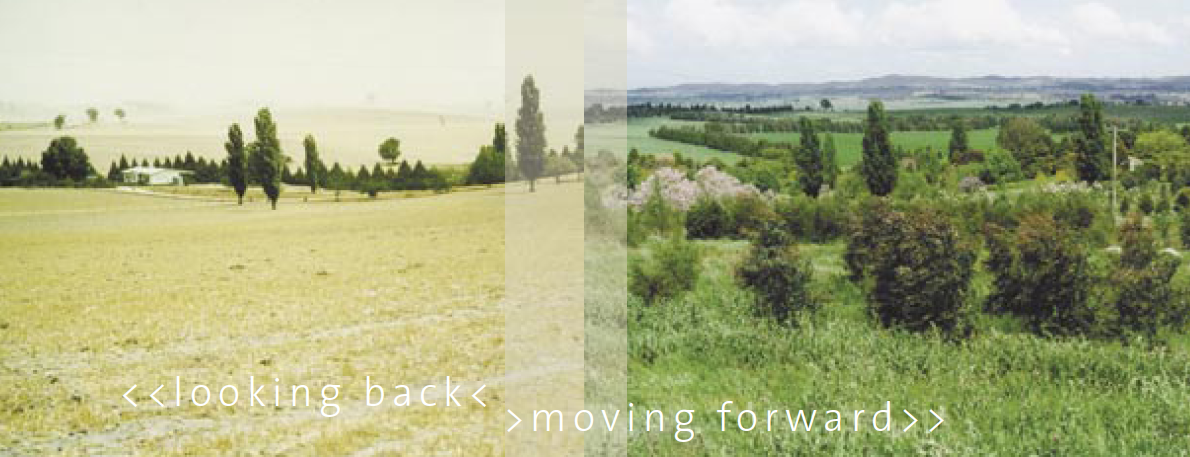
Revegetation of a once degraded landscape at Lynfield Park, on the NSW southern tablelands, producing livestock and tree products and supporting a diversity of flora and fauna (Weatherstone, 2003)

 Redefining biodiversity 

Biodiversity decline is directly caused by a failure to comprehend the meaning of biodiversity, and the subsequent definition and measurement of success, which shapes management styles. The era in which the narrow and separatist definition assigned to biodiversity conservation arose is now in gradually declining. Conceptual frameworks used in the discipline of biodiversity conservation are now broader than original focus – to protect and preserve endangered cute and cuddly animals and their habitats. While species-centric work is valuable and necessary, it is only a fraction of the biodiversity pie. Yet, unfortunately, the term biodiversity conservation continues to evoke such connotations, rather than its accurate meaning; the management for diversity of life.

 The term therefore needs reinvigoration. We need to shift the focus from the conservation of species and vegetation communities towards a broader, more holistic approach, which seeks to actively improve and enhance our natural capital. Biodiversity can be produced, not merely conserved, if we consider the systemic interdependence of humans and ecosystems. By imagining the landscape we desire and indeed require; landscapes which provide a range of ecosystem services – supporting, regulating, provisioning and cultural; we will effectively manage for both biodiversity and production.

References

Weatherstone, J., 2003. Lyndfield Park: Looking Back, Moving Forward, Land and Water Australia & Greening Australia.  

Leila Alexandra

Posted in Uncategorized | 1 Comment

Why Conserve Biodiversity?

Text and photos by Heitor Cavalcanti de Albuquerque (u5250410)

It is interesting to think about the fact that despite all organisms exhibit the same controlling structure (DNA expression), the variety of forms, colors, size, perception of the world and a lot of others characteristics are incredibly huge. Not only physical characteristics, but also the way of living where products and sub products that are created make relations between living beings vital for the life of all.

Natural events already caused the extinction of various species, and the processes on Earth led to the evolution of the remaining life and opened again the “tree of biodiversity”. So extinction is not a problem, it only becomes one when viewed by humans’ eyes; but at the same time we assume it as a “problem”, our activities are causing Earth’s sixth major extinction event (Chapin III et al., 2000).

Pavan Sukhdev is a researcher that shows the economic importance of biodiversity known as “economic invisibility of the nature” where different ecosystems and individual species services are worth a lot of money while nobody needs to pay for it as nature is considered a public good. Garrett Hardin (1968) said that the inevitable outcome of the public goods is the “tragedy of the commons, in which individuals who consume a shared resource according to their own self-interest are bound to destroy it.” Almost fifty years after this statement, Sukhdev affirms the tragedy of commons is greater than ever and natural resources are under increasing pressure of human impacts, even though this may bring impacts for us (Sukhdev, 2009).

Medicines, nutritious foods, cosmetics, clothes and other products are provided by biodiversity, the importance of which is given by bioprospection. Although the importance of bioprospecting, the results of Costello and Ward (2006) showed that its conservation incentive is insufficient to generate much private-sector conservation, reminding that private-sector cannot efficiently provide public goods.

The idea of setting property rights in biodiversity raises questions about the ethics involving this market-based conservation and the divergences that this could bring when presented to different cultures. Over the various cultures around the world, there are various reasons of the importance of specific species conservation to each culture, which regard: religion, beliefs, direct resource importance (especially for indigenous people) and others cultural values. The ethno biologist Victor Toledo wrote that “world’s biodiversity only will be effectively preserved by preserving diversity of cultures and vice versa” (Toledo, 2001).

Although all the strong scientific background presented, I firmly believe that there is meaning in life, and its reasons are also capable to answer the question “Why conserve biodiversity?” This does not imply an answer with words; maybe the reason is just life itself. But it is hard to really understand that biodiversity has its own values and this is reason enough to conserve it. The nature of the question, which is formulated in a human-structured way of thinking for a human response, indicates that all possible answers will regard our interests.

Maybe we should have more contact with the different forms of “DNA expression”; maybe just personal experience of being in their presence will trigger personal understanding and answers. But while we think about “non-scientific” answers, we should keep in mind that the threats to biodiversity are real, and that actions regarding its protection are needed.

References

Chapin III, F. S. et al. 2000. Consequences of changing biodiversity. Nature.

Costello, C. and Ward, M. 2006. Search, bioprospecting and biodiversity conservation. Journal of Environmental Economics and Management.

Hardin, G. 1968. The tragedy of the commons. Science.

Sukhdev, P. 2009. Costing the Earth. Nature.

Toledo, V. 2001. Indigenous people and biodiversity. In: Encyclopedia of Biodiversity.

Posted in Uncategorized | Tagged , , , | 1 Comment

One Step Closer to Bring Back Extinct Animals: Breakthrough in Human Cloning

Scientists have produced human embryonic stem cells (ESCs) using the same cloning technology (somatic cell nuclear transfer (SCNT)) that created Dolly the sheep and the many cloned animals that have followed. The study was carried out by researchers from Oregon Health and Science University (OHSU) and Boston University School of medicine in the US, as well as Mahidol University in Thailand. The paper published online by the journal Cell on 15 May. This is the first time the technique has been successful generating human cells.

ESC

These are the main steps of SCNT which transfer genetic material from adult skin cells into egg cells. SCNT involved preparing nucleus from a person’s skin cells and the egg cells from women that had its nucleus removed. Then insert the skin cells into an unfertilized egg cell to fuse the donor egg cells with human skin cells. Scientists using chemical compounds and electricity to induce the egg cells to behave in a similar way as normal fertilized eggs: continue to divide into other cell types which could be used for specific tissues needed. When the division yield reached 150 cells—stage called blastocyst—we could harvest the embryonic stem cells. These cells were able to develop into other types of cells and, successfully, there were no genetic material from the donor egg cell nucleus.
EESC

 Source: Oregon Health & Science Center, Cell Frank Pompa, USA TODAY

As the we could generate embryonic stem cells which have the ability to develop into several different types of cells using adult skin cells, there emerge more possibilities and opportunities in medical areas. A new way to repair the damaged tissue , replacing the patient’s own generating tissue, would be put into practice in a near future. In theory, this should prevent the body from rejecting the cells. However, to translate this technology to regenerative medicine or other medical therapies still has a long way to go.

stemcell-1305171827_4_3_rx383_c540x380

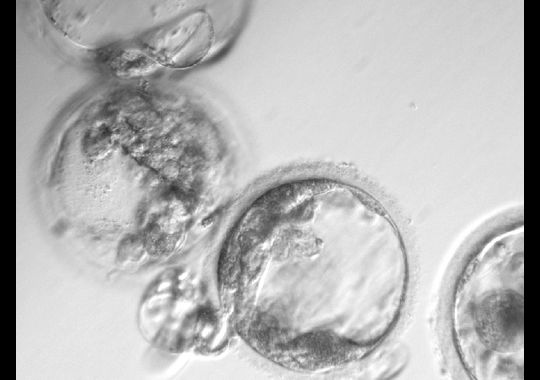
Cloned human embryo cells. (Photo: OHSU Photos)

Remain ethical concerns should be taken into account. Even though there was no intention of producing a live cloned human being in this research, we can’t guarantee there won’t be any in the future. Considering the fact that Dolly the sheep was abnormal and died early, there would be a strong possibility that the human stem cells might not be normal either. If the technology matured in the future, the only problem would be the shortage of eggs. That might arouse risks of creating an organ trade. In this experiment, the egg donor received US$3, 000–7,000 in compensation.

Riva Gao u5155876

Posted in Uncategorized | Leave a comment

Zoos – An Important Conservation Tool?

Zoos have always been a topic of debate, with conflicts between those who argue they save endangered species and educate the public, to animal rights activists who believe the costs outweigh the benefits.  It is a two sided argument and I believe both sides raise a number of worthwhile points.

The Positives  

Zoos are able to educate the public and inform about important biodiversity issues.  They provide protection for endangered species that are no longer present in the wild, free from the pressures of habitat loss, starvation and predators.  As well as this, the majority of larger scale zoos readily support conservation, funding various national and international conservation projects.  Australia Zoo currently has programs running for crocodiles, tigers, wombats, elephants and cheetah.  Breeding programs are also undertaken for endangered species.

animal encounters aim to raise awareness while gaining an appreciation for the animal

animal encounters aim to raise awareness while gaining an appreciation for the species

The Negatives

From an animal rights standpoint, confining animals is morally wrong.  You wouldn’t lock up an innocent human being, so why do it to an animal?  Difficulties can often arise with a lack of genetic diversity, which leads to weaker offspring.  This means that animals often have to be transferred between different zoos.  Some species (such as pandas and elephants) are just too difficult to breed in captivity.  A major issue is that of re-introduction.  Species threatened by habitat loss will not be safe unless suitable ecosystems are protected and those at risk from poaching will not be safe until a change in attitude occurs.

Animal confinement, a highly contentious issue

Animal confinement, a highly contentious issue

Opinions

Zoos provide a number of public benefits through recreation and education.  They protect critically endangered species and support conservation projects.  However, I believe that more funding should be directed to wild animal conservation, as this is where animals primarily belong.  Money could be channelled towards protecting animals’ natural habitats, lobbying to stop poaching and establishing protected reserve areas.  Support should also be given to conservation/volunteer organisations, such as African Impact.  The organisation runs a four stage release program for lion rehabilitation in the area.  Cubs are raised from birth as in a zoo but then progress through to a large managed ecosystem, where they are as close as possible to their natural environment in the wild.  A final stage then sees prides released directly into the wild.

A lion cub being raised in its natural environment through the African Impact volunteer program.

A lion cub being raised in its natural environment through the African Impact volunteer program.

(David Perfrement – Bachelor of Science)

Posted in Uncategorized | 1 Comment

Politics as usual

In the past 3 years a heated up discussion has been going on in Brazil about the creation of a new National Environmental Law. Brazil holds a huge parcel of of the world’s natural areas, but it is of common knowledge that the management of this remnants is far away from being a model. So why aren’t things working?

Biomes of Brazil.

Biomes of Brazil. (Source: IBGE)

If we look back to the old National Environmental Law it was actually a good model. Brazil is a diverse country holding 6 major Biomes. Worried about the basic functions of the natural ecosystems, in the 30’s many scientists worked on the creation of a legislation that could be used countrywide. In 1965 it was modified into a more applicable version. This 1965 model was the one present until 2012 and had few modifications over time. Basically it established protection to the permanent protection areas (PPA) which are water springs, river basins and hilltops, and also legal reserves (LR) which are a percentage of the land with size dependant the Biome it is located (this areas cannot receive low cut but can still be used for wood management, non-timber products and other secondary uses). The legislation technically good technically and should prevented most of environmental abuses around the country.

River dividing the Araucaria angustifolia moist forest and the native grasslands. (Picture by Zig Koch)

River dividing the Araucaria angustifolia moist forest and the native grasslands. (Picture by Zig Koch)

The problem of this legislation, that is actually the reason why a new one was created, is that it was too broad. Several years of unsuccessful monitoring along with many changes caused a severe illegality situation around many big and small properties. In addition, the government monitoring system wouldn’t work properly failing to reach all areas and suffering from many cases of corruption.
The creation of a new National Environmental Law began trying to solve this problems, but it rapidly excluded the academy and became a political issue. Instead of adapting the law to different scenarios across the country the politicians though that lowering the demands would be the best solution. So the new legislation included, amnesty to those who cleared PPA before 2008, reduction of PPA and LR and permission for each state to lower it even more if they want to. Many scientists in Brazil have warned about the importance of having a legislation that represented the county’s ecosystem diversity. The studies to implement this model would demand a few years and a lot of patience, but taking in consideration the seriousness of this issue time shouldn’t be a problem.

National Congress of Brazil.

National Congress of Brazil. (Picture by Dida Sampaio – Agenda Estado)

After three years of political discussions the new Environmental Law was approved with many hollows favouring the powerful big landlords (sometimes politicians themselves), leaving small farmers in the same difficult situation and failing to provide minimum conditions for the conservation of many key natural areas.
As a part of the academy it is hard to be ignored in such an important issue. Brazil has the opportunity to innovate and come out with a complex but applicable legislation that agrees with the country’s size and diversity. But politicians have chosen a loose legislation to add everyone back to legality. This definitely characterises a national throwback. Brazil is one of the main actors in the world’s climate change discussion and is still a hostage of the rich minority’s will and demagogic speeches.

References:
http://www.zigkoch.com/
http://www.spvs.org.br/
http://institutolife.org/

Student: Ricardo Aguiar Borges U5308717
Exchange Student at ANU
Forest Engineering Bachelor Student at UFPR

Posted in Uncategorized | Tagged , , , , , | 1 Comment

Reintroducing predators: Hokkaido island in Japan

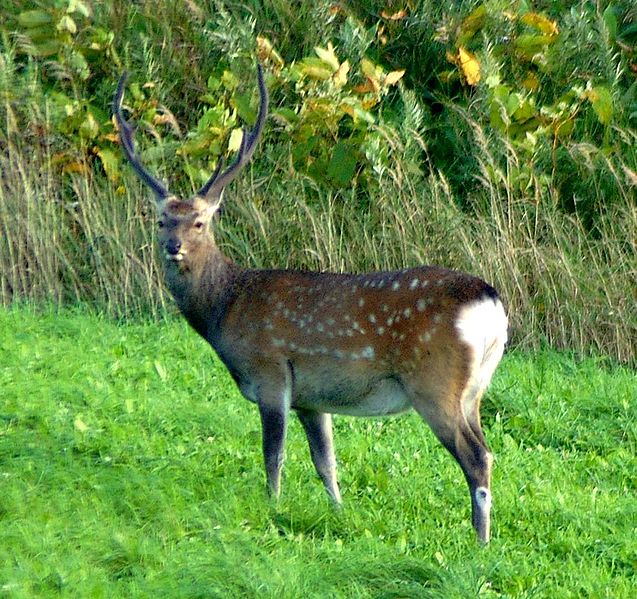
Hokkaido is the most northern and biggest prefecture in Japan. This place is well-known for its beautiful nature, however, there are serious environmental, social and economic problems caused by the excessive increase of native deer: the Ezo Deer. The height of Ezo deer is 140-180 cm (the big ones exceed 2m!), and the weight of the heaviest one is over 170kg. So, they are not only harmful as pests which eat agricultural products, but also dangerous as causes of car accidents. I lived in Hokkaido when I was at a Japanese university. So I heard about lots of people bumping into Ezo deer, and sometimes the people died by the car accident. In addition, these deer damage the ecosystem by eating particular types of plants.

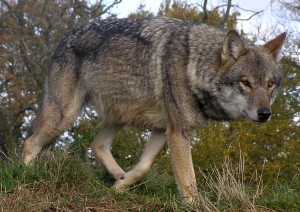
The Ezo deer have become an issue because of the absence of predators. Actually Japanese native wolves called Ezo wolves existed as predators on Hokkaido about 100 years ago, yet they became extinct due to diseases and hunting. However, lately the Japan Wolf Association is suggesting a plan to reintroduce a similar predator. They intend to reintroduce European wolves which are genetically close to the extinct Ezo wolf. But local government and farmers object to this plan, because there is a high possibility that the introduced European wolves will start to hunt livestock, and also control of the wolves will require expensive running costs. Therefore, this plan has not yet been realized.

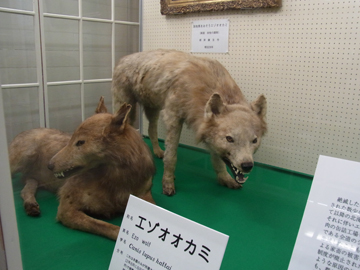
Ezo wolf which became extinct during the Meiji era (around 100 years ago). Source: http://www.sapporo-tourguides.com/news/botanical-garden-in-sapporo.html

Ezo wolf which became extinct during the Meiji era (around 100 years ago). Source: http://www.sapporo-tourguides.com/news/botanical-garden-in-sapporo.html

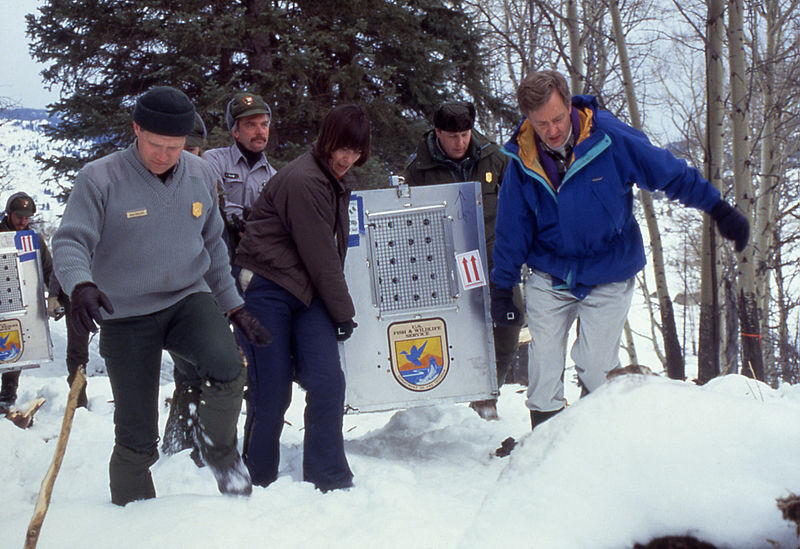
However, there is a precedent where wolves have been reintroduced to control a feral animal. In the Yellowstone National Park in the US, there was damage to native vegetation caused by excessive increases in the number of elk. The cause of this increase was the extinction of a predator: the grey wolf. Thus, the Federal government decided to reintroduce this species. As a consequence, the resilience of the biodiversity in the national park has been reported. In addition to the recovery of vegetation, the number of beavers and red foxes have also recovered, since the grey wolves reduce the number of coyotes which compete with red fox and hunt beavers and do not hunt elk. This plan seems to have succeeded easily, but there was a long preparation period (around 30 years) and some conflict about the reintroduction of wolves. The first idea of the reintroduction of wolves was submitted to the Congress in 1966, yet farmers who worried that wolves would attack livestock strongly opposed the plan. The Federal government kept negotiating with farmers while gathering the opinion about the reintroduction plan from general public. Moreover, continuous evaluations of environment were conducted during this 30 years period of negotiation. In 1987, the government established a fund for farmers to compensate for the loss of livestock, then in 1996, the plan finally was approved by Congress.

However, whereas the plan was successful in recovering biodiversity in the national park, some incidents of wolves killing livestock, and more alarmingly , killing human have recently been reported.

Situations of Japan and US are different, because in Japan, the reintroduction planned for the entire Hokkaido prefecture while in the US, the reintroduction was limited to Yellow Stone National Park. However, Hokkaido also has some national parks and the reintroduction could be limited to those areas.

Do you think wolves should be reintroduced?

Thanks for reading!!

Yamato Miyamura (u5035249)

References

Knight, J., 1998. Wolves in Japan? an examination of the reintroduction proposal, Japan Forum, 10 (1): 47-65.

Fritts, S. H., Bangs, E. E., Fontaine, J. A., Johnson, M. R., Phillips, M. K., Koch, E. D., and Gunson, J. R., 1997. Planning and implementing a reintroduction of wolves to Yellowstone National Park and central Idaho, Restoration Ecology, 5(1), 7-27.

“Defenders of Wildlife”. A Yellowstone Chronology, Accessed from: http://web.archive.org/web/20060602062712/http://www.defenders.org/wildlife/wolf/ynpchro.html (Accessed 30 May 2013)

Posted in Uncategorized | 8 Comments

Stem Cell Cloning: A Novel Approach towards Biodiversity Conservation?

If you were given a chance to clone a dead animal, which animal would you clone? A Tyrannosaurus rex? A woolly mammoth? Or your pet dog, Mr. Dodo? With biotechnology advancing at breakneck pace, scientists are very close to cloning extinct species such as the woolly mammoths!

The Woolly Mammoth. Picture courtesy of Canberra Times

In 2006, scientists innovated a novel technique that alters the genetic makeup of normal cells, giving them embryonic stem-cell like capabilities. This eliminates the need to harvest embryonic stem-cells for cloning, which had previously precluded the cloning of endangered and extinct animal species (due to scarcity of embryos). Following this breakthrough, scientists across the world have achieved varied successes in stem-cell cloning. For instance, Dr. Teruhiko Wakayama from the Riken Centre for Developmental Biology successfully cloned a mouse from a tissue sample that had been frozen for 16 years.

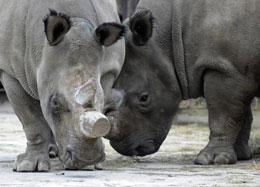
Only 7 northern white rhinos remain in the world today. Photo: Nature, International Weekly Journal of Science

Scientists are currently looking at saving critically endangered animal like the northern white rhinoceros (Ceratotherium simum) and the Drill (Mandrillus leucophaeus). There is also great optimism about using stem-cell cloning to revive recently extinct animals species such as the Woolly Mammoth, and the Dodo!

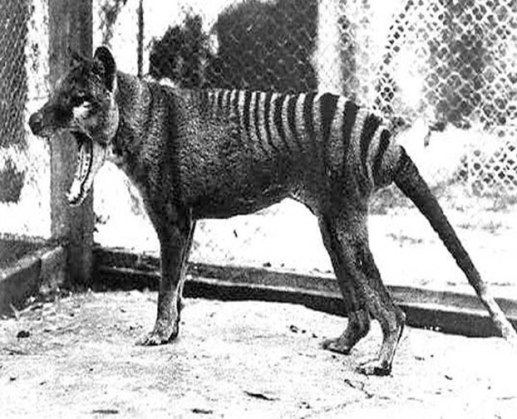
In Australia, scientists have been investigating ways to revive extinct species like the Tasmanian tiger (Thylacinus cynocephalus). Just two months ago, a team at the University of New South Wales successfully cloned embryos of the gastric-brooding frog (Rheobatrachus vitellinus), which became extinct three decades ago.

Despite all this optimism, scientists remain pessimistic about cloning dinosaurs such as the Tyrannosaurus rex because their DNA, the essential component in stem-cell cloning, have been annihilated by erosion over the ages. But avid Jurassic park fans are not taking no for an answer. After all, we used to believe that it was impossible to set foot on the moon!

The Tasmanian tiger died in Tasmania Zoo on 7 September 1936. Photo: Discovery News

“Playing God”

What is the role of scientists in the grand scheme of things? Do we play the role of a passive conservationist or do we stage a divine intervention and save our beloved animals from the cruel fate of extinction?  How do we decide which species to save? Some scientists argue that some animals should stay extinct because they are not suited for the current environment. Also, cloning does not negate issues like illegal poaching, extreme fishing, or severe environmental damage – issues that forced many animals to extinction in the first place. Furthermore, the cloned animals will likely be condemned to become museum exhibits because their extinct parents will not be around to teach them how to forage for food, mate, fly etc.

The issue of stem-cell cloning raises many bioethical conundrums, but let’s leave those questions to the scientists to frat over while we ponder on a more pertinent question –  what expression should we replace “as dead as a dodo” with? Because, as fate would have it, that idiom is on the verge of extinction.

Gordon SOON (u4806410)

[462 words, excluding title and captions]

Posted in Uncategorized | 1 Comment