EEEK! SSSNAKE! – Tracking the movement of urban-adapted Eastern Brown Snakes:

Casey Durant – U7567478

What’s your first reaction to seeing a snake in the wild? Hold on! let me rephrase that, how do you feel about snakes in your backyard!? 

In the ACT, various suburbs are surrounded by bushland nature reserves, the perfect habitat for Australia’s Eastern Brown Snake (Pseudonaja Textilis). This proximity between snake habitats and suburban homes encourages Eastern Brown Snakes to explore beyond the safety of their ecosystem and into backyards. This consequently provokes human-wildlife conflicts, resulting in snakebites to humans and pets, and homeowners attacking the species. Understandably, homeowners are not too happy with snakes venturing into their backyards. However, the snakes are also placed in a vulnerable position. 

When natural ecosystems coexist within urbanised areas, biodiversity is prone to experiencing human threats, with disruption to the natural function of ecosystems. However, the Eastern Brown Snake has adapted to urban development, and benefits from the sufficient food resources (rodents and lizards) found in suburban homes. 

Therefore, the main issue is Eastern Brown Snake prevalence in backyards. It is quite a backwards situation as rather than the humans invading the snake habitat; the Eastern Brown Snake is invading the human habitat! This is placing both humans and snakes at risk. 

(Image. 1. Unable to upload)

So how can we stop this from happening? 

Good question! 

Management needs to be implemented to decrease negative interactions between humans and snakes. Well, good news! This is currently being actioned by The Canberra Snake Tracking Project!

The Canberra Snake Tracking Project is led by A/Prof Gavin Smith and is funded by various government organisations. This project is tracking several snakes via radio-telemetry technology, to collect baseline data on the movement ecology and behavioural characteristics of the Eastern Brown Snake. Radio telemetry is a transmission-receiving system, that receives signals from a tag surgically implanted in each of the snakes being tracked, by a wildlife vet. 

(Image. 2. Unable to upload)

Working in affiliation with the project is the Canberra Snake Catcher service. A free professional snake removal service that captures and relocates snakes from backyards to suitable habitats. A selection of these snakes have been translocated to different habitats for research purposes and are currently being tracked for the project. The movement data collected on these translocated snakes is compared to snakes the project is tracking in their natural habitat. This data regulates survivability rates and habitat suitability, helping to determine the success of translocation as a conservation management strategy. 

I was given the opportunity to experience tracking these snakes firsthand, under the guidance of A/Prof Gavin Smith. My experience involved physically tracking the snakes and observing their behaviours, intrinsic attributes, and interactions within their natural ecosystem. This species was incredibly captivating to watch, with each snake demonstrating unique characteristics.

This links to another aim of the Canberra Snake Tracking Project. Helping communities to better understand Eastern Brown Snakes, ultimately improving society’s knowledge and relationship with the species. Providing educational information will have a positive impact on conservation outcomes.  

(Image. 3. Unable to upload)

What can you do to help?

Volunteer! The Canberra Snake Tracking Project provides the opportunity for volunteers to help with the collection of data. With appropriate guidance and safety training, volunteers can spend time helping to track and monitor the Eastern Brown Snakes, contributing to conservation management. From a personal experience, this species is fascinating to observe in its natural habitat! Oh, and radiotelemetry is also quite fun to use! 

These conservation efforts have the capacity to prevent further human-wildlife conflicts. With the success of the project, Eastern Brown Snakes can be protected from the threats of urban development, and humans can reassuringly enjoy time in the comfort of their own backyard.

Word Count: 581
Posted in Uncategorized | Leave a comment

Weed work makes the dream work: Weeding at Ginninderry

(By U6951026)

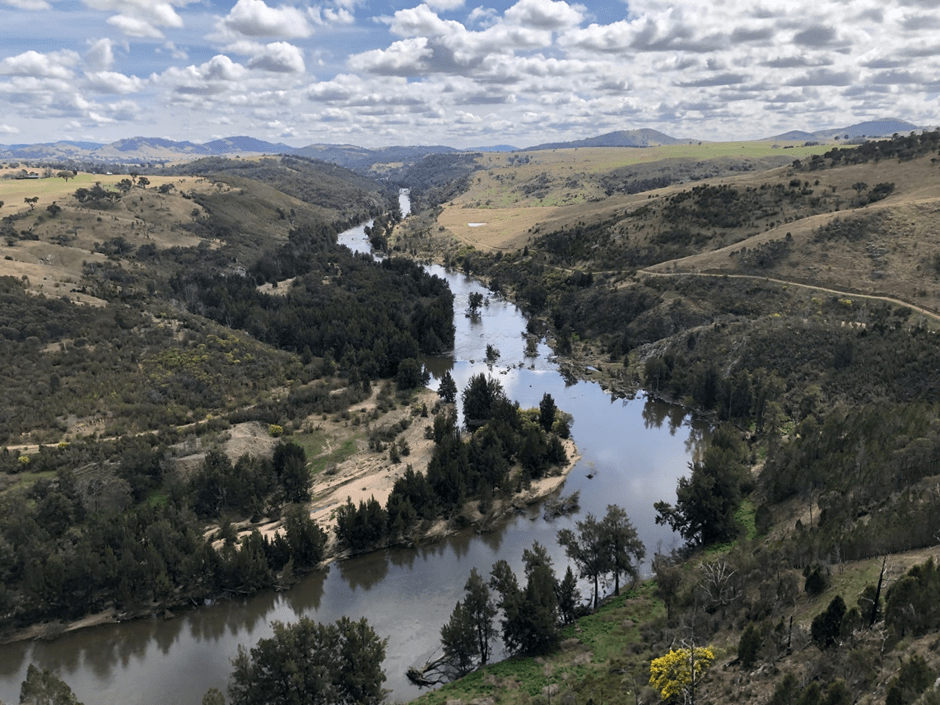
The combination of increased environmental degradation and biodiversity decline along with population growth and increased demands on housing requires us to try balance these by developing suburbs and building new houses in a way that is sustainable and not overly detrimental to natural habitats and landscapes. An example of this occurring is in the ACT, in an area called Ginninderra. Ginninderra is a new area in Canberra, ACT, which is currently being developed on, with a design in mind to create a space that balances both the needs of people, the environment, and animals. As a part of this development, a large area of almost 600 hectares is being set aside for conservation, called the ‘Ginninderry Conservation Corridor’. This site serves as an offset for a number of species whose habitat is being cleared for development, including Pink-Tailed Worm Lizard and Box-Gum Grassy Woodland.

Part of Ginninderry Conservation Corridor: A view from Shepherds Lookout in Canberra, looking out at the Murrumbidgee River. Source: Krajina, 2022

To manage this conservation effort, the Ginninderry Conservation Trust was established, through which many actions are organised to maintain the area, as well as to promote and support the biodiversity in the area. One important action carried out is…weeding!

Weeding is an essential conservation action to help achieve biodiversity goals and outcomes. Weeds are typically species that are non-native and invasive, which take up the habitats and resources which native species would occupy and use. Many of them create what is known as ‘monocultures’ wherein the diversity of the vegetation in an area is reduced and becomes overpowered by a few select species; those which are able to survive and out-compete the others. This is bad as community structure diversity is important for ecosystem function. Thus, weeding is necessary to remove unwanted species, so native plants can better grow and flourish.  

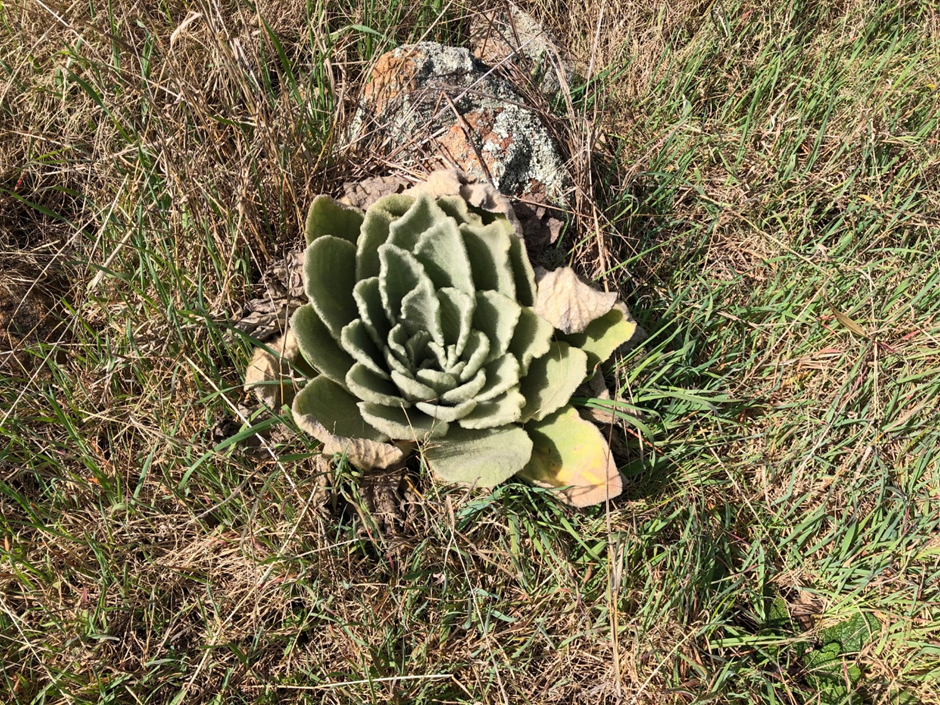
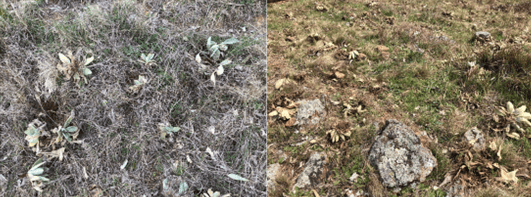
The weeding that was performed by us student volunteers in Ginninderry was on Verbascum Thapsus (commonly known as the Great Mullein).

An image of Verbascum Thapsus in Ginninderry Corridor. Source: Krajina, 2022

Originally from Europe and Asia, the plant has thrived and overtaken many areas in the trust corridor, as well as in other places around ACT and Australia broadly. The plants take advantage of the resources available and spreads to create a predominantly monoculture environment, not allowing for the growth of native plants which help to improve and increase biodiversity, as well as to support native species.

Although tiresome work, the weeding we did was very important to helping conservation efforts. The spread of these plants is overwhelmingly wide and as they say, many hands make light work. The rangers we worked with said that the amount of weeding we managed to get done would have taken them alone many hours more time.

A hard day’s work of pulled up weeds! Image credit: Krajina, 2022.

If anyone is interested, there are many other reserves and areas around Canberra which also need weeding and appreciate the time and efforts of volunteer to help. Here are a few links for projects if anyone would like to get involved in these 😊

https://www.environment.act.gov.au/__data/assets/pdf_file/0006/575151/WEB_Volunteering_brochure_A5_booklet_2.pdf

https://app.betterimpact.com/PublicOrganization/f0ee66c1-d99a-476f-be7e-dfe3bca62fe5/1

References

Adams, J., 2018. Ginninderry Development: Offset Management Plan, Canberra: Riverview Projects (ACT).

Eland, R., 2021. Weed Management Plan Ginninderry Conservation Corridor, Canberra: Ginninderry Conservation Trust.

Environmental Weeds of Australia, 2016. Verbascum thapsus. [Online]
Available at: https://keyserver.lucidcentral.org/weeds/data/media/Html/verbascum_thapsus.htm
[Accessed 29 October 2022].

Ginninderry Conservation Trust, 2022. Conserving land through outreach, restoration and research. [Online]
Available at: https://www.ginninderry.org/
[Accessed 29 October 2022].

Ginninderry, 2022. Inspiring a new way of living. [Online]
Available at: https://ginninderry.com/
[Accessed 29 October 2022].

National Housing Finance and Investment Corporation, 2020. State of the Nation’s Housing 2020. [Online]
Available at: https://www.nhfic.gov.au/media/1587/state-of-housing-demand-chapter.pdf
[Accessed 29 October 2022].

Shooshtarian, S. et al., 2021. Australia’s push to make residential housing sustainable – Do end-users care?. Habitat International, Volume 114, pp. 1-11.

Wilbur, H. D. & Hufbauer, R. A., 2012. Timing Control Efforts to Limit Seed Set of Common Mullein (Verbascum thapsus). Invasive Plant Science and Management, 5(3), pp. 390-394.

Posted in Uncategorized | Leave a comment

The sunburnt country that keeps burning 

Lauren Pay u7120532

“I love a sunburnt country,
A land of sweeping plains,
Of ragged mountain ranges,
Of drought and flooding rains.”

Dorothea Mackellar wrote her famous poem ‘My Country’ in 1906. Now, 116 years later, her words have adopted a new meaning.

In the wake of one of Australia’s worst bushfire seasons, our country has endured events much worse than sunburn. In the last 10 years alone, millions of trees have been blackened, and ash has fallen over much of our sweeping plains. Surges of rain have destroyed livelihoods, with floods and cyclones leaving a path of havoc. 

As MacKellar eludes, Australia is no stranger to natural disasters. However, the global climate crisis we are now facing has amplified their frequency and intensity. 

Climate change is exacerbating Australia’s bushfire regime. Record breaking heat and droughts have catapulted Australia into unprecedented fire conditions.

Environa farm. Source: Lauren Pay

Farming in the face of adversity

Cattle farmers have been battling the ugly fire front for decades. The 2019/20 Black Summer Bushfires destroyed large regions of south-eastern Australia, and caused the death of tens of thousands of livestock. We are still understanding the effects of extensive burn wounds, smoke inhalation and decreased immune fitness for those that survived. 

The fires didn’t just affect cattle. Pastures for feeding went up in flames, and vital infrastructure was destroyed. 

Last month, I visited the Environa cattle farm. Speaking with the manager David Larcombe, it was clear that fire is, and likely always will be, a source of great stress for cattle farmers around Australia. 

Environa farm. Source: Lauren Pay

A new frontier on the fire front 

Aside from the constant threat of a bad bushfire season, 2022 brought a new concern for cattle farmers. Australia has been free from Foot and Mouth Disease (FMD) for 150 years, but it’s presence in Indonesia causes concern. 

Not only would its spread in Australia have a devastating impact on the Australian economy, costing $50 billion over ten years, it’s likely to have a catalytic effect on bushfire management. 

David Larcombe, an environmentalist, and cattle farmer at Environa, explains that a spread of FMD could cause a more disastrous bushfire season. 

If FMD blights Australia, it would mean culling most of his cattle. This is obviously a great financial and management loss, but that’s not where the problems stop. 

Larcombe explains that with no cattle, farmers face the challenge of keeping paddock growth under control without the aid of constant grazing. 

Being unable to maintain a safe grass height during an Australian bushfire season places an extra burden on farmers. If their grazing paddocks are untamed, they could quickly face an uncontrollable fire front. 

Not only could FMD cause great financial losses, but it would greatly limit bushfire mitigation strategies. The indiscriminate nature of fire means that regions of biodiversity conservation, and any further efforts for native grass re-introduction would also be lost. 

The Australia that Dorothea Mackellar wrote about 116 years ago is vastly different. However, the beauty and the terror still remains. 

“I love her far horizons,
I love her jewel-sea,
Her beauty and her terror –
The wide brown land for me!”

Posted in Uncategorized | Leave a comment

Conserving Biodiversity in Urban Environments

By Juliet Stevens (u6104119)

The BIG Issue: Drivers of Biodiversity Loss

Biodiversity plays an important role in regulating environmental processes and enabling ecosystems to provide services which underpin human health and wellbeing.  Although it is essential for all life on Earth, current patterns of urban expansion driven by anthropogenic worldviews are causing biodiversity to decline at a rapid rate. 

The process of urbanisation alters ecosystems through transformative land use change and causes habitat destruction, degradation, and fragmentation.  The remnant patches within and around cities are often isolated, disconnected, and small.  These properties mean patches are vulnerable to edge effects and human disturbance, which further reduces their capacity to support biodiversity.  This leads to localised losses of species richness and abundance, and consequently impacts the values ecosystems provide to humans.

Urban Greenspaces: Addressing Habitat Loss

The loss of biodiversity and essential ecosystem services can be reduced by incorporating urban greenspaces into city designs.  Urban greenspaces are interconnected networks of natural habitat within cities that aim to restore and retain critical ecosystems and associated structures.  This conservation action provides many benefits to biodiversity and human wellbeing.  It plays a critical role in mitigating the impacts of habitat degradation, loss, and fragmentation associated with urban expansion.

Complex interacting factors influencing the loss of biodiversity and ecosystem services.
Framework adapted from: WWF (2018) Living planet report 2018: Aiming Higher, World Wildlife Fund. Available at: https://www.worldwildlife.org/pages/living-planet-report-2018 (Accessed: October 28, 2022). 

The Biota Tree Research Program

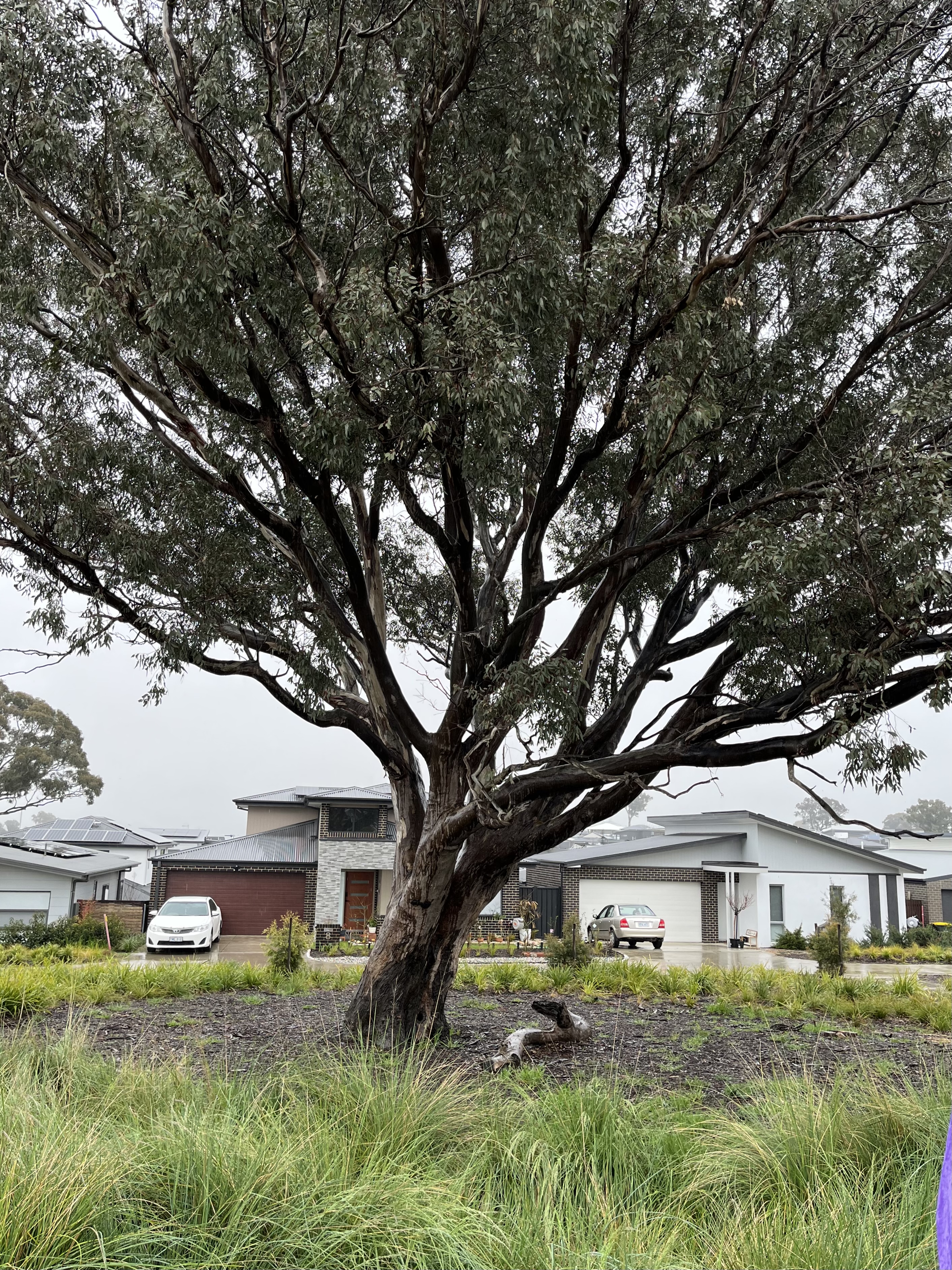
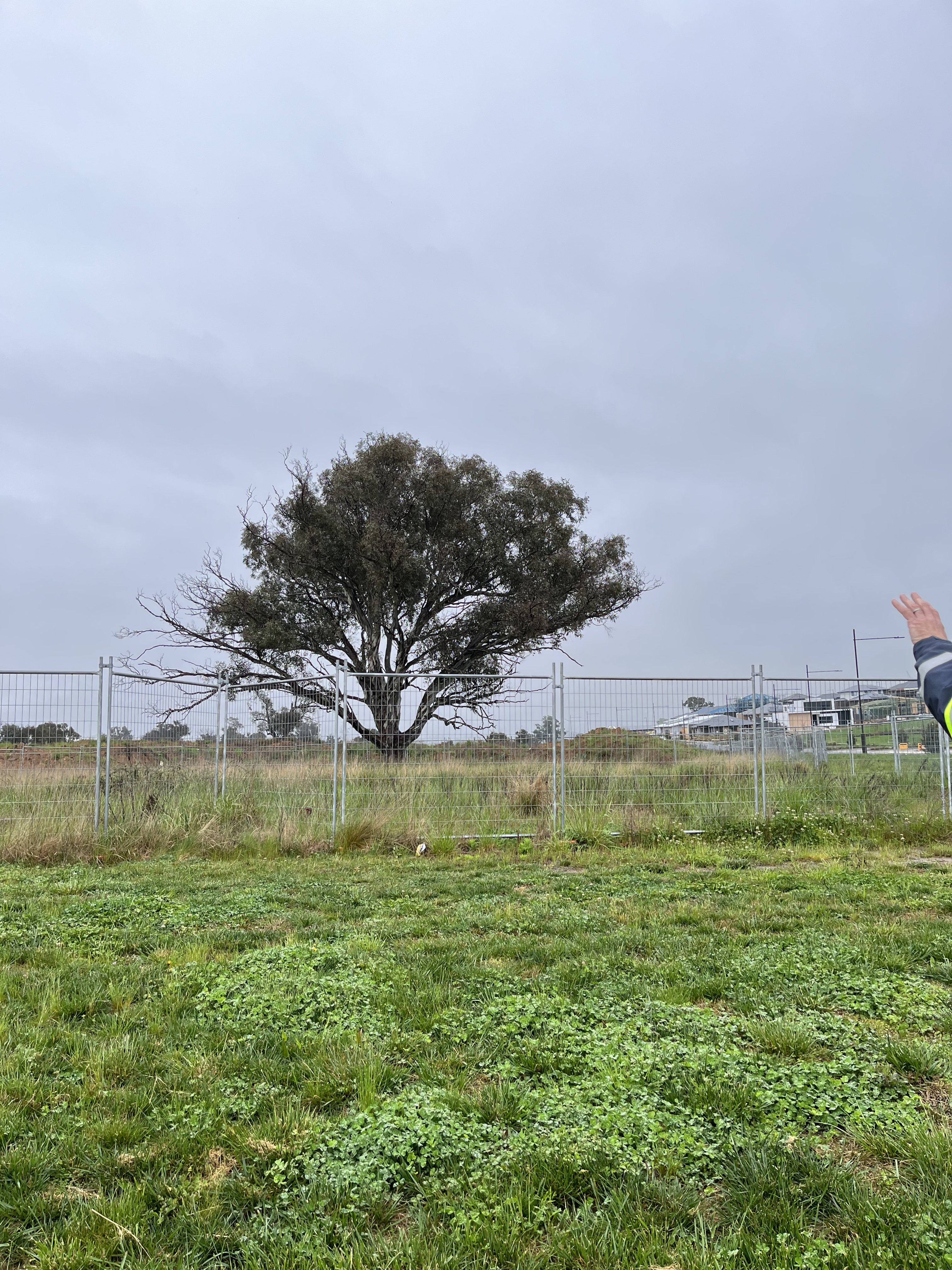
Within the new residential development of Ginninderry (ACT), the Biota Tree Research Project (ANU) in collaboration with Riverview Projects Pty Ltd. has worked to restore, manage, and monitor urban greenspaces.  The ongoing experiment applies three different management treatments around mature eucalypts and aims to evaluate the costs and benefits to socioeconomic values and overall outcomes to biodiversity.  The project works to restore the quality and interconnectedness of remnant habitat that has been lost during the development process.  This improves the environment’s capacity to support biodiversity and has many beneficial flow-on effects to the community.

Greenspace Treatments for Successful Outcomes

Urban greenspace managed under Treatment 2.  After mulching and before replanting.

Within the study, Treatment 2 (mulching and mass-planting) delivered the most successful outcomes.  This typology involves managing threats (weeding / fox control) and recreating the structural diversity needed to accommodate a diverse range of species. 

hhhh

This was achieved by introducing logs, retaining coarse woody debris, and planting non-endemic native grasses, flowering plants, shrubs, and eucalypts.  It was preferred over the other treatments as it is cost effective, low maintenance, and has resulted in increased species diversity.

dddddd

hhhhhh

Take Away Lessons from the Biota Tree Research Project

By monitoring sites in line with the project goals, data can be used by Ginninderry to inform adaptive management and guide best practice conservation.  These actions have been supported through community education and stakeholder engagement throughout the development process.  As a result, there have been improvements to local native bird, bee, and small mammal populations and ongoing benefits to community wellbeing from enhanced ecosystem function.

Greenspace construction within urban areas is a simple yet effective conservation action.  Through this typology study, Biota Tree Research Project has provided an evidence-based management approach that can be applied to future developments to mitigate the impacts of urbanisation and prevent further biodiversity losses.  These actions reflect an understanding of the interdependent role ecological systems play in human survival and ensure the continuity of natural values for generations to come.

Biota Tree Research Program work experience day in Ginninderry.  Mature tree conservation during the development process is the first step in the construction of urban greenspaces.

Word Count: 498

Posted in Uncategorized | Leave a comment

Banking on seed conservation

Trees.

We plant them, we chop them down.

We build our houses from them.

We get our food from them.

We sit under them and contemplate the meaning of life.

We complain about them.

Trees do a lot for us, as individuals and as a society. But how often do we stop and ask ourselves what we can do for them?

Myself (top) and my younger siblings climbing the tree in our front yard (photo taken by Scott Guyatt)

I have always loved trees (so it’s unsurprising that I now study environmental science). I’ve climbed them (see image above), photographed them, written stories about them, planted them, and generally enjoyed their existence at every chance I’ve had. I spent my last summer measuring trees and collecting leaves in the NSW Southern Tablelands as part of an ANU PhD student’s project on Koala conservation, so I was excited to see what other aspect of tree conservation I could learn about through my work experience in this course.

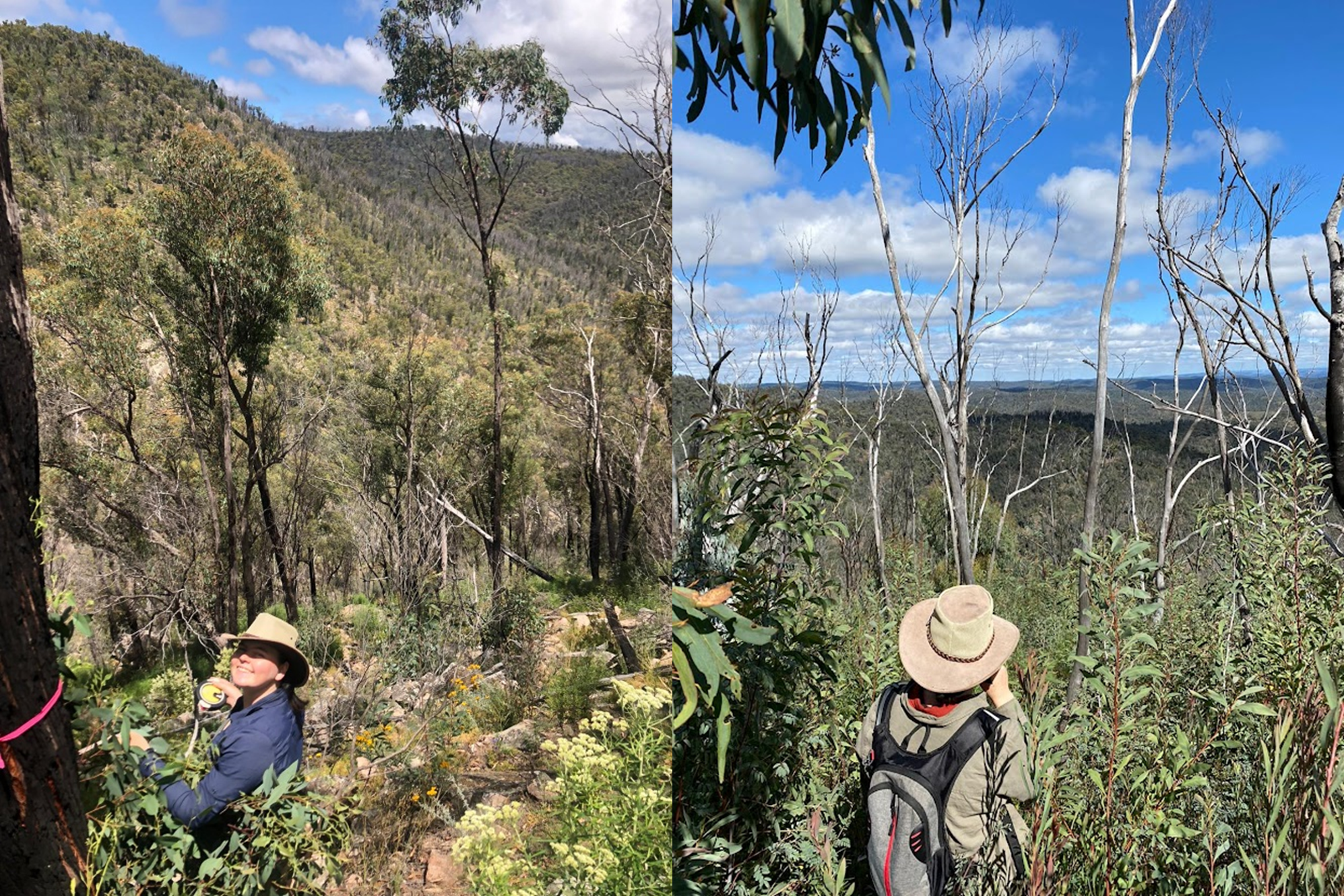
Measuring a tree (left) and enjoying the view (right) during my ANU summer research internship in January 2022 (photos taken by Murraya Lane)

Having planted enough trees to last a lifetime, I decided to reach out to the Australian National Seed Bank (NSB) to see if I could get involved with seed conservation for my work experience.

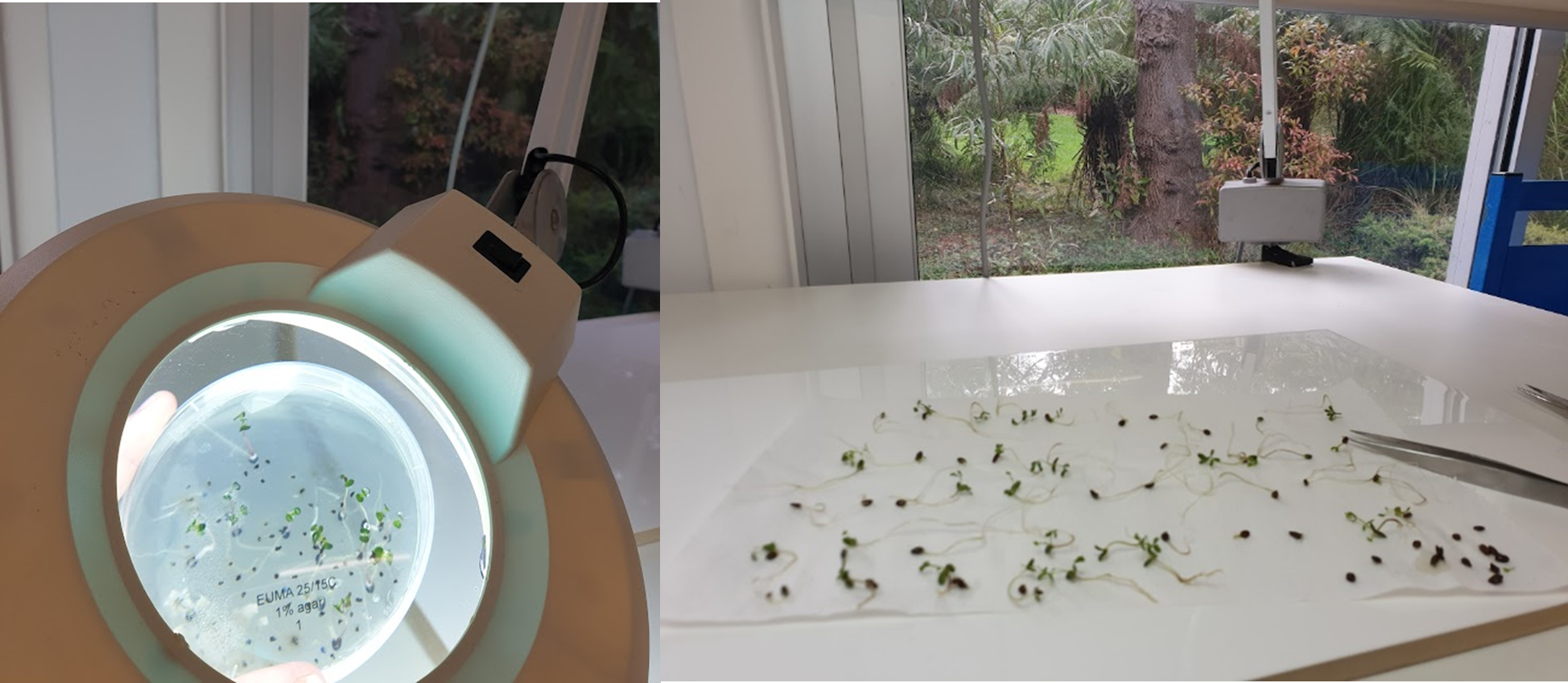
As such, I have spent this semester going into the NSB once a week to spend a few hours counting germinated seeds. Some of the seeds are for trees, but there are also grasses, daisies, bushes, and more; together they represent a wide variety of plant species present in native temperate grasslands in South Eastern Australia. My work is part of a longevity trial, where seeds are subjected to artificial aging conditions and then monitored for germination over about 10 weeks. Studies like this help determine how well seeds of different species will survive in storage.

Counting germinated seeds of Eucalyptus mannifera in a petri dish (left) and subsequently after being removed (right) at the NSB in August 2022 (photos taken by Riley Guyatt)

Why count seeds?

Believe it or not, counting seeds is more than a fun time: it is also critical for conservation. Habitat loss is a key driver of biodiversity loss, especially in Australia. This is particularly true of temperate grasslands, which are often considered good agricultural land and so are disproportionately targeted by clearing. Further habitat loss should be prevented and lost and degraded habitats must subsequently be restored.

As my classmates have explained, replanting is a key restoration activity in ecosystems like the temperate grasslands. Projects like mine, which contribute to improved understanding of seed storage, are important so that seeds can be collected, stored, propagated, and ultimately planted to restore habitats.

The seeds pictured above are from the species Eucalyptus mannifera, which is also one of the dominant species in the area where I measured trees over the summer. One of the most meaningful parts of this work experience was seeing those tiny seeds germinate and contemplating how they could one day become the massive trees I am so familiar with – and support all kinds of biodiversity in the process. It has been amazing to see two sides of research for one tree species, and to consider all the other ways research can be done on that same species, not to mention the millions of other species in the world. There’s lots of work to do to conserve our planet’s amazing biodiversity and as students in this course, we’re just getting started.

If there’s one thing I’ve learned from these two experiences, it’s that there will be lots of excel spreadsheets involved in the process.

Riley Guyatt (u7118565)

Posted in Uncategorized | Tagged , , , , | Leave a comment

The importance of NGOs in protecting Australia’s biodiversity

By Mitch Trueman u6663746

To preserve Australia’s biodiversity, the commitments from the Commonwealth and State governments are simply not enough. Climate change, habitat destruction, ocean acidification and extinction continue to worsen due to our colonial history of land exploitation… It’s sad, right. Well, NGOs like Bush Heritage Australia are tackling some of these issues and playing a crucial role in protecting Australia’s future biodiversity.

Sorry who?

Bush Heritage Australia is a grassroots NGO currently managing 42 reserves across Australia. They focus on areas that are overlooked within the National Reserve System due to past agricultural uses which cleared the natural habitat. Conservation methods require innovative approaches to rebuild the ecosystems function, that can be monitored and applied globally. 

To build a better understanding on how Bush Heritage Australia are tackling underrepresented areas, I ventured to Scottsdale Reserve on the 27th September 2022 to learn from the property manager Phil Palmer and the Bush Heritage Australia team. Phil has an extensive knowledge in land management and biodiversity conservation which has been integral to the success within the reserve.

Why Scottsdale Reserve?

Located 75km South of Canberra, Scottsdale Reserve was once dominated by the critically endangered Yellow-Box Gum Grassy Woodland (YBGGW) and temperate grasslands. A history of European farming practices has resulted in invasive species such as the African Lovegrass and impacts of erosion and tree removal, breaking down the ecosystems resilience and habitat. Replanting key species of the YBGGW to encourage its natural regeneration has slowly encouraged the restoration of the Woodland within Scottsdale Reserve. This process requires ongoing adaptive management that is critical to protecting its biodiversity.

Restoring a site.

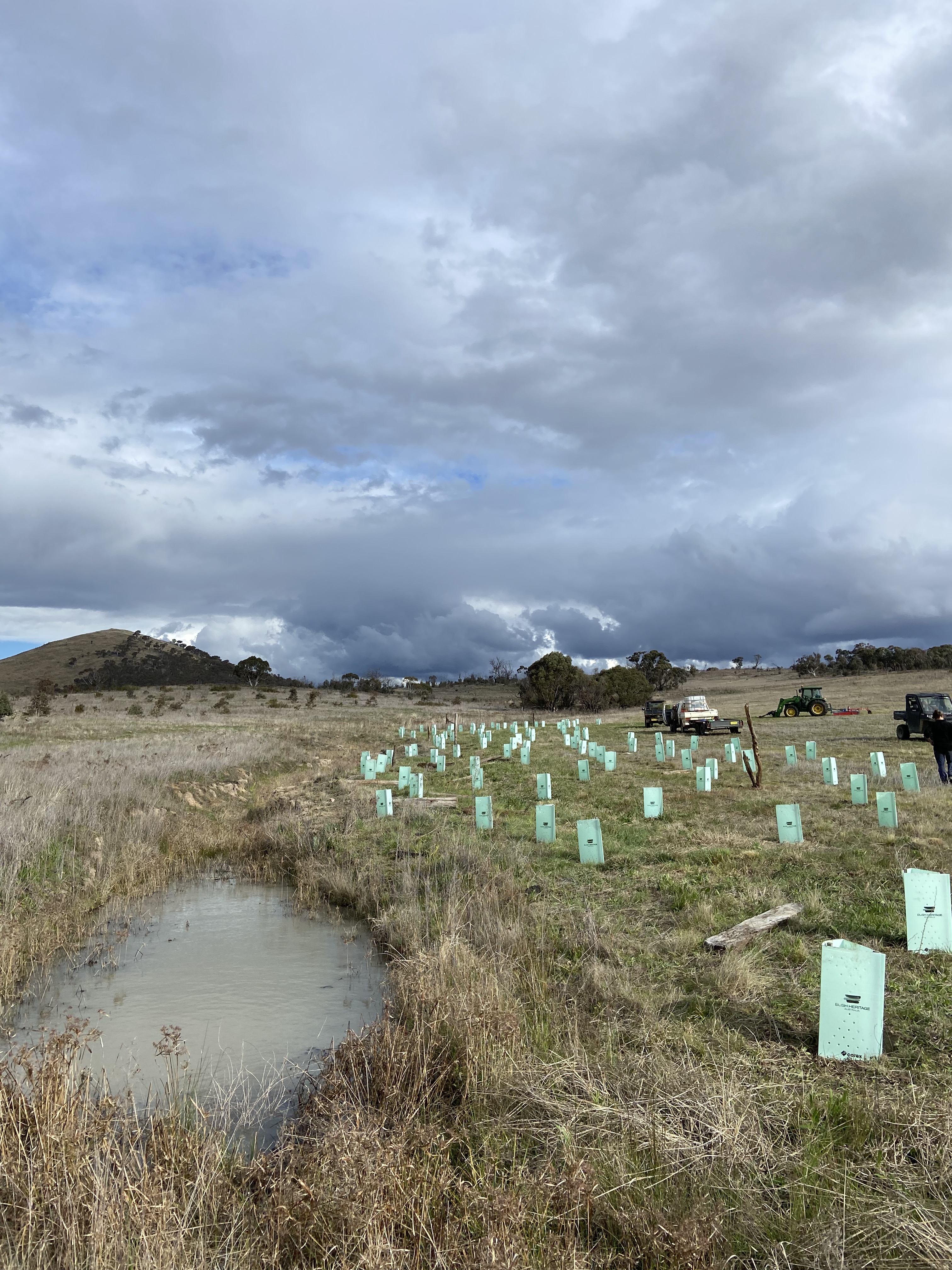
To showcase their ongoing approach to restoring the biodiversity of Scottsdale Reserve I was invited to replant a fragmented site with a group of ANU students. The site selected was upon a riparian zone, which was identified for its habitat connectivity between restored patches of YBGGW. Phil explained to us how recording the tree plantings since the establishment of the reserve allowed the team to identify the habitat patches and develop corridors for native wildlife.

The site on the riparian zone within Scottsdale Reserve

Key species of the YBGGW were grown within the reserve’s nursery and were gathered for relocation to a predetermined site. This method of transplanting improves the resilience of the native plants against invasive species which is a common problem. Tree guards, fertiliser tablets and topsoil removal were also utilised to improve the resilience of the woodland.

The seedlings grown within the nursery, ready to be relocated.

An innovative approach.

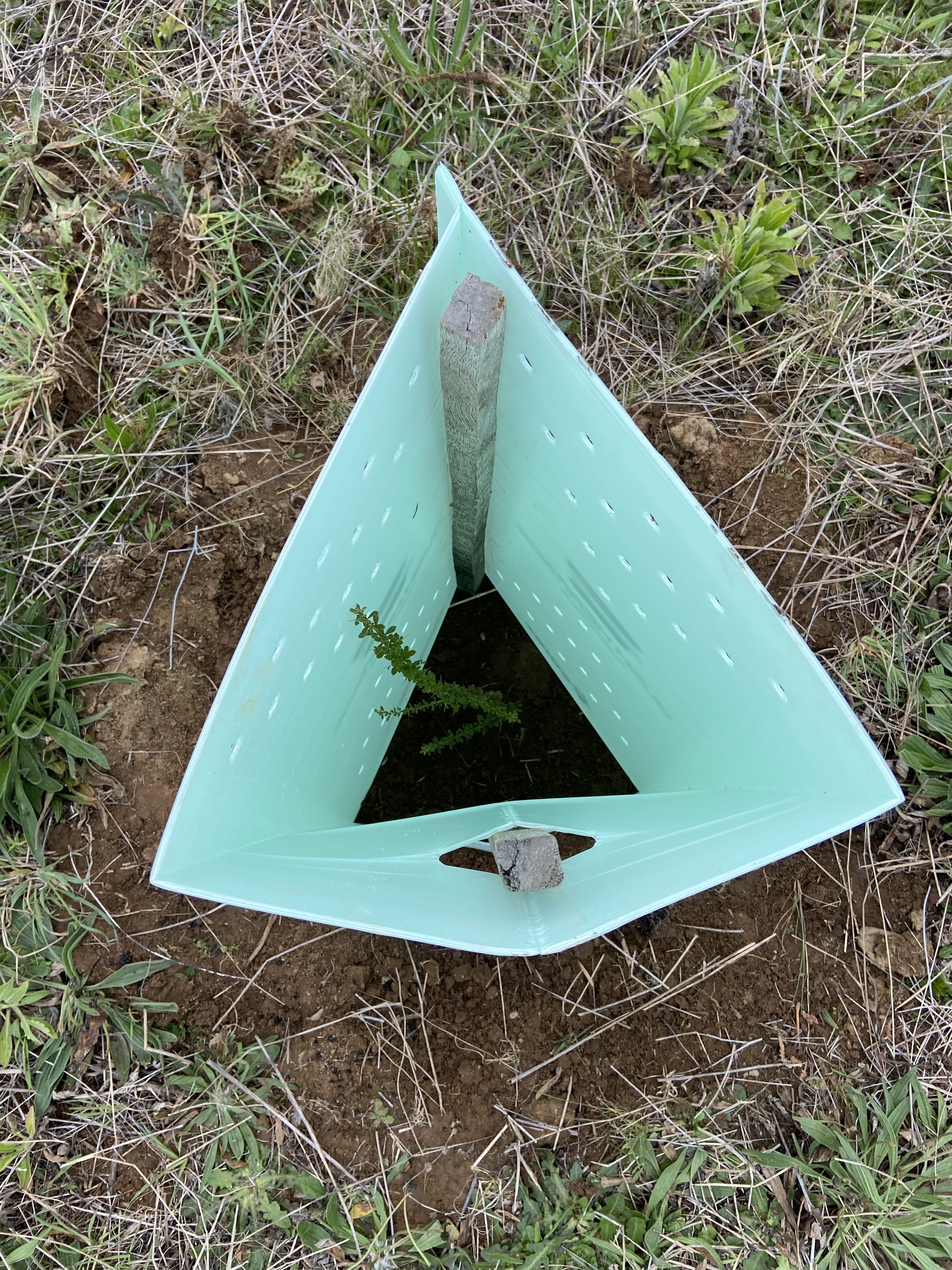
I was constantly intrigued by the innovative approaches implemented by the team at Scottsdale Reserve. For example, they had developed their own tree guard designs which were made from recyclable materials. They also had a far higher heat protection and UV stabilisation in comparison with other alternatives on the market. This example stuck with me as I was able to reflect on the wider benefit that these designs would have for future ecological management in Australia.

An example of a tree guard used within the site.

What a day!

My trip to Scottsdale Reserve helped me to understand the important role that NGOs are playing in conserving Australia’s biodiversity. The commitment to restore a critically endangered ecosystem within a grazed reserve is truly inspiring. I will definitely be returning to volunteer and I’d encourage anyone who can to do the same!

Posted in Uncategorized | Leave a comment

Dam! We Love Biodiversity: Dam Restoration and Ecosystem Rehabilitation

By Alice Kelly – U7287600. Word Count: 540

Agricultural lands across Australia play a crucial role in the economy, food security, and health of our nation. But so does healthy ecosystems and biodiversity. Agricultural productivity and environmental conservation have been considered independently for hundreds of years, but it’s about dam time that we put the two together!

Going, going… gone: habitat loss on agricultural landscapes

The extent of land clearing in Australia puts us amongst the top 10 worst countries for land clearing in the world, and as one of seven countries that contribute to over half of biodiversity loss globally. Since European invasion, over 40% of our country’s woodlands and forests have been cleared, making leftover habitats fragmented or degraded. Much of this land has been cleared for agricultural use, resulting in major habitat loss and biodiversity decline. With less than 10% of native vegetation cover remaining in many agricultural regions across Australia, the associated species declines lead to alterations in ecosystem dynamics and services and increased extinction rates. With human population growth and the associated food demand, it is clear that the current ways of agriculture must change.

There is hope: habitat restoration and returning biodiversity

By taking a co-benefits approach, we can improve the productivity and outcome of agriculture, whilst conserving and enhancing Australia’s biodiversity. Consider the role of dams in agricultural landscapes – poor dam quality can reduce livestock and soil health, and favour the spread of disease and exotic species. Further, with lack of vegetation present on agricultural lands, species diversity is heavily reduced. However, by enhancing farm dams, farmers can reduce GHG emissions, strengthen biodiversity, improve water quality, and create better agricultural outcomes, such as increased land, stock, and crop value.

Caring for the land and giving back

Landcare ACT is an organisation that uses the knowledge and experiences of local communities to deliver solutions in addressing issues, building resilience, and achieving outcomes with positive environmental attributes. I worked with Landcare ACT as part of their ACT Dam Restoration series to enhance dams and build resilience across the state, funded by the ACT Natural Resource Management as part of the Australian Government’s Future Drought Fund.

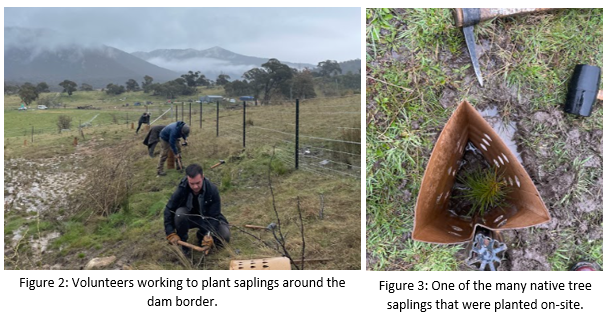
Previous volunteer efforts fenced the dam to exclude cattle. I then joined the team to plant native species around the dam to increase the vegetation cover. This has many benefits, such as water quality improvement, disease reduction, improved stock health, and increased biodiversity. With various native trees and shrubs, we helped to stabilise the landscape, create foliage height diversity, and improve the wet ecosystem to hopefully return many lost species. You can learn more about the project here.

Heading home

In the face of climate change and population growth, it is crucial that we work to create resilient landscapes. We must ensure that the needs of current and future generations can be met without degrading Earth’s precious ecosystems and unique biodiversity. Even in the freezing cold, pouring rain and strong wind, the dedication and hard work of volunteers highlighted just how meaningful biodiversity is to our lives. My work with Landcare ACT showed that we can conserve biodiversity and effectively re-establish ecosystems whilst enhancing agricultural outcomes. Working with nature is critical to our future – it doesn’t have to be difficult or expensive, and we can reap many great benefits!

Thanks to Landcare ACT for offering an insightful and enjoyable work experience opportunity.

*All images are my own, taken in Booth, ACT, September 28, 2022.

References

BELL, K., DRISCOLL, D. A. & DOHERTY, T. S. 2022. Slow loss of a foundation species in agricultural landscapes: Effects of nutrients, land clearing, and other factors. Agriculture, Ecosystems & Environment, 323, 107681.

BRADSHAW, C. J. A. 2012. Little left to lose: deforestation and forest degradation in Australia since European colonization. Journal of Plant Ecology, 5, 109-120.

ELLISON, A. M., BANK, M. S., CLINTON, B. D., COLBURN, E. A., ELLIOTT, K., FORD, C. R., FOSTER, D. R., KLOEPPEL, B. D., KNOEPP, J. D., LOVETT, G. M., MOHAN, J., ORWIG, D. A., RODENHOUSE, N. L., SOBCZAK, W. V., STINSON, K. A., STONE, J. K., SWAN, C. M., THOMPSON, J., VON HOLLE, B. & WEBSTER, J. R. 2005. Loss of foundation species: consequences for the structure and dynamics of forested ecosystems. Frontiers in Ecology and the Environment, 3, 479-486.

FREUDENBERGER, D. & BROOKER, L. 2004. Development of the Focal Species Approach for Biodiversity Conservation in the Temperate Agricultural Zones of Australia. Biodiversity and Conservation, 13, 253-274.

RESIDE, A. E., BEHER, J., COSGROVE, A. J., EVANS, M. C., SEABROOK, L., SILCOCK, J. L., WENGER, A. S. & MARON, M. 2017. Ecological consequences of land clearing and policy reform in Queensland. Pacific Conservation Biology, 23, 219.

STOECKL, N., CHAIECHI, T., FARR, M., JARVIS, D., ÁLVAREZ-ROMERO, J. G., KENNARD, M. J., HERMOSO, V. & PRESSEY, R. L. 2015. Co-benefits and trade-offs between agriculture and conservation: A case study in Northern Australia. Biological Conservation, 191, 478-494.

TAYLOR, R. 2011. WWF Living Forests Report. Chapter.

WALDRON, A., MILLER, D. C., REDDING, D., MOOERS, A., KUHN, T. S., NIBBELINK, N., ROBERTS, J. T., TOBIAS, J. A. & GITTLEMAN, J. L. 2017. Reductions in global biodiversity loss predicted from conservation spending. Nature, 551, 364-367.

WATTS, R. J., RICHTER, B. D., OPPERMAN, J. J. & BOWMER, K. H. 2011. Dam reoperation in an era of climate change. Marine and Freshwater Research, 62, 321-327.

WESTGATE, M. J., CRANE, C., SMITH, D., O’MALLEY, C., SIEGRIST, A., FLORANCE, D., LANG, E., CRANE, M., HINGEE, K., SCHEELE, B. C. & LINDENMAYER, D. B. 2022. Improved management of farm dams increases vegetation cover, water quality, and macroinvertebrate biodiversity. Ecology and Evolution, 12, e8636.

WILLMS, W. D., KENZIE, O. R., MCALLISTER, T. A., COLWELL, D., VEIRA, D., WILMSHURST, J. F., ENTZ, T. & OLSON, M. E. 2002. Effects of water quality on cattle performance. Rangeland Ecology & Management/Journal of Range Management Archives, 55, 452-460.

Posted in Uncategorized | Leave a comment

Koalas in the Tidbinbilla Nature Reserve: A volunteer experience, and what I’ve learnt from it

By Clary Lau – u7524996 (word count: 550)

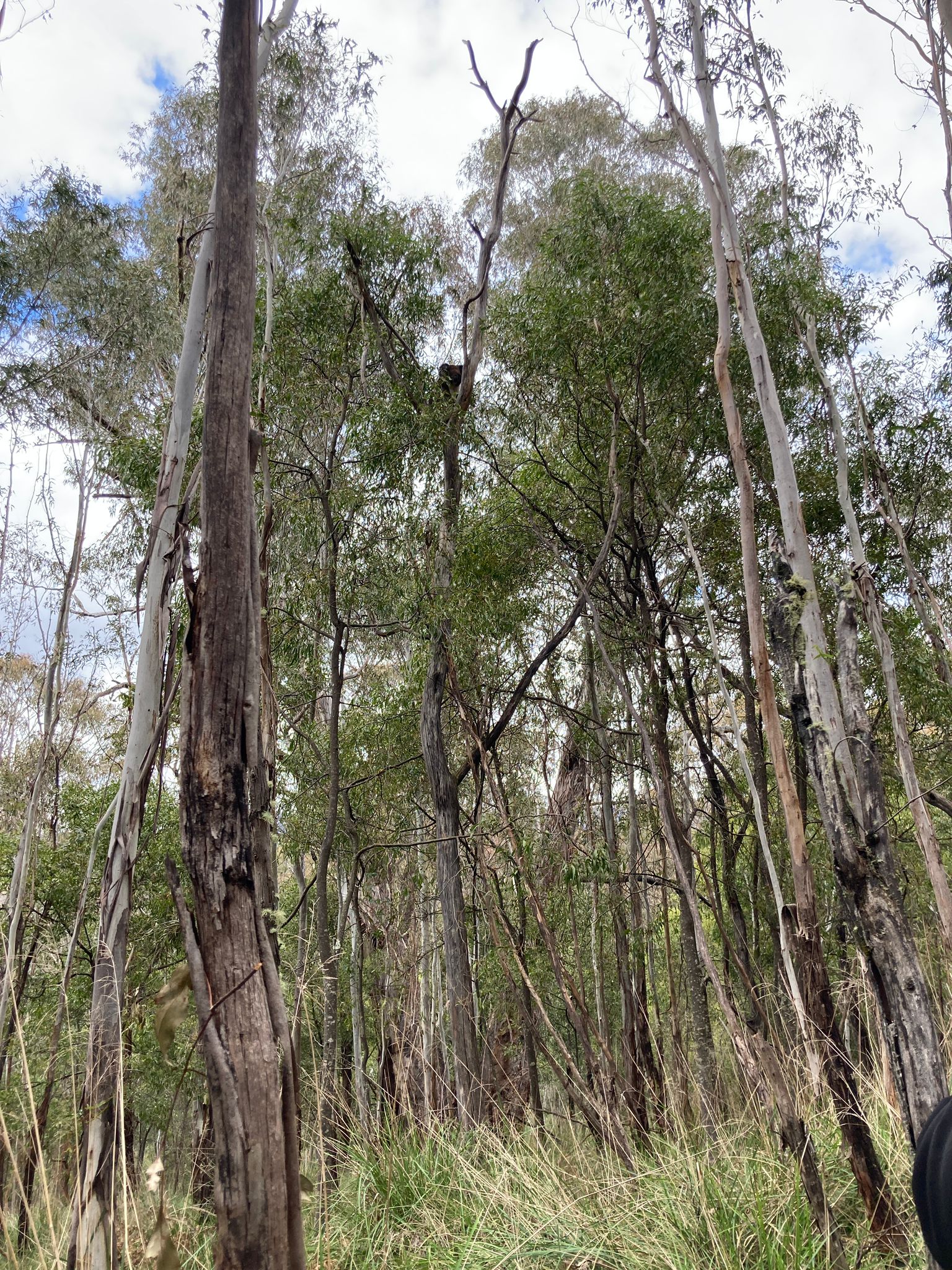
Figure 1: Koala sitting on a tree. Photo: Clary Lau, 2022

With the recent upgrade of the conservation status from vulnerable to endangered in QLD, NSW and the ACT, Koalas are in imminent danger of extinction. The main threat to koalas is habitat loss due to development and bushfires. This not only reduced the home range of koalas, but also increased the chance of koalas being killed by traffic or predators when they move across habitats. Actions are urgently needed to save the koalas. Tidbinbilla Nature Reserve in the ACT maintained by the Parks and Conservation Services consists of a predator-proof Eucalypt Forest, where inhabited by a range of threatened species. A monitoring programme is needed to keep track of the species’ population within the forest. In my work experience, I participated in the koala survey to assist in the koala population monitoring this year.

Figure 2: The Eucalypt Forest. Photo: Clary Lau, 2022

Koala survey

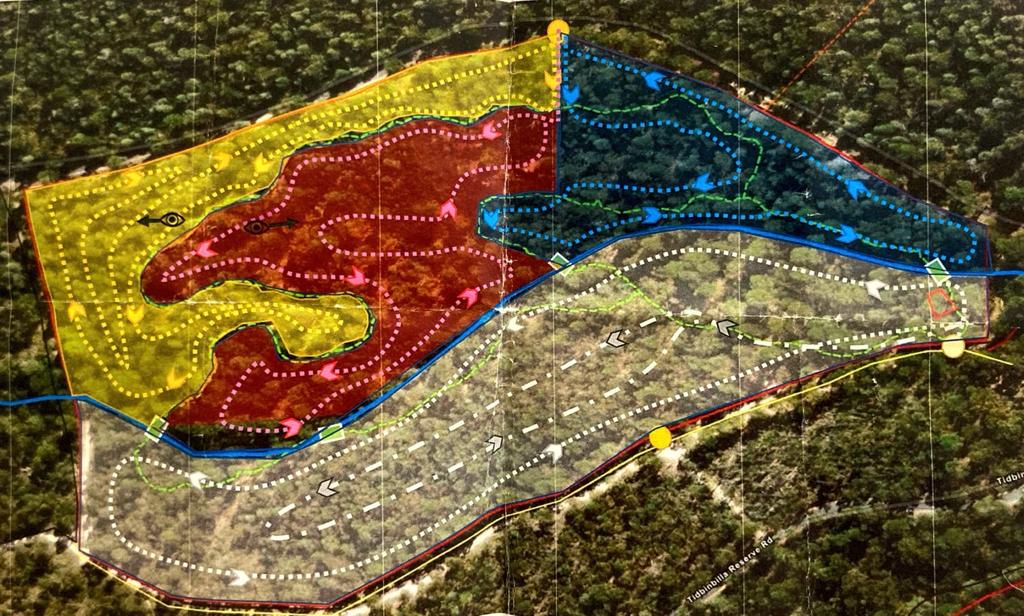
On a sunny day on September, 10 ANU students including myself went to Tidbinbilla Nature Reserve to help with the koala survey this year. We were divided into 4 groups. Each group was led by a senior volunteer and was responsible for surveying the free-ranging koalas along one walking trial by naked eye (Figure 3).

Figure 3: Survey Map. Photo: Work experience handout, 2022

Not until I had done this survey have I known that it is very hard to find a koala. It could be due to a small population of koalas in the reserve, or maybe koalas are really cryptic. But when a koala appeared in front of me on a tree, it still took me some time to spot it. Koalas are difficult to spot, even if they are present, we might still not be able to see them. With the combined efforts of all groups, we only detected 4 koalas in the forest, which was lower than the data collected in previous years. Direct counting manually is not the best method and could be ineffective for koala surveys. Yet, Tidbinbilla is looking into the use of thermal drones as an alternative, and hopefully will get a more reliable result.

Koala enclosure

Besides the free-ranging koalas, there is also a koala enclosure in Tidbinbilla which holds 3 koalas inside. The enclosure is not just for display, it also helps the more vulnerable koalas, like new-borns which are not suitable to put into the free-ranging area, for their survival.

Figure 6: Koala mommy and her joey. Photo: Clary Lau, 2022

Koalas are weighed repeatedly to monitor their health conditions. If a weight drop is observed consistently, their health might be in a decline. When they are weighed, they have to be put into a bag inside a bin to prevent them from escaping (Figure 7).

Figure 7: Weighing a koala. Photo: Clary Lau, 2022

Regular maintenance is also needed to ensure the hygiene and safety of the koalas. Eucalypt leaves have to be renewed frequently because koalas are very picky. They only consume 6 to 7 Eucalypt species, and prefer fresher and more hydrated leaves. We were also being told that it takes 5 days for them to digest the leaves! We also helped with sweeping and replacing the ground cover, removing fallen logs, and trimming excessive vegetation to maintain tidiness and prevent the koalas from escaping.

Figure 8: Koala enjoying her new leaves. Photo: Clary Lau, 2022

Conclusion

Koala is in decline, but you can volunteer to help. By helping with the monitoring and maintenance, you can contribute to the conservation of koalas. It is also a precious chance to learn about koalas in person. Click here to find out more.

Posted in Uncategorized | Leave a comment

Farming for the future

Sustainable agriculture or regenerative farming have gained increased significance in the past decade as ‘buzz word’ terms touted to fix a myriad of issues from soil and biodiversity degradation to broader climate pressures of carbon emissions and water security. The broader church of sustainable agriculture has tended to be implemented by individuals or entities with an inherent desire to improve such pressures for the common good, rather than a strict profitability mandate. Whilst the gap between a profitability mandate of farming and environmental conservation has been closed by the development of several government schemes such as the Commonwealth’s Agricultural Biodiversity Stewardship Package and the New South Wales (NSW) Government’s Sustainable Farming Program, the viability of these systems across a broad scale is an emerging area of study.

Environa is a property located approximately 20 kilometres from the centre of Canberra under jurisdiction of the New South Wales Government and adjacent to the suburbs of Jerrabomberra and Hume. The property has been within a family for several generations but has historical significance as the subject of development plans in the 1920s, before these plans were abandoned in the era of the Great Depression. Today, the property has multiple uses as areas of continued residential development, grass-fed cattle production, biodiversity offsetting through the NSW Government’s now-defunct ‘Biobanking’ scheme and the Wandiyali Environa Wildlife Sanctuary. 

The Work Experience: Conservation on Private Land

The landowner family generously welcomed a group of nine Australian National University students onto their property for an emersion in the natural landscape via an extensive walk as well as contributions to property management by removing tree guards from Acacia plantings in fenced-off areas of native vegetation growth. The care and intrinsic value given to the property by the owners was evident and provided context for the regenerative management of the property used for cattle-grazing.  

The Acacia plot in which tree guards were removed (Irving 2022).

The BioBanking Scheme was replaced by the Biodiversity Offsets Scheme (BOS) which commenced in 2017, and BioBanking Agreements were replaced with Biodiversity Stewardship Agreements (NSW Government 2022).  The use of these Agreements on the property have provided income through the commercialisation of offsets, but have necessitated holistic management of the site and sacrifice of particular locations for conservation. 

A secondary biodiversity conservation activity on the property is riparian restoration. As can be seen in the image below, vegetation corridors along streams and rivers hold value for farming operations and are assets for biodiversity and production as well as carbon storage (Sustainable Farms 2022). 

Riparian health on flat terrain (Irving 2022).
Riparian health on the property on sloped terrain (Irving 2022).
Riparian health outcomes (Sustainable Farms 2022).

It was evident that the landowners had invested time and capital into restoring riparian areas with a particular desire for water that left the property to be “cleaner that when it arrived.” Reductions in erosion, flow regulation and the providence of critical wildlife habitat is possible through riparian restoration, as well as improving water quality for livestock. 

Witnessing regenerative agricultural practices provided food for thought on how biodiversity conservation on agricultural land is currently likely to be introduced via an inherent intrinsic valuing of biodiversity by landowners. This suggests the need for greater education for more ‘traditional’ land owners on the inherent production benefits of a healthy, biodiverse property.

References:

Irving (2022). Images taken during work experience activity. Environa, New South Wales.

NSW Government (2022). BioBanking. NSW Department of Planning and Environment. Accessed at: https://www.environment.nsw.gov.au/topics/animals-and-plants/biodiversity-offsets-scheme/about-the-biodiversity-offsets-scheme/biobanking

Sustainable Farms (2022). Restoring riparian areas. Australian National University Sustainable Farms. Accessed at: https://www.sustainablefarms.org.au/on-the-farm/riparian-restoration/

Arielle Irving (u6666972). Word count: 500 words. 

Posted in Uncategorized | Leave a comment

What a burden, that Burgan!

Removing Burgan plants on Black Mountain

by Siobhan Allpress, u6650891

It’s a box-gum world, and we’re just living in it

Box-gum grassy woodland is one of the most threatened ecosystems in Australia, with only 10% remaining since pre-colonisation. It is home to many important and iconic Australian species, such as the Pink-Tailed Worm Lizard and Superb Parrot, which are at risk because of the removal of their natural habitat.

As part of box-gum grassy woodland restoration, the Australian National Botanic Gardens and Friends of Black Mountain have been restoring areas around Black Mountain in which regrowth and re-establishment may happen.

Black Mountain is an ecologically unique landscape, with hundreds of species of fauna and flora, including some orchid species that are found nowhere else in Australia (you can have that fun fact for free!)

Baa baa Black Mountain

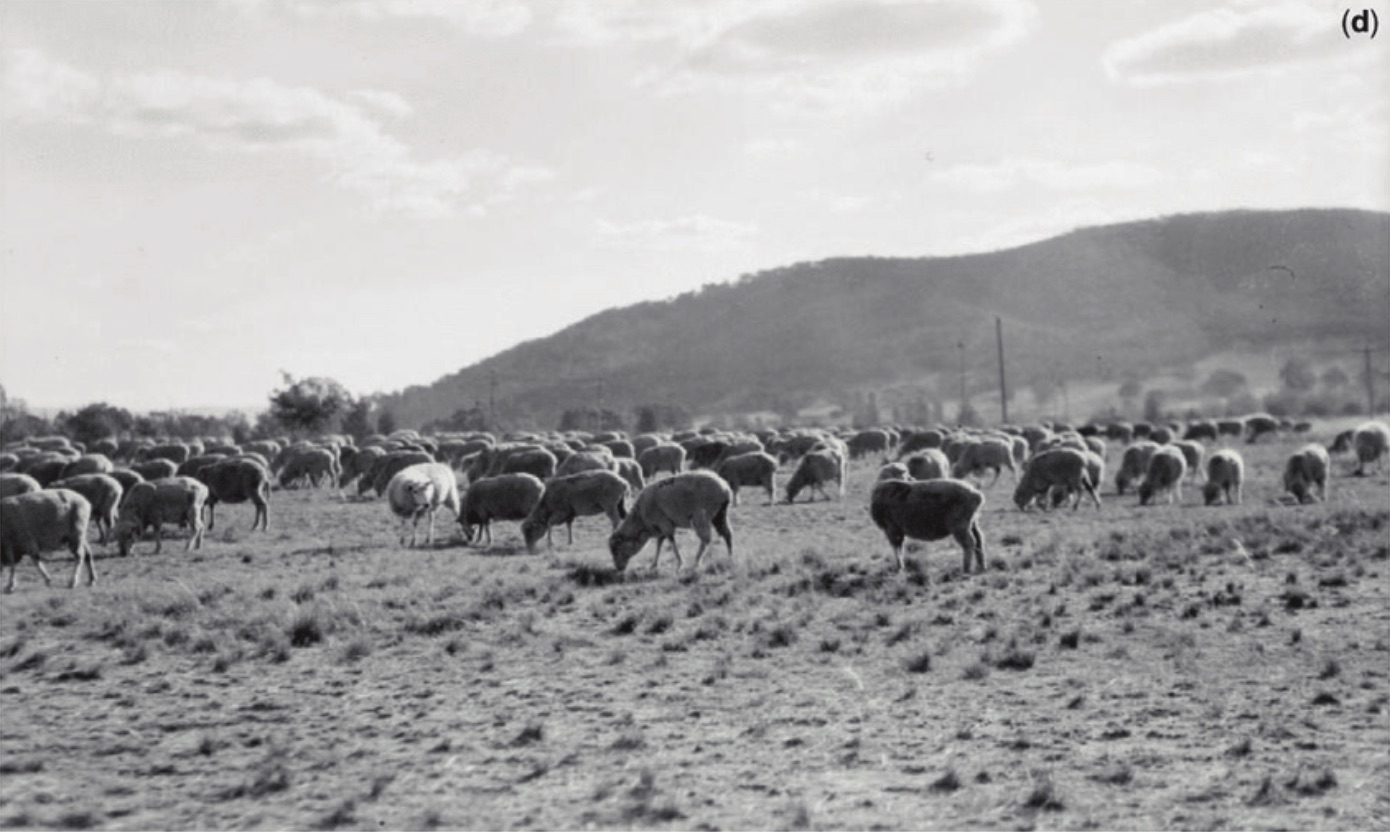
Black Mountain is a familiar site to all Canberrans, with Telstra tower standing stark against the sky, like a beacon guiding the way home. But before the iconic rocket-ship structure was constructed, parts of the mountain were privately owned and were home to many flocks of sheep between the 1920s to 1940s.

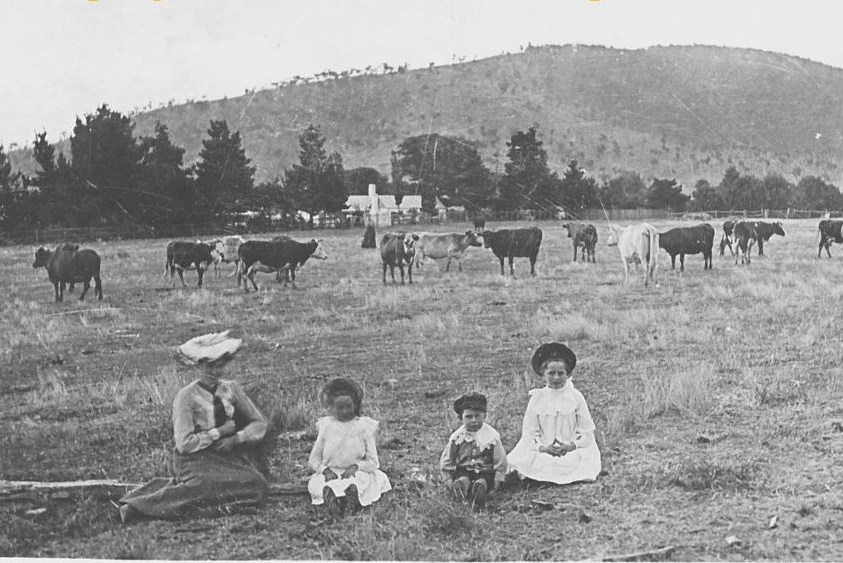
Picture of a family in a cattle field, with Black Mountain in the background, taken in the early 1900s. Courtesy of Rohan Goyne.
Black Mountain with sheep in the foreground in the 1920s. Courtesy of the National Library of Australia.
Black Mountain with sheep grazing in the foreground in the 1940s. Courtesy of the National Library of Australia.

Burgan (scientific name Kunzea ericoides) is a native plant from the tea tree family found along the southeast coast of Australia, from Queensland to Victoria. Burgan is presently a problem on many post-agricultural lands because it spreads fast, is difficult to remove and loves the condition of soil after livestock has grazed it. As such, Burgan is a problem in the Black Mountain Nature Reserve because the soil is highly fertilised, courtesy of the sheep.

The goal of restoration has been to remove the Burgan to restore the field to its natural grassy state. This begs the question; why is removing a native plant a good thing? And the answer is that while Burgan is a native species, its growth has been accelerated beyond normal rates because of human activity and agricultural impact on the land. Burgan does not usually spread this fast and because of this spread, it’s intruding on other natural landscapes.

The Battle of Box-gum versus the Big, Bad, Burgan

The site chosen is on the southwest side of Black Mountain. This site was originally one of those which was a sheep paddock, and was called Smith’s Paddock.

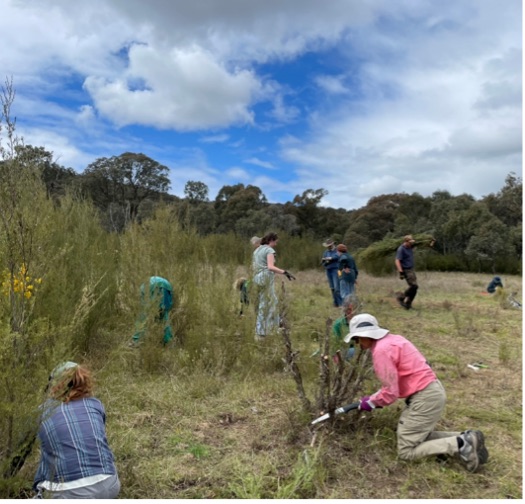
Burgan is a hardy plant and is difficult to remove using usual methods; bulldozing and burning simply don’t work. The plants create shoots from the base of the trunk which spread outwards quickly. Because of this, by removing just the foliage or the shrub cover, the plant can still regenerate. So we got down to it, put in some good, old elbow grease and cut the plants out at their roots.

Weeding party site for the restoration. Image from Google Maps, 2022.
The weeding work party, photo courtesy of Ernestine Krisch

Shouldering the Burgan together

And boy, was it a hard day’s work! With lots of sweat (thankfully no blood or tears), we managed to uproot many of the Burgan plants and clear more of the paddock. With some fuelling from an excellent morning tea (as if anyone needed more reasons to join in) morale was soaring. As you can see, there’s plenty of work still to be done, and we’ll be back removing Burgan for a few more weeding parties at least to restore the paddock.

A special thanks to Linda Beveridge and Rosemary Purdie for providing and organising this working group, and all their knowledge of Black Mountain and passion to preserve it.

Posted in Uncategorized | Leave a comment