Habitat Planting in Victoria

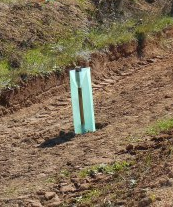
It is widely accepted that farm forestry can have a range of benefits to biodiversity. The manager of “The Gums” property near Penshurst, Western Victoria, is acutely aware of the benefits that farm forestry can have for his property and the native biodiversity. Consequently, he is investing in farm forestry riparian networks on his property. The planters consisted of people that I went to school with in Hamilton. We did 2 days of planting on the property over the Easter break. Between us we were able to plant 450 native trees on a sloped area on the property as part of the planned habitat zone on the property. We planted three types of trees in the habitat zone: Manna Gum, Black Wattle and Black Acacia. The manager chose the species.

The tree-planting day. Fellow planters in action

The tree-planting day. Fellow planters in action

Target Zone

Prior to the planting, the sloped area had noticeable degradation as a result of decades of grazing. The slope had an existing smattering of native tree and shrubs, mostly acacias. The soil on the slope was of poor quality and the grasses appeared to be lacking in water. The aim of the planting was to transform this degraded section of paddock into a fenced-off reserve habitat of native trees and shrubs.

Objectives / Benefits
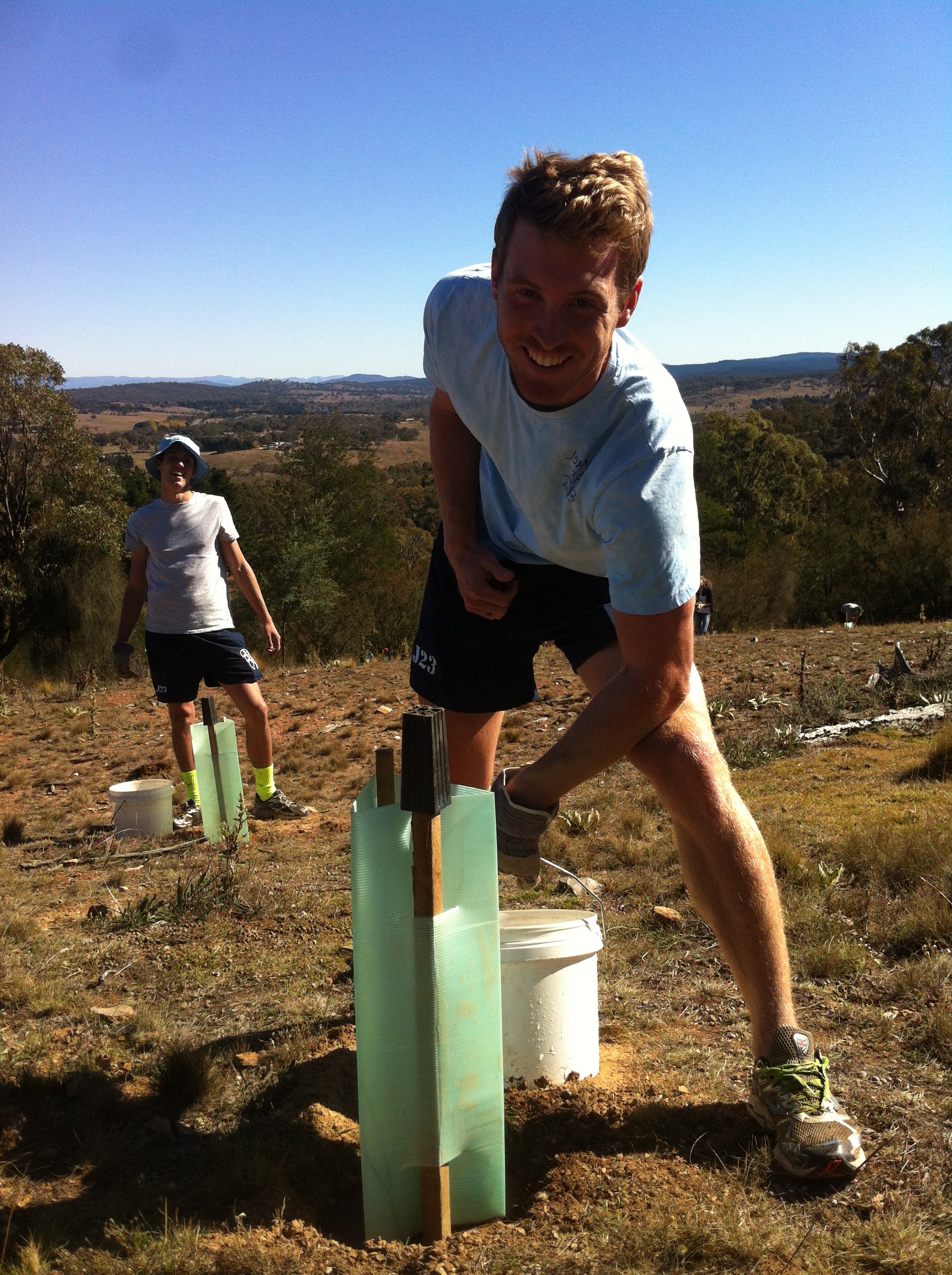
An enthusiastic planter shows off his handy work

An enthusiastic planter shows off his handy work

Benefits range from increased plant species diversity, structural improvements to vegetation and provision of habitat for native fauna, to improvement of soil ecosystems and water quality. Despite the wide range of benefits, the manager says that he is most interested in the providing habitat for birds. He aims to double the abundance of native bird species on the property by 2020. This, he says, will improve the resilience of the farm to a variety of threats, most notably, insect pest invasion. Native birds provide an effective insect culling function for the property, as well as neighbouring properties. The manager is trying to convince his neighbours to invest in similar ventures to increase the resilience of the region and is having varied degrees of success with this.

Funding

The project has hybrid funding; a portion from the Glenelg Hopkins CMA, and a portion provided privately by the farm management. The planting was performed by volunteers.

How site was selected

The site was chosen because it currently in relatively poor condition (salinity, poor soil quality, erosion) and needed improvements. The costs of improvement were considered to be relatively low compared to the potential benefits. It’s location in relation to other riparian zones was another factor.
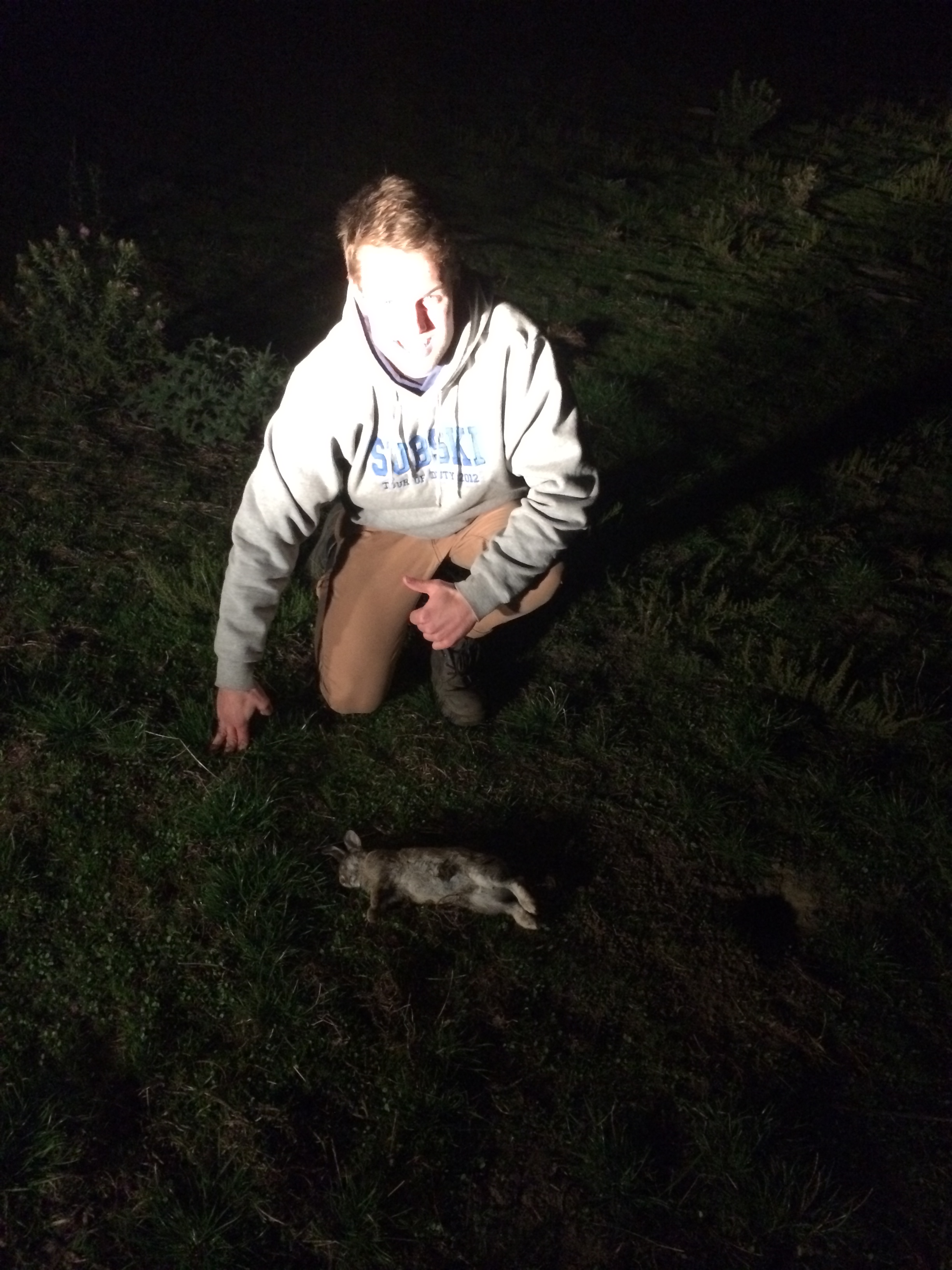
First victim of the introduced species cull. We targeted rabbits, foxes and feral cats

First victim of the introduced species cull. We targeted rabbits, foxes and feral cats

Additional work

In addition to the tree planting, we did some extra work that evening for the benefit of biodiversity. We undertook a pest control program (we shot foxes and wild cats). Cats, in particular, are a serious threat to native species. They prey on native mammals and birds and have had a big impact on vulnerable species in Australia.

Conclusion

This is an ongoing program by the farm manager and constitutes a small portion of the overall farm forestry network on the farm. The benefits of the program will be felt by the farm and the flora and fauna on the property.

George Mackarness (u4851352)
First victim of the introduced species cull. We targeted rabbits, foxes and feral cats

Posted in Uncategorized | 1 Comment

Murphy’s Law

In early March this year I helped Dr. Marta Yebra from the Commonwealth Scientific and Industrial Research Organisation (CSIRO) with her research project, remote sensing of fuel properties in the wildland urban interface, at Black Mountain and Mulligans Flats. The study of fuel properties is important for fire management to understand and predict fire behaviour.


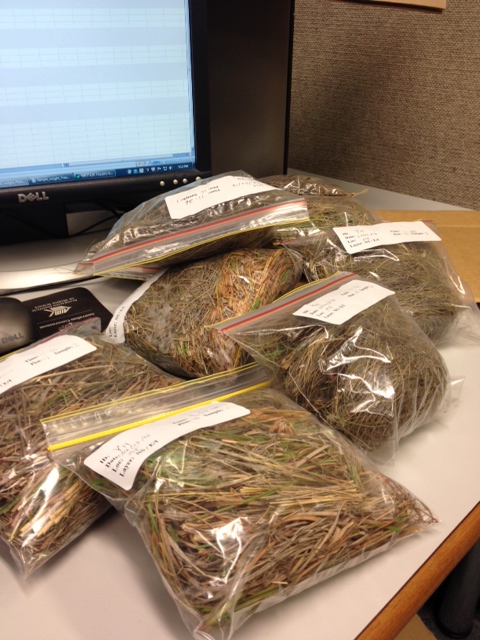
On the first day, I worked with Dr. Yebra at Black Mountain sampling vegetation such as grass on the ground to leaves in the tree.  To sample the fresh leaves, we had to prune branches from trees. This was the most interesting (and dangerous) part of the fieldwork. We threw a rope with a weight attached at the end up to the branch and pulled the line towards the ground. Safety was a significant consideration as extracting one branch might cause other unstable or loose branches to fall. I was instructed to avoid walking under the trees that were being pruned and to always wear a protective helmet. It was important to seal the vegetation samples in plastic bags that were stored in a cool kit to prevent foliage dehydration.

Image

Image

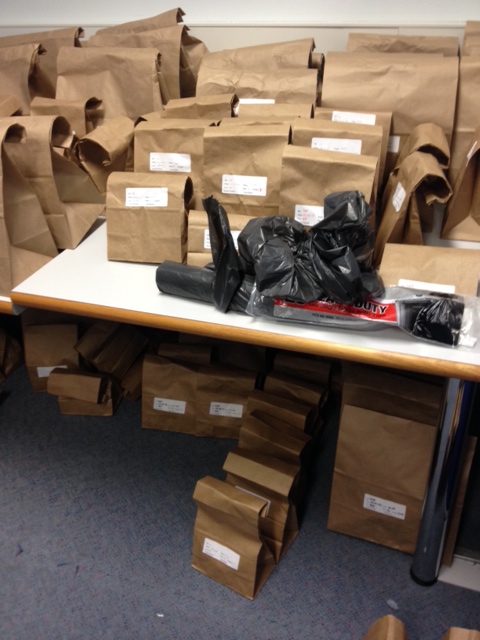
On the following day, I was tasked with laboratory work to weigh the collected samples. Once completed, the samples were transferred from plastic bags into paper bags in preparation for the next phase of the analysis which was heat exposure in an oven that reached temperatures of 60 degrees Celsius for 2-3 days. This process was designed to dehydrate the samples and by weighing the dry samples a comparison of moisture content can be made by calculating the difference between pre-heated samples against heated samples.

 Image

Despite the involvement of experienced research scientists and well-planned activities not everything went accordingly. Dr. Yebra informed me that 5 out of 25 plots on Black Mountain was inadvertently burned as part of a bush fire prevention control burn. The ACT Rural Fire Service was aware of the ongoing project however mistook the tree marker tapes for those of control burns. A loss of data resulted from this human error.


From this work experience, I learned to appreciate the labour intensity and time required for sampling and analysis. It is my belief that research projects, especially lengthy and risky projects, should have clear monitoring, controls and contingencies established to ensure research success.

Yiqing He 

u5166184

Posted in Uncategorized | Tagged , , , , , | 1 Comment

Reading the Landscape – It’s More than Meet the Eyes

My visits to Lynton’s Farm & Greening Australia at Aranda

By: Thiva Douangchanh / u5109463

😀

Studying in another country, not to mention in another hemisphere, with different landscape and climatic conditions means that I have to question and adjust my own belief very often. Back when I was in the Lao PDR, a country characterised by tropical monsoon climate, I often came across cloudy ponds and landscapes heavily covered in thick shrubs and trees, so much so that I used to think they were rather messy and dirty. Rarely had I come across a vast green grassland like I often see in Australia which I used to believe was a healthier looking landscape. Becoming a student at the Fenner School and having the chance to visit many local farms, my understanding of a healthy landscape has changed to a large extent, making me realise that reading the landscape is more than meet the eyes.

In my own backyard, many types of plant can be grown without much effort and care. That’s probably why I used to overlook the need to conserve.

In my own backyard, many types of plant can be grown without much effort and care.

In March I spent two days visiting a Lynton’s farm in Carwoola to analyse the conditions of his farm dam and the neighbouring dams up and down the drainage line. As part of the analysis of the quality of each farm dam, the farm management practices, the types of vegetation surrounding the dams, and the animals present in and around each dam were observed.

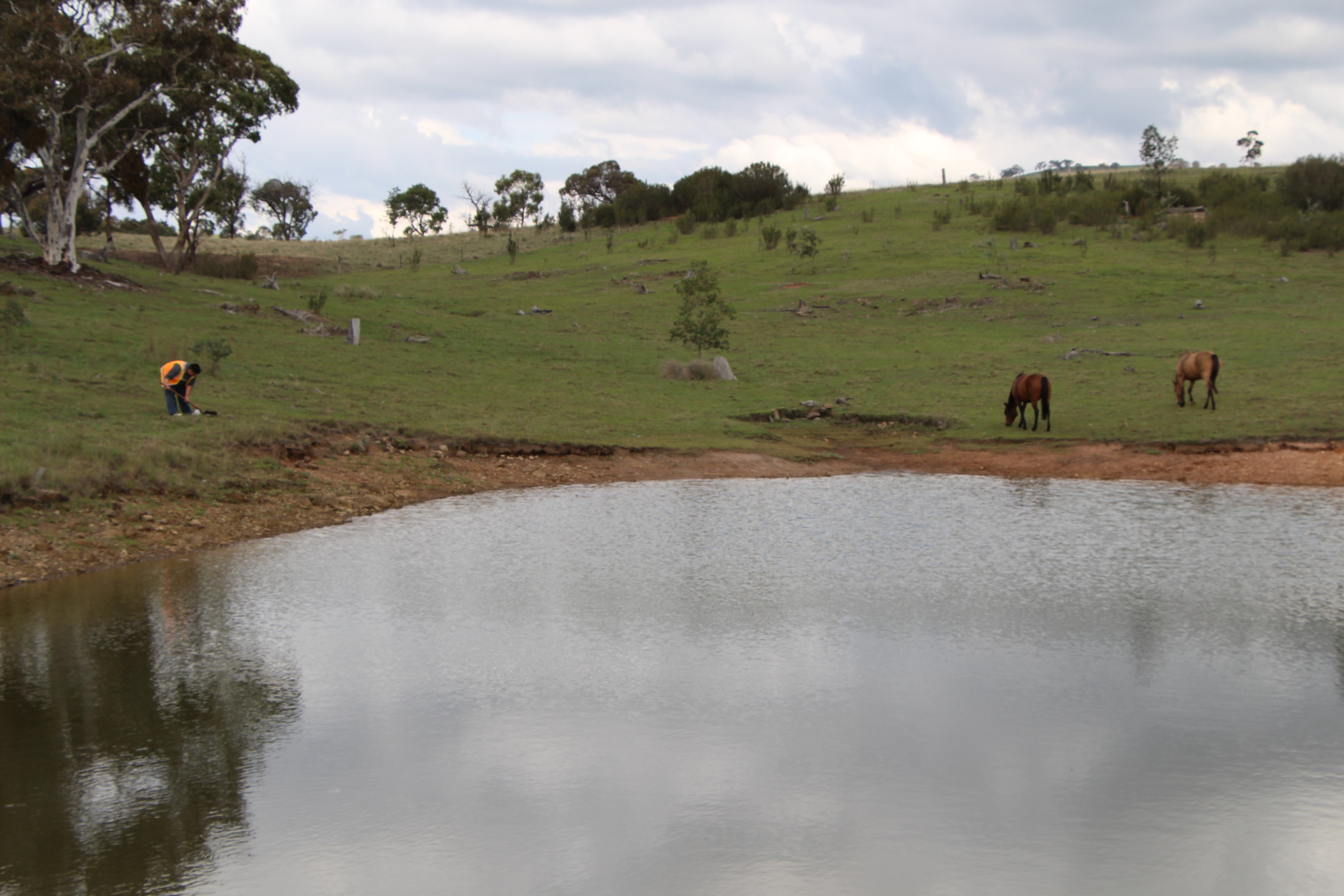
As I was digging up the top soil to analyse the soil pH and stability, a couple of friendly horses were happily munching on the grass nearby.

I was digging up the top soil to analyse the soil pH and stability.

Lunch break! Selfie with the friendly horse.

Lunch break! Selfie with the friendly horse.

Despite having a vast green grass cover, the lack of shrubs and trees present means that the land is vulnerable to erosion.

Nutrient poor soil with inadequate vegetation cover prone to erosion.

Nutrient poor soil with inadequate vegetation cover prone to erosion.

In order to deal with the issue of erosion, Lynton planted trees on the hill (as seen from the back of the picture) which reduce surface runoff and serve as a wind break. He also built a small water break along the contour lines (as seen from the middle of the picture).

In order to deal with the issue of erosion, Lynton planted trees which reduce surface runoff and serve as a wind break. He also built a small water break along the contour lines

Many farmers such as Lynton have their own nursery. Others obtain seedlings from organisations such as Greening Australia, one of whose offices is situated in Aranda which I visited this month. While I was there, I had the chance to participate in the weeding of seedlings and interact with local volunteers.

Hard at work. In the process of weeding the seedlings.

In the process of weeding the seedlings

Freshly weeded! Well done for today.

Freshly weeded seedlings

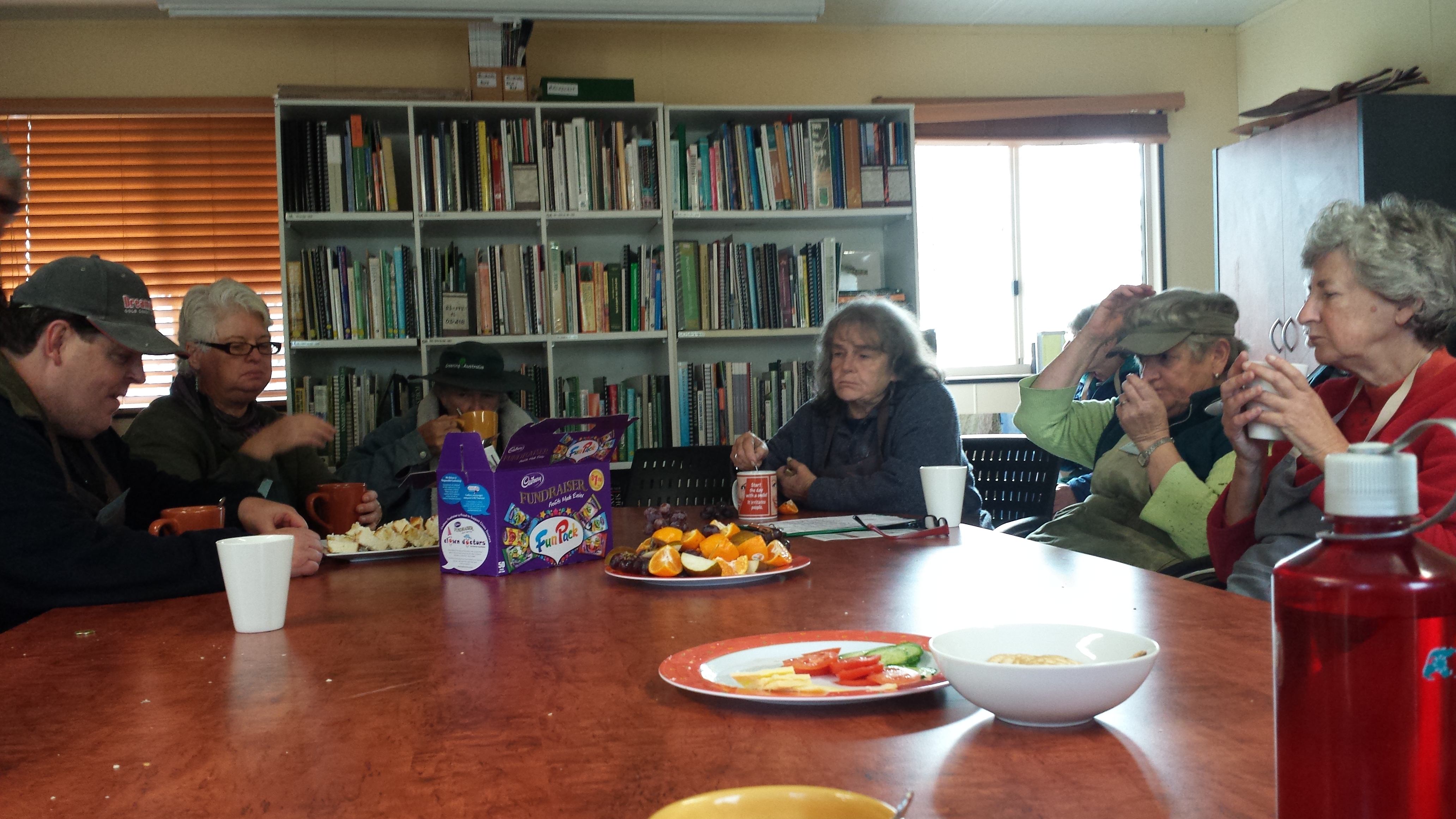
Wonderful Australian hospitality. Enjoying a morning tea break with other volunteers.

Morning tea break with other volunteers

The interaction with the local volunteers has strengthened my understanding of the value this small but important group of Australians place on their landscape – the same lesson I obtained from my visit to Lynton’s farm. I guess it is not so much about the skills I have learnt during the days I spent working at these two places, but rather the change in perspective and attitude I have towards conserving the environment, something I have to keep on reminding myself as I return to my country that, although the land, water, air and climate there might be different, they still also need proper care and attention.

=D

=D

 By: Thiva Douangchanh / u5109463


Posted in Uncategorized | 1 Comment

Beautiful Booderee: My Fieldwork Experience

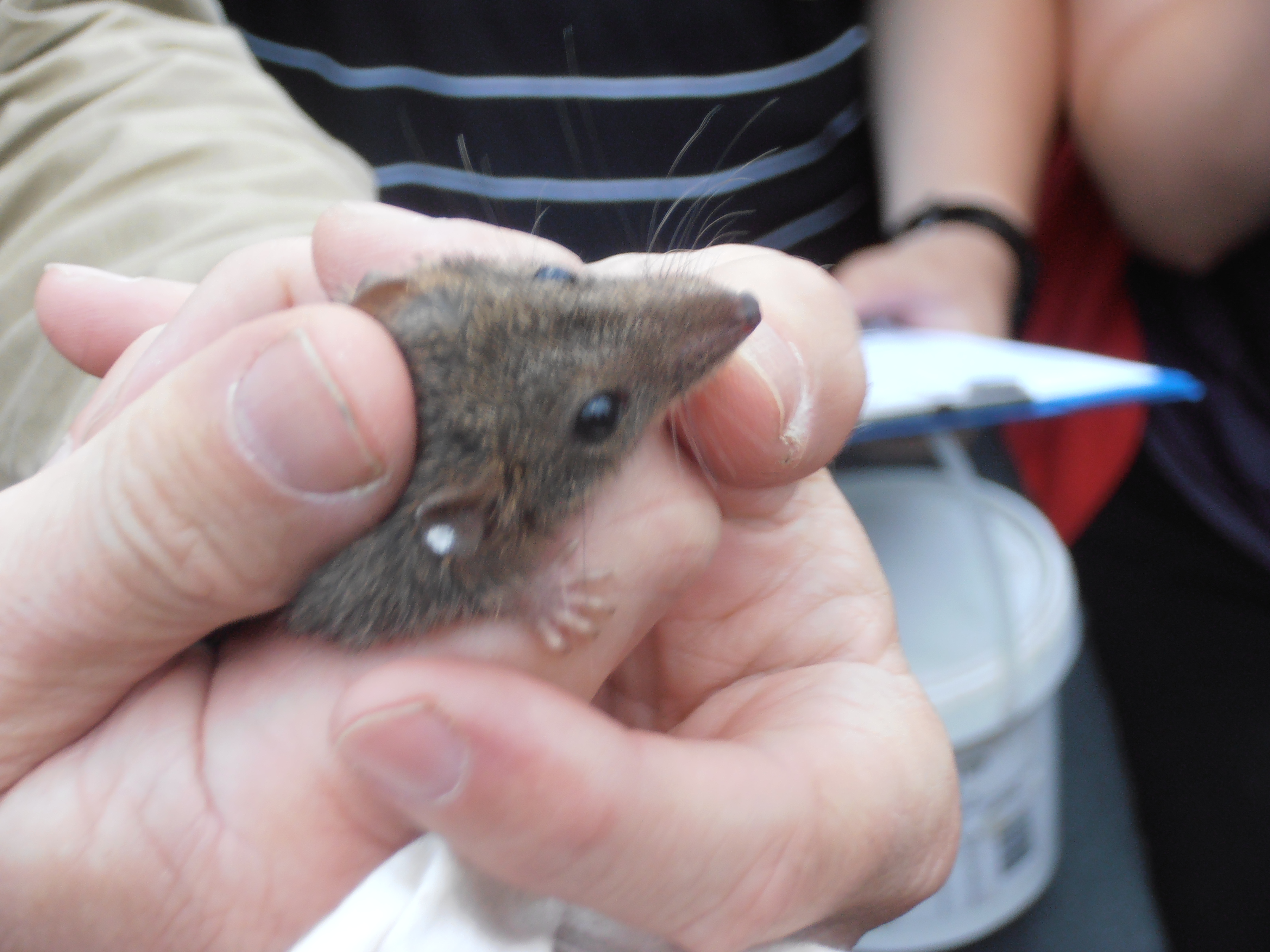
When I had the opportunity to go to one of Australia’s favourite National Parks for a field trip this semester, I knew I couldn’t stay away. Booderee National Park, in Jervis Bay, is crawling with cute cuddly animals like the small mouse-like Brown Antechinus and perhaps less cuddly but still just as cute Small-eyed Snakes.

Image ImageDuring my first visit, I got to trap and release small mammals such as the Brown Antechinus (right) as part of a long-term survey of how these little buddies are doing. Left: an Antechinus nest. 

Volunteering to assist with environmental fieldwork has been one of my New Year’s Resolutions since my first year of university in 2012. Helping Claire with her PhD fieldwork was a perfect way for me to get some real field experience and return to Booderee to see even more animals! Sure enough, I got to see a lot more reptiles – especially snakes. Claire is looking at the combined effects of fire and grazing by kangaroos and wallabies on the plant and animal species that occur in the park.

Image Claire has set up plots in burnt and unburnt parts of the park, some of them excluding kangaroos and wallabies using fences. The black plastic makes the fence more visible to these animals so they are less likely to go through them.
The first afternoon was unfortunately not that exciting because we were counting roo poo in the rain. If it wasn’t for Claire, I would have gotten completely lost as soon as we left the main paths and dived into the bush. I even managed to get lost inside the study site! The plots were quite far apart so as to sample the wide variety of forest types in the park, so we had to get around in the 4WD. I hadn’t had much experience in a 4WD so I found it quite fun, especially because the general public are not allowed to drive through the park. There’s always something appealing about experiencing a place beyond what tourists and visitors see.

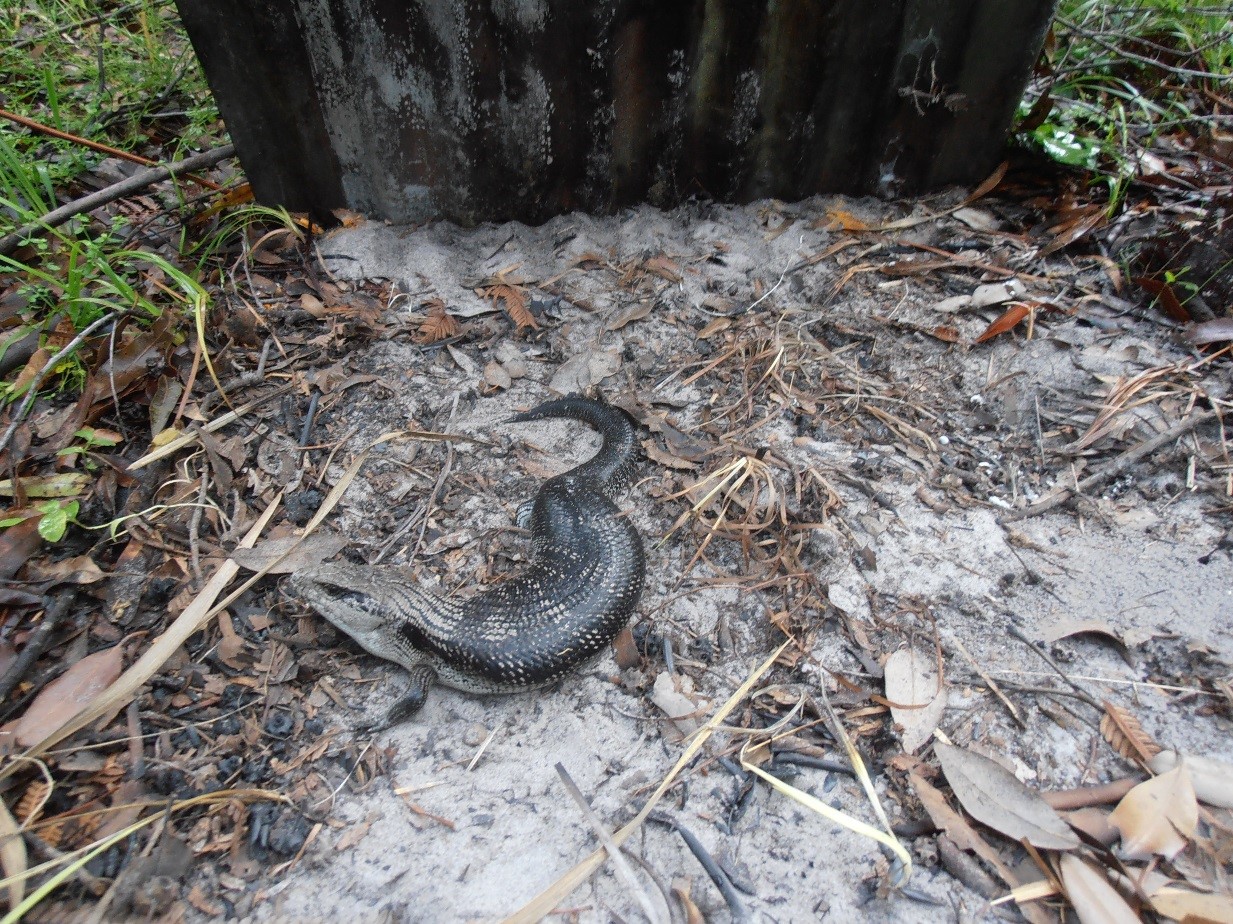
Image We checked in on a Blue Tongued Lizard who liked to hang out in one of the plots.

The second morning in Jervis Bay we did reptile surveys and saw a lot of wildlife that people walking through the park wouldn’t normally see. Each study plot had about four 1m2 sheets of corrugated tin laid out to create a warm microhabitat for little critters to take refuge. Surveying the plot meant that we lifted the tin to check what was sheltering underneath before it got warm and the animals were active for the day.

Image My favourite photo is of a Small-eyed Snake curled up in an Antechinus nest.

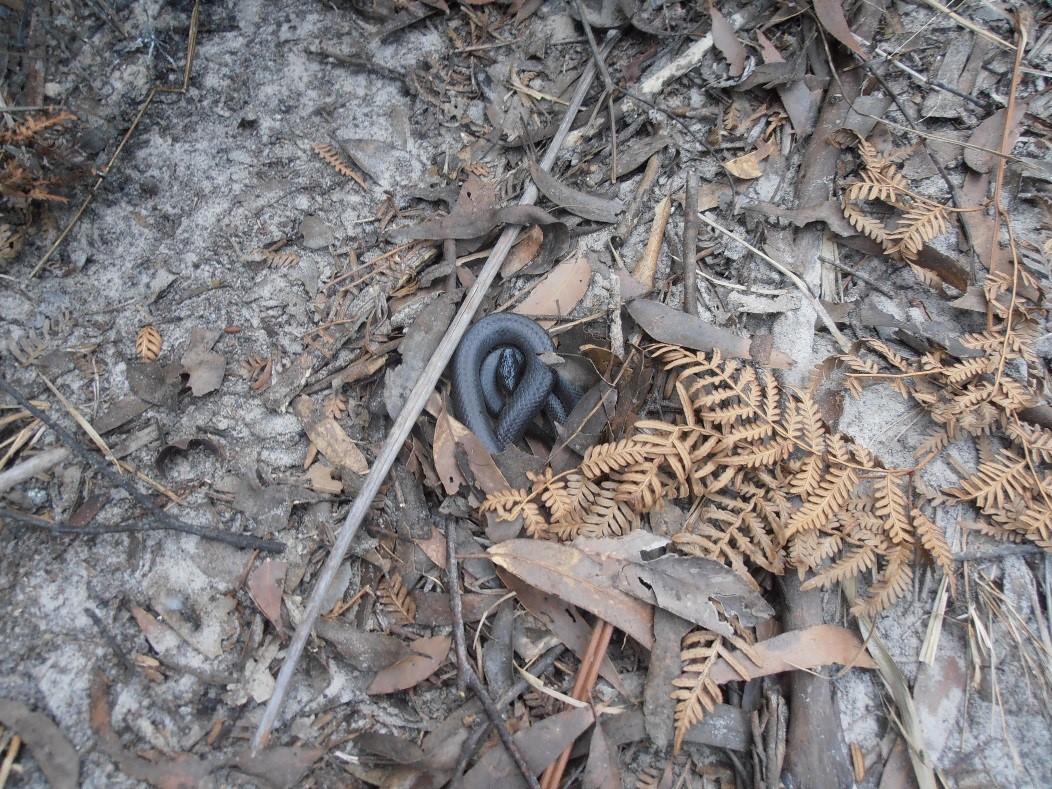
Early on in the day, we discovered a Red-bellied Black Snake and I was excited because I hadn’t seen one up close before. However, it started to wake up and move around, so I thought it best to lower the tin back over it. I managed to get plenty of photos of the teeny Small-Eyed Snakes. The scariest animals to find under the tin are the little Brown Antechinus because they dart out so quickly and give you a fright.

Image When we came across a piece of tin with a large bump in it, we were confused as to what it could be. When we lifted it up, there was an Echidna underneath! This was the first Echidna to be surveyed in Claire’s fieldwork and it was even more surprising that we found a second one later that day!

I really enjoy the large amount of time I get to spend outdoors whilst doing my degree. I had a wonderful time in Jervis Bay and seeing all that wildlife made any ant bites, rain and early mornings worth it!


Laura Smith

Posted in Uncategorized | Tagged , , , , , , | 1 Comment

A beautiful country

This country have a beautiful land scape and so many cute animals. Because of its isolation, some unique species is only emerged over there, kangaroo, koala, and so on. So let us protect those amazing species, not only for us, for whole world, for next generations, for ecosystems. We need them and they need us. It is our obligation to transmit those information to our friends, families, colleagues. In china there is a saying “if everybody contribute a little love, the tomorrow of world will become better.” So do it now and from your surroundings.


u5426046

Posted in Uncategorized | Leave a comment

Among the African Love Grass: Baseline Monitoring of Ground cover at Scottsdale Reserve, NSW

At the beginning of May, I had the pleasure of visiting the extensive revegetation works being carried out at Scottsdale Reserve in New South Wales.  Here I was able to witness in action the progress to turn Scottsdale Reserve from a grazed landscape, to an important conservation site.  

Scottsdale Reserve has a history of extensive cultivation and grazing; yet the site still supports remnant patches of Box-Gum Grassy Woodlands, and areas of productive native grassland. 1


Image

African Love Grass and WONDERFUL Scotch Thistles (just see my hands) at Scottsdale Reserve, NSW

Within the reserve system it is clear the rich biodiversity that this reserve supports. Within an hour of fieldwork we noticed we had an appreciative audience of four Red-Tailed Black Cockatoos (Calyptorhynchus banksii) who whilst were noisy acquaintances, kindly alerted us to a passing Wedge-Tailed Eagle (Aquila audax) .

Peter Saunders, (the land manager at Scottsdale) also spoke of the species richness at this site, describing a later year student who was trapping lizards. When sampling select sites in Canberra, he would catch on average ten lizards a day – but when he came to Scottsdale he caught over eighty lizards in one day!

My volunteer work involved assisting Dr. David Freudenberger in collecting ground cover data to support his long term project in Scottsdale Reserve. Our work involved assessing ground cover species and abundance surrounding the large scale plantings at Scottsdale. We placed quadrats adjacent to the plantings (which included a mix of Acacia, Eucalyptus and native shrub species) and determined relative cover of a range of ground cover species. This included Sheep’s Sorrel (Rumex acetosella) and Flatweed (Hypochaeris radicata), however most of the ground cover was dominated by African Love Grass (Eragrostis curvula).

Image

Hard at work in Scottsdale Reserve (Photo courtesy of David Freudenberger)

Thanks to David I have learnt plenty of new concepts to consider in terms of biodiversity. This is in terms of the dominance of E. curvula in this landscape; whilst this is an invasive weed and has caused competition for native grassland, it has a role for biodiversity in this reserve.   

E. curvula is a habitat surrogate for many species residing within the reserve. Whilst this weed has fundamentally altered this landscape, its dense cover provides protection for various reptiles and a population of the Spotted-Tailed Quoll.


Whilst Scottsdale Reserve supports many different species, this reserve is a system stuck in a stable degraded state. Assisted revegetation is the only option for this site with very low levels of regeneration. (Freudenberger, D 2014, pers. comm.,)  However it is great to know that the regeneration work being undertaken has been successful especially in terms of economics, the plantings at Scottsdale Reserve have had a 92% survival rate!

Image

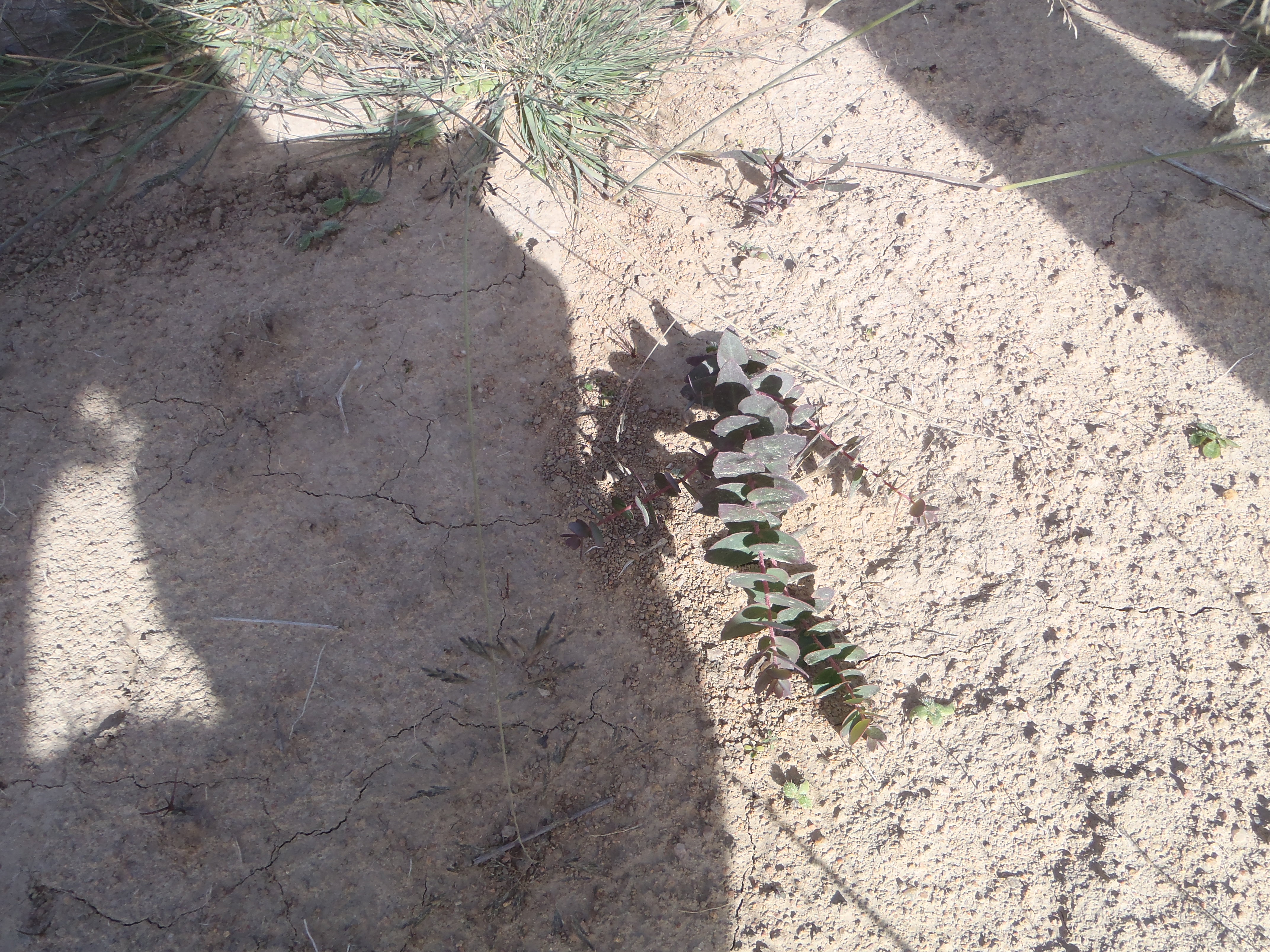
Two different Eucalypt species have sprung up side by side in a separate field!

This has been a fantastic experience and it is great to witness the improvements at Scottsdale due to the time, effort, and research that so many people have put into this landscape.

Thanks for reading folks. As for me I’m still dreaming of African Love Grass.


Melissa Wales u5182908


  1. Department of the Environment 2014, Commonwealth of Australia, viewed 14th May 2014 <http://www.environment.gov.au/topics/land/nrs/case-studies/nsw/scottsdale&gt;


Posted in Uncategorized | 1 Comment

The importance of biodiversity

The importance of biodiversity
Biodiversity is important, everybody know that, but how exactly important is not understood by everyone. For example, human need to eat, eat can bring us energy, eat also can bring us satisfy. A beautiful and delicious food make us happy. Biodiversity can provide different material for human to make their food variable. Biodiversity also can provide different ingredients and let human taste different flavor.
Biodiversity also can influence our cloth. We can use cotton to make sheet and cloth, use silk to make dress, use wool make quilt, use feather to keep us warm in cool weather. Without those species, human’s life is boring and ugly. Do you know some dye can only be found in plants? Biodiversity gave human a colorful live.
Biodiversity is our medicine warehouse. Until now, in eastern countries, herbs still used as medicine to cure people from disease. Some fungi’s seed can mitigate the reaction of chemotherapy. The main ingredient in Aspirin come from plants. There are thousands different medicine is coming from plants and animals, without those species, human cannot fight to diseases.
Biodiversity is important is many ways, so do you best to keep biodiversity.

u5426046

Posted in Uncategorized | Leave a comment

Fire, a gift or a disaster

Fire, a gift or a disaster
We always talk about fire in forest is not good, especially for human being. People will lose their house or get injured. For most animals fire is a disaster. They will lose their habitat, their food source, even their life. Due to the human occupation, some species is isolated. They have to live near human properties, they have to share habitat with human. When fire occurred, they may die. It will take a very long time for them to recovery. Therefore fire is not good.
However, for some species, fire is a gift. Fire in forest can help clean litter and turn it into a kind of nutrient. Plants, fungi and some insects need those nutrient to generation or grow. Therefore, fire is important to those species.
That is why aboriginal people like burning land. On the one hand, burning in some area can prevent big fire in dry and hot summer. Just like firebreaks to stop several fire join together. On the other hand, burning helps providing nutrient for soma species. Most burning is planned very well. They will minimize the influence to animals to protect them, so we need to understand that fire is not only a disaster, but also a gift.

u5426046

Posted in Uncategorized | Leave a comment

If it’s bright green it doesn’t belong in Australia- Friends of Mount Majura

Mount Majura and its neighbouring reserve Mount Ainslie contain an incredible amount of biodiversity from the Canberra Spider Orchid, to the critically endangered Yellow Box-Red Gum Grassy Woodland.

IMG_2885

For a number of years, I’ve been searching for a local conservation group, that doesn’t require access to a car, and with suitable hours. Friends of Mount Majura (FOMM) have a current workshop on Friday mornings with the occasional Sunday and the Mount Ainslie Weeders are both conservation groups aimed at restoring and enhancing the biodiversity through weeding and planting

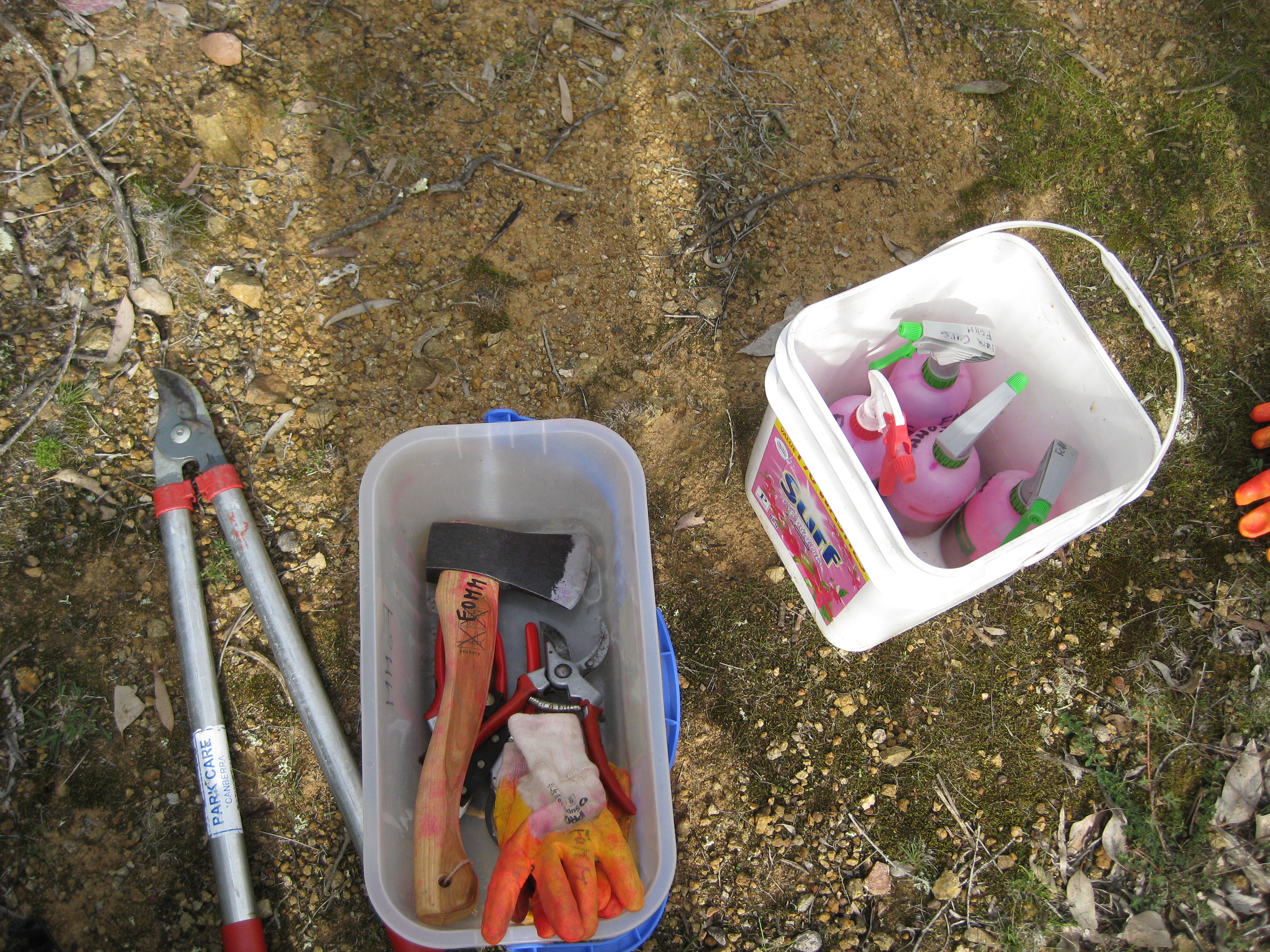
Your weeding tools

Weeding Tools

Weeding Tools

  • 1x pair of small clippers
  • 1x Large shears
  • 1x axe
  • 1x pair of gloves
  • 1x spray bottle of herbicide- a mix of 1:1 water and glyphosate coloured pink

The native garden plant Cootamundra wattle and other woody weeds didn’t get introduced to Majura and Ainslie the way most people would think. They creep over back fences or grow from gardening

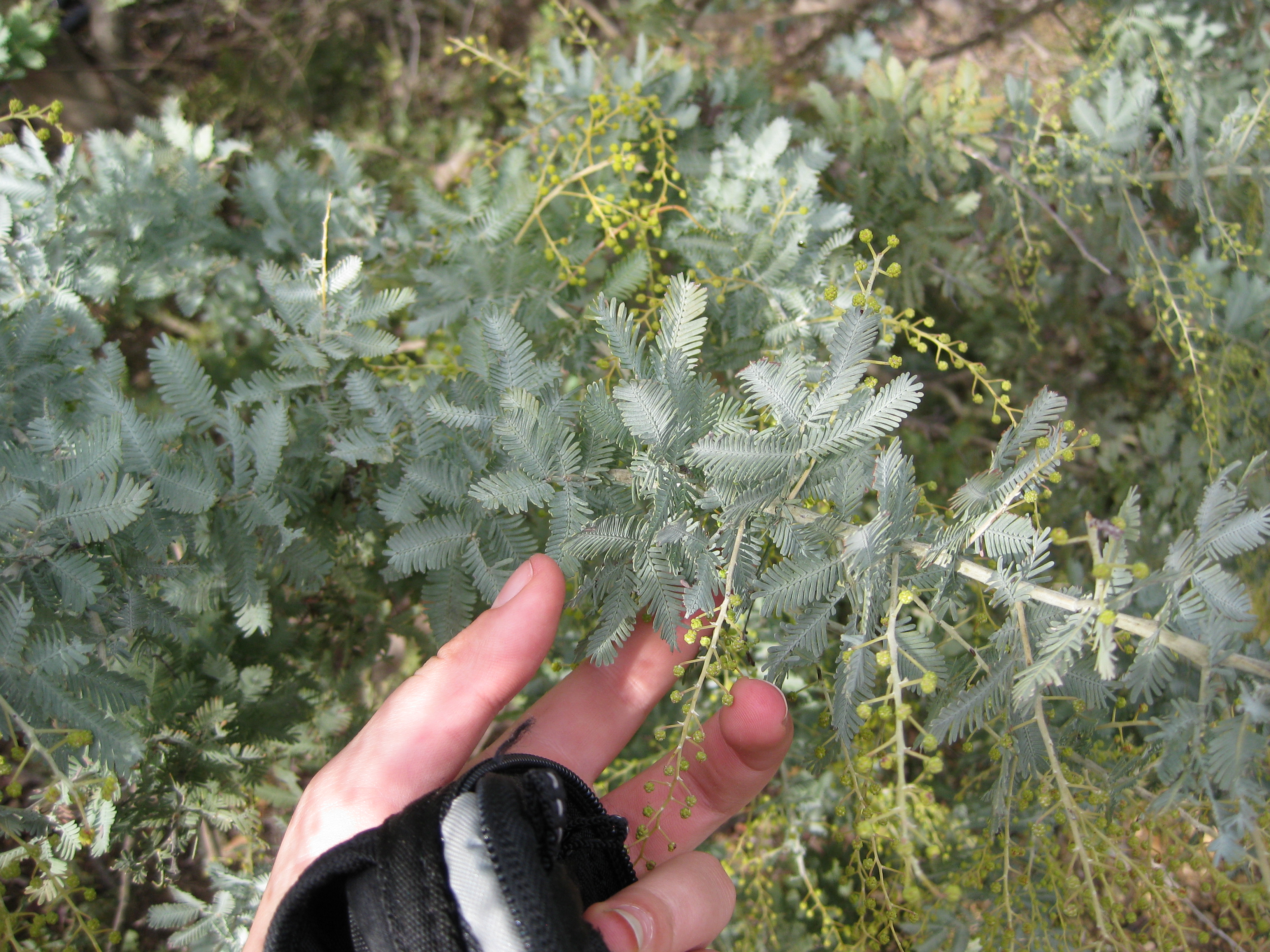
An example of a Cootamundra wattle leaf, not to be confused with the silver wattle

An example of a Cootamundra wattle leaf, not to be confused with the silver wattle

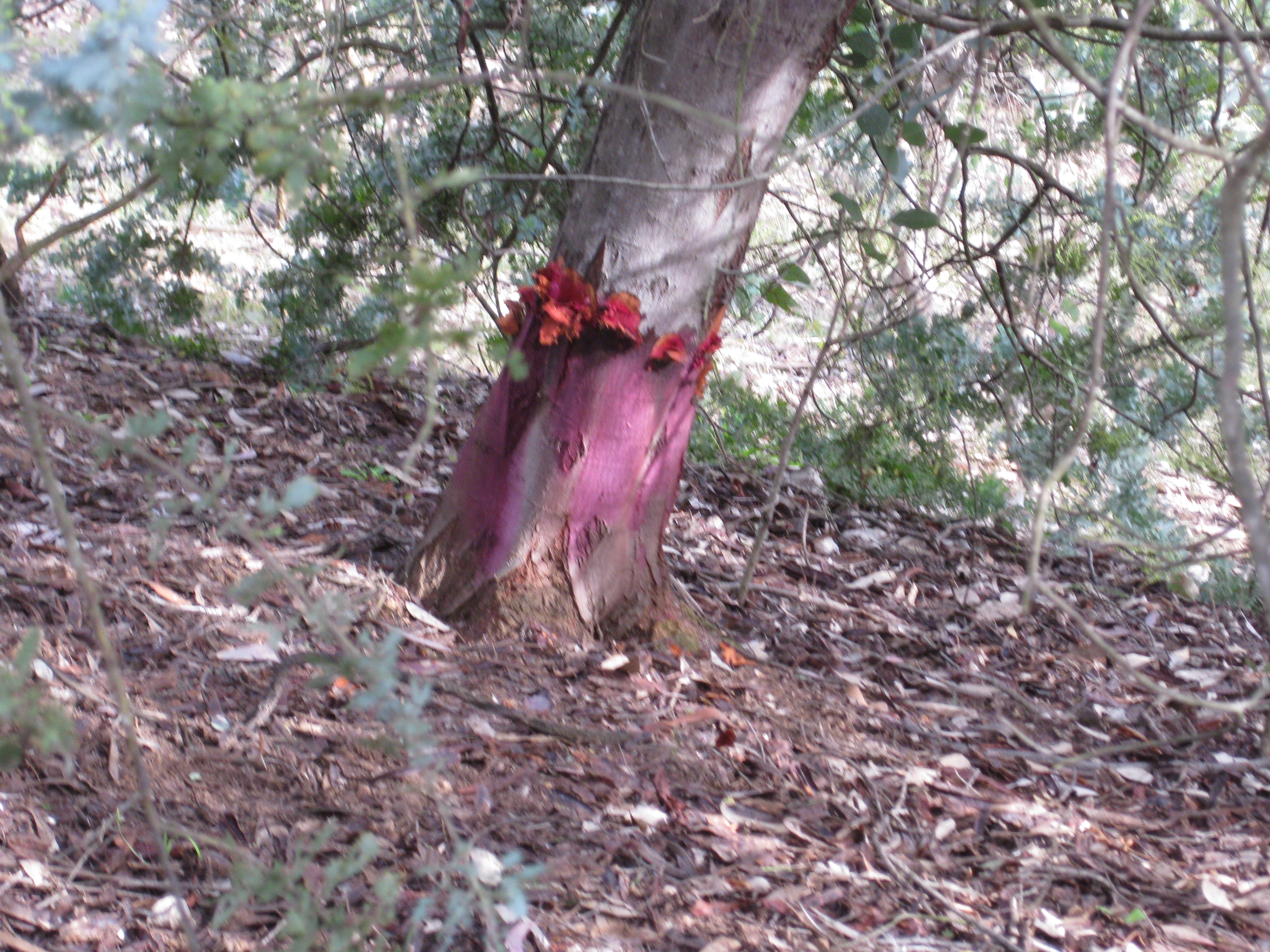
clippings dumped in the middle of the bush. Small Cootamundra and other weeds can be dealt with using shears; however some larger individuals have to be ringbarked, except that the axe cuts are sprayed with herbicide which the plant absorbs when it retrieves the sap, poisoning itself.

A Cootamundra Wattle that was ringbarked and sprayed with the herbicide a year ago.

A Cootamundra Wattle that was ringbarked and sprayed with the herbicide a year ago.

Some people might find it odd that the native Cootamundra wattle is also viewed as invasive however like introduced weeds; it takes up resources and room that should instead be used by the local natives which are a part of the Majura-Ainslie ecosystem.

So the other activity involved in restoring the area’s biodiversity is planting back the native trees. So far FOMM volunteers have replanted eucalypts, silver wattle a local native, acacias and everlastings.

Your tools

  • Water-retaining crystals, wet/dry
  • Trowel
  • Wet newspaper-a source of extra carbon and weed suppression
  • Mulch
  • ½ a bucket of water
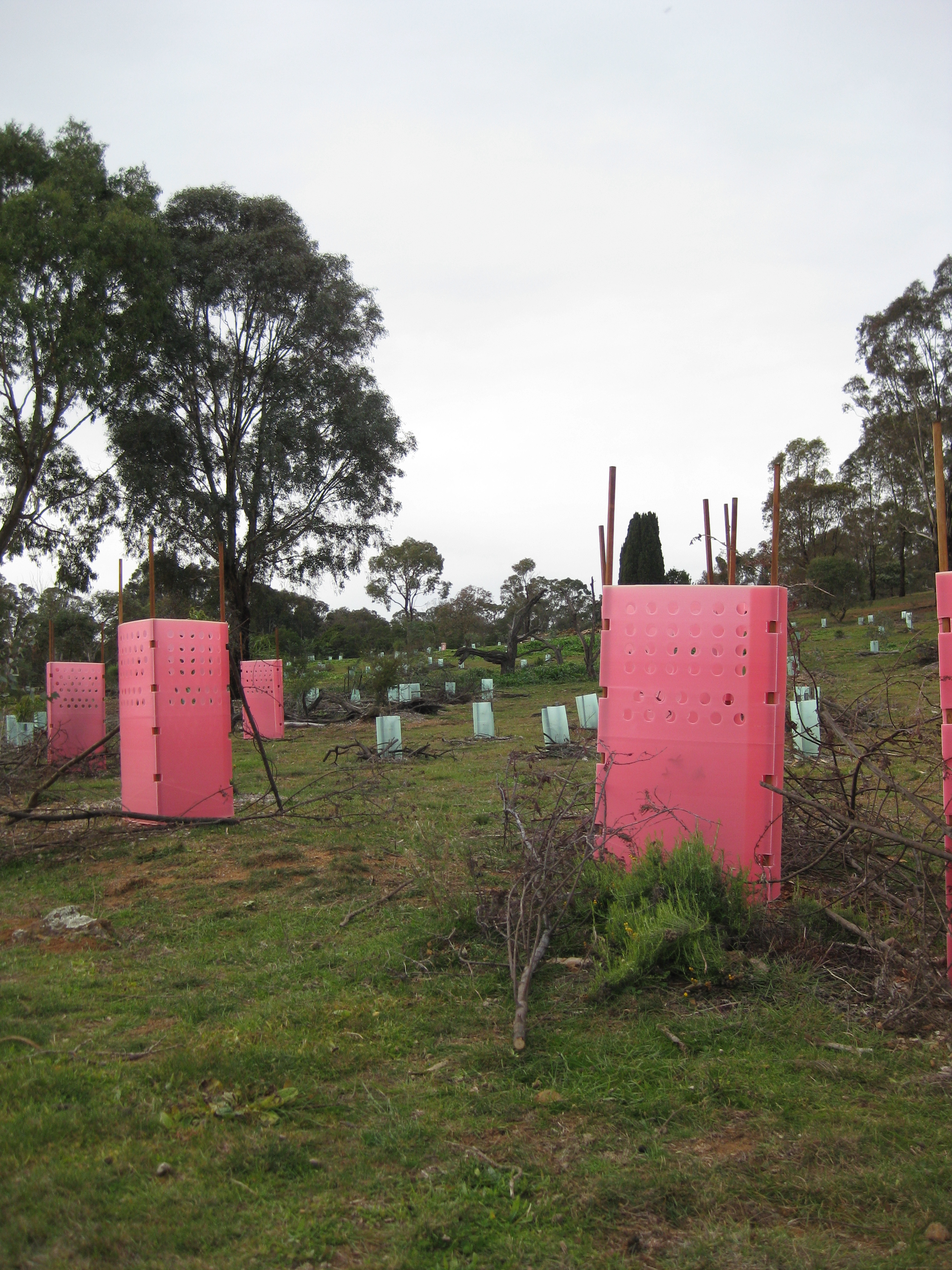
  • 2x poles + 1x Tree-guard
Tree-guards

Tree-guards

Each hole should have a trowel-ful of water -retaining crystals, mixed into the soil. You’ll want to fill the hole about level with the bottom of the potting mix before carefully filling in the soil around it, so that it covers the potting mix. Place the newspaper around the new plant, but not touching, and then set up the tree-guard. The first pole should be four finger widths from the plant before you hammer it into the ground. The actually hammering can be difficult, thanks to previous land use. There used to be cattle and car racing which has heavily compacted the soil, which makes it really hard to dig the poles into the ground.

The mulch has the combined job of retaining water, which as you may have noticed is a limiting factor in Australian landscapes, and preventing birds from stealing the newspaper. Afterwards each plant gets a reward of about ½ a bucket of water.


A newly planted apple-box sapling

A newly planted apple-box sapling

For those interested in the more fuzzy, furry and feathered side of things, on the 15th of June, FOMM are getting together to plant Drooping She-oak on Mount Majura. She-oak is an important habitat for the Glossy Black Cockatoo an endangered species. Other events coming up are the National Tree Planting Day on the 27st of July and of course the normal workshop every Friday morning.


Caitlin O’Meara (U5185879)

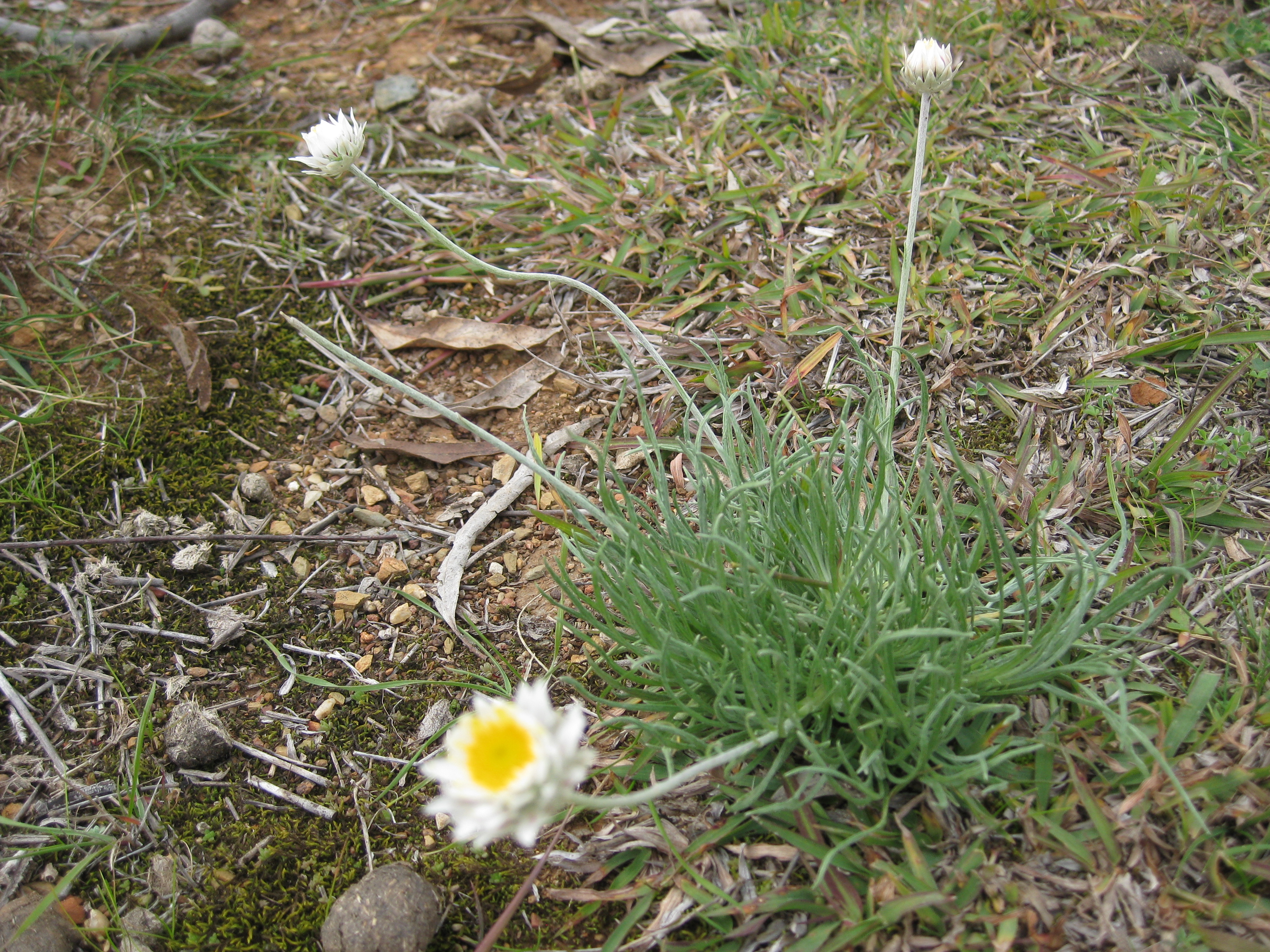
A little hope. This paper daisy is naturally occurring, no human intervention required, meaning that the area is once again supporting these plants and they can be reintroduced and hopefully create a self-sustaining population.

A little hope. This paper daisy is naturally occurring, no human intervention required, meaning that the area is once again supporting these plants and they can be reintroduced and hopefully create a self-sustaining population.

Posted in biodiversity conservation, Friends of Mount Majura, Volunteer work | 2 Comments

Two days Greening Australia

About a month ago I volunteered with Greening Australia for two days at the Scottsdale Reserve, located just 45 minutes outside of Canberra. Greening Australia is an organisation that aims to restore and manage the environment with the help of the community. They are working alongside Bush Heritage at the Scottsdale Reserve to restore the endangered environment at the Box Gum Grassy Woodlands. The plant community at the woodlands is endangered mainly because of the invasion of the weed named African Love Grass, which spreads fast and deteriorates the environment. The aim of this joint project is to bring the Scottsdale Reserve environment back to the condition it was in before the African Love Grass invaded the area.

During my two days on the reserve, I got to learn what this project is all about and get my hands dirty – literally! Indeed, I got to plant trees on areas that were previously scalped.Scalping a site means that the entire area is free of all vegetation, increasing the chances of the plants we planted being successful. On the first day it was just me, Ben, the man from Greening Australia, and three other students. We worked together and planted about 200 trees, following this procedure.

  1. Collect a certain number of trees in bucket and go to the planting site.

    Example of tree we planted (from Bush Heritage website)

  2. Dig a hole with either a shovel or a pick in a spot designated for it.
  3. Grab a tree out of the bucket and gently tap it against the handle of the shovel to separate it from its container.
  4. Put the tree into the hole and fill with the soil until the roots are covered.
  5. Place a triangular guard around the tree to protect it from animals (i.e. kangaroos). To do so, plant one stake facing the valley about 1/3 of its length down and put another stake through the guard. We then put the container on top of one of the stake to signal the plant needed watering.

    Example of triangular tree guard.

  6. Once finished planting everything, grab a bucket, fill it up and water each plants using about a third of the bucket.

On my second day, a number of volunteers (about 20) came along to Scottsdale Reserve for the morning to do some planting. The majority of them regularly help out with replanting, not only on Scottsdale Reserve. When I arrived, with another student and Hayden (from Greening Australia), two members of the group joined us to plant at a different site. After lunch, we split the work up into tasks to go faster: one was digging the hole, one was planting and the third was putting the guards up.

This was such a great experience, learning new skills and being part of an amazing project. If you are looking at doing some volunteering while getting some fresh air and enjoying a gorgeous day outside, I encourage you all to contact Greening Australia. I guarantee you won’t be disappointed!

For more information, look at the following websites:

www.greeningaustralia.org.au

www.bushheritage.gov.au

Valerie-Anne Ohl (u4597720).

Posted in Uncategorized | 1 Comment