Developing Stepping-Stones to Connect the Inhabitants of Box-Gum Woodland Patches

Daniel F. Martinez-Escobar U5182783

Box-Gum Woodland once covered a large area of south-eastern Australia. It is home to various species of birds, lizards, frogs and invertebrates. However, since European settlement began, 92% of its area has been cleared for grazing and agriculture. The remnants of these woodlands are often small and scattered. This habitat fragmentation is challenging for small animals to move across woodland patches, increasing their risk of extinction. What if we could find cost-effective ways to connect these fragments to prevent further loss?
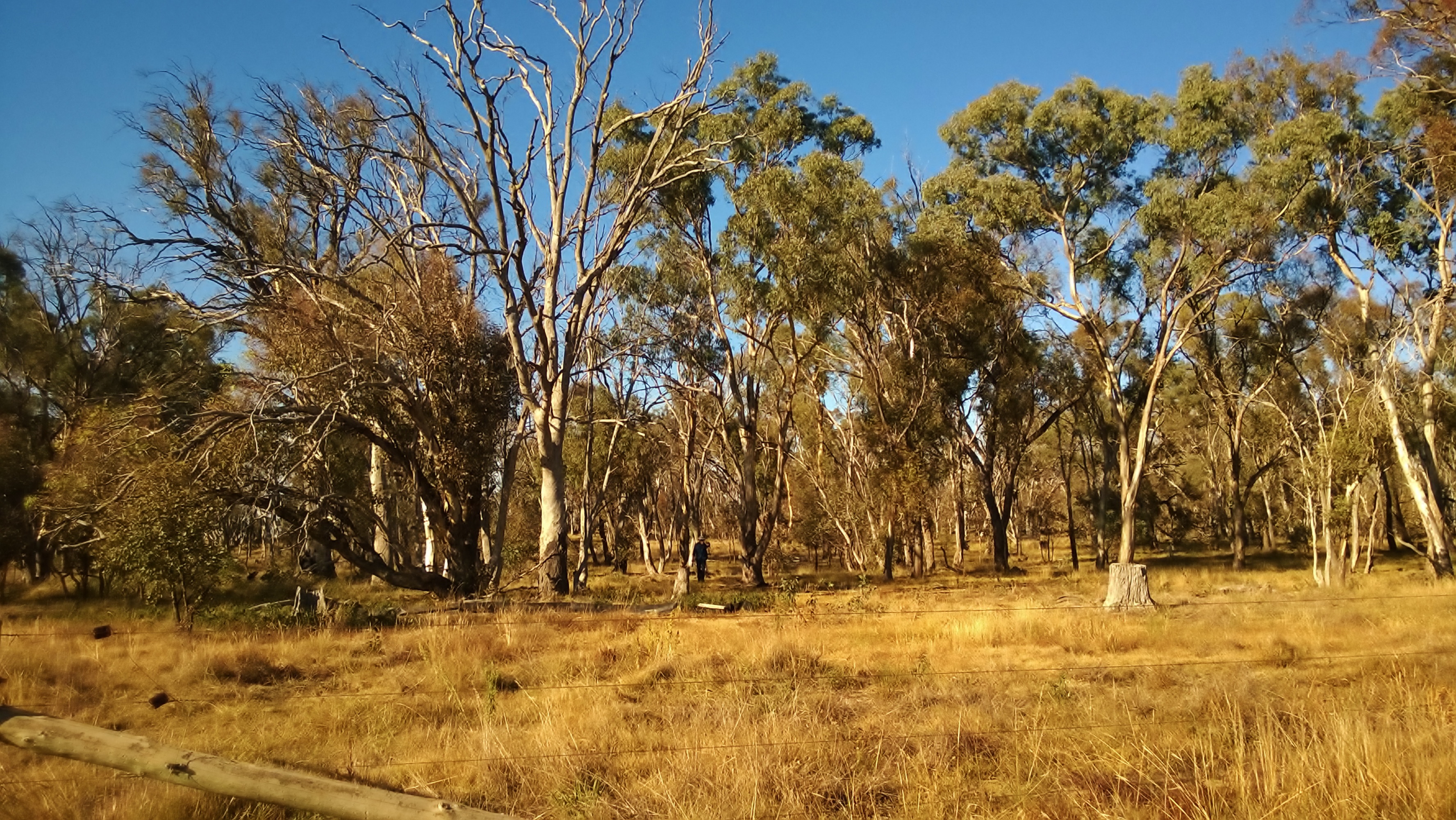
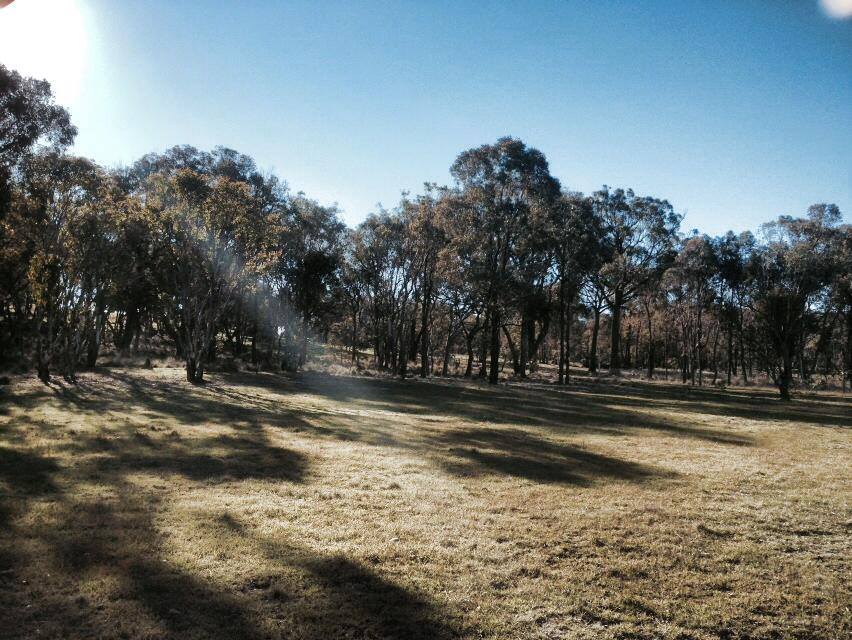
A patch of Box-Gum Woodland in a private property near Murrumbateman

A patch of Box-Gum Woodland in a private property near Murrumbateman

I did my work experience with PhD candidate Stephanie Pulsford, whose research aim is to try solve the connectivity issue in remaining Box-Gum Woodland patches. Her research is focused on reptiles and frogs, which are vulnerable to extinction by habitat fragmentation. Travelling from one patch of woodland to another can be easy for larger animals such as birds, but difficult for lizards and frogs as they are more sedentary and vulnerable to predation and desiccation. This is more difficult when the space between patches (known as the matrix) has been oversimplified by human impacts such as grazing and the removal of fallen timber. Stephanie’s research is trying to find ways to create stepping-stones allowing these animals to move from one patch of woodland to another. Some of the stepping-stones being tested include fallen timber, fences, and plant corridors.

The distance between patches is a challenging hike for small animals. Note the lack of natural stepping-stones in this grassland matrix.

The distance between patches is a challenging hike for small animals. Note the lack of natural stepping-stones in this grassland matrix.

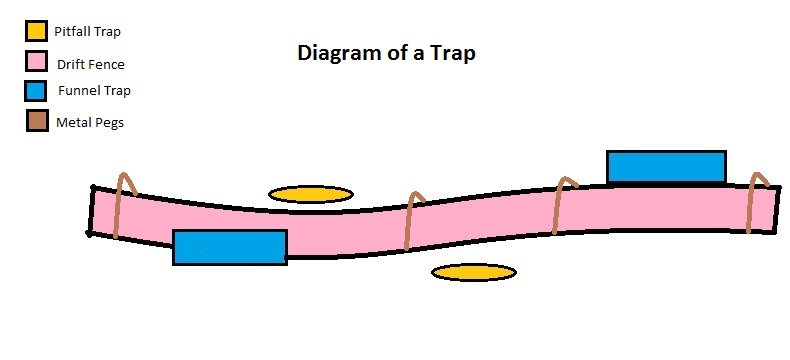
When we arrived to our first site we encountered a landscape similar to the usual surroundings of Canberra: golden dry grasslands, herds of sheep, fences, scattered patches of forest and the occasional mob of kangaroos. Our task for the day was to install traps throughout different sites. When a lizard or a frog decides to move from one patch of woodland to another, they would encounter a large drift fence. When trying to run around the fence, they would fall into one of the pitfall or funnel traps placed throughout the drift fence. These traps are designed to capture and keep them alive until we find and release them.

One of the pitfall traps used in a property near Breadalbane. The drift fence (black plastic) stops any animals trying to cross from one site to another and directs them to one of the traps. Here we have an exciting guest (A tiger snake!) hiding in one of the pitfall traps under a plastic tube and piece of floating wood (designed to protect trapped animals from desiccation or flooding

One of the pitfall traps used in a property near Breadalbane. The drift fence (black plastic) stops any animals trying to cross from one site to another and directs them to one of the traps. Here we have an exciting guest (A tiger snake!) hiding in one of the pitfall traps under a plastic tube and piece of floating wood (designed to protect trapped animals from desiccation or flooding

During the following days, we would travel to each of the sites to check if any lizards or frogs had fallen into a trap. We would note from what direction they were traveling from, and their physical characteristics. The specimens were then tattooed with a combination of fluorescent dyes for identification. Unfortunately, the days were cold, so not many animals decided to move across patches. Nonetheless, each new specimen trapped was an exciting find. We even found a tiger snake!

The belly of a frog showing his new fluorescent tattoos. The tattoos are used for identification; here we have a ''yellow-pink-pink'' frog.

The belly of a frog showing his new fluorescent tattoos. The tattoos are used for identification; here we have a ”yellow-pink-pink” frog.

It is too soon to know which stepping stone strategy will mitigate fragmentation effects in Box-Gum Woodlands. Nonetheless, this research is promising. Interested farmers will be able install these stepping-stones at little financial expense to help increase the populations of lizards and frogs, which bring benefits to the ecology of their properties.

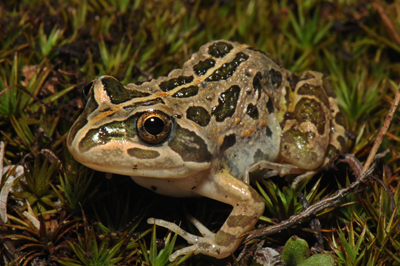
A young Pobblebonk frog (Limnodynastes dumerilii) during weight and length recording

A young pobblebonk frog (Limnodynastes dumerilii) during weight and length recording

The development of these stepping-stones can be applied as a broad-scale restoration method to improve the chance of survival of reptile and frog species living in Box-Gum Woodland remnants and may even assist other endangered habitats around the world.

All text and photos by Daniel F. Martinez 2015
Posted in biodiversity conservation, Volunteer work | Tagged , , , | 2 Comments

Vegetation assessment at Bago State Forest

Alexander Pecenko (u5333012)

My work experience for the ENVS3039 Biodiversity Conservation course (4–7 April 2015) involved assisting Dr Heather Kieth with data collection at Bago State Forest, NSW, for research of the forest’s carbon cycle (more information here).

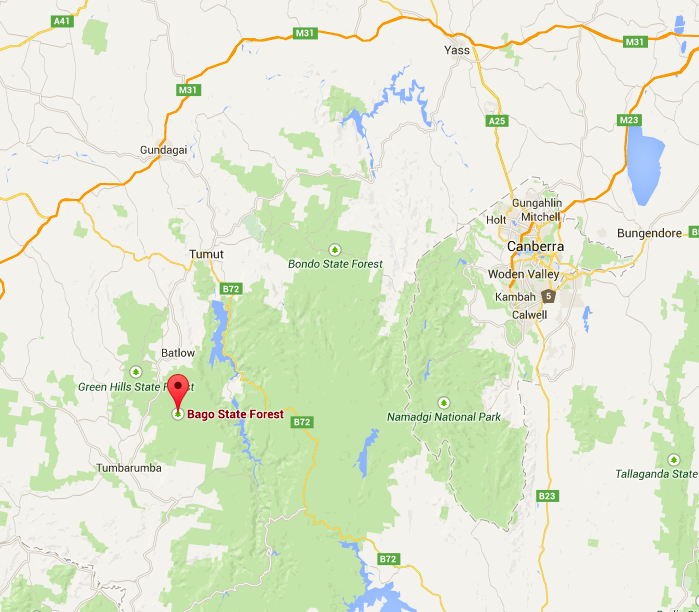
Bago State Forest MapLocation of Bago State Forest (Google Maps)

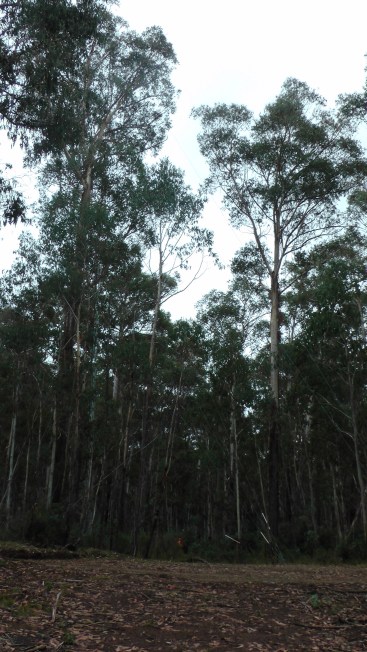
S2110043Vertical profile of Bago State Forest (Photo credit: author)

The fieldwork had three primary aims: (1) assessing the subordinate (i.e. undergrowth) vegetation; (2) recording and tagging woody seedlings; and (3) determining the state of the coarse woody debris. The fieldwork was carried out on a one hectare plot, demarcated by 110 pegs (Grid Point Map).

Field site grid points

Grid Point Map (created by Dr Kieth): grey rectangles demarcate the subordinate vegetation assessment area, and green the seedling tagging transects.

Subordinate vegetation

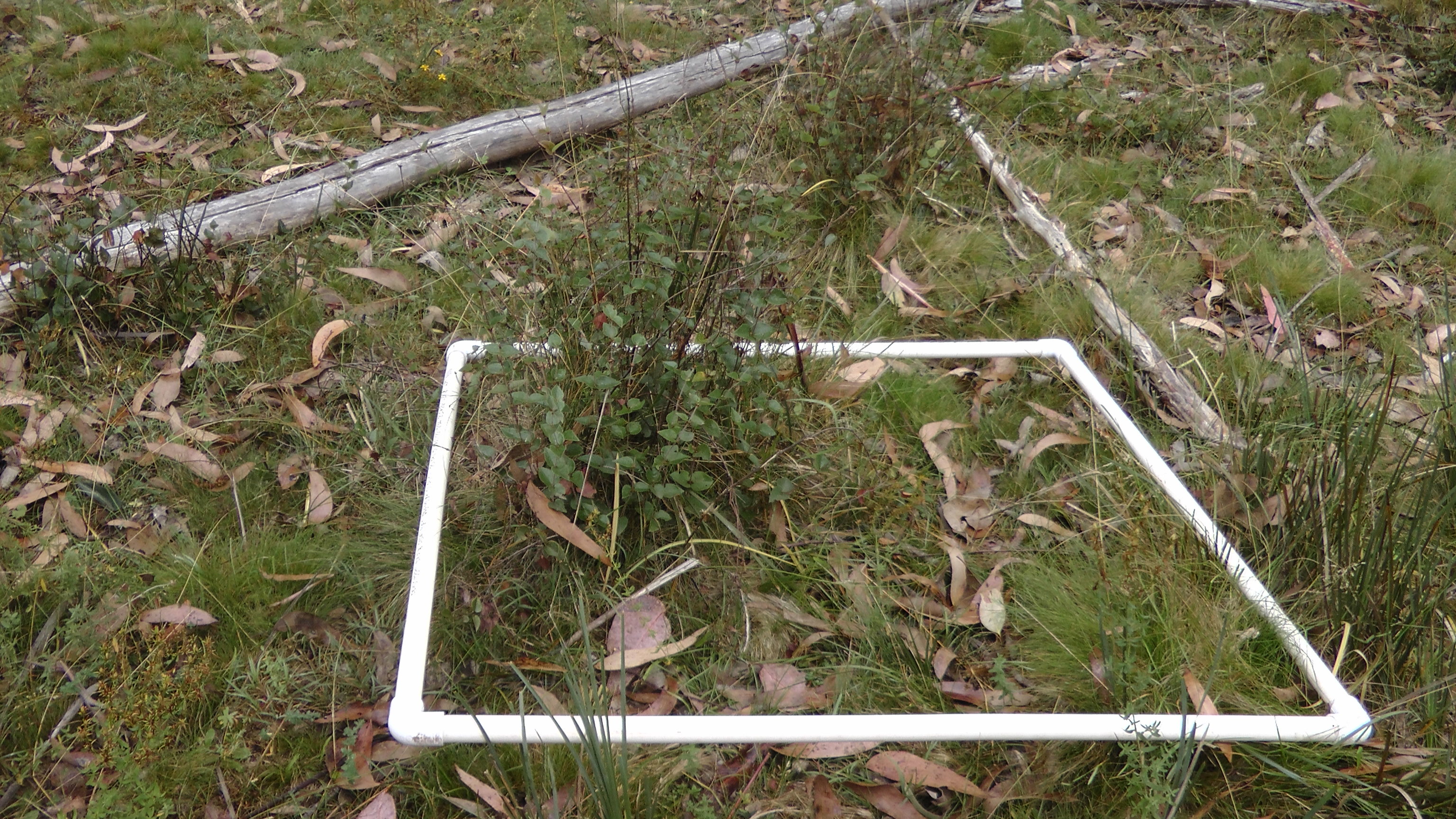
We assessed along six transects (Grid Point Map), at 10 m intervals, the subordinate vegetation cover within 1 m2 quadrats.

subordinate vegetation analysis quadrat

A quadrat used in the subordinate vegetation assessment (Photo credit: author)

We estimated and recorded the types of vegetation ground cover. Most plants were known; the samples of those not recognised were collected for later identification.

Woody seedling

All woody seedlings in six 20 m transects (Grid Point Map) were tagged. I prepared the transects and recorded the species of seedlings, their heights and positions.

Seedling tag

A tag with seedling number for subsequent identification (Photo credit: author)


Recording data in the rain

Recording the seedling data: when in the field, the weather is not always your friend (Photo credit: Dr Kieth)

Having anticipated that a lush forest would harbour a wide range of undergrowth species, I was surprised by their low diversity: there were predominantly only three types of  shrubs (Mountain pepper, Coffee berry, Handsome flat-pea).

Woody debris

The coarse woody debris on ten 60 m transects was assessed: I measured the diameter of the logs crossing the transects, and determined their state of decay.

Log measurement

Measuring the diameter of the logs with callipers (Photo credit: Dr Kieth)

I learned how to distinguish, by sight, the standard five log decay classes, and estimated the percentage of void (hollow). I had expected more accurate measurement methods, however, I learned that estimation by sight is the most feasible one (more information here).


Reflections

Witnessing the extensive logging of Bago State Forest, I became strongly aware that sustainable management of these habitats is vital to maximise their ecosystem services and biodiversity.

Pine plantation

Pinus radiata plantations cover vast expanses of Bago State Forest (Photo credit: author)
Eucalypt plantationCommercial harvesting of Eucalyptus delegatensis and E. dalrympleana (Photo credit: author)

The vegetation data collected during this fieldwork will be used to determine the interactions in carbon exchange among the soil, live and dead plant matter, and atmosphere. This research is important for better understanding of the implications of climate change.

The fieldwork was a very fascinating and enjoyable experience where I observed first-hand how scientific research is carried out. Throughout the four days it rained a lot and hence, a positive attitude, dedication, a good sense of humour, and wet weather gear were vital for making the fieldwork a success and fun.

Posted in Uncategorized | 1 Comment

Innovation in Biodiversity Conservation – servicing our debt to Pachamama

We all know the range of benefits that biodiverse ecosystems bring, right? As a source of food, materials, medicine, shelter and refuge, in addition to providing valuable natural services like carbon sequestration and filtering toxic substances and a realm of natural aesthetic beauty, we can’t deny that we owe the natural environment more than a few golden handshakes for its contribution to our modern lifestyles. This is despite the increasing disconnect to nature many urbanites experience as their everyday bubbles grow (seemingly) smaller and smaller and the extent of their lifestyle impact grows most definitely wider and more complex.

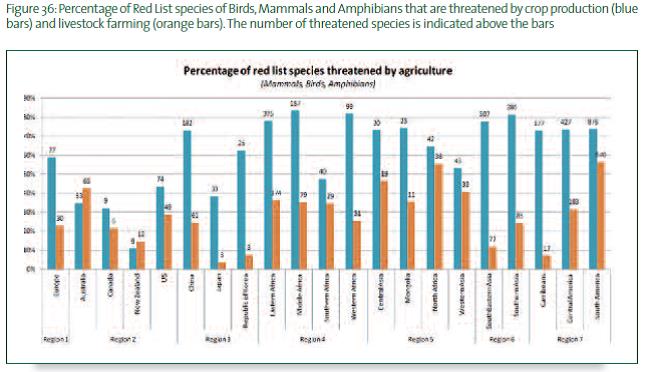
In supporting these modern lifestyles, the varying impacts of production, processing, transport and disposal on biodiversity loss are indeed significant. The FAO estimates that, in some countries, more than 90% of the International Union for Conservation of Nature (IUCN) Red List species of mammals, birds and amphibians are threatened by the impacts of value chains from livestock and crop production alone.

agSource: FAO (2013)

“So then, oh great professors and philosophisers of lifestyle doomsday scenarios, what’s the damn solution?” Is it about promoting greater awareness and responsibility of lifestyle impact? Is it about greater cooperation between business, government and civil society to tighten those orange mocha frappuccino supply chains? And how do we bring the informal sector into the mix of our ideal ‘1 size fits all’ solution, often both unregulated and unmapped. In many Least Developed Countries (LDCs, if you’re a fan of TLAs) this presents a complex dilemma. But, unfortunately, it’s not just the LDCs where economic development and environmental sustainability go head to head – and socio-economic development becomes a key bargaining chip to temporarily overlook degradation, at least in the short term. But the rest of us promise to catch up and play nice later, don’t we?

T’here’s probably a way through all this mess we’ve caused. And indeed, what a mess. In their paper, “A globally coherent fingerprint of climate change impacts across natural systems”, Parmesan and Yohe suggest that up to 41 percent of all wild species have been affected by “RECENT” climate change, based on analysis of 30 biodiversity impact studies covering more than 1700 species (including insects, vertebrates and plants). But even when you subtract the impacts of climate change (for the sceptics’ sake) we are still left with land clearance, over exploitation of natural resources and introduction of invasive species. Yes, by now we’re starting to figure out the a range of ways to mitigate and adapt together and trying to catch up, maybe not fast enough, but trialling new conservation techniques takes time and we have technology on our side to help with the scale-up later, your average joe eight-pack might say, hoping the IUCN’s next Red List isn’t due anytime soon. But, whilst we ponder and dabble, how will any of these expected (or at least hopeful) improvements and reduced impact towards biodiversity levels even be monitored, where it’s working and even where it’s not? And what incentives need to be included to ensure both emerging and ongoing efforts are maintained by governments, business and communities on an equally fair basis?

There’s a few great things going on. And I’m pretty sure we could think of a few more if our lives depended on it. And don’t they?

All in all, there are clearly still limits to how far we are willing to go with risk. Because in this case, it’s not just the investment that may have to be written off. But by building on existing evidence through the piloting of new approaches, increasing capacity within communities, civil societies, government institutions and business (both method and monitoring) and identifying the right incentives for the different movers and shakers, we’re taking the best steps towards showing Pachamama how much we actually care. It’s just a pity they weren’t the first steps we were taking.


Joseph Manteit, 2015

Posted in Uncategorized | Leave a comment

Rescuing birds in Jaipur, India

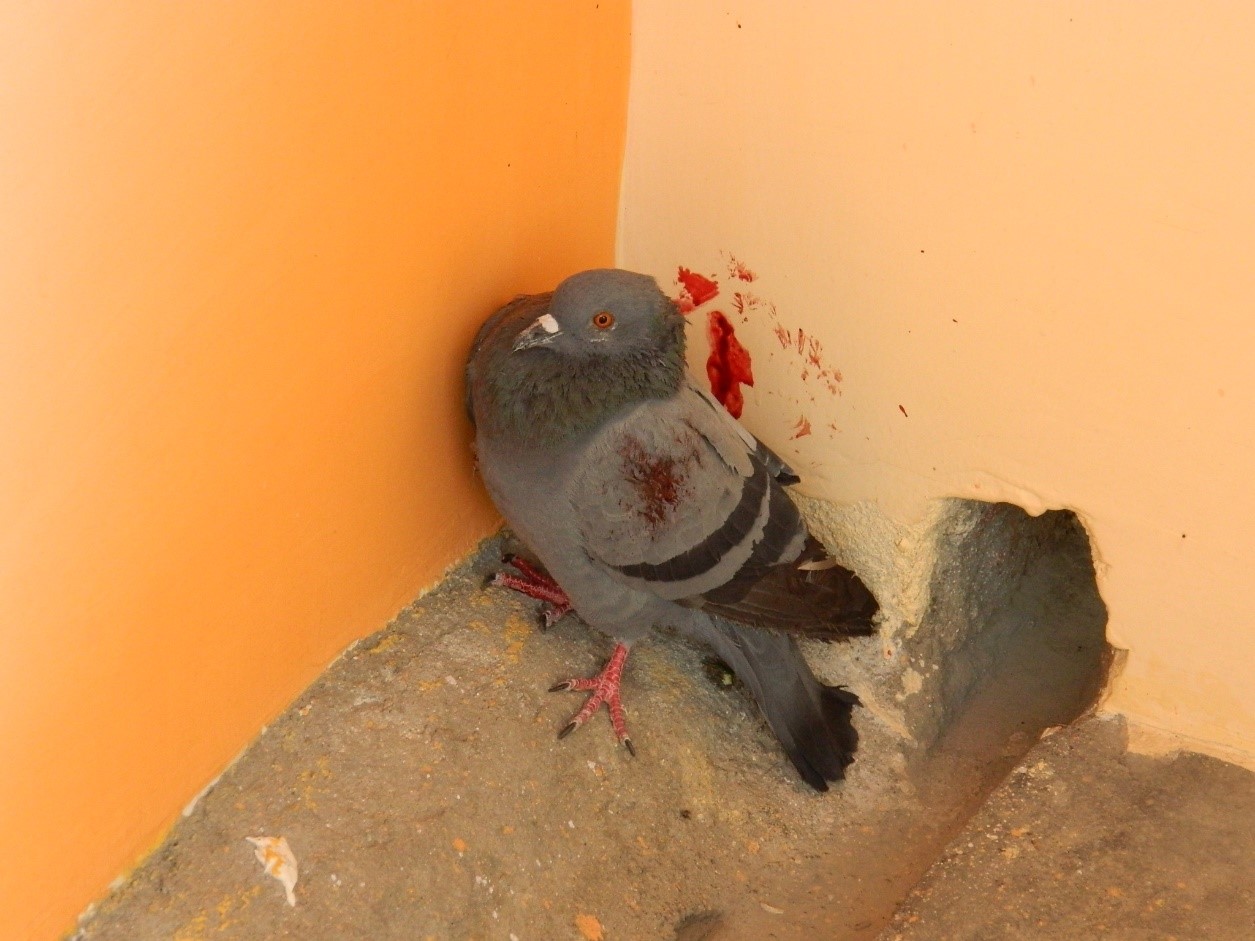
Pigeon injured by Manjah.

India, as one of the 10 biggest countries in the world, supports a rich biodiversity. This is due to the different ecosystems that we can find in the country, from deserts to rainforests. In the state of Rajhastan alone, we can find nothing less than 500 bird species, out of which 100 migratory species use its lands every year.
However, every January in this country there is a big tragedy. It occurs during Makar Sakranti, an important festival celebrated throughout India and Nepal. It is a magic atmosphere, everyone enjoying with their families and friends on the rooftops, listening to music, eating good food, chilling and flying kites. Unfortunately, there is also an element of competition in this event: kite fighting. Kites are flown using glass coated threads (Manjah) to cut other`s kites. An unfortunate consequence is that thousands of birds get hurt or die colliding with Manjah in the week of Makar Sakranti.

Many people go to their rooftops to fly kites in Makar Sakranti in India, Jaipur.

I had the privilege to volunteer in RAKSHA, a youth-based organization that works against animal cruelty in Jaipur. The main activities of this NGO during the December and January (the period in which I worked there) is educational awareness against Manjah in schools and rescue and rehabilitation of injured birds.
Throughout the year if a citizen finds an injured bird anywhere they can call RAKSHA`s helpline, and someone from the team will rescue it. If the bird needs rehabilitation we take it back to the shelter, otherwise if it is case of getting stuck in Manjah, it is released on the spot.
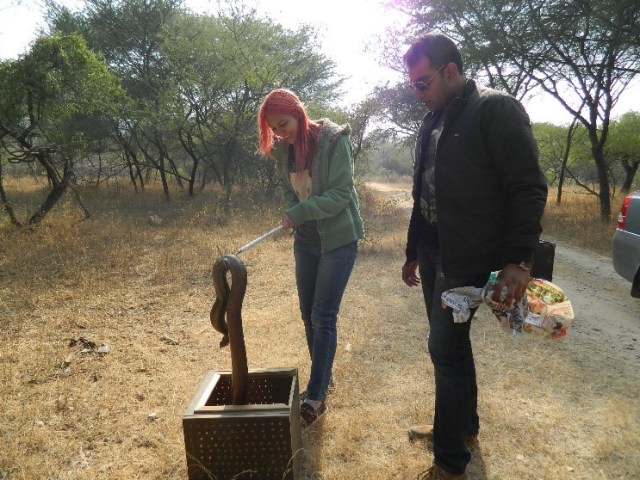
RAKSHA also do snake rescue in citizen’s houses, releasing them in a forest near Jaipur. Although it was not snake season during my stay in Jaipur, we did some snake rescues and releases.

My first Snake release, a Common Red Sand Boa (Eryx johnii).

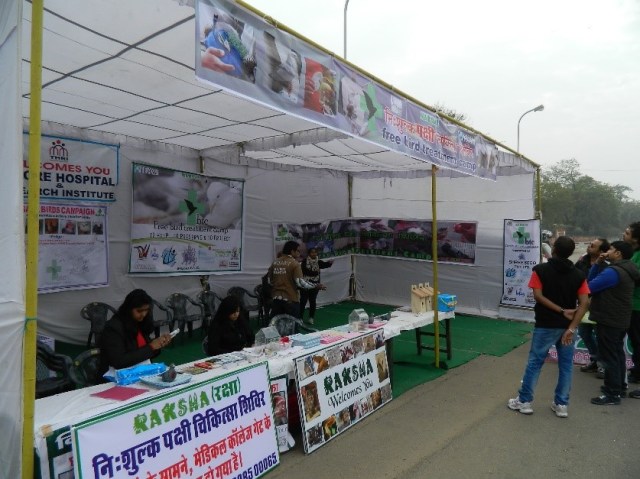
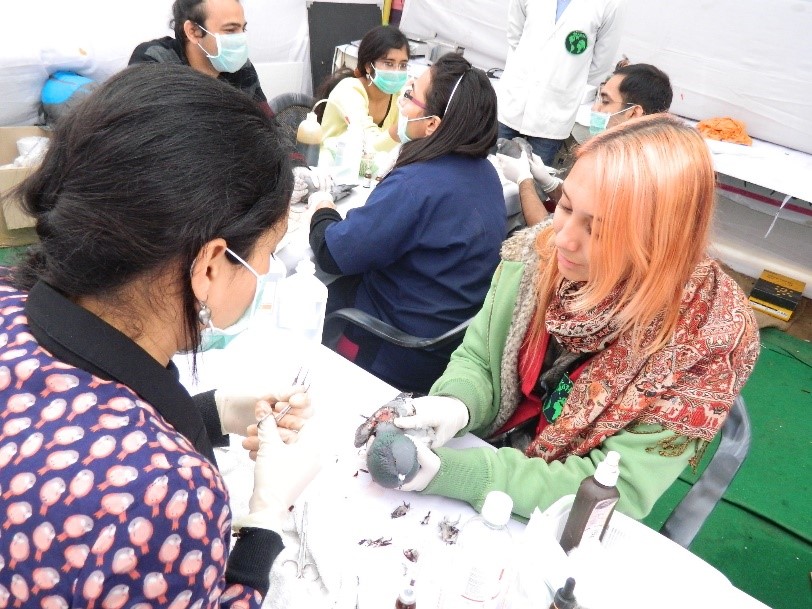
Prior to the week of Makar Sakranti we completed a Bird Treatment Camp in the heart of Jaipur city. At the camp were many volunteers that were trained to rescue birds, and veterinarians volunteering to provide first aid and surgery in injured birds. It was a bit rustic, we did not have the best technologies to do the surgeries, but it is still a wonderful work, and basically the only hope for injured birds. In three days of the Bird Treatment Camp we rescued 227 birds, including Pigeons, Lapwings, Egrets, Black Kites, Pea Fowls, and watched many surgeries done by veterinarians.

Birds Treatment Camp.

I had the amazing opportunity to help on those suturing, holding the birds, while the veterinarians explained everything about the procedures.

In early January RAKSHA organized a Curators Birds Rescue Workshop, to empower citizens and stakeholders about birds rescue and treatment more generally. I had the opportunity to give a presentation talking about Makar Sakranti, kite flying and the threats of Manjah.

At the final part of my internship, right after the Bird Treatment Camp, we worked hard in the post-surgery treatment of around 100 birds, most of them pigeons. Feeding, providing medicine and changing bandages of birds was really rewarding. To see them trying to fly and getting better with time made us to feel that we are finally doing something good for the world!

Pigeons in the rehabilitation program.

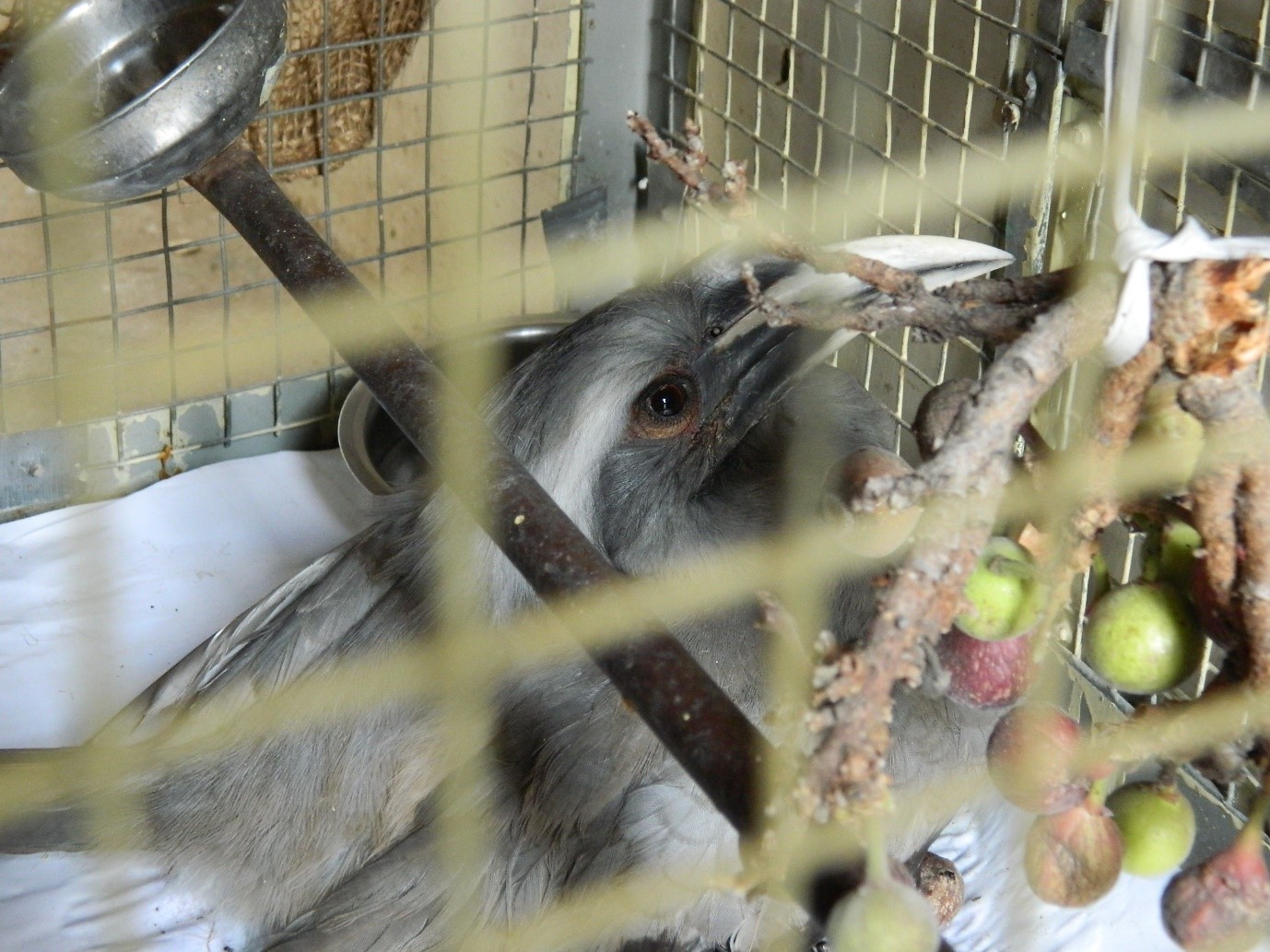
I believe the rescue effort is important for conservation of native species such as black kites, hornbills, lapwings and pea fowls. For example, in 2014 RAKSHA rescued a long billed vulture (Gyps indicus), a species considered Critically Endangered on the IUCN Red List. However, most of the birds that are rescued are rock pigeons (Columbia livia), an introduced species that is a pest in India. Because the work involves protecting and rescuing a species considered a pest, it is a very polemic topic.

Is it ethical for conservation projects to favour pests such as pigeons? Should we prioritize rescues and treatment only for native species? It is known that invasive species can impact negatively on habitats leading to a biodiversity decline (Sala et. al., 2000). Nevertheless, there is the animal’s welfare point of view that can be also taken into account. Should all species be treated equally and have the same right to live independent of being considered pests? The development of methods of fertility control could be a possible solution for the pest problem taking into account these two distinct points of view (Singer, 1997).
I believe that projects such as RAKSHA could keep working in favour of all animals, bringing direct and indirect conservation benefits even working with pests. Besides rescue and rehabilitation, I believe the educational awareness has also an astonishing importance: to educate people that an injured pigeon is not less important than an injured eagle. All forms of life are important, and we must respect and care about them.

Indian Grey Hornbill (Ocyceros birostris), a native species rescued by RAKSHA team.

Evelyn Dias Jorge

References

  • O.E. Sala, F.S. Chapin, J.J. Armesto, E. Berlow, J. Bloomfield, R. Dirzo, E. Huber-Sanwald, L.F. Huenneke, R.B. Jackson, A. Kinzig, R. Leemans, D.M. Lodge, H.A. Mooney, M. Oesterheld, N.L. Poff, M.T. Sykes, B.H. Walker, M. Walker, D.H. Wall (2000). Biodiversity – global biodiversity scenarios for the year 2100. Science, 287: 1770–1774
  • Singer, P. (1997). Neither human nor natural: ethics and feral animals. Reprod. Fertil. Dev., 9: 157–62.
Posted in Uncategorized | 1 Comment

Microbats and Microphones

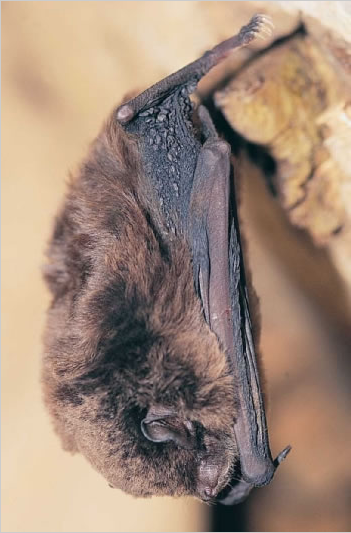
Our work experience began with a warm welcome to the NSW Office of Environment and Heritage by employees Suzie Lamb and Doug Mills. We were setting out to conduct monitoring of the Eastern Bent-Wing bat, a vulnerable species of microbat found in caves in Wee Jasper and Bungonia. They roost in these caves due to their suitable temperature, humidity and year-round darkness. The reason for our work was the large number of proposed and existing wind farms in the NSW and ACT areas, these developments pose a potential threat to the bats as they migrate to the coast and other caves.

Photo credit: http://www.environment.nsw.gov.au/threatenedspeciesapp/profile.aspx?id=10534

Photo credit: Office of Environment and Heritage, NSW

Video of software processing the number Eastern Bentwing bats departing Church cave, Wee Jasper (Office of Environment and Heritage, NSW)

Getting out in the field

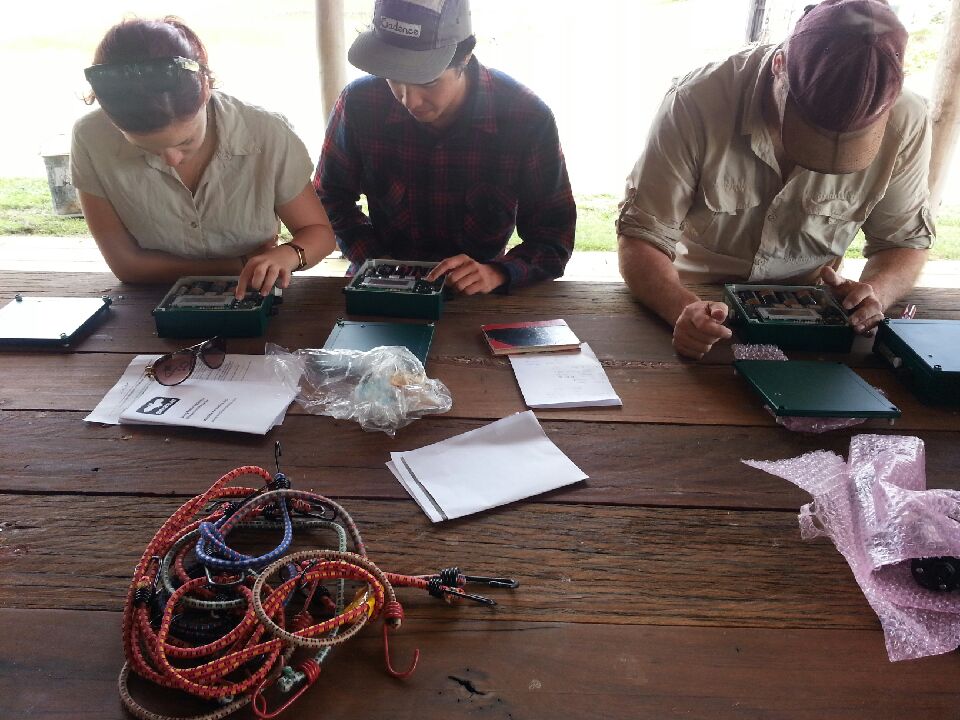
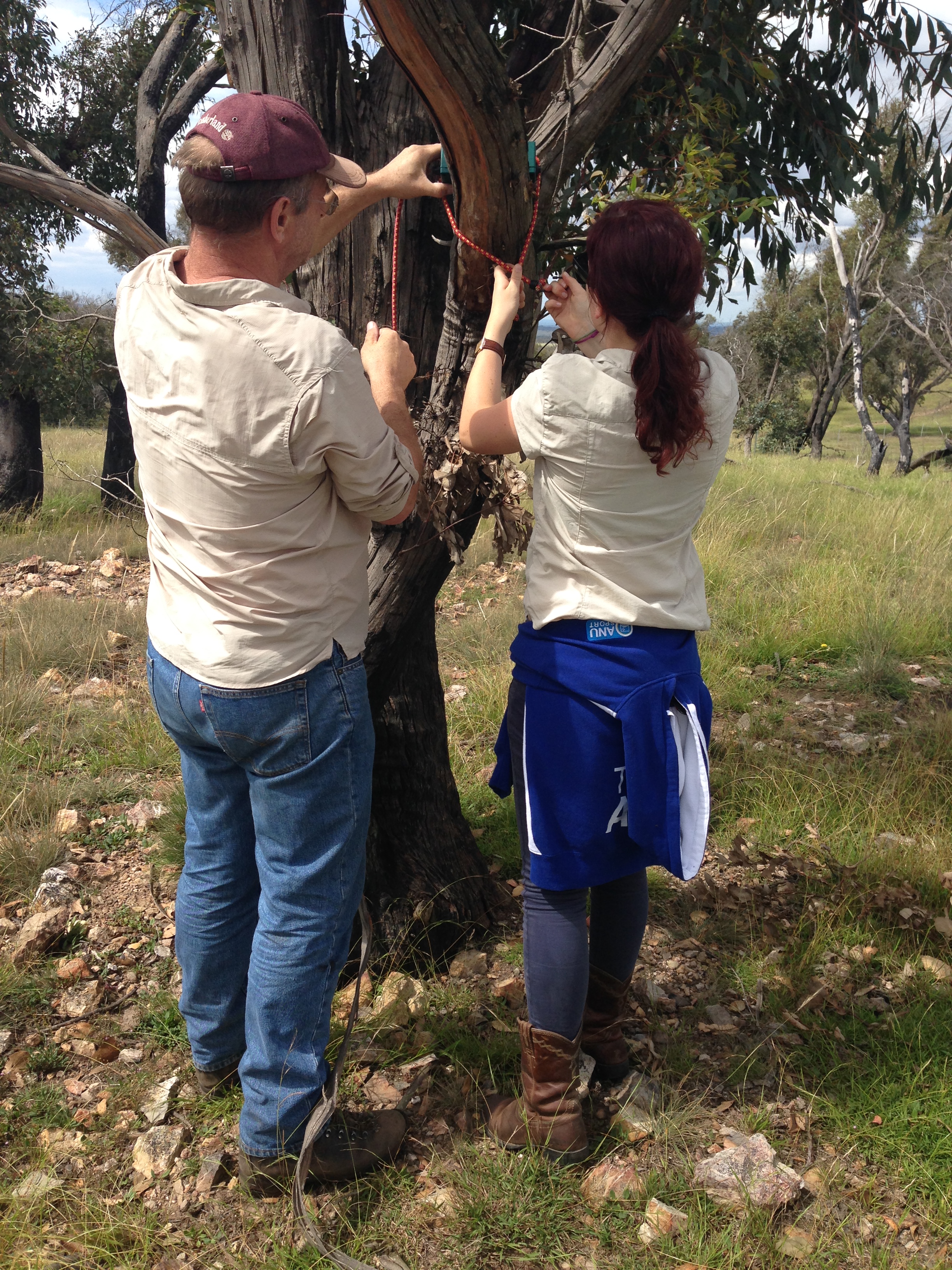
We drove out to a beautiful farm close to Bungendore close to the proposed wind farms. This area was deemed a possible fly-over spot for bats and we were setting up ultrasonic detectors to determine whether this was the case. As an aside I would like to note that as tiring and monotonous as field work can be it can also involve frequent snack breaks, tea, horse feeding and tree climbing. The process of programming the expensive bat monitoring devices made me feel like a cross between a bomb defuser, elite hacker, karaoke star and the owner of an old Nokia phone.

Programming the ultrasonic detectors

Programming the ultrasonic detectors

Installing an a detector in a tree

Installing an a detector in a tree

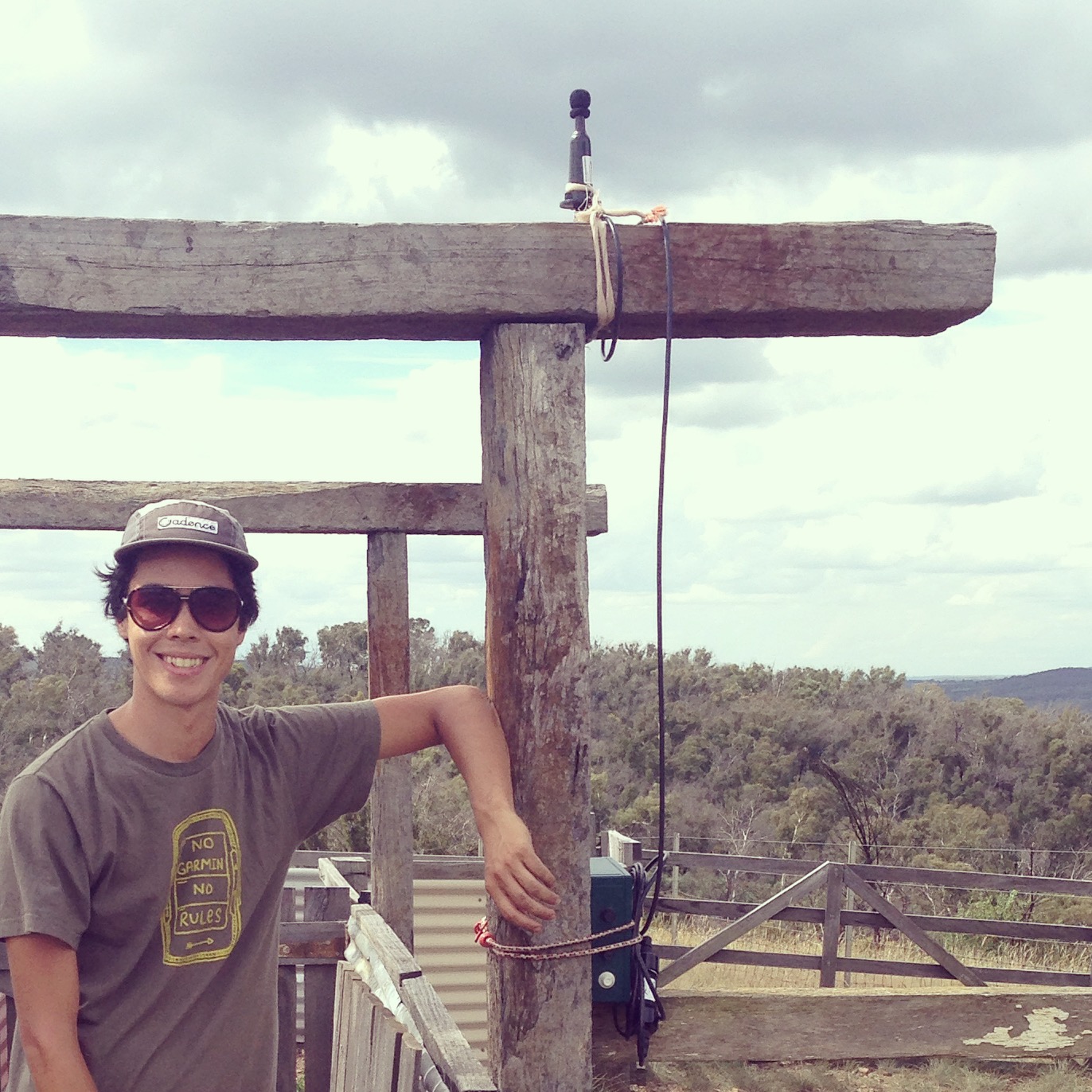
Pleased with my inventive placement of this detector

Pleased with my inventive placement of this detector

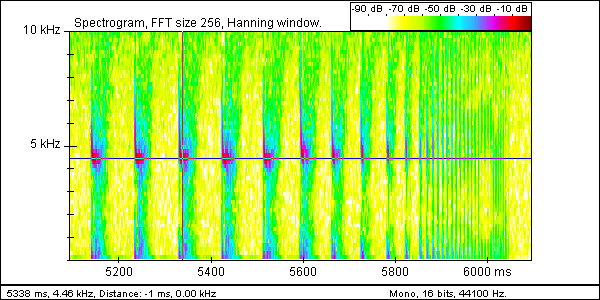
The echolocation call of the Eastern Bent-Wing bat allows them to build a virtual ‘map’ of their surroundings so they can navigate objects and detect prey. These calls are what we detect using the monitoring devices, analysis of the calls in a spectrogram or sonogram allows the species that issued the call to be identified.

Example sonogram (visual representation) of a bats call. Source: http://en.wikipedia.org/wiki/Bat_species_identification

Example sonogram (visual representation) of a bats call. Source: http://en.wikipedia.org/wiki/Bat_species_identification


What does this all mean?

The findings from this project will provide information on the migratory patterns of the bats, particularly in relevance to the development of windfarms in the area. It may sound strange, but after going to the trouble of programming and setting up multiple detectors the ideal result would be to find nothing. Unfortunately the current state of development is such that threatened species don’t receive a great deal of priority and it isn’t a simple nor easy task to relocate large-scale developments such as wind farms. Biodiversity offsets have been used to mitigate the impacts of wind energy projects through the NSW BioBanking scheme with some success however due to the rarity of cave habitats creating effective offsets which directly supplement the Eastern Bent-Wing bat would be very difficult.

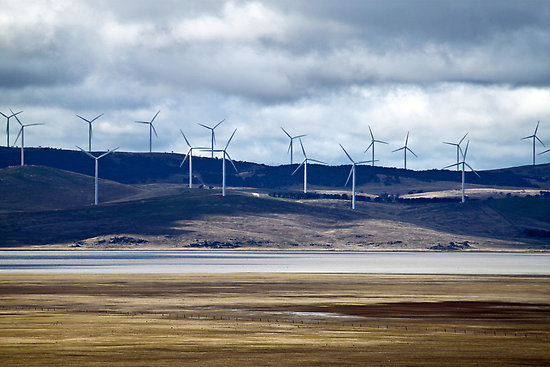
Lake George Wind Farms - Belinda Doyle

Lake George Wind Farms – Belinda Doyle

Whilst the implementation of wind farms may seem like a black and white issue it is far from that. Are the negative impacts of wind farms on biodiversity being considered? Will these issues also occur with other renewable sources such as wave power? Weighing up the costs and benefits of issues such as these is incredibly difficult and a great deal more research needs to be undertaken before properly informed decisions can be made.

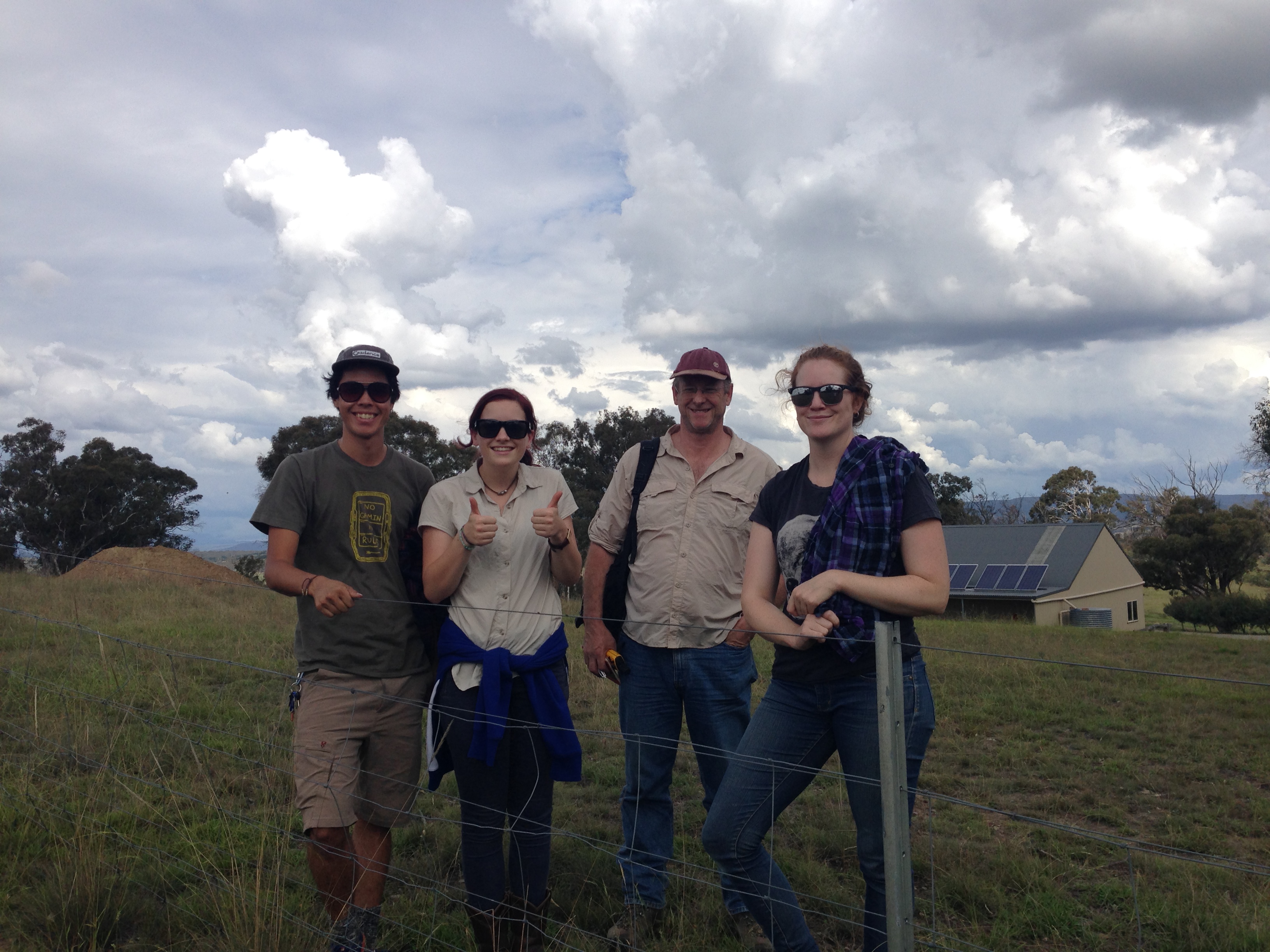
The team!

Bat team 1  a.k.a Sean (me), Jess, Doug and Suzy

Further reading:

More information on the Eastern Bent-Wing bat:
http://www.environment.nsw.gov.au/threatenedspeciesapp/profile.aspx?id=10534

The wind farm planning guidelines for NSW:
http://www.planning.nsw.gov.au/Portals/0/PolicyAndLegislation/NSW_Wind_Farm_Guidelines_Web_Dec2011.pdf

A review of the NSW BioBanking program
http://www.environment.nsw.gov.au/resources/biobanking/biobankingoverview07528.pdf

Posted in biodiversity conservation, remote sensing | Leave a comment

Frogs, Lizards and Habitat Fragmentation

By Talia Gedik

The Problem

Habitat loss is the largest single cause of biodiversity loss worldwide.1 One problem associated with it is habitat fragmentation (“the division of large, continuous habitats into smaller, more isolated remnants”).2 Habitat fragmentation has a number of negative impacts upon biodiversity e.g. isolation of patches = less genetic diversity in populations. Therefore, it is an important issue to address.

The Project

I was given the opportunity to explore the issue of habitat fragmentation on a regional scale. I worked with Stephanie Pulsford, a PhD student at ANU’s Fenner School, to monitor the movement of frogs and lizards on grazing properties in NSW. These properties contain remnants of protected Box-Gum Woodland and Steph’s project aims to determine how to facilitate the movement of frogs/lizards between these. She hopes that this will help graziers to improve the populations of frogs/lizards on their farms. She chose these animals because they have, so far, been relatively neglected in the field.

The Experience

My first day of work experience was on a private property site near Bungendore. As this was the first day of the survey round we had to set up traps to capture, and subsequently monitor the movement of, frogs/lizards. We installed drift fences, opened previously installed pitfall traps and set up funnel traps.

Pitfall Trap Inside each pitfall trap is a wet rag (for hydration) and ½ plastic cylinder and wooden block (for sun protection).

Pitfall Trap
Inside each pitfall trap is a wet rag (for hydration) and ½ plastic cylinder and wooden block (for sun protection).

Funnel Trap The funnel trap is covered in mesh (for sun protection) and a wooden block (to hold the mesh in place). Inside the funnel trap is wet rag (for hydration).

Funnel Trap
The funnel trap is covered in mesh (for sun protection) and a wooden block (to hold the mesh in place). Inside the funnel trap is wet rag (for hydration).

Steph was looking at the impact that different features have on the movement of frogs/lizards. For example, she set up traps along the fence line to see what affect fences have.

What affect do fences have on the movement of frogs and lizards?

What affect do fences have on the movement of frogs and lizards?

We were lucky enough to find 3 animals which had unintentionally been caught – a Smooth Toadlet, a Spotted Marsh Frog and a Pale-flecked Garden Sunskink.

Spotted Marsh Frog Photo by Julian Finn

Spotted Marsh Frog
Photo by Julian Finn

Once a frog/lizard is found it is marked, measured, weighed, photographed and then released. They are marked using visible plant elastomer. This colourful substance is injected into the animal and remains externally visible. Their movement is tracked by taking note of where they were found and what marking they possessed.

On my second day we went to 2 private property sites, the first near Murrumbateman and the second near Breadalbane. This time our task was to check traps!

The first site was slightly disappointing. I was looking forward to seeing lots of frogs/lizards but all we found was a frog and lots of bugs…

We had more success at site 2. Here we found approximately 20 frogs/lizards, including lots of Smooth Toadlets, Spotted Marsh Frogs and Verreaux’s Tree Frogs.

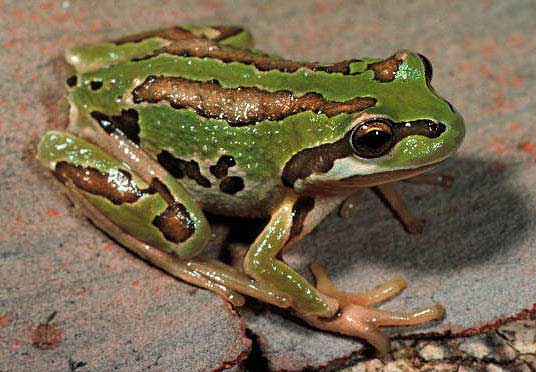
Verreaux’s Tree Frog  Photo by Peter Robertson

Verreaux’s Tree Frog
Photo by Peter Robertson

Like on day 1, we collected data on the frogs/lizards that we found and marked the newbies. We caught some which had been previously found and some which had not.

At the end of the experience I was sad that I had to leave these cute little critters behind… but also relieved that I didn’t bump into any snakes along the way.

Conclusion

The experience taught me a lot about research methods and the different species we found. However, in 2 days I wasn’t able to gather much information on the findings. Overall, I enjoyed helping Steph and wish her luck with her PhD!

References

1 Australian Government, Department of the Environment. 2011. “Pressures affecting Biodiversity”. In State of the Environment Report 2011: 620.

2 Didham R. K. 2010. “Ecological Consequences of Habitat Fragmentation”. In Encyclopedia of Life Sciences. John Wiley & Sons, Ltd: 1.

Posted in biodiversity conservation | 1 Comment

Mulligans flat sanctuary: The return of Bettongs

The beautiful grassy woodlands of Mulligans flat

The beautiful grassy woodlands of Mulligans flat

It’s rare to find a sanctuary for native flora and fauna in the capital city of a country, but Mulligan’s Flat Woodland Sanctuary is one of those rarities. This sanctuary encloses over 400 hectares of critically endangered yellow box and red gum grassy woodland. But it’s the little guys who call the woodlands home that are the centre of this epic conservation effort. Eastern Bettong’s (Bettongia gaimardi) are positively cute, but they are also an ecological important for soil aeration as they dig for truffles and other fungi. Bettongs are woodland-dwelling, rabbit-sized kangaroo like marsupials. These little creatures were once local inhabitants of South-eastern Australia but where driven to extinction by our introduced predators and land alteration causing a scarcity of native grassy woodlands, one of their natural habitats. Until the mulligans flat project the Bettongs only existed in Tasmania.

This has been a serious issue for much of the Australian wildlife and the Mulligan’s flat sanctuary is one step to building a stronghold where these defenceless bettongs can be reintroduced into the mainland. A stronghold with a large predator proof fence and unsullied environment is a start but my experience with a team of researchers at the ANU shows that there is still a lot of work and research to be done to secure a future for this native Australian species.

The predator proof fence that surrounds 400 hectares of the Mulligans flat sanctuary

The predator proof fence that surrounds 400 hectares of the Mulligans flat sanctuary

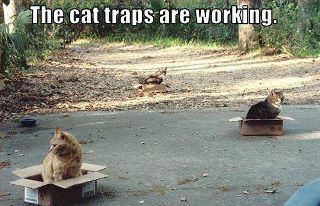
Does this mean we’ve found a national solution for declining native species? I wouldn’t Bet-tong it… But it is logically and economically better than trying to trap all the wild foxes, cats and other foreign predators in areas to accommodate for safe bettong habitats. Maybe box traps for curious cats will work… maybe not.

Cat traps

There is a lot more than just letting them live and breed in this sanctuary to make this a viable conservational effort. As the bettong’s are nocturnal animal’s researchers who monitor the progress of the species in Mulligan’s flat work from around 2am to sunrise in what can be freezing cold nights, checking traps and tagging individuals while recording all manner of data of the individual. In my first night of bettong monitoring I encountered several untagged bettongs which required the full shebang of DNA collection (blood, fur, and scat) body measurements and weight. This was to see how the condition of the individuals was developing in the sanctuary. On 4 occasion in one night mother bettongs had dropped their young out of their pouch. It’s a difficult task in the early hours of the morning to try place the baby back in its mother’s pouch. In the rare occurrence where they aren’t able to do this the baby goes into care until it is able to be reintroduced to the sanctuary. It seems traumatic but the baby bettongs such as baby Erika have been successfully reintroduced to the sanctuary.

Erika the baby bettong ready to be reintroduced into the sanctuary after being cared for in the bettong 'daycare'

Erika the baby bettong ready to be reintroduced into the sanctuary after being cared for in the bettong ‘daycare’

A small sanctuary in the capital city of Australia can be a significant method to stopping the decline in some of our beloved native species.

Posted in biodiversity conservation | Tagged , , , | 4 Comments

The tragedy of Lipotes vexillifer in China

China has vast land area, so it is rich in biodiversity. In this area, we can find several unique animal species, such as Panda and Lipotes vexillifer. Lipotes vexillifer is one of the Platanistoidea in the world, until now, there are only four kinds Platanistoidea live in the world. Lipotes vexillifer mainly lives in Yangtzi River, before Chinese government build dams to regulate this river, the population of Lipotes vexillifer is over 500 (1984).

20070821_0690447e572c23b4d3104t825haSNwjf

However, in recent year, scientist and other institutions cannot find any evidences about this special species still live in this river. In 2006, Chinese government announced that Lipotes vexillifer is extinct.

The reason of the extinction of this species is complex. Scientist find three main factors, firstly, it is due to the big dams in Yangtzi River. When Lipotes vexillifer want to reproduction, they need to go to the upstream of Yangtzi River, but the new dam, especially the Gezhouba, stoped them. It is a little hard for them to find similar habitat in downstream, so they cannot do reproduction. Secondly, because the dam release less water into river, Lipotes vexillifer cannot find enough food and cannot survive without enough water. Thirdly, it is relate to water pollution, due to the demand of quick economic development in Yangtzi Rvier and near region, some industries and agricultural practice emerged in this region. Some of them release untreated water into river cause serious water pollution. Lipotes vexillifer cannot live in this kind of water condition, so the result of this species is extinct.

12246055_6

Actually, after they found the condition Lipotes vexillifer, they try hard to rescuer this species. Every year, government will give some funding to environmental institutions to catch some female Lipotes vexillifer, and transmit it to upstream to make sure they reproduction, but the effort is not clear. Government also provide money to use artificial propagation to help them reproduction, but it is still unsuccessful. They are so sensitive and in an artificial environment, they just not cooperate.

Img348177381

Therefore, we always say the extinction of Lipotes vexillifer is a big tragedy. Because of human actives, this beautiful species disappeared. We lost this creature, not only in biodiversity, but also in culture part. In China, we have a beautiful love story relate to Lipotes vexillifer. In some culture, Lipotes vexillifer is means kindness and purity.

012043_91335752

This tragedy give us some lessons. During the process of development, we need to consider the influence to environment and ecosystem. We need a comprehensive assessment about development process. We also need policy support on environment protection to regulate people’s behaviour. Build biodiversity conservation in some area is important, it can help us protect the habitat and benefit local species.

This kind of tragedy is happened everywhere and in every minutes, such as Amazon area, even in MDB. We cannot stop the development of human being, but we can change the method of development and reduce the influence of human to other species. Each species have right to live in this planet, we should use our intelligent and ability to help them and stop this kind of tragedy.

u5426046

Posted in Uncategorized | 1 Comment

Towards a ‘win-win’ solution: Native Temperate Grasslands and wind farm developments in the Southern Tablelands

By Ishbel Cullen

In April this year I joined staff from the NSW Office of Environment and Heritage on a site visit to a wind farm biodiversity offset site for Native Temperate Grassland on the Monaro plains in the Southern Tablelands of NSW.

The Native Temperate Grasslands of the Monaro region may at first seem dull. The naturally treeless slopes are windswept and inhospitable. You’d be forgiven for thinking they were lifeless beyond a uniform layer of grass. However, these grasslands are a critically endangered ecological community of significant biodiversity value, home to numerous threatened plant and animal species.

In the field with Office of Environment and Heritage Staff

In the field with Office of Environment and Heritage Staff

For Native Temperate Grasslands, the beauty lies in the detail. If you take a closer look, you’ll see a great diversity of grasses, daisies, orchids and scattered rocks providing shelter for a range of invertebrates and reptiles.

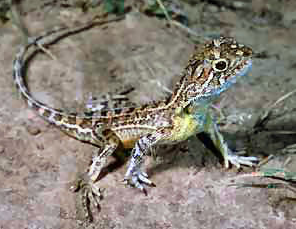
Endangered Grassland Earless Dragon, Tympanocryptis pinguicolla. Source: http://candobetter.net/node/553

Endangered Grassland Earless Dragon, Tympanocryptis pinguicolla. Source: http://candobetter.net/node/553

With European arrival and the introduction of agriculture, the extent and quality of Native Temperate Grasslands has decreased dramatically. In recent years a new industry has realized the potential of the Monaro landscape, with wind farms now being developed throughout the region.

Wind turbines and associated infrastructure represent a new threat to Native Temperate Grasslands. However, biodiversity offsetting policy can mitigate impacts on this endangered ecological community, presenting the appealing option ‘to have your native temperate grassland and eat them too’. But how can biodiversity offsetting achieve this?

In New South Wales, biodiversity offsetting is organised under the ‘BioBanking’ scheme run by the NSW government. BioBanking is a system of biodiversity credits that are typically sold by landholders and bought by developers. Sale proceeds are received by the credit holder, however, a portion is deposited into a trust fund. This trust fund generates interest which is given to offset managers annually to maintain conservation management actions. Furthermore, offset sites are secured in perpetuity for conservation through conditions on land title.

Royal Bluebell, Wahlenbergia gloriosa

Royal Bluebell, Wahlenbergia gloriosa

The offset property that I visited will be used to secure adequate Native Temperate Grassland biodiversity credits. The property includes areas of both high-qualilty and highly degraded Native Temperate Grassland. This presents opportunities to preserve good sites and restore poor areas to increase connectivity in the landscape. The trust fund finances will be used to realise these goals, with extensive weed eradication measures and closely monitored low-intensity grazing regimes.

A significant proportion of remnant Native Temperate Grassland exists on private property and is not managed for conservation. Indeed it is likely many of these remnants are under pressure from over-grazing and invasive weeds. As wind farms are established on properties like these, it is likely that the areas of Native Temperate Grassland would have been degraded over time anyway. Considering this, if biodiversity offset arrangements can secure areas to be managed for conservation in perpetuity, with ongoing funding, this represents a positive long-term biodiversity outcome.

Land management is a difficult balance of social, economic and environmental objectives. The BioBanking framework can facilitate outcomes that support economic development through wind farm construction while achieving environmental protection of Native Temperate Grasslands. Though biodiversity offsets for wind farms are not without shortcomings, in this context they represent progress towards a ‘win-win’ solution. And after all, these are wind farms, not coal mines.

Useful links:

Posted in Uncategorized | 2 Comments

Marking blogs is one of the great pleasures of being a lecturer in Biodiversity Conservation!

I’ve just read—and marked—every blog posted by the 2014 class studying Biodiversity Conservation at The Australian National University.

Usually the prospect of marking 60+ papers has lecturers and tutors looking for an excuse to do something else, or at least reach for a coffee every 15 minutes.

This is definitely not the case for this exercise.

Undergraduates were asked to initiate and organise two days of work experience and then blog about this. Postgraduates were asked to blog about any topic of their choice.

Where did the blogs take me?

Upon diving into the blogs, I first travelled to, and learnt about, the region in which I live (Canberra, Australia). For example, several students weeded, planted and monitored at Scottsdale Reserve, which is a property that has been purchased by Bush Heritage Australia to restore Box Gum Grassy Woodland.

DSC03341

Garden Skink at Scottsdale Reserve in New South Wales. Photo by Renata Magalhaes taken from her blog Conservation without borders.

Several blogs took me farther afield in Australia: the outback of western Queensland, the tall forests of Victoria and the wheatbelt of Western Australia. I learnt about minimising impacts of hydro-power, biological treatment of domestic sewage, Gondwanalink and biodiversity offsets for windfarms.

Taking some measurements

Jared Priestly in the Mountain Ash forests of Victoria as pictured in the blog Brush Tales: Studying the Mountain Brushtail Possum in the Central Highlands of Victoria.

The course attracts many overseas students

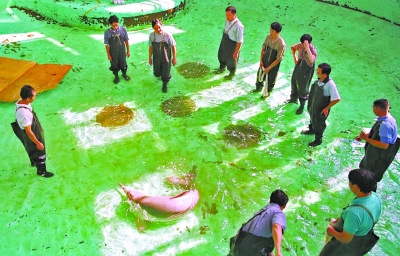
And these overseas students took me away to learn about seals in the Galapagos, oil drilling in the Amazon, parks in Costa Rica, coral in Fiji and Belize, wildlife in Tibet, connectivity in Vietnam, ecotourism in Cambodia, mining in Guyana and the last bear in Germany, among others.

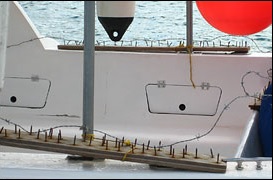
Some local boat owners used to have barbed wire and nails to prevent sea lions to rest on their boats. Source: Galapagos National Park Service 2014

Some local boat owners used to have barbed wire and nails to prevent sea lions to rest on their boats. Photo from Galapagos National Park Service 2014 as appearing in the blog Can “Pachamama rights” be translated into a harmonic relationship betweeen sea lions and human communities in the Galapagos Islands?

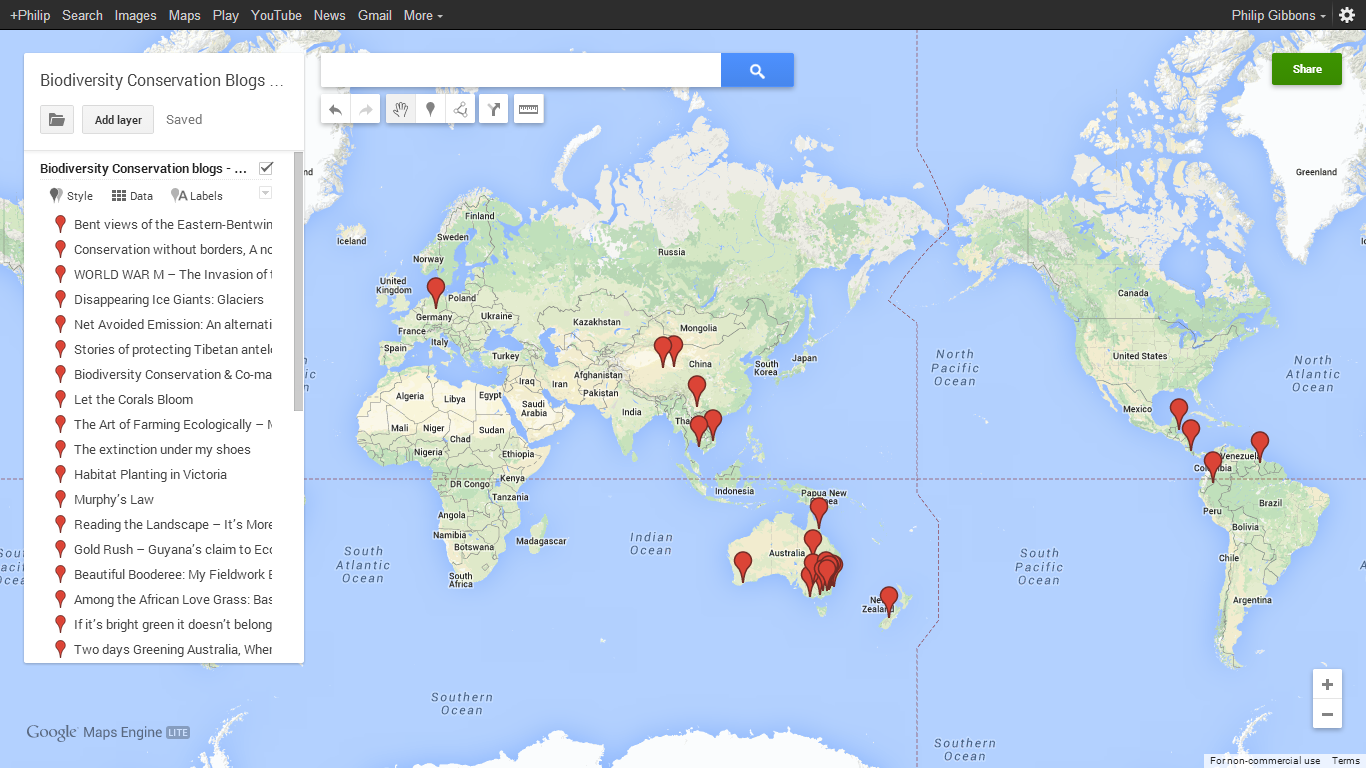
Together, the geographic spread represented by the blogs is very impressive.

map

The geographic origin of all student blogs. My Google Map of all blogs is available here.

Where students did well in their blogs

For some reason, many students write better in this medium than when they are writing reports or essays.

  • Perhaps this is because students are a bit more careful with their writing knowing that their blog could be read by ANYONE.
  • Perhaps scientific writing conventions shackle us to a writing style that is not easy to read.
  • Perhaps we should all try to write in a simple and clear style regardless of the medium or audience.

Where students need to improve

While the blogs were great, my main criticism is that the student bloggers could’ve devoted more time reflecting on where their work experience fits in the bigger picture:

  • Why were resources being invested on that issue?
  • Was this the best use of resources?
  • Would it work in the long-term?
  • What were some options?
  • Are there examples from elsewhere that provide some insight to these questions?

Crediting the source of photos is important (see the student blog from 2013 called “Conservation through the lens”). Many students still need to learn the conventions relating to writing the names of species, sub-headings can be good, big blocks of text are not good and white space (e.g., between paragraphs) helps to make the blog more accessible.

Most of the students in Biodiversity Conservation are on the cusp of a professional career, so must realise that it’s time to bring their broader reading and understanding to bare on problems and issues.

Biodiversity conservation has not been the most successful endeavour across the globe, so a new generation of critical and innovative professionals that are prepared to engage in debate is vital.

Did you get something out of this exercise?

The primary aim, however, of this exercise was to encourage students (the undergraduates in particular) to initiate and organise work with agencies and individuals that they don’t know—and thereby to commence building networks. These are core skills that everyone needs in order to break into the employment market—and to get things done once there.

I’m proud of my bloggers and look forward to working with them in their capacity as professionals in the near future.

Cheers,

Phil Gibbons
27 May 2014

Posted in Uncategorized | 4 Comments