How Grazing Impacts The Connectivity And Movement Of Native Fauna

During the summer break I spent some time volunteering for PHD student Stephanie Pulsford. I had hoped to spend time volunteering in my break as it would allow me to gain some valuable work experience, and I was thrilled at the opportunity that Steph’s research provided me with. The aim of her research was to look at the effects human land use, in particular the effects that grazing had on habitat fragmentation, and what the consequences of this was for native fauna. Focusing on native frogs, lizards and ground-dwelling invertebrates, Steph was hoping to understand ways in which habitat connectivity and movement of these poorly dispersing species could be improved. This information would then hopefully have direct impacts as it could inform graziers on ways in which they could improve their management of their properties.
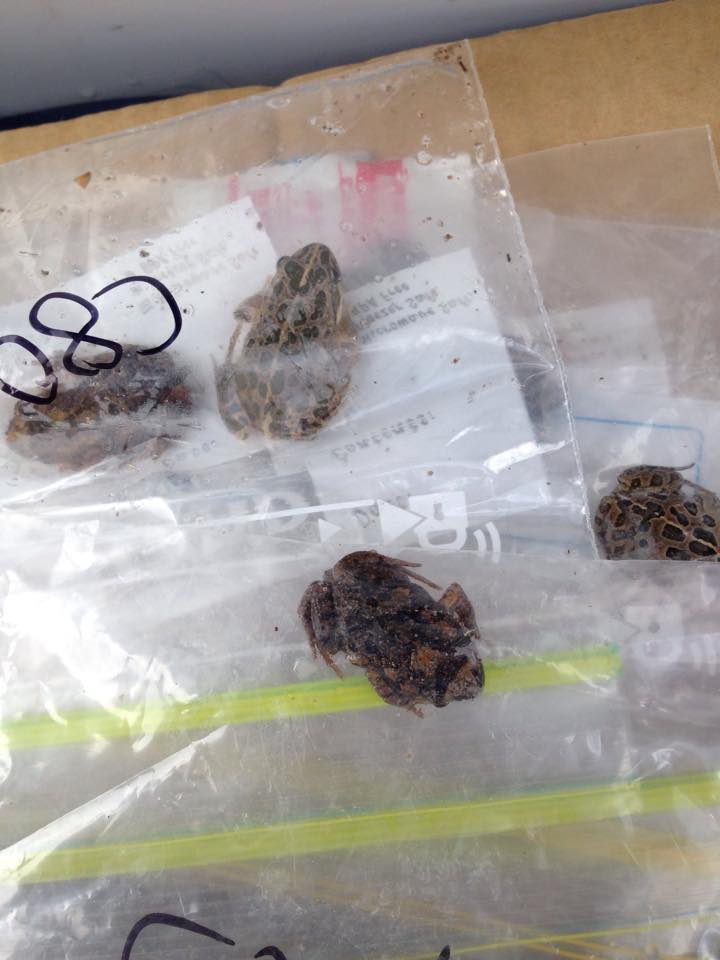
Some of the locals ready for data collection

Some of the locals ready for data collection

After organising my volunteering with Steph I was able to head out into the field with Steph’s assistant to gather some data that would assist her research. My first week of volunteering was spent at two properties out near Gunning. I then spent two further days out at properties near Bungendore.

My volunteering consisted of setting up, monitoring and then packing up different transects at the different sites. At each transect several drift fences, pitfall traps and funnel traps were set up, so that any animal moving along a transect would end up caught in one of the traps. The days after set up were then spent checking the traps. Whenever a frog or reptile was caught in the traps it was collected and noted down. The species, weight and length of the individuals were all recorded before the animals were marked with a fluorescent dye for identification in the case of recaptures. The individuals were then photographed for further identification before being released back where they had been found.
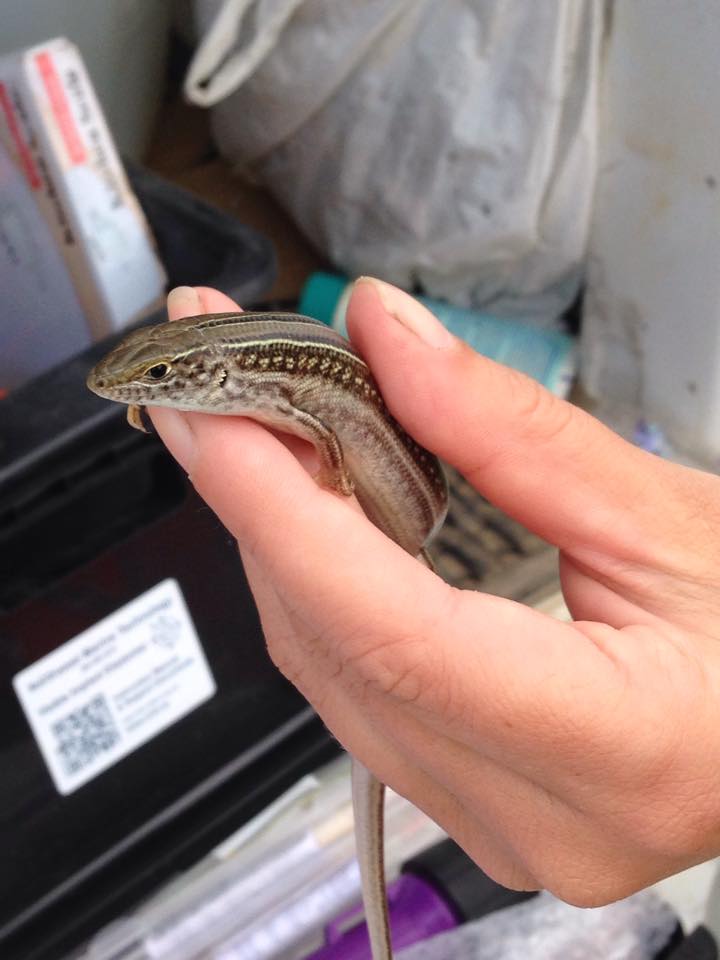
The recipient of one unique fluorescent marking (a one of a kind tattoo) getting ready to be photographed

The recipient of one unique fluorescent marking (a one of a kind tattoo) getting ready to be photographed

Many different species of frogs and reptiles were captured during my time volunteering; including a Jacky Lizard, a Gecko (my personal favourite), Pale and Dark Flecked Garden Sunskinks, Shinglebacks, Pobblebonks, Smooth Toadlets and Spotted Marsh Frogs. Unfortunately, but also thankfully I didn’t get any snakes in any of the traps. Although we did have plenty of other animals to keep us busy each day, including what seemed like countless Smooth Toadlets and Spotted Marsh Frogs.
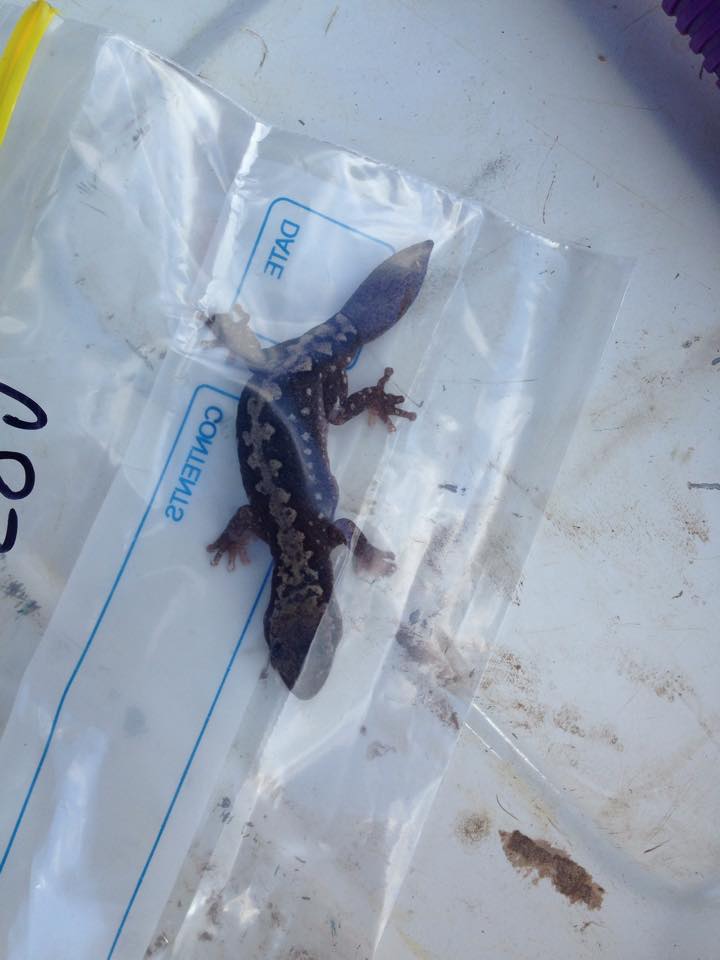
A very exciting find in one of the pitfall traps, this Gecko was definitely the most exciting catch we had

A very exciting find in one of the pitfall traps, this Gecko was definitely the most exciting catch we had

Hopefully the data we collected will assist Steph with her valuable research which is looking to find ways in which graziers and property owners can improve the connectivity and movement of many different native species that have been threatened by human land uses and fragmentation. I am glad for the opportunity I had to spend time out in the field volunteering, and for the skills and experience I have gained.

Jordan u5350816

(All photos taken by me)

Posted in Uncategorized | 1 Comment

Should Giant Panda Be Left to Face Extinction ?

u5522406

1. Description and Current Situation of Giant panda

The giant panda (Ailuropoda melanoleuca) is world’s beloved animals and regarded as a national treasure in China. The panda is rarest member of the bear family and wears a distinctive black and white coat.

Fig1 Source: telegraph.co.uk

Fig1 Source: telegraph.co.uk

Pandas are home to mainly in bamboo forests high in the mountains of western China, where they feed almost entirely on bamboo. They must eat from 26 to 84 pounds of it every day, a formidable task for which they use their enlarged wrist bones that function as opposable thumbs.

A new-born panda is about the size of new-born mouse—about 1/900th the size of adult panda— but they can grow to up to 330 pounds as an adult.  Unfortunately, it is becoming one of the most endangered species and Chinese government has estiabled some national parks to conserve giant pandas.

2. Recent Controversy on Panda Protection

As the video shows, although some people do not protest the protection of giant panda, they argue that governments should not put millions and millions dollars to conserve just one species. There are many endangered species that we should protect.

Protecting giant panda is difficult and money-consuming. Giant panda is home to western China and lives in forests. modern development in China has destroyed some of forests and The Giant Panda’s diet consists almost entirely of bamboo, therefore with bamboo levels decreasing due to de-forestation, the Panda’s natural food source is disappearing. Therefore,as the Fig shows, if governments want to protect them, they must establish protection centre. For example, Chinese government has establish giant panda reserve centre. Some people think It is money-consuming to protect just one species. The government should use this money to protect more species or improve national welfare.

Map of Giant Panda Reserve Centre

Map of Giant Panda Reserve Centre

Giant panda has very low production rates. In the wild, females give birth to one cub roughly every two years, and in captivity it has proved extremely difficult to make Pandas breed. For whatever reason, the animals seem to lose interest in breeding, or the right conditions are not present in captivity to induce reproduction. Therefore, governments alway use artificial insemination which is costly to conduct and the success rate is not that satisfactory.

Staff from the National Zoological Park perform an artifical insemination on the giant panda

Staff from the National Zoological Park perform an artifical insemination on the giant panda

3. Personal Opinion on Gaint Panda Protection

Although the protection of giant panda is money-consuming and  is widely considerd as unworthy actions. In my opinion, the protection of giant panda is a necessary process because of specific values. The reason as follows:

(1) The protection of giant panda promotes the conservation cooperation between countries. Therefore, this process can improve the awareness of biodiversity protection around the world.

(2) The giant panda symbolic to China, Chinese government promote the relationship between countries by sending pandas.

In conclusion, even though the protection of giant panda is costly and difficult, we should not stop protecting them because of its specific values.

Resource:

(1) Environmental Economics:

http://www.env-econ.net/2013/02/defining-value-one-giant-panda-at-a-time.html

(2) WWF.Giant Panda

https://www.worldwildlife.org/species/giant-panda

(3) Quake leaves pandas in dire need of bamboo

http://www.chinadaily.com.cn/china/2008-05/25/content_6710090.htm

Posted in Uncategorized | 1 Comment

Planting for the future: Scottsdale Reserve

What’s the problem?

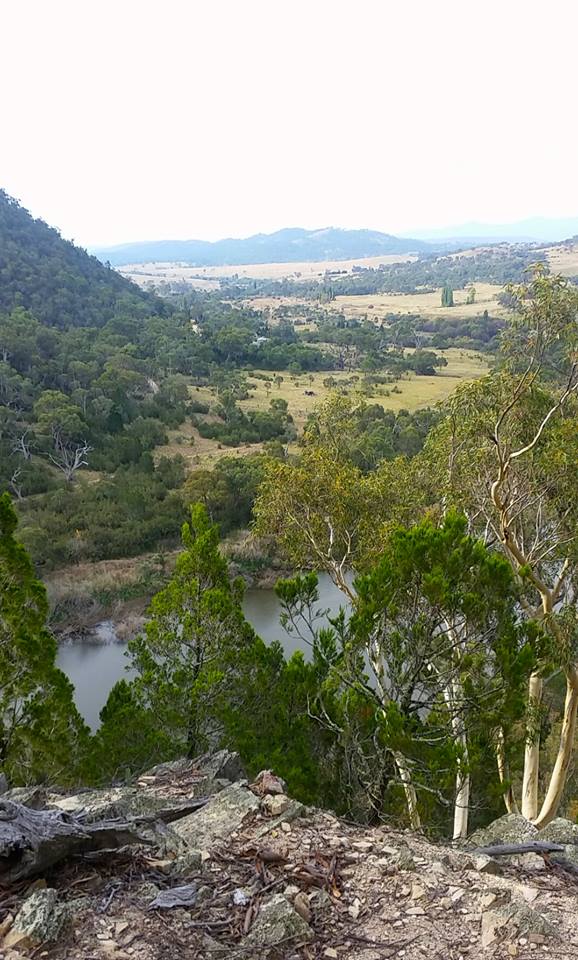
On a sunny Monday morning (30th March to be exact) I was on my way to 1300 hectares of bush heritage, commonly known as Scottsdale Reserve. Approximately 300 hectares of this land was previously subject to high intensity agricultural practices that threatened the ecosystem and its biodiversity. This includes rare species of birds, animals, fish, reptiles and endangered grassy box woodlands.

17210_828921487177216_7039973544891774864_n

The picturesque view within Scottsdale Reserve.

How is the problem addressed?

Restoring this land is no easy task. But with the help of volunteers from Greening Australia (funded by the Bush Heritage and the government), there is an aim to rehabilitate the 300 hectares through plantations of key species.

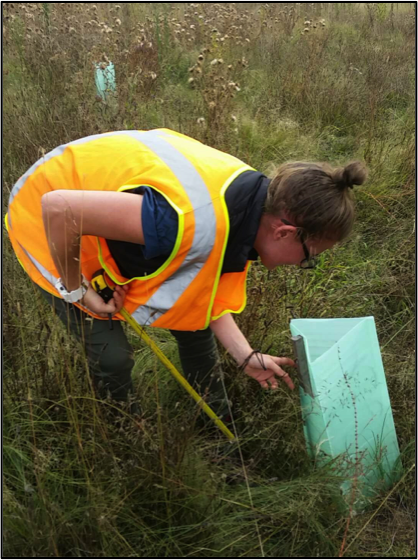
On top of this, ongoing monitoring of the planted vegetation is required and this is where myself, a fellow student and Dr David Freudenberger stepped in to lend a hand. Our task was simple. View the plant. Check its status. Measure its height. Then repeat for the neighbouring plant. However, when you’re battling through dense thistle, locating plants with missing ID tags and assessing approximately 270 individuals across 10 different sites, you quickly become aware of the effort required to carry out said task. Not to mention the time spent plucking the spikes and seeds from your clothing following your previous ordeal. This just goes to show that while scientific evidence provides reasoning for conservation, the effort required to carry out the necessary action takes time, and definitely takes a lot of effort.

Untitled

A student assessing the health of a seedling.

And what does this information provide us with?

After translating the information onto an excel spreadsheet, we were then able to calculate the mortality rate across each of the sites and evaluate any project achievements.

A big part of this work is being able to communicate it to the wider community, which was something I was gratefully able to experience first hand. We were introduced to a group of journalists who spent some time interviewing David Freudenberger and photographing our work. This engagement aims to increase conservation awareness and community engagement for future volunteer opportunities.

Untitled

Media interviewing Dr David Freudenberger about conservation efforts within the reserve.

Current efforts to restore the land have proven to increase biodiversity, reduce the growth of weeds and increase soil stability in areas prone to erosion. However, as mentioned previously it takes time and effort, as well as large community involvement and necessary funding. While much of this effort has been focused on restoring Scottsdale Reserve, I hope to see (and volunteer in) future projects that apply these techniques in order to restore ecosystems on a larger scale.

u5351921.

Further reading

http://www.bushheritage.org.au/places-we-protect/new-south-wales/scottsdale

Posted in Uncategorized | 1 Comment

Do you want to be an ecologist? – Find your passion!

U5329735

The world we are living in

We all cannot deny that impacts of human activities on global environment and different ecosystems became the more recognisable than ever. Stephen Jay Gould (1985) describes this situation saying “We have become, by the power of a glorious evolutionary accident called intelligence, the stewards of life’s continuity on earth. We did not ask for this role, but we cannot abjure it. We may not be suited to it, but here we are.” What ecologists do is studying how living things interact with each other and surrounding environment, what their structure and functions are. Ecologists contribute to society by making society understand how natural environment works and lead it to manage and protect the environment and biodiversity in more efficient and sustainable way. I believe anyone who has a passion and love for the natural or even artificial environment can be an ecologist.

Figure 1. Poster for Convention on Biological Diversity. available at: https://www.cbd.int/2011-2020/events/partners.shtml

Figure 1. Poster for Convention on Biological Diversity (Convention on Biological Diversity, n.d.)


Work Experience: Beetle sorting and bird-watching

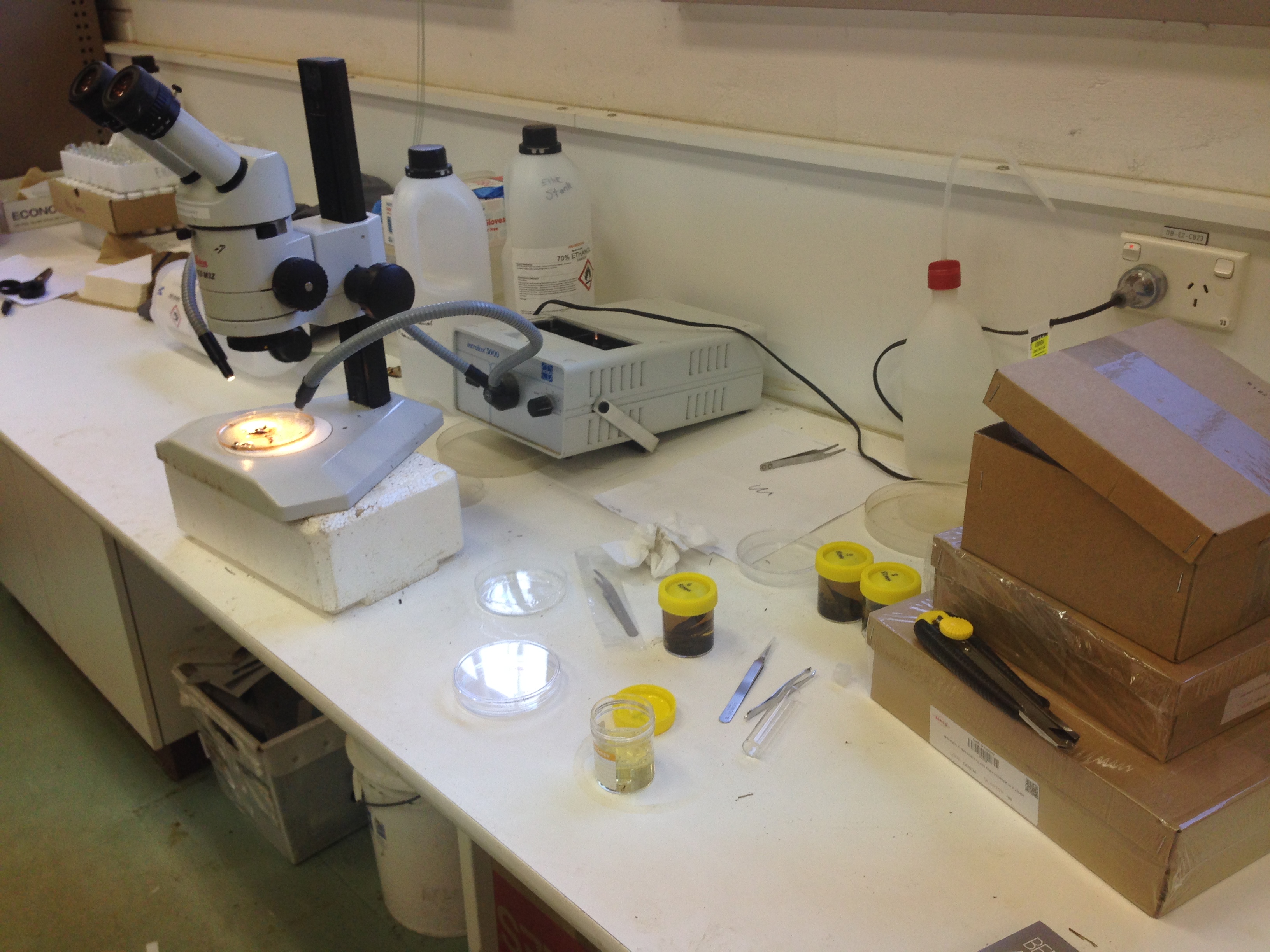
I worked as a lab assistant for PhD research conducted by Ding Li Yong of Fenner School at ANU. It was a fascinating experience of my life to get inspired by this young passionate ecologist, and also a professional bird-watcher. Ding Li took me to explore quite various fields of ecology. First work I was assigned to was sorting beetles out of pitfall trapped samples using light microscope (figure 2). In biodiversity conservation, surrogate species (often referred to ecological indicator) are often used as proxies to represent other taxonomic groups because of their ecosystem functions. Ding Li chose beetles to find out how effective beetles can be in representing other invertebrates and also their associated ecosystem roles. Beetles can be very significant ecological indicators as they are one of the biggest majority of biodiversity with important key ecosystem functions such as predation, herbivory, and decomposition (Nichols et al., 2008). Often captured invertebrates included cryptic species, so use of microscope was necessary for accurate sorting (figure 2 a) and c)).

Figure 1. a) light microscope used for beetle sorting

Figure 2. a) light microscope used for beetle sorting

Figure 1. b) samples sorted by site and trap number. one or two containers were assigned for one trap

Figure 2. b) samples sorted by site and trap number. one or two containers were assigned for one trap

Figure 1. c) lab tweezers used to sort beetles.

Figure 2. c) lab tweezers used to sort beetles.

On a second day, I explored whole different part of ecological studies. I went for a birdwatching to Black Mountain in Canberra. Even though it was not the season for bird watching, we could observe quite diverse species of avifauna including Australian magpie (Cracticus tibicen), pied currawang (Strepera graculina) and silvereye (Zosterops lateralis). Different techniques of birdwatching is used for different target species or habitats. The simplest bird-watching skill which is using binoculars to observe fast moving passerines or honeyeaters in woodlands and tropical forests was done.


Finding what you want to do!

During this experience, I spent a lot of time with Ding Li sharing what our passions and interests are in this nature. If I were asked what I learned from these couple days of work experience, I would say I learned to think about bigger yet specific picture of my career as an ecologist. As this world is such a big place full of wonder, there are lots to protect and lots to be studied. It is the most important thing as an ecologist to find your own interest! It could be a specific species, a population, a community or even a whole ecosystem.


Reference

Convention on Biological Diversity, (n.d.). Convention on Biological Diversity, Asean centre for biodiversity. [image] Available at: https://www.cbd.int/2011-2020/events/partners.shtml [Accessed 27 Apr. 2015].

Gould, S. (1985). The flamingo’s smile. New York: Norton.

Nichols, E., Spector, S., Louzada, J., Larsen, T., Amezquita, S. and Favila, M. (2008). Ecological functions and ecosystem services provided by Scarabaeinae dung beetles. Biological Conservation, 141(6), pp.1461-1474.

Posted in biodiversity conservation, Introduction to ecology, Volunteer work | 1 Comment

Humming incubators and climate-controlled cool rooms: the other side of conservation

The one process now going on that will take millions of years to correct is the loss of genetic and species diversity by the destruction of natural habitats.
This is the folly our descendants are least likely to forgive us.

E.O. Wilson

When I envision biodiversity conservation, I think of the outdoors: planting trees, surveying for animals, and listening for frogs in the cool twilight hours.

What didn’t come to mind was the importance of genetic diversity, and how I could possibly contribute to this cause as a volunteer.

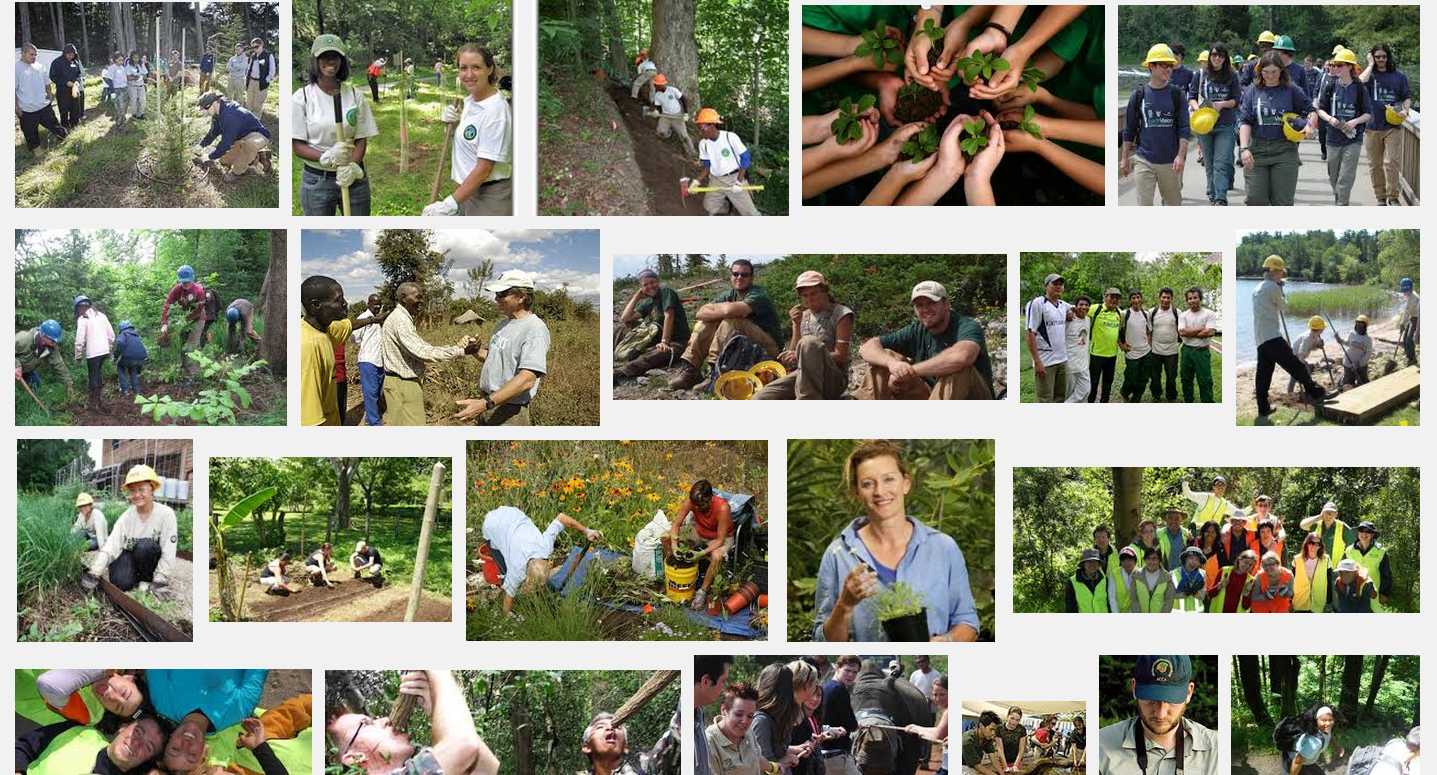
… It would appear the internet would agree with me! A simple image search of the words “conservation opportunities” is dominated by images of outdoor conservation activities (Photo credit: Google images).

… It would appear the internet would agree with me! A simple image search of the words “conservation opportunities” is dominated by images of outdoor conservation activities (Photo credit: Google images).

Yet genes are one of the three fundamental levels of biodiversity. In the fight to conserve biodiversity in our ever-degrading world, the protection of genetic diversity is fundamental to ensuring the prevention of genetic bottlenecks and extinctions. The conservation of flora in particular is crucial for the ongoing preservation of ecosystem structure, climate and carbon regulation, habitat provision for wildlife, and as a resource for human use.

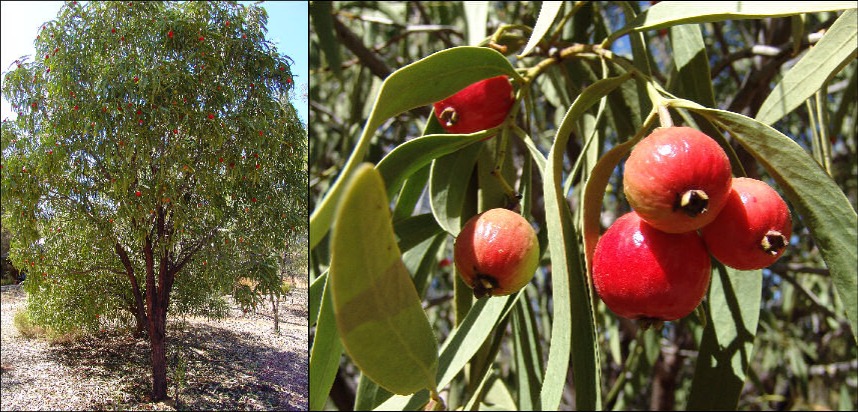
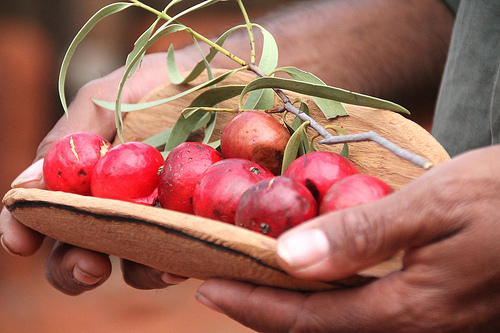
The quandong (Santalum acuminatum) is one of the many rare species of flora that are declining in central Australia. Known for its distinctive bright-red edible fruits, wild populations of the quandong are becoming increasingly isolated, resulting in a lack of seed recruitment and natural regeneration.

The quandong tree is a hemi-parasite, meaning it relies on the roots of a host plant to obtain nutrients but is also capable of photosynthesising. Its characteristic red fruits are edible and sweet, and often used for making jam (Photo credit: Aus-e-made).

The quandong tree is a hemi-parasite, meaning it relies on the roots of a host plant to obtain nutrients but is also capable of photosynthesising. Its characteristic red fruits are edible and sweet, and often used for making jam (Photo credit: Aus-e-made).

Within the Uluru-Kata Tjuta National Park, there are a mere 8 healthy individuals remaining. Significant threatening processes to the quandong include inappropriate fire regimes, weed invasion, human interference and damage, and enhanced grazing pressures from rabbits and camels, keen to eat to the sweet fruit.

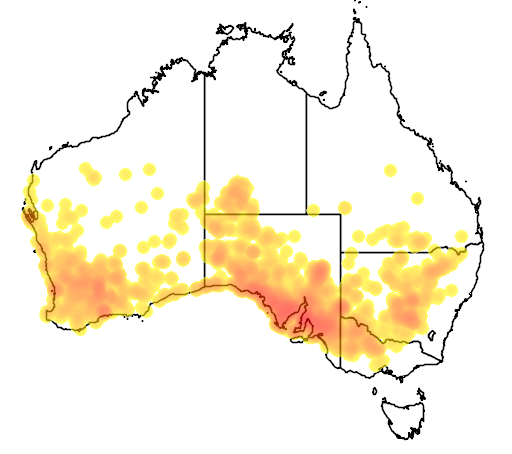
The distribution of the quandong spreads across much of the arid centre and south of the continent, with declining fragmented populations in Uluru-Kata Tjuta National park in the southern Northern Territory (Photo credit: Atlas of Living Australia).

The distribution of the quandong spreads across much of the arid centre and south of the continent, with declining fragmented populations in Uluru-Kata Tjuta National park in the southern Northern Territory (Photo credit: Atlas of Living Australia).

Enter the National Seed Bank.

Situated within the Australian National Botanical Gardens, the National Seed Bank is responsible for the storage and supply of seed collections, ecological and biological research of seeds and plants, and the propagation of seedlings for research and transplanting, within the Botanical Gardens and beyond.

My project worked on a number of accessions of quandong seed obtained from the Uluru-Kata Tjuta National Park. The aim was to germinate as many seedlings as possible for translocation back to the Park, in an attempt to rehabilitate dwindling quandong populations.

The process included researching prior germination methods for the species, recording seed details, preparing the seed for germination, and photographing the resultant seed variation.

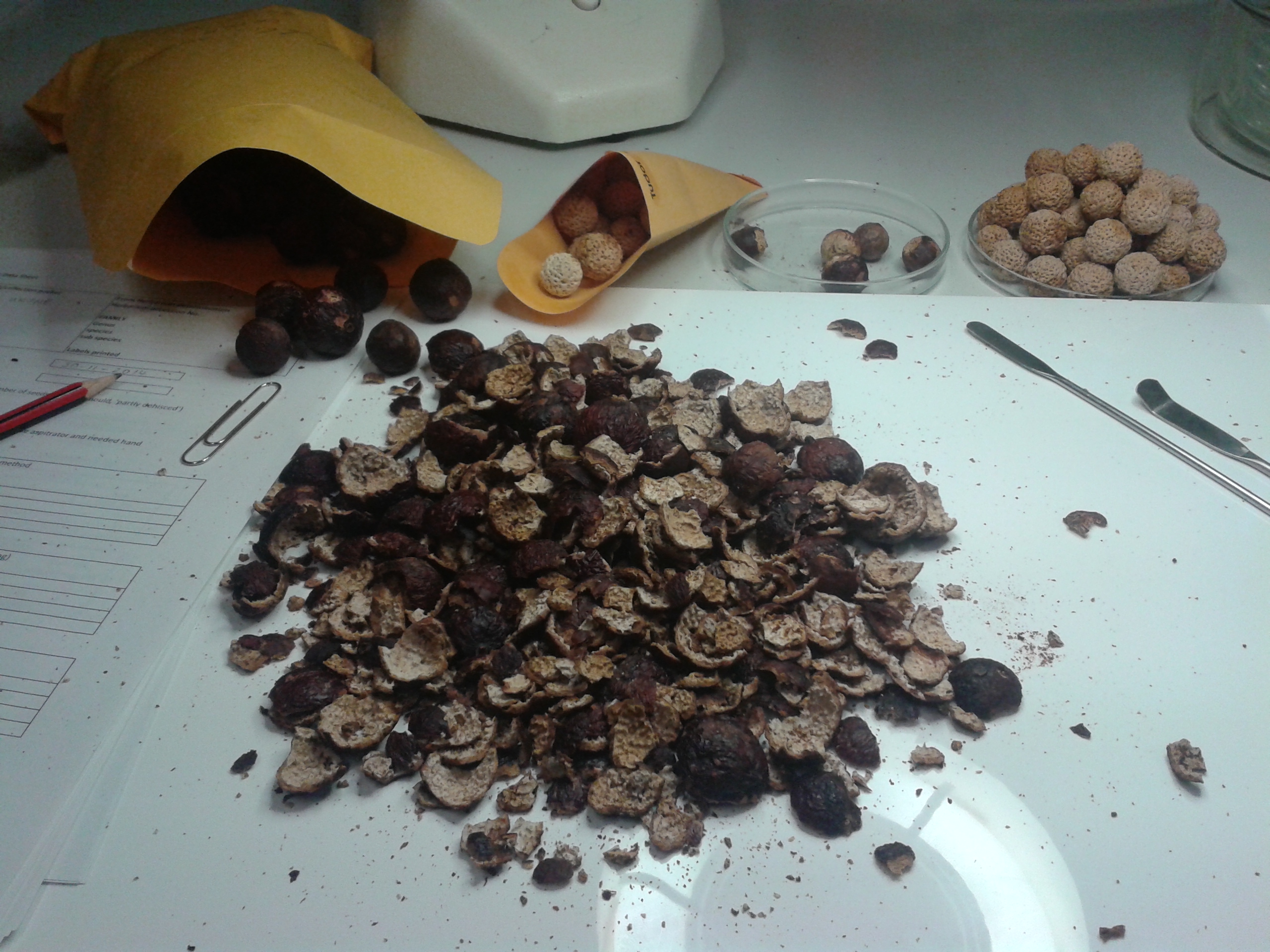
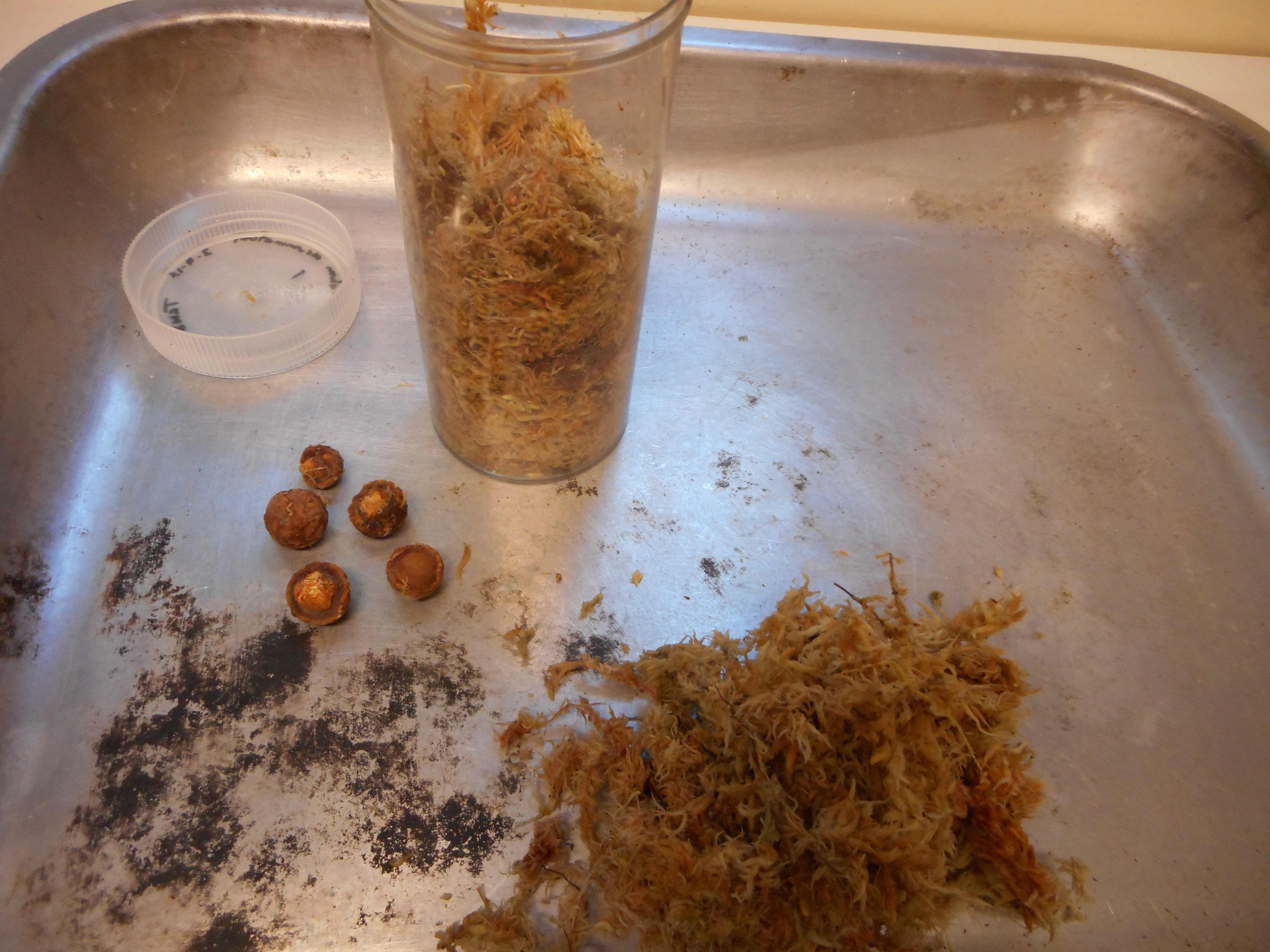
Not much to show for a couple of hours work! Preparing the seed by removing the red-brown fibrous outer fruit was necessary to expose the inner seed and speed up germination (Photo credit to the author).

Not much to show for a couple of hours work! Preparing the seed by removing the red-brown fibrous outer fruit was necessary to expose the inner seed and speed up germination (Photo credit to the author).

A float test was conducted to verify the viability of the prepared seeds. Viable seeds were then treated in a water bath for 18 hours at 60oC, packed in tubes of sphagnum moss, and placed the incubator to germinate. Every week, the seeds were assessed for germination, a process that can take a number of weeks.

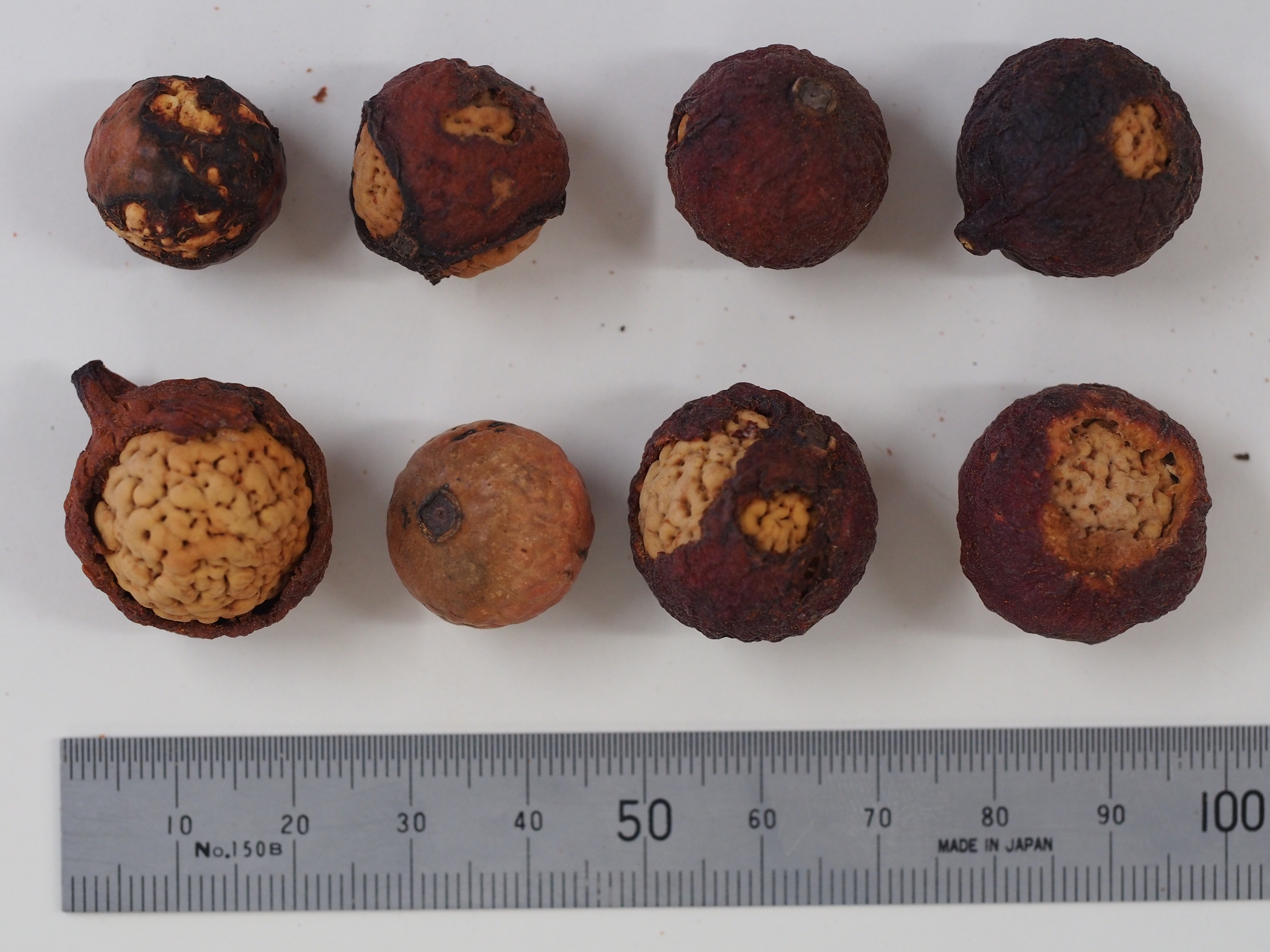
Photographs of the seeds, with and without fruits, were taken for National Seed Bank records, and to showcase the variation in seed form produced by each of the parent trees (Photo credit: T. North, National Seed Bank).

Photographs of the seeds, with and without fruits, were taken for National Seed Bank records, and to showcase the variation in seed form produced by each of the parent trees (Photo credit: T. North, National Seed Bank).

The seeds are germinated in tubes filled with sphagnum moss, with two layers of five seeds each per tube (Photo credit to the author).

The seeds are germinated in tubes filled with sphagnum moss, with two layers of five seeds each per tube (Photo credit to the author).

Should this project prove successful, it has the potential to set a standard for future quandong germination and rehabilitation. However, as the weeks tick on, and we are still awaiting germination, there has been concern that the seed has become sterile, been incorrectly stored, or are not viable.

Although the concept of translocation is a common method of vegetation rehabilitation, this project has highlighted the difficulties in germinating some forms of seed, which we often take for granted when planting seedlings. While the germination is still continuing, it may help to inform future conservation methods of the quandong, and the conservation of other difficult, but vitally important, native flora.

In indigenous Australian culture, bush food such as the quandong play an important role in the communication of knowledge to future generation. Ensuring the viability of wild populations is therefore important not only for biodiversity conservation, but also for the heritage and cultural identities for Australia’s oldest people (Photo credit: flickr).

In indigenous Australian culture, bush food such as the quandong play an important role in the communication of knowledge to future generation. Ensuring the viability of wild populations is therefore important not only for biodiversity conservation, but also for the heritage and cultural identities for Australia’s oldest people (Photo credit: flickr).

And for all those out there who are curious about the uses of the quandong fruit, the following video even has a recipe for quandong pie!

 By Madeleine Hearnden u5023546

Posted in biodiversity conservation, national seed bank | Tagged , , , , , | 1 Comment

Eastern Bent-wing bat or Wind Farms?

u5717208
eastern-bent-wing-bats-01

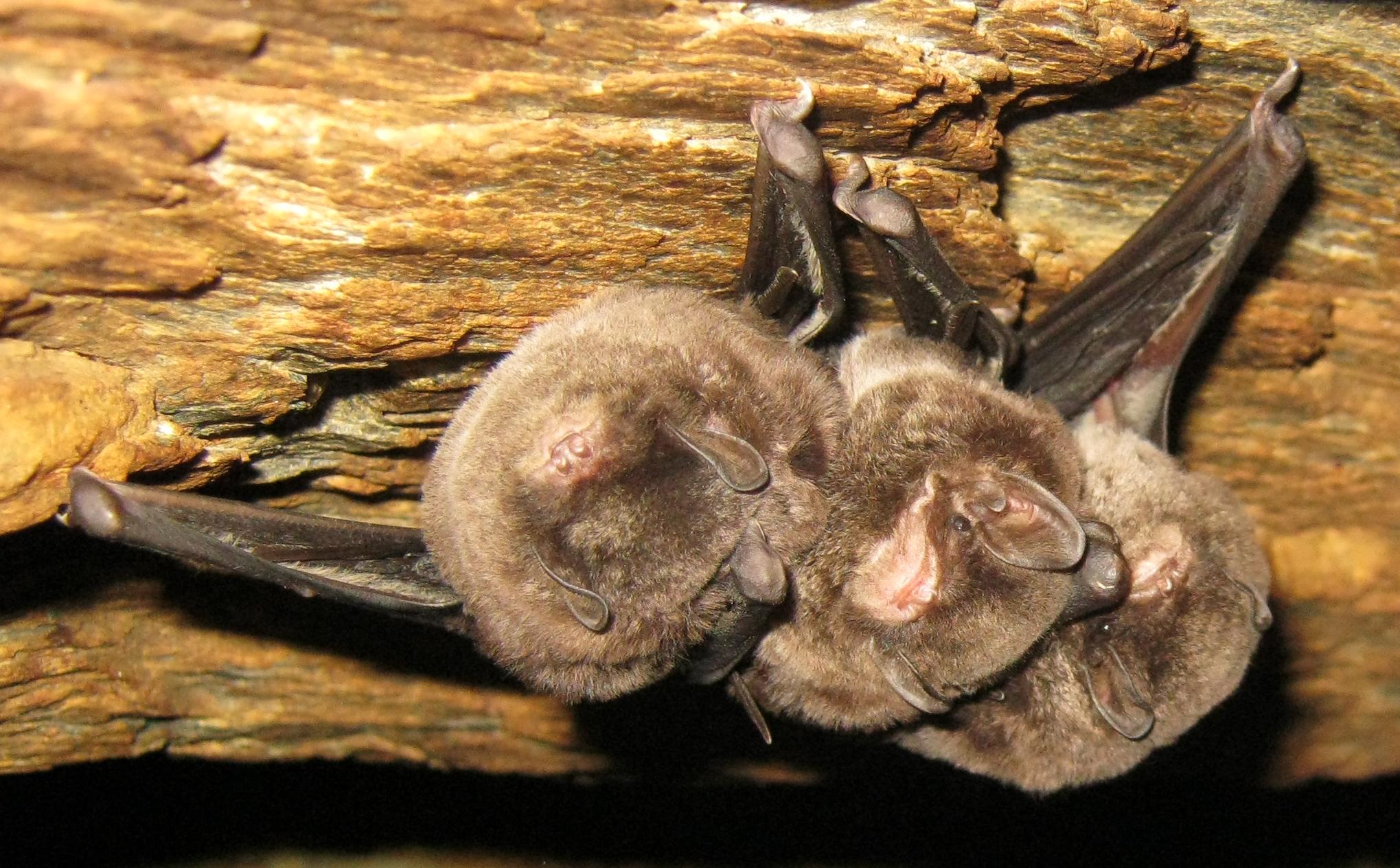
The Eastern Bent-wing Bat (Miniopterus schreibersii oceanensis), is one of three subspecies of the Bent-wing bat and is found along the east and north-west coast of Australia. These cute little creatures grow up to around 6 cm with a wing span of 30-35 cm and are identified by the bone of their third finger being longer than the other fingers thereby giving the ‘bent’ appearance.

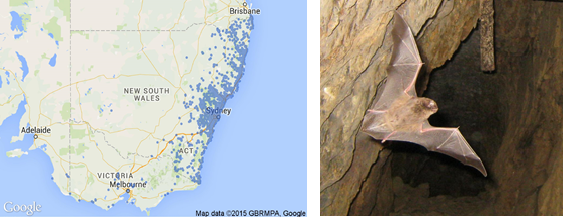
Map of Eastern Bent-wing  bat distribution: Atlas of Living Australia and Image of Eastern Bent-wing bat: Fauna and Flora  Research Collective

Map of Eastern Bent-wing bat distribution: Atlas of Living Australia and Image of Eastern Bent-wing bat: Fauna and Flora Research Collective

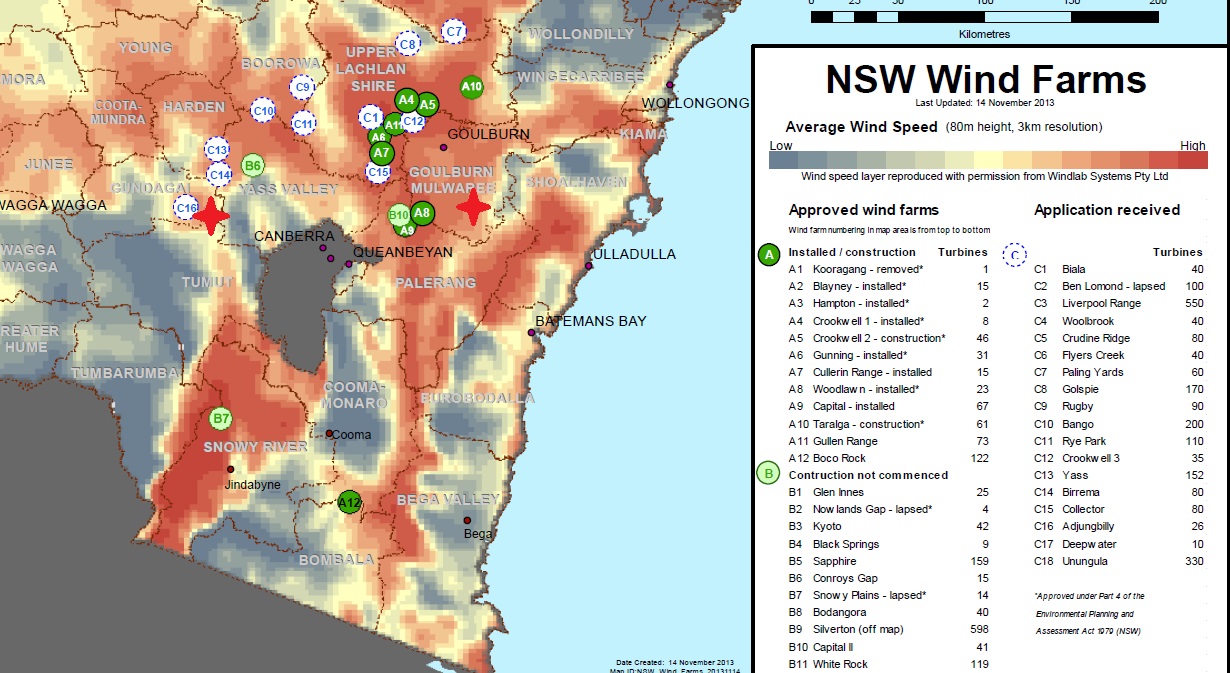
Classified as vulnerable under the Threatened Species Conservation Act 1995 due to being at a high risk of extinction within New South Wales, I was surprised to find out how important maternity caves were to this species with the bats only dispersing within 300 km of these caves alongside using them during the spring and summer months for birthing and rearing young, often migrating to sea caves in the south of Eden from mid-March onwards. Yet there are plans in place to build wind turbine farms across the migratory paths of this species, which could prove detrimental to the population.

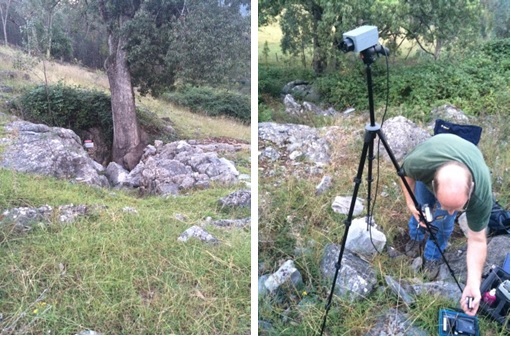
So this leads pretty nicely into my own work experience with Doug Mills from NSW Department of Environment and Heritage. He has been monitoring this species at two of the three maternity caves for 8 years now, one at Wee Jasper called Church Cave and Drum cave in Bungonia State Conservation Area. Doug’s focus is primarily on the population at Church Cave due to due to its close proximity to Canberra and higher success rates in counting the population. Arriving just before sunset we helped to set up the thermal camera and recording equipment used to capture the bats leaving the cave before settling down and simply waiting for the bats to appear. Honestly some of the easiest work experience I’ve ever done but definitely still exciting hearing the thousands of bats flying past.

Church Cave and setting up equipment

Entrance of Church Cave at Wee Jasper and setting up the thermal camera and equipment required to record the population.

While the thermal camera is definitely efficient with only a 2% counting error, Doug still managed to count the bats himself off the screen roughly every hour meaning when it came to analysing the data the following day he was able to compare the two sets of data. During my nights out with the bats, population hit 39,000 with Doug estimating this represented 82% of the total population within the cave, and since beginning this study he has overall seen an increase in the population within both Church Cave and Drum Cave, which is obviously great news for the conservationists!

Bat colonies in relation to Wind Farms

Location of two of the maternity colonies (red stars) in relation to the approved and proposed wind farm locations.

With some of the proposed locations of the Wind Farms in such close proximity to at least the Church Cave colony with many other ones interfering with the migratory paths of the bats, surveys such as this one conducted by Doug has meant there is stronger voice for the Eastern Bent-wing bat by showing how vital these maternity caves are to the species. When combined with the two week migratory window which has now been realised, there can be greater co-operation between the developers of the wind farms and the conservationist to ensure the welfare and protection of this bat population is a primary focus, even if this does come at the expense of a few wind turbines.

Further reading and references

Eastern Bent-wing bat profile and conservation efforts;
http://www.environment.nsw.gov.au/threatenedspeciesapp/profile.aspx?id=10534
http://www.environment.nsw.gov.au/resources/nature/landholderNotes07BatRoosts.pdfhttp://www.environment.nsw.gov.au/savingourspeciesapp/project.aspx?ProfileID=10534

The Atlas of Living Australia;
http://bie.ala.org.au/species/urn:lsid:biodiversity.org.au:afd.taxon:e261aeb0-b757-4627-afbf-fa3a91b7e844#

Information on proposed Wind Farms;
http://www.resourcesandenergy.nsw.gov.au/energy-consumers/sustainable-energy/wind
http://www.planning.nsw.gov.au/Portals/0/Images/NSW_Wind_Map.pdf

Pictures of the Eastern Bent-wing bat;
https://faunaandfloraresearchcollective.wordpress.com/the-species/eastern-bent-wing-bat/

Posted in Uncategorized | 1 Comment

The Scottsdale Experience

U5193608

My day of work experience began bright and early on a cool, windy autumn morning driving down the majestic Monaro highway, towards Bush Heritage Australia’s site, Scottsdale Reserve (Figure 1), with Dr David Freudenberger and ENVS3039 students Robin and Robert.

Figure 1: Scottsdale Reserve

Around 300 ha of Scottsdale Reserve has been set aside for rehabilitation works aimed to return agriculturally cleared paddocks back to the critically endangered box-gum grassy woodland ecosystem (Bush Heritage Australia, 2014). This is a nationally important project, as over 90% of the box-gum grassy woodland ecosystem’s extent has been lost since colonisation (DECCW NSW, 2010). Rehabilitation work has been carried by Greening Australia volunteers and funded jointly by the Australian Government and Bush Heritage Australia. Upon completion, Scottsdale Reserve will also form a crucial part of the Kosciuszko 2 Coast project, a community run partnership aiming to connect remnant woodlands and grasslands between the NSW, ACT Alps and the NSW far south coast (Bush Heritage Australia, 2012).

My work experience assignment involved monitoring the health of native trees planted in 2013 intended to form the future box-gum woodland environment. Species assessed included, Eucalyptus pauciflora (snow gum), Eucalyptus melliodora (yellow box), Eucalyptus bridgesiana (apple box), Acacia dealbata (silver wattle) and Casuarina cunninghamiana (she-oak). Most of the woodland species planted have been propagated on site using local cultivars to allow the seedlings to adapt to the climate conditions from germination (Figure 2).

Figure 2: Seedlings within the Scottsdale Reserve nursery

Site preparation for planting within the Scottsdale reserve involved contour ripping to break up the soil to allow young roots to establish and have easier access to water. Weed matting was also trialled beneath a number of trees to reduce the competition of introduced grass species, giving the seedlings improved access to water, nutrients and light while they established. Trees were also planted with plastic shields to protect the young saplings from grazing and wind damage.

The task for day one was to identify and confirm the two-year old trees had been named correctly in past experiments, measure the height of each tree with a builders tape and assess each tree’s health. We followed pre-marked maps identifying each row of trees for measurement (Figure 3).

Figure 3: Transect map of the weed mat experiment area, provided by Dr David Freudenberger

Day two of this assignment was spent in a rather less exciting manner with our old friend excel, entering the trees’ identity, health and height data. Despite being cooped in front of a computer this process presented some rather interesting and pleasing results for the Scottsdale rehabilitation project. Especially the impressive survival rates of up to 98%, indicating high recovery potential for this woodland site into the future.

This work experience project provided a practical insight into the difficulties of returning a cleared agricultural landscape back towards the original, native woodland ecosystem. Hopefully I can return to Scottsdale in 20 or 30 years and observe a box-gum grassy woodland thriving, full of native biodiversity.

References

Bush Heritage Australia, 2014, “Scottsdale Reserve”, http://www.bushheritage.org.au/places-we-protect/new-south-wales/scottsdale

Bush Heritage Australia, 2012, “Scottsdale reserve scorecard”, found at http://www.bushheritage.org.au/places-we-protect/new-south-wales/scottsdale

DECCW NSW, 2010, “National Recovery Plain for White Box – Yellow Box – Blakely’s Red Gum Grassy Woodland and Derived Native Grassland”, Department of Environment, Climate Change and Water, NSW, Sydney.

Posted in Uncategorized | Leave a comment

Movement of Lizards and Frogs across Box-Gum Grassy Woodland

Sarah Maguire


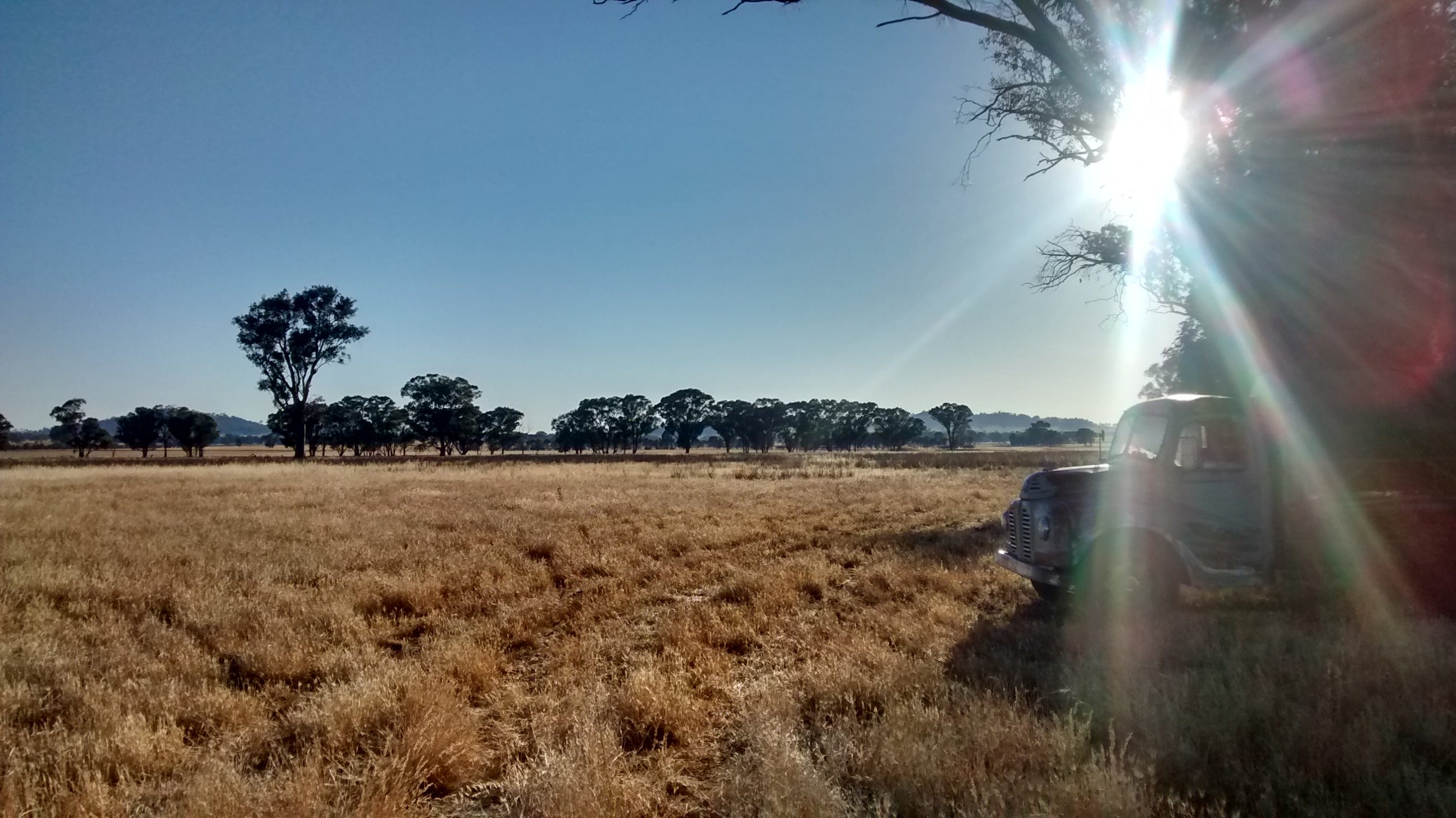
Last summer I traveled to Cowra, New South Wales, to assist PhD student Stephanie Pulsford with her fieldwork. Stephanie’s work involves studying the movement of reptiles, amphibians and invertebrates across Box-Gum Grassy Woodlands.

IMG_20141117_065756644_HDR

The farm where we stayed, Cowra, NSW. Photography by Sarah Maguire


The Problem                                                              

When we chop down trees and clear vegetation to make way for roads and farms, we are destroying the habitats of local species. As human populations grow around the world, so too does this problem. The destruction causes habitat fragmentation, which isolates smaller populations of terrestrial species. Without the cover of vegetation, individuals are at a higher risk of predation. By separating populations there is an increased probability of inbreeding, restricting gene flow and weakening the individuals.

The Aim

Stephanie seeks to find a realistic and cost-effective way to improve the connectivity and movement of lizard and amphibian populations across farmlands. She is researching different scenarios, using fences vs logs vs neither, to see which situation allows for better movement of the individuals. She hopes that this will allow farmers to make changes to their property, which favour the movement of reptile and amphibian populations.

IMG_20141114_075331666

Drift fences at one of the exposed sites. Photography by Sarah Maguire


My Role

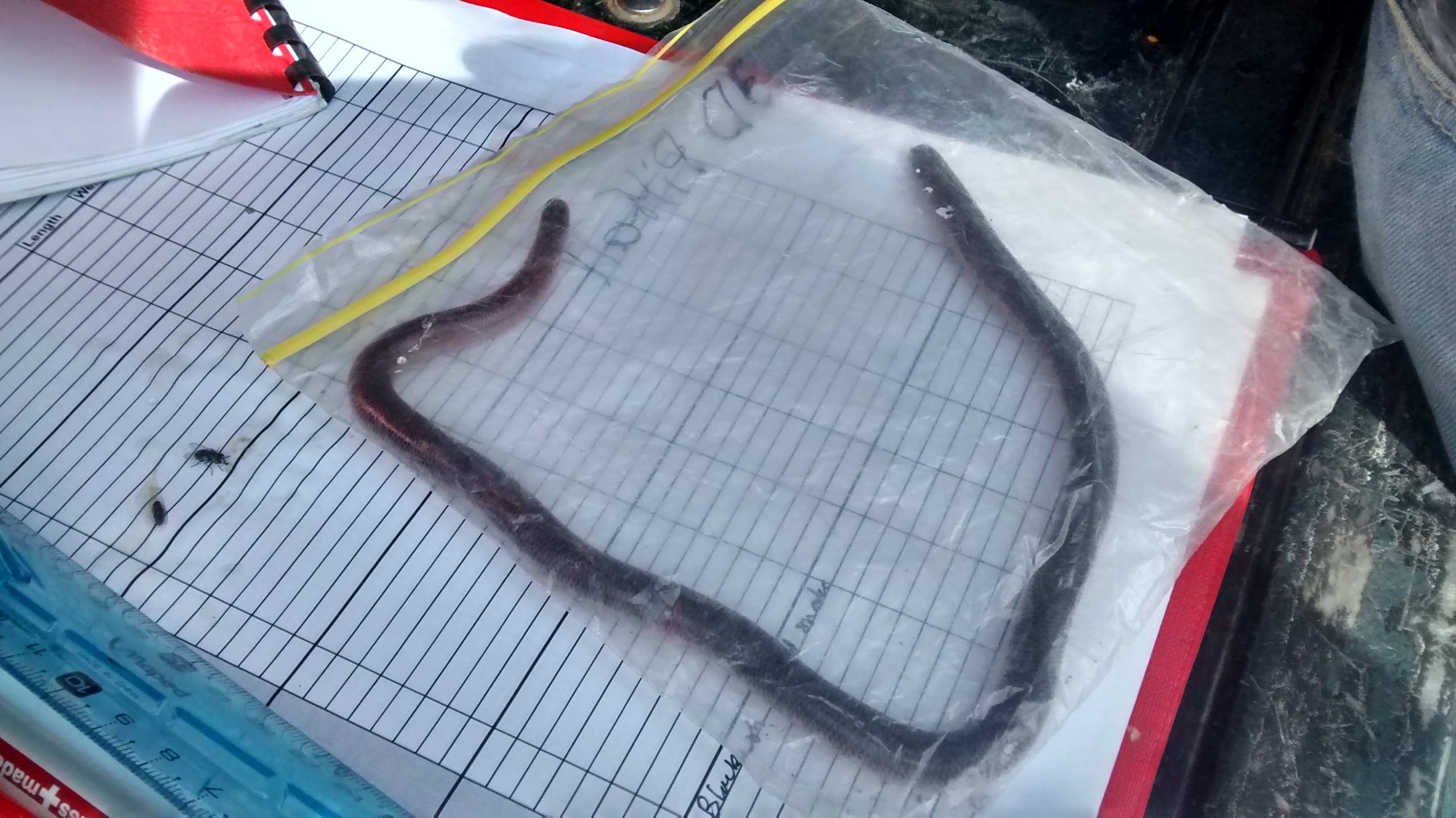
I spent one week with Stephanie, where we lived with other volunteers in a cottage located on one of the farms we were working on. The first few days were spent setting up the traps, a laborious task of digging trenches and hammering in the frames for the drift fences. We set up funnel and pitfall traps to catch any animals which ran along the fences. After that, every day began at about 6am as it was the height of summer and animals could not be left in the traps for too long or they would dry out. Initially, I was a bit apprehensive sticking my hand into a pitfall trap full of huntsman spiders, centipedes, and on one occasion, a Blackish Brown snake. Nevertheless, I got used to it, and every day we recorded what we found.

The Blackish Brown snake, which escaped soon after this photo! Photography by Sarah Maguire

The Blackish Brown snake, which escaped soon after this photo! Photography by Sarah Maguire

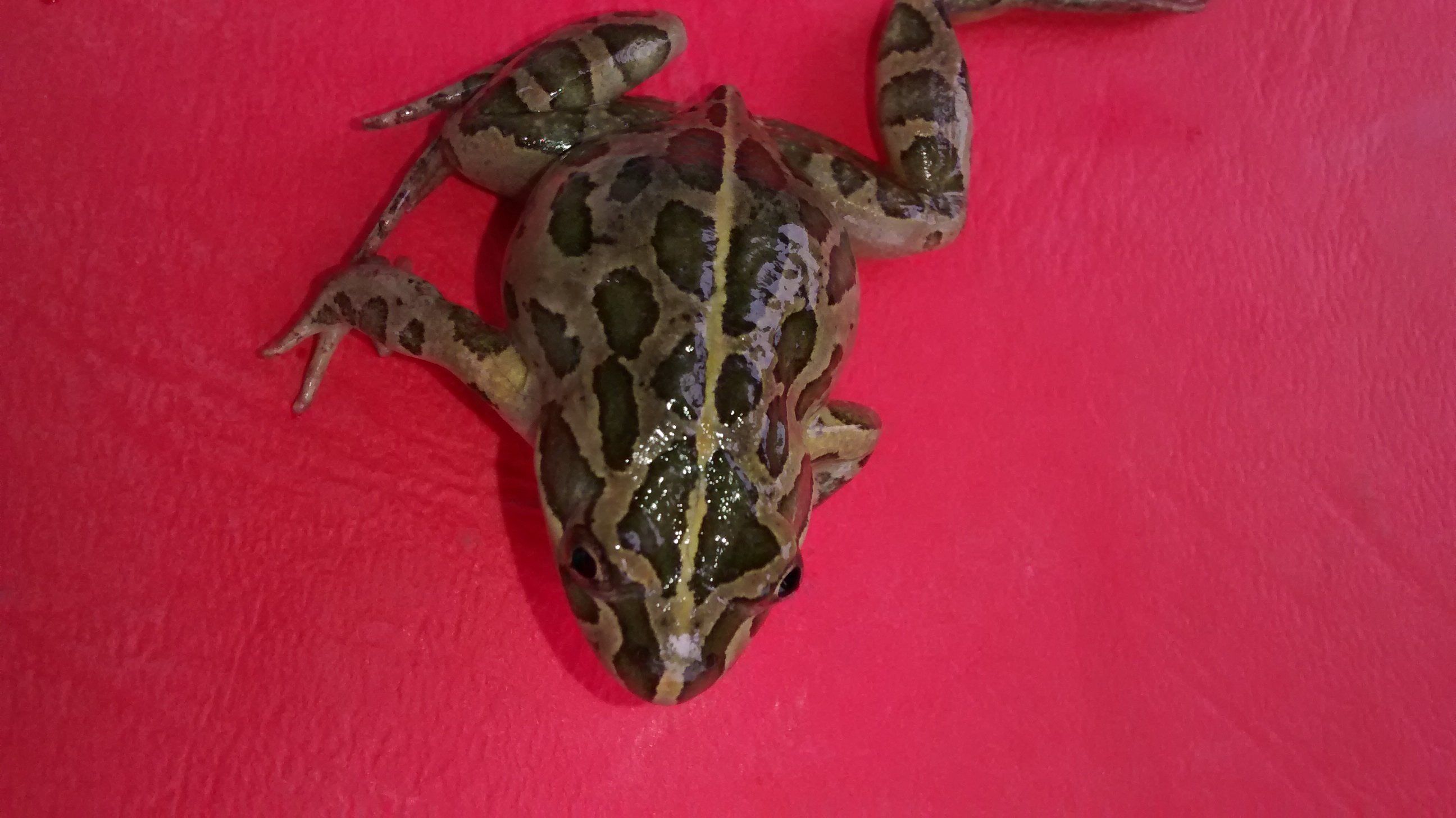
The most common species of frog we caught was the Spotted Marsh Frog, and lizard was the Rainbow Skink. When individuals were captured, we injected them with a small drop of an illuminous substance which hardens under the skin. This is deemed safe for the animal, and is injected on their underside so as not to make them more visible to predators. In the case of recapture of the same individual, we knew that it has been caught before by shining UV light on the marking. This capture recapture method provides an important insight into the movement of the species across the landscape.

Spotted Marsh Frog. Photography by Sarah Maguire.

Spotted Marsh Frog. Photography by Sarah Maguire.

The Bigger Picture

Stephanie is gathering the data from her fieldwork to determine which areas have more amphibian and reptile movement. She will compare the exposed areas with the sheltered areas that have logs, and with the areas which have fences. If animals use the sheltered areas more often when moving locations, by placing logs or fences on their farms landowners could improve the quality of life for these species. Best of luck to Stephanie with her PhD!

References

Fischer, Joern, David B. Lindenmayer, and Ann Cowling. “The challenge of managing multiple species at multiple scales: reptiles in an Australian grazing landscape.” Journal of Applied Ecology 41.1 (2004): 32-44.

Hazell, Donna, et al. “A comparison of constructed and natural habitat for frog conservation in an Australian agricultural landscape.” Biological Conservation119.1 (2004): 61-71.

Mac Nally, Ralph, and Geoff W. Brown. “Reptiles and habitat fragmentation in the box-ironbark forests of central Victoria, Australia: predictions, compositional change and faunal nestedness.” Oecologia 128.1 (2001): 116-125.


Posted in Uncategorized | 1 Comment

Will Australia ever be rid of the rabbit?

The introduction of pest species to Australia has largely, and regrettably, been extremely “successful”. The incredible rate of spread, and success of establishment, of pest species has been a major contributory to Australia’s infamous title for harbouring almost half of the world’s mammal extinctions over the past 200 years2.

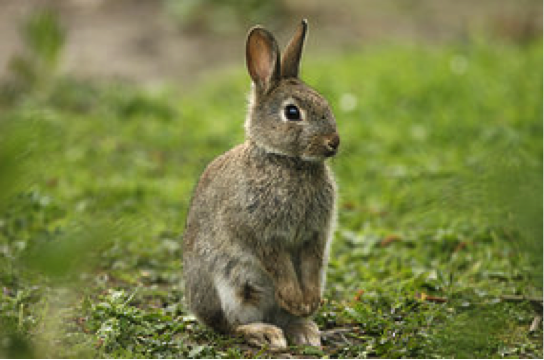
Arguably, one of Australia’s worst introduced pests is the European rabbit (Oryctolagus cuniculus).

The European Rabbit (Zukerman, 2009).

The European Rabbit (Zukerman, 2009).


But could something so little and cute really be that much of a problem? Well, from my work experience with ACT Parks, Conservation and Lands, I have definitely come to the realization that yes – they definitely are a very big and ugly problem!

Rabbits grazing and burrowing habits can cause serious erosion, reduce survival and regeneration rates of native plants, create competition for food against native species, and altogether alter their habitats. What’s more, the damages brought about via economical losses in agriculture due to rabbits overgrazing is estimated at $115-250 million per year2,7.

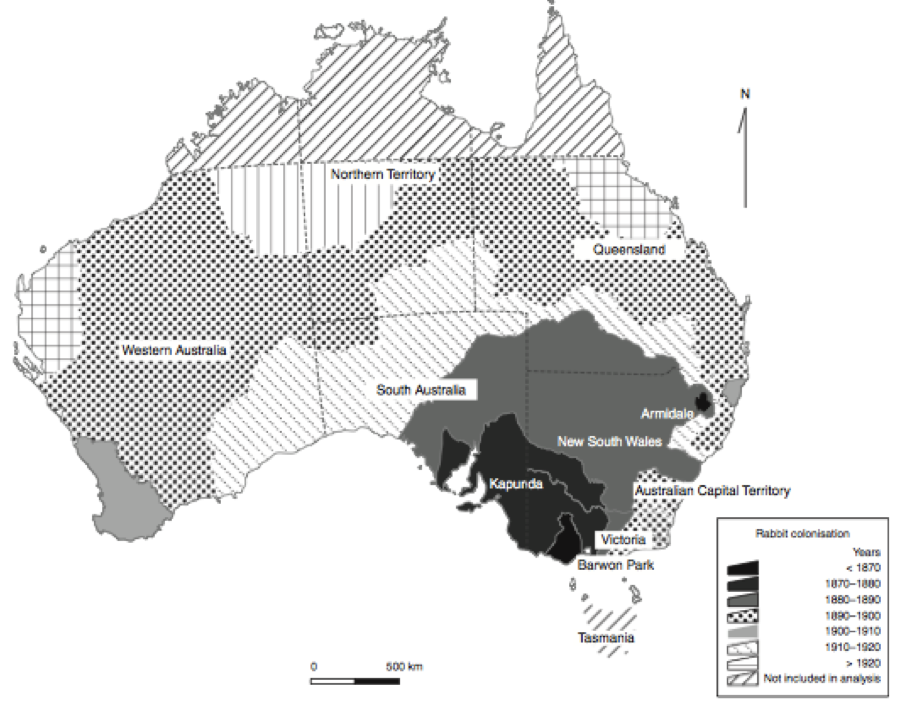
Rabbits were originally released in Australia in the mid 1800s to sustain the sport of hunting3,5. By the early 1900s they had spread throughout much of the Australian continent (Figure 2).

Figure 2 - The rate of spread of rabbits across Australia; where they started in Victoria in the mid 1800s, had spread to South Australia, New South Wales and the south of Queensland by the late 1800s, and eventually reached the north of Queensland, and the Northern and Western Territories by the early 1900s (McLeod et al., 2014).

Figure 2 – The rate of spread of rabbits across Australia; where they started in Victoria in the mid 1800s, had spread to South Australia, New South Wales and the south of Queensland by the late 1800s, and eventually reached the north of Queensland, and the Northern and Western Territories by the early 1900s (McLeod et al., 2014).

Broad scale attempts to control rabbits from rabbit-proof fencing were said to be too late to make any difference. Biological control, such as the Myxoma virus, showed more promise, but eventual population immunity meant total eradication of rabbits was not possible5. Successful control measures have occurred on smaller scales though, such as Macquarie Island, where a program of aerial baiting and dogs were used to track down rabbits from July 20116. The project was a momentous success, no rabbits have been reported since November 2011 and the island is once again a thriving Antarctic ecosystem1,4 . 

Eroded slopes from rabbit damage at Macquarie Island (Stevens, 2014).

Eroded slopes from rabbit damage at Macquarie Island (Stevens, 2014).

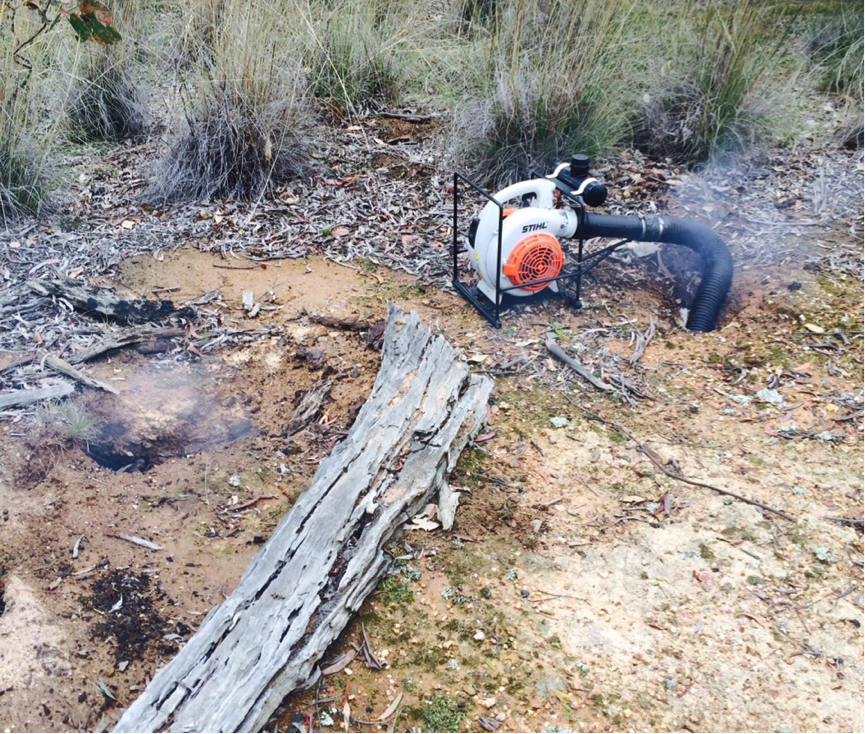
Aiming for a similar success is the rabbit eradication program at Mulligans Flat Nature Reserve, which is protecting the critically endangered box-gum grassy woodland residing there. The rabbits are causing harm to native vegetation regeneration and creating competition for habitat from the important reintroduced species and ecosystem engineer, the bettong. As baiting is not an option due to the danger presented to bettongs, the rangers of ACT Parks are actively managing the rabbits through night-time shootings and burrow gassing. I was fortunate enough to see this active management first hand on my work experience. This involved searching for rabbit burrows and warrens, then gassing and fumigating them with phosphine (Figure 4).

Figure 4 - Gassing of rabbit warrens to determine extent of entry ways (28/4/15).

Figure 4 – Gassing of rabbit warrens to determine extent of entry ways (28/4/15).

In the small area treated for this trial no rabbits were recorded during night-time spot-lighting approximately a week later, and only one burrow had shown an attempt at re-entry. This is a very promising result, and shows positive signs for intensive management that will hopefully see future eradication of rabbits within the Mulligans Flat Nature Reserve boundaries, and set the standard for pest management within Australia. However, it is important to remember that this is only a small-scale operation and broad scale eradication from Australia would need substantial funding, research, active management and cooperation between different land users to ever completely rid Australia of the rabbit.

Author: U5184813 


Want more info? Check out these recourses:

Read

  1. Gregory S. D., Henderson W., Smee E., Cassey P. (2014). ‘Eradications of vertebrate pests in Australia: A review and guidelines for future best practice.’ PestSmart Toolkit publication, Invasive Animals Cooperative Research Centre, Canberra, Australia.
  2. McLeod, S. R., Saunders, G. (2014). ‘The European rabbit; Australia’s worst mammalian invader’ in H. Prins, & I. Gordon, (eds), Invasion Biology and Ecological Theory: Insights from a continent in transformation, Cambridge University Press, UK, pp. 429-451.
  3. NSW Government, (2011). ‘Rabbits – fact sheet.’ accessed 28/4/15, available at: http://www.environment.nsw.gov.au/pestsweeds/RabbitFactsheet.htm
  4. Stevens, C. (2014). ‘Macquarie Island brought back from the brink.’, WWF: Australia, 15 April, accessed 1/5/15, available at: http://www.wwf.org.au/?9600%2FMacquarie-Island-brought-back-from-the-brink
  5. Williams, C. K., Parer, I., Coman, B. J., Burley, J., Braysher, M. L. (1995). ‘Managing Vertebrate Pests: Rabbits.’ Bureau of Resource Sciences/CSIRO Division of Wildlife and Ecology, Australian Government Publishing Service, Canberra.
  6. Zukerman, W. (2009). ‘Australia’s battle with the bunny.’ ABC Science, 8 April, accessed 30/4/15, available at: http://www.abc.net.au/science/articles/2009/04/08/2538860.htm

Watch

  1. Fight to save Antarctic Island, (2011). Video, Australian Broadcasting Corporation, 16 May, accessed 28/4/15, available at: http://www.abc.net.au/7.30/content/2011/s3218459.htm
  2. Rabbit Revival, (2009). Video, Australian Broadcasting Corporation, 14 April, accessed 30/4/15, available at: http://www.abc.net.au/landline/content/2008/s2538137.htm
Posted in Uncategorized | Tagged | 1 Comment

Green Team – Greening Australia

U5624945

kkjkjk

Greening Australia slogan at the ACT office in Kubura Place, Aranda

Greening Australia is an independent not-for-profit organization that started in 1982 to conserve and restore Australia’s landscape for people and for nature. I am part of the green team, one of the teams spread in 30 locations all over the country. There are also community plantings, when the whole community join the Greening Australia volunteers and staff to plant native species and restore a site. The teams do science-based work not only for the landscape, but also for the people and wildlife that live in them.

Habitat restoration, wildlife conservation and return paddocks to productivity are some of the organization objectives. The actions include from planting native species to weeding and watering with the community involvement to create new homes for Australia’s wild life.

The ACT’s Green Team goes every Thursday to different location across the region to deal with practical conservation jobs like tree and shrub planting, seed cleaning and site maintenance. Volunteers work alongside staff from Greening Australia. Furthermore, the most interesting thing is that the majority of the group is formed by retired people who want to help to conserve Australia’s landscape instead of staying home. They are not afraid of the hard work, as they grab the heavy hoe and pruning shears and start work.

In the minibus, before we arrive to the working sites a staff member of greening Australia always provide all the training needed, as explaining how and what the team need to do and the reasons of doing that.

Day 1

The green team went to the Kowen Forest, which is a native woodland surrounded by pine plantations. The activities there were part of a wider program to locate and remove exotic weeds from the site. The weed in this site was Pinus radiata , which is invasive and was spread by wind from nearby plantations. Pinus radiata is native from California and is considered a weed in this location due to its fast growing and competition with native species.

bfgbfgbfg

The first picture shows the Kowen Forest and the second one the Pinus radiata removal

Day 2

At the second day of my volunteer, the Green Team cleared thick weeds, planted and put mulch along the storm water drain at the back of the Greening Australia office in ACT that is located in Kubura Place, Aranda. At the beginning we were clearing all the wild grass to make space to plant Casuarina, but when a staff member noticed that there was a native grass there, we started to take care and pull out only the weeds. I noticed that the greening Australia try to restore the sites as naturally as possible, let the existing native plants and plantings new native specimens.

rrgrtgrtg

Before and after Green Team action

Day 3

At my third day of activity we went to McLeods Creek Nature Reserve at Gundaroo, which is an area largely cleared for agriculture and sheep grazing. The reserve was established in 2010 to protect a rare remnant of box-gum woodland, of which only 5% remains. Furthermore, to increase the conservation values of this reserve they developed a plan with the Greening Australia and members of the community assistance to restating the woodland components and protect and recover this endangered community. In 2014, were planted over 2,000 plants in a community event for the national tree day and this year they expect to plant more 850 plants. The Green Team planted over 50 native trees in pre augured holes.

gbfgffg

Volunteers working in McLeods Creek Nature Reserve at Gundaroo


References List:

Greening Australia. Available at: http://www.greeningaustralia.org.au
[Accessed May 2015].

Molonglo Catchment Group. Weed Fact Sheets.

Available at: http://www.molonglocatchment.com.au/Weeds/weed_fact_sheets.htm
[Accessed May 2015].


Posted in Uncategorized | 1 Comment