An unique ex situ conservation of timor deer in West Nusa Tenggara Province, Indonesia

“Ex situ conservation is the technique of conservation of all levels of biological diversity outside their natural habitats through different techniques like zoo, captive breeding, aquarium, botanical garden, and gene bank”

Kasso and Balakrishnan, 2013

Introduction

In Indonesia, the timor deer or Javan deer (Rusa timorensis) is categorized as a protected animal (Government ordinance no. 8/ 1999) and the population trend in nature is decreasing because of habitat loss and poaching. According to the International Union for Conservation of Nature (IUCN) red list, the conservation status of this animal is vulnerable.

To sustain the timor deer population, the government carry out two types of conservation; ex situ and in situ conservation programs. The in-situ conservation programs are carried out in national parks and wildlife reserves, meanwhile the ex situ conservation is run by the zoos and by local people/ society.
(source:http://assets.kompas.com/data/photo/2014/05/07/1556110rusaaa780x390.jpg)

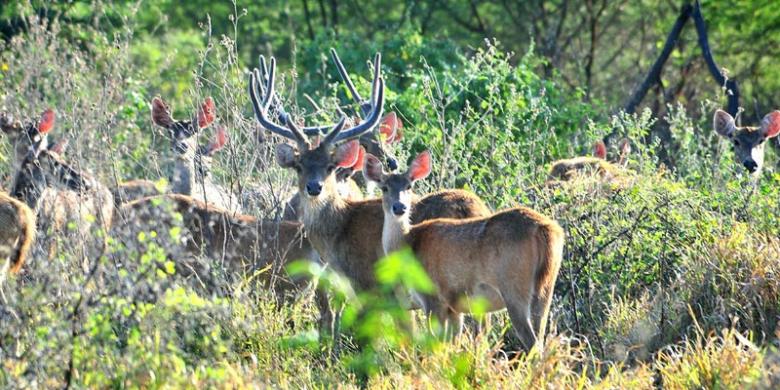
Timor deer in Baluran national park (Photo credit: Kompas)
(source:http://www.klikpositif.com/media/images/news/rusa-tutul-mati-di-kebun-binatang_20140228151657.jpg)

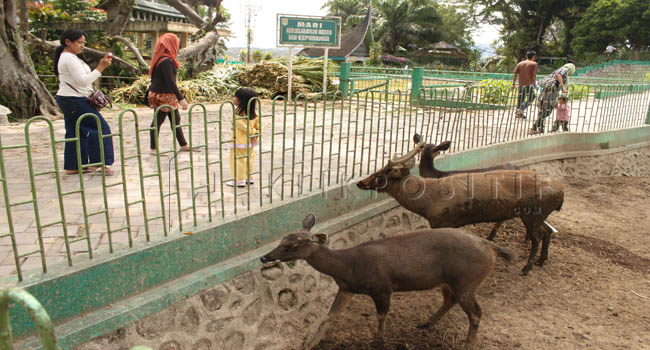
Deer in the zoo (Photo credit: Klikpositif)

West Nusa Tenggara province (Nusa Tenggara Barat) is one of two provinces in between Wallace-Weber line that has a long history with timor deer, even this animal has become the logo of this province (flagship species). People there are interested to captivate timor deer because of two reasons; hobby and pride (Utomo and Hasan, 2014). The form of ex situ conservation of timor deer by local people may be not common in other countries, but in Indonesia, it is legal as long as the breeder fulfills the requirements as it is set by forestry ministerial regulation. This regulation is attempting to bridge the social value and conservation value amid the society.

Fig. 3. The logo of West Nusa Tenggara Province (Photo credit: birulautntb)

The logo of West Nusa Tenggara Province (Photo credit: birulautntb)

The roles of self-supporting captive breeding for timor deer conservation

The one aim of timor deer ex situ conservation is to breed this ruminant animal, which then the mature ones will be reintroduced to the nature. The concept of self-supporting timor deer captivity is that deer from the first and second generation (F0 and F1) are owned by the government, although in practice, they are captivated by the breeders. The breeders can only harness the further generations (F2 and so on), like for trading or venison harvesting. It is obligatory for each breeder to start the captivity from F0, even when they get or buy a deer from the third generation from another captivity.

Through this scheme, society directly helps the government to provide mature deer for reintroduction program. Another benefit of captive breeding is a medium to educate school-age generations about the importance of conservation.
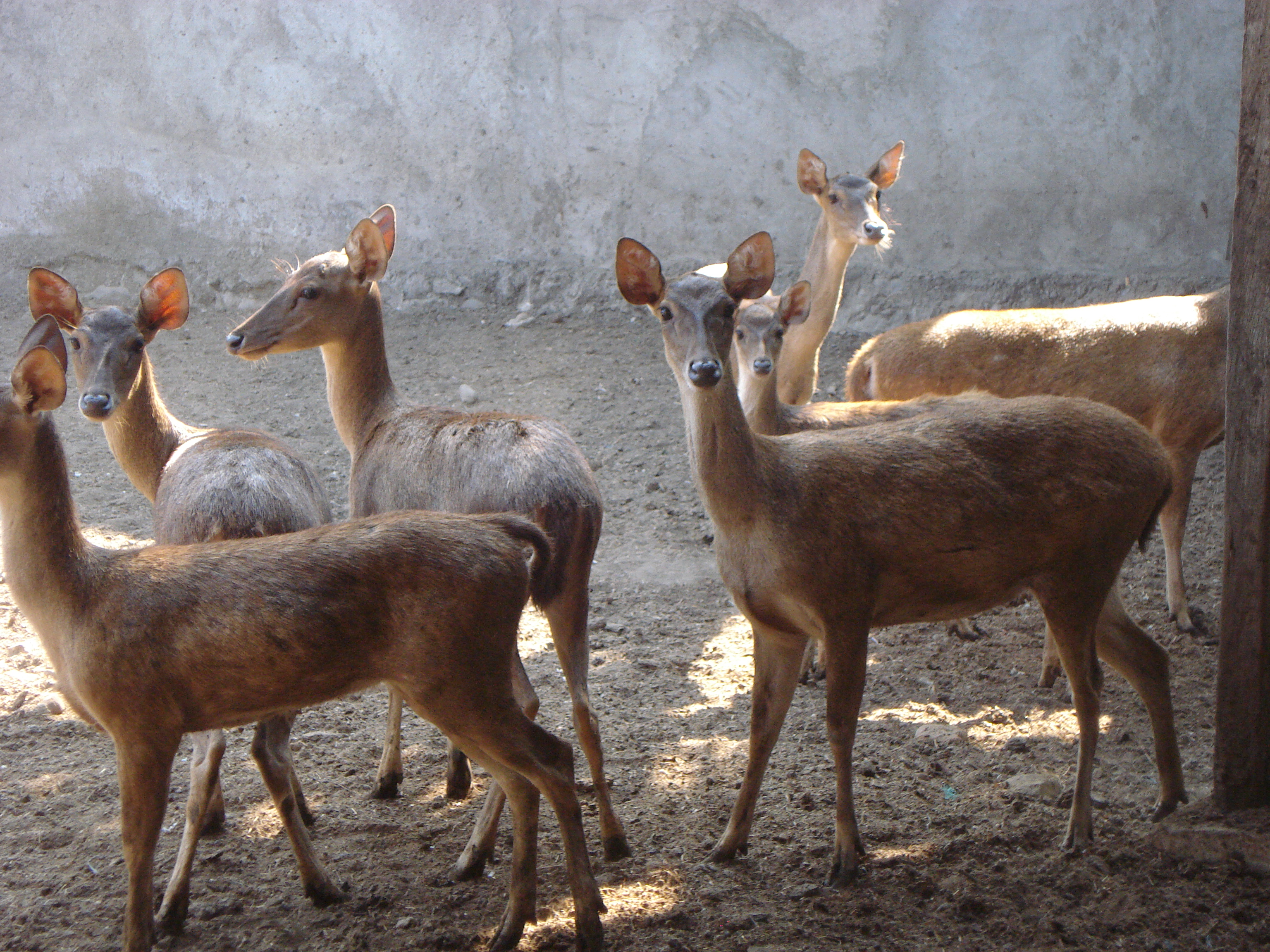
The self-supporting deer captivity (Photo credit to the author)
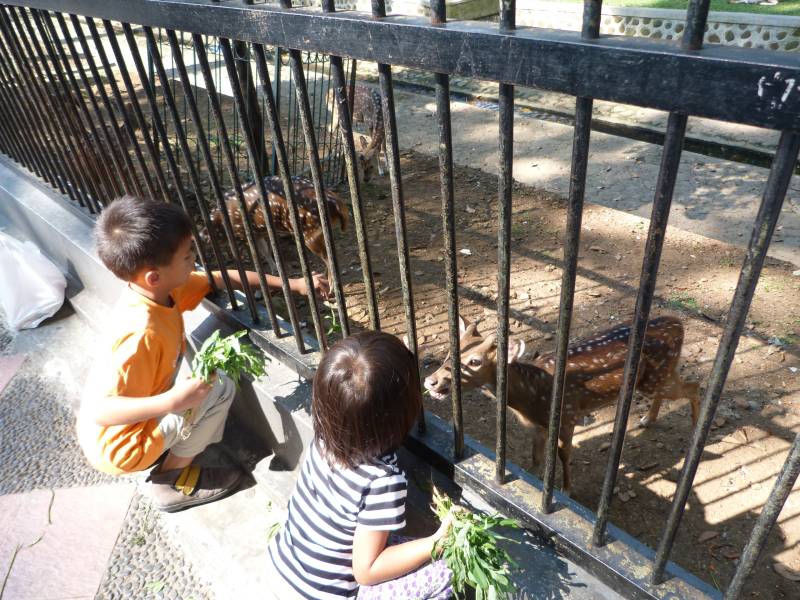
Self-supporting deer captivity (Photo credit to the author)

Fig. 5. An effective way to teach children for caring the wildlife (Photo credit: Kompasiana)

An effective way to teach children for caring the wildlife (Photo credit: Kompasiana)

The improvements for self-supporting captive breeding 

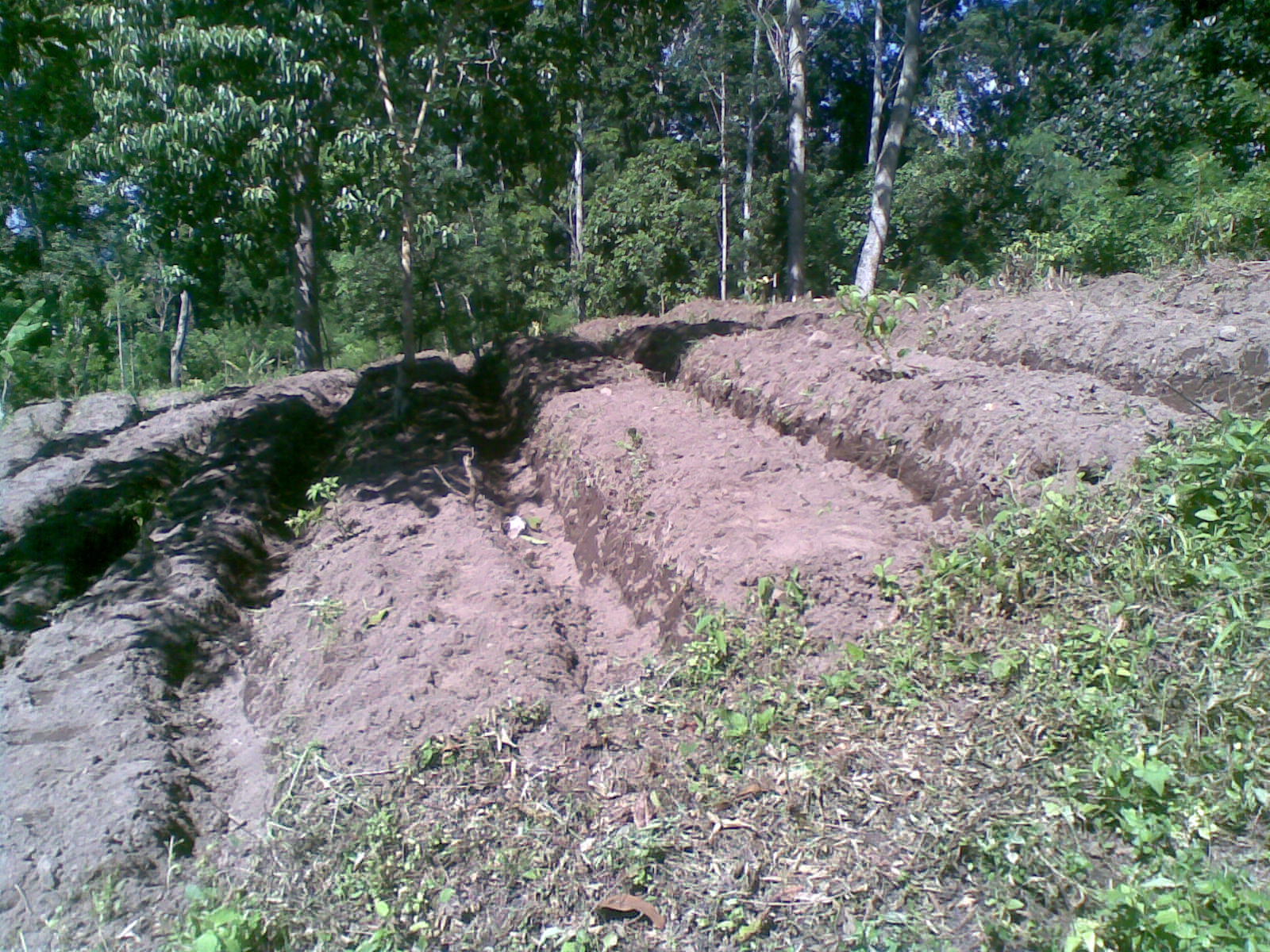
The participation of society in ex situ conservation program is an invaluable capital. However, to ensure this program can contribute for biodiversity conservation, we need to improve its management system. The one important factor of conservation program is systematic planning where it will be encompassed in the integrative action plan that consists of tagging, animal tracing, forage producing, genetic transfer, and trading system. Hopefully, through the developing of these systems, we can eradicate drawbacks from our current system, like illegal trading, untraceable animal record, in breeding, and lack of forage in the dry season.
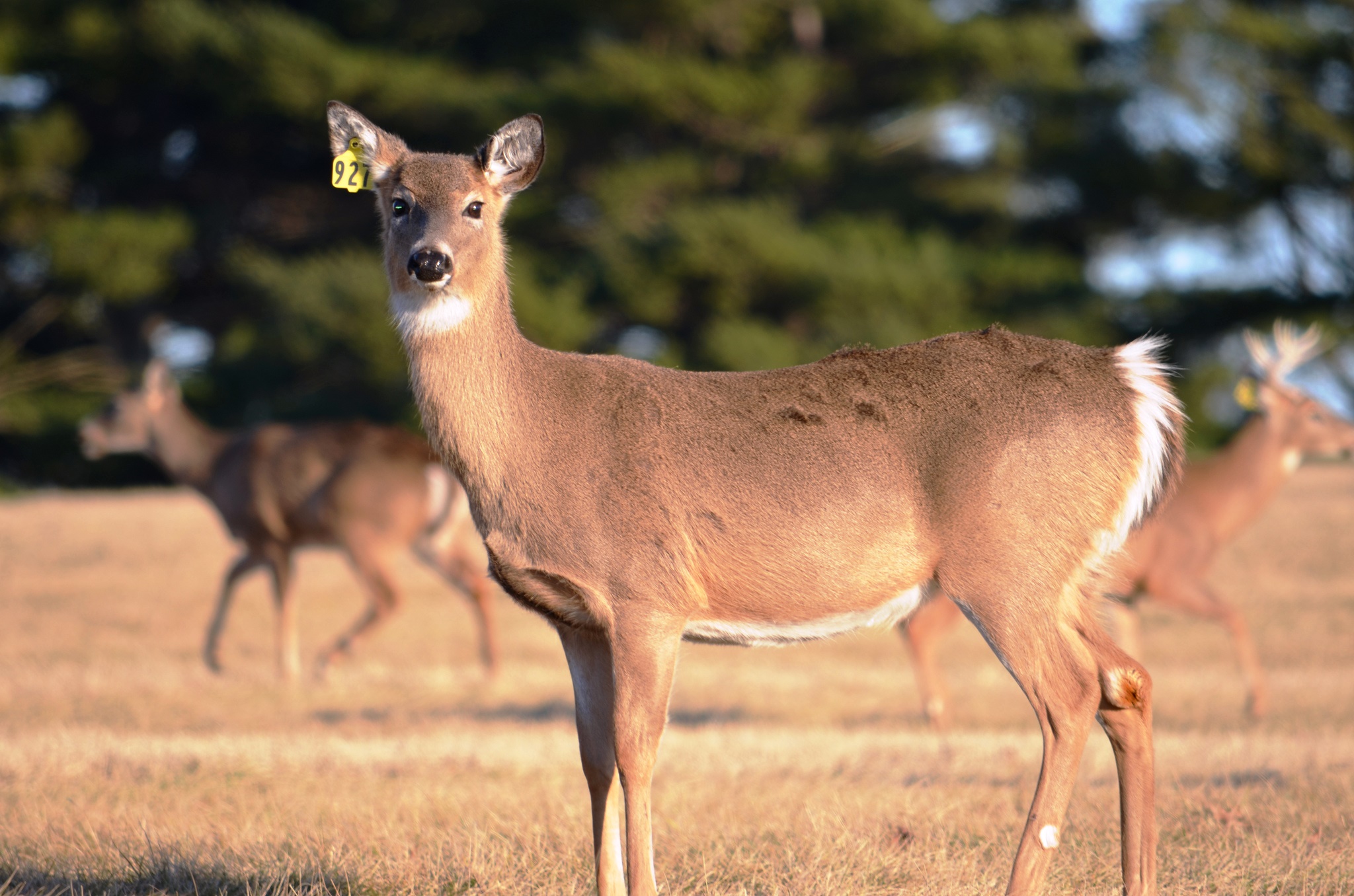
Tagged deer (Photo credit: Brett Young/NIST)
Tagged deer (Photo credit: Brett Young/NIST)

Land preparation for forage production (Photo credit to the author)

Land preparation for forage resources plantation (Photo credit to the author)

Marcellinus Utomo (u5710645), word count 497

Posted in biodiversity conservation | Tagged , | 1 Comment

Conservation efforts in Booderee National Park

fugura1

Celebration of the joint management in 1995

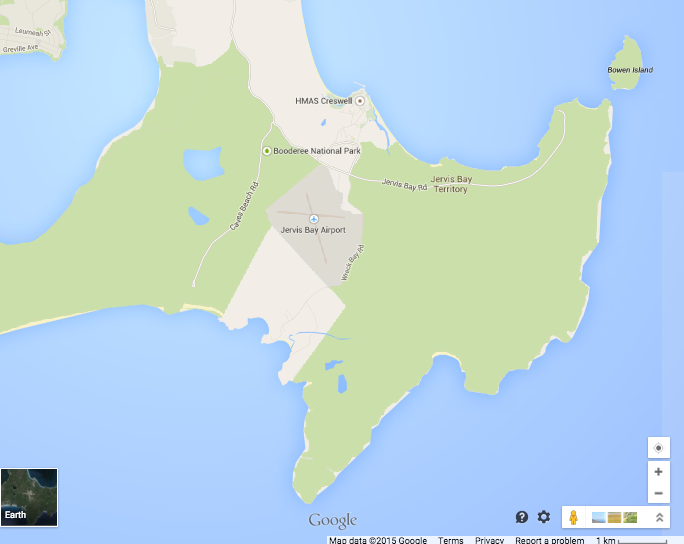
Booderee National Park (BNP) is located on the southern peninsula of Jervis Bay, on the south coast of New South Wales. This reserve, declared under the Environment Protection and Biodiversity Conservation Act 1999, has as main goal to protect the environment with special attention to organisms that have national significance such as endangered species. Booderee is owned and jointly managed by the Wreck Bay Aboriginal Community and Parks Australia.

EFFECTS OF OVERBROWSING AFTER FIRE

Fire is a natural disturbance to vegetation influencing terrestrial ecosystems and is crucial to conserve biodiversity. After a wildfire the plants are in a germinating and regenerating stages and have not developed enough defences such as thick leafs and chemicals that tend to keep them protected from herbivores grazing and browsing. The increasing number of macropods have been causing several impacts on the vegetation by changing the landscape to highly simplified plants domination and reducing the hiding spots of small animals from predators.

Red-necked Wallaby and the eastern-grey Kangaroo are between the three species of macropods presents in BNP

Red-necked Wallaby and the eastern-grey Kangaroo are between the three species of macropods presents in BNP

Claire Foster´s PHD research program is testing the effects of fire and overbrowsing by kangaroos and wallabies on vegetation recovery after fire. Experimental areas have been fenced off to compare the plants and invertebrates responses to fire where macropods are totally excluded, partially excluded (allowed occasional access through gates) and constant high-intensity browsing.

openfenc

Chris McGregor opening a fenced area gate

 Our field work aims to figure out how often wallabies and kangaroos visit a defined area/vegetation by counting scats providing an index of macropods browsing for future comparison. This time, we opened the gates of the fences of the partially closed areas to allow access by the macropods and the pellets will be future counted. The idea of looking for scats might be strange at first, but they provide really useful information about what sort of animals are visiting a certain area and can be used as an animal survey technique.

 Macropods' scats

Macropods’ scats

SMALL MAMMALS CONSERVATION

As I mentioned before the combination of vegetation change by overbrowsing and high number of predators are the biggest threat to small mammals present in BNP such as the bush-rat (Rattus fuscipes) and the longed-nosed bandicoot (Perameles nasuta).  As potential shelter and hiding sites have been taken by fire and overbrowsing, animals became more vulnerable being critically important to reduce the number of predators and maintain other control programs such as cameras monitoring.

Long-nosed bandicoot and bush-rat

Long-nosed bandicoot and bush-rat. Source – Booderee National Park: The Jewel of Jervis Bay

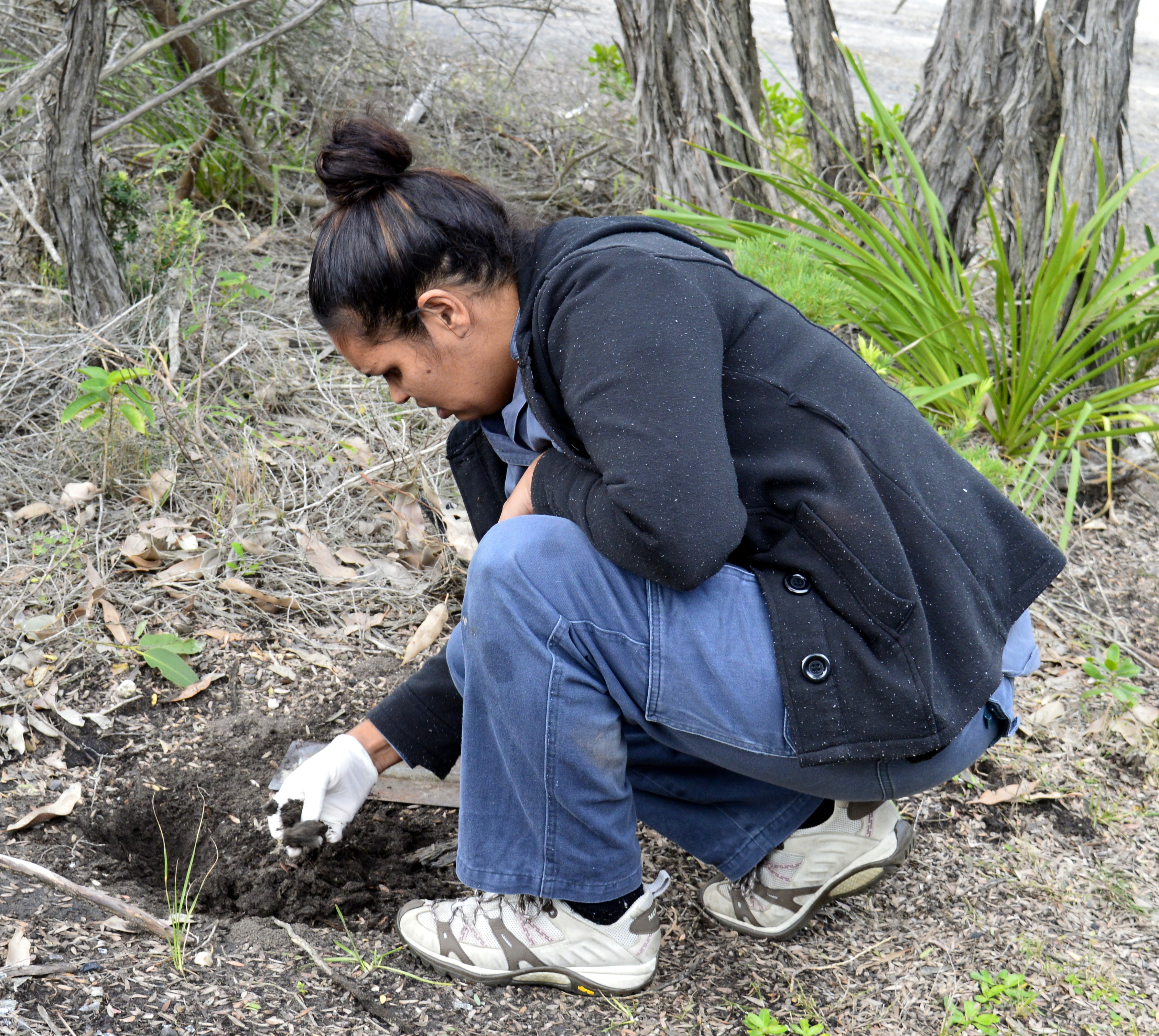
It is important to control the foxes by baiting them with poison. So, that is one of the activities that I had helped with. Many fox bait stations are spread all over the park. The baits are buried 15cm deep to make sure other diggers may not be able to access and the smell does not attract them.

Chicko the park ranger showing the fox bait

Chicko the park ranger showing the fox bait

Rose the park ranger burring a fox bait

Rose the park ranger burring a fox bait

Another way to maintain small mammals is to monitor their presence with camera traps. This was done by setting a camera in front of a feeding station or a bait. The bush-rat and the long-nosed bandicoot are given special attention by the park rangers as they are extremely vulnerable to predation and have an extraordinary ecological role. They eat and spread underground fruiting fungi known as native truffles that establish a symbiotic relationship with the vegetation transferring water and nutrients and helping to avoid diseases.

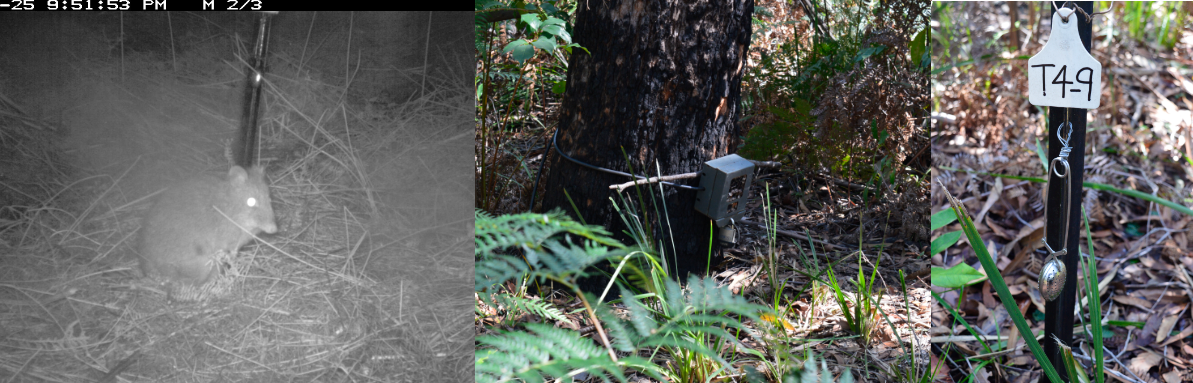
Camera traps have been also set up to monitor long-nosed potoroos which were recently translocated to the park.

bushratp

Setting up camera traps

Long-nosed potoroo in a picture and the camera trap

Bandicoot 1 Feb 2015 2.16

The long-nosed bandicoot in a camera trap picture

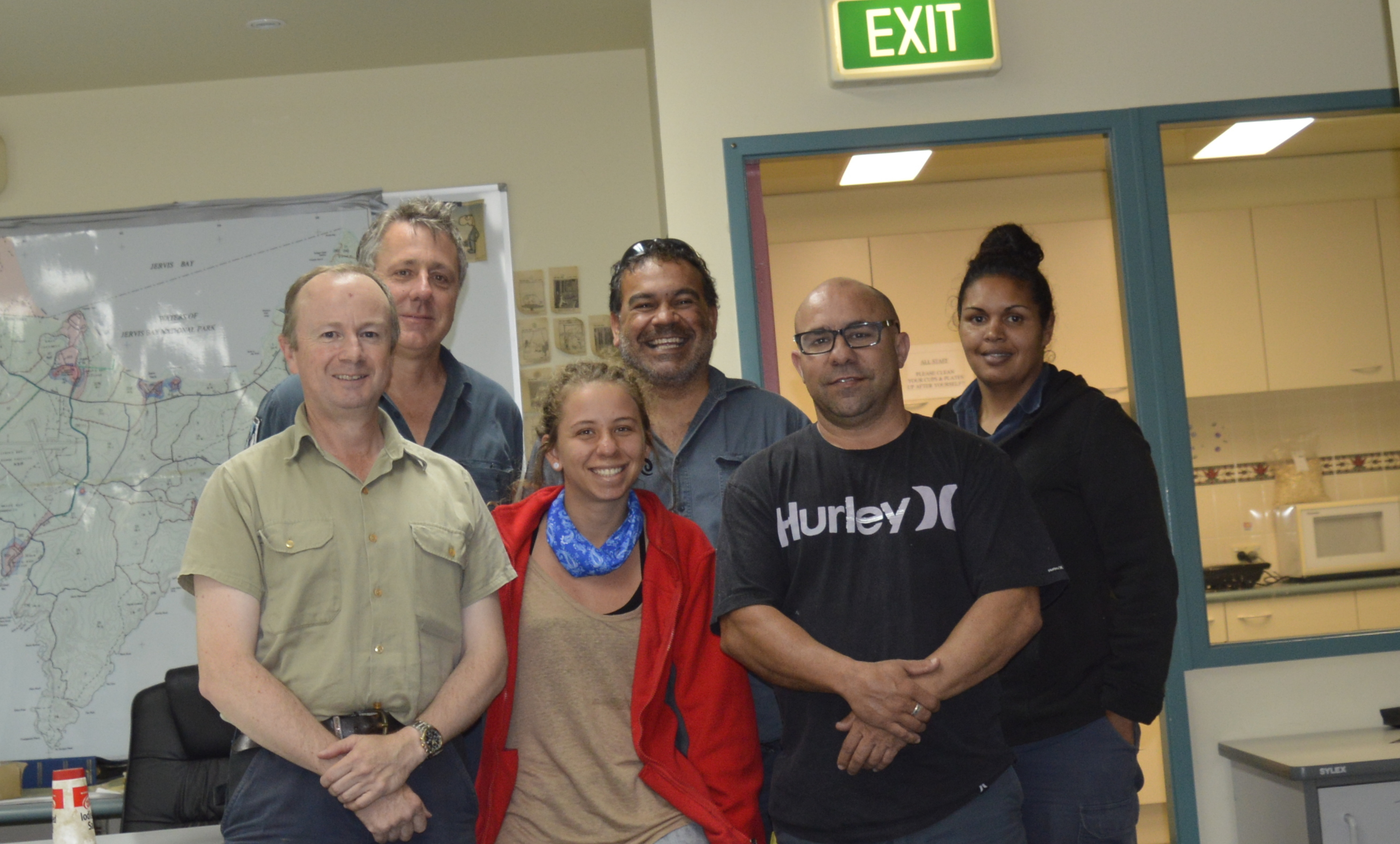
The conservation crew. Thanks for sharing more than knowledge!

The conservation crew: Chris, Nick, Tony, Chicko, Rose and me. Thanks for sharing more than knowledge!

Posted in Uncategorized | 1 Comment

The Last Wild Putuo Hornbeam on Earth: I’m NO LONGER Alone

Who am I?

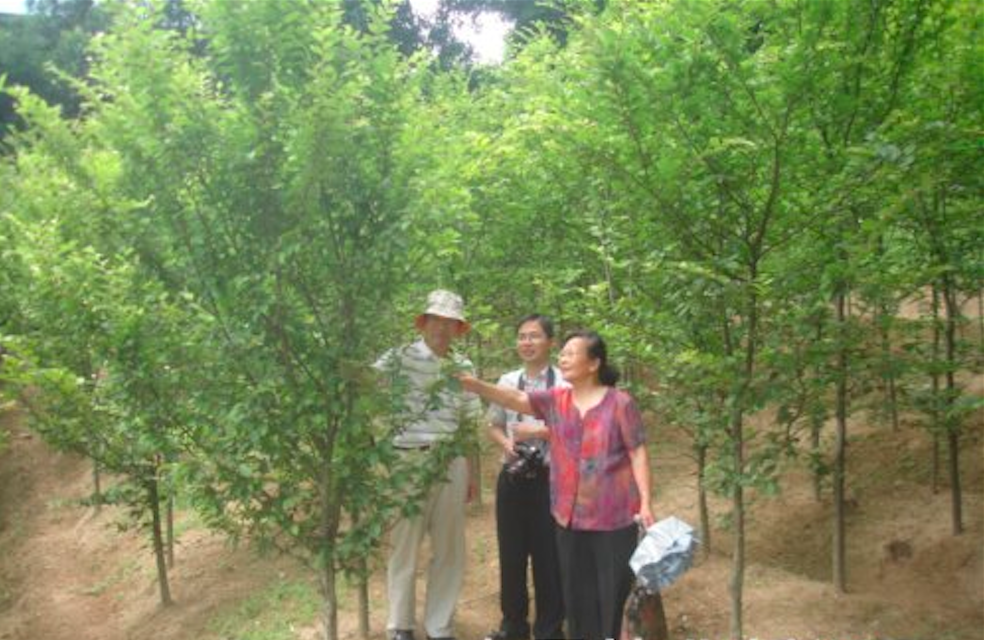
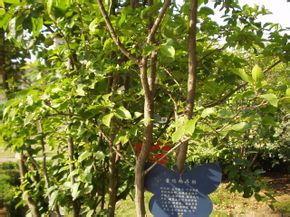
Putuo hornbeam (Carpinus putoensis) is exclusively endemic to Zhoushan archipelago,  Zhejiang Province in southeast China. Surviving as a single tree outside Huiji Temple, the 200-year-old reclusive refugee was discovered in the 1930s and confirmed to be the last individual of this species in the 1950s. With an extremely small population it is without doubt listed as “critically endangered” by the IUCN Red List, and monitored by the State Forestry Administration under “first-grade state protection”, which is the highest protection intensity recognized nationwide[1].

Huiji Temple, Zhoushan archipelago, Zhejiang Province, China. (Credit: Baidu IMG)

shumu

Putuo hornbeam (Carpinus putoensis) outside Huiji Temple. (Credit: Baidu IMG)


Why am I endangered?

  • Inherent vulnerability:

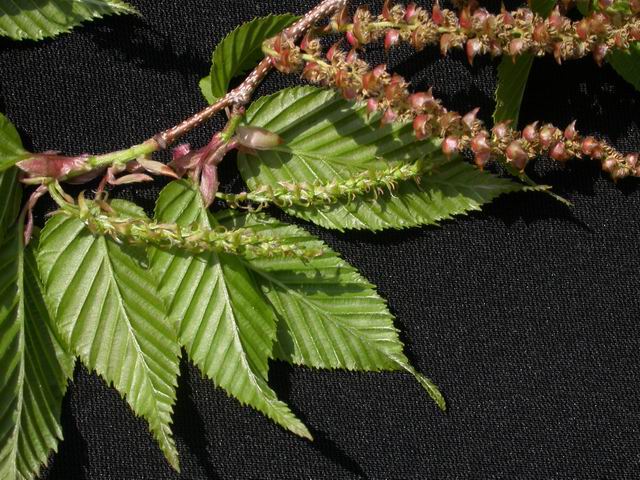
Putuo hornbeam is monoecious (individuals bearing separate flowers of both sexes) characterized by wind pollination. The male flowers, evenly distributed on the canopy, blossom in early April while the females in late April and only on top, leading to a small period of pollination as short as 6 days[2], which contributes to the highly compromised pollination capacity of this species.

huaxu

The foliage and spike inflorescence of putuo hornbeam (Carpinus putoensis). (Credit: Baidu IMG)


  • External disturbances:

Due to severe urban sprawl and land clearing for agriculture, the viability of the species has been highly jeopardized. However, human activity is not the only external cause of endangerment. Under possible stresses such as global climate change, the flowering season is encountered by heavy precipitation and strong winds, thus inducing poor pollination quality and small amount of seeds.

Why am I worth saving?

Species with a population less than a few hundred in the wild are referred to by some scientists as the “living dead”, in that the likelihood of them persisting for a reasonable amount of time in the future is quite low[3]. On the contrary, this ancient branch of the Corylaceae family has not been triaged under tough trade-off decisions. It has a potential research value on floristic geography and precious species breeding, let alone its symbolic and aesthetic value on buddhist culture worshiped by pilgrims from all over the world.

How have I been saved?

  • Breeding techniques

QQ20150505-1

Researchers inspecting the growth of the offsprings. (Credit: [5])

Due to low seed production and germination rate, the species requires sexual and asexual reproduction with multi breeding practices based on profound analysis on fruiting and germination characteristics. Breeding techniques include cuttage propagation, grafting, and tissue culture (cloning)[4]. Researchers have successfully cultivated more than 10,000 offspring seedlings since 2000.

offspring

Offsprings in other parts of Zhejiang Province, China. (Credit: Baidu IMG)


  • “Natural return”

Researchers have also focused on artificial population and in situ conservation. Leaving the offsprings to grow in a natural environment is beneficial to preserving genetic heritages and achieving natural regeneration. The artificial populations of offsprings in Dinghai, Putuo and Daishan nursery gardens have been thriving since 2000, and they endured the severe drought in Zhoushan archipelago, 2013[5]. At this point, the pressure of endangerment is significantly relieved.

Pearl of wisdom?

From watching the last individual on earth vanish like the passenger pigeon (Ectopistes migratorius) to full endeavor and perseverance of  saving our cherished species like the putuo hornbeam, we’ve witnessed a huge step taken towards refined biodiversity conservation. Always remember that diversity is the ultimate weapon against uncertainty. Putuo hornbeam, you are not alone anymore. Or are you?

(497 words)

U5640976

Posted in Uncategorized | 1 Comment

Isolation and speciation

Roberta Batista Viana – u5492640

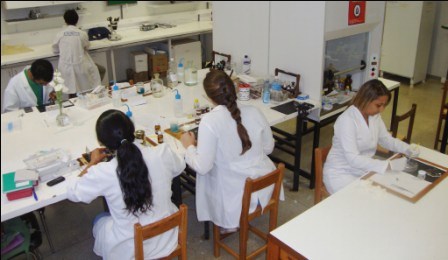
During the first semester of 2014 I worked at the Plant Anatomy Laboratory of the Botanic Department of University of Brasília preparing slides for later analysis of Peperomia glabella individuals from the continent and an oceanic island close to the Brazilian coast.

labanatoveg1

Question

The archipelago of Trindade and Martim Vaz is geographically isolated from Brazil, but the same species of Piperaceae occur in both habitats. So, Dr Micheline Carvalho Silva started questioning if this was a case of speciation.

The purpose of this research was to compare individuals from South America and Trindade and Martim Vaz archipelago using anatomic, phylogenetic and morphologic characteristics to determine if they were actually the same species.

peperomia-glabella

Peperomia glabella (extracted from: http://terrarienpflanzen-lexikon.de/wp-content/uploads/2011/07/peperomia-glabella.jpg)

What did I do?

My job was to prepare fresh slides by sectioning translucent slices (really, really thin) of the stem, leaves and petioles of three individuals of each habitat, photograph these slides and analyse the differences and similarities of continental and oceanic Peperomia.

Right now you might be thinking:

so boring

But wait! Here’s a nice photograph of the stem of one of these plants:

stem

The bigger picture

What is speciation? It occurs when a population of animals or plants is isolated geographically creating two distinct populations that can no longer exchange genetic material, so these two populations will start to evolve separately creating a new species.

How does it apply to this case? Trindade and Martim Vaz is an archipelago located ~1200km from the Brazilian coast with a high number of endemic species that haven’t been described since the discovery of the island.

Trindade-and-Martim-Vaz_image

Trindade and Martim Vaz (source: https://geos309.community.uaf.edu/files/2014/09/Trindade-and-Martim-Vaz_image.jpg)

Arquipelago-Trindade-Martim-Vaz

Trindade and Martim Vaz archipelago (source: https://www.mar.mil.br/secirm/img-trindade/antecedentes.jpg)

We don’t know how P. glabella individuals from the continent reached the beaches of this archipelago and how did they colonize the island.

This case might raise some questions about the process new species are created and what is the role of exotic plants in speciation.

Conclusion

Our findings were that all individuals had the same anatomic characteristics, except for different oil glandules for the island individuals (yellow and red glandules) and continental individuals (only red glandules). The phylogenetic analysis proved that they were the same species.

References

Carvalho-Silva, M. & Viana, R. B., 2014. Sociedade Botanica do Brasil – SBB. [Online]
Available at: http://www.botanica.org.br/trabalhos-cientificos/65CNBot/8402-BTE.pdf
[Acesso em 3 may 2015].

Da Silva, N., Alves, R., Da Silva Sylvestre, L. & Dos Santos, R., 2013. Two rediscoveries and one extinction for the flora of Trindade Island, Brazil. Journal of the Torrey Botanical Society, 140(2), pp. 230-235.

Ferris, K., 2014. Speciation on a local geographic scale: the evolution of a rare rock outcrop specialist in Mimulus. Philosophical transactions of the Royal Society of London. Series B, Biological sciences, 369(1648).

Santos, A., Rodrigues, S., Geraldes, M. & Vargas, T., 2015. Geology of Martin Vaz Island, South Atlantic, Brazil. Journal of Maps, 11(2), pp. 314-322.


Posted in Uncategorized | 1 Comment

I am Batman!

Beatriz de Brito Leite (u5645799)

Little Background and Important things to consider

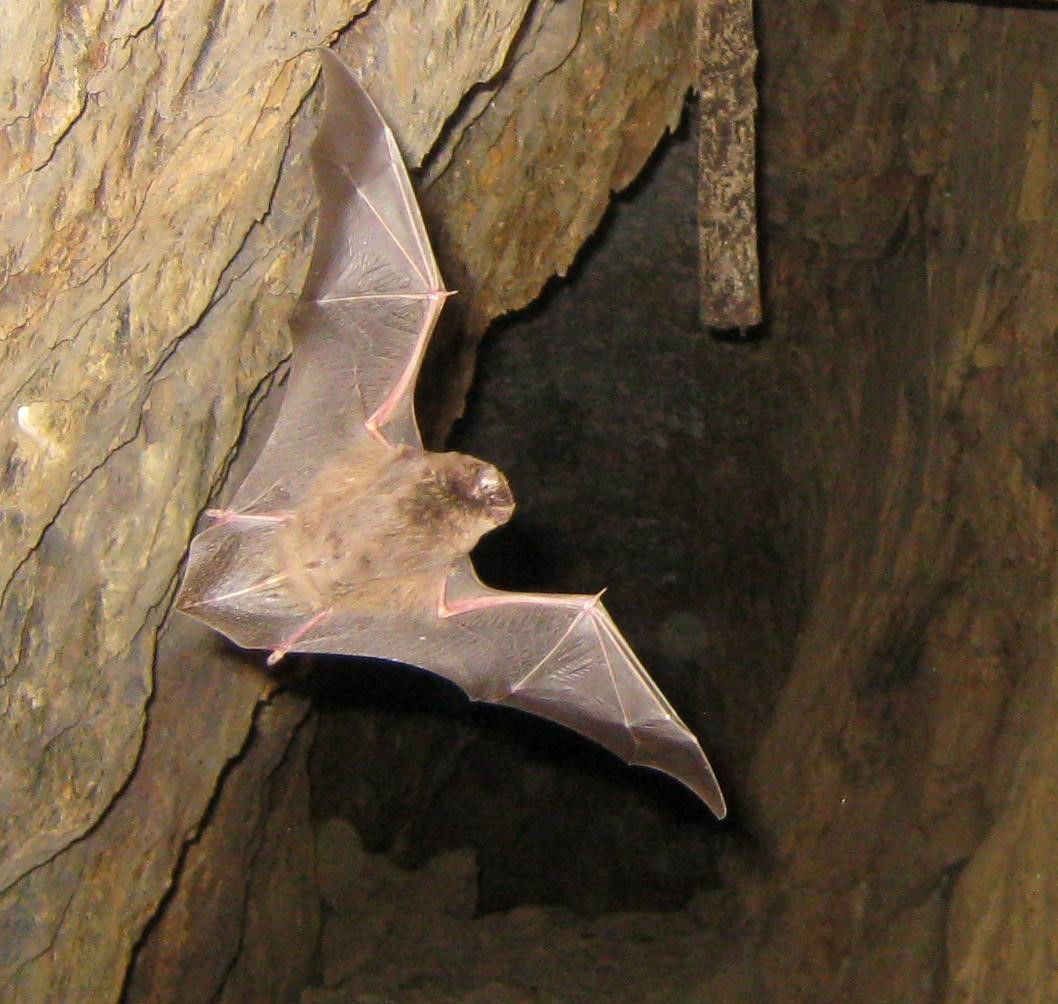
In this work experience I had the chance to do a very unique task and learn a lot about threatened species and what has been done to protected them (at least one of them). The Eastern Bent-Wing bat (Miniopterus schreibersii oceanensis) is usually found in caves to breed and hibernate and can travel up to 65km a night. They usually live together and there are records of about 15000 bats living in New South Wales, migrating to the coast in the beginning of February (till end of march) and returning on November. It can weight up to 20 grams and its body length is approximately 6 centimeters.

The Eastern Bent-wing bat.

The Eastern Bent-wing bat. Source: NSW Government Office of Environment & Heritage

The bats usually choose a few nursery caves for shelter and they have specific characteristics (as temperature and humidity) and damage or disturbance can be very threatening to them. They can spend half of their lives in roosts and rely a lot on shelters and that is why this species is consider in NSW as vulnerable.

The Miniopterus schreibersii oceanensis is found along a coastal band on the East Coast of Australia. Source: Andrew Lincoln – Fauna and Flora Research Collective Inc. 2010

The Miniopterus schreibersii oceanensis is found along a coastal band on the East Coast of Australia. Source: Andrew Lincoln – Fauna and Flora Research Collective Inc. 2010

But, why bats of all species? Why are they important? First of all: the world would be a boring place if it wasn’t for them. Bats play a vital role for the ecosystem and humans, some bats are very good pollinators, others disperse seeds, restoring cleared or damaged rainforests. Second, (but as important as the first reason) bats are the only mammals capable of true flight! It is amazing! This species in particular are insectivorous and primary predator of night flying insects, so they have a big role in the food chain and also help with forest and agricultural pests.

How is the management done?

Doug Mills from the NSW Office of Environment and Heritage, kindly let us accompany him in his task to monitor the cave and that population. We went to a place called Wee Jasper Reserve, the cave was hidden in the woods and Mr. Mills set the equipment to record the bats while they were leaving the cave. It happened as soon as the sun set. The monitoring goes until there are no significative number of bats leaving, it can take 1, 3, 4 or as many hours as possible, and we wouldn’t leave until that.

bad 4

The Wee Jasper Reserve surroundings.

Homemade video from the special camera used to record the bats leaving the cave, after that a computer program is used to estimate the number of bats that left the cave.

Homemade video from the special camera used to record the bats leaving the cave, after that a computer program is used to estimate the number of bats that left the cave (click the link to see it).

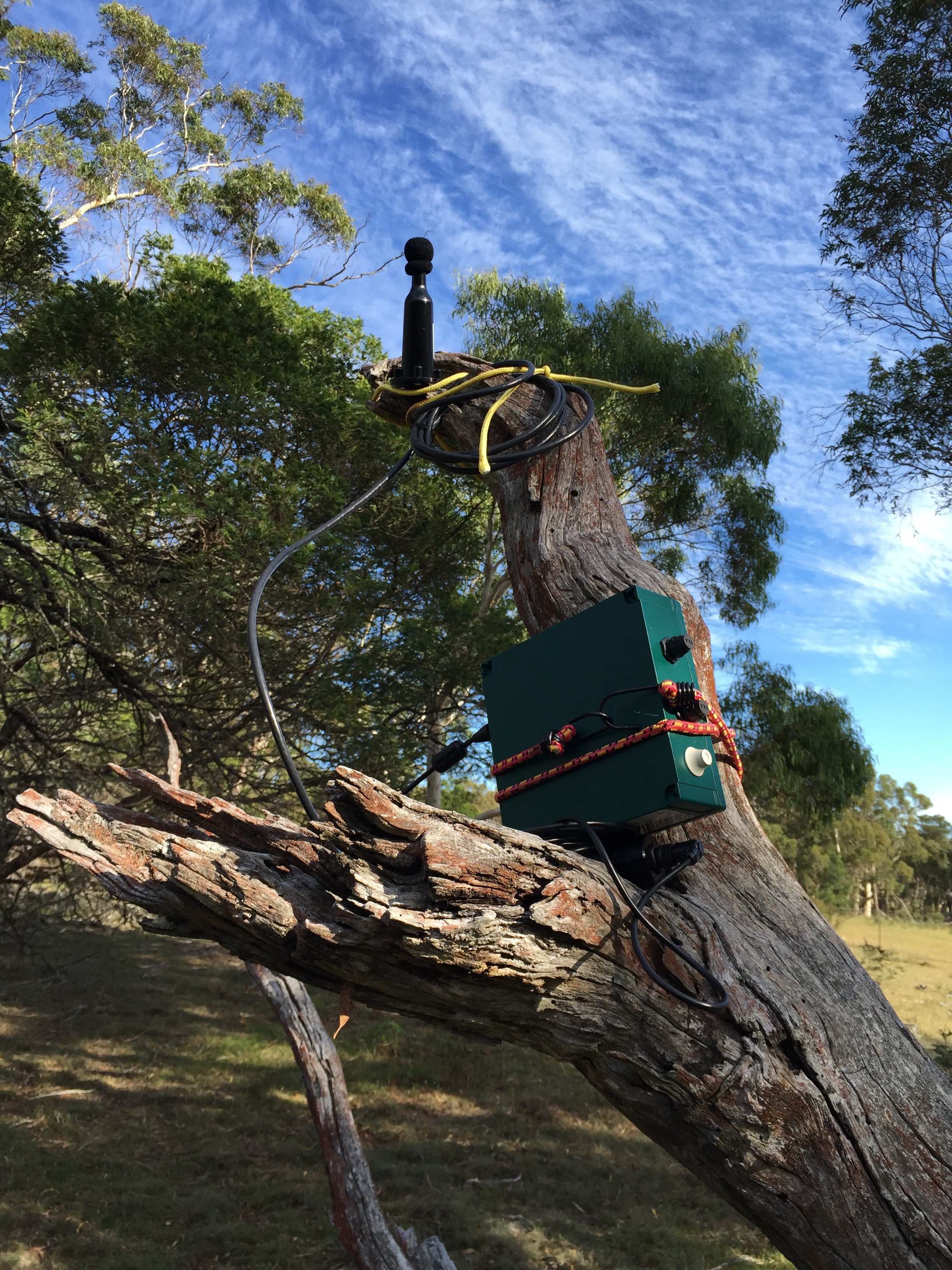
That is done in order to count the population as they leave to the coast. So Doug goes there a few times to check the numbers that are gone and the ones that are left to compare those numbers across the years and follow the development of that population. Another part of the work is to find out probable routes that those bats choose, and to do that Doug Mills installed some ultrasonic detectors around Bungendore and, as part of my work experience we went there to collect them. Figure 3 The ultrasonic detectors are placed on high places so it it easier to detect any noise.

Those special detectors are used because usually the ultrasonic calls emitted by bats are not recognized by human ears, so those machines convert them into audible sounds. Knowing their pathway would be important to manage human threats as windfarms or destruction of bats habitat. Little is known about this tiny but extremely important mammal, the investments to research and protection are low, so is the concern about their vulnerable status, all things that urgently need to change if we want to preserve this beautiful creature.

The ultrasonic detectors are placed on high places so it it easier to detect any noise.

The ultrasonic detectors are placed on high places so it it easier to detect any noise.

The ultrasonic detector was collected for data analysis.

The ultrasonic detector was collected for data analysis.

 I would like to thank very sincerely the attention and affection in which Doug Mills dedicated to me and the other volunteers. His work is of great importance and requires a lot of dedication, which he has to spare. Thank you!

More information at

 Bat Conservation Trust, 2015. Why Bats Matter. [Online]

Available at: http://www.bats.org.uk/pages/why_bats_matter.html
[Access 29 04 2015].

Jones, E. J., Megalos, M. A. & Turner, J. C., 2015. Bats. [Online]
Available at: http://content.ces.ncsu.edu/20134.pdf
[Access 30 04 2015].

New South Wales Office of Environment & Heritage, 2015. Bats. [Online]
Available at: http://www.environment.nsw.gov.au/resources/threatenedspecies/07471tpagssvol2pt12bats.pdf
[Access 28 04 2015].

Posted in Uncategorized | 1 Comment

Bonking in the Rain: Improving Small Amphibian and Reptile Connectivity

frogPhoto credit: Frogwatch


The Research

I completed my work experience collecting data for Stephanie Pulsford, an ANU PHD student examining at ways in which the connectivity and movement of reptiles and frogs can be improved. Reptiles and frogs in comparison to birds are poor dispersers and so improvements in connectivity can greatly impact their genetic diversity and reduce their risk of extinction.

frog3Limnodynastes dumerili (Pobblebonk/Banjo Frog) Credit: Look and Learn


Here are a couple of the species we found:

THE POBBLEBONK

frog1

Limnodynastes dumerili Photo Credit: Listening Earth


THE SPOTTED MARSH FROG

frog5

Limnodynastes tasmaniensis Photo credit: Nick Volpe


THE SMOOTH TOADLET (cute)

frog6

Uperoleia laevigata Photo credit: Aaron Payne


THE BROWN SNAKE (not so cute)

snek

Pseudonaja textilis Photo credit: Ian Waldie: Getty Images 


Interestingly, and importantly for relevance to landholders, the properties selected were very different. The first was a conventional grazing property which consists of continuous livestock grazing with occasional spells and the second was a time-controlled grazing property where livestock rotation is determined by plant growth. All of the 12 property types in Steph’s study have box-gum woodland remnants and re-vegetation plantings. Our job was to complete surveys on two properties which involved collecting and recording animals in the pitfall traps and drift fences.


frodfrod2

Photo credit: Lucy Hannan


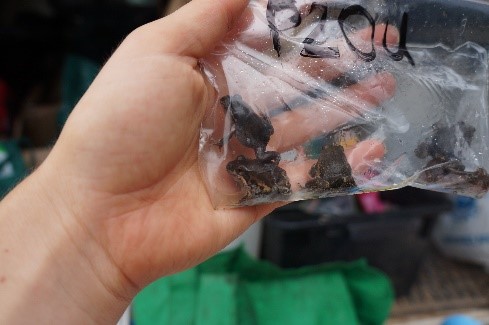
The amphibians were injected with a small amount of fluorescent dye so recaptures could be counted. On the first day we found small, immature pobblebonks and then after the rain on the second day we found an adult as large as a small cat.*

*Tennis ball.

frgg

Photo credit: Lucy Hannan


Lessons on Perseverance and Science

On the Saturday we spent the best part of 12 hours in the rain. The buckets used in the pitfall traps had filled with water and we had to carefully sieve it out so we could vacuum up the insects and collect the frogs/ small reptiles. The enduring message I have taken from this experience is that science is not just about reading books or getting a pat on the back for coming up with an original idea. Science is about hours and hours of dedication and repetition in the field and most importantly teamwork.


Why is this Research Important?

Research such as this has great potential to beneficially impact small, easily overlooked animals which as poor dispersers are more likely to be negatively impacted when their habitats are fragmented and depleted. Box gum woodland has already been the subject of extensive clearing for agricultural purposes; the significance of this is that it is property owners who have the greatest potential to protect the species within these remnants. Therefore Steph’s work has great relevance as it is designed with the aim of finding solutions which graziers are able to implement easily; its fruits have the ability to be implemented in a practical yet extremely beneficial way for these species. Ultimately if connectivity can be improved these species will have the ability to persist into the future.

frod4


Credit: Bananapistol


Further reading on Box gum grassy woodlands:

http://nct.org.au/nature-conservation/wildlife/native-plants/box-gum-woodlands.html


By Lucy Hannan u5178114


References

http://www.mla.com.au/Livestock-production/Grazing-and-pasture-management/Native-pasture/Grazing-management/Grazing-strategies

http://nct.org.au/nature-conservation/wildlife/native-plants/box-gum-woodlands.html

Posted in biodiversity conservation, Volunteer work | 1 Comment

The epic hunt for Funnel Webs

Spoiler alert: we didn’t catch any

u5204437 Sarah Buchan

In April I accompanied a group of researchers from ANU led by Dave Rowell on a preliminary field trip during April to locate and catch funnel webs from Atrax robusta, Hadronyche cerberea and Hadronyche versuta within the Booderee National Park in south-east NSW.


Booderee National Park (in purple box) in relation to the south-east coast. From google maps.

Booderee National Park (in purple box) in relation to the south-east coast. From google maps.

map of Booderee National Park from google maps.

Booderee National Park from google maps.


The aim was to collect individuals on the mainland to compare morphologically and genetically to a population on Bowen Island (a small island off Jervis Bay separated for over 10,000 years) that will be collected on a future trip. Dave hypothesised that the funnel webs from the island have diverged from the mainland individuals and evolved gigantism, ie. Giant funnel Webs. I believe it is important work in exploring the biodiversity of Booderee and extend our current knowledge of Funnel Web spiders.

Along with the funnel web expedition we also worked on sampling Fergusonia fly galls (Scheffer et al. 2004 ) on Eucalyptus burgessiana trees as part of Michaela Purcells PHD work. On the drive to Jervis Bay we stopped a number of times on the side of the road to hunt for galls with some successes.

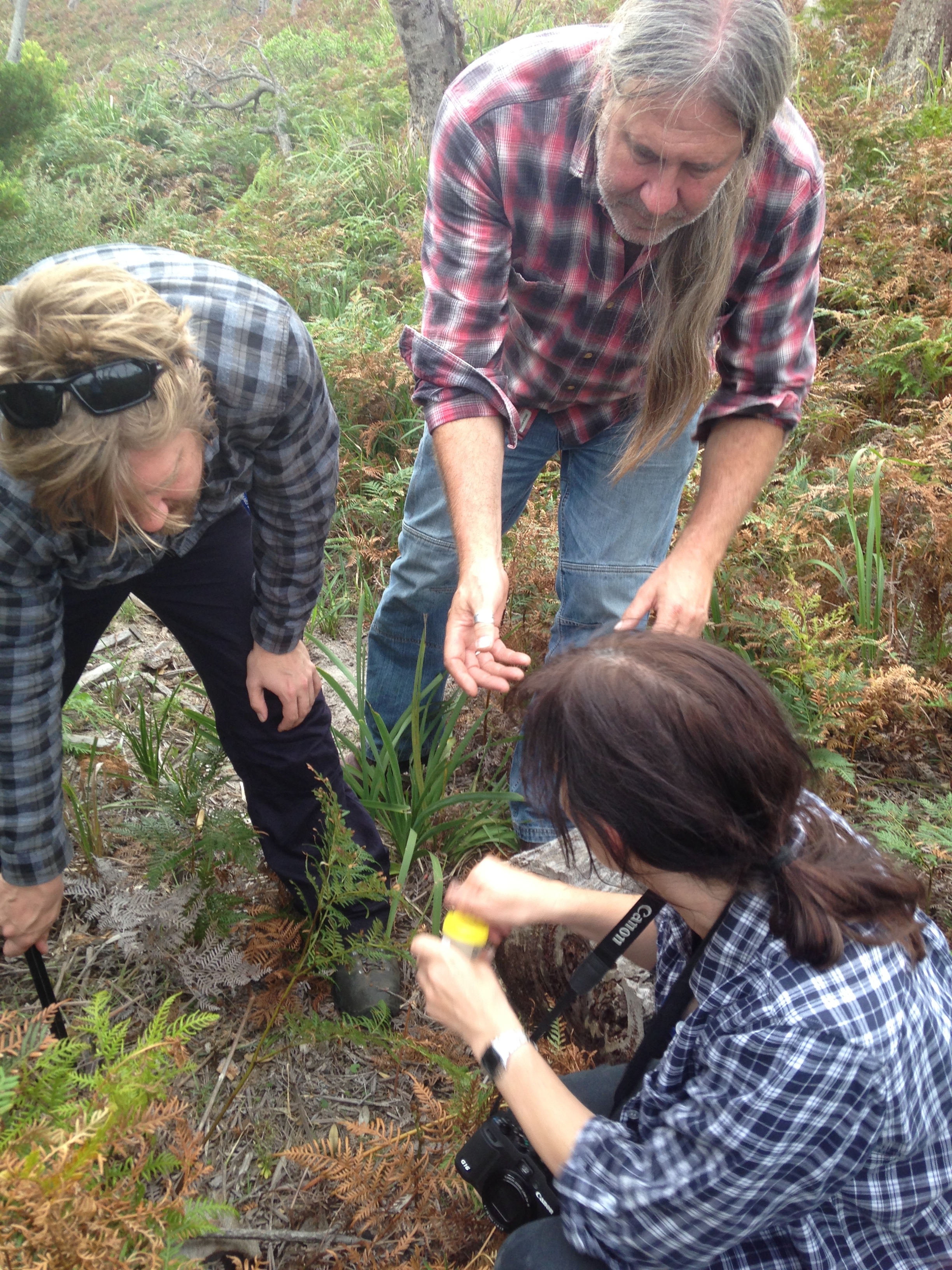
Collecting another spider species. Clearly flannelette shirts are required uniform in the field (from personal photo library).

Clearly flannelette shirts are required uniform in the field (from personal photo library).

We started our search by visiting the National Parks Office and consulting their rangers for local knowledge of hotspots. From there we drove around fire trails to search a variety of vegetation types for suitable logs. Hadronyche are saproxylic meaning the build their burrows in decaying wood (Woodman et al. 2oo6). Atrax ,known to co-occur with Hadronyche (Beavis et al. 2011), usually in ground burrows underneath decaying wood or logs on the ground.

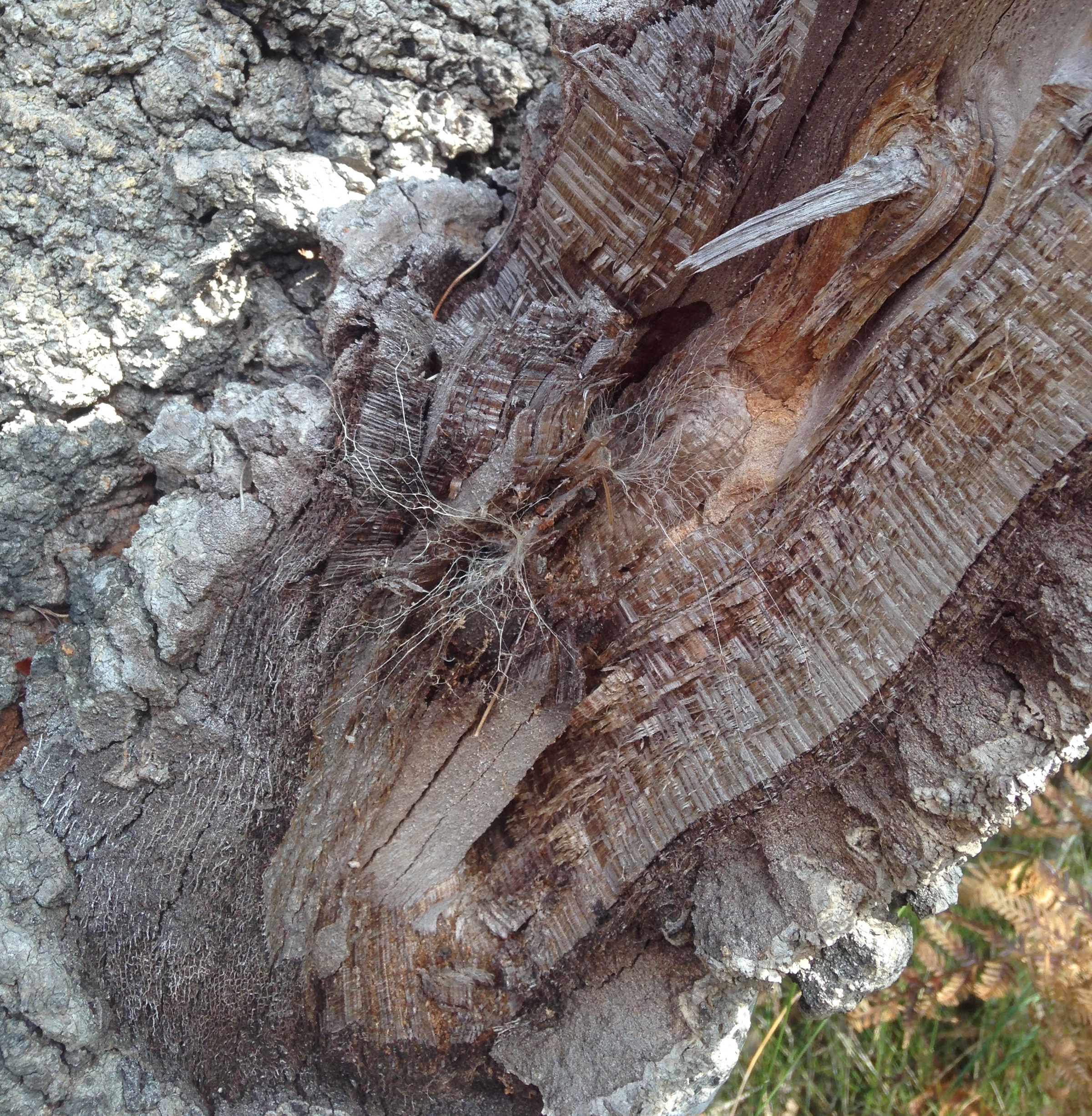
Finally, we found the opening to a female burrow in a Eucalyptus stump the car park of a beachside campground. This was a particularly interesting find as the opening was at least 4cm across indicating a female over 20 years old! As the female was potentially deep inside a large stump extraction beyond the equipment we had brought, so we left her to peacefully be. We found more web evidence of both male and females from both Hadronyche and Atrax in the botanical gardens with no successful captures. We also explored a banksia woodland and found burrows in a live Banksia tree (pictured) which is very unusual.

A Hadronyche burrow in a live Banksia tree (from personal photo library).

A Hadronyche burrow in a live Banksia tree (from personal photo library).

Even though we didn’t catch any live individuals on the trip we found strong evidence of the two genera co-occurring of funnel webs both males and females. However, further trips will be needed to catch individuals to compare with proposed collected individuals from Bowen Island. There was also very different and interesting habitat choice of the funnel webs, which has the potential to be an important find for the biodiversity of funnel webs.

I learnt a lot about the effort that goes into field work and searching for in new place. It was a really fun experience and I’m secretly grateful I didn’t find a big hairy spider.

I would like to thanks Dave Rowell, Michaela Purcell and Thomas Wallenius for organising an exciting and fun trip.


References

Beavis A, Sunnucks P and Rowell D, 2011. Microhabitat preferences drive phylogeographic disparities in funnel web spiders. Biological Journal of the Linnean Society. 104:4, 805-819.

http://onlinelibrary.wiley.com/doi/10.1111/j.1095-8312.2011.01753.x/full

Scheffer S, Giblin-Davis R, Taylor G, Davies K, Purcell M, Lewis L, Goolsby J and Centre T, 2004. Phylogenetic Relationships, Species Limits, and Host Specificity of Gall-Forming Fergusonina Flies (Diptera: Fergusoninidae) Feeding on Melaleuca(Myrtaceae). Annals of the Entomological Society of America. 97:6. 1216-1221.

http://aesa.oxfordjournals.org/content/aesa/97/6/1216.full.pdf

Woodman J, Ash J and Rowell D, 2006. Population structure in sproxylic funnelweb spider (Hexathelidae: Hadronyche) along a forested rainfall gradient. Journal of Zoology. 268. 325-333.

http://onlinelibrary.wiley.com/doi/10.1111/j.1469-7998.2005.00012.x/epdf


Posted in Uncategorized | 1 Comment

Bent-wing bats and wind farms: Two sides of the environmental equation?

6074044-3x2-940x627

Driving north out of Canberra, I am always struck by the arresting sight of Lake George. It is a vast, flat expanse of land and more often than not, devoid of water. Looking beyond Lake George, perched atop of rolling hills is a curious collection of giant fans. A wind farm. For Joe Hockey, this is a sight that utterly disgusts him. Whilst I don’t harbour Hockey’s disgust, I think this sight represents the complexity of today’s environmental problems, particularly the current trend of ‘trading off’ between benefits.

Amongst the debate about solutions to climate change and the need for sustainable development, the viability of renewable energy is a contentious issue. There is great potential for renewable energy to make larger contributions to the National Energy Market, particularly around the ACT region. However, as with any decision to develop land, the decision to approve a wind farm is always a question of weighing up a number of considerations. So, what are some of the trade-offs associated with the development of a wind farm?

  • Benefits to the greater public through increased access to renewable energy
  • Impacts on local community: noise and visual pollution, contentious impacts on human health (hyperlink) but also more jobs for the local community
  • Impacts on fauna such as bats, lizards and birds
  • Clearing of native vegetation

There is a need for adequate information about each of the above considerations, for government departments to make an informed decision in approving the development of wind farms. In the case of monitoring species, as Chief Justice Brian Preston of the NSW Land and Environment Court found in the case of Taralga Landscape Guardians v Minister for Planning, it’s not ideal to wait for environmental litigation to spur the collection of adequate scientific information.

Luckily for the eastern bentwing-bat, (Miniopterus schreibersii oceanensis) a regular monitoring scheme has taken place every year for the past eight years under the direction of Doug Mills, an officer with the NSW Office of Environment and Heritage. The eastern bentwing-bat is currently listed a vulnerable species in NSW. It is vulnerability probably lies in its specific temperature and humidity requirements when it comes to roosting.

Eastern Bentwing-bat

Church Cave, near Wee Jasper is one maternity cave known to the OEH. As there are plans to develop wind farms within the eastern bent-wing bat’s foraging and migratory paths, monitoring bat populations is critical to ensuring we have enough information to make an informed management decision. Doug monitors the maternal colony for about 3 months over the summer.

Monitoring bats involves filming bats as they fly out of Church cave on their nightly foraging trip. The bats are recorded using an infrared camera. This video is then processed using a program developed by US army engineers which essentially counts the number of ‘hotspots’ (bats) leaving the cave. Doug also collects data in real time by visually counting the number of bats leaving the cave for one minute every 10 minutes. At peak traffic times, this is 600 bats per minute! (Have a go for yourself here) This year Doug recorded an increase in population numbers, possibly due to the relatively mild summer.

Monitoring information collected at Church Cave can be used to manage wind farm developments in the region and their potential impacts on native fauna. For example, the NSW Government could manage the eastern bentwing-bat’s vulnerability by imposing a condition on wind farm operators to conduct an ongoing tracking, monitoring and reporting scheme. These results could be measured against existing data.

u4838886 Gaby Ho (A big thanks to Doug Mills for letting me tag along)


Posted in Uncategorized | 1 Comment

Urban development vs. biodiversity – a complex issue

The beginning

The blog deadline was creeping closer, when a friend told me about the volunteer work she was undertaking for a Canberra organisation she described as ‘a hub of many environmental groups’. She furthermore described to me how she is able to directly apply the skills she was currently learning – e.g. writing environmental policy briefs, modelling spatial data – and contribute to the work of the Conservation Council. I was intrigued and decided to carry out my work experience there.

What is the Conservation Council?

The Conservation Council might be familiar to you for its ongoing strong (and proving successful) cat containment campaign in Canberra. It was founded in 1979 and is an advocacy organisation for nature conservation. It has participating members from 40+ environment community groups.

This smart message is distributed by the Conservation Council to thousands of households in Canberra


The Conservation Council is located on Barry Drive and the office itself breathes environmental consciousness. On the inside, it seems warm and inviting with its wooden floor boards and small open office layout. A compost bin and garden is located on the rooftop, tells me Larry O’Loughlin. He is the Assistant Director and responsible for Policy and Communications. Larry is a lovely person and ensured that I, as all other volunteers, would be provided with a volunteer agreement and proper title – mine is ‘Biodiversity Data Analyst’. Fancy!

Simply talking to Larry I learnt a lot about current environmental issues in Canberra, and the dynamics between NGOs, government and communities. In fact, our first scheduled ‘half-hour’ meeting lasted one and a half hours (as did the following meetings, supplemented by organic chocolate).

The Conservation Council helps support a multitude of environmental groups, represents their concerns and interests, and effectively communicates them to government and public.

What did I do?

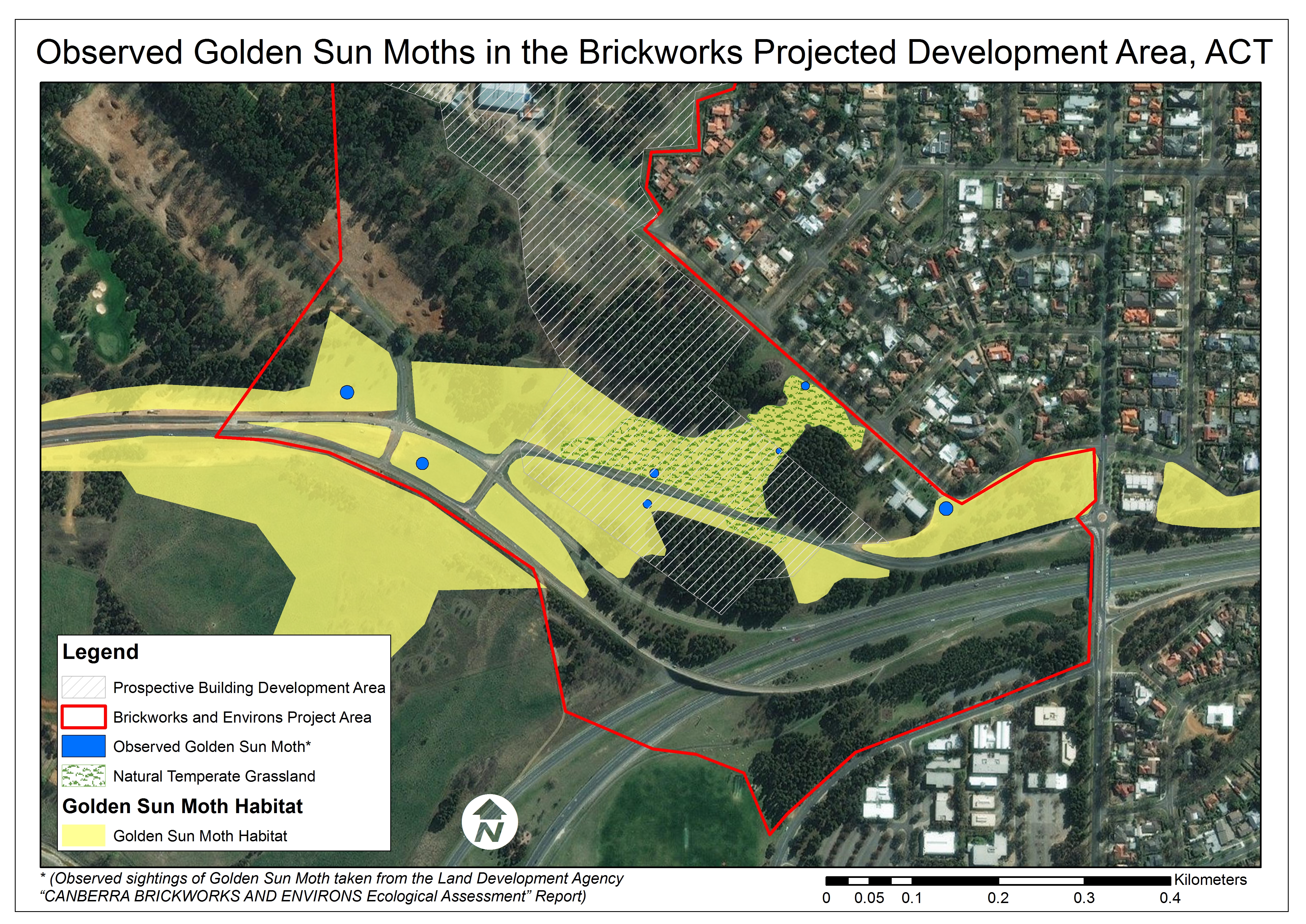
I expressed to Larry that my strengths lie in data manipulation. I was then assigned to work along fellow student Brittany on spatially examining the controversial planned redevelopment of the Yarralumla Brickworks, and its impacts on the threatened Golden Sun Moth (GSM) and its native habitat, Natural Temperate Grassland (NTG). NTG is the most endangered of vegetation types in Australia, as less than 1% of its pre-European extent remains.

My job was to peer-review the primary mapping work conducted by Brittany. Furthermore I wrote a comprehensive report describing the endangered species found within the project area, and investigating the adequacy of offset arrangements, including researching previous similar offsets.

As we had discussed offsets in the course, further examining a case in ‘real life’ was of great interest to me.

GMS_Buildings_Map

A great map produced by Brittany Dahl visualising the overlapping of the planned development and GSM/NTG habitat


Conclusions

I will continue volunteering for the Conservation Council as I enjoyed learning about the complexities behind urban planning. There is indeed a lot of preparation involved to accommodate the demands of government, developers, local residents, biodiversity, etc.

Moreover I enjoyed how Larry shared his busy time and made sure I was adequately engaged. The Conservation Council demonstrates how effective the voice of grassroots groups can be, both in bringing issues to the attention of the government, and raising awareness among the community.

Get involved:

http://conservationcouncil.org.au/

 u5234721

Posted in Uncategorized | 2 Comments

Musings on triage and morality from my very comfortable armchair

I’m an armchair scientist. Literally. I’m sitting in an armchair right now, writing about science. But don’t discount me because of my choice of seating just yet. Wouldn’t you prefer me to be comfortable? Where else should I be sitting? On the ground outside in the harsh Canberra elements? Probably wouldn’t be very conducive to productive thought.

Screen shot 2015-05-04 at 11.17.35 PM

Down to the serious non-squishy business: conservation triage. Triage in medicine is the system of prioritising patients based on injury severity and likelihood of survival. Applied to biodiversity conservation, triage is a hotly contested issue amongst conservation specialists – notably because it explicitly preferences some species over others. Conservation triage is criticised as being:

To me, it’s a debate between being morally upstanding and being pragmatic. To argue for conservation of all species – regardless of the costs, benefits, and likelihood of success – is to adhere to the moral principle that all living things have an equal intrinsic right to life. To argue for triage is to disregard this moral foundation, recognise the resource constraints on conservation, and make decisions accordingly.

I have an important bone to pick with triage naysayers. While this view of conservation isn’t particularly morally noble, should conservation be a matter of morality? If it is a matter of morality, management becomes problematic. Whose morals matter the most? We’d need triage of a different variety: moral triage. To manage species on the basis of what is morally salient runs the risk of prioritising societal and cultural opinions that are the loudest. As Clive Palmer has taught us, the loudest opinions aren’t always the most sensible ones.

But the bone still needs more picking. Aside from the intractability of using moral standpoints to decide on conservation management, overlooking triage as a conservation strategy has another problem. With limited resources, species are effectively prioritised over others anyway, whether this is an explicit decision or not (http://tinyurl.com/oxycydr). Without a transparent and objective prioritisation system, this kind of management can be subject to political expediency, a risk for species perceived to be non-charismatic.

There are notable arguments against triage. John Woinarski thinks that the analogy of triage is inappropriate because it was used to make quick decisions on battlefields, but biodiversity conservation is a long-term problem that requires a long-term approach (http://tinyurl.com/pcqdbf8). When I was thinking about this argument, I also considered the possibility for triage to make conservation very species-oriented at the expense of analysing natural systems holistically.

Triage done wrong could be devastating. But triage not done at all would be worse, wouldn’t it? It’s not contested that biodiversity conservation doesn’t have buckets of funding. Protecting every threatened species with limited financial resources would mean stretching ourselves thin to the point of futility.

We still need to talk about how we should triage, how we can make species prioritisation flexible according to evolving contexts, and how we can triage in a scientifically responsible way. But according to this armchair scientist, we should be using our limited resources to their best possible use to prevent further biodiversity decline, and that necessitates species prioritisation.


Bec DeCourcy


References used

Bottrill, Madeline C., Liana N. Joseph, Josie Cardwardine, Michael Bode, Carly Cook, Edward T. Game, Hedley Grantham, Salit Kark, Simon Linke, Eve McDonald-Madden, Robert L. Pressey, Susan Walker, Kerrie A. Wilson, Hugh P. Possingham, 2008. ‘Is conservation triage just smart decision making?’, Trends in Ecology & Evolution, 23, no. 12, pp 649-654. http://www.sciencedirect.com.virtual.anu.edu.au/science/article/pii/S0169534708002814

Marris, Emma, 2007. ‘Conservation priorities: What to let go’, Nature, 450, pp 152-155. http://www.nature.com/news/2007/071107/full/450152a.html.

Noss, Reid F., 1996. ‘Conservation or Convenience?’, Conservation Biology, 10, no.4, pp 921–922. http://onlinelibrary.wiley.com/doi/10.1046/j.1523-1739.1996.10040921.x/abstract

Woinarski, John, 2014. ‘To save Australia’s mammals we need a change of heart’, The Conversation. https://theconversation.com/to-save-australias-mammals-we-need-a-change-of-heart-27423.

Posted in Uncategorized | Tagged , , | 2 Comments