Biodiversity loss in Australia: a reflection of Great Mullein weed control 

U6112534 Baiyang Zhang

Word count: 503

Weed invasion leads to the deterioration of Australia’s ecological environment

Australia has a vast number of unique environments and biota due to its isolation from other continents. Therefore, it is important to maintain the stability of the ecosystem. Species invasion is one of the main reasons that lead to environmental degradation and biodiversity loss. More than 3000 invasive species have arrived in Australia. This has brought a massive disaster to the ecological environment and native species. Invasive species threaten about 82% of threatened or endangered native species. This can lead to massive declines and extinction of native species in Australia.

Weed invasion is another main aspect of species invasion. Weeds are identified as pest species because they are introduced species and growing where humans do not want to grow. In addition, weeds are operating a way that is disturbing the natural processes and is against human interest.

What negative effects do weeds bring?

Weeds have hugely affected Australia’s economy, environment, and society. Australia loses about 4 billion dollars annually in weed control measures and production.

In addition to competing for resources with native species, reducing the diversity and richness of native species, and affecting the structure and function of the natural ecosystem, weeds also reduce soil fertility, land degradation and agricultural yields for primary industry. Furthermore, weeds also affect the landscapes that we enjoyed and reduce the recreation value.

How weeds got into Australia

You must be interested in how weeds came to Australia.

Many plant species were intentionally introduced for crops, pastures, gardens and horticulture after Europeans began to colonize Australia. Some other plant species were transduced accidentally and spread rapidly. Weeds have caused substantial changes to the natural environment in Australia.

How to control the weeds

There are four levels of management of pest species, which are:

  1. Prevention: Species absent.  
  2. Eradication: small number of localised populations.
  3. Containment: Rapid increase in distribution and abundance of many populations
  4. Asset protection: invasive species widespread and abundant throughout its potential range.

Management methods to control the spread of weeds including: chemical, fire, physical or mechanical removal, grazing, biological control and hygiene.

Great Mullein (Verbascum thapsus) (Figure 1) is an annual or biennial herb native to Europe and Asia but was introduced to Australia as a garden plant in 1845. This weed species is widespread throughout Australia except in the Northern Territory.

Figure 1. Photo of Great Mullein at the rosette stage.

We used physical removal method to control the widespread of Great Mullein throughout the corridor of Ginniderry (Figure 2) with staff from Ginniderry Conservation Trust on 6th September. We removed the taproots of the Great Mullein by digging with shovels and turning the plants over to ensure the roots were completely disconnected from the soil (Figure 3).
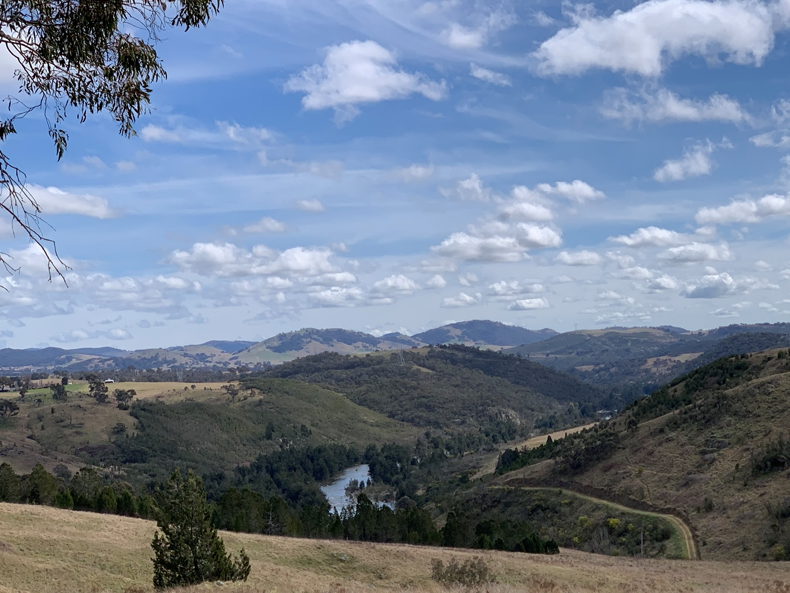
Figure 2. Conservation Corridor in Ginninderry, Canberra.

Figure 3. Photo of weed control by manual removal.

Our team has removed a large number of Great Mulleins. However, it’s still not enough to control the spreading in Ginniderry area. It is important to continue monitoring and managing the weed species in order to reduce biodiversity loss.

Posted in Uncategorized | Leave a comment

The times they are a-changing: adapting conservation strategies in the face of climate change

Written by u6956104 Word Count: 462

Climate change is no longer a potential threat to global biodiversity – it is here. So how can conservationists adapt their methods to ensure their work doesn’t go to waste?

The more things change: Ecosystem futures under climate change

Climate change does exactly what it says on the tin, shifting patterns of heat and rainfall across the world. As this process ramps up, entire ecosystems may not be able to survive where they exist today. So how do conservationists make sure that the trees they plant today will actually make a difference?

The great debate: tricky choices about the future of conservation

Some people advocate a radical approach – artificially transplanting populations to their predicted future range. Most people rebuff this strategy, insisting that maintaining ecosystems where they currently exist has a greater likelihood of success. Some, however, have seen the merits of both groups, and proposed an alternative. Instead of trying to move entire species, why not select the most resilient provenances of a species to be used in plantings across their range? This is the approach being taken by the Upper Snowy Landcare Network at Gegedzerick Travelling Stock Reserve (TSR).

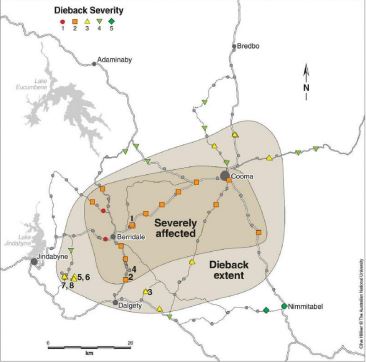
Map of Gegedzerick TSR, showing different study areas within the reserve
Map of Gegedzerick TSR, with ongoing projects highlighted (credit: Upper Snowy Landcare Network)

Measuring up: student science and seedling survival

On the 15th of October 2022, I travelled with ANU Landcare to Gegedzerick TSR to help out with the monitoring of eucalypt seedling growth rates. The seedlings, planted in collaboration with the ANU Research School of Biology in February, were grown from seeds from all across southern New South Wales. By finding out which ones grow best, future plantings in the Monaro region can use the varieties most likely to succeed despite the changing climate. A long morning of tramping around with rulers and clipboards in hand was well worth it in the end – despite the sunburn I received for my troubles.

Sunburnt plains: biodiversity threats on the Monaro

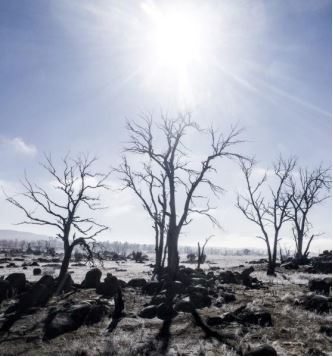
The Monaro plains are a large region of grasslands and forested hills just south of Canberra in the lands of Ngarigo people. Used for grazing for the past century and a half, the region is facing numerous threats to biodiversity, including the prospect of reduced rainfall, introduced species, habitat fragmentation, and increasing cropping. The site of a well-documented ribbon gum dieback in 2019 due to the combined effects of drought and infestations of native weevils, the efforts of organisations like the Upper Snowy Landcare Network have been vital in raising awareness of biodiversity issues in the region.

Forward thinking: The future of conservation in a changing world

Time is of the essence when it comes to biodiversity conservation. Every action taken or not taken today could have drastic effects on the future of planet. Helping out in one small way, like joining a local Landcare group on a trip to a beautiful corner of this country, can make all the difference.

References

Aitken, S.N. et al. (2008) “Adaptation, migration or extirpation: Climate change outcomes for tree populations,” Evolutionary Applications, 1(1), pp. 95–111. Available at: https://doi.org/10.1111/j.1752-4571.2007.00013.x.

Dorrough, J. et al. (2015) “Identifying and testing conservation decision thresholds in temperate montane grasslands,” Ecological Indicators, 118, p. 106710. Available at: https://doi.org/10.1016/j.ecolind.2020.106710.

Kremer, A. et al. (2012) “Long‐distance gene flow and adaptation of forest trees to rapid climate change,” Ecology Letters, 15(4), pp. 378–392. Available at: https://doi.org/10.1111/j.1461-0248.2012.01746.x.

Ross, C. (2016) “A Landscape Transformed: Mass Tree death on the Monaro,” Wildlife Australia, pp. 42–44.

Posted in Uncategorized | Leave a comment

w

To Tree or not to Tree: how Bush Heritage is playing its part to repair Australia’s landscape

“The current extinction has its own novel cause: not an asteroid or a massive volcanic eruption but “one weedy species.” Elizabeth Kolbert, The Sixth Extinction: An Unnatural History

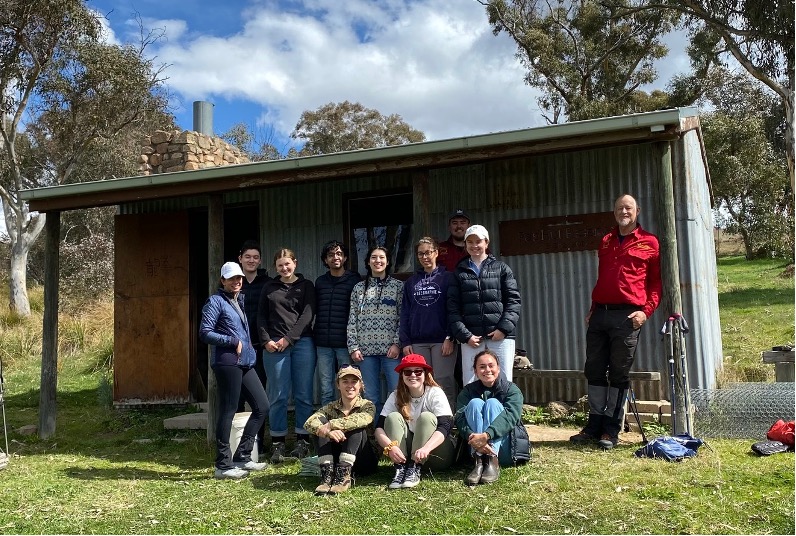
ANU ENVS3039 Scottsdale Reserve volunteer group 2022

Though it’s always nice to be world number 1, there are some lists you don’t want to top. Leading the global mammal extinction count, Australia has lost 100 known species. Human impact on the landscape is one of the main drivers of this change. As land continues to be cleared and modified, plant and animal species are finding it more and more difficult to survive. One potential solution proposed to reduce this rapid rate of species decline is revegetation. We’ll take a look at some of the work Bush Heritage Australia is doing at the Scottsdale Reserve to revegetate the landscape.

What is revegetation anyway?

West Scottsdale Reserve landscape looking north, an example of a non-restored landscape

Though we often think of re-vegetation as just planting trees, it’s a lot more than that. As habitats are cleared for housing, roads, farmland, and other human uses, the landscape loses a multitude of things. Animals lose their habitat, weeds and pests can outcompete natives, and even lose in aesthetic value (plants just look nice). In Australia, revegetation restoration is often focused on restoring environments to pre-European landscapes.

This process can include planting trees, understory shrubs and forbs, or replacing invasive species with native ones. Doing this not only replaces habitat for species but it also helps with connectivity between landscapes, increasing both population diversity and ability to recover from impacts (such as fires).

It is important to recognize that revegetation has its associated issues. Juvenile trees don’t fill the same ecosystem services as mature or hollow trees do. The process also requires lots of labor and land in order to be effective, and valuations about landscape usage need to be made. This is not to say revegetation is a bad thing, just that we need to consider the consequences of altering a landscape.

Our team had a hands-on look at some of these re-vegetation efforts at the Bush Heritage Reserve in Scottsdale.

Revegetation in action

Bush Heritage Australia are an example of an NGO seeking to restore biodiversity through private land ownership. By buying land, often heavily degraded pastoral land, the organization is able to put in place landscape restoration efforts across a wide range of approaches (including revegetation).

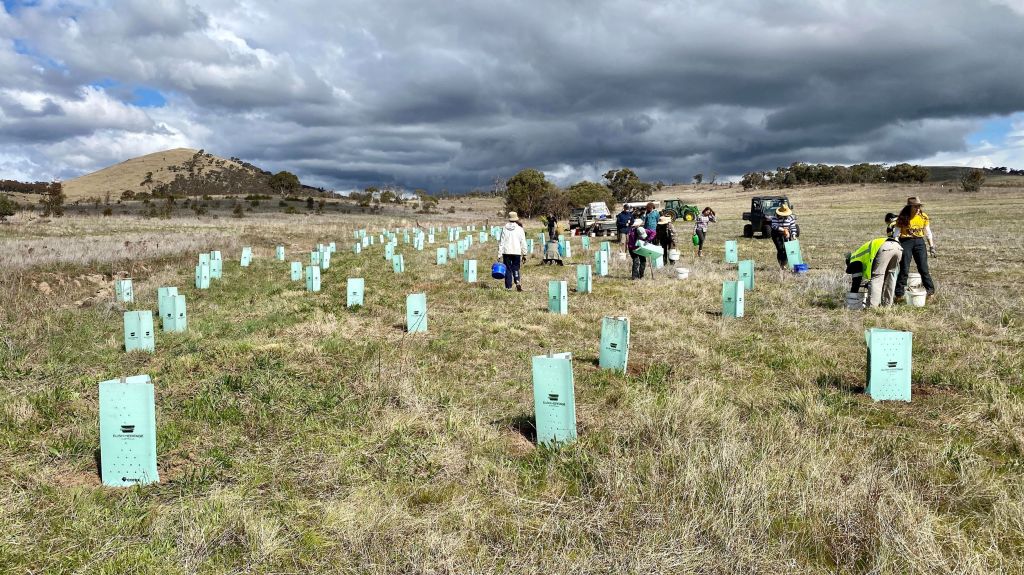
During our time at Scottsdale, our team was able to learn some of the impacts that years of grazing, land clearing, and the take-over of invasive species had had on the site. In early 2020, Scottsdale saw firsthand the effect bushfires can play on a landscape and the resulting importance of connectivity to be able to support species migration. Our efforts focused on planting native trees, shrubs, and grasses with aims of revegetating the endangered Yellow Box–Blakely’s Red Gum Grassy Woodland.

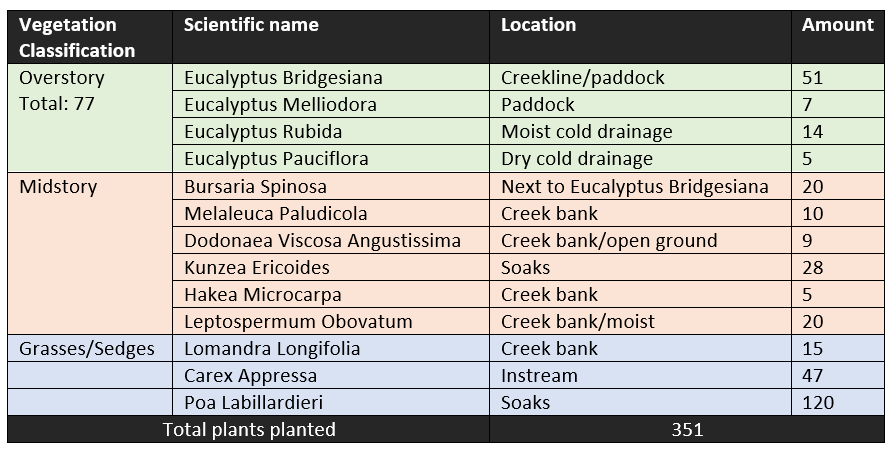
This revegetation focused on planting grasses along Apple-Box Creek to slow water runoff and reduce sediment loss in the environment as well as create species habitat cover. Understory shrubs and larger trees were planted further off the creek for species habitat, as well as bank stabilization. A complete list of species planted (created by Scottsdale staff) can be found below. Staking with fire-retardant covers aimed to protect the juvenile trees until they can develop further.

Gallery on right image description: Images of the revegetation efforts and materials used at the Apple-Box Creek Site. 
List of species planted by our volunteer group. Data collected by Bush Heritage Australia

Revegetation efforts at Scottsdale help to highlight some of the amazing work done around Australia to help the landscape (and the species within them) recover and adapt to Anthropocene impacts. Though we are far from fixing the extinction crisis, it’s certainly a step in the right direction.

Ashy Kinsella (u6372647)

Posted in revegetation | Tagged | Leave a comment

A Beef History of Time: Restoring Land After Decades of Grazing

Aarij Ahmed – u6949731
The property of Environa

Private land, government incentives, a shifted vision, and a sprinkle of bad luck: these were the ingredients that led to the current establishment of Environa and the Wandiyali-Environa Wildlife Sanctuary. Located south of Jerrabomberra, just outside of the ACT border, Environa was purchased in the early 20th century by Henry Ferdinand Halloran in the 1920s who envisioned his property to be a booming urban centre. This was, however, followed by a century of financial issues, namely slowed economic growth following the Great Depression, as well as legal issues concerning the flight path of the Canberra airport. The current owners, the Larcombes, told our work experience group about how their grandfather’s plans could not be realised, and that they had to shift their vision towards environmental restoration.  

Inside the Wandiyali-Environa Wildlife Sanctuary: the group of students from the ANU, along with the Larcombes and a ranger working in the sanctuary

Environa

A group of 9 students from the Australian National University visited Environa for work experience and were taken on a day-long tour of the property guided by one of the owners, David Larcombe. Environa is a working cattle farm and has been for many decades. The property is also on the critically endangered ecological community, the box-gum grassy woodland. 

Conservation

The owners began restoration by reducing the number of cattle and using rotational grazing to minimise the damage on the landscape. Additionally, native vegetation was planted to help restore the understorey and midstorey, which were able to survive in cattle-exclusion zones. Of course, trees were also being planted, and the ‘work’ part of our work experience involved helping remove tree guards around trees that no longer needed them. Although essential, it would be many years before these trees grow and support the native fauna.  

The wildlife sanctuary

The conservation also included the formation of the Wandiyali-Environa Wildlife Sanctuary, 400 hectares of private land dedicated to the restoration of mammals that have disappeared from south-eastern Australia, such as the eastern bettong (Bettongia gaimardi) or the eastern quoll (Dasyurus viverrinus). This would only be achievable using a fence that is able to prevent rabbits, cats, and foxes, which are some of the biggest threats to the flora and fauna that need protection in the sanctuary. After the completion of the fence, the invasive mammals were cleared out. The fence is similar to the one that surrounds Mulligan’s Flat Nature Reserve, another wildlife sanctuary for bettongs and quolls. 

This sanctuary receives funding under the Environment Restoration Fund from the Commonwealth Government. 

A gate in the sanctuary fence that allows wombats to pass through

What can we learn?

Environa is an excellent example of private landowners doing their bit to help conserve biodiversity, where certain practices can be undertaken to run a cattle farm, while simultaneously protecting the land. Our work experience highlighted the importance of financially and socially supporting such projects as they are difficult and can require a multitude of resources. Hopefully, the Larcombes’ new vision is upheld, and we can witness bettongs bouncing around in the sanctuary soon. 

Posted in Uncategorized | 1 Comment

Housing Crisis in Canberra: Humans are not the only ones struggling to find a home

Words: 527

U7526015

Despite the huge housing crisis that residents in and around Canberra are currently facing which is only getting worse surprisingly this was not the area of focus for my work experience. Instead I was looking at what artificial refuge could provide the best habitat for small mammals and reptiles in the aftermath of fires, thus they have their own housing crisis, only the consequences for varied species could be considered to be just a *little* (or a lot) more severe.

A day out in the sun

My day involved travelling to Namadgi National Park with fellow ENVS3039 students led by phD candidate Heather Burns in order to help with any tasks for her research project. Heather explained what exactly the point of her project was and took us to several of her 20 different blocks located across Namadgi. Monitoring of the wildlife cameras that are stationed at each treatment site makes up a large portion of Heathers work, and luckily for us her cameras did not need collecting up for monitoring at this day. This meant we avoided a long day of hard labour, but instead we learnt about Heathers project, seeing a variety of the blocks, searching for reptiles and quite literally just enjoying the sun.

Figure1: Map of Namadgi National Park where work experience was undertook
Figure 2: Evidence of the sun in Namadgi. Photo Ryan Benge.

What’s the problem?

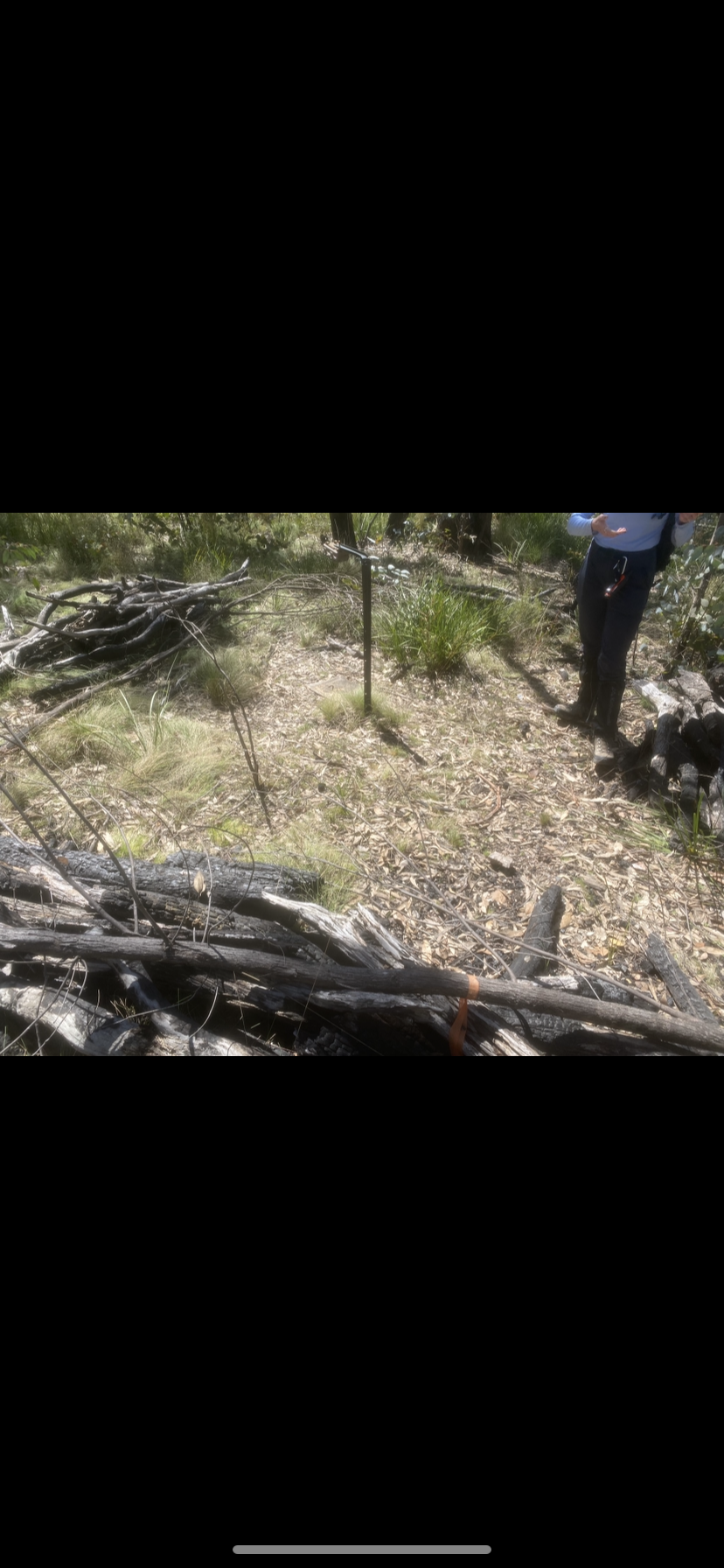
A fire event will often remove the majority of key resources that are necessary for many species to exist, such as food, nesting sites and woody debris. Specifically focusing on habitat and nesting sites here, they will regularly be destroyed leaving small mammals and reptiles especially exposed to predators, as vegetation cover which will be burned down provides protection from predators. Increased frequency of fires means more and more habitats are being destroyed. Therefore, Heather’s work trials the implementation of different nesting sites to see what may work and what may not.

Figure 3: Example of a treatment site, with just woody debris. Photo Ryan Benge

Outcomes?

Whilst Heather is still undertaking her project, she has almost collected enough data and monitored enough wildlife cameras to make clear conclusions. This information will turn out to be very valuable; it will allow for planned strategy and management of these areas when devastation from fire occurs. Parks and conservation services can take the useful information on board to ensure the survival of as many of these animals as possible.

How can you help?

This is where you, the reader can come in and actually take on board the findings of this project to help contribute to ensure that populations of small mammals and reptiles do not decline to a dangerous level. How might you do that? Well in truth the strategies employed by Heather are very simple, the only equipment needed to create these artificial refuges are chicken wire and woody debris. Local communities which are often impacted by bushfires could easily implement such things, and if you want to be able to have an impact, you could get involved.

Acknowledgements

Big thanks to Heather Burns for providing background on the project as well as taking us out to Namadgi.

I would also like to acknowledge the Traditional Custodians of the land on which I carried out my research, and pay my respect to Elders past, present and emerging.

References

Images: Benge, Ryan. 25th September, 2022.

Map: https://namadgiadaptations.weebly.com/

Posted in Uncategorized | Leave a comment

FrogWatch – an un-frog-gettable experience!

Every year in October, citizen scientists from around the ACT participate in the annual FrogCensus survey through the FrogWatch program. FrogWatch aims to create a continuous dataset to monitor frog populations in the ACT. This program is managed by the Ginninderra Catchment Group, which trains citizen scientists to survey 170 sites across the ACT. I, and my friend Caroline, surveyed 3 sites across the Australian National University in 2022.

Each site is surveyed on two separate days to increase the reliability and accuracy of the data and reduce the effect of any confounding variables. On each occasion, we visited each site during the day to record data on the abiotic environment. We recorded variables such as the weather, the emergent aquatic vegetation and the water depth and temperature.

Figure 1 – An image of one of the survey sites. Photo: Alyssa Lai [unable to upload]

Additionally, we surveyed our sites at least 30 minutes after sunset on the same day. During this survey, we identified the frogs at each location and their abundance based on their calls. This is because frog calls are the most accurate method of surveying frogs and calls are most abundant at night. We then recorded our surroundings for 3 minutes to verify our frog identifications against a recording.

As the weather significantly impacts the likelihood of observing frog calls, we were advised to be strategic about when we conducted our surveys. Days with warm days and still nights are ideal.

Surveying frogs – why we should hop to it!

Recording frog abundance gives policymakers and researchers access to data that would likely be inaccessible without citizen science. This data could inform management and be used to determine spatial and temporal trends in frog populations. At the same time, it engages the public in frog conservation, which can lead to better biodiversity outcomes.

Similarly, this data is useful because it can help us monitor threats to frog populations. Some of these threats include chytrid fungus, climate change and invasive species. Monitoring frog populations over time means that researchers can investigate the causes and implications of these threats, leading to better knowledge about how to minimise their effects.

Chytrid fungus is a disease that infects frog skin and is one of the most critical threats to frog populations globally. This disease can lead to frog mortality, with some frog species experiencing higher mortality rates than others.

Furthermore, frogs are vulnerable to climate change due to more extreme weather events. Frogs are incredibly reliant on the weather for mating activity and depend on having an adequate water supply to lay their eggs in. Therefore, more drought and fire events could significantly affect frog populations globally. Finally, predatory invasive species (like the cane toad and the spotted-thighed frog) that quickly adapt to their non-native regions can easily overpower native frog species.

Don’t frog-et my reflections!

As this was my first time contributing to a citizen science project, I learnt a lot. I greatly enjoyed learning how to identify frogs based on their calls and appreciate citizen science for its flaws and its benefits. Finally, this experience has given me a newfound appreciation for nature and the diversity around me – including some new personalities we found along the way (like the ducks below)!

Figure 2 – The classic ANU ducks and their ducklings. Photo: Alyssa Lai [unable to upload]

Posted in Uncategorized, Volunteer work | Leave a comment

A Chance for Growth: The Benefits of Native Plants

by Alana Reynolds (u7118983)

The work we did at Ginninderry was simple. We weeded. We planted trees.

But don’t think what you’re doing here isn’t important, Matthew Frawley, our supervisor, tells us. Those clovers you’re ripping out right now could be the difference between a baby roo making it through next winter.

He is right, of course. Those clovers, for example, make the soil rich with their nitrogen fixing nodes, they grow fast and tall, and their delicate roots are impossible to remove entirely. Known for their ability to help growth in exotic plants, they compete with the native grasses that now have too much nitrogen, not enough sunlight, not enough root space to thrive.

The native grasses provide food and shelter for bees, for birds and mice, and of course, the kangaroos that occasionally pop in from the nearby Box-Gum Woodland Corridor. Without these native plants, these creatures must work harder to survive. Their populations suffer, and we end up with ecosystem collapse. The effects travel down until the whole ecosystem can be disrupted; other species rely on these plants to survive, and these animals are prey for other animals. By taking away that first crucial step, all levels of the ecosystem web are disturbed. With all the threatened species living in that conservation corridor, these plants can mean the difference between endangered and critically so.

Take the threatened Pink-tailed Worm-lizard, for example, who prefer high density of grass. Replace that with clover, and we cause unnecessary stress on their ability to find shelter, and make conditions more difficult for their natural food sources such as centipedes and cockroaches. Weeds cannot adequately substitute the flora that native fauna have evolved to survive with.


Combatting effects of weeds

Construction sites are hotbeds for weeds. We see clovers, crass grass, Paterson’s Curse (notorious for its damage to ecosystems). They hide under construction fences, unreachable, and the seeds blow into the nature strip.

Clovers behind a construction fence.
Clover behind construction fence. (Photo: Alana Reynolds)

To combat the presence of unwanted seeds, a process called scalping has been undertaken, in which 30 cm of topsoil removed and then replaced. It is impossible to get them all, but each weed removed encourages growth of their native counterparts just a little more.

We plant Australian Tea Tree and Broad Leaf Hopbush. They are chosen for their tenacity and high likelihood of survival; requiring little maintenance, they will thrive despite the clay soil and strong winds. We raise them higher than the soil level to encourage water away from the roots to encourage root growth, to give them the best chance of survival despite the weeds that are sure to return.

A young Broad Leaf Hopbush
Newly planted Broad Leaf Hopbush. (Photo: Alana Reynolds)

Soon, they will provide stability to the soil, shelter to the snakes, food for the birds and mice. They will become part of the landscape, and children will be able to climb on the branches and put the flowers in their hair. They are environmental and social capital.

They are saving our ecosystems, one fed insect, bird, or mouse at a time.

Posted in Uncategorized | Leave a comment

Recovery of a degraded landscape at Scottsdale Reserve

u7117409

Unsustainable and widespread agricultural practices often lead to severe degradation of a landscape and significant loss of ecosystem function. Land clearing is a primary cause of habitat fragmentation, monoculture farming leads to nutrient imbalances and increased erosion, and pesticide use has been linked to impaired pollinating abilities of native insect species. When these agrarian activities become more frequent and intense, the gravity and risk of biodiversity loss in related areas increases remarkably. One approach to addressing the negative ecological impacts that agricultural developments bring is restoring a degraded patch of land through landcare strategies such as revegetation and soil nutrient replenishment.

Bush Heritage Australia: who are they, and what do they do?

Bush Heritage Australia (BHA) is an example of a conservation organisation that focuses on restoring degraded landscapes with damaged ecosystems, rather than maintaining an already biodiverse area. They do this by purchasing various patches of land around Australia that have been unsustainably managed in the past – for example, Scottsdale Reserve in the NSW Snowy-Monaro region. With the establishment of Scottsdale, BHA aims to shift the vegetation profile so that it is dominated by native species rather than exotic ones and create a landscape which provides suitable habitats for native species.

BHA’s work at Scottsdale Reserve

In order to redirect the Scottsdale landscape from a fixed state of degradation onto a path of recovery, BHA works on restoring native species populations to pre-agricultural levels by removing the weed-dominated topsoil and directly planting a variety of native grasses, trees and shrubs. In addition to weed removal and direct seeding, BHA manages the population sizes of kangaroos to ensure that they are maintained at a sustainable level and removes introduced wildlife that destroy local ecosystems, for example feral pigs.

During our work experience visit to Scottsdale, we were involved in helping with riparian revegetation activities. This included choosing appropriate native species seedlings grown in the on-site nursery, and planting them on the banks of a creek that ran through the property. To promote healthy growth of the seedling, a multi-nutrient tablet was placed into the soil and temporary guards were erected around every seedling. We also planted native species of riparian grasses very close to the water, which was done to control erosion in the patch, and improve the creek water quality and bring the creek ecosystem back to a healthy state. Finally, we place logs around the site to make it more attractive to native species of birds and insects.

Do these strategies work?

Due to its role in creating healthy habitats, revegetation has shown to have a positive impact on the species richness of native marsupial and bird populations. However, revegetation activities are most effective when they complement remnant vegetation patches rather than replace them. Studies have also found that controlled fire practices can help with ecological restoration due to the capacity of fire to stimulate the soil seed bank, which BHA should consider including as a potential strategy.

Image 1: freshly seeded native plant species on the creek bed. Photo taken by u7117409 on 27 September 2022.
Posted in Uncategorized | Leave a comment

Koalas are in danger! They need your help!

By Tim Chan (U7079724)

Koalas (Phascolarctos cinereus) are classified as Endangered under the Environmental Protection and Biodiversity Conservation Act 1999 (The EPBC Act). Loss of habitats, vehicle strikes, dogs, and chlamydia infection drastically reduce the Koala population. In 2012, Koalas were first listed as Vulnerable in Queensland (QLD), New South Wales (NSW) and the Australian Capital Territory (ACT) under the EPBC Act. Climate change further aggravates the problem by altering the fire regime. More frequent bushfire occurrences can injure or kill Koalas. It is estimated that the 2019/20 Black Summer bushfire killed at least 60,000 Koalas. Projection suggests that the Koala population will drop significantly in the next few years and extinct within 50 years.

How many Koalas are there in the ACT?

There is insufficient information to establish a figure for the historic Koala population in the ACT. It is believed that the Koala population in the ACT was either introduced from VIC & NSW or escaped from Tidbinbilla Nature Reserve. In July 2018, Capital Ecology conducted Koala surveys in the ACT for the ACT Government. The report revealed that there is no Koala population in the wild. Currently, there is only a captive population in the ACT. It is located in the Eucalyptus Forest at Tidbinbilla Nature Reserve, a 17-hectare predator-free zone that houses around 10-12 Koalas (Dr Sarah May, Threatened Species Programme Manager, ACT Parks and Conservation, personal communication).

Figure 1. A map of the Eucalyptus Forest in Tidbinbilla Nature Reserve. Volunteers are divided into four groups to conduct Koala surveys in four different zones. (Map: ACT Parks and Conservation Service)

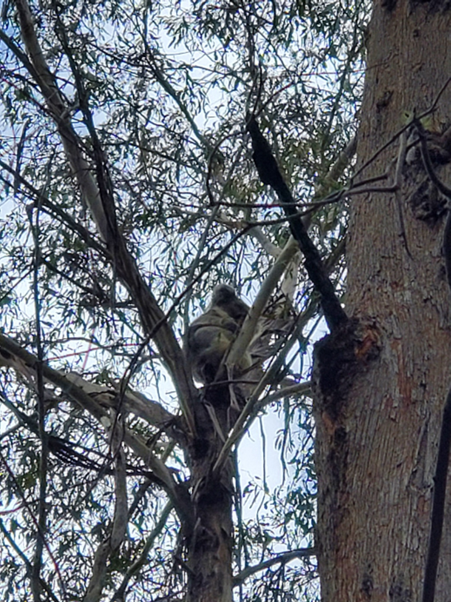
To confirm the current breeding programme is effective, it is essential to survey the Koala population within the forest. We were divided into four groups and looked for signs of Koalas. Koalas mainly stay in trees which makes them difficult to detect. To identify Koalas within the sanctuary, we searched for scratch marks and scats. We also used binoculars to identify Koalas on the branches. In the two-hour walk, our group was lucky enough to identify two Koalas on apple box trees (Eucalyptus bridgesiana).  If you visit Tidbinbilla the next time, search for apple box trees! Maybe you will be lucky enough to see a Koala.

Figure 2. We identified a Koala on an apple box tree. (Photo: Tim Chan)

Are the Koalas healthy?

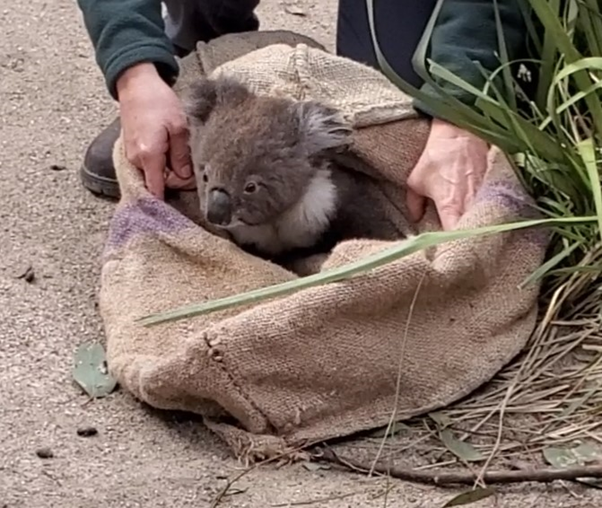
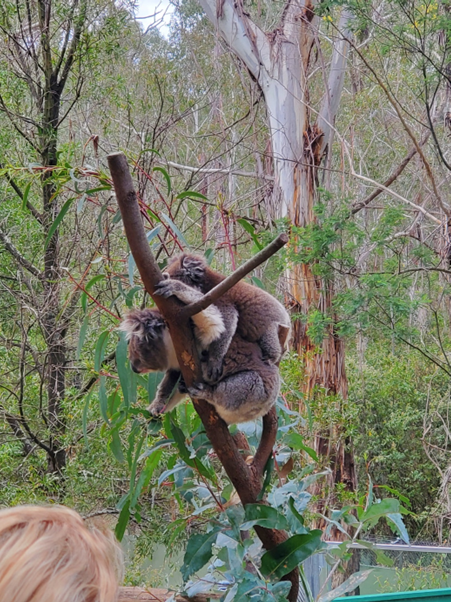
There is an enclosure next to the entrance of the Eucalyptus Forest. It is surrounded by another layer of fences and is the home of three Koalas. You can see them immediately when you step into the Eucalyptus Forest. They are offered fresh Eucalyptus leaves daily. ACT Parks and Conservation will examine the health of the Koalas once a month. Even though we were not allowed to touch the Koalas, we were lucky enough to be able to witness the process.  This process involves weighing the Koalas and examining the ribs of the Koalas. If Koalas have convex ribs, it means they are healthy. Similar approaches are used nationwide in other zoos.

Figure 3. The 18-month Koala joey prepares for the monthly health examination. (Photo: Tim Chan)

Figure 4. The Koala walked out after weighing. This is to minimise contact with wildlife. (Photo: Tim Chan)

Figure 5. Koalas are provided with fresh Eucalyptus leaves. (Photo: Tim Chan)

Into the Future…

Urbanisation and climate change will promote further loss of habitats and the creation of fragmented landscapes. This will threaten the survival of Koalas. Scientific evidence suggests that the Koala population in QLD, NSW and the ACT will continue to decline and eventually be extinct in the future. We need to act NOW to protect the Koalas. If you would like to play a part to help the Koalas, get involved and join the ParkCare Volunteer!

Gratitude to ACT Parks and Conservations, and ParkCare volunteers for facilitating this work experience.

(529 words)

Posted in Uncategorized | Leave a comment

Growing like a weed – controlling the uncontrollable!

Figure 1 – Bush Heritage Australia’s Scottsdale Reserve (Photo: Phil Palmer)

Growing like a weed – controlling the uncontrollable!

By Ayden Nicoll (u7180146) – Word Count: 540

Bush Heritage Australia and how they are breaking the grass ceiling

The Scottsdale Reserve (Figure 1), located south of Canberra, is a private property owned and managed by Bush Heritage Australia. Being one of Australia’s biggest NGOs in the environment and conservation space, it is comical that this reserve, sitting at around 1,300ha, is seen as one of their “baby” sites, with a cumulative 11.3 million hectares under their protection and/or management Australia-wide.

Here at Scottsdale, the specific aim is to restore the landscape to pre-European quality, particularly because it sits in the Critically Endangered Box Gum Grassy Woodland ecosystem. Rebuilding the ecosystem functions is the key to this project, so they undertake in-house seed germination, landscape restoration, and weed control, which supports their mission of protecting irreplaceable landscapes and native species. But this does not come without its challenges, one of the biggest being these pesky things known as weeds (Figure 2).

Figure 2 – Blanket of weeds recently sprayed on Scottsdale Reserve (Photo: Ayden Nicoll)

The (flea)bane of their existence and how are they managing it?

Although seen by many as pretty with its seas of purple (Paterson’s Curse – Echium plantagineum) (Figure 3), these varying species of weeds are disrupting biodiversity and impacting on their ability to survive. This is because weeds are super resilient and tend to outcompete native plants, growing much faster, spreading quicker and essentially take over all resources, like sunlight, water, and nutrients. This is where they become problematic, not so much that they are present, but due to their efficiency, so they must be removed before they take over.

And that is one of the things being done at Scottsdale, with one of the largest operations on the reserve being the control and reduction of weeds. This is done to allow native species the chance to grow and establish themselves, which creates a positive feedback loop – increased abundance attracts more native fauna species that disperse their seeds further afield, and so on. This increases the biodiversity value of the ecosystem, positively impacting a greater number of species.

Don’t stop be-leafing – some challenges & successes

There was a small win recently, with the complete eradication of Briar’s Rose (Rosa rubiginosa) (Figure 4), one of the most noxious weeds in the area – however, the repercussions seen were very unexpected. When it came to spring, several native bird species were looking around the property for places to build their nests, unbeknownst to the team on the reserve that the weed was used as crucial habitat.

Although this is problematic, planting of native species will be able to mitigate further impacts to these bird species and the removal of a very problematic weed has a higher importance overall. What was made very evident at Scottsdale is that conservation management is difficult… difficult decisions must be made every day which have knock-on effects that sometimes cannot be planned for, yet the benefit involved in controlling weeds cannot be overlooked.

The more you grow!

Bush Heritage Australia and the team at Scottsdale Reserve are a very hardworking bunch who are passionate about making a difference, clearly reflected in the incredible job of landscape restoration and weed control they accomplish every day. One thing is obvious – the impact they are having on the region is unbe-weed-ably beneficial!

Posted in Uncategorized | Leave a comment