Not Just a Miracle, Qinghai-Tibet Railway Project have Done Lots of Efforts in Protecting Biodiversity and Fragile Ecological Environment in Qinghai-Tibet Plateau

General constructions of railways, roads and other types of traffic lines cannot avoid several deleterious effects to the environment by partitioning the landscape, which are disconnection, pollution, even damage of the natural ecosystems (T & E, 1998; T, 1999). Constructed railways separate terrestrial animal populations into isolated subpopulations, affecting their behaviours and destroying their habitats (L & G, 1994). Apart from promoting the social-economic development of western China, the Qinghai-Tibet Railway (Fig. 1) aimed at minimizing negative influences to the vulnerable ecosystems in Qinghai-Tibet Plateau especially in the Hoh Xil (Kekexili), Sanjiangyuan, and Qiangtang Natural Reserves (Fig. 2) it passes through.

未标题-3.png

Fig. 1 the Qinghai-Tibet Railway is the first railway to Tibet with aravage elevation of 4,500 meters (Tibet Vista, n.d.).

Main Natural Reserves the Railway Passes through

Changtang Nature Reserve, located at the northern Tibetan Plateau, is the second largest natural reserve in the world that covers 334,000 square kilometres area. (Dorje, 2009).

Sanjiangyuan National Nature Reserve (SNNR), consists of 18 subareas of three zones (wetland, wildlife, and shrub-land conservation) with 152,300 square kilometres area in Qinghai province, is the source of the Yangtze River, the Yellow River, and the Mekong River (Goodman, 2004).

Hoh Xil Natural Reserve, one of the main sources of the Yangtze River with 45,000 square kilometres area, is encompassed in Hoh Xil which is the China’s largest and world’s third largest uninhabited area (83,000 square kilometers) located between the Tanggula and Kunlun Mountains in the northwestern part of the Qinghai-Tibet Plateau (has average elevation of 4,500m) (J.J., n.d.; Xinhua News Agency-CEIS, 2015, May 16).

As the most important natural reserve, Hoh Xil Natural Reserve has 202 kinds of plants, 29 kinds of mammals and 53 kinds of birds, and 84 of them are unique living on Qinghai-Tibet Plateau (J.J., n.d.), and it is the destination of seasonal migrating species. As instance, Tibetan antelope (Pantholops hodgsonii), Tibetan gazelle (Procapra picticaudata) and Kiang (Equus kiang) are animals in the protection list of animals at the national level in China, which were ever abundant and widely distributed in areas of grassland habitat at high elevation (Xia, et al., 2007). Tibetan antelope and Tibetan gazelle have been declined greatly during 20th century mainly caused by hunting, and the main reason of Kiang’s decline was over-grazing.
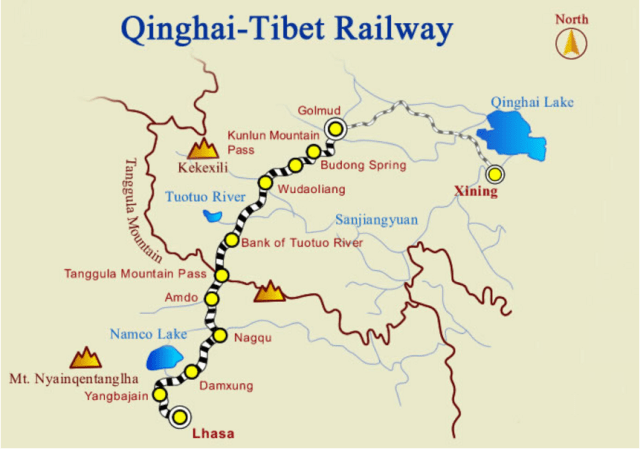
%e5%be%ae%e4%bf%a1%e6%88%aa%e5%9b%be_20161010150815

Fig. 2 natural reserves and scenery of Qinghai-Tibet Railway line (Tibet Vista, n.d.)

The Efforts of Qinghai-Tibet Railway Project

For ecological protection, several environmental impact evaluations and measures have been done:

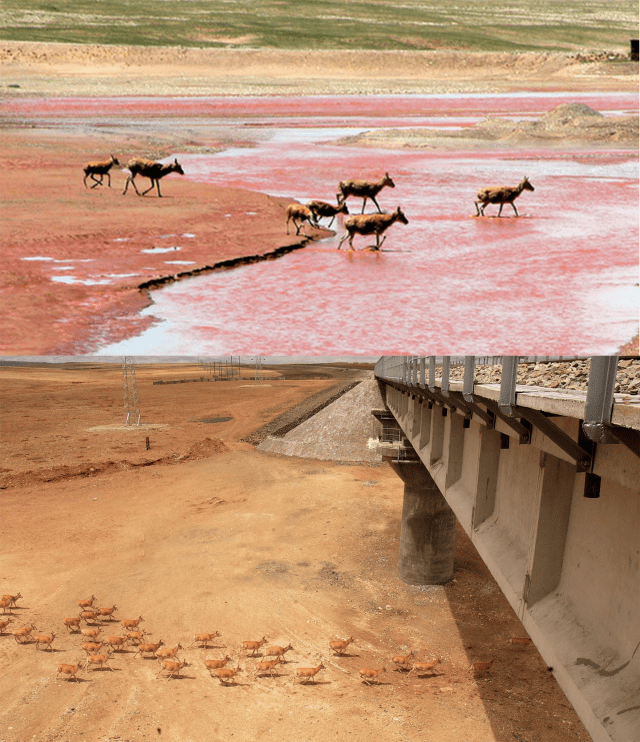
1. 33 Bridge-like safety channels (animal corridors) were built Qinghai-Tibet Railway. For example, at the Wudaoliang Basin, one of the most important animal corridors designed for migrating species especially the Tibetan antelope (Pantholops hodgsonii) that migrates for mating and reproduction (Fig. 3) in Hoh-xil Natural Reserve, and animals dungs were spread to encourage them to pass through (China.org.cn, 2002). When trains come cross this safety zone for migrating animals at the Wudaoliang Basin, whistle blow is prohibited. In recent years after this railway formally opened, many groups of Tibetan antelope (Pantholops hodgsonii) have been observed past through wudaoliang animal Corridor with nearly one hundred percent of passing rate (China Tibet News, 2016, July 6).
未标题-2.png

Fig. 3 each year in May, the pregnant Tibetan antelope pass through animal corridors to migrate to Hoh Xil Nature Reserve to deliver baby antelope.

2. Since 2007, restoration of vegetation in Qinghai-Tibet Railway Project started to by planting grass along the railway includes the slope toes and the roadbed side slopes in the southern Tanggula Mountains (China Tibet Online, 2010, January 28). By 2010, 142 square kilometre area has been restored to grasslands.

3. During construction, 5 tons of daily garbage from 20,000 builders were classified and dealt with separately, of which degradable garbage without pollution to water was buried on the spot, and sewage evaporated by sprinkling it (China.org.cn, 2002). In operation of Trains, carriages are enclosed: open doors and windows are prohibited to make sure nothing will be thrown out along the railway line as garbage; water-polluting garbage are transported to Lhasa or Golmud for treatment.

4. In a long-term point of view, the Qinghai-Tibet Railway will not damage the environment, but results in promotion of biodiversity conservation and environmental protection. Since Tibet is short of coal resources, high transportation cost by highway before constructing the railway causes unreasonable structure of energy consumption. That is, apart from using wood and animal dung as the main fuels in pastoral and agricultural areas, local people in Northern Tibet cut down pine trees for fuel (China.org.cn, 2002). Cutting down results in further damage to fragile ecological environment, which can be effectively mitigated after transporting coal and petroleum into Tibet by railway as stopping felling the trees and building more reasonable structure of energy consumption.

There is no doubt that the Qinghai-Tibet Railway Project have done lots of efforts for protecting the fragile ecological environment in areas that this railway passes through. As time going on, more and more positive effects will appear.

Links of interesting videos about the Qinghai-Tibet Railway:


Reference

China Tibet News, 2016, July 6. The animals in here still live at ease. [Online]
Available at: http://epaper.chinatibetnews.com/xzsb/html/2016-07/06/content_705451.htm
[Accessed 9 10 2017].

China Tibet Online, 2010, January 28. China makes Qinghai-Tibet Rwailway environment-friendly. [Online]
Available at: http://chinatibet.people.com.cn/96069/6881457.html
[Accessed 9 10 2016].

China.org.cn, 2002. The Qinghai-Tibet Railway: An Engineering Miracle. [Online]
Available at: http://www.china.org.cn/english/China/51139.htm
[Accessed 9 10 2016].

Dorje, G., 2009. Footprint Tibet Handbook. 4 ed. Bath, U.K: s.n.

Goodman, D., 2004. “Qinghai and the Emergence of the West: Nationalities, Communal Interaction, and National Integration”. The China Quarterly, Volume 178.

J.J., Z., n.d. Welcome to Hoh Xil Natural Reserve. [Online]
Available at: http://www.at0086.com/HXNR/
[Accessed 9 10 2016].

L, F. & G, M., 1994. Conservation of fragmented populations. Conservation Biology, Volume 8, pp. 50-59.

T, F. R. T., 1999. Horizontal processes, roads, suburbs, societal objectives, and landscape ecology. In: Landscape ecological analysis: Issues and applications. Berlin: Springer Verlag, pp. 35-53.

T, F. R. T. & E, A. L., 1998. Roads and their major ecological l effects. Annual Review of Ecology and Systematics, Volume 29, pp. 207-231.

Xia, L. et al., 2007. The effect of the Qinghai-Tibet railway on the migration of Tibetan antelope Pantholops hodgsonii in Hoh-xil National Nature Reserve, China. Oryx, 41(3), pp. 352-357.

Xinhua News Agency-CEIS, 2015, May 16. Large-scale field surveys begin in china’s hoh xil nature reserve. [Online]
Available at: http://search.proquest.com.virtual.anu.edu.au/docview/1681287658?accountid=8330
[Accessed 9 10 2016].
 

Hope you like it!

By Honghao Zeng U5758053

Posted in Uncategorized | 1 Comment

Protecting birds in the Bush Capital: the role of community-based activities to improve biodiversity conservation

An overview of Canberra’s bird diversity

The “Bush Capital” is surrounded by grasslands, woodlands and wetlands that provide breeding and foraging habitats for many animal species. (Environment and Planning Directorate, 2014). However, these landscapes are under threat. Population growth and urban expansion were pointed out by the 2015 ACT State of the Environment Report (Office of the Commissioner for Sustainability and the Environment, 2015) as the main drivers of habitat clearing in the State. (Francis, 2016; Environment and Planning Directorate, 2016).

As a consequence, many of native birds are under risk of extinction. (Department of the Environment and Energy, 2016). Their life cycle has been constantly disturbed by habitat clearing, especially due to the loss of old trees, which provide them habitat for nesting, shelter and food. (Martin & McIntyre, 2007; BirdLife Australia, n.d.A). Moreover, native vegetation is important for migratory species. (BirdLife Australia, 2014). In this context, considering that birds are essential for the maintenance of natural ecosystems and also for the provisioning of many ecosystem services (e.g. pest control, seed dispersal, recreation and nutrient cycling) (Wenny et. al 2011), they have been targeted as a priority of biodiversity conservation planning in ACT.

Motivated by this background, I’ve been volunteering within the Canberra Ornithologists Group. In the next topics I’ll briefly describe the projects that I was involved during my volunteering experience, such as its expected outcomes.


The Canberra Ornithologists Group (COG)
cog

(Source: http://www.ala.org.au/wp-content/uploads/2014/04/COG-emblem.png).

The Canberra Ornithologists Group (COG) is a volunteer-based group that have been playing an active role on promoting the conservation of native birds and their habitats since 1970. Their main activities include surveying birds in order to develop the knowledge about Canberra’s species and to improve the management of native vegetation, protect the habitats of threatened and declining species. In order to achieve these objectives, the group promotes many activities involving local and scientific community, including meetings, field trips and surveys.


The Bush-Stone Curlew reintroduction

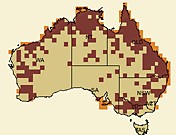
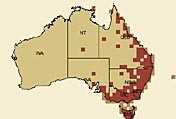
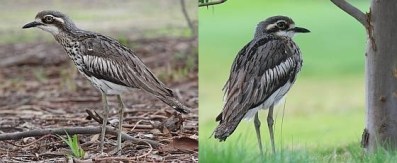
The Bush-Stone Curlew (Burhinus grallarius) (Figure 1) is a ground-dwelling species distributed throughout Australia. (BirdLife Australia, n.d.B). (Figure 2). The species was locally extinct from Canberra 40 years ago due to foxes and cat predation, as well as habitat fragmentation. During the last two years, COG has been connected local volunteers, researchers and farmers to reintroduce the Bush-Stone Curlews at the Mulligans Flat Woodland Sanctuary, located in the north of Canberra. (Francis, 2014).

1

Figure 1. Bush-Stone Curlew, adult individuals. Source: BirdLife Australia website. (http://www.birdlife.org.au/bird-profile/bush-stone-curlew).

2

Figure 2. Distribution of Bush-Stone Curlew in the Australian Territory. Source: Birds in Backyards Project website (http://www.birdsinbackyards.net/species/Burhinus-grallarius).

Farmers in NSW began to breed curlews in 2000. On June 2014, 11 individuals were introduced in an aviary inside Mulligans Flat. After five months of adaptation, they were successfully released from de aviary (watch the video of the release here! http://www.abc.net.au/news/2014-10-23/bush-stone-curlew-being-released-in-the-act/5835886). (Francis, 2014). One year later, a baby curlew was recorded in the Sanctuary: the first successful breeding in the region a 50 years!

A new batch of curlews was brought to the Sanctuary this year. This is the point which my volunteering starts: I helped to look after the curlews during their period on aviary, before their release. My work experience included: (1) checking the number of individuals on the aviary; (2) clean their food boxes and provide fresh food and clean water; (3) checking the aviary for damage; (4) recording comments about curlews’ behaviour. Before it begins, Bill Graham (COG secretary) clarified the aims of the project and oriented me on how get things done. It was a great and fun experience!

During my volunteering, I’ve been recording some videos and taking many pictures of this cute curlews:

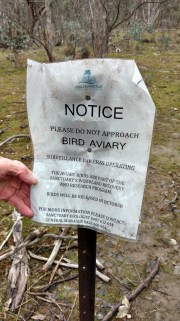
c1
Warning close to the Curlew’s aviary.
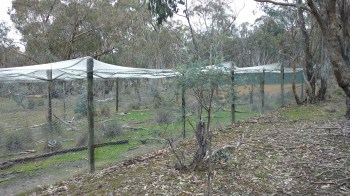
c2
Aviaray (from the outside).
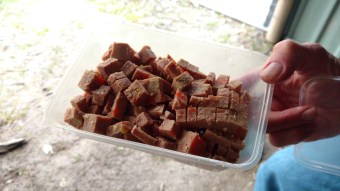
c3
Fresh food for the Curlews! A mix of meat and veggies.
c4
Aviaray (from the inside).
c5
c6
Curlews approaching the food. 🙂

The most interesting aspect of working on a reintroduction is to understand how complex is the process that has to be completed before the release. There are many things to be done, and it is essential to guarantee that the individuals will be safe until they get adapted to the environment and capable of foraging and breeding successfully. Therefore, it is important to keep monitoring them during the pre and post-release periods, using tracking rings and video recordings.

Curious about the future of the curlews? Check it out the flyer here and keep an eye on the updates on Mulligans Flat website: https://mulligansflat.org.au/.


The Latham’s Snipe survey

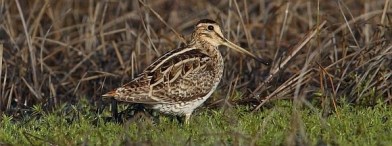
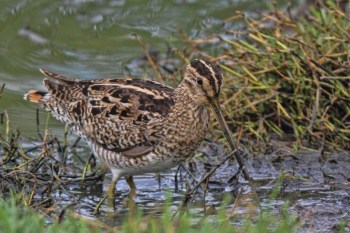
The Latham’s Snipe (Gallinago hardwickii) (Figure 3) is a non-breeding migrant from the south east of Australia. (Figure 4). They move from Australia on the winter, passing through the north and New Guinea and breeding in Japan and on the east Asian mainland. Therefore, they leave the breeding areas from August to November, arriving in Australia mainly in September. The Latham’s snipe occurs mainly in wetlands, owing to their specific diet: they feed from plant material, molluscs and insects that lives on mudflats and shallow water. (Figure 5) (BirdLife Australia, n.d.B).

3
Figure 3. Latham’s Snipe, adult individual. Source: BirdLife Australia website. (http://www.birdlife.org.au/bird-profile/lathams-snipe).

4

Figure 4. Distribution of Latham’s Snipe in the Australian Territory. Source: Birds in Backyards Project website (http://www.birdsinbackyards.net/species/Gallinago-hardwickii).

5

Figure 5. Latham’s snipe foraging on the edge of wetlands. (Source: http://www.abc.net.au/news/2016-05-12/latham’s-snipe-wading-in-canberra/7408506)

The Latham’s Snipe Project was set up as an initiative join Australian and Japanese conservation experts. The project aims to improve the understanding about Latham’s Snipe migration routes and what wetlands habitats they are using during their movements, as well as how they interact with these habitats. The main outcome is to build a story about their migration in order to improve the protection of the wetlands used by them during their migration. To achieve this goal, the ACT government invested $25,000 towards the monitoring of three birds. These birds have been watched by satellite tracking since the beginning of this year. (Travers, 2016).

In addition, local community has been volunteering for monitoring Latham’s Snipes on the Canberra’s wetlands were they have been recorded. As a COG volunteer, I also helped with this task by recording the presence of the Snipes on these wetlands, as well as counting the number of individuals and taking notes on environmental features (e.g. wind, temperature, precipitation, etc.). These observations were done at two wetlands in the north of Canberra. I learnt a lot about wetlands’ conservation and wetland birds of Canberra!

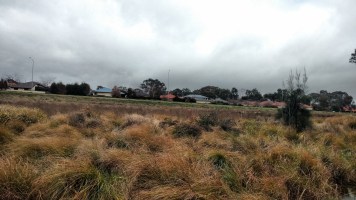
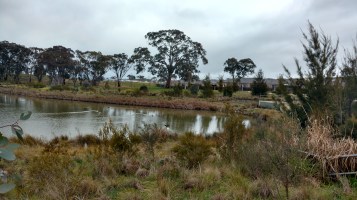
Some pictures of the wetlands:

l3

First spot: Horse Park Drive Wetland. There is a water course inside the bush, where Latham’s Snipe individuals were found.
l2
Second spot: wetland in an urban park in Bonner, suburb of North Canberra.

The satellite tracking data in addition to the environmental and unpublished community data is helping researchers to analyse the efficacy of the biodiversity conservation and land management efforts focused on the protection of these wetlands, as well as guiding them towards to set up new improvements.

Curious about it? Wants to learn more? Have a look at the link! 🙂 http://www.swifft.net.au/cb_pages/lathams_snipe_project.php


General bird surveying

While working at these two main projects, I also helped with general bird surveys by assisting in counting the number of other species. This kind of survey helps the ACT government to effectively collect data towards to measure bird diversity in the State and to improve conservation efforts to protect these birds. It was a great opportunity for me to improve my knowledge about Canberra’s avifauna!


And so what?

At the end of my working experience, I was able to use my knowledge about bird conservation to understand other related issues, such as: Why do we need to improve conservation efforts toward to protect birds? How is it been made? What are the main outcomes for the natural ecosystems and also for human society?

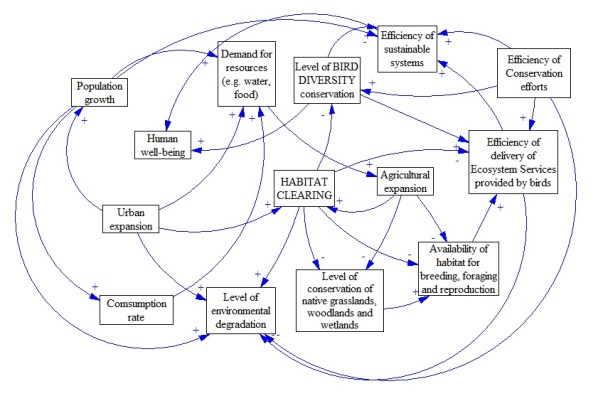
To answer these questions, I came up with the influence diagram below (Figure 6), which works as a summary of what issues that motivated me to choose this volunteering and to complete my work experience.

6

Figure 6. Influence diagram summarising the importance of improving conservation efforts towards protecting bird’s diversity.
 

I hope that you enjoyed! 🙂
Thank you!

Anna de Oliveira Silva, ENVS3090 2016.


References:

BirdLife Australia. (n.d.A). Threats to birds. Retrieved 7th October 2016, from http://birdlife.org.au/conservation/science/threats-to-birds.

BirdLife Australia. (n.d.B). Birds in Backyards Project Database. Retrieved 7th October 2016, from http://www.birdsinbackyards.net/finder

BirdLife Australia. (2014). Migratory Shorebird Factsheet. Retrieved 7th October 2016, from http://birdlife.org.au/documents/Shorebirds-FactSheet.pdf

Canberra Ornithologists Group (COG). (n.d.). About COG. Retrieved 7th October 2016, from http://canberrabirds.org.au/about-cog/

Francis, A. (2014, 24 October). Bush stone-curlew reintroduced in ACT after being considered locally extinct for 40 years. Retrieved 8th October 2016, from http://www.abc.net.au/news/2014-10-24/bush-stone-curlew-reintroduced-in-act/5835188

Francis, A. (2016, 17 July). Canberra’s ‘bush capital’ status could be under threat as ACT Government buys up land. Retrieved 7th October 2016, from http://www.abc.net.au/news/2016-07-17/bush-capital-changing-as-act-government-buys-up-rural-land/7632772

Department of the Environment and Energy. (2016). Threatened species & ecological communities. Retrieved 7th October 2016, from https://www.environment.gov.au/topics/threatened-species-ecological-communities.

Environment and Planning Directorate. (2014). Woodlands for wildlife: highlights from the last three years. Retrieved 7th October 2016, from http://www.environment.act.gov.au/__data/assets/pdf_file/0014/630302/Woodlands-for-wildlife-highlights-from-the-last-three-years_ACCESS.pdf

Environment and Planning Directorate. (2016). Woodlands. Retrieved 7th October 2016, from http://www.environment.act.gov.au/cpr/conservation_and_ecological_communities/lowland_woodlands

Martin, T.G. & McIntyre, S. (2007). Impacts of livestock grazing and tree clearing on birds of woodland and riparian habitats. Conservation Biology, 21(2), 504-14.

Office of the Commissioner for Sustainability and the Environment. (2015). Annual ACT State of the Environment Report 2014-15. Retrieved 7th October 2016, from http://www.environmentcommissioner.act.gov.au/__data/assets/pdf_file/0010/782362/Accessible-WebVersion-OCSE-Annual-Report-2014-15.pdf

Travers, P. (2016). Tracking Latham’s snipe migration from Japan to southern Australia. Retrieved 8th October 2016, from http://www.abc.net.au/news/2016-05-12/latham-snipe-migration-project-takes-flight/7408292

Wenny, D. G., DeVault, T. L., Johnson, M. D., Kelly, D., Sekercioglu, C. H., Tomback, D. F. & Whelan, C. J. (2011). The need to quantify ecosystem services provided by birds. Auk 128, 1–14.

Posted in biodiversity conservation, Birds, Migration, Reintroduction, Volunteer work | Tagged , , , , , | Leave a comment

“Miracle” apples and pest management with biodiversity

Today, let me introduce you to this apple farmer, Akinori Kimura.

picture001

(Ozaki, 2007)


His apples are known as “Miracle” apples

He is an apple farmer in Aomori prefecture, Japan. Several years ago, He was in the spotlight and his apples were named “Miracle” apples (Ozaki, 2007). Also, his life story was published in many books and even made  into a film (Picture1).  Do you know why? Truth be told, he farms apples without using any pesticides and agricultural chemicals.

picture002

Picture1: the package of “Fruits of Faith” (taken from http://www.yesasia.com/us/fruits-of-faith-dvd-japan-version/1034064898-0-0-0-en/info.html)


Pesticides are harmful, but still necessity for farmers.

It is difficult for farmers to farm apples without insecticides because apples area fruit vulnerable to fruit  pests. It is said that apples are one of fruits for which people use agricultural chemicals the most intensively (Knight, 1995).

Using pesticides or insecticides effectively  reduces the risk of pests, but they are harmful for other living things in the area and also for farmers themselves. Also, use of pesticides is costly for farmers. Even though many farmers are trying to reduce the use of pesticides because of increasing social concerns about these negative aspects, a lot of pesticide is still being used by many farmers.


How he made it?

Then, how was he able to grow apples without any pesticide? Through long period of trial and error to grow apples without any pesticides, he discovered the use of biodiversity as pest management.

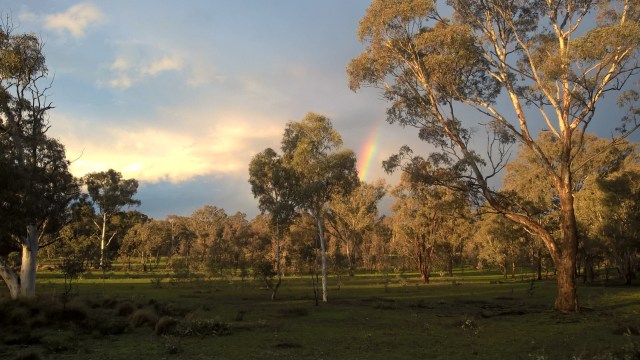
This is his apple farm (Picture2). In his apple farm, you can see plenty of understory vegetation which is generally cleared in existing styles of apple farming. In his farm, you can see various species such as rats, rabbits, birds, and many types of insect.

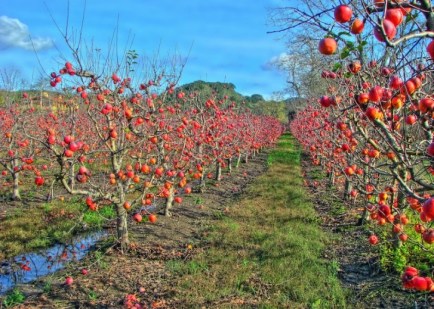
In existing orchards, people clear the understory vegetation in order to decrease the risk of pests or bugs emerging (Picture3); however, he found a weird thing after he left understory vegetation on his farm. When he stop cutting understory weeds and they grew, he found that the incidence of some pests started decreasing little by little even though he did not use any pesticides.

picture003

Picture2: Kimura’s apple farm with plenty of understory vegetation and weeds. (taken from http://songsfor.exblog.jp/22097668/)

picture004

Picture3: Existing style of apple farm with cleared understory vegetation. (taken from http://www.byrontalbott.com/the-underground-farm/)


Biodiversity can be used for pest management.

What he found on his farm was pest management using biodiversity. If many farmers can use biodiversity as effective pest management instead of pesticides, it is beneficial for both  farmers and the natural environment. The good news is that research also show that effective pest control can be achieved using biodiversity.

Teranyshus spp (Picture 5) is a well- known mite infesting apple and strawberry farms. A study shows that Phytoseulus spp (Picture 4), which is a different mite species, has a positive effect on the control of Tetranyshus spp. And this is an example of biological pest management (Gough, 1991).  Phytoseulus lives in understory vegetation, when there is plenty of understory plant cover , and since they predate Teranyshus they are working as a biological pesticide. This is exactly what Akinori Kimura found when he grew understory vegetation on his farm.

picture005

Biological pest management in the world.

This type of biological pest management can be applied for not only on Japanese farms, but also for farms  all over the world. Lundgren and Fausti (2015) explain that they found fewer pests in the cornfields of North America with more biological diversity. The authors also insist that diverse insect community have great functionality as pest managers and their functionality has also financial benefit for farmers by reducing the use of pesticides.

I hope that this agricultural style which has positive impact on both of farmers and biodiversity  becomes more common in the world in the near future.

Thank you for reading.

U5944210


Reference list

Botha, J., Bennington, J. and Poole, M. (2014) Spider mite pests of Western Australian plants. Available at: https://www.agric.wa.gov.au/plant-biosecurity/spider-mite-pests-western-australian-plants (Accessed: 29 September 2016).

Gough, N. (1991) ‘Long-term stability in the interaction betweenTetranychus urticae andPhytoseiulus persimilis producing successful integrated control on roses in southeast Queensland’, Experimental & Applied Acarology, 12(1-2), pp. 83–101. doi: 10.1007/bf01204402.

Jones, G., Campbell, C.A.M., Hardie, J., Pickett, J.A., Pye, B.J. and Wadhams, L.J. (2003) ‘Integrated management of Two-spotted spider mite Tetranychus urticae on hops using hop ß-acids as an Antifeedant together with the predatory mite Phytoseiulus persimilis’, Biocontrol Science and Technology, 13(2), pp. 241–252. doi: 10.1080/0958315021000073501.

Knight, A. (1995) ‘The impact of codling moth (Lepidoptera: Tortricidae) mating disruption on apple Valley, Washington’, J.ENTOMOL.SOC.BRIT.COLUMBlA, 92, pp. 29–38.

Lundgren, J. and Fausti, S. (2015) As biodiversity declines on corn farms, pest problems grow. Available at: https://theconversation.com/as-biodiversity-declines-on-corn-farms-pest-problems-grow-45477 (Accessed: 2 October 2016).

The State of Victoria (2015) Biological control of Gorse with the Gorse spider mite. Available at: http://agriculture.vic.gov.au/agriculture/pests-diseases-and-weeds/weeds/state-prohibited-weeds/biological-control-of-gorse-with-the-gorse-spider-mite (Accessed: 29 September 2016).

Ozaki, Y. (2007) Apple farmer raises ‘miracle’ fruit | the Japan times. Available at: http://www.japantimes.co.jp/news/2007/10/04/national/apple-farmer-raises-miracle-fruit/ (Accessed: 2 October 2016).

Posted in Uncategorized | 1 Comment

The Enemy of My Enemy is My Friend: The Case for Native Predator Ecosystem Recovery

This gallery contains 8 photos.

The reintroduction of Wolves (Canis lupus) into Yellowstone National Park is regarded as one of the great ecological success stories in modern history: a risky experiment that not only saw the recovery of various native species but a process that … Continue reading

More Galleries | 1 Comment

Breathing Life back into the Grassy Woodlands at Mulligan’s Flat

Situated along the northern urban outskirts of Canberra is a considerably large time capsule presently in its early stages of development: the Mulligans Flat and Goorooyaroo Woodland Sanctuary Reserve.

wp_20160914_17_29_52_pro

A photo of the critically endangered Yellow Box Blakely’s Red Gum Grassy Woodland ecological community at Mulligan’s Flat

Prior to the establishment of the Sanctuary in 1994, the land had undergone 150 years of habitat degradation, invasion by introduced species, altered fire regimes, intensive pastoralism, over-grazing, and clearing (Shorthouse et al. 2012). Out of the grassy woodlands that historically covered the southeastern Australian landscape, only 5% of it exists today. Mulligans Flat and Goorooyaroo stand as the largest remaining pockets of the critically endangered ecological community (Department of Environment and Heritage, 2006). The Sanctuary has since been transformed into a large-scale experiment site, with the primary objective of restoring the landscape to what it was predicted to have looked like in the world of 1788, prior to the arrival of European settlers .

untitled

Enter a captionA map of the location and geographical extent of Millgians Flat and Goorooyaroo Nature Reserves, along the northern border of the ACT (Shorthouse et al. 2012)

To achieve this, a range of restorative and management techniques have been applied to bring the critically endangered ecological community, along with its native inhabitants, back from the brink of extinction. The experiments that are carried out provide invaluable and pioneering insights into effective strategies for landscape restoration, that could be applied outside of the Sanctuary (Manning et al., 2011).


In addition to the scientific aspects of this project, community involvement is another vital component of the successful management of the Sanctuary.Not only does the direct participation by the surrounding community cultivate a strong sense of value for the land by the locals, but it also plays a critical role in the reserve’s operation. Since mid-2015, I’ve had the fortune of being able to take part in a diverse range of volunteer opportunities in conjunction with the Friends of Mulligans Flat, ranging from population surveys to personal animal care, on a regular basis.

Among the several ongoing projects taking place in the Sanctuary is the reintroduction of species that have long been absent from the area, but are believed to have had important roles in the ecosystem. Two of these species have since become iconic to the park: The Eastern Bettong (Bettongia gaimardi), and the Bush Stone Curlew (Barhinus grallarius). The reintroduction programs for both of these species were among the most exciting of the opportunities I’ve been able to play a part in.

Curlew pre-release care

After being locally extinct from the region for over 40 years, Bush Stone Curlews were introduced back into the Sanctuary, in 2014. This year, I’ve participated in the second gradual release of curlews into the reserve.

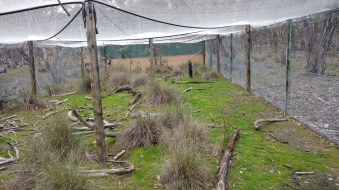
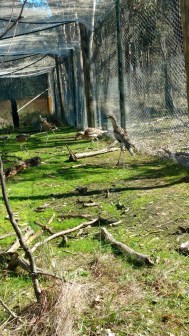
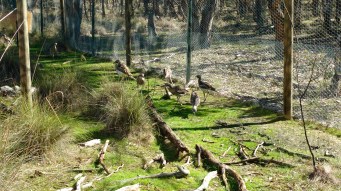
Releases can sometimes be a stressful process for wildlife, especially for timid creatures like curlews. It is therefore necessary for them to undergo a “soft release”. As opposed to taking them from one area and releasing them directly into another overnight, soft releases involve maintaining a a population in an enclosure where they are able looked after and allowed to acclimatise for several months. During this period volunteers would visit them on a daily basis to feed them (with dog food funnily enough), refresh their water supply, and ensure the security of the enclosure. By providing them with a regular supply of food, it was also hoped that this would provide enough incentive for the curlews to remain within the Reserve after the release from their enclosure. The environment beyond the predator-proof fencing of the Sanctuary has proven to be too hostile to nearly all curlews that have escaped due to feral cats and foxes that contributed to their initial extinction from the area in the first place.

wp_20160618_10_43_48_pro

A photo of the curlew enclosure, featuring a rather nicely camouflaged curlew

Later this month the curlews are expected to be released from the enclosure to mix with the rest of the curlew population previously released into the reserve, after which they will be continuously monitored by camera traps and temporary tracker tags (that later fall off when their feathers are shed). The hope is that a stable breeding population will eventually develop for the growth and sustained viability of the little guys in the park.

Eastern Bettongs

The Bettong reintroduction program has thus far been a great success, with the latest population counts exceeding 200 individuals. This is especially significant considering that they have been absent from the mainland for over a century. Their reintroduction from Tasmania into the reserve was a key step in the restoration of the woodland ecosystem, owing to their prolific digging of soils for truffles. This activity is expected to assist in improving soil quality through aeration, encouraging water infiltration, and the spread of fungal spores (Shorthouse et al. 2012). Having established a stable population in the reserve, attention has now been turned towards community outreach and education.

Maintaining awareness of a species as symbolic to the revival of the box-gum grassy woodlands is a critical part of sustaining the restoration process. To address this, a bettong outreach program has been started up, with a primary focus on exposing school children to bettongs. At the forefront of the program are two hand-reared Bettongs (named Banksia and Berry), accommodated quite conveniently on the ANU campus. My role, along with a selection of other volunteers, was to visit the two and acclimatise them to human contact. To be honest, cuddling furry creatures all day has been one of my better jobs.

wp_20160803_14_09_42_pro

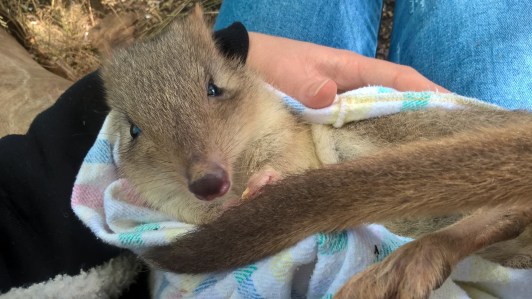
Banksia, the hand-reared Eastern Bettong, in the process of being cuddled by me

In addition to this education program, I’ve also had the pleasure of accompanying numerous Twilight Tours (as an assistant), witnessing the looks of wonderment as tourists spotted Bettongs out in their native setting, carrying out their usual nocturnal digging activities. The funds raised from these tours also contribute to the continued restoration of these Bettongs’ new home.

The Mulligans Flat and Goorooyaroo Sanctuary is a rare jewel in Australian biodiversity. Indeed, it is the only park of its kind in the world, and needs to be protected as such. Much has been achieved so far (just this year quolls have been the newest addition to the community and have even started breeding), yet there’s still much more to be done. I have every intention of sticking around, to continue lending a hand where it’s needed, and see life returned to the the last of the grassy woodlands.

Linden Muellner-Wong, u5562905

For those interested in getting involved (can recommend), here’s a link! https://app.betterimpact.com/PublicOrganization/ee4ae836-4c65-4bbd-af55-64aab6e436d2/1

References

Department of Environment and Heritage (2006). EPBC Policy Statement 3.5 – White Box –Yellow Box – Blakely’s Red Gum Grassy Woodlands and Derived Native Grasslands listing.

Manning, A., Wood, J., Cunningham, R., McIntyre, S., Shorthouse, D., Gordon, I. and Lindenmayer, D. (2011). Integrating research and restoration: the establishment of a long-term woodland experiment in south-eastern Australia. Australian Zoologist, 35(3), pp.633-648.

Shorthouse, D.J. et al., 2012. The “making of” the Mulligans Flat – Goorooyarroo experimental restoration project. Ecological Management and Restoration, 13(2), pp.112–125.


Posted in biodiversity conservation, Volunteer work | 1 Comment

Learning about Managing Plants, Predators and People at MRC

[NB: due to temporary camera issues photos are not yet available. Once the technical difficulties have been resolved, this post will be updated to include them.]

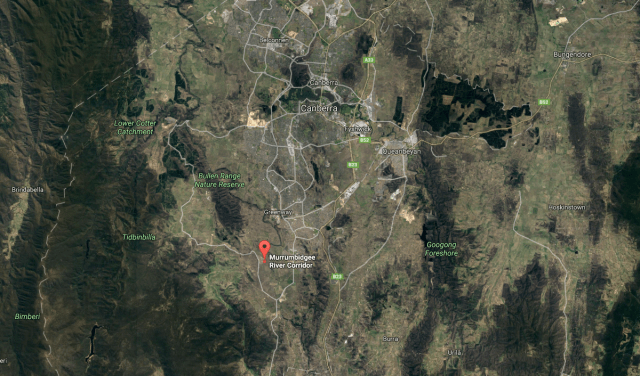
untitled

[Source: Google Maps September 28, 2016).

Biodiversity Conservation requires a whole range of considerations:

For three days over the long weekend (23 – 25 Septmeber) I tagged along with Tom and Allen as side kick and apprentice ranger at Murrumbidgee River Corridor Depot (MRC).  Over the three days we collected camp fees, practiced (and philosophised over) comparative invasive species management systems whilst hiking over ex pine plantations with fire scaring, erosion and blackberry wounds. We talked about stakeholder involvement and influences whilst doing maintenance work on recreational areas and admiring the spillways on the damns, discussed methods of biodiversity conservation and reintroduction of threatened species while laying baits and consoling parents about swooping magpies.

The picture I got of the Ranger role, one that is arguably one of the most applied ‘conservation’ jobs in our society, is that it is incredibly diverse. Some rangers focusing on management, others on application, some on particular projects or grants (be it erosion or invertebrate pest management) or others on methods of contractor negotiation, public engagement, volunteer and service ‘extension’. The identities of these parks and other conservation places – and the roles they play in non-conservation based priorities – have massive implications for the kinds of conservation projects they are able to seek support to undertake. For example, one of the ongoing (and time consuming) jobs of the various rangers is simply factoring in compensation for human recreational-use impact: dealing with rubbish, with compliance and infringement, liaising with police to remove burnt-out cars, working with heritage interest groups on sites of significance, maintaining services, advising 4WD’ers whose cars are bogged to contact their insurance company, etc. Yet the popularity of the recreational activities hosted by the park (of which these time consuming consequences are a part) influence the public profile and ultimately the state, and federal funding they are able to secure: the security of which is essential to the practice of their biodiversity conservation priorities. In short: the days in the field working beside different rangers really brought to my attention just how subject to governance and broader ‘social management’ engagement conservation projects are – that the nature of these ‘engagements’ vary over scope, length, stakeholders and aims and that all of these variables have very real and immediate consequences on the tenability of their conservation projects.


Direct Conservation Activities:

Whist at MRC I had the fortune to assist directly with the following Biodiversity Conservation management areas:

Invasive Species Management

  • Invertebrate pest management
    • Laying down 1080 baits,
    • Seeing in practice the use of geographical features, such as rivers, as barriers to foxes, dogs and pigs,
    • Discussing the need for more invertebrate pest management research especially with fox management (EPD, 2016),
    • Considering the viability of research projects investigating the reintroduction of dingos as keystone predators (Glen et al, 2007) in the park.
  • Weed management: ‘cutting and dabbing’ the restricted invasive Small-leaf privet (Ligustrum sinese) (DAF, 2016) and discussing the practical methods of Blackberry poisoning and the limitations of spraying in catchment areas.
  • Maintenance of access routes to Pine Island which harbours the endemic Tuggeranong Lignum (Muehlenbeckia tuggeranong) (DoE, 2016).

Rehabilitation:

  • Learning about the rehabilitation of ex-state forest pine plantation – impacting upon the quality of water and harbouring massive amounts of invasive species most notable blackberry and wilding pines.
  • Looking at conservation priorities around mitigating erosion. Considering the role of the area as a catchment corridor and how the Audit of the MRC (post damn construction in 2003) has led to acknowledgement of the need for more funding allocation and the creating of a dedicated role to address issues of erosion and soil run off.
  • Conversations about extinctions and reintroduction programs – the ways in which state level conservation projects can facilitate larger scope projects – discussing neighbouring programs of the Eastern Bettong and

Public Engagement:

  • Visiting the mini arboretum in the conservation area, looking at the newly installed interpretive trail and tables, and considering the challenges of balancing this area with the issue of non-native seed introduction to the park that it presents.
  • Talking with people using the parks (ranging from conversations about Magpie avoidance to wombat habitats and burrows to graffiti and firewood).
  • Education / infringement considerations for people:
    • Walking their dogs in dog-excluded areas etc.

Fire Management:

  • Learning about asset protection and other fire methodologies used in the park – the effect they have on different components of ecosystem conservation (eg, if another fire comes through the impact it will have on the rehabilitation already taking place), (AES, 2004).
  • Discussing the impact of the 2003 fires on vegetation (and research project taking place assessing the biodiversity hotspots in the park: although still in research phase, looks as if areas where the fires didn’t go through have higher invertebrate biodiversity).

Maintenance:

Cultural Heritage:

  • Repairing toilets at the historical Mt Franklin Chalet (rebuilt after the fires)
  • Considering heritage grant for maintaining a KHA hut
  • Considering new signage at Bulls Head Shelter and the cost / benefit of repairing v rebuilding parts of heritage buildings on the site.


All in just three days! I’m fascinated to see what other experiences I might be able to pick up on if I am able to continue such volunteer work with Parks and Conservation depots around the ACT!

U4841413

References:

Posted in biodiversity conservation, Volunteer work | 2 Comments

Dieting to beat the heat: possum diets and climate change

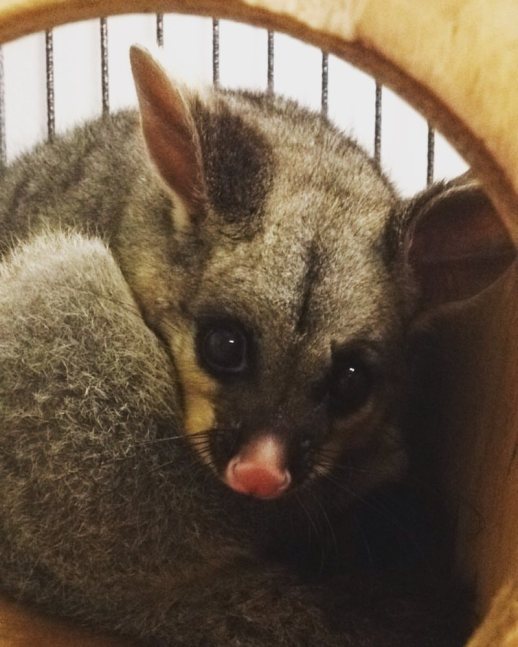
A fuzzy face popped up on my Facebook feed: possum volunteers wanted! I was sold, and started volunteering the very next week. From February onwards I have been helping to care for the brushtail possums that are the focus of Sarah Buchan’s Honours research project.

13235219_10153839606437701_3903862840179711886_o.jpg

Baby Poss, the most charismatic of all possums!


The Background

Brushtail possums are found all over Australia (ALA), stealing fruit and sneaking into rooves. However, there is more to these mischievous marsupials than meets the eye. These possums have a super power: the ability to consume poison! Possums regularly consume toxic plant secondary metabolites (PSMs) when eating gum leaves (McLean, 2007). Enzymes in their liver break down the PSMs the possums can even develop a resistance to them over time (McLean, 2008).

mfcd00006841-medium

Flavanone is one of the PSMs that possums have to metabolise (PubChem)

But what happens when climate change is introduced to the equation? Sarah Buchan and the Foley Lab at ANU are testing the temperature dependant toxicity hypothesis as suggested by Moore et al (2015). Animals have the lowest metabolic rate when their body is in the thermoneutral zone (figure?), and colder or hotter and the animal must use energy to keep its core temperature stable. Liver function decreases as ambient temperature increases beyond this thermoneutral zone, and detoxifying PSMs creates more heat than usual. Sarah has predicts that “food intake will significantly decrease when the animals experience hot [ambient temperature] and that some compounds will show evidence of temperature dependent toxicity.

Untitled.png

Conceptual relationship between metabolic rate and ambient temperature in endotherms (Dearing, 2012)


The Experiment

We had 12 marsupial ‘guinea pigs’, each in their own roomy cage ready to get eating!
By the time I started volunteering, the brushies had already been acclimatised to the cages and their basal diet of fruit, veg and 11 secret forms of fibre. The possums were also introduced to the PSMs being used so they could recognise them during the experiment.

Untitled1.png

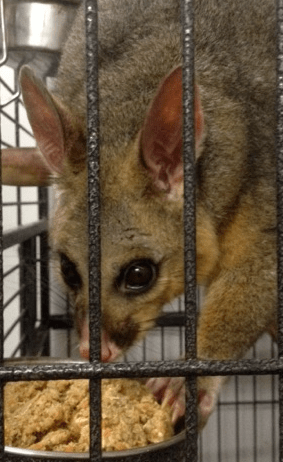
One happy possum!

The first experiment looked at how ambient temperature affects how much the brushies eat when different PSMs are mixed into their basal diets. Some of these PSMs deter herbivory by limiting taste while others limit the animal’s metabolism. Sarah predicted that if reduced liver function is the real cause of temperature dependant toxicity then “only PSMs that deter feeding due to constraints on the liver metabolism should show significant temperature dependent patterns of food intake”.

The second experiment looked at how dietary thermogenic uncoupling agents (break down PSMs but raise the body temperature) influence how much brushies eat at different ambient temperatures. Sarah predicted that our possums would “avoid a diet containing thermogenic uncoupling agents at hot [ambient temperature] treatments in order to avoid hyperthermia” and that “brushtail possums will prefer diets with thermogenic uncoupling agents at low [ambient temperature] to gain an energetic advantage when maintaining homeostasis.

The third experiment looked at temperature events and their effect on brushtail feeding. Are cool nights important? Do ongoing high temperatures affect how much brushies eat? Sarah predicts that temperature dependant toxicity “will cause brushtail possums to reduce their intake of PSMs under hot [ambient temperatures]” and that “cool night-time temperatures are critical to the feeding decisions of nocturnal species such that cool night time temperature may offset the effect of a hot day hence allowing the possums to maintain intake of PSMs.

By looking at how brushtail possums respond to plant secondary metabolites at various ambient temperatures, we may be able to better understand how climate change will affect our native herbivores.

My Role

During the experiment I helped to prepare the possum diets and feed them out. I also had the glamourous job of cleaning up after the possums (believe me, you learn to identify them by smell!). We also weighed the possums, moved them between treatment rooms, and collected branches for them to munch on!

untitled

A yummy mix of banana, apple, carrot and fibre


brushtail-trap-200w

Busted! Possum in a cage trap

I was also lucky enough to help Sarah release a possum (goodbye Old Man Poss!) after he had graduated the program, and try and trap his replacement. After spending a night running around campus with traps and peanut butter, we finally caught a male possum! Turns out it was just Old Man back for more peanut butter.


I learnt that field work is fun yet tiring, caring for possums is a full time job, and that Sarah can track down possums with her nose! The most astounding discovery I made was the sheer amount of time and effort that goes into an Honours research project. I feel a new sense for respect for the researchers out there who give up their lifestyle to discover more about our natural world. Even though Sarah’s experiment phase is over, I am still volunteering with the possums. There is still much more to learn from these cute and devious little individuals. And who could stay away from such a charismatic creature?

Bronte Sinclair (u5564719)


Interested?

Want to know more about brushes? Check out their Arkive page.

What does climate change mean for our future? Dr Anne Fowler has some suggestions.

What can we do? WWF has got a plan.

Want to volunteer? There are countless opportunities across Australia and abroad.


The experiments have been approved by the ANU Animal Experimentation Ethics Committee and conform with Australian Code for the Care and Use of Animals for Scientific purposes 8th edition (2013).

The References

Dearing (2012). Temperature-dependent toxicity in mammals with implications for herbivores: a review. Journal of Comparative Physiology B, Volume 183: 43-50.

McLean S, Boyle R, Brandon S, Davies N & Sorensen J (2007). Pharmacokinetics of 1,8-cineole, a dietary toxin, in the brushtail possum (Trichosurus vulpecula): Significance for feeding. Xenobiotica, Volume 37: 903-922.

McLean S, Brandon S, Boyle R & Wiggins N (2008). Development of Tolerance to the Dietary Plant Secondary Metabolite 1,8-cineole by the Brushtail Possum (Trichosurus vulpecula). Journal of Chemical Ecology, Volume 34: 672–680.

Moore B, Wiggins N, Marsh K, Dearing M & Foley W (2015). Translating physiological signals to changes in feeding behaviour in mammals and the future effects of global climate change. Animal Production Science, Volume 55: 272-283.

Wearing M (2012). Temperature-dependent toxicity in mammals with implications for herbivores: a review. Journal of Comparative Physiology B, Volume 183: 43-50.


Posted in Climate change, Volunteer work | Tagged , , , | 1 Comment

ACT Parks and Wildlife, Management of the Murrumbidgee River Corridor

In the mid semester break just past I got to experience my dream job with ACT Parks and Conservation. I was lucky enough to be granted a spot with the department at their Murrumbidgee River Corridor Depot located in the Cotter Reserve. Over five days I accompanied some of the rangers for their usual tasks over a working week. I was involved in a range of monitoring, restoration and conservation work.

The depot is responsible for land and catchment management of the Murrumbidgee River Corridor in the ACT. This region includes the Lower Cotter Catchment, which has a primary management goal of protecting Canberra’s water supply. The rangers at the depot have a wide range of skills, which they require to manage such a large and diverse region.

On the first day of my placement I was lucky enough to join most of the rangers on a trip within the Namadgi National Park. Namadgi National Park is at the northern end of the Australian Alps and has a rich history of indigenous occupation and early European settlement. The reason for the days visit was to discuss the management history and restoration of pine plantations in the area. In the late 1900’s, and into the 2000’s, much of Namadgi was covered in pine plantation. Management strategies to clear existing plantations, wild pine, and to then revegetate with native species were addressed along with the implications of the 2003 bushfires. Restoration and regeneration work is imperative to conservation efforts today and to understand some of the government processes’ surrounding this work was really valuable.

Zones of Namadgi National Park

Zones of Namadgi National Park

I then got to experience firsthand some revegetation work in the Woodstock Nature Reserve in the West Belconnen area. This area is home to the pink-tailed worm-lizard (Aprasia parapulchella), earless dragon (Tympanocryptis pinguicolla) and the striped legless lizard (Delma impar) which have been featured in the ANU’s Biodiversity Conservation course. These species utilise embedded surface rocks to bask on, which are in no short supply in this area. Several species of Eucalypt were planted and we avoided areas that would block sunlight from the existing rocks in the future. Casuarina trees were also planted in the creek line where mature casuarinas had since died.

Shepherds Lookout

Shepherds Lookout – Woodstock Nature Reserve

Planting my first tree

Planting my first tree

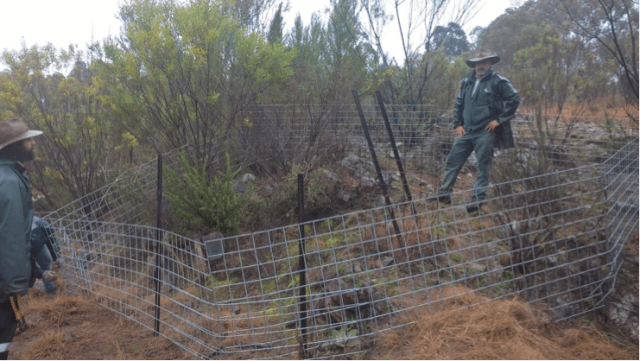
Some of the rangers at the depot had previously noted two protected flora species growing in the Pine Island Reserve in the Tuggeranong district. This was an exciting discovery and in order to protect these populations from the threats of grazing animals we constructed exclusion fences around the plants. True conservation at work if you ask me!

One of the exclusion fences - now that’s some handy work

Some of our handy work

The last two days at the depot I spent on two of their long-running programs. The depot is responsible for feral animal and invasive specie control in the region. The rangers use a highly monitored fox (Vulpes vulpes) control program to regulate the numbers of this feral species in their area of responsibility. 1080 poison was laid throughout the Lower Cotter Catchment Reserve to initially reduce fox numbers and is now used continuously to maintain control. The rangers are responsible for monitoring the baiting areas on a regular basis. All of the baits are checked and replaced if need be on a weekly basis. This program is important for the conservation of native species, particularly those in the critical weight range as well as ground-nesting birds, which are heavily preyed upon by foxes.

Radiata Pine (Pinus radiata) plantations were once spread throughout the Murrumbidgee River Corridor and Namadgi National Park and have since posed issues for ACT Parks and Conservation. Pine trees are an invasive species due to their fast growing nature and easy dispersal through wind transport. Their needles affect the fertility of Australian soils, while they also utilise more water than native species, reduce light levels due to their thick cover of needles, and lack support of native faunal species through food or habitat. The rangers have long been managing the pine populations that have escaped designated plantation areas. During my placement I was able to help in some manual removal of this escaped pine. I was also involved in some monitoring and assessment of particular populations.

I thoroughly enjoyed my time spent with the amazing, dedicated and hard working rangers at the Murrumbidgee Depot and have arranged further volunteer work with ACT Parks and Conservation.

Lauren Smith, u5372741

References

ACT Government, 2010. Summary of the Namadgi National Park Plan of Management. Available at: http://www.tccs.act.gov.au/__data/assets/pdf_file/0007/387934/WEB_Namadgi_National_Park_Summary.pdf [accessed September 9 2016].

Further Reading

ACT Government, 2010. Namadgi National Park Plan of Management 2010. Available at: http://www.environment.act.gov.au/__data/assets/pdf_file/0003/387930/Final_Namadgi_National_Park_Plan.pdf.

ACT Government, 2016. Transport Canberra and City Services. Available at: http://www.tccs.act.gov.au/city-living/wildlife/birds.

Environment and Planning Directorate, 2016. Murrumbidgee River Corridor. ACT Government. Available at: http://www.environment.act.gov.au/parks-conservation/parks-and-reserves/explore/murrumbidgee-river-corridor.

Posted in Uncategorized | 2 Comments

The National Seed Bank: Native Plant Conservation

In the recent break I spent several days (8th, 12th and 13th Sept) volunteering at the Seed Bank in the Australian National Botanic Gardens (ANBG). The main function of the Seed Bank is storing seeds for conservation, undertaking native seed research, supplying the ANBG with seeds and supplying seeds to other organisations for research (ANBG, 2011). While the Seed Bank contains many different collections, there has been a large focus on collecting endemic plant species from local alpine, subalpine and grassland communities (ANBG, 2011).

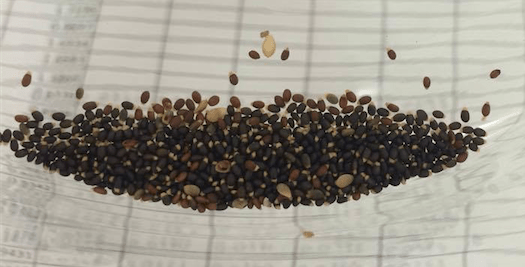
During my time at the Seed Bank I mainly worked with Pomaderris Cotoneaster, an endangered native shrub species that is being stored by the Seed Bank for research, conservation of the species and possibly in the future grow seedlings that may be re-established in their original ecosystems. Along with storing the seeds, the Seed Bank is conducting ecological assessments on the species and the University of Wollongong is conducting germination tests.

Pomaderris Cotoneaster seeds

As part of the storage and ecological assessment, I conducted 1000 seed counts on P. Cotoneaster, which determines the average weight of seeds from individual P. Cotoneaster plants and provides information about the health of the species. For these 1000 seed counts, the seeds were separated by a machine into five samples of 50 seeds each, which are then weighed and recorded. These weights are then added together, divided by 250 and multiplied by 1000, providing the 1000 seed weight.

After the 1000 seed counts I tested the relative humidity (RH) of the seeds to ensure that it was low enough for storage (around 5% RH). I then vacuum packed and labelled the seeds, after which they were placed in the freezer with Silica gel. The Silica gel is a desiccant, meaning it absorbs moisture, maintaining the seed relative humidity for storage.

Right Image: Seed counting machine; Left Image: Vacuum packing machine

After storing the P. Cotoneaster seeds I began working with seeds from Kakadu National Park that had been stored in the cold room. Due to the size and irregular shapes of these species the counting had to be conducted by hand, something that really makes you appreciate the counting machine. After the rest of the Kakadu seeds are counted and weighed, germination tests will be conducted to assess if the seeds are able to germinate.

14339347_10154453869135053_2066469675_o

Seeds from Kakadu National Park

Volunteering at the seed bank allowed me to experience real world conservation and research, all within the beautiful ANBG. Along with my experience was made great by the numerous people who work and volunteer at the seed bank were lovely and very happy to share their knowledge. While seed counting can seem a monotonous task and can make you feel crazy after hand counting a few thousand, the biodiversity conservation value gained from it makes it worthwhile, and I’m excited to return to the Seed Bank over the next few weeks to participate in the germination of the Kakadu seeds.

14359833_10154453870300053_773191795_o

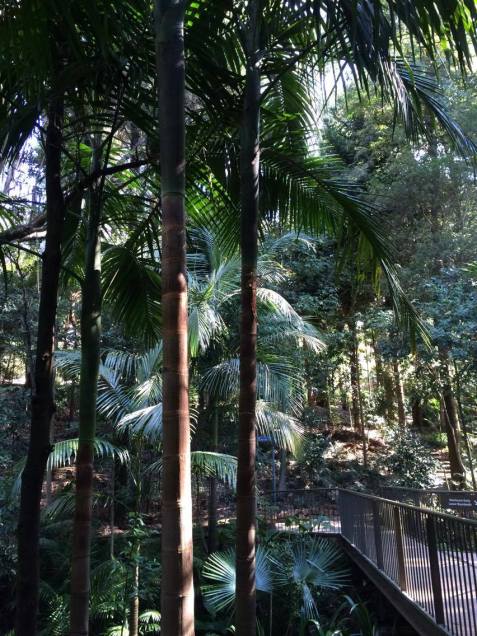
Australian National Botanic Gardens

Emma Pearce
u5520263

References

Australian National Botanic Gardens, 2011. The National Seed Bank. Available at: http://www.anbg.gov.au/gardens/living/seedbank/ (accessed 15th September 2016).

Posted in Uncategorized | 1 Comment

Legless and seeing Dragons: Managing environmental offsets in the ACT


Besides both species missing the usual body parts, Striped Legless Lizards (Delma impar) and Grassland Earless Dragons (Tympanocryptis pinguicolla) have a few things in common. For example, both species live out their lives in the ACT’s dwindling areas of native temperate grassland.  Similarly, both are severely under threat (Legless Lizards  are listed as vulnerable in the ACT while Dragons are listed as endangered). Lastly, both species are currently the subject of intense interest to the ACT’s environmental offsets team. I was lucky to be working with this team during the term break, helping conduct a survey of all ACT offsets that contain, or supposedly contain, populations of Lizards and Dragons.  Besides gaining an opportunity to contribute to the conservation of some of the ACT’s most elusive grassland species I was also interested to see how the theory behind offsetting translates into practice.

Prime Grassland Earless Dragon habitat at Jerrabomberra East.

Prime Grassland Earless Dragon habitat at Jerrabomberra East.

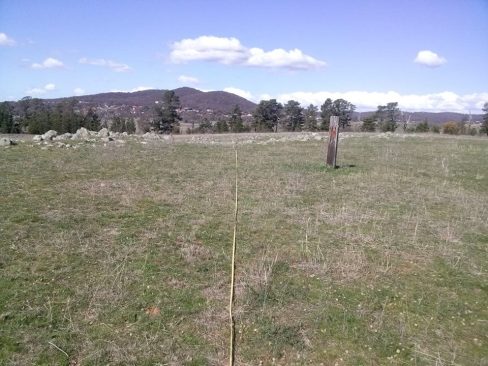
During my stay with the offsets team, I conducted surveying at two offset sites: Mulanggari Grasslands in Canberra’s North-West, and Jerrabomberra East in the ACT’s South. Both sites were a mixture of Native Temperate Grassland (‘NTG’), and exotic grassland species such as Phalaris (Phalaris aquatic). The sites had been put aside as offsets because of both the presence of NTG and the vulnerable fauna living in the grassland itself. The surveys were conducted on large 100 m2 plots each with 30 roofing tiles placed at even intervals across the plot. The tiles were then left for a two-week ‘settling-in’ period so that they could become a normal part of the landscape (at least from the lizard’s perspective). The idea is that these tiles act as refuges for lizards and other small creatures in much the same way as small scattered rocks and logs. Once this two-week period is over the sites are surveyed for any fauna using the tiles. I was involved in the initial stages of the project. My job therefore consisted mostly of carrying heavy roofing tiles around wet grasslands. Luckily, this also gave me the opportunity to talk to a group of highly knowledgeable and interesting people.

Plotting out the Eastern corner of a survey site at Jerrabomberra East.

Plotting out the Eastern corner of a survey site at Jerrabomberra East.

What I learnt

Aside from learning about Legless Lizards and Dragons, the key lesson that came out of the experience for me was an appreciation of the difficulties of managing offset sites. Having gained a basic theoretical understanding of offsetting, I appreciated the opportunity to gain an insight into the particular issues involved in managing these sites once they are selected. For example, while Legless Lizards and Dragons both live in NTG they prefer different grassland structures. Legless Lizards, for example, prefer grasslands with a thick tussock level and with high levels of surface soil cracks. Conserving both Legless Lizards and Dragons in the same area therefore becomes a struggle between managing the same NTG site for conditions suitable to both Lizards and Dragons, often an impossibility. This management issue is compounded by the legal nature of offsets which result in guarantees from the Government to protect, and increase, populations of both species on these sites. Another example of this can be found at the offsets managed for the Golden Sun Moth (Synemon plana). Many of these sites are managed both for the presence of Golden Sun Moth and for the conservation of NTG. However, these two management commitments can come into conflict with each other. Alongside the NTG at a number of sites is Chilean Needle Grass (Nassella neesiana), an exotic which is also excellent habitat for Golden Sun Moths. There is tension between removing Chilean Needle Grass and therefore removing Golden Sun Moths habitat and leaving the needle grass to potentially encroach upon the NTG. Clearly, meeting both management targets will be a difficult task.

Striped Legless Lizards (left) and Grassland Earless Dragons (right)

Striped Legless Lizards (left) and Grassland Earless Dragons (right)

Another issue with the management of offset sites involves their separation from other types of conservation within the ACT’s environmental management framework. This came up in two ways during my short stay with the offset team. The first was the occasional lack of data sharing between different groups of managers. This can lead to a situation in which two management teams surveying for similar data at adjacent sites do not have all of the available information. Another issue was the inability to manage for issues within offset sites by carrying out activities outside those sites. One example of this is the management of weeds to maintain healthy structure amongst the NTG at some offset sites in the ACT. Often weed management is only effective when it can be conducted both within and outside the borders of the offset sites, something which is not possible.

Conclusions

Despite the hurdles presented by the offset system I was impressed by the dedication and effectiveness of the offset team. Although I have focused on some of the management issues with offset sites, I witnessed far more positives while working with the team. For example, Jerrabomberra East is an old farm that would have had little potential conservation value without its inclusion within the offset scheme. Instead, a number of professional environmental managers and one decidedly unprofessional student were crawling over the farm doing their best to preserve two vulnerable lizard species. With continuing management by the team (and hopefully more funding) Dragons, Legless Lizards, and the native temperate grassland in which they live have a much better chance at survival than they would otherwise.

Matthew Kowaluk

u5191313

References

Department of the Environment 2016, ‘Delma impar – Species Profile and Threats Database’, Department of the Environment, Canberra, <http://www.environment.gov.au/sprat&gt;, viewed: 11 Sep 2016.

Department of the Environment 2016, ‘Tympanocryptis pinguicolla – Species Profile and Threats Database’, Department of the Environment, Canberra, <http://www.environment.gov.au/sprat&gt;, Accessed: 11 Sep 2016.

Environment and Planning Directorate ACT 2016, ‘Environmental Offsets’, Environment and Planning Directorate, Canberra, <http://www.environment.act.gov.au/cpr/environmental-offsets-policy&gt;, viewed: 12 Sep 2016.

Gibbons P, Lindenmayer, D 2007, ‘Offsets for land clearing: No net loss or the tail wagging the dog?’ Ecological management and restoration, vol. 8, no. 1, pp. 26-31.

Hunter D 2012, Grassland Earless Lizard, photograph, <http://www.environment.nsw.gov.au/threatenedSpeciesApp/ImageHandler.ashx?graphicsId=45685&gt;, viewed: 14 Sep 2016.

Miller K et al. 2014, ‘The development of the Australian environmental offsets policy: From theory to practice’, Environmental Conservation, vol. 42, no. 4, pp. 306-314.

Robertson P Date Unknown, Striped Legless Lizard, photograph, <https://museumvictoria.com.au/pages/12318/ImageGallery/vic-StripedLeglessLizard-large.jpg&gt;, viewed: 14 Sep 2016.

Posted in biodiversity conservation, Volunteer work | 1 Comment