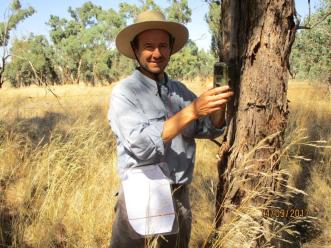
Working together as volunteers in Mount Majura Nature Reserve

Introduction

Living in Ainslie district for over two years, I have been used to the scenes of Mount Ainslie and Mount Majura Nature Reserves every weekday back to home. Sometimes, I feel grateful to live in such a nice suburb enclosed by the mountains, enjoying beautiful scenes and fresh air directly from nature. Friends of Mount Majura (FoMM) Park Care Group gave me the opportunity to do something for the blessing.

Mount Majura Nature Reserve (MMNR), located at the Northeast of Canberra City, plays an important role in Yellow Box (Eucalyptus melliodora) conservation as Canberra Nature Park. Listed as the Critically Endangered species under the Federal EBPC Act and the recent report of less than 5% remained patches, we must act as quick as possible to prevent further loss of Yellow Box and other native gum species from land clearing by city development.

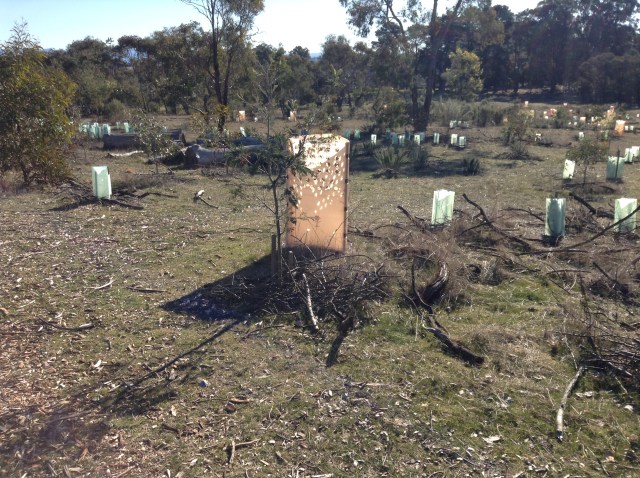
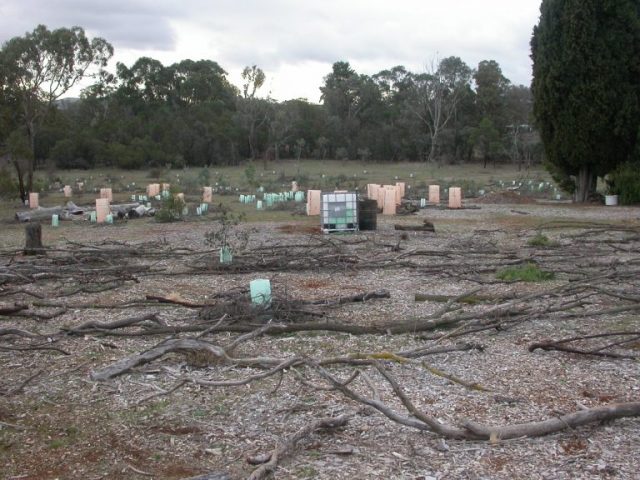
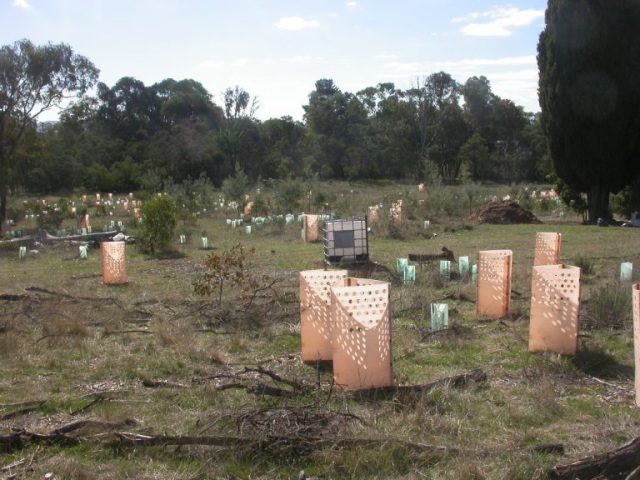
We worked at the site located at the North of MMNR, northeast of Watson Woodlands that we went before in Week 4 during the field trip, east of the Fair. This site is a Box Gun Grassy Woodland (BGGW). It provides habitats for diverse native fauna and flora, for example, the critically endangered Swift Parrot (Lathamus discolor) and Canberra Spider Orchid (Caladenia actensis). This site was heavily damaged from grazing by cattle, sheep and horses, resulting in loss of native species and replacement by exotic weeds and shrubs. Thanks to the volunteer work over the past two years, this landscape has been improved by manually planting native species and removing exotic species, returning to a good habitat for a lot of local endangered fauna and flora.

Figure 1: Map of Planting Area we worked on.
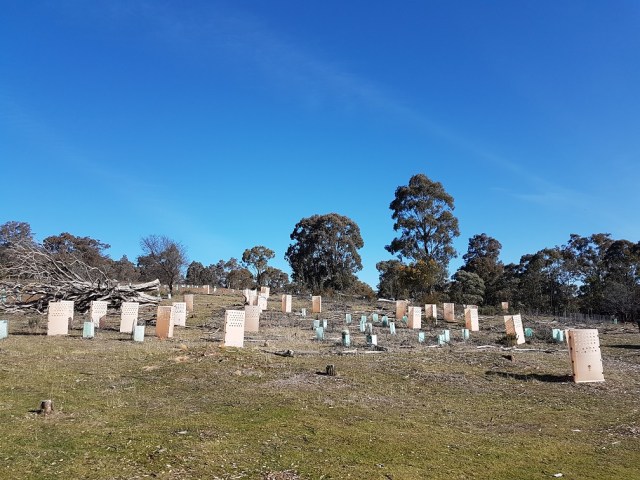
Figure 2: view of part of working site slope. (Sheng, 17 Sep 2017)

Working Party

On 17 Sep, I joined this session of working party to experience the conservation work they have done for the past two years. There were some new ideas about conservation working I learned from this experience.

We watered over wattle, eucalyptus seedlings and orchids one by one, each with at least four litres of water. Waltraud noticed us we must be careful of watering slowly instead of heavy pour. We must make sure the water soaked the soil thoroughly by slow watering.

Then we applied a layer of mulch around the plants and nearby land. This work is to suppress exotic and native weeds growth which impact on tree growth via competition for limited water and nutrient resources. Manual mulching was really a heavy work as we only used buckets to manually move the mulch particles and built a layer of mulch on a large area of ground.

Some findings

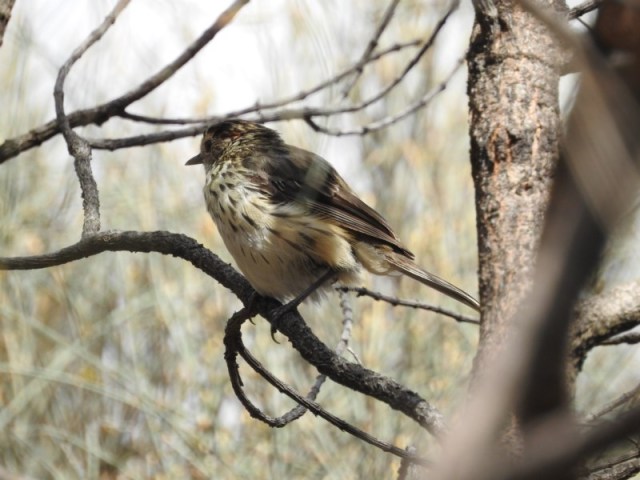
We spotted a brown thornbill (Acanthiza pusilla) nest spreading wattle (Acacia genistifolia) when we were watering the seedlings. This observation was exciting. It proved the work by FoMM in conserving this land, providing a good habitat for the native birds.

Figure 3: Brown thornbill nest found in Spreading wattle planted in the working area. (Sheng, 17 Sep 2017)

During the break, I noticed the two exotic trees providing shelter for us. Waltraud told us as long as they did not harm the landscape by propagating its offspring, FoMM kept them alive. They did not harm the native species while providing shelter for our volunteers, why not just keep them. Practically, recovering the site to the exact original reference site is not necessary as long as the exotic species does not stress the growth of native species. ‘Friendly’ exotic species can grow together and contribute to biodiversity, kind of ‘win-win’.

Figure 4: ‘friendly’ exotic trees providing us shelter during the break. (Sheng, 17 Sep 2017)

Reflection

After several hours of working of watering and mulching, I should be honest to say it was not an easy job. A lot of manual work must be done by volunteers on such a small site, how about the other sites? I was also worried about the future work if fewer and fewer people involved in this kind of work if we do not continue. Education and promoting the importance of biodiversity conservation to the local people are equally important as what we are doing now. Conservation cannot be done with the help of people from all of the society. As long as I still live in Ainslie and receive the blessing from these nature reserves, I would appreciate continuing this voluntary work.

Acknowledgement

Thanks for Waltraud Pix, the project manager of FoMM, assisting us during the work and giving us a lot of information about this working site. I also want to thank Crystallene Fernando who worked at this site much earlier (definitely a veteran), assisting me during the work and sharing some important information about this site.

Reference

Map of 2014 Planting Area

https://www.flickr.com/photos/61627737@N03/14094870527/sizes/l

Mount Majura Nature Reserve, Environment, Planning and Sustainable Development Directorate, ACT Government

https://www.environment.act.gov.au/parks-conservation/parks-and-reserves/find-a-park/canberra-nature-park/mount-majura-nature-reserve

White Box-Yellow Box-Blakely’s Red Gum Grassy Woodland and Derived Native Grassland, Species Profile and Threats Database, Department of the Environment and Energy

http://www.environment.gov.au/cgi-bin/sprat/public/publicshowcommunity.pl?id=43

Lathamus discolor — Swift Parrot, Species Profile and Threats Database, Department of the Environment and Energy

http://www.environment.gov.au/cgi-bin/sprat/public/publicspecies.pl?taxon_id=744

Caladenia actensis — Canberra Spider Orchid, Species Profile and Threats Database, Department of the Environment and Energy

http://www.environment.gov.au/cgi-bin/sprat/public/publicspecies.pl?taxon_id=76138

Waltraud Pix’s blog on FoMM

http://majura.org/author/waltraud/


Yuwei Sheng (u5897754)
 

Posted in Uncategorized | Leave a comment

Inspiring management in protecting Chinese yew (Taxus chinensis)

Inspiring management in protecting Chinese yew (Taxus chinensis)


Species Introduction

Chinese yew (Taxus chinensis), as one of Category 1 protected species in China, has been listed in IUCN Red List as endangered species. It scattered distributes in southeastern China. The population of wild Chinese yew is estimated to appropriate 800,000 individuals. As a evergreen plant, Chinese yew is a unique species surviving from the cretaceous period in China. The ratio of female to male plants is approximately one to nine.

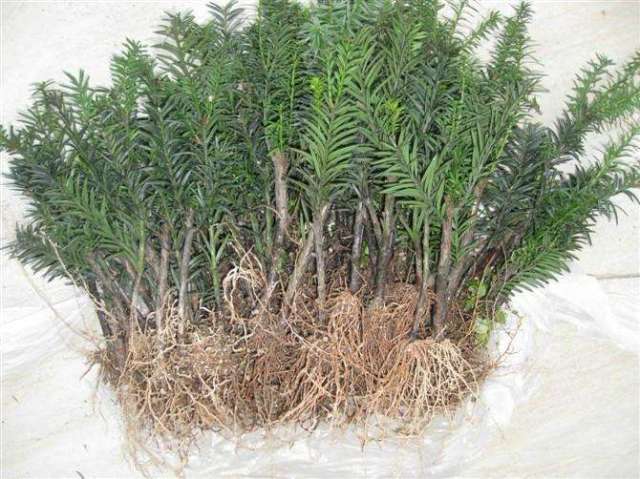
Figure 1. Chinese yew


Threats

The population of Chinese yew decrease rapidly (reduction is more than 50%) since nineties after scientist found that it can produce taxol(TAX) used to treat cancer (Thomas, 2013). Before paclitaxel(taxol) synthesizing totally and successfully achieves in laboratory, extracting TAX from genus Taxus plants is the only way to acquire TAX for medicines. But each kilogram of paclitaxel requires a live stripping of 10 tons of yew bark. Moreover, the other parts of the plant, such as roots, leaves and bark can be used in traditional Chinese medicine to treat various diseases. There are increasing number of consumers are attracted by the high medicine value of Chinese yew. This led to the indiscriminate cut and use of Chinese yew. Unfortunately, the generation lengths of this species are estimated to over 40 years because of the slow growth rates and longevity. Its regeneration ability is unable to meet the demand so the population of this species is experiencing a dramatic falling.


Inspiring Management Methods in China

Figure 2. Yeliang Mountain conservation park

As many other endangered species, establishing natural reserve and conservation park is an available method to protect Chinese yew, so the government established Yeliang Mountain conservation park located in southeastern China in 1997. This approach can also be used for protecting many other species. However, it still can not effectively forestall the illegal logging of yew. To some extent, establishing conservation area would hinder the development of medicine. It is illegal to cut the tree in the conservation area in the conservation area. The less yew trees can be cut and obtained, the less TAX extracted from the yew can be used for medicine and researches. In purpose of meet the demanding while protecting the yew, the government conducts some inspiring managements to encourage the artificial propagation of yew so that some qualified individuals and companies can be authorized to collect the wild yew branches to conduct cutting propagation. At the same time, it is prohibited to use collected branches for the construction of TAX material base or other commercial activities. When the authorized individuals or companies collect the branches from the yew trees, it is recommended to collect upper new-born branches from the strong yew tree. This can effectively reduce the damage to the yew and increase the survival rate of cutting seedlings. After the cutting plant grows independent of the parent, the new plants can be used for commercial activities. This method not only contributes to increase the yew population, but also considers the huge demanding of yew.

Figure 3. Yew cuttings have been coaxed to form new roots


Conclusion & Inspiration

Usually, when we talk about the biodiversity conservation, the first idea to protect a particular species is establishing the conservation park. However, doing so often does not effectively increase their numbers, especially for some species that grow slowly and have a long generation length (e.g. Chinese yew). In this case, it teaches us sometimes authorize and encourage qualitied individuals to cultivate the endangered plant with asexual propagation could be another choice except establishing conservation park.


Wenjun He

u5983883


Reference

Thomas, P., Li, N. & Christian, T. 2013. Taxus chinensis. The IUCN Red List of Threatened Species 2013: e. T42548A2987120. http://dx.doi.org/10.2305/IUCN.UK.2013-1.RLTS.T42548A2987120.en.


Picture

Figure 1. : http://www.shaoxing.com.cn/3nong/2014-06/17/content_2346368.htm

Figure 2. :http://www.wpren.com/forum.php?mod=viewthread&tid=91344

Figure 3. :http://news.youboy.com/cp2427544.html

Posted in Uncategorized | Leave a comment

Water hyacinth: a killer of aquatic biodiversity

Water hyacinth (Eichhornia crassipes), a species that originated in South America, has been widely distributed in the world. It is a free-floating aquatic macrophyte that typically grows about 0.5m height and up to 1m in tropical areas. Recently, it is considered as an invasive species in many places due to its destruction on water and aquatic biodiversity. It will affect more countries with its expansion into higher latitudes due to climate change (Villamagna & Murphy, 2010).

Fig. 1. Water hyacinth (Eichhornia crassipes) (credits: Ted Center/USDA)

How water hyacinths become weeds?

Water hyacinth was introduced in China as a good fodder plant since 1901 (Chu et al, 2006). In the period with low level of agricultural development when serious food competition existed between humans and domestic animals, water hyacinth played an important part in China. However, farmers reduce familial feeding using water hyacinth gradually with the improvement of agricultural technology and development of urbanization. As a result of rapidly spreading from family ponds into inner rivers, water hyacinth population has become a severe environmental problem nowadays as its dominant situation in water because of the nutrient content of water increased with the improving industrialization level. Among the 7 billion economic loss caused by invasive species, water hyacinth which results in impeding water flows, paralyzing navigation, and damaging irrigation and hydroelectricity facilities occupies the largest proportion (Chu et al, 2006). Since 1990, water hyacinth became a synonym for “pollution” in China. It costed huge amount of money while the pollution cannot be completely eradicated such as Dianchi Lake, Taihu Lake and the Pearl River. According to the statistics, the amount of water hyacinth harvested was increased from 0.5 tons per day in 1975 to 500 tons per day in 2000 (Lu et al, 2007). In addition, water bodies of approximately 19 provinces or cities were infected by water hyacinth (Lu et al, 2007).

Fig. 2. Water hyacinth chokes the Pearl River

Threats to the aquatic biodiversity

The presence of water hyacinth is mainly determined by its unique biological characteristics, global warming of greenhouse effect and the accelerated eutrophication process (Yan et al, 2017). This invasive weed colonized the ecosystem around the growing environment as it spread. It is well known that the structure of a macrophyte community is significant for determining phytoplankton, zooplankton and fish communities. Nevertheless, the high reproductive capacity of water hyacinth poses a great threat to biodiversity as it is more competitive than other species. Water hyacinth can even grow more than 1.5 meters above the water level under sufficient nutrient supply and expand to twice in amount in two weeks (Yan et al, 2017). When it forms to be a dense monoculture, it can alter the structure and function of ecosystem by changing the physical and chemical aquatic environment through interfering with the food chains and nutrient cycling (Shanab et al, 2010). Moreover, dense water hyacinth would reduce the amount of light reaching the submerged plants which consume the dissolved oxygen in the water. The reduction of dissolved oxygen content will then affect the plankton diversity and ultimately affect aquaculture yields. The decrease in DO also promotes a shift of fish species from high oxygen demanding species to lower oxygen tolerating species while most fish species prefer DO level more than 4 mg/L (Yan et al, 2017).


How to control?

Since the pollution of water hyacinth is a seasonal outbreak, the control measures used in many parts of China are combination of manual and mechanical salvage. Although studies have shown that biological control such as neochetina bruchi is more effective without damaging crops. However, this method is still in the experimental stage in China because it is not certain whether this species will show a strong ecological invasion in China.

Current studies suggest that water hyacinth is difficult and unlikely to be completely eradicated partly because of the high cost of mechanical harvesting and disposal (Yan et al, 2017). Additional, the management of water hyacinth includes a series of decisions, policies and actions based on environment which makes the decision makers to be solid consideration. Future research may be focus on developing low cost salvage techniques.


References

Chu, J. J., Ding, Y., & Zhuang, Q. J. (2006). Invasion and control of water hyacinth (Eichhornia crassipes) in China. Journal of Zhejiang University-Science B, 7(8), 623-626.

Lu, J., Wu, J., Fu, Z., & Zhu, L. (2007). Water hyacinth in China: a sustainability science-based management framework. Environmental management, 40(6), 823.

Shanab, S. M., Shalaby, E. A., Lightfoot, D. A., & El-Shemy, H. A. (2010). Allelopathic effects of water hyacinth [Eichhornia crassipes]. PLoS One, 5(10), e13200.

Villamagna, A. M., & Murphy, B. R. (2010). Ecological and socio‐economic impacts of invasive water hyacinth (Eichhornia crassipes): a review. Freshwater biology, 55(2), 282-298.

Yan, S. H., Song, W., & Guo, J. Y. (2017). Advances in management and utilization of invasive water hyacinth (Eichhornia crassipes) in aquatic ecosystems–a review. Critical reviews in biotechnology, 37(2), 218-228.

Photos:

Figure 1. https://www.feedipedia.org/node/160

Figure 2. http://www.4thmedia.org/2011/07/invasive-plant-chokes-pearl-river/


u5879630

Yuan Cheng

word count:688 (excluding references)

Posted in Uncategorized | Leave a comment

Trees growing on ‘minefields’ – Andres Gordon

Trees growing on ‘minefields’

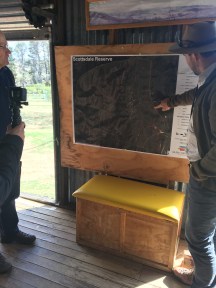
Throughout the last 800 years of human history, conflicts between different groups have opened paths for the use of imaginative and controversial tools to stop, injure and most of the times destroy one another (Truver, 2012). My experience and knowledge about warfare is limited to what is presented in books, movies or documentaries, yet one particular feature I noticed often is the use of minefields as strategic zones to stop the other’s side progress. I saw the relationship between a student’s academic progress and procrastination, human’s wellbeing and the lack of access to safe water, technological development and a global economic crisis as analogous to that of troops and minefields. After my involvement with a degree that focuses on the interactions between social, economic and environmental domains, I see similar relationships occurring in our natural environment. The pressures we exert to our ecosystems can be seen as minefields that have a detrimental impact on the cycles that describe many of the elements of our environment. My perception was narrowed by theory until I was able to participate on a fieldtrip where I monitored the status of a revegetation plan in the Scottsdale reserve. Now I see how there are more than one factor slowing down the success to recover the degraded landscape in the reserve.

 The field

Australia has a long story of landscape degradation through clearing for agricultural, urban development and industrial purposes. In the Scottsdale reserve 300 hectares of the total 1338 hectares of the property have been subject to the same fate (Bush Heritage, 2017). The reserve protects endangered temperate grasslands and grassy box woodlands, which in turn harbor a large amount of native birds, reptiles, fish and mammals. The projects effectuated at Scottsdale aim to restore an entire ecosystem by supporting natural regeneration through the replantation of key species. The latter was the main purpose of my visit to the reserve. Noticing at first sight a beautiful yellowish landscape, I was naïve to think that the fields were in a natural state. It took a day of constant participation with my peers and monitoring to see that the ‘mines’ in this place were a great obstacle to reach the objectives established by restoration projects

The mines 

David and I discussing about the monitoring process

I used to associate man induced disturbances and environmental stochastic events such as droughts, floods and fires as the main obstacles for restoration. Even though, while monitoring the conditions of planted trees along 100m transects, my peer suggested that many of the dead seedlings were the result of poor rainfall events, long hot days or the impact of foraging kangaroos and wombats, the role of a weed played on the overall success of a restoration project seemed the main pressure. Here the ‘mines’ are patches of African lovegrass. This plant species is a weed that has spread across Australia and due to its large amount of seed and quick development in red and sandy soils, it exerts great pressures to native pastures and other plant species (Coutts et al., 2013). Managing African lovegrass as stated by David Freudenberg – an expert at Scottsdale –  is difficult and requires of a lot of effort to eradicate. Facing this issue through integral approaches is the best option, but this cannot be done without the help of experts, donors and volunteers.

The fight for survival

The Scottsdale Reserve has a range of projects of restoration that aim to create an environment that supports native plants. One of the strategies mentioned by David inferred the removal of 10cm of nutrient rich top soil. A project that seemed viable, although expensive, has been fruitful as portrayed in one of the enclosed areas were a range of up to 30 different native species were growing healthy. This and other projects would have not been possible if the help from a large account of donors as well as the constant participation of volunteers concerned by the conditions of Australian’s native landscape. This experience has brought to my attention the overwhelming participation of volunteers that are part of a change, one that breaks any stigma separating humans from nature. At the end of the day it is up to us to help nature thrive were our ancestors have only destroyed. Although ‘mines’ will be persisting, it is our duty, as well as it is that of nature itself, to let the field rest upon calm and natural conditions. Be part of the change and volunteer to help the Scottsdale reserve on its admirable work and efforts.

References:

 Bush Heritage. 2017. Scottsdale [Online]. Available: https://www.bushheritage.org.au/places-we-protect/new-south-wales/scottsdale [Accessed 12 October 2017].

COUTTS, S. R., YOKOMIZO, H. & BUCKLEY, Y. M. 2013. The behavior of multiple independent managers and ecological traits interact to determine prevalence of weeds. Ecological Applications, 23, 523-536.

TRUVER, S. C. 2012. Taking mines seriously: mine warfare in China’s near seas. Naval War College Review, 65, 30.


Posted in Landcare, Restoration ecology, Scottsdale Reserve, Volunteer work | Leave a comment

The value of Tibetan mastiff, from luxury to nothing

More and more stray dogs on the Tibetan plateau are related to the rise and fall of the Tibetan mastiff market.

Figure 1. From the world’s expensive dog to rampant species

Previously, the domestication cost of the Tibetan mastiff was quite high. During a long term, the Tibetan mastiff was a kind of luxury that was forbidden to be bought and sold, and it was a symbol of the status of wealthy Chinese people, the number of the Tibetan mastiff had been limited. Further, the price of the Tibetan mastiff had risen from a few hundred yuan to even tens of millions of yuan in the last 30 years because of the celebrity effects and business hype.

But the Tibetan mastiff industry had entered an unprecedented winter period since 2013, the past popular Tibetan mastiff market suddenly dropped to freezing point: The Tibetan mastiff, which many people bought for hundreds of thousands of yuan, now no one kept them, and even some Tibetan mastiff farms had no choice but to treat the Tibetan mastiffs as meat dogs and sell them for several hundred yuan. The “deified” Tibetan mastiff in the early years has been ruthlessly eliminated from the market nowadays.

Why are Tibetan mastiffs overrun?

Soaring prices accelerate the development of aquaculture, the number of Tibetan mastiff has risen sharply, but the Tibetan mastiff breeding have obvious limitations.

The Tibetan mastiff is a special dog, which is only suitable for living in Tibetan plateau rather than mainland cities, and Tibetan mastiffs are ferocious and have a feature of territory consciousness, they pose a threaten to residents. Therefore, Tibetan mastiffs do not accord with city dwellers’ requirement of general pets. In recent years, there have been many incidents that the domestic Tibetan mastiffs attack people, these incidents lead to the consumption population gradually dwindled and the decreasing Tibetan mastiff economy.

In addition, Chinese government implemented and strengthened anti-corruption policy since 2013, and the dog control policy made city managers stricter to manage large and fierce dogs, the capital markets input shrinked seriously. These policies make the Tibetan mastiff price fall sharply.

However, the number of Tibetan mastiffs in the wild is not decreasing. On the Tibetan plateau, the local people have a belief in not killing creatures (Huber, 1991). The monks in the temple feed animals, and many stray dogs especially many Tibetan mastiffs will congregate around the temple.

They have a strong ability to adapt the living environment and reproduce quickly, since the number keeps increasing. A large number of stray Tibetan mastiffs in the natural environment catch and feed on wildlife and the existence of these stray Tibetan mastiffs will be a serious threat to the local ecological environment.

The infestation of Tibetan mastiffs is a great harm to wildlife

Figure 2. The stray Tibetan mastiffs hound a snow leopard.

  • The predatory behavior of stray dogs directly affects the number of wild animals in the local area

In many places, stray dogs can be considered as the most abundant carnivore and result in a sharp decline of a large number of native species and even endangered wildlife. There is an evident that one dog killed 600-800 (of 1000) Kiwis (Apteryx australis) in the New Zealand over approximately six weeks (Hughes and Macdonald, 2013). A document recorded that stray dogs attacked Mongolian gazelle (Procapra gutturosa), saiga (Saiga tatarica mongolica) and argali (Ovis ammon) in Mongolia (Adiya et al., 2016).

Figure 3: stray dogs attack and kill argali in Mongolia (Young et al., 2011).

However, research also shows that another reason

  • Diseases transmission such as rabies and canine distemper virus may also severely impact wild species.

For example, the population of Ethiopian wolf (Canis simensis), a highly endangered species, decreased by 75% because of the infection of rabies epidemics over the last 20 years (Randall et al., 2006). The most serious incident is that the rabies and canine distemper outbreak in the Serengeti resulting in not only the loss of 30% of lions but also many other species (Cleaveland et al., 2007)

What’s worse is that, the number of stray Tibetan mastiffs will gradually increase without intervention. The stray dogs are more likely to obtain human food unlike other wild animals. Because there is a close relationship between dogs and humans (Driscoll and Macdonald, 2010). More food supply lead to the increasing number of Tibetan mastiffs, therefore, more wild animals may be predated. However, the declining number of wild animals will not obviously reduce the food source of stray dogs.

How to solve the problem?

In many areas of the USA build temporary shelters for stray animals, which can be taken to the shelter to conduct the medical treatment such as vaccine and birth control operation. In addition, a case study called prison pet partnership plan in the USA shows a feasible method for us to solve the problem. The plan is considered to be the most successful inmate regeneration program in the United States, the prisoners participating in the plan need to train stray dogs so that these stray dogs can help the disabled in their daily lives rather than being homeless or killed.

Therefore, we could build shelters for these Tibetan mastiffs to adopt and sterilize them without violating the local religious customs and beliefs, because sterilization can effectively control the birth rate of Tibetan mastiffs, and establish shelters can conduct a unified management to control their range. At the same time, we can also follow the example of the prison pet partnership plan, which can not only decrease the number of stray Tibetan mastiffs but also help the disabled people in our country.

No business, no harm, no business, no market.

The collapse of the Tibetan mastiff economy means that the economic bubble has been brutally squeezed out, the Tibetan mastiff market has been effectively purified and rational regression, the result must be able to guide the Tibetan mastiff industry for the better development. Therefore, many domestic pets, such as cats, should be guided as well.


U5969946, HUO XIAOXIAO

Word count: 937 words, excluding title and references


References:

Adiya, Y., Gunin, P. D., Naranbaatar, G. and Tsogtjargal, G. 2016, The present status and problems in the preservation of ungulate animal populations in the arid zones of Mongolia, Arid Ecosystems, 6(3): 158-168.

Cleaveland, S., Mlengeya, T., Kaare, M., Haydon, D., Lembo, T., Laurenson, M.K. & Packer, C. 2007, “The Conservation Relevance of Epidemiological Research into Carnivore Viral Diseases in the Serengeti”, Conservation Biology, 21(3): 612-622.

Driscoll, C.A. and Macdonald, D.W. 2010, “Top dogs: wolf domestication and wealth”, Journal of biology, 9(2): 10.

Huber, T. 1991, Traditional environmental protectionism in Tibet reconsidered, The Tibet Journal, 16(3): 63-77.

Hughes, J. and Macdonald, D.W. 2013, “A review of the interactions between free-roaming domestic dogs and wildlife”, Biological Conservation, 157: 341-351.

Randall, D.A., Marino, J., Haydon, D.T., Sillero-Zubiri, C., Knobel, D.L., Tallents, L.A., Macdonald, D.W. & Laurenson, M.K. 2006, “An integrated disease management strategy for the control of rabies in Ethiopian wolves”, Biological Conservation, 131(2): 151-162.

Pictures:

http://www.veterinaryhub.com/worlds-expensive-dog/

https://nextshark.com/hundreds-abandoned-tibetan-mastiffs-now-roam-rural-china-attacking-people-packs/

https://web.facebook.com/permalink.php?story_fbid=1681514802153783&id=1488977724740826&_rdc=1&_rdr

Young, J.K., Olson, K.A., Reading, R.P., Amgalanbaatar, S. & Berger, J. 2011, “Is Wildlife Going to the Dogs? Impacts of Feral and Free-Roaming Dogs on Wildlife Populations”, BioScience, 61(2): 125-132.

Posted in Uncategorized | Leave a comment

Bird Surveys in the ACT

Introduction:

Audaciously early in the morning on the 4th and 5th of October, me and a team of students, joined Dr Phillip Gibbons to help out with the annual bird surveys. The bird survey’s, are part of an ongoing 6-year study into the biodiversity value of old trees for various bird species in the ACT.

First Tree Observed on Private Land at Kinlyside

Context of Study:

With the rapid expansion of Canberra, multiple new suburbs and developments are occurring at an ever-increasing rate. As is often the case, when developers get access to a site, the first move is to rid the land of all the trees and start building with a clean slate. Under current management practises, mature tree decline of 87% is predicted in urban greenspaces (Le Roux et al, 2014).  Removing trees, especially old mature ones, is destroying a significant proportion of habitat for various bird species in the ACT. Although developers are required to secure, protect and manage an offset area to balance their disturbance (Environment Protection and Biodiversity Conservation Act 1999) preliminary results from this study indicate there is inherent biodiversity value in mature trees relative to younger ones.

Sites and Locations:

On morning of the 4th we ventured out, despite the early morning cold, to a private farm in Kinlyside and observed 4 trees on this property. After we had conducted the bird surveys for these trees we moved onto an urban tree situated on a pathway between 2 residential property’s in Nicholls as well as another tree next to a roundabout in Ngunnawal. The next morning, we went east to Majura and observed 2 trees on the slopes of a private farm and 3 trees on the flats. The figure below has red circles around the sites and trees we observed whilst volunteering.

Sites and Tree Locations we visited on the Mornings of the Bird Surveys

Methodology – What we Did:

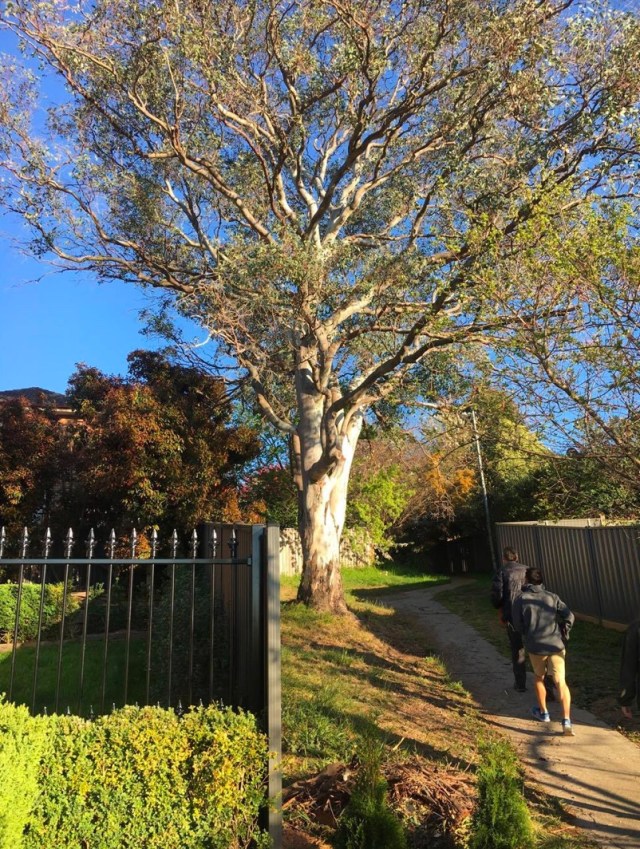
In order to collect useful data that describes the relative importance of older trees in the landscape, at each site we observed bird interactions in young, medium and mature trees. Surveys were conducted in the springtime to correspond with peak bird breeding season and hence bird abundance. Moreover, at each site we would locate trees which were involved in the study (tagged with a nail, however Phil had a surprisingly good memory about the locations of these trees) and recorded various bits of information about the birds which arrived at these trees over a 20-minute period. For example, when a bird landed on a tree we would try and identify its species, the direction in which it came from as well as its departing direction, the bird’s behaviours on the tree (foraging, nesting, or attacking), resources used (live branch, dead branch, angle of branch used, hollows, foliage and seeds), aggressive species interactions as well as the duration of stay. Although it sounds easy enough, this job was actually really difficult. At a mature tree wedged between 2 residential properties in Nicholls (pictured below), we watched an Australian Magpie (Cracticus tibicen) go to town on numerous Indian Mynah birds (Acridotheres trisits) and 2 Wood Ducks (Chenonetta jubata) as it protected its nest. It was almost impossible to record all the interactions that occurred over this period. It was intense!

Urban Tree in Nicholls where a Magpie got really protective of its Nest. Poor Wood Ducks had no idea what they were in for!

Species of Birds we Observed:

Over the course of our field work we observed numerous bird species in the different trees. Below is a list of the individual species we saw at the different sites.

  • Eastern Rosella
  • White-plumed Honeyeater
  • Common (Indian) Mynah
  • Common (European) Starling
  • Noisy Miner
  • Crimson Rosella
  • Striated Pardalote
  • Spotted Pardalote
  • Australian Magpie
  • Galah
  • Noisy Friarbird
  • Pied Currawong
  • Crested Pigeon
  • Wood (Maned) Duck

Preliminary Results and Apparent Trends:

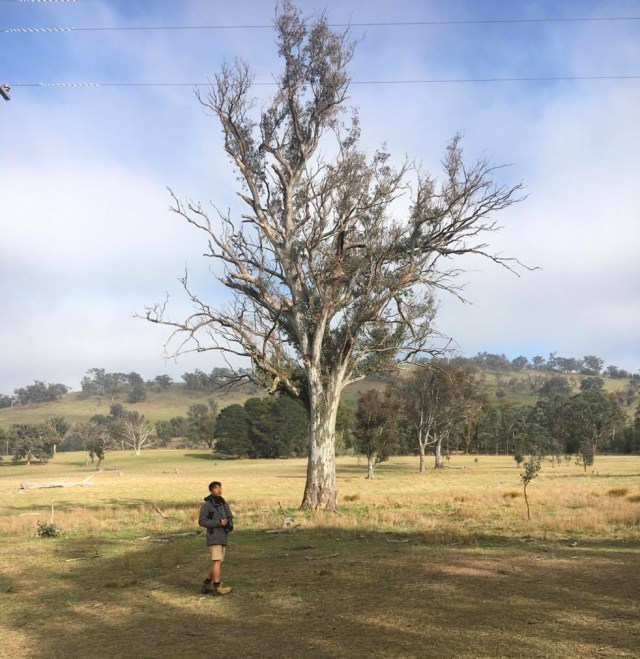
Although the bird survey study is ongoing, the trend in the data, and even on our short visit, is that bird abundance and species richness if far greater on the older trees relative to the younger ones. According to results already published, around 29% of bird species have been exclusively recorded at large trees only (Le Roux et al, 2015). Hollow-bearing trees seemed to attract the largest number of birds; as we observed species such as the Crimson Rosella (Platycercus elegans) and Striated Pardalote (Pardalotus striatus) which would use such hollows for habitat and nesting. Another trend we noticed is that old trees in paddocks with no surrounding trees seemed to do a lot better than those in density populated regions. It is common belief among land holders that trees in isolation are of little value, however results of the study are indicating otherwise. Branch angle  was also a significant variable in the bird surveys. Old trees tend to have a greater number of lower angular tree branches (0 to 5 degrees) relative to younger trees which have steep branch angles (45 degrees and greater). In the field, it was obvious to see that birds could perch much more easily on a branch of 0 degrees compared to one at 45 degrees. Furthermore, tree sites that had a large collection of dead wood at the base of the tree had a positive relationship with biodiversity richness. Phil pointed out, at a Blakely’s Red Gum Tree on the Majura Site (pictured below), that the dead debris on the ground provided a good habitat for many insects which as a flow on effect provided food resources for birdlife. This is another reason why species richness was much higher at the older tree sites.

Blakely’s Red Gum on Majura Site, Biodiversity Mega Tree!

The Future:

What I took away from this experience is that old trees are vitally important for biodiversity. Although it makes a lot of sense, observing this in the field really clarified my understanding. Old trees may look less ascetically pleasing then younger trees however I and a lot of other people value beautiful bird species, such as the Eastern Rosella. Therefore, to stop increasing the list of threatened and endangered species, we need to plan and consider development that keeps mature trees in the both the urban and regional landscape.

Reference List:

Le Roux, D, Ikin, K, Lindenmayer, D, Manning, A and Gibbons, P, 2014. The Future of Large Trees in Urban Landscapes, PloS ONE 9(6): e99403.

Le Roux, D, Ikin, K, Lindenmayer, D, Manning, A and Gibbons, P, 2015. Single Large of Several Small? Applying Biogeographic Principles to Tree-Level Conservation and Biodiversity Offsets, Biological Conservation 191: 558-5566.

Author: Alexander Clark (u5584065)


Posted in biodiversity conservation, Birds, Uncategorized, Volunteer work | 1 Comment

Bird Surveying in Canberra Region


By Arhum Mustafa

As Canberra goes through some rapid urban development, new suburbs are springing up and with this requirements of how these areas should look. Old trees are not aesthetically pleasing; hence they are removed but despite their looks, they host the most abundance of species diversity, specifically regarding bird species for my work experience.

I conducted my work experience with Associate professor Philip Gibbons, a lecturer from the Fenner School of Environment at The Australian National University along with other students from the same course. The experience was based around bird surveying, which contributes to an ongoing research. The research looks at the importance of old, hollow trees for bird species such as the Common myna, European starling, Magpie, Eastern and Crimson Rosellas, and how the removal of these specific trees affect population numbers and biodiversity. The work experience was spaced over 2 days, Wednesday and Thursday of week 9 of the university academic calendar, the timings were from 6 am to 10:30 am both days respectively. The total number of hours worked was 8. It involved doing surveys for 20-minute intervals at different locations across Canberra including Mount Majura, nature reserves, private properties and public spaces. We were tasked with observing specific trees whilst recording the species present during the time. Observations included the bird species, direction it came from, its activity at the tree (e.g. perching, nesting, foraging) and then the direction it left. It was also required to note down the type of branch the bird used, whether it was alive or dead and the size, either small, medium or large.

As part of a conservation project, it links back to some content from the course. One such topic was from week 4, where we looked at threats to biodiversity from habitat loss. As these hollowed trees provide prime habitat for various species, the removal contributes to habitat loss. This forces the birds to relocate to other locations and compete in smaller niche environments, ultimately resulting in certain species to be out competed. One such species is the Currawong, which is one of the most successful urban species in Canberra.


(Picture of a Currawong by Birdlife Australia)


As some surveying locations were on privately owned properties, the idea of privately managing one’s resources and land is something we looked at in week 8 with off-reserve conservation. We visited a private property that week during the practical in which the owner of the property explained what she and her husband do with regards to management of the property and their efforts towards conservation. The work experience gave me an insight of individual’s idea of what conservation is and what they are doing to ensure the safety of the animals living on their property. One such effort is allowing third party groups such as Phil to conduct surveys and monitor the biodiversity hotspots. Another effort is keeping the environment as natural as possible and not disrupting it.

The work experience was good for me, as an aspiring environmentalist who has a passion to make this world a better place and ensure the betterment of all species, it really gave me first-hand knowledge of the work required to do so. Working with Phil, a professional in the field and to see his passion for biodiversity conservation encourages me to pursue my career path. Currently I am in my third year, last semester of my degree, and as an international student from South Africa, I too would really like to create conservation plans and strategies for species back home. Doing this work experience is a great concept and I believe should be a crucial part of many environment courses. Theory teaches us the terms, practicality is where we see these terms in action. So, based on my future career path and current passion, it is safe to conclude that the work experience was quite relevant to my field of study.

Soon, I plan on doing an internship at the African Union in their environment program. One part of this internship is looking at species conservation which exist on the African continent such as chimpanzees, gorillas, lions and several bird species (e.g. Cape Vulture). African Union has adopted some strategies from the United Nations Framework Convention for Climate Change (UNFCCC) to combat environmentally unfriendly actions such as poaching, which has single handedly affected populations drastically around Africa, either to sell prized resources such as ivory in the black market or then for traditional medicinal use. I am hoping that the strategies and concepts I learn in this course will help me develop effective management plans which can be implemented and provide positive results.

I am grateful to Phil Gibbons for giving me this opportunity as it was a great personal experience with a lot of insight and prime knowledge on how to deal with anti-conservation matters.

Posted in Uncategorized | Leave a comment

Monitoring the impact of culling – Noisy Miners in the Southwest slope region of NSW

Sitting in front of the computer and browsing through thousands of photos. This may seem very simple, but it is not a glamorous work. Instead, it is very time consuming and requires a lot of patience because when you look at hundreds and thousands of photos, maybe only a few have captured the target species. I got the photos from Richard Beggs in late August, who is a PhD student at Fenner School, and have been analyzing them since then while now I have finally nearly reached the end.

Photo of a Noisy Miner

Noisy Miners are pugnacious honeyeaters that will chase away other smaller woodland birds that perch in their territories, especially for the potential food competitors. Due to the aggressive behavior, the habitat that with Noisy Miners inhabited are less likely to support other bird species. Although the Noisy Miners usually inhabit in open forest or woodland, it is found that they are well adapted to suburban areas that human modification on landscape have a relatively small impact on them(BirdLife, 2017). At the Southwest slope area of the NSW, farming is dominant and the woodland are clear in patches, creating large number of habitat favorable for the Noisy Miners, and thus encouraging the colonization of the species.

With reference to the aggressive bahaviour and the expanding territories of the Noisy Miners, many conservationists have claimed that the increasing number of this species is the main threatening factor for the decline in small woodland birds in the area, and the general belief is that if regular culling of Noisy Miners is practices, it will help to restore the number of other small woodland birds(Maron et al., 2013).

Photo of a White-winged Chough pecking a nest, which is another nest predator

However, as Noisy Miners is not the only species that have a high sense of defending their territories in the area, there are still uncertainties for the effect of culling Noisy Miners and have a risk of causing the “black swan event”, which the culling of the species may cause advert impacts. For example, the removal of the Noisy Miner may be favoring the predation of other nest predators, which the nests are kept being predated and the population of other small woodland birds cannot be restored.


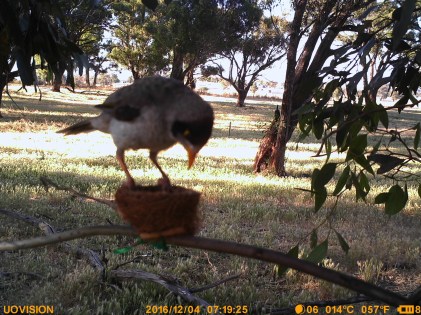
To clarify the impact of culling of the Noisy Miners, Richard have set up cameras to capture the nest predators in the area by placing fake nests and eggs on the branches in the treatment site (with culling) and the control site (without culling), and determined if the removal of Noisy Miners is really helpful in recovering the other small woodland birds or not through the evidence on nest predations. And there goes my work,which is to help him to identify the existing nest predators in the photos!

Photo of Richard setting up the camera

Looks easy? Oh well it is, I can do my photos identification anytime and anywhere I want, and no physical labour needed at all, but it is still a tiring work and I kind of understand why it takes so long to analyze the results of a biodiversity monitoring project after doing this work. It will be an ideal photo of evidence if it clearly shows the predator pecking the nest, but this is always not the case when I am analyzing the photos. In fact, due to the properties of the cameras that it will take photos if anything moves or changes, it is taking lots of photos that literally capture ‘nothing’ but the movement of branches or changes in shades. So, it is quite exciting when I can finally spot any birds on the photos and is able to identify them, and this is the moment that I feel my hard work has been paid off.

Photos that literally capture “nothing”

On the other hand, through analyzing the photos, I realized that the sources of errors are much more than I have expected.  Apart from camera failure, there are quite some photos taken without focusing on the nest as the nests are being altered by the strong wind, or else some of the cameras were set too far away from the fake nest, which makes it very hard to identify the birds. Also, even if the bird is captured quite clearly, it is sometime hard to identify them when they are too close to the camera or the photo is taken under strong sunlight or shaded area.

Photo of a Noisy Miner pecking the nest

Human shapes the environment for their own benefits, and when they realized that their action is destructing the natural ecology, it is also humans that develop management interventions to prevent the situation from worsening. There are different potential consequences of human management intervention to the biodiversity, and we will not know the results unless it is implemented. But in order to minimize the impact of unexpected outcome, detailed monitoring is needed to evaluate the actual effect of the management intervention, and serves as important data for constructing future management approach.

Even the work I did is only a small part of the whole project, I am grateful that I am able to help. The happiest thing after doing this work is that when sometimes I saw a bird on the street, I am able to know the species and delights my day!


U5899911

Vicky Lam

word count: 878


Reference

BIRDLIFE. 2017. Noisy Miner [Online]. Available: http://birdlife.org.au/bird-profile/Noisy-Miner [Accessed 7 October 2017].

MARON, M., GREY, M. J., CATTERALL, C. P., MAJOR, R. E., OLIVER, D. L., CLARKE, M. F., LOYN, R. H., MAC NALLY, R., DAVIDSON, I. & THOMSON, J. R. 2013. Avifaunal disarray due to a single despotic species. Diversity and Distributions, 19, 1468-1479.

Posted in Uncategorized | Leave a comment

Box Gum Grassy Woodland: Doing Something Worthwhile. (By Crystallene Fernando)


A Sunday afternoon offers a host of possibilities: a stroll down the lane, a 12-hour slumber, or maybe it’s just hours of vegging out in front of a television. But there are some possibilities that, I think, are more rewarding than others. This Winter-Spring, I had the opportunity to spend some Sunday afternoons volunteering with Friends of Mount Majura (FoMM) Park Care Group. I joined ongoing volunteer efforts to improve habitat and increase native plant and animal species diversity on the slope of Mount Majura, at a site adjacent to “The Fair”.


Introduction

The site is Box Gum Grassy Woodland (BGGW), an ecological community listed as Critically Endangered under the Federal EBPC Act. This community used to span the Western areas of The Great Dividing Range, Southern QLD, Western NSW, ACT and Victoria. But now, less than 5% remains in good condition, and most of it is small isolated patches which is still being lost to clearing, weed invasion and overgrazing.


IMG_7974

Figure 1: Mount Majura Box Gum Grassy Woodland (Credit: Crystallene Fernando 2017)


Why is Mount Majura BGGW important? It provides important habitat for countless plant and animal species, including declared, rare, and endangered ones like Glossy Black Cockatoo (Calyptorhynchus lathami), Scarlet Robin (Petroica boodang), Swift Parrot (Lathamus discolor), Canberra Spider Orchid (Caladenia actensis) and Hoary Sunray (Leucochrysum albicans), and approximately 250 native plant species (Waltraud Pix, pers comm). If we care about protecting healthy, diverse, ecological communities, then it’s on us to protect them.

This site has suffered a variety of threats over the years. Population and economic growth have caused urban and peri-urban expansion, tourism and recreation industries, that have made their mark: Cattle and sheep grazing, car-racing, horse jumping and horse grazing all once took place on this site (Waltraud Pix, pers comm). This has resulted in direct pressures of land clearing and habitat loss/degradation: local trees and native vegetation were cleared, herbaceous weeds replaced ground-cover plants (native grass and wildflowers), and introduced shrubs and trees replaced the local shrubs.


Transformation

In 2012, FoMM decided to make a change. With years of work, they completely transformed the BGGW, and the story of its transformation is inspiring. In May 2014, the site looked like this:

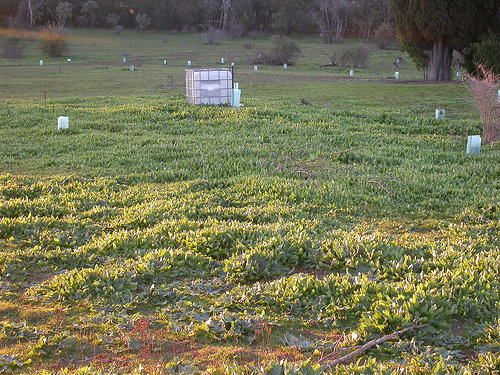
May 2014

Figure 2: May 2014 (Credit: Waltraud Pix 2017)


Dense carpets of weeds, most noticeably Paterson’s Curse (Echium plantagineum). Watch as the site transforms:

june 2015

Figure 3: June 2015 (Credit: Waltraud Pix 2017)

may 2016

Figure 4: May 2016 (Credit: Waltraud Pix 2017)

april 2017

Figure 5: April 2017 (Credit: Waltraud Pix 2017)


1000s of hours of volunteer work, improving ground cover layer by controlling herbaceous weeds, manually loosening compacted soil, spreading wood chip mulch and woody debris, collecting seeds, direct seeding local grasses, and planting wildflowers. And… we have a beautiful woodland with native grass cover and vegetation, fit to support an array of biodiversity.


Now, FoMM work to maintain, and make still-needed improvements to the woodland. Their work basically follows a 3 step method: 1. Weed treatment, 2. Direct seeding native ground cover and planting of tube stock, and 3. Application of a wood chip layer (mulching). I was able to participate in the planting, direct seeding, and mulching elements of this work.


My Experience

My experience began on National Tree Day, 30 July 2017. The day was a blast with a turnout of over 90 enthusiastic volunteers. Together we planted 200 local native trees, shrubs and wildflowers. Most of these were Silver Wattle (Acacia dealbata) that we planted along an eroding gully. The main reason for doing this was that Silver Wattle are perfect for holding soil together, thus preventing further soil erosion. I also planted some Spreading Wattle (Acacia genistifolia), which is known to be excellent bird habitat – previous plantings of Spreading Wattle on Mount Majura have resulted in nests of thornbills (Waltraud Pix, pers comm).


36130058421_5ba169c07a_o.jpg

Figure 6: Planting tube stock on National Tree Day 2017 (Credit: Steve Bittinger 2017)

36130030061_a789e37ca2_o.jpg

Figure 7: Enthusiastic volunteers on National Tree Day 2017 (Credit: Steve Bittinger 2017)

IMG_8072

Figure 8: Bird nest found in Spreading Wattle once planted by FoMM (Credit: Crystallene Fernando 2017)


All wattles and other native plants were planted in islands, with corridors of plantings connecting the islands together, for example along the gully. The intention in doing this was to not plant a forest, and rather to create clusters of habitat, connected to one another. A diagram of this connectivity structure (restricted to three habitat clusters/islands) can be seen in Figure 9. Connectivity is important because in case of any local extinctions, affecting one or only a few of the islands, e.g. disease or fire, species can recolonise in one of the connected unaffected islands. Connectivity is also important to allow for flow of different genes between the islands, thus maintaining genetic diversity.


Connectivity

Figure 9: Connectivity structure (Credit: Crystallene Fernando 2017)


The last step was to apply a layer of mulch/wood chip around each of the plantings. This is done for many reasons, but one of these is that it helps suppress weeds when applied in thick layers, because the weeds are competitors for light and water. Mulch also, when coming into contact with soil and decomposing, activates bacteria which consume nitrogen as it decomposes. This is important because high nutrient-level in soil benefits nitrogen-loving weeds such as Paterson’s Curse, whereas native plants have evolved in and are adapted to nutrient-depleted soil (Australian soils naturally have very low nutrient-levels). So, mulch reduces nutrient-level in the soil, changing a soil environment beneficial to weeds into something less beneficial to weeds (Waltraud Pix, pers comm).


crew copy

Figure 10: The crew with buckets for mulching on National Tree Day 2017 (Credit: Steve Bittinger 2017)


Weekends following, I assisted with more mulching, watering of plants, and also direct seeding of native grass species such as Tall Speargrass (Austrostipa bigeniculata), Corkscrew Speargrass (Austrostipa scabra), Red-leg Grass (Bothriochloa macra), and Wallaby Grasses (Rytidosperma spp). These provide native ground-cover habitat for invertebrates, birds and lizards. Some birds that have so far been found include Speckled Warbler (Pyrrholaemus sagittatus), and a number of woodland birds that forage on ground such as Scarlet Robin, wrens, and thornbills. Lizards found include: Bearded Dragon (Pogona spp), Jacky Dragon (Amphibolurus muricatus), Shingleback (Tiliqua rugose) and a range of little skinks. These grasses also reduce erosion by holding together soil, and provide competitive cover as part of ongoing weed control (Waltraud Pix, pers comm).


speckled warbler

Figure 11: Speckled Warbler spotted in the nature reserve (Credit: Dusty, CNM 2017)


Throughout my weeks on Mount Majura, the project manager of FoMM, Waltraud Pix, and the community volunteers, were a very welcoming and generous group of people. Waltraud in particular was always so helpful, caring and knowledgeable.


My experience taught me many things about BGGW, conserving biodiversity, planting, seeding and mulching. But most of all, it taught me to appreciate the environment around us, and the fact that while many humans continue to destroy it and endanger its many plant and animal species, others work to undo that damage.


References

Click to access box-gum.pdf

https://www.jstor.org/stable/1930910?seq=1#page_scan_tab_contents

Pix, Waltraud, 2017. FoMM Project Manager, ACT, pers comm

http://majura.org/author/waltraud/

Working Party @ The Fair (18/06/2017)


Posted in Uncategorized | Leave a comment

Leaving no rocks unturned- Pink-tailed Worm-lizard (Aprasia parapulchella)

Introduction, habitat and status

A1

Image 1: A. parapulchella can grow up to 24 cm and feeds on the eggs and larvae of ants

Species profile

The Pink-Tailed Worm-Lizard (Aprasia parapulchella) is found in many sites in the ACT region. A. parapulchella are fossorial, and lives beneath stones and burrows that were previously formed by ant colonies, feeding specifically on ants, especially their larvae and eggs (Osborne and Jones, 1995). A. parapulchella are members of the family Pygopodidae (family of legless lizards), and can grow up to 24 cm. In the laboratory, it was observed that A. parapulchella is active during the day and not at night (Wong et al., 2011). They often live on the rocky areas of hillsides and upper slopes of river valleys, and are usually faithful to the same homicide over an extended period of time. A. parapulchella prefers sites that do not have tall shrubs and areas that are commonly covered by native grasses, especially kangaroo grass (Themeda triandra) (Osborne and Jones, 1995).


EPBC status: Vulnerable

The A. parapulchella is listed as a rare and vulnerable species under the EPBC Act, and are included in the Special Protection Status Species in the ACT. There is a high level of difficulty in conserving these species as A. parapulchella are habitat and dietary specialists, and have a low productive rate (Osborne and Jones, 1995). Because it is confined substantially in the ACT region, more funding is allocated by the government to conserve A. parapulchella in this area.

What makes it so vulnerable to decline?

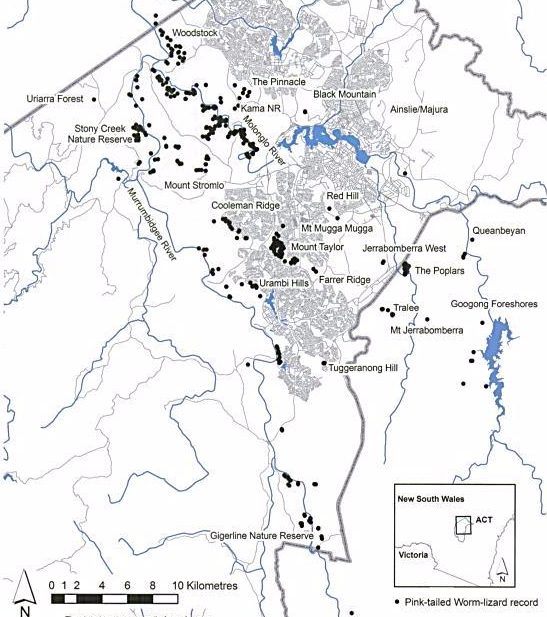
Livestock grazing, cultivation, inappropriate fire regimes and rock removal has contributed to the deteoriation of A. parapulchella rocky habitats. Livestock grazing and pasture cultivation removes the native grass cover of Kangaroo grass (Themeda australis), encouraging exotic weeds such as the African love grass (Eragrostis curvula) which are a hindrance as ants feed on native grasses. Other threats include the Coombs development that is occurring in the Molonglo valley, as there is a large population of A. parapulchella found along the Molonglo River (map 1).

Map 1

Map 1: Distribution of A. parapulchella in the ACT region (Wong et al., 2011)

The reduction of patches resulting from the development of houses may significantly reduce the population size of A. parapulchella, leaving them with small patches that are more prone to patch scale stochastic events such as wild fires. Other threats to the species include climate change, and hence, building corridors for A. parapulchella are useful for them to adapt while moving.

Benefits to biodiversity

Sites that contain the A. parapulchella are found to support a richer reptile fauna, with up to 12 species such as skinks, which lives in the same habitat as A. parapulchella (Osborne and Jones, 1995). Thus, protecting the habitats and islands of the A. parapulchella will increase the number of reptile communities with a similar habitat type.

Field work  

A4

Image 2: Richard, an ecologist with the ACT Parks and Conservation Services (Reinfrank, 2015)

Richard (image 2) was our contact and an ecologist with the ACT Parks and Conservation Services. The survey site is located at Coppins Crossing in the Molonglo Valley, 7.5 km west. Richard shared with us that there are 4 species of Pygopodidae found in the Molonglo reserve, and is home to the highest number of A. parapulchella (map 1).

A3

Image 3: Habitat islands of A.parapulchella

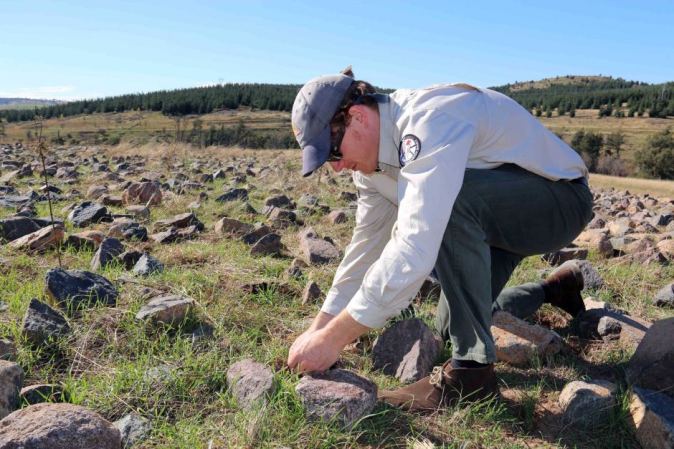
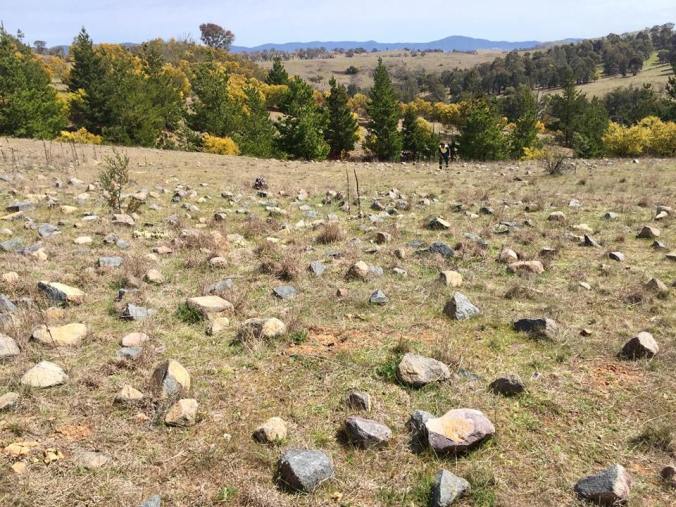
Molonglo reserve was previously fragmented by pine plantation due to the 2003 bush fires, and hence, Richard’s organisation has chosen to construct 11 islands made up of football sized rocks over a span of 4 areas for A. parapulchella to integrate into the new habitats. During the weeks prior to field work, Richard surveyed the other 9 islands and found them to be colonized. Our mission of the day was to identify A. parapulchella on the last 2 islands (image 3). This project started 4 years ago (year 2014).

A5.jpg

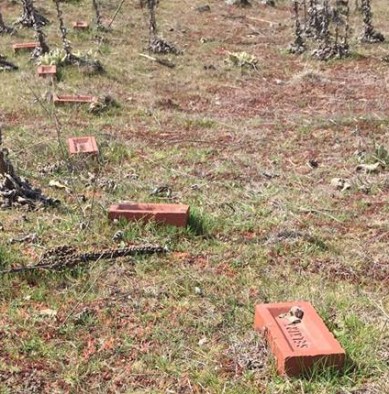
Image 4: Multiple scales are evidence that A. parapulchella has made their homes in the bricks

Before field work began, Richard mentioned that there is a possibility that we might not catch a glimpse of these rare species, and told us to look for their scales that may be stuck to the rocks or bricks instead (image 4). A. parapulchella would shed their skins occasionally, and their skins will last for a few weeks up to a month.

A6

Image 5: My excitement when an A. parapulchella is discovered

The optimal temperature is around 18 to 25 degrees Celsius, and A. parapulchella are rarely found when temperatures exceed 25 degrees Celsius, making it difficult to detect them in the summer. The temperature of the day of field work was 22 degrees Celsius. We started our search for A. parapulchella at 10:40 am, and at around 12 noon, we found our first A. parapulchella. There is often a huge amount of excitement and joy when we chanced upon an A. parapulchella (image 5), after all the hard work of turning over close to 1,000 rocks each.

Rocks or bricks?

A7

Image 6: Red bricks have the closest thermal properties to rocks

Rocks appeared to be a harsh monitoring technique for A. parapulchella as rolling over the rocks could potentially destroy its burrows, and rocks makes it difficult to conduct a survey uniformly. Therefore, Richard and his team developed a low impact monitoring technique by using bricks (image 6) as habitats. Red bricks have the best thermal property aimed at keeping A. parapulchella warm at night and cool during the harsh summers. If successful, bricks could potentially be used as a national monitoring method for A. parapulchella.

Reflection

Are they using their habitat?

A8

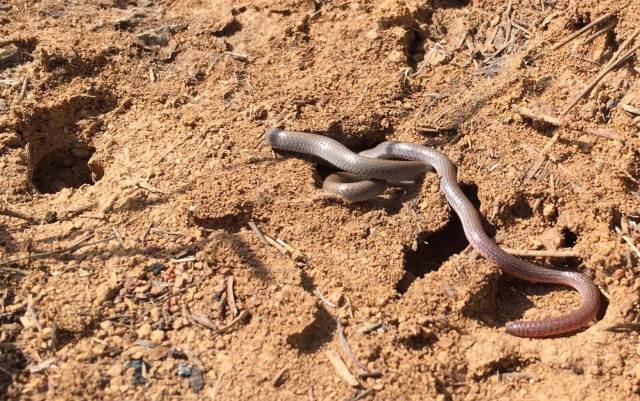
Image 7: A. parapulchella found under a rock

My personal take is that, yes, A. parapulchella are using the rocky habitats and bricks (image 7). These can be observed from the evidence of the scales they shed, and the 6 individual A. parapulchella that we were lucky enough to witness over the span of 2 Fridays. Furthermore, many of the rocks and bricks could be found with termites, larvae and multiple ant species building their nests. These will form a steady supply of food for A. parapulchella. 

One fascinating takeaway was how A. parapulchella could co-habit with ants that it feeds on, and Richard speculates that this might be related to A. parapulchella leaving chemical signals that are desirable for the ant communities.

Other ways of managing A. parapulchella would be having a good fire regime plan in place. Placing rocks in the habitat is a great idea as it reduces the fire fuel load and increases ant occurrence, killing two birds in one stone. Furthermore, A. parapulchella were found to have colonized the restored habitat within one year of treatment (McDougall et al., 2016), proving its effectiveness. Thankfully, any development in Canberra is not allowed to spread over the lizard habitat, allowing these species to thrive for the years to come.

U5901018, Hui Tan 

Dates of field work:

  1. 22 September 2017 10:30 am to 3:30 pm
  2. 6 October 2017 9:30 am to 1:30 pm

Total: 9 hours

Word count: 965 words, excluding in-text citation

References

McDougall, A, Milner, R, N, C, Driscoll, D, A, and Smith, A, L 2016, ‘Restoration rocks: integrating abiotic and biotic habitat restoration to conserve threatened species and reduce fire fuel load’, Biodiversity and conservation, vol. 25, no. 8, pp. 1529-1542, doi: 10.1007/s10531-016-1136-4.

NSW Government 2017, ‘Pink-tailed Legless Lizard – profile’, Office of Environment and Heritage. Available at: http://www.environment.nsw.gov.au/threatenedspeciesapp/profile.aspx?id=10061

Osborne, W, S, Jones, S, R 1995, ‘Recovery Plan for the Pink-Tailed Worm Lizard (Aprasia parapuchella)’, ACT Parks and Conservation Service. Available at: https://www.environment.act.gov.au/__data/assets/pdf_file/0009/576810/Technical_Report_10.pdf

Reinfrank, A 2015, ‘Australia’s largest pink-tailed worm-lizard habitat restoration project underway to save threatened species’, ABC News. Available at: http://www.abc.net.au/news/2015-05-09/pink-tailed-worm-lizard-habitat-restoration/6457362

Wong, D, Jones, S, Osborne, W, S, Brown, G, Robertson, P, Michael, D & Geoffrey, K 2011, ‘The life history and ecology of the Pink-tailed Worm-lizard Aprasia parapulchella Kluge – a review’, Australian Zoologist. 35. 927. 10.7882/AZ.2011.045.

Posted in Uncategorized | Leave a comment