Operation Hollow Guardian

Operation Hollow Guardian

Mission summary

In the early hours of 06 and 18 September 2018, we embarked on a reconnaissance mission led by Dr. Phillip Gibbons. Armed with enthusiasm and a watchful eye, we infiltrated the urban suburbs of Canberra and its surrounding reserves and pasture land via land and vehicular insertion as part of an ongoing 7-year intelligence gathering operation regarding the biodiversity value of trees (different tree sizes in various landscape context).

We were tasked with the critical mission of surveilling the various trees for a duration of 20 minutes (Fischer and Lindenmayer, 2002), to determine identity and abundance of the bird species that came into physical contact with the tree, and their behavior and resource usage. The list of observed bird species is listed in Figure 1 below. Notably, we observed that bird species richness and abundance was higher in larger and more mature trees within urban and paddock landscapes than the trees within the reserves.

BirdsFigure 1. List of birds observed during the work experience.

Mission significance

Canberra’s current population is estimated to be around 411,401 persons and this figure is expected to reach half a million between 2032 – 2033 (ACT Government, 2014). To accommodate for such a parabolic surge in population, the rapid development of new suburbs and its associated infrastructures can be expected, and it appears likely that the “Bush”, due to the nature reserves surrounding Canberra and extensive urban tree cover (Banks and Brack, 2003), within the “Bush Capital”, will be affected.

Traditionally, such activities would encompass the large-scale clearing of existing habitats, including large established trees (Le Roux et al., 2014) and the dominant landscapes within Canberra currently, reserves, pastures, urban parkland and urban-built up areas (Le Roux et al., 2015), can be seen as a reflection of such development practices. However, these practices have led to the extensive (95%) decline in intact Box-Gum Grassy Woodland and its subsequent classification as a critically endangered ecological community (Department of the Environment and Energy, 2018).

Large and mature Eucalyptus trees are being understood as the Centres of Gravity within such a woodland habitat, whose removal can have a disproportionate adverse impact on the flora and fauna that depends on the ecological services it provides (Manning et al., 2006). Examples of such services include tree hollows, which requires approximately 120 – 220 years to form (Gibbons and Boak, 2002), and provides a home for hollow-nesting species as the superb parrot (Polytelis swainsonii) (Manning et al., 2013) and some of the bird identified in Figure 1 above.

Previously, private developers have turned to the planting of multiple smaller trees and artificial nest boxes to offset the loss of such large trees (Gibbons and Lindenmayer, 2007). However, the value of such an approach has yet to be proven (Lindenmayer et al., 2009) while clearance approval for such large isolated trees continues to be granted in non-reserve landscapes (Gibbons et al., 2009).

42424710_1589959331110700_4742064200283586560_nFigure 2. Employing Global Positioning System (GPS) to determine and confirm the location of trees of interest.

Way forward

The intelligence operation conducted over these two days have established the presence and utilization of mature trees by several “High-Value Birds”, which contributes to the broader mission of mature tree conservation. The intelligence gathered will undergo further processing and analysis, and subsequently be produced into a brief (journal paper equivalent), which will be disseminated to policymakers within the government to enact legislative changes and protection. E.g. building code reform that requires developers to preserve and incorporate matures trees into their engineering and architectural plans rather clearing, and long-term forward planning by the government so as to initiate offsets earlier to mitigate concerns surrounding time lag.

42313787_536087536851687_8468859279242166272_nFigure 3. In the field.

References

ACT GOVERNMENT. 2014. ACT Population Projects: 2013 to 2061 (Overview) [Online]. Australian Capital Territory, Canberra: ACT Chief Minister and Treasury Directorate. Available: Here [Accessed 23 September 2018].

BANKS, J. C. & BRACK, C. L. 2003. Canberra’s Urban Forest: Evolution and planning for future landscapes. Urban Forestry & Urban Greening, 1, 151-160.

DEPARTMENT OF THE ENVIRONMENT AND ENERGY. 2018. White Box-Yellow Box-Blakely’s Red Gum Grassy Woodland and Derived Native Grassland in Community and Species Profile and Threats Database [Online]. Canberra: Department of the Environment. Available: Here [Accessed 24 September 2018].

FISCHER, J. & LINDENMAYER, D. B. 2002. The conservation value of paddock trees for birds in a variegated landscape in southern New South Wales. 1. Species composition and site occupancy patterns. Biodiversity & Conservation, 11, 807-832.

GIBBONS, P. & BOAK, M. 2002. The value of paddock trees for regional conservation in an agricultural landscape. Ecological Management & Restoration, 3, 205-210.

GIBBONS, P., BRIGGS, S. V., AYERS, D., SEDDON, J., DOYLE, S., COSIER, P., MCELHINNY, C., PELLY, V. & ROBERTS, K. 2009. An operational method to assess impacts of land clearing on terrestrial biodiversity. Ecological Indicators, 9, 26-40.

GIBBONS, P. & LINDENMAYER, D. B. 2007. Offsets for land clearing: no net loss or the tail wagging the dog? Ecological Management & Restoration, 8, 26-31.

LE ROUX, D. S., IKIN, K., LINDENMAYER, D. B., BLANCHARD, W., MANNING, A. D. & GIBBONS, P. 2014. Reduced availability of habitat structures in urban landscapes: implications for policy and practice. Landscape and Urban Planning, 125, 57-64.

LE ROUX, D. S., IKIN, K., LINDENMAYER, D. B., MANNING, A. D. & GIBBONS, P. 2015. Single large or several small? Applying biogeographic principles to tree-level conservation and biodiversity offsets. Biological Conservation, 191, 558-566.

LINDENMAYER, D. B., WELSH, A., DONNELLY, C., CRANE, M., MICHAEL, D., MACGREGOR, C., MCBURNEY, L., MONTAGUE-DRAKE, R. & GIBBONS, P. 2009. Are nest boxes a viable alternative source of cavities for hollow-dependent animals? Long-term monitoring of nest box occupancy, pest use, and attrition. Biological Conservation, 142, 33-42.

MANNING, A., GIBBONS, P., FISCHER, J., OLIVER, D. & LINDENMAYER, D. 2013. Hollow futures? Tree decline, lag effects, and hollow‐dependent species. Animal Conservation, 16, 395-403.

MANNING, A. D., FISCHER, J. & LINDENMAYER, D. B. 2006. Scattered trees are keystone structures–implications for conservation. Biological conservation, 132, 311-321.

Written by: U5992108

Posted in Australian birds, biodiversity conservation, Birds, Paddock Trees | 1 Comment

The Dirty Truth about Recreational Use

Just after sunrise on Monday the 17th of November, myself and fellow student Nicholas Marin Correa headed out to ACT Parks and Conservation Service Stromlo depot for a day with the rangers. The journey out to the depot was quick, as we both sat there excitingly predicting the different jobs we may get to assist the rangers with. What our morning consisted of however could not have been predicted. Cleaning toilets, picking up rubbish and cleaning BBQ’s. We did this, no joke, for over 4 hours. We would drive to a campsite/recreational area, get out, clean the toilets, pick up all the rubbish, give the BBQ’s a scrub and then move onto the next site. It sounds like the rangers just picked the ‘shittest’ jobs and gave it to the two volunteers, right? Well this is a standard Monday procedure for the whole depot- get out there and clean up the mess recreational users had left from the weekend. It seemed a bit outrageous that these jobs were left to the rangers. After asking Darren (senior ranger) why they bothered doing these jobs. He simply replied with “because we care. If we don’t who will?” (Roso, 2018). And he was right, someone must do these jobs to keep human influence at a minimum.

At lunch, Nicholas and I were discussing the underwhelming morning we had just experienced. We even got to the point where we were considering doing another work experience as we didn’t think we were doing anything related to biodiversity conservation. After discussing and analysing the impact humans had on the environment, we realised that the work we were doing was in some way biodiversity conservation. As we have learnt throughout lectures this semester, loss of habitat due to human influences has many negative impacts on biodiversity. This was further demonstrated to us in the afternoon, where we got to do something interesting.

The Cotter Cave is an extremely important and unique ecosystem. Inside, the survival of the bent-winged bat is threatened due to disturbance from recreational users (The Canberra Times, 2018). After consultation with experts about the biodiversity significance of the cave, the entrance was gated and locked several decades ago (Roso, 2018). Every so often though, the rangers will inspect the cave and find that several bars have been grinded off, so access could be gained. This happened last week, with two bars disappearing and rubbish being found inside the cave. Our job this afternoon, was to assist the rangers in welding new bars back onto the cage, with further reinforcement to prevent it occurring again (figures below). I was shocked by the effort people had gone through to access a site that had obviously been blocked for conservation purposes.

Reflecting on my experiences from the day, it was quite confronting seeing the influence humans are indirectly (rubbish etc.) and directly (break and entering conservation sites) having on our natural environment. It also made me aware of how complex biodiversity conservation issues can be, with many different management approaches required.

References

Harry Andrews (u5562309)

Posted in Uncategorized | 1 Comment

Reconnecting with nature at Tidbinbilla

Accompanying the wildlife rangers in their daily rounds struck me as a similar system to a commercial farm. I found myself performing familiar tasks such as when I’m helping out Dad on our sheep and crop farm in Inverleigh; feeding out hay, jumping out the ute to get the gates, feeding animals, cleaning water troughs and checking the electric fences. Since moving from rural Victoria to Canberra to study at ANU, its outdoor experiences like these that I’ve missed. After escaping the concrete jungle of ugly new apartments along cotter road, the landscape changed into familiar farmland passing cattle and sheep properties. This then changed into pine forests and then eventually the marvellous hills encompassing Tidbinbilla Nature Reserve.  However, unlike a commercial farm I grew up on which manages the land and raises introduced species to derive profit, Tidbinbilla has been managed since 1971 for conservation and native species are recognised for their intrinsic value, which I saw many visitors appreciating during the day (Neuve 1989).

The wildlife rangers sweet ride to do the rounds, a step up from the quad bikes we ride on the farm


Conservation of species has become a major focus of the reserve, especially for three species. These are the Corroboree Frog, Brush-tale Wallaby and the Bettong, which were critically endangered before a successful breeding program was conducted (ACT Government 2017a). The captive populations have now been able to release and transport species to other locations around Australia. For example, one of the Brush-tale’s which I helped catch will be flying to its new home at Wildlife HQ, a zoo in Queensland. However, my discussions with the rangers raised concerns that our conservation efforts are bitter-sweet. They expressed their confliction that in order to save the species the breeding program requires captive populations, such as the wallabies to be kept in enclosures when really they would love to see them hopping free in the wild.

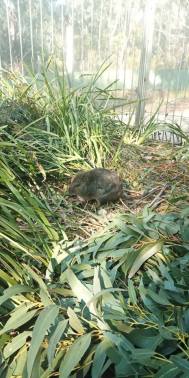
A Brush-tailed Rock-wallaby in her enclosure


This provoked me to think about at what point species are worth saving and when it is better for nature to take its course? Without addressing the drivers of their extinction will these species simply become extinct in 50 years time? But the delight I felt later in the afternoon when I saw a long-nosed potoroo for the first time, challenged the thought of ever giving up on species. I was surprised that I had never heard of this species, however further research explained that the endangered population has suffered since European settlement especially due to predation by introduced species (Norton et. al. 2010).

My first sighting of a long-nosed native potoroo


I also couldn’t help adoring over the Koala’s, especially the little joey which allowed us to discover he was a male while I visited. This meant he can now be given a name from a list of indigenous names the wildlife rangers have been provided with. This is a contemporary way to maintain links to indigenous heritage and educate visitors of its significance. Maintaining this cultural connection to the Ngunnawal people of the Canberra region is another important purpose of the reserve, reflected in its name as Tidbinbinbilla is derived from Jedbinbilla meaning ‘where boys were made men’ (ACT Government 2017b). Reflected in its name Tidbinbilla – which is derived from Jedbinbilla, meaning ‘where boys were made men.’

The little male joey I met peaking out from between the gum leaves while clinging onto his mother

Reflecting on my day at Tidbinbilla, I’ve developed a greater understanding of diverse values the park can hold for both people and nature, and the pivotal management role of rangers to ensure its perpetuity. While governments focus on development to improve humans living standards, it seems much more value can be restored by funding conservation and the maintenance of heritage in our remaining natural landscapes. This notion is supported by Wilson’s (1984) biophilia hypothesis and studies since which have found experiences with nature enhance human wellbeing (Molsher & Townsend 2016; Sandifer et. al. 2015). Whilst land clearing and degradation continues to threaten biodiversity, simultaneously the increasing number of protected areas now reaching 15% of total land mass provides a sense of hope (Protected Planet 2017).


References:

ACT Government 2017a, Tidbinbilla, available at https://www.tidbinbilla.act.gov.au/learn/tidbinbilla (accessed 17 Sept. 2018)

ACT Government 2017b, Aboriginal connections to Tidbinbilla, available at https://www.tidbinbilla.act.gov.au/learn/tidbinbilla/aboriginal-connections-to-tidbinbilla (accessed 17 Sept, 2018)

Molsher, R. & Townsend, M. 2016, “Improving wellbeing and environmental stewardship through volunteering in nature”, EcoHealth, vol. 13, no. 1, pp. 151-155.

Neuve, H.M., Neave, H.M. & Tanton, M.T. 1989, “The effects of grazing by kangaroos and rabbits on the vegetation and the habitat of other fauna in the Tidbinbilla Nature Reserve, Australian Capital Territory”, Australian Wildlife Research, vol. 16, no. 3, pp. 337-351.

Norton, M.A., Claridge, A.W., French, K. & Prentice, A. 2010, “Population biology of the long-nosed potoroo (Potorous tridactylus) in the Southern Highlands of New South Wales”, Australian Journal of Zoology, vol. 58, no. 6, pp. 362-368.

Protected Planet 2017, Increased Growth of protected areas in 2017, available at https://www.protectedplanet.net/c/increased-growth-of-protected-areas-in-2017 (accessed 17 Sept. 2018)

Sandifer, P.A., Sutton-Grier, A.E. and Ward, B.P., 2015. Exploring connections among nature, biodiversity, ecosystem services, and human health and well-being: Opportunities to enhance health and biodiversity conservation. Ecosystem Services, 12, pp.1-15.

Wilson, E. 1984, Biophilia. Cambridge: Harvard University Press. ISBN 0-674-07442-4.

Posted in Uncategorized | 1 Comment

Tidbinbilla Nature Reserve

During my work experience at the Tidbinbilla Nature Reserve I was exposed to a variety of areas from working with the wildlife team, rangers and other volunteers. To start the day, I assisted the wildlife team with their captive breeding program of the critically endangered Brush-tailed rock-wallaby (Petrogale penicillata). With 40 only left in the wild, this program is very important as it makes up 70% of the captive breeding population in Australia. What I found particularly interesting about this program is their cross-fostering technique. This technique is used to increase the reproduction rate by removing the joeys from their mother and pairing them with a foster mother of a similar species like the yellow-footed rock-wallaby. In doing so, the effort required by the mother to nurture her young is eliminated and the energy is spent elsewhere in reproducing more offspring.

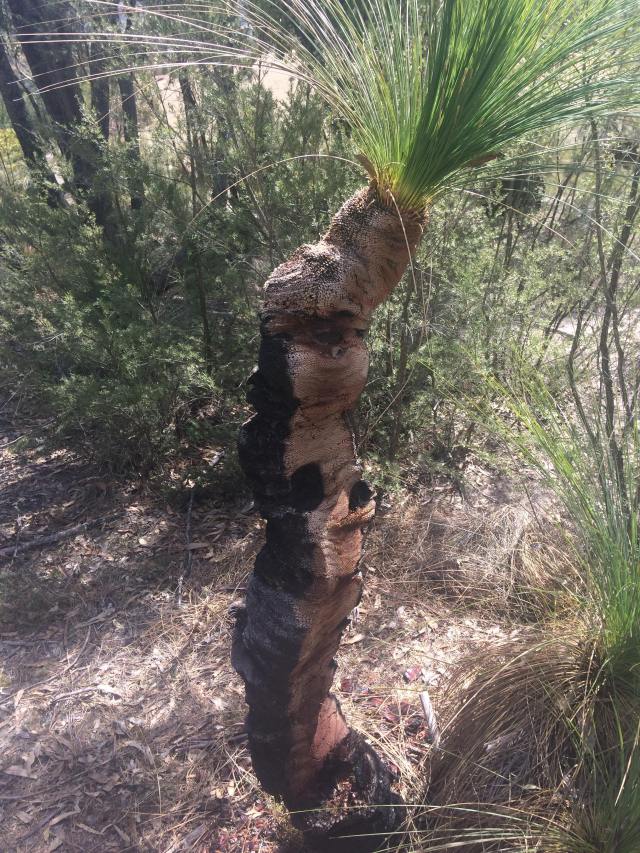
Upon returning to the depo, I then sat in on a presentation from a year 10 student from Daramalan College, on the topic of grass trees. These trees are very interesting as like any other tree you can decipher the age of the tree and the certain environmental events by looking at its interior. By using a hacksaw and other instruments a quarter of the tree is cut back, exposing the inside without compromising the health of the tree as the core of the tree remains intact. From this you can then see the age of the tree by counting the black lines between the layers. In the reserve these trees only grow on average 1-1.5cm per year, making them 100s of years old. You can also decipher the year upon which certain bushfire events occurred. This is made evident as the trees produce resin over the top of the tree, causing deformities such a change in direction of growth or creates multiple stems.

A typical grass tree in the reserve

Close up of a grass tree, showing the distinct black lines between layers

After the presentation, I then set out with aboriginal rangers to go look at these trees at the reserve. As I was talking to the rangers and looking at the trees, it was very evident that these trees had strong ties with the indigenous populations, as they showed me how to make glue from the resin produced by the trees. We were also able to observe certain bushfire events in the mid 1900’s as the trees were very distorted and grew in odd shapes.

To finish the day, I set out with a volunteer, wildlife officer and another ranger called Rocky. Here we moved a temporary koala enclosure to a different area of the reserve to welcome a new koala. Made up a series of star pickets and large plastic fence sheets we enclosed a series of trees to create enough habitat for the koala.

The work undertaken at the reserve places a huge emphasis on conservation as shown through their work with the koalas and the wallabies. I would like to thank the team at the Tidbinbilla Nature Reserve, especially John Freeman for organizing my work experience and providing me with the opportunity.

Brody Caddis, u6047601

All Photos by Brody Caddis

Posted in Uncategorized | 1 Comment

How Can We Save the Regent Honeyeater?

By Jack Stodart

The regent honeyeater (Anthochaera phrygia) is a critically endangered bird endemic to eastern Australia. Over the last few decades, there has been a dramatic decline in the populations of the regent honeyeater. Two of the most significant threats to the species are habitat loss and attacks from other birds, particularly noisy miners (Manorina melanocephala).

ANU PhD student Ross Crates is investigating these two threats and working on solutions. Over three days in September 2018, I assisted Ross with his research and learned how we might save the regent honeyeater.

fullsizeoutput_1ff4

Ross Crates and fellow student Courtney Webber identify birds by their calls.

Tackling noisy miners

Adjacent to the Goulburn River National Park in eastern NSW is a biodiversity offset site purchased to offset a nearby coal mine. In one section of the property, noisy miners have been culled, and at another section they have been left. We surveyed bird species in the control and treatment sections to see whether culling noisy miners was leading to greater abundance and diversity of other bird species.

So far, the culling appears to have been highly successful, both for the regent honeyeater and several other native songbirds. Ross has also found that after culling, the noisy miners are slow to return, providing longer protection for other birds.


Restoring habitat

Restoring habitat is unfortunately not as easy. Regent honeyeaters require a few important habitat features.

Yellow box blossom (Eucalyptus melliodora) is a critical food source, providing long flowering periods and ample nectar. Mugga ironbark has been shown to be correlated with higher habitat selection by regent honeyeaters. The blossom of various species of mistletoe also supply nectar. However, some species of mistletoe have been dying off to some degree, particularly Amyema cambagei, which grows on river she-oak (Casuarina cunninghamiana subsp. cunninghamiana). Regent honeyeaters also often breed and nest in river she-oak along river banks.

Left: Bare downward-pointing branches of dead mistletoe on a river she-oak. Right: Natural river she-oak regeneration in the Goulburn River.

This offset site, previously a grazing farm, is somewhat typical of the region. Hilltops have remained densely wooded, but flat areas around the river have been highly cleared. Unfortunately, the river flats are where most of the yellow box and mugga ironbark occur.

The goal is to revegetate these flats with yellow box and other species that would have naturally occurred there, and that provide suitable habitat for regent honeyeaters as well as a host of other threatened native birds. Fortunately as well, we saw that there has naturally been strong recruitment of river she-oak along the river banks in the offset property.

Left: Tree plantings at the Capertee Valley National Park. Right: River flats at the offset property that Ross hopes can be replanted.

The good news is that if these areas can be revegetated, the noisy miners are not likely to return. Noisy miners are ‘edge specialists’, adapted to living on the boundaries of wooded areas or along open river banks, near open scrub or grassland. By reducing the area of ‘edge’ woodland, we may also be able reduce competition and attacks from noisy miners.

The even better news is that by protecting the regent honeyeater, we are also protecting threatened tree species and myriad other native birds. While we didn’t spot any regent honeyeaters this time, we did see speckled warblers (Chthonicola sagittata), brown treecreepers (Climacteris picumnus victoriae), and even a spotted harrier (Circus assimilis), all of which stand to benefit from Ross’ research.


All photos: Jack Stodart

Posted in biodiversity conservation, Birds | 1 Comment

Agriculture or Biodiversity Conservation: Do We Need To Choose?

As the world’s human population reaches 7.6 billion people[i], it is striking to consider the sheer magnitude of the agricultural practices that are required to keep up with feeding this expanding population. Increased land clearing to accommodate large-scale, commercial agriculture poses a considerable threat to the biodiversity of native flora and fauna and is a significant driver of their decline[ii]. Habitat fragmentation is a key pressure involved in the loss of biodiversity. This is due to the fact that populations may become isolated with no gene flow occurring between the different groups, allowing for an increased rate of inbreeding along with lower rates of reproductive success[iii]. Habitat fragmentation also prevents populations from recolonizing areas that have been subjected to localised extinction, limiting the abundance of the species[iv]. Butler et al. (2007) also suggest that habitat fragmentation drastically affects specialist species, as they are heavily dependent on unique niches[v]. This leaves us with a tricky question: do we have to choose between maintaining productive agriculture or conserving biodiversity? My answer is no.

Compromise is key

Jeggaline, a farm located just outside of Tharwa, A.C.T. Image source: Sophie Bean

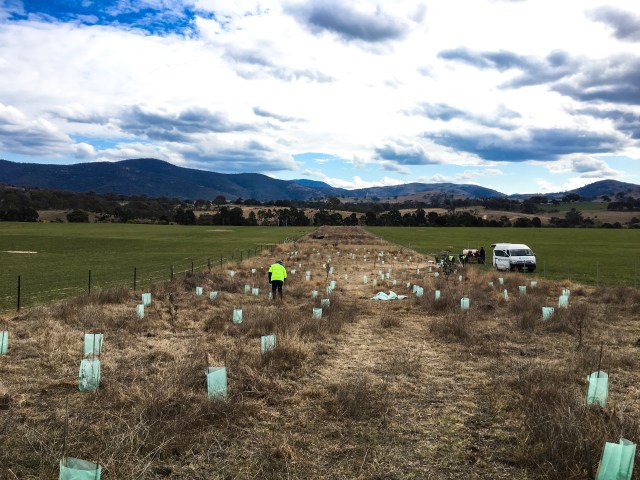
I had the pleasure of volunteering in a conservation project that directly addressed the problem of maintaining biodiversity in areas of high agricultural density. Jeggaline, a farm located just outside of Tharwa, A.C.T, is making significant progress in addressing farmland conservation issues and are working closely with A.C.T Parks Rangers and conservation volunteers to show that a compromise can be struck between farmers and conservationists. Here, the farmers have put aside valuable farmland in order to create large wildlife corridors that will accommodate the movement of fauna across the agricultural landscapes. During my time at the site, we planted over 160 seedlings that comprised of species native to the area such as Red-Stem Wattle, Apple Box, Red Box, Yellow Box and Blackwood. This project will provide key pathways for threatened species such as the Scarlet Robin (Petroica boodang) and Speckled Warbler (Pyrrholaemus sagittatus) to navigate their way to adjacent habitats using native floral environments. This will hopefully allow successful gene flow to occur between populations within the species and increase their genetic rusticity, as well as increasing their access to a wider range of food and shelter.

Jeggaline Wildlife Corridor. Image Source: Sophie Bean

Reflecting upon my time in the field and my familiarity of biodiversity conservation issues, I think that agriculture and conservation can reach a compromise. Although it may not be an idyllic situation for either party, it is possible to find a position where fundamental needs may be met for both agriculturalists and native species. I believe that biodiversity has a strong chance at being preserved by eliminating habitat isolation and increasing the corridors through which the animals can move. Jeggaline was a clear example of the great work people are doing to protect and conserve biodiversity with a minimal amount of interference on vital agricultural practices.

I’d like to thank Brian from Conservation Volunteers, the farmers at Jeggaline and Ranger Brian from A.C.T Parks for allowing me to take part in this project and gain first hand experience in vital conservation issues.

Blog Written By: u6102723

References

[i] Current World Population. Worldometers. Accessed on 3/09/2018 at 6:08pm at: https://www.google.com/url?sa=t&rct=j&q=&esrc=s&source=web&cd=4&cad=rja&uact=8&ved=2ahUKEwj-r5zEsJ7dAhXZ7GEKHedEDcsQFjADegQICxAL&url=http%3A%2F%2Fwww.worldometers.info%2Fworld-population%2F&usg=AOvVaw2aa5LDgvtdSVuTtXE2JGkz

[ii] Butler, S.J., Vickery, J.A. and Norris, K., 2007. Farmland biodiversity and the footprint of agriculture. Science, 315(5810), pp.381-384.

[iii] Fahrig, L., 2003. Effects of habitat fragmentation on biodiversity. Annual review of ecology, evolution, and systematics, 34(1), pp.487-515.

[iv] Opdam, P. and Wascher, D., 2004. Climate change meets habitat fragmentation: linking landscape and biogeographical scale levels in research and conservation. Biological conservation, 117(3), pp.285-297.

[v] Butler, S.J., Vickery, J.A. and Norris, K., 2007. Farmland biodiversity and the footprint of agriculture. Science, 315(5810), pp.381-384.

Posted in biodiversity conservation, Birds, Restoration ecology, Volunteer work | 1 Comment

5am starts win wallaby hearts.

Driving into the Tidbinbilla Nature Reserve I found my usually hectic speeds slowed considerably to account for the wildlife ambling across the road. Sitting on the northern edge of the Australian Alps, Tidbinbilla houses some of the last remaining breeding populations of the critically endangered Brush-tailed rock-wallaby (Petrogale penicillata). The most recent data suggests there are only 40 Brush-tails left in the wild with the population at Tidbinbilla making up 70% of the total captive breeding population (ACT Government, 2017). Out competed in their dwindling home ranges and hunted to near collapse by introduced species the Rock-wallaby is in dire straits.

Figure 1. Jed and I. Misplacing my phone in the breeding enclosure meant the day went mostly undocumented. With the exception of a few happy snaps taken by Jade (Fountain 2018).

Wildlife officers start early and at 7.30am Jade and I rolled out to the breeding enclosures where the Yellow-foot (Petrogale xanthopus) and Brush-tailed rock-wallabies were housed. As we cleaned the enclosures, Jade talked about the effective but discontinued surrogacy breeding program. This program involved the transferal of week old Brush-tail joeys into the pouches of lactating Yellow-foot mothers. This doubled the Brush-tail’s reproductive capability however, in order to do this the Yellow-foot’s joey had to be euthanized (Schultz et al 2006). Whilst this practice has been discontinued the breeding at Tidbinbilla is still heavily managed with mating pairs systematically chosen to produce the most genetically viable offspring.  Since 2010 Tidbinbilla has reared 72 joeys with 26 being released into the wild to repopulate areas of Victoria (ACT Government, 2017).

Despite Tidbinbilla’s efforts, repopulation will not prevent extinction without addressing the key drivers; predation and habitat loss. Short et al (1992) found that almost all reintroductions of small macropods on mainland Australia ended in failure due to predation or poor management post reintroduction. Effective predator control is therefore essential, yet Claridge et al (2010) found that alone this did not result in a consistent increase in native populations. For example bandicoots at the Ben Boyd national park declined in response to fox baiting whilst possum numbers increased (Claridge et al 2010). These inconsistencies draw attention to the elephant in the room, habitat loss. The home range of the Brush-tails is declining and degrading due to anthropogenic influence (Australian Government, 2008). Reintroduction sites need to be carefully chosen to fall within the species original home range whilst allowing easy access to manage predators and pests (Short et al 1992). Finally the population needs to be large enough to avoid the risks associated with small populations when released (Kingsley et al 2012). Thankfully the team at Tidbinbilla are well aware of this and aim to have a population of 70 Brush-tails before attempting reintroduction.

The work being done at Tidbinbilla is tremendous and does not stop with Brush-tails. The wildlife officers work daily on a variety of species but with the same goal, conservation. I cannot thank the team enough for the opportunity to work beside them and see up close the strategies used to save these charismatic creatures.

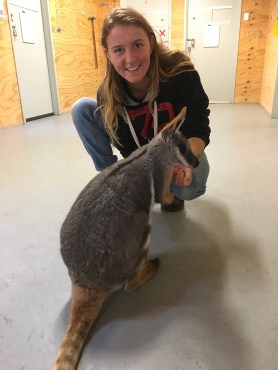
Figure 2. Lily, a Yellow-foot rock-wallaby, and I bonding over nibbles (Fountain 2018)

Verity Carscadden.

References:

ACT Government (2017). ‘Endangered Species Breeding Programs’. Viewed 02/09/2018. <https://www.tidbinbilla.act.gov.au/learn/tidbinbilla/endangered-species-breeding-programs>

Australian Government (2008). ‘Brush-tail rock-wallaby – Petrogale penicillata’, fact sheet. Viewed 02/09/2018. <http://www.environment.gov.au/biodiversity/threatened/publications/brush-tailed-rock-wallaby-petrogale-penicillata >

Claridge. A, Cunningham. R, Catling. P & Reid. A (2010). ‘Trends in the activity levels of forest-dwelling vertebrate fauna against a background of intensive baiting for foxes’, Forest Ecology and Management, vol. 260, no. 5, pp. 822- 832.

Fountain. J (2018). ‘Verity + Lily’. JPG.

Fountain. J (2018). ‘Verity + Jed’. JPG.

Kingsley. L, Goldizen. A & Fisher. D (2012). ‘Establishment of an endangered species on a private nature refuge: what can we learn from reintroductions of the bridled nail-tail wallaby Onychogalea fraenata?’Oryx Cambridge, vol. 46, no. 2, pp. 240-248.

Schultz. D, Whitehead. P & Taggart. D (2006), ‘Review of Surrogacy Program for Endangered Victorian Brush-Tailed Rock Wallaby (Petrogale penicillata) with Special Reference to Animal Husbandry and Veterinary Considerations’, Journal of Zoo and Wildlife Medicine, vol. 37, no. 1, pp. 33-39.

Short. J, Bradshaw. S, Giles. J, Prince. R & Wilson. G (1992). ‘Reintroduction of macropods (Marsupialia: Macropodoidea) in Australia – A review’, Biological Conservation, vol. 62, no. 3, pp. 189-204.

Posted in Uncategorized | 1 Comment

A Koalaty Day at Tidbinbilla

On Tuesday, just as Spring had sprung, and with it a refreshing burst of sunshine, I was fortunate enough to spend the day at Tidbinbilla Nature Reserve, with wildlife officers who had some real koalafications (pardon the pun).

Tidbinbilla Nature Reserve, south of Canberra’s city centre, is home to a range of native Australian wildlife, who are well looked after by the Tidbinbilla team.

I got to experience the ins and outs of what wildlife officers at this reserve do, from feeding potoroos, snakes and Corroboree frogs, to cleaning the enclosures of Southern Brush-Tailed Wallabies and Eastern Bettongs. The highlight of my day, however, were the koalas.

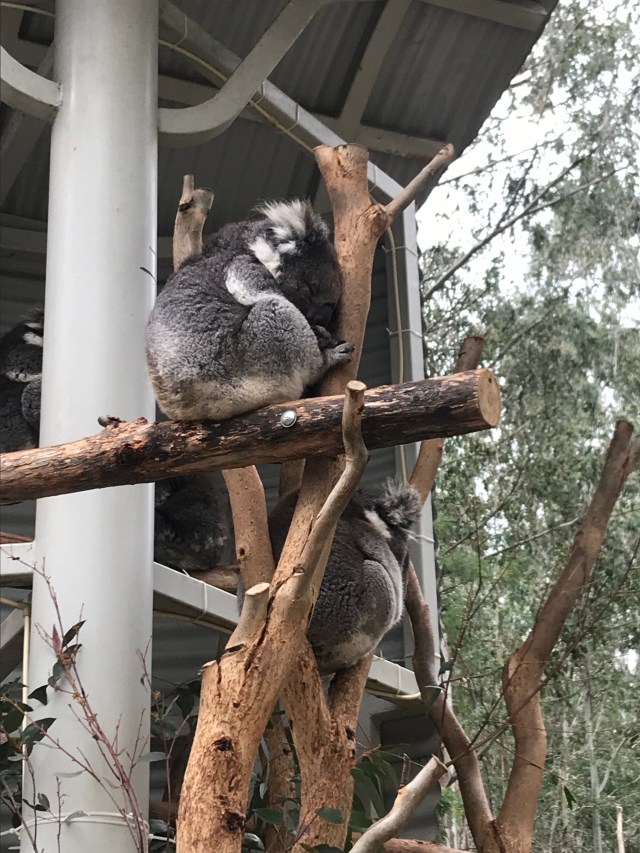
Tidbinbilla is home to many cute koalas, including Malu, Jed and Yellow, who reside in the koala breeding enclosure. They are a part of the wildlife management and protection program here.

One of the koalas in the koala breeding enclosure

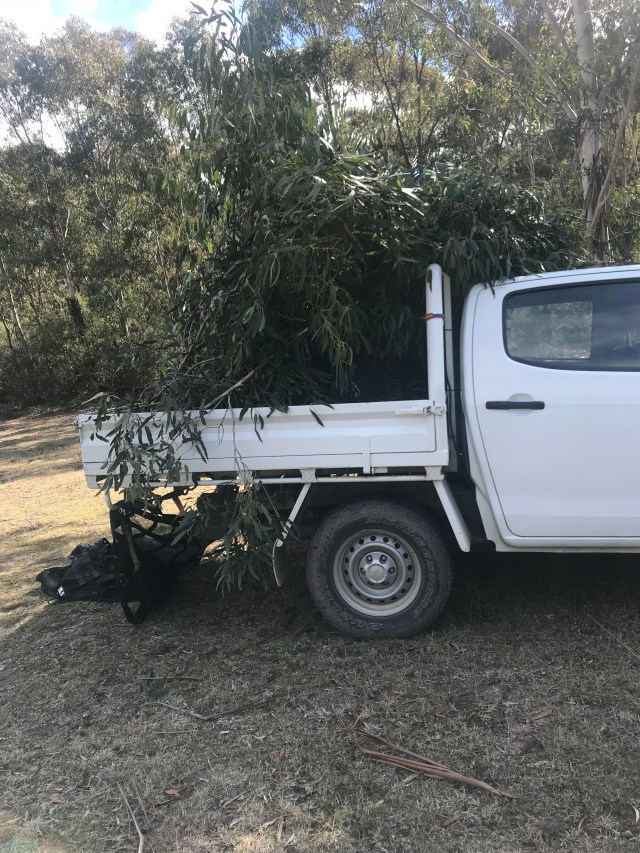
Just before lunchtime, I joined one of the wildlife officers in her rounds of the Koala enclosure, situated in the Eucalypt Forest. We started by collecting branches of fresh Eucalyptus trees, ensuring that they were of the highest quality (because as it turns out, koalas are quite fussy eaters). Upon arrival at the enclosure, we replaced the old branches with our new ones, spraying them with water to keep them fresh. After this, we cleaned the mess that the koalas had made, leaving their home in a spick-and-span condition.

We then joined with the rest of the team to stock-up on brush and branches for the animals for the rest of the week. We loaded these into the truck, then took them to storage for later use, knowing that the koalas would enjoy it.

Food stock we loaded onto the truck

Sadly, however, not all koalas are fortunate enough to have a constant supply of fresh, healthy Eucalyptus leaves. Despite being one of Australia’s most iconic animals, koalas are in danger. Whilst not being listed as endangered, they are listed as vulnerable in the ACT. This is due to extensive habitat loss.

Habitat loss is a key threat to koalas

Since European settlement around 80% of Australia’s Eucalyptus forest has been removed. This has placed increasing pressure upon koala populations. Their demographic structure has been altered due to displacement, as they need to find new home ranges, and this often leads to the death of a population.

Koalas are hence ending up in isolated, small, fragmented land patches, far away from other populations. The combination of these pressures also increase their risk of stress-induced disease, dog attacks and car accidents.

Another significant issue is tree dieback. Land degradation and habitat loss is causing the species of trees that koalas eat from to gradually die, as their forests become too patchy and isolated.

Tidbinbilla’s koala enclosure allows for a population of koalas to safely persist, free from the threats experienced by wild koalas. Koalas are bred here, with the babies being released into a larger 17 hectare forest after around 12 months. This mimics the wild environment whereby koalas leave their mothers to make short journeys to find their own home range, and learn to forage for themselves. I got to see one baby koala in the enclosure, who will be released into the forest in two weeks.

Jed snuggled in his enclosure

As I headed home from this day of work experience, watching the sun set and Tidbinbilla slowly disappear behind me, I realised that such conservation programs are vital in ensuring that species, like the koala, get a fighting chance of survival despite the odds against them.

By U6052880

Thank you to the Tidbinbilla Wildlife Officers Hannah, Rachael and Nicole for giving me this opportunity.


Posted in Uncategorized | 1 Comment

CONSERVATION OF THE SOUTHERN BRUSH-TAILED ROCK WALLABY AT TIDBINBILLA NATURE RESERVE

By u6057614

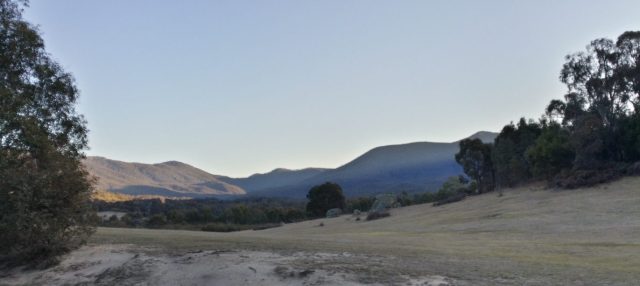
Beautiful views within Tidbinbilla Nature Reserve attract many tourists each year

Many locals and tourists make the one-hour drive from Canberra to Tidbinbilla Nature Reserve on a regular basis to enjoy the extensive range of educational and fun natural experiences offered within the park including wildlife viewing, bushwalking, bike riding and picnicking.

These recreational sites are concentrated around the Tidbinbilla visitor centre and offer a diverse range of biodiversity to explore.

Popular bird watching spot in Tidbinbilla recreational area

While this area of the park is important for public education and promotion of biodiversity values, there is a large hidden area of Tidbinbilla that many don’t get to see.

Earlier this month, I was lucky enough to go behind the scenes to explore this hidden part of the reserve where tremendous effort is being put into conservation programs to preserve important threatened species which contribute to global and national declines in biodiversity.


The Plight of the Brush Tailed Rock Wallaby

The brush-tailed rock-wallaby (Petrogale penicillate) has been listed as Vulnerable under the federal Environment Protection and Biodiversity Conservation Act (EPBC) 1999.

This listing can be attributed to the species’ declining population as a result of three key pressures including:

  1. Habitat loss largely as a result of land clearing
  2. Increased competition for food resources with animals like feral goats, sheep and rabbits
  3. Predation by the European Fox.

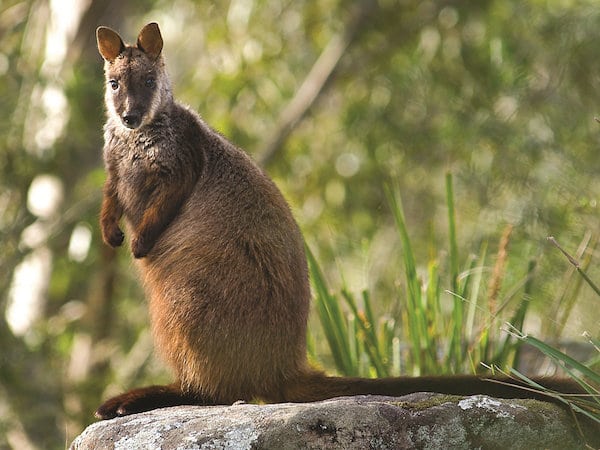
The population of the southern brush-tailed rock wallaby, in particular, has seen a great decline. It was estimated in 2015 that there were only 80 left in the world, both in captivity and in the wild. Of the captive population, Tidbinbilla is home to 70% of the species.

The threatened Brush-tailed rock-wallaby (Image source: Friends of the brush tailed rock wallaby)


Tidbinbilla Breeding Program

During my work experience at Tidbinbilla I visited the captive breeding centre for the southern brush-tailed rock wallaby which was established in 1996 as part of the national recovery breeding program between a number of agencies across south-eastern Australia.

While the work experience was an amazing opportunity to get up close and personal with the threatened species, cleaning their enclosures and preparing their food, I found the opportunity to talk to one of the wildlife officers equally as valuable.

I was able to gain a great insight into breeding and assisted reproduction programs often used within biodiversity recovery plans.

Food preparation area in breeding centre

Cross-fostering

In the past, Tidbinbilla wildlife officers undertook ground-breaking research into a new accelerated breeding technique called cross-fostering which increased reproduction rates from the natural rate of 1.5 joeys per year to 4-8 joeys per year.

This was achieved by removing joeys from their maternal brush-tailed rock wallaby mothers and placing them with a foster mother of a similar species (i.e. yellow-footed rock wallaby). By doing this, the effort required by the maternal mother to lactate and nurture was eliminated, allowing her instead to place her efforts into reproducing again.

I was told, however, by the wildlife officers that these accelerated breeding programs are not used at present.

Management of genetics

Instead, current efforts are put towards managing and researching the genetics of the macropods to build genetic resilience and diversity.

The aim is to build a captive population of 200 with a strong diverse gene pool between Tidbinbilla Nature Park and Mount Rothwell in Victoria to then be released into the wild. A $650,000 initiative was announced this year to support these current conservation aims for the species, including the construction of a 120-hectare semi-wild predator proof enclosure at Tidbinbilla.

This change in management reflects a growing understanding in biodiversity conservation that simply increasing numbers of a population is not enough to ensure conservation of a species – we need to also consider genetic variability when rebuilding a population to protect against disease and reduce risk of deformities.

Outdoor area of a wallaby enclosure at the breeding centre


Thank you to Nicole, Jennifer and John for allowing me this opportunity to work as a wildlife officer for a day. It was truly a great opportunity to consolidate theoretical concepts taught within the classroom and is an experience I would suggest to any keen conservationist.

Posted in biodiversity conservation | 1 Comment

Work experience journal Frogwatch- Tadpole kits for schools’ program Procedures for the loan of a tadpole kit to schools through the Ginninderra Catchment group (GCG)

Qinyan Liu

The purpose of the program:

It is an education activity for young and old by caring for tadpoles and watching them turn into frogs. Furthermore, the program is also useful for scientific reasons, because there are much unknown about dramatic population declines for frogs in worldwide. For protecting the frogs, ACT government implement a policy that removing and displacing tadpoles and frogs from the wild without a specific license is illegal. However, there are low viability for tadpoles in the nature and tadpoles are hard to turn into frogs. The frogwatch ACT and Region program offers the loan of a complete Tadpole kit for students that is to overcome this dilemma. Participating ACT schools are required to pay $50 loan fee for per kit towards the administration costs and a $50 deposit, which will be returned after the complete return of the kit in accordance with these procedures.

 Procedure:

My work is that setting and preparing for tadpole kit picked up. (1). There are 60 kits need to be prepared. Each tadpole kit contains: tadpole care instruction booklet, tadpole food (bag of spirulina), 1 bottle with water purifier, 1 mesh/cotton bag with gravel, 1 bucket, 1 medium size plastic tank with lid, and 1 non-scratch sponge.(2). Each Ziploc bag with 6-8 tadpoles with 1L water, which is half tape water and half tank water (because lack up enough tank water and it is temporary habitat for tadpoles in the Ziploc bag). For ensuring all students observed different period tadpoles, I have to put 3-4 1 week tadpoles and 2 weeks tadpoles in each Ziploc bag. Additionally, the sticky watergrass feed on tadpoles and also need to be put in the Ziploc bag.(3). People have ordered and payed the tadpoles kit online. The mission is that writing down the number order on the document paper, which is accordance with the label numbers on the kits for returning. The person collecting the kits will be required to sign a document stating that the tadpole kit was complete and in good working order. The person signing the document is held responsible for the welfare of the animals and the timely return of the animals and the cleaned equipment.

Figure 1 prepared tadpole kits

 Frogs Species:

Spotted Grass Frog (Limndynostes tasmaniensis)

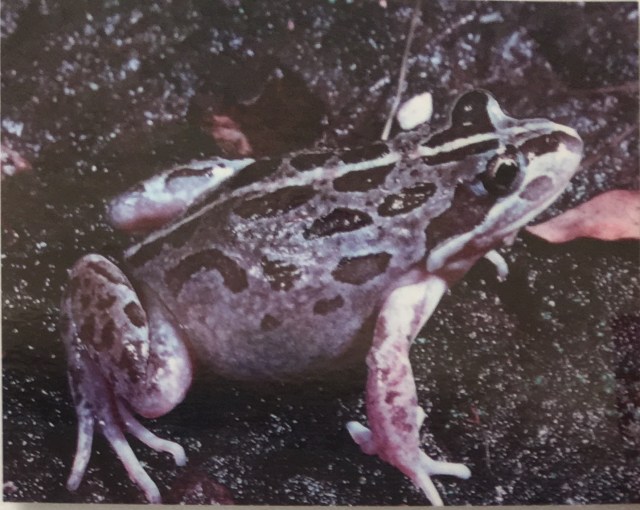
Appearance: It has a neatly blotched appearance of light and dark markings and is moderately large in size (up to about 5 cm). Some individuals have a distinctive red or orange stripe down the centre of the back. A line of white glandular tissue occurs from beneath the eye to the back of the leg.

Status: An abundant species with widespread distribution.

Mating call: A “kuku k uk uk”- a bit like a toy machine gun. Male frogs call whilst floating in the water. Calls from September to March.

Habitat: Lowland rivers, Lowland creeks, Swamps, farm dams and lakes. Asscociated with standing waters, including roadside ditches, marshes, swamps, lakes and ponds. They prefer situations where there is considerable flooded vegetation such as tussocks and sedges. During dry weather, they shelter in deep cracks in the clays of dry wetlands, beneath large logs and in the base of grass tussocks.

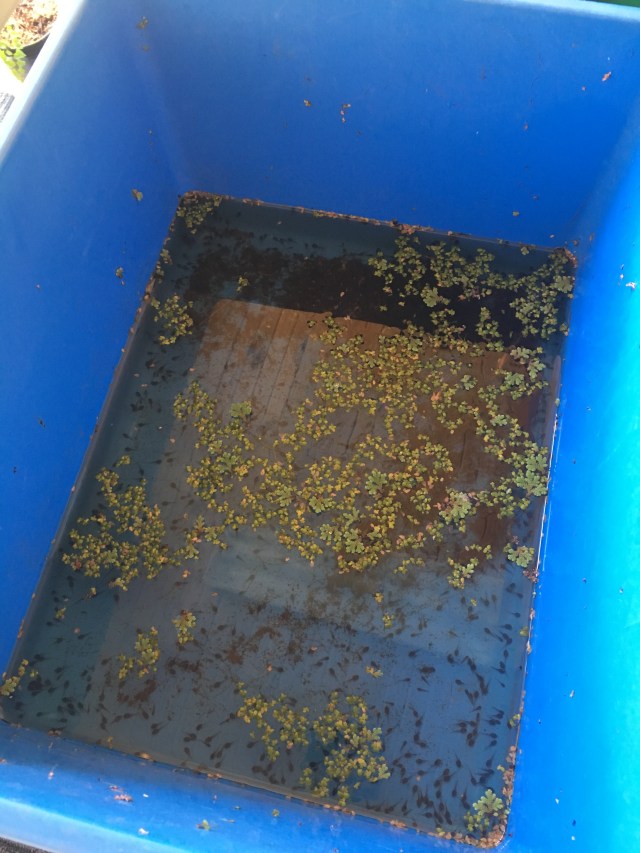
Figure 2. Two weeks tadpoles


Figure 3. the adult spotted grass frog

Issue:

Australia has one of the most diverse frog assemblages in the world over 200 species. However, since the 1980s, there are dramatic population declines in some Australian frog species have been reported. Scientists speculate the reasons for the population declines of frogs is pollution of waterway, loss of habitat, global warming, acid rain, widespread use of chemicals and spread of the chytrid fungus. Even if spotted grass frogs are not endangered and still considered common in the ACT, the population of spotted grass frogs can be threatened by the very activities we undertake in our backyards and surrounding nature reserves. So, it is necessary for protection, especially building up the frog friendly habitat.


The reason for creating a frog friendly habitat:

Firstly, frogs are a valuable asset to the environment. Frogs and tadpoles are significant factors linking in the food chain of many ecosystems, e.g. helping control insect pet population, control levels of algae in pond.


How to create a frog friendly habitat?

Frogs need shelter, food and a place to breed. Most frogs require a source of moisture to breed. Suburban ponds can be built. When we create the suburban ponds, we also need to create shallow edges to allow frogs to enter and exist. Additionally, creating flat shelves for frogs to sit on and places to hide from predators in the water and around the pond, such as rocks, submerged logs and potted aquatic plants. We also should locate the area away from sprinkler systems, pesticides or fertilisers used area. Because we have to keep the chemical and toxin free in the frog habitat. The tap water contains chlorine, which is harmful to tadpoles and frogs. Furthermore, the locate the habitat where it will receive rainwater runoff such as a downpipe from roof.

On the other hand, do not handle frogs, because their skin is for absorbing moisture and chemicals from their immediate environment. Even if soaps, detergents or other chemicals are safe for human, they might be harmful for frogs. Additionally, it is best to not have fish in the tadpoles’ pond at all, as fishes are always prey the tadpoles.

In the natural environment, we cannot translocate the species from one place to another place that is illegal in Australia, whatever fishes or grogs. The invasive species also cannot use in the habitat, because they will prey tadpoles and exaggerated the situations of frogs.

Posted in Uncategorized | Leave a comment