Study in Values of Mature Trees in Urban Area

By Jenny Leung (u6018651)

For my volunteer work experience, I participated in a bird survey with Phil, studying the value of mature trees in urban environments. The study is a long-term research conducted around Canberra and investigated the purpose of mature trees, the usage of it by mostly birds. Several papers have been published using the data they have previously collected (Le Roux et al., 2016, Le Roux et al., 2018).

In the morning of the survey, we set off our trip at 6 in the morning. It was a windy day with lots of sunshine and a bit of cloud in the sky; the temperature was 12-14˚C. We went to 4 study sites in Gungahlin and got to observe mature trees of yellow box (Eucalyptus melliodora) and Blakely’s red gum (Eucalyptus blakelyi).


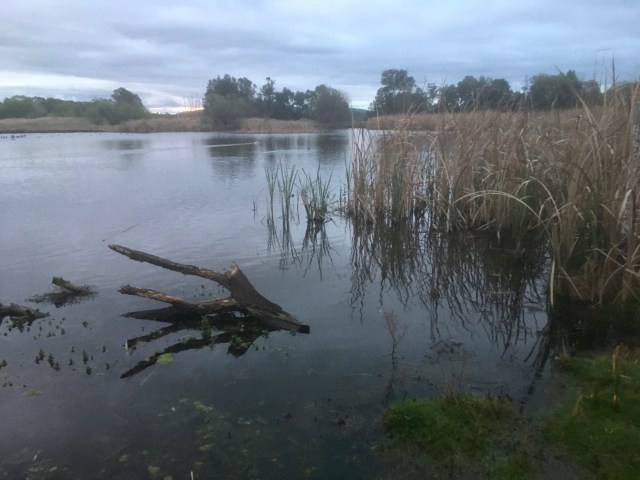
IMG_3474.jpg

Log piles near study site.

In the survey, we looked at a few aspects of the bird-and-tree interaction. We observed the species of the bird, the direction the bird came and go, the behaviour of the bird, the duration of the bird interacting with the tree, the branch angles the bird landed in and the thickness of the branch. During the survey, we saw Noisy Miners, Australian Magpies, Striated Pardalotes, and Crimson Rosellas interacting with the trees. We also happened to see some other birds like Australian Ravens, Welcome Swallows, Sulphur-crested Cockatoos, Magpie Larks, and European Starlings. Some of the birds are nesting on the trees like the picture below.
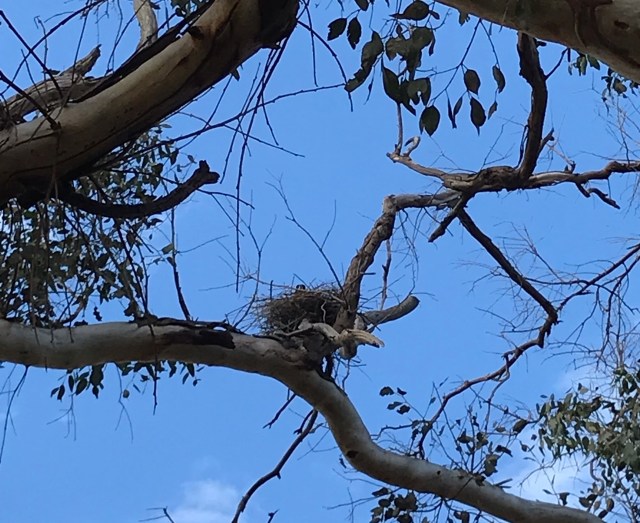
 

image-3.jpg

Australian Magpie nesting on a tree


We even get to see reptiles; we discover a Three-toed Skink underneath a piece of rock. At first, we have mistaken it for the endangered Striped Legless Lizard, as we are so desperate to meet one. However, with further observation, we can see that the reptile has little limbs, and its colouration does not match with the Striped Legless Lizard. Phil later told us that it is a Three-toed Skink (Hemiergis decresiensis) and the species turned out to be quite wide spread in the NSW and the ACT region (ALA, 2018).
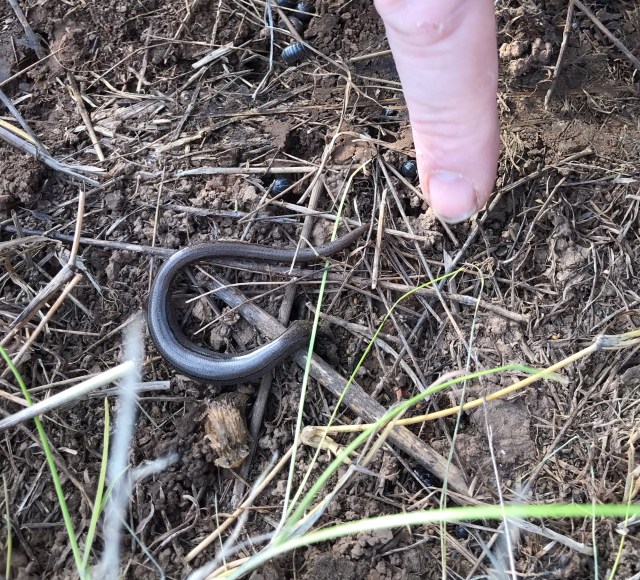
 

image-4.jpg

The Three-toed skink in ratio with a finger.

It was quite sad to see that sites that have been supervised for over ten years were undergoing development, sites that used to be surrounded with natural environments, were now under development and turned into construction sites. It is good to see that the mature trees are fenced up and being protected; this may be the result from previously published paper with emphasis on the importance of mature trees and recommendations on how to conserve them (Le Roux et al., 2014). However, we estimate that the bird population/traffic at the site was decreased by the noise from construction sites and the change in environment.


Image-8

Photo of Australian Raven on construction sites. 


References

ALA (Atlas of Living Australia). 2018. Website at https://bie.ala.org.au/species/urn:lsid:biodiversity.org.au:afd.taxon:b056de1e-b7c7-44ce-902d-7cc0f393d0a0. Accessed 9 October 2018.

Le Roux, D.S., Ikin, K., Lindenmayer, D.B., Bistricer, G., Manning, A.D. and Gibbons, P., 2016. Enriching small trees with artificial nest boxes cannot mimic the value of large trees for hollow‐nesting birds. Restoration ecology, 24(2), pp.252-258.

Le Roux, D.S., Ikin, K., Lindenmayer, D.B., Blanchard, W., Manning, A.D. and Gibbons, P. 2014. Reduced availability of habitat structures in urban landscapes: implications for policy and practice. Landscape and Urban Planning, 125, pp.57-64.

Le Roux, D.S., Ikin, K., Lindenmayer, D.B., Manning, A.D. and Gibbons, P., 2018. The value of scattered trees for wildlife: Contrasting effects of landscape context and tree size. Diversity and Distributions, 24(1), pp.69-81.

Posted in Uncategorized | 2 Comments

Project Metamorph: The Frogwatch Tadpole Kits for Schools Program

The start of Term Four for schools in the Australian Capital Territory (ACT) marks the start of over 1,500 tadpoles’ journeys, as they are handed out to teachers participating in the Frogwatch Tadpole Kits for Schools Program. 

For the past two days, I have assisted Anke Maria Hoefer of the Ginninderra Landcare Group with preparing and issuing tadpole kits to over thirty early learning centres, pre-schools, primary schools and high schools in the Canberra and Queanbeyan region. 

Not all tadpoles will survive this journey, but for the next ten weeks, teachers and students will try their best to raise as many tadpoles as possible through the process of metamorphosis.

44083844_473277903159467_4379501954716401664_n

One week old tadpoles which I pipetted into ziplock bags.

Kit Preparation

Each kit was carefully prepared to contain all the necessities for keeping a tadpole alive long enough to metamorphose into a frog. Such necessities include a tank with ventilated lid, gravel, water conditioner, native aquatic plants, spirulina (yes, tadpoles eat this superfood too!), and of course, the tadpoles. Approximately 6-10 tadpoles were pipetted from a large container into a ziplock bag for each kit. 

44121634_316826909112334_435860904765030400_n.jpg

Two tadpoles too slow to escape the pipette!

The Program

Over the next ten weeks, the tadpoles in each kit will grow into Spotted Grass Frogs (Limnodynastes tasmaniensis). This species is widespread across the east of Australia.¹ Eggs and tadpoles are found in many waterways such as dams, ponds, lakes and swamps, while adults are terrestrial and can be found in a range of habitats of varying disturbance levels including woodlands and grasslands.²

Tadpoles are not cared for by their parents and have a low survivorship rate due to predation by larger individuals from the same species, or by other aquatic life.³ It is illegal across most of Australia to collect or release tadpoles and frogs into the wild without a permit. The ACT Frogwatch program allow tadpoles to be legally raised so that they have a greater chance of surviving to ‘froghood’ when they can be released back to their place of origin.

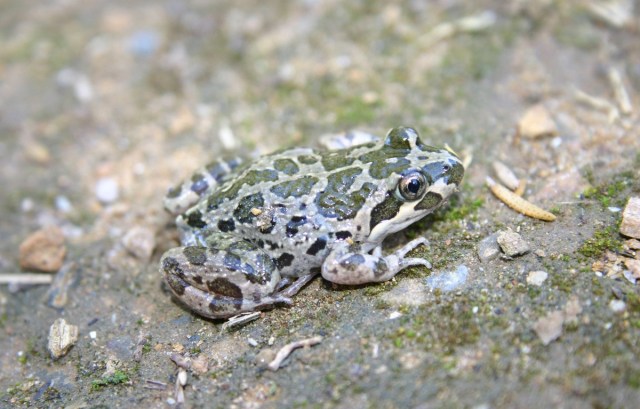
froggie.jpg

Spotted Grass Frog (Steve Walker)

The Outcome

Frog species across Australia are declining due to habitat loss and degradation, water pollution, introduced species, salinity and climate change.⁴ While the Spotted Grass Frog is not itself threatened, all frogs play an important role in wetland conservation. Frogs have moist, permeable skin that absorb all of the nutrients and the impurities in our waterways.⁵ As such, they detect and provide vital information on ecosystem health. Frogs also control algae and insect levels through feeding, and are an important source of food for other species.⁶ Frogs that are raised in this program are released back to the collection site and provide lasting benefits for its habitat.

The best part of the ACT Frogwatch Program, however, is that it is a powerful community education tool that promotes awareness about the importance of caring for our waterways. Through the exercise, students and teachers gain an appreciation of the life cycle of amphibians, the complexity of our ecosystems and how our actions in daily life affect the environment around us.

– Phoebe Worth u5801333

References

¹ http://www.bie.ala.org.au/species/urn:lsid:biodiversity.org.au:afd.taxon:ac2de3ed-ffb5-4792-b765-0331102d3238

² http://www.frogs.org.au/frogs/species/Limnodynastes/tasmaniensis

³ Wilson, N., Seymour, J. & Williams, C. 2015. Predation of two common native frog species (Litoria ewingi and Crinia signifera) by freshwater invertebrates. Australian Journal of Zoology62(6):483-490.

⁴ http://www.environment.gov.au/biodiversity/threatened/publications/factsheet-frogs-australia

⁵ Burkhart, J., Ankley, G., Bell, H., Carpenter, H., Fort, D., Gardiner, D., Gardner, H., Hale, R., Helgen, J., Jepson, P. & Johnson, D. 2000. Strategies for assessing the implications of malformed frogs for environmental health. Environmental Health Perspectives, 108(1): 83.

⁶ Campbell, A. 1999. Declines and disappearances of Australian frogs. Biodiversity Group, Environment Australia.

Posted in Uncategorized | 1 Comment

MEANINGS OF CONSERVATION

MEANINGS OF CONSERVATION

Murrumbidgee River Corridor is a protected area within ACT parks and included in the Nature Conservation Strategy 2013-2023 of ACT, which aims to improve the recovery capacity of natural areas while integrating and extending conservation efforts that allow different uses in recreation, as long as areas are kept healthy and well managed [1] Photo:[2]

WHAT DOES CONSERVATION MEAN?

In a space like Murrumbidgee River Corridor (MRC), which houses more than 600 species along the river, including several threatened ones, such as Mountain Cress (Alpine Drabastrum) and Anchor Plant (Discaria pubescens) [3, 4], it would be expected, that the eight hours of volunteer work that were carried out on Monday, September 17, with Harrison Andrews, would be used for activities related to the conservation of that biodiversity, such as surveys of vegetation or fauna.  This endeavor was among the ones discussed prior to the practice (and included in the conservation strategy 2013-2023) [1]. Or, some work related to the preservation of native fish that represented only 4% in 2002 due to the overpopulation of invasive species. [5,6]

Panoramic view from one of the caves that can be found in the MRC. Photo: Nicolás Marín

THE SURPRISE – THE IMPORTANCE OF ALL JOBS

However, when we arrived early in the morning, Darren Rosso, the ranger with whom we spent the day, surprised us by changing these tasks for ones of cleaning. Yes, it was Monday and that was the central activity of the day. It makes sense that after a weekend of visits and camping at that place dedicated to contact with “nature”, what remains is dirt. Especially, when understood within the margins that

“the main use of this park is recreational” (Rooso, 2018) [6]

The morning passed between washing toilets, cleaning BBQ’s and picking up garbage. I will not deny our disappointment. Granted this perception, Darren, who did everything with enthusiasm and awareness of the importance of conserving places in their best state, completely transformed our perception! He encouraged us and made us realize that communicating back to the community ideas of care and respect was essential.

Darren Rosso and Harrison Andrews working on the installation of a pole to prevent the entry of motorcycles – the last activity of the morning. Photo: Nicolás Marín

A clean barbecue! The park has ten BBQ zones and three to camp. Photo: Nicolás Marín

Darren’s concern for doing these jobs reminded me of an article on social control and crime prevention, “Broken Window” theory a Philip Zimpardo’s social psychology experiment at Stanford University.

Photo:[7]

 “[…] A broken glass in an abandoned car encourages harm. It evokes an idea of disinterest and carelessness. If a person scrawls graffiti on the wall, others will soon be spraying paint. Once people begin disregarding norms that keep order in a community, both order and community unravel. Each new attack suffered by the car, reaffirms and multiplies the idea, until it becomes irrepressible, thus, leading to irrational violence.” [7,8]

Doing all this helped me recognize the importance of jobs that nobody sees, but at the same time, encouraged me to wonder how the resources and work times of professionals and volunteers are being invested.

REALITY, OR WHAT WE ARE DOING WRONG


“Animals and plants have to take care of themselves”


This is what Philip Gibbons was told on his first day as a park ranger. A revealing phrase that actions and resources have not been and are not sufficient to conserve these places and to carry out the proposed management plans, and that the priority is still focused on management to guarantee human use.

Five years after the implementation of the Strategy, it is still not possible to “involve a new generation of Canberrans in conservation by encouraging education programs”. However, it is necessary for people, with the training of Darren Rosso, his colleagues and surely many volunteers, who contribute

“tens of thousands of hours of unpaid work each year to help manage the natural areas of ACT” [6],

to dedicate themselves to cleaning up what those who enjoy the park leave in their wake.

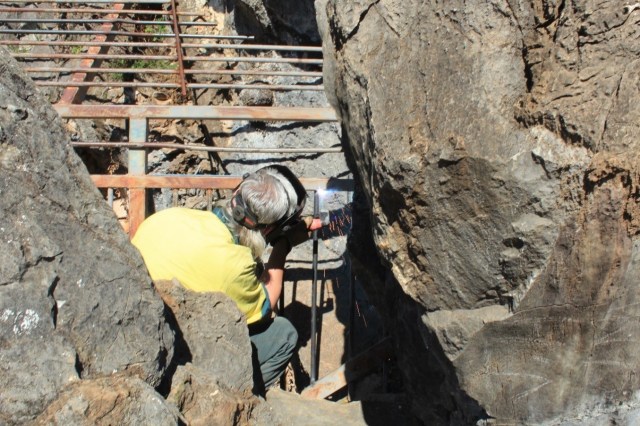
In the afternoon – repairing a fence that is meant to prevent the entrance of people to the caves, which houses bent-winged bats (Miniopterus schreibersii) [9], the fence had been breach to have a party inside. Photo: Nicolás Marín

WHAT CAN WE CONTINUE TO DO, WHAT CAN WE IMPROVE?

Continue cleaning, that is for sure. Moreover, having creative visions allow the cost benefits to enhance for all communities in these ecosystems.

It requires understanding and commitment at all levels (public and private). The Strategy needs resources and alternatives so that the efforts of staff and volunteers are dedicated to conservation, especially of the species that are most at risk.


By: Nicolás Marín Correa u6767026

Special thanks to:
Darren Roso Senior Ranger – Murrumbidgee ACT Parks and Conservation Service Environment, Planning & Sustainable Development Directorate | ACT Government


Posted in biodiversity conservation, Volunteer work | 1 Comment

Humpback Whale Conservation in the South Pacific


Humpback Whale Conservation in the South Pacific

During July 2018, I was a research assistant on the Great Barrier Reef Whale and Dolphin Research Program. This program was run in the Whitsunday Islands of Australia, by Blue Planet Marine, a leading marine environmental consultancy in the South Pacific.

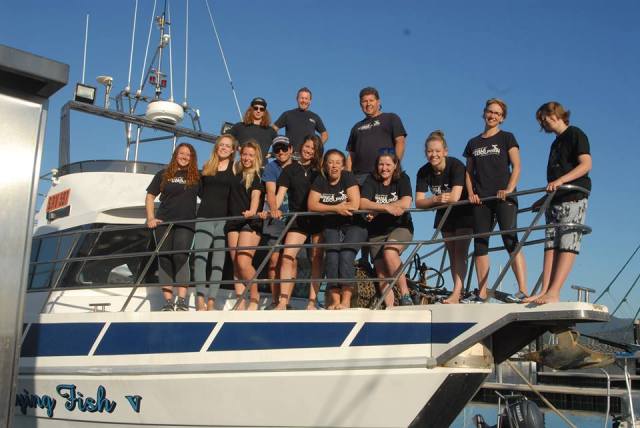
For a month, I lived onboard RV Flying Fish, a 23 meter vessel designed for extended operations in remote areas, with ten other research assistants, crew and scientists.

We collected important data regarding the population of Humpback whales (Megaptera novaeangliae) in the South Pacific, specifically the whales found along the Eastern coast of Australia. The data collected on this research program has been identified by the International Whaling Commission (IWC) as highest priority research for this population of whales (Blue Planet Marine).


Background

Humpback whales are a migratory species. Antarctica is their summer feeding grounds and tropical waters of Northern Australian and South Pacific Islands is their calving and breeding grounds (Dawbin, 1977). Humpback whales throughout this region have historically been subjected to intense exploitation from whaling operations during the nineteenth century (Baker et al, 2006).Whaling was permanently ended in Australian waters in 1978 and since then, the recovery process of humpback whale populations have been closely monitored.

Currently, the South Pacific Humpback whale population is split into three breeding stocks, based on distinct areas where whales gather to breed and calve (Mackintosh 1948, Pastene et al 2013). The eastern Australian breeding stock of whales appears to be one of the fastest growing populations of humpback whales in the South Pacific. Conversely, humpback breeding stocks of Oceania (Tonga, New Caledonia and Fiji) continue have a significantly slower recovery rate (Anderson, 2013).


The Problem

However, the population boundaries of Southern Hemisphere humpback whales remain largely unknown (Rosenbaum et al 2009) and there is substantial uncertainty regarding migratory corridors and the degree of mixing between humpback breeding stocks (Anderson 2013, IFAW).

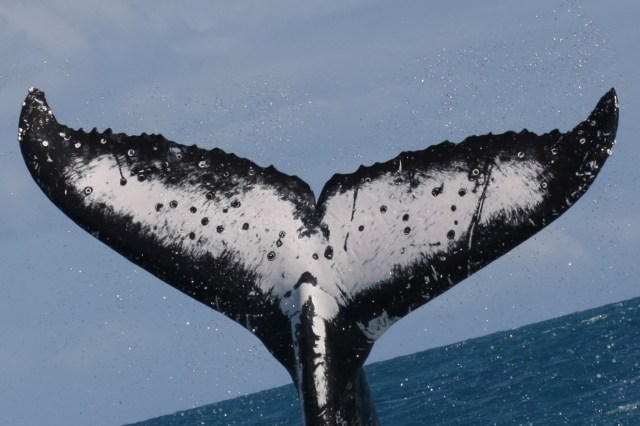
This means that scientists are still unsure as to whether the strong growth rate seen in the eastern Australian humpback whale breeding stock and the struggling Oceania breeding stocks, is simply because of migration between the two areas. Consequently, it is uncertain as to whether the different breeding stocks of South Pacific humpback whales should be viewed as separate populations or one population. Identifying the humpback whale populations in the South Pacific is critical for the management and conservation of these whales. This is achieved by photo identification (each whale has unique tail patterns), genetic sampling and acoustic studies.

Photo Identification

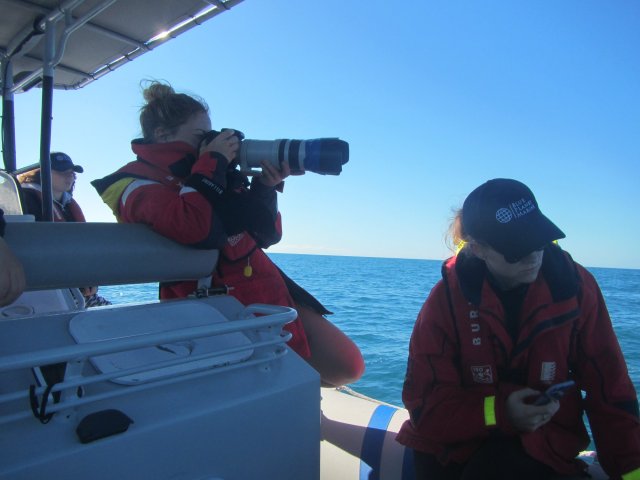
In this picture, I was taking photos of Humpback tails or flukes. Humpback flukes are unique and can be used to easily identify whales.

Single whale fluke

Single whale fluke

Single whale fluke


Genetic Sampling

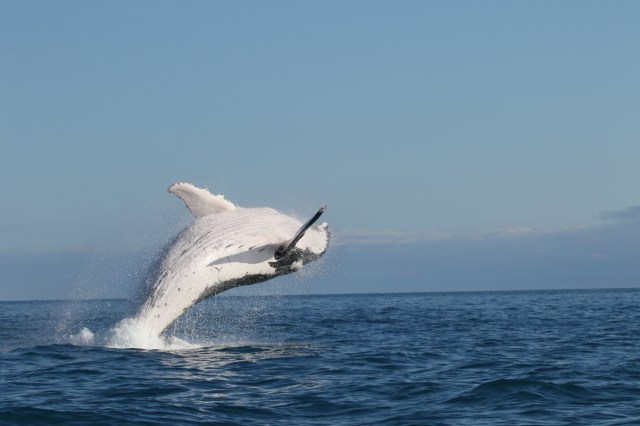
When whales breach (like the one above), dead skin falls off them and floats on the surface. We collect this skin using nets and later freeze the samples.

Acoustic Studies 

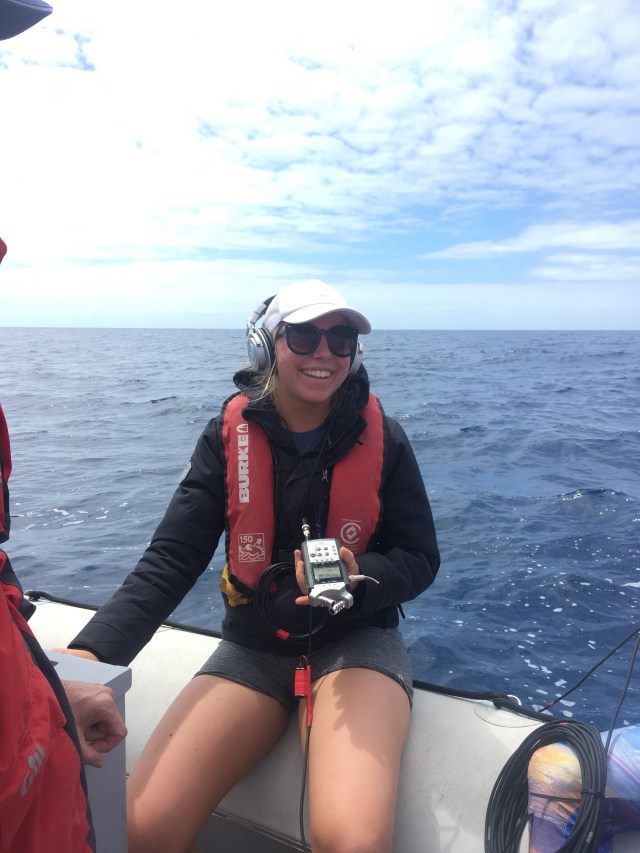
This photo was taken of myself when I was recording whale song. Whale song changes each season, usually from western humpback whale populations to eastern humpback whale populations. It can serve as a tool to identify migratory corridors.


Reflections

The knowledge I gained as a research assistant for Blue Planet Marine is invaluable. Not only did I formulate connections and friendships across the world but I also obtained a better understanding regarding the conservation status of humpback whales in the South Pacific. I was genuinely surprised how little we know of the migratory patterns of these animals and how much more information we need to collect to help protect these animals and the habitats they rely on, in the face of future anthropogenic impacts, especially climate change. My time on board the Flying Fish helped reinforce the notion that conserving biodiversity is hard work but so incredibly important to us. I look forward working with Blue Planet Marine again.

Video capturing a typical day in the life of a Blue Planet Marine research assistant on the Great Barrier Reef Whale and Dolphin Research Programme.

**All media included in this post was taken and is therefore owned by Blue Planet Marine**

Alicia Forbes

u5642588


Posted in Uncategorized | 3 Comments

The Impact of Local Environmental Volunteering

The Impact of Local Environmental Volunteering

By Jonah Morris (u6381040)

For a total of 15 hours over 5 sessions from the 13th of September to the 6th of October on Thursday and Saturday mornings I volunteered at ‘The Pinnacle’ nature reserve. The Pinnacle is my local nature reserve located near Hawker in Belconnen and it is worked on and protected by the Friends of The Pinnacle volunteer organisation (abbreviated as “FOTPIN”). Over this time I assisted in different forms of weed control and relocating native kangaroo grass (aka Themeda triandra or Themeda australis) from a dried riverbank to an allocated restoration zone.

             Previous location of kangaroo grass and the replanting and restoration area

This relocation was required due to kangaroo grass being a threatened native species that was in the path of development. The upcoming development is a pipeline that is planned to supply water to new suburbs on the opposite side of William Hovell Drive. The kangaroo grass is valued because it is a drought resistant, threatened native species that competes with weeds. Keeping the Pinnacle native is important not only because it is a place where people go to enjoy native Australian scenery and wildlife, but also because it is a site for multiple research projects that are studying native vegetation.

Additionally, the reserve plays a significant role in the broader biodiversity conservation of the entire ACT. Although it started as a restoration project of old farm land that had been degraded from decades of grazing from domestic stock, the Pinnacle is now a large reserve rich with biodiversity.

Transition from farmland to nature reserve
Credit: Hallam, 1991; Bond, 2011
Available at: http://www.fotpin.org.au/pinnacle_changes.html

This results in many of the benefits of large native habitat patches which we discussed in week 3. As a large patch of native vegetation, the Pinnacle allows for species that require large areas and species that require niches only available in large patches to gain a new habitat. Across it’s 138ha the Pinnacle now contains 150 native species of grasses, shrubs and trees, more than 100 species of birds (40% of the species known to be found in the ACT), several hundred eastern grey kangaroos, as well as echidnas and bearded dragons (Bond, 2018).

Bearded Dragon

Bearded Dragon sunbaking as we had lunch

Lunch Break

The importance of the Pinnacle’s ecology puts additional pressure on preserving native species and reducing the weeds that threaten the habitat that supports them. As we covered in week 8, weeds are one of the most significant threats to native Australian biodiversity and habitat loss due to the success they have in competing with native species. They do especially well in areas that have been heavily cleared or under the pressure of grazing like the Pinnacle. The majority of work that FOTPIN does is based around weeding and whilst I couldn’t have seen or contributed to any major changes in the few weeks I have been there, they have had great success against the weeds in previous years.

Example of successful weed control at the Pinnacle (Verbascum in this example)
Credit: Blemings, 2007; Bond, 2013
Available at: http://www.fotpin.org.au/weeds/verbascum_5ways.html

Before volunteering, I would have considered conservation work on this scale to be difficult to approach, but working with this group has demonstrated how easy, yet influential local volunteer work can be. This experience has shown that small tasks such as spraying weeds with weed wands, marking the locations of large patches of weeds with GPS devices and shovel work relocating native grass can have a major impact on an entire reserve when done consistently by a dedicated group.

Spraying weeds with weed wands

References

Bond, W. (2018). about The Pinnacle Nature Reserve. [online] Fotpin.org.au. Available at: http://www.fotpin.org.au/about_pnr.html [Accessed 11 Oct. 2018].

Bond, W. and Blemings, R. (2018). Verbascum control, Friends of The Pinnacle. [online] Fotpin.org.au. Available at: http://www.fotpin.org.au/weeds/verbascum_5ways.html [Accessed 11 Oct. 2018].

Posted in Uncategorized | 1 Comment

Not Single-handedly: How we can all conserve Australia’s Environment

James Rae 2018

What I did

I carried out my work experience over three weeks at Greening Australia in Aranda alongside a fantastic bunch of volunteers led by Donna and Jenny. Greening Australia is a not-for-profit who primarily work to conserve and restore Australia’s natural environments. Their initiatives include reforestation, fencing and fundraising as well as spreading awareness of conservation issues through partnerships with local landholders, schools and their diverse community volunteer base.

James Rae 2018: Weeding in progress

My contribution to this initiative was to help out at one of their nurseries by caring for their enormous number of young plants. Although some of these plants will eventually reach gargantuan heights, at this early stage they can be delicate and require regular weeding, repotting, thinning and sorting to keep them strong and healthy. Eventually, these plants will either be destined for woodland restoration or sold to raise funds for conservation efforts.

James Rae 2018: These healthy young plants are destined for habitat restoration

Why habitat protection matters

Work like this is pivotal to combating habitat loss in Australia. Since colonisation, Australia has lost approximately 40% of its forest cover, and what remains is highly fragmented (Bradshaw, 2012). This has caused major ecological degradation and contributed to the extinction of 35 species on the Australian mainland since European settlement (Woinarski et al., 2015). As developments and deforestation persist, many birds and mammal species reliant on woodland are continuing to decline, with many species, like the Brown Treecreeper (Climacteris picumnus), at risk of extinction (Bradhaw, 2012; Woinarski et al., 2015)   The WWF in 2015 predicted Eastern Australia would be one of the eleven hardest hit areas in the world by deforestation, highlighting the need to take more serious action.

Australian Government, State of the Environment Report: Pink and red areas indicate where native vegetation has been replaced or removed by agriculture and urban areas

Greening Australia, however, take conservation a step further than simple replanting. Only about 17% of Australia’s environment is protected as national reserve, which fail to include almost 13% of Australia’s threatened species (Watson et al., 2011). Greening Australia work with private land holders to provide economically viable methods like paddock restoration that help increase woodland environments and connectivity, which are essential to protecting species like the superb parrot (Polytelis swainsonii) (Manning and Lindenmayer, 2009). Using Greening Australia fundraising to help landowners increase the environmental value of their land in a commercially workable manner is such an important initiative to bringing more private owners on board. And bringing them on board is critical if we are to effectively conserve and restore Australia’s environment.

© WWF Australia: The impacts of deforestation on private land can be devastating

Final Reflections

This work experience facilitated more than just an opportunity to help the environment. It also allowed me to establish and build connections with other like-minded people, both young and old and from different backgrounds and cultures. I found listening to their stories and learning from their vast pool of experience in conservation both humbling and illuminating. It helped reinforce that conservation is not just about the environment, it’s about people. And perhaps a little more focus on bringing people together to solve this issue might just be the tipping point it needs.

James Rae

u5799198

Posted in Uncategorized | 1 Comment

Seeding and Protection of Natural Plants

During my volunteering experience, I first worked with Greening Australia to help seed local plants, then joined Frends of Mount Majura’s effort to protect the plants from local pests. Seeding the young plant at Greening Australia was interesting yet alarming regarding the seriousness of local weed problem. At Mount Majura Reserve, the issue of pest animal and soil erosion has been concerned, a method which suitable for the local condition is important to protect the species.

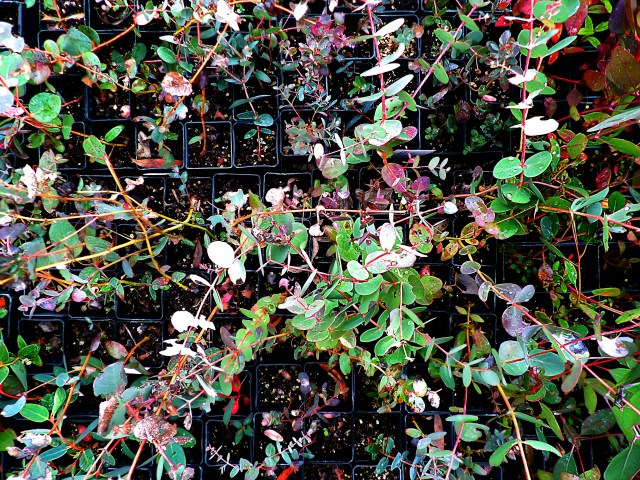
At Greening Australia, I took part in the weeding young plants. It was worrying that in protected area, culture seedling was also affected by the weeds. The weeds influenced the plants to a great extent, more weeds in pot will lead to weakening of plants and even their death.

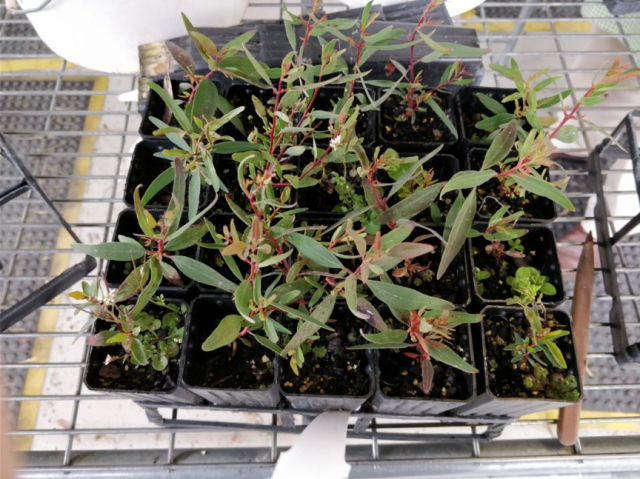
In the eucalyptus melliodora, which is frequently referred as yellow box, it is obvious that the pot with more weed the yellow box seeding was much weaker.

In the picture, the bottom left pot and bottom right pot were apparently shorter than the others. The exceeding weed will also cause the death of plant. As Department of the Environment and energy reported (source link), weeds always “grow faster than native plants and successfully compete for available nutrients, water, space and sunlight.” The native plant will die due to lack of necessary source. During the cleaning of dead plant, the influence of weeds root to the plant has been observed.

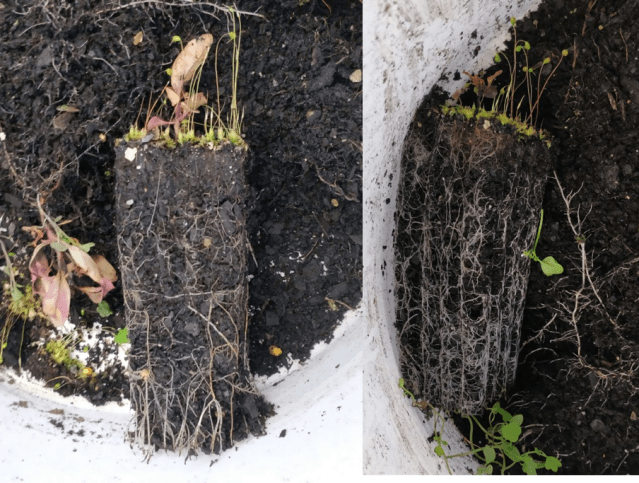
From the picture, the weeds are not too much over the ground, however, under the ground soil, their roots occupied most of the available space. It is hence foreseeable that all the nutrient would be absorbed by the weeds. In open areas, weeds are a main risk of nature plants as it causes loss of biodiversity. The weed cleaning work is therefore important.


Grazing of rabbit is the other main risk of biodiversity loss. In Mount Majura Reserve, the overgrazing of rabbit has been a challenging issue to natural plant protections.  In fact, the rabbit droppings can be observed everywhere and the ground cover was also very short. From the leader of volunteer, I heard that the over-grazing rabbits caused these problems. Also, due to the damage to ground cover caused by them, the erosion becomes seriously, loss soil in raining days. (Source link of rabbit damage) Our volunteer work at that day was cutting and setting the branches to protect the seeding plant from the rabbits.

According to leader, local rabbits do not come close to the places with lots of branches; this can therefore be utilized to avoid the damage to the seeding. The branches were taken from the locally collected waste logs and the remaining logs were distributed on the ground. The leader explained that putting the logs in such a way can slow down the water flow to reduce the soil loss by rain in terrain with slopes, such as Mount Majura. Recycling and reuse of these local waste is a great method to protect the species. Meanwhile, the knowledge of pest animal is important. In protecting our species, how to uses less source to achieve a good result should be concerned.

u5894771

Yuhao Zhou

Posted in biodiversity conservation, national seed bank, Volunteer work | 1 Comment

Meet and Reveg

On a fresh spring morning, I made the early drive out to Bombala in the Monaro region of NSW, 80km south of Cooma. Feeling more at home in my old Bravo Ute than I usually do in Canberra, I arrived at my destination, the Monaro Native Tree Nursery (MNTN). Situated on a property in the foothills of the Snowy Mountains, I was met by nursery manager and my guide for the day, Annie Platts. I was instantly impressed by the diverse and extensive level of vegetation on the property, spruced up by the much-needed showers from the days before.

I first heard about MNTN whilst researching the Monaro dieback. Sources had listed the business as being a key provider of Australian native plants for revegetation efforts in the dieback zone. After contacting the nursery, Annie agreed to take me along to a nearby property that had reached out to the nursery for their revegetation service. This caught my interest as being a great opportunity to experience revegetation on agricultural land.

We journeyed to the nearby property where we performed a site assessment for the revegetation corridor that the owners wanted to plant. This included surveying the proposed site, taking soil samples for testing, collecting local provenance seed, and taking cuttings from the native plants. These cuttings and seeds would then be taken back to the nursery and grown in their greenhouse until they reached a certain size. After this they would be grown outside for another period of time in order to harden. This process aims to increase the resistance of the plants before they are placed into the ground.

Annie explained to me the importance of spending time to properly plan for a revegetation effort. It can be of great benefit to the farmers; increasing the quality of their land, providing shade and shelter for livestock, stabilising soil, and reducing soil salinity (Durrough et al., 2008). We discussed all this information with the owners at the end of the assessment, ensuring they were aware of these benefits if they managed the area effectively. This is a very important point as the attitude of farmers entering agri-environmental schemes ultimately decides the outcomes achieved (Ahnström et al., 2009).

Here comes the rain again

Upon returning to MNTN, we spent the afternoon planting trees on the property. Trying to beat the showers rolling in over the hills, we managed to make a good dent in what was a planned forest patch and connecting corridor. It was satisfying work, doing my small part, knowing of the potential increases to biological diversity that could eventuate (Law and Dickman, 1998).

I asked Annie about any future plans on the property and she took me to another paddock where they were planning a new connecting corridor. These have been found to facilitate continuity between populations of small mammals by providing a dispersal pathway between patches and allowing for gene flow between populations (Bennett, 1990). Annie also told me of the abundance of bird species that would eventually utilise this habitat.

Riding shotgun

It was a great experience to see such effort being put into conservation on private land. I would like to thank Annie and the MNTN for sharing this valuable experience with me.

Damon Mudge u5563883

References:

Ahnström, J., Höckert, J., Bergeå, H., Francis, C., Skelton, P. and Hallgren, L. (2009). Farmers and nature conservation: What is known about attitudes, context factors and actions affecting conservation?. Renewable Agriculture and Food Systems, 24(01), pp.38-47.

Bennett, A. (1990). Habitat corridors and the conservation of small mammals in a fragmented forest environment. Landscape Ecology, 4(2), pp.109-122.

Durrough, J., Stol, J. and McIntyre, S., 2008. Biodiversity in the paddock: a land managers guide, Future Farm Industries CRC. Available from https://publications.csiro.au/rpr/download?pid=procite:dc9b10fe-5405-4ab5-8c5f-ca49c4c5ad87&dsid=DS1. Accessed 21 September 2018.
LAW, B. and DICKMAN, C. (1998). Biodiversity and Conservation, 7(3), pp.323-333.


Posted in Uncategorized | 1 Comment

Striped legless lizards monitoring experience

How is striped legless lizard current condition?

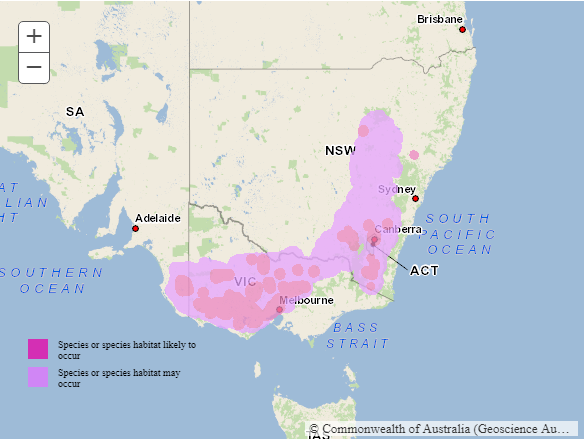
Striped legless lizard (Delma impar) is recognised as a vulnerable species internationally  IUCN. Ongoing efforts are required to sustain its potential growth and evolutionary development in the wild (O’Shea, 2005). In term of Victoria listed on schedule 2 of the Flora and Fauna Guarantee Act, 1998. Delma impar has satisfied two of the criteria: (1) the taxon is at the state the population is likely to result in extinction. (2) The taxon is significantly prone to future threats which are likely to result in extinction (BANKS, 1992).  The main reason for the declining lizard population resulted in the loss of native grassland habitat (BANKS, 1992). A striped legless is a specialized arthropod feeder; predominantly their prey is cricket, spider and noctuid moth (Kutt, et al., 1998). The extent of occurrence of the striped legless lizard is approximately 81 879 km² starting from the board between SA and VIC, then extends to the ACT and Northern NSW as shown below. The distribution of striped legless lizard is declining, and many known sites might no longer support the population (Smith & Robertson 1999). At the meantime, Striped legless lizard monitoring is implementing by the ACT government which is my volunteering work experience for the past few weeks.

Source: http://www.environment.gov.au/cgi-bin/sprat/public/publicspecies.pl?taxon_id=1649

Figure 1. Australia Striped legless lizards distribution


Two days monitoring experience

Chloe Sato is an ACT government environmental officer for this Striped legless lizard monitoring program. I have spent two Friday mornings to assist Chole for the monitoring. The monitoring method is to setup tiles at the environmental offset sites around the ACT. Nine grids tiles are placed on the ground with different ground covers such as tussock, native grassland, and bare ground. The number of striped legless lizard under the tiles is recorded for monitoring purposes.

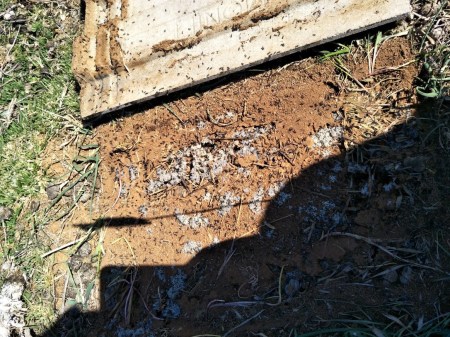
The first day of my monitoring, we went to Campbell park woodland Canberra. The monitoring starts around 8.30am with a temperature of 11℃. It was a sunny morning with no cloud cover and winds. As the temperature rises, Striped legless lizards will move away from the tiles. Therefore, we need to finish the checking before a significant increase in temperature. Unfortunately, we have not recorded any striped legless lizard for the first days. Interestingly, we have found two Red-throated Skink (Acritoscincus platynotum), and they are common lizard group that widely spread across Canberra. Surprisingly, a formicary of termite (Cryptocercus) was found under a tile. The tiles were placed two weeks before, and it was amazing to see how quickly the termite response to the changing of the environment. Also, this reflects on the concept we learned in biodiversity conservation on how decreasing of predators of species could lead to an increasing population of that species.

Picture 1. Red- Throated Skink found in Campbell Park Woodland


Picture 2. A tile with a formicary of termites underneath.

On the Second Friday morning, we visited two local farmlands, and they are located in Majura road and Michell Canberra. As a result, we have recorded one unknown lizard. Other species such as spiders, beetles, and ants are much less abundant than the Campbell woodland. An interesting thing happened in the farmland where a baby cow went over the fence to another side of the farm. We were following the baby cow and trying to get it back to its mom.

Picture 3. A baby cow is getting to its mom.

The species abundance of the two farmlands is much lower than Campbell woodland; this could be an indicator of how grazing is significantly impacting the habitats of species. Will reduce grazing activities increase the abundance of species? That could work for some species, depending on the species’ conditions, especially striped legless lizard, further research is required to provide an effective monitoring method. It is a valuable experience to understand the changing environment effects on the species. In the meantime, the monitoring is still progress, and I am excited to see what our final finding could be.

Guanghong Zheng u5800141

References

BANKS, C. B., 1992. The Striped Legless Lizard Working Group: an interagency initiative to save Delma impar: an endangered reptile. International zoo yearbook, 1(31), pp. 45-49.

Kutt, A. S., Coulson, G. & Wainer, J., 1998. Diet of the Striped Legless Lizard Delma impar (Squamata: pygopodidae) in a western (basalt) plains grassland, Victoria. Australian Zoologist, 30(4), pp. 412-418.

O’Shea, M. B., 2005. Methods for assessment and techniques for management of Striped Legless Lizard Delma impar populations in south-eastern Australia, Victoria: Sustainable Group Victoria University.

Smith, W.J.S. & P. Robertson (1999). National Recovery Plan for the Striped Legless Lizard (Delma impar) 1999-2003. NSW National Parks and Wildlife Service & Wildlife Profiles Pty Ltd. Available from: http://www.environment.gov.au/resource/national-recovery-plan-striped-legless-lizard-delma-impar-1999-2003. In effect under the EPBC Act from 16-Jul-2000.


Posted in Volunteer work | 2 Comments

← Back

Thank you for your response. ✨

Why do we monitor frogs?

Since 1970, freshwater species show a decline of 76% and frogs and other batrachians are among the most threatened ones. Frogs are important bio-indicators and are even considered a “bellwether species”. It means that they are early indicators of changes or damages to the ecosystem. The analogy is the canary brought into the coal mines as a warning sign for toxic gases.

When frogs start to decline other species are likely to follow. Due to their very permeable skin they easily get affected by pollution and poor quality water. Surveys are essential to study their presence and their numbers.

Monitoring

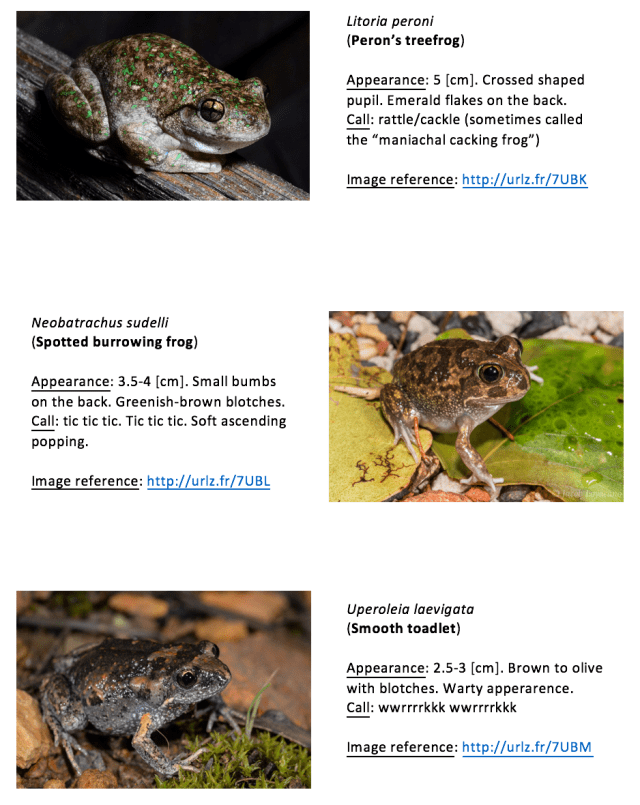
Frogs are hard to see but easy to hear. We can use this characteristic for the monitoring. Each species has a specific mating call with a different pitch, frequency and duration. (They do not want to attract the wrong species). The calls occur in spring and the first three hours after dark is the best time to hear them. My work with Frogwatch consists of studying 3 different sites once a week during October 2018. Our main goal is to make an inventory of the different species and their numbers. But we will also collect data about the weather (wind, air and water temperature), the habitat (water depth, vertical water drop), and vegetation (aquatic vegetation, shade and evidence of mowing).

This kind of monitoring is highly effective. It is also non-invasive because the frogs are not manipulated and only slightly disturbed by our presence. The data collected is used for many studies in the ACT.

Common species

There are 22 species in the ACT. You will find a short description of the 9 most common ones including their mating call in Figures 1,2 and 3.

Figure 1

Figure 2

Figure 3

Results

Disappointingly, two of our sites were in shocking conditions and we did not hear any frogs during our initial visit. At the first site we noticed that the grass near the pond was mowed which absolutely needs to be avoided. The ACT often delegates the job to contractors that employ inexperienced or non-advised employees. Only Limnodynastes tasmeniensis, Crinia signifera, and Litoria peroni were heard the second night.

The water is also really low this year (Figure 4). It makes the frogs vulnerable when travelling over the long distance between the grass and the pond. It will also leave less time for the tadpoles to develop before the pond eventually dries out in the summer. However, mud cracks can provide a good shelter for some frog species. Climate change will make it (or already has made it) worse. However, frogs only need moisture to live and water to reproduce, which gives non-permanent ponds an advantage: they make it impossible for invasive fish species to survive. The Eastern mosquitofish (Gambusia holbrooki) is greatly limiting frog populations mainly because it preys on tadpoles and frog eggs. Other introduced species such as trouts (Oncorhynchus mykiss and Salmo trutta) are also a problem in some regions.

Figure 4: Pictures showing a very low water level in the pond. Notice the mud cracks.

The second site was also in a deplorable state. (Figure 5)

Figure 5: Arboretum. Surrounds are heavily grazed by kangaroos, the banks are eroded, there is no vegetation and no shade

Reflexion

Apart from being fascinating animals, their decline will have other consequences: more insects such as mosquitoes and less food for birds, reptiles and mammals that use frogs as part of their diet. Frogs also indicates to us that the ecosystem is not in a good condition.

Some solutions could consist of putting some large logs and rocks in and around the ponds.They would provide shelter for frogs and make the mowing almost impossible. Also no-mowing warning signs could be erected.

At the Arboretum, it was surprising that so many trees were planted but none around the ponds. Besides adding vegetation, putting a kangaroo fence all the way around the pond would be useful too. This can not be done for all of the ponds, but adding trees for shade, rocks and logs would already be a good start (Figure 6). Aquatic plants could be introduced if the pond is permanent. (Figure 7)

Figure 6. Jerrabomberra wetlands are an example of a good habitat: large logs, rocks, patches of native grass and aquatic plants

Figure 7. Dickson road wetlands is a good example of rehabilitated urban wetlands on ANU campus. Many frogs are present but we will see below that there is another issue…

One last recommendation would be to avoid pollution and dumping waste in those fragile ecosystems. Have a look a look at this final picture (Figure 8). I think it illustrates the point very clearly:

Figure 8. Dickson road wetlands. While listening to frogs during daytime, I stopped for a moment and started collecting the rubbish that were everywhere in the wetlands…

References:

ACT State of the Environment, Commissioner for sustainability and the environment, 2017, www.environmentcommissioner.act.gov.au/publications/soe/2007actreport/indicators/nativespecies07

Arkansas Frogs and Toads, Frogs and Toads basics, Why are they important? What can be done to help them?, http://arkansasfrogsandtoads.org/frogs-toads/

Cornell Cooperative Extension, Attracting wildlife to your pond, 25 july 2015 http://ccerensselaer.org/environment/ponds/attracting-wildlife-to-your-pond

Frogwatch ACT and region, Gininderra Catchment group, National Water Week – Community Frogwatch census kit, https://ginninderralandcare.org.au/wp-content/uploads/2018/08/Frogwatch-Census-Kit-2008_PDF.pdf

Jansen A  Healey M, 2003, Frog communities and wetland condition: relationships with grazing by domestic livestock along an Australian floodplain river https://www.sciencedirect.com/science/article/pii/S0006320702001489

Gillepsie G.R, 2001, The role of introduced trout in the decline of the spotted tree frog (Litoria Spenceri) in south-eastern Australia, https://www.sciencedirect.com/science/article/pii/S0006320701000210#!

Tyler & Knight, 2011, Field guide of the frogs of Australia, revised edition, http://urlz.fr/7UOd


Written by u6761581

Posted on by Biodiversity Conservation Blog | 2 Comments