

Image 1: Female Superb Parrot taken at Justice Robert Park, Photo credit: Marina Fillipe
Introduction
As part of a recent work experience project I participated in a survey to measure the prevalence of Polytelis swainsonii, commonly known as the Superb Parrot, in the Sutton region outside Canberra. The work was commissioned by a property developer and was conducted by Capital Ecology, a company that specialises in identifying, recording and assessing ecological value. Such surveys can help in understanding the ecology of native species, such as the Superb Parrot, which is critical in formulating plans to ensure the species’ survival.
What is the importance of the Superb Parrot?
The Superb Parrot is a threatened bird species that nests in tree hollows of Box Gum Grassy Woodland. The species plays an important role in helping to propagate grassland seeds whilst also having significant cultural and aesthetic value. Superb Parrots choose their nests, which comprise of small hollows of around 10 cm in width, in either Eucalyptus rossii or Eucalyptus blakelyii. The male birds are bright green with a long narrow features, and back-angled wings; the females have duller colours. The parrots are found mainly in the south-eastern parts of Australia and are known to occur at a higher frequency in and around the ACT, specifically a site in Sutton which is earmarked for property development.
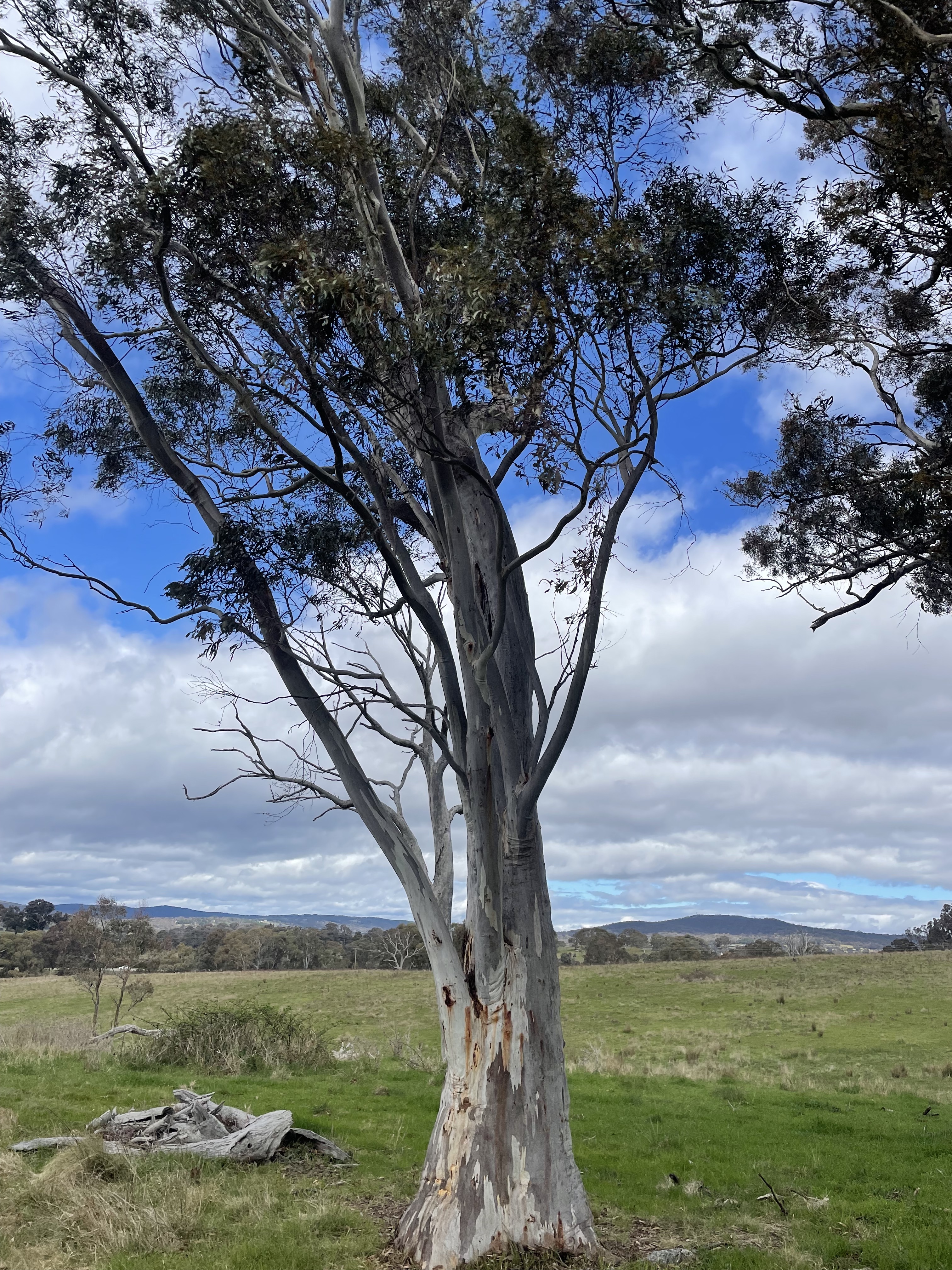
Image 2: One of the several trees that are know nesting sites for the superb parrot at the development site in Sutton, photo credit: u6946901
Property development and Biodiversity – can we find that happy medium?
With an ever-increasing population, no one can deny the need for these developments, but it should be sustainable and not come at the expense of native species, especially those already vulnerable to extinction as a result of human development. Plans are afoot in the Sutton region to build residential allotments in parts of the Woodbury Ridge Estate. As with all property development there is a need to clear land, which will result in some biodiversity loss. Capital ecology along with the developers have put an emphasis on coming up with a plan to minimise the effects of any loss of biodiversity for the Superb Parrot by conserving known hollow bearing nesting sites. In this case, with increased community involvement stewardship sites have been introduced. These are specified areas of land in which the owner of the property manages the biodiversity conservation in exchange for biodiversity credits that have financial value and can be traded and used as offsets. There are several of these sites implemented in the plan giving hope to the prospect that sustainable development is achievable in the face of urban expansion.
Thanks to Capital Ecology
Due to the hard work of private companies like Capital Ecology biodiversity stands a fighting chance against the unfortunate sprawl of property development. In this particular case, their work may help to change the lowly ecological status of the Superb Parrot through monitoring and awareness studies. Capital Ecology has a track record of improving biodiversity in Canberra and the surrounding regions having provided input into the Kama Nature Reserve and the future of the ‘Molonglo 3’ urban development area in the ACT. While the great work of Capital Ecology conserves endangered populations biodiversity conservation requires effort from all stakeholders, especially land developers, and the introduction of stewardship sites is a good way to encourage developers to take biodiversity conservation seriously.
I really enjoyed the time I spent working with Capital Ecology. Catherine Ross, who took me out for the day, taught me a lot about the company and how they operate. I would like to thank her and the whole Capital Ecology team for providing me with this great opportunity and I would encourage anyone with an interest in our natural environment help out in similar studies.
u6946901, word count: 584
References
Capital Ecology (2022). Woodbury Ridge Estate, Sutton, NSW – EPBC Act Preliminary Documentation. Final 01 – 6 January 2022. Prepared for Capital Plus 1 Woodbury Ridge Pty Ltd. Authors: S. Reid and R. Speirs. Project no. 3088.
Davey, C., 1997. CANBERRA BIRD NOTES. Registered by Australia Post – publication No NBH 0255, 22.
Davis, A., Major, R. and Taylor, C., 2013. Housing Shortages in Urban Regions: Aggressive Interactions at Tree Hollows in Forest Remnants. PLoS ONE, 8(3), p.e59332.
Ecology, C., 2022. [online] Capitalecology.com.au. Available at: <https://www.capitalecology.com.au> [Accessed 15 October 2022].
Manning, A., 2003. A multi-scale study of the Superb Parrot (Polytelis swainsonii): implications for landscape-scale ecological restoration. A thesis submitted for the degree of Doctor of Philosophy of The Australian National University,.
Rayner, L., 2020. Superb Parrot Conservation Research Plan. Superb Parrot Conservation Research Plan – Bango Wind Farm,.
Stojanovic, D., Rayner, L., Cobden, M., Davey, C., Harris, S., Heinsohn, R., Owens, G. and Manning, A., 2021. Suitable nesting sites for specialized cavity dependent wildlife are rare in woodlands. Forest Ecology and Management, 483, p.118718.

 Biodiversity Conservation