
By Clary Lau – u7524996 (word count: 550)

With the recent upgrade of the conservation status from vulnerable to endangered in QLD, NSW and the ACT, Koalas are in imminent danger of extinction. The main threat to koalas is habitat loss due to development and bushfires. This not only reduced the home range of koalas, but also increased the chance of koalas being killed by traffic or predators when they move across habitats. Actions are urgently needed to save the koalas. Tidbinbilla Nature Reserve in the ACT maintained by the Parks and Conservation Services consists of a predator-proof Eucalypt Forest, where inhabited by a range of threatened species. A monitoring programme is needed to keep track of the species’ population within the forest. In my work experience, I participated in the koala survey to assist in the koala population monitoring this year.

Koala survey
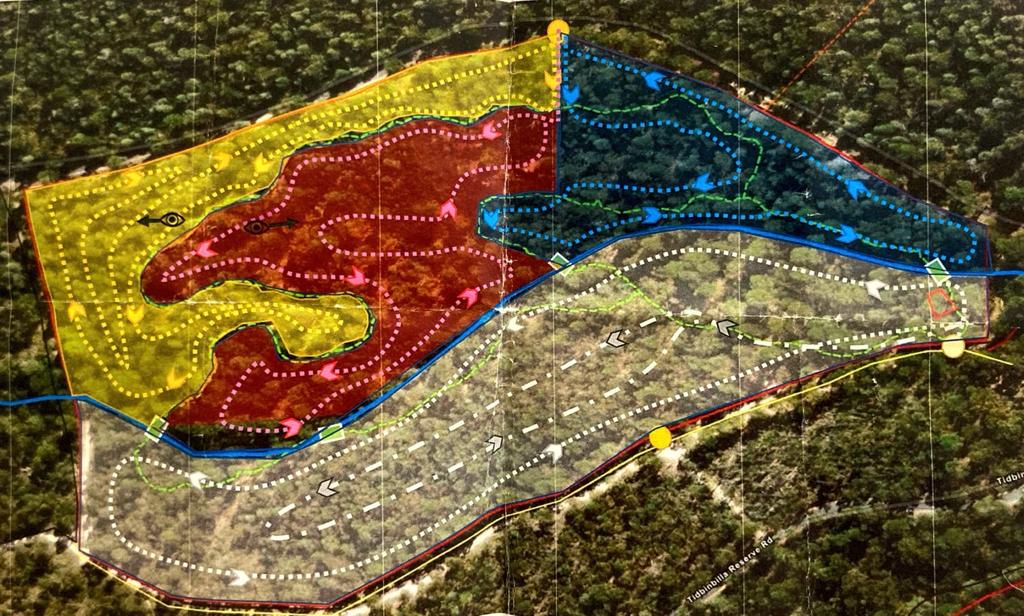
On a sunny day on September, 10 ANU students including myself went to Tidbinbilla Nature Reserve to help with the koala survey this year. We were divided into 4 groups. Each group was led by a senior volunteer and was responsible for surveying the free-ranging koalas along one walking trial by naked eye (Figure 3).
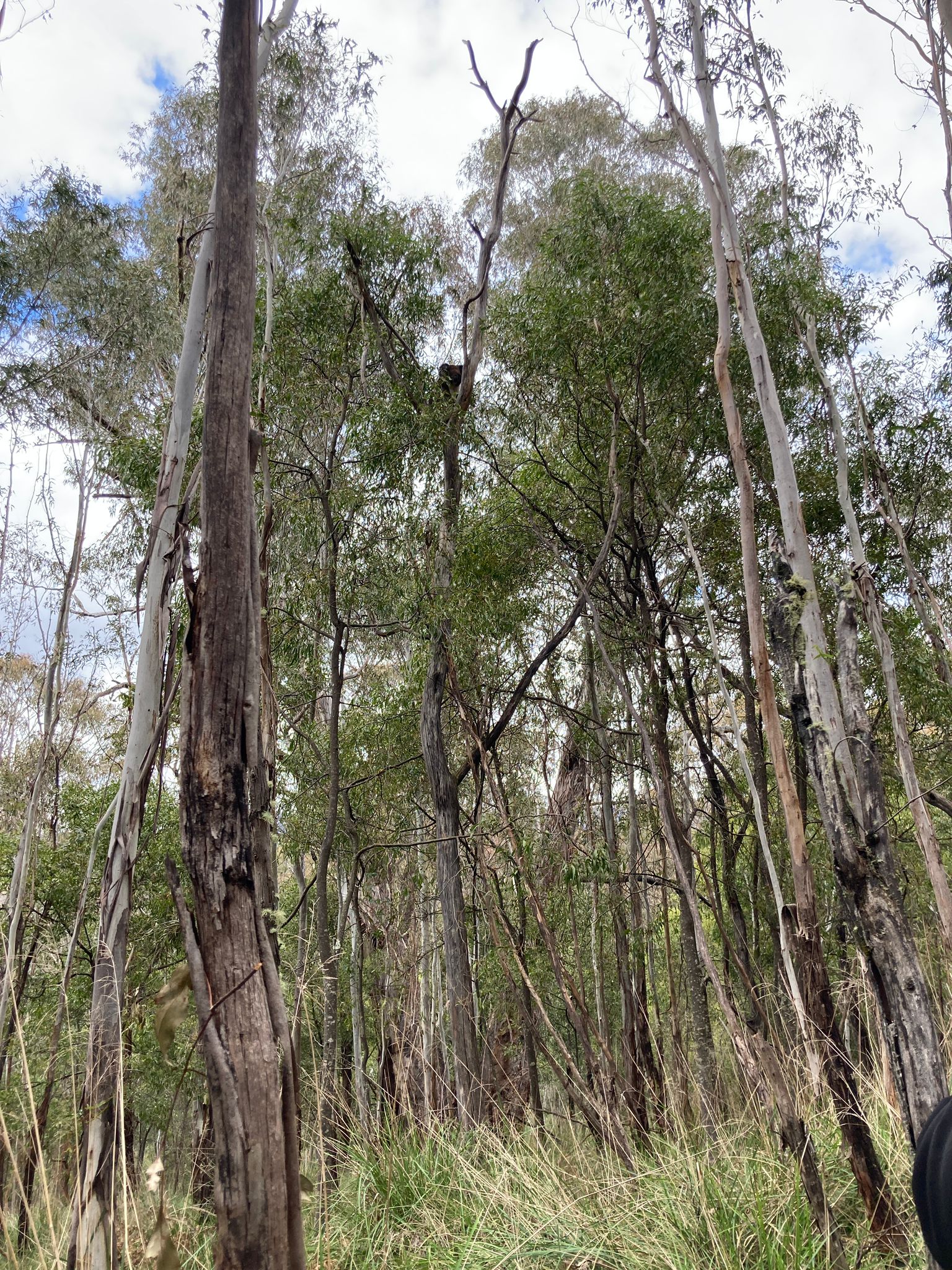
Not until I had done this survey have I known that it is very hard to find a koala. It could be due to a small population of koalas in the reserve, or maybe koalas are really cryptic. But when a koala appeared in front of me on a tree, it still took me some time to spot it. Koalas are difficult to spot, even if they are present, we might still not be able to see them. With the combined efforts of all groups, we only detected 4 koalas in the forest, which was lower than the data collected in previous years. Direct counting manually is not the best method and could be ineffective for koala surveys. Yet, Tidbinbilla is looking into the use of thermal drones as an alternative, and hopefully will get a more reliable result.

Koala enclosure
Besides the free-ranging koalas, there is also a koala enclosure in Tidbinbilla which holds 3 koalas inside. The enclosure is not just for display, it also helps the more vulnerable koalas, like new-borns which are not suitable to put into the free-ranging area, for their survival.

Koalas are weighed repeatedly to monitor their health conditions. If a weight drop is observed consistently, their health might be in a decline. When they are weighed, they have to be put into a bag inside a bin to prevent them from escaping (Figure 7).

Regular maintenance is also needed to ensure the hygiene and safety of the koalas. Eucalypt leaves have to be renewed frequently because koalas are very picky. They only consume 6 to 7 Eucalypt species, and prefer fresher and more hydrated leaves. We were also being told that it takes 5 days for them to digest the leaves! We also helped with sweeping and replacing the ground cover, removing fallen logs, and trimming excessive vegetation to maintain tidiness and prevent the koalas from escaping.

Conclusion
Koala is in decline, but you can volunteer to help. By helping with the monitoring and maintenance, you can contribute to the conservation of koalas. It is also a precious chance to learn about koalas in person. Click here to find out more.

 Biodiversity Conservation