
By Tim Chan (U7079724)
Koalas (Phascolarctos cinereus) are classified as Endangered under the Environmental Protection and Biodiversity Conservation Act 1999 (The EPBC Act). Loss of habitats, vehicle strikes, dogs, and chlamydia infection drastically reduce the Koala population. In 2012, Koalas were first listed as Vulnerable in Queensland (QLD), New South Wales (NSW) and the Australian Capital Territory (ACT) under the EPBC Act. Climate change further aggravates the problem by altering the fire regime. More frequent bushfire occurrences can injure or kill Koalas. It is estimated that the 2019/20 Black Summer bushfire killed at least 60,000 Koalas. Projection suggests that the Koala population will drop significantly in the next few years and extinct within 50 years.
How many Koalas are there in the ACT?
There is insufficient information to establish a figure for the historic Koala population in the ACT. It is believed that the Koala population in the ACT was either introduced from VIC & NSW or escaped from Tidbinbilla Nature Reserve. In July 2018, Capital Ecology conducted Koala surveys in the ACT for the ACT Government. The report revealed that there is no Koala population in the wild. Currently, there is only a captive population in the ACT. It is located in the Eucalyptus Forest at Tidbinbilla Nature Reserve, a 17-hectare predator-free zone that houses around 10-12 Koalas (Dr Sarah May, Threatened Species Programme Manager, ACT Parks and Conservation, personal communication).

Figure 1. A map of the Eucalyptus Forest in Tidbinbilla Nature Reserve. Volunteers are divided into four groups to conduct Koala surveys in four different zones. (Map: ACT Parks and Conservation Service)
To confirm the current breeding programme is effective, it is essential to survey the Koala population within the forest. We were divided into four groups and looked for signs of Koalas. Koalas mainly stay in trees which makes them difficult to detect. To identify Koalas within the sanctuary, we searched for scratch marks and scats. We also used binoculars to identify Koalas on the branches. In the two-hour walk, our group was lucky enough to identify two Koalas on apple box trees (Eucalyptus bridgesiana). If you visit Tidbinbilla the next time, search for apple box trees! Maybe you will be lucky enough to see a Koala.
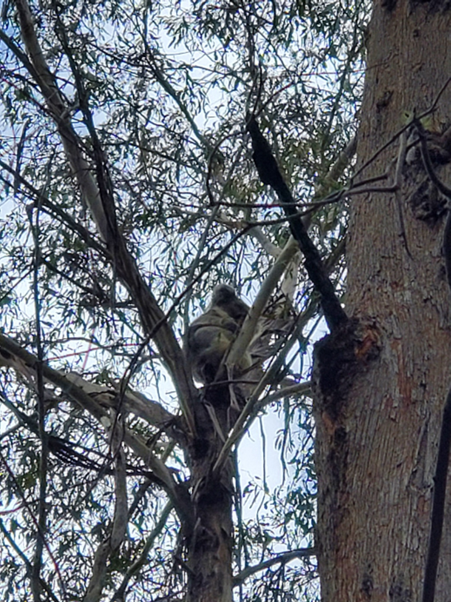
Figure 2. We identified a Koala on an apple box tree. (Photo: Tim Chan)
Are the Koalas healthy?
There is an enclosure next to the entrance of the Eucalyptus Forest. It is surrounded by another layer of fences and is the home of three Koalas. You can see them immediately when you step into the Eucalyptus Forest. They are offered fresh Eucalyptus leaves daily. ACT Parks and Conservation will examine the health of the Koalas once a month. Even though we were not allowed to touch the Koalas, we were lucky enough to be able to witness the process. This process involves weighing the Koalas and examining the ribs of the Koalas. If Koalas have convex ribs, it means they are healthy. Similar approaches are used nationwide in other zoos.

Figure 3. The 18-month Koala joey prepares for the monthly health examination. (Photo: Tim Chan)
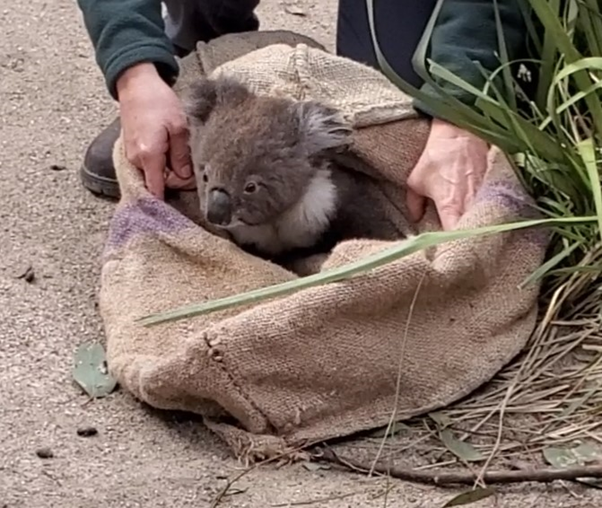
Figure 4. The Koala walked out after weighing. This is to minimise contact with wildlife. (Photo: Tim Chan)
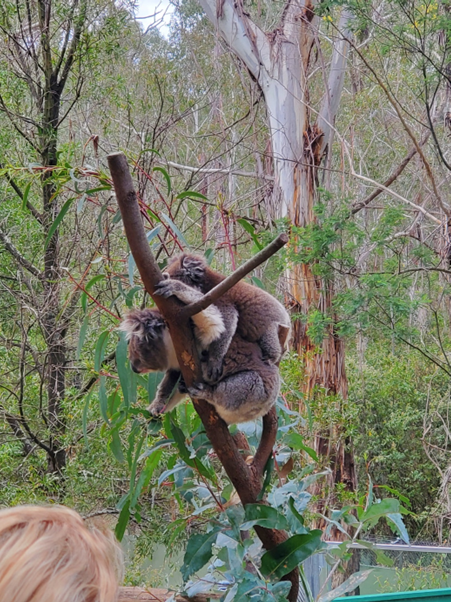
Figure 5. Koalas are provided with fresh Eucalyptus leaves. (Photo: Tim Chan)
Into the Future…
Urbanisation and climate change will promote further loss of habitats and the creation of fragmented landscapes. This will threaten the survival of Koalas. Scientific evidence suggests that the Koala population in QLD, NSW and the ACT will continue to decline and eventually be extinct in the future. We need to act NOW to protect the Koalas. If you would like to play a part to help the Koalas, get involved and join the ParkCare Volunteer!
Gratitude to ACT Parks and Conservations, and ParkCare volunteers for facilitating this work experience.
(529 words)

 Biodiversity Conservation