
Jack Thomas – u7115672

Wow! A pretty huge claim isn’t it. As a participant in both sex and botanic gardens (unequivocally, not at the same time) I can assure you that after reading this article, you will stand firmly by a flowering Prostanthera or Hakea in chastity, ready to devote your life to the humble pursuit of biodiversity conservation.
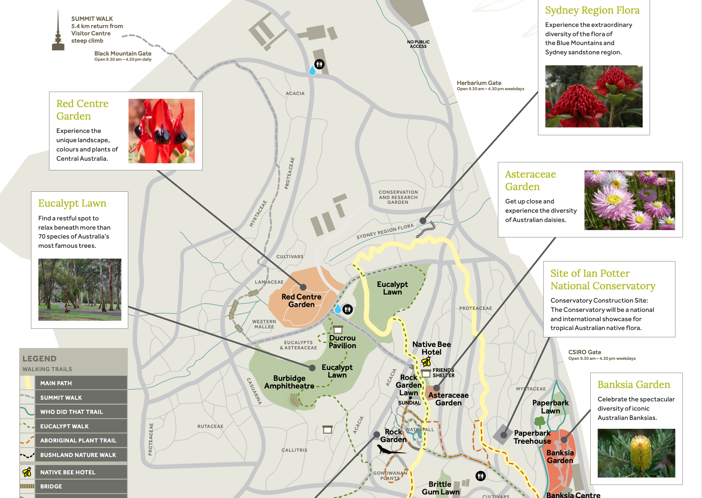
Okay, I admit I only wrote that title to get your attention! However, now that you are here, prepare to be thoroughly convinced by the undervalued power that Botanic Gardens have in the world of biodiversity conservation. The Australian National Botanic Gardens (ANBG) are an outstanding example of this, and below are 4 reasons why – at the very least from a biodiversity conservation standpoint – Botanic Gardens are far better than sex.
1) Botanic Gardens are outstanding educators of conservation issues
It is well known that having hands on experience with nature and the environment is integral in influencing people to engage with biodiversity conservation issues, especially from a young age. The ANBG hosts a school groups several times per week, and tour guides conduct engaging and informative tours to both school groups and adults to help communicate the importance of the species being conserved there, often through stories and hands on experiences.
2) Botanic Gardens provide strong mid-story protection and tree hollows birds
Many of the ACT’s endangered birds are falling victim to the loss of essential habitat. In particular, the loss of important shrubs that provide protection from birds of prey, or through the loss of nesting hollows in trees that are often hundreds of years old. The ANBG provide a remedy to both of these issues, with large garden beds of Protaceae plants in the Banksia and Grevillia genera that provide important protection, as well as many nesting hollows in old Eucalypts.

3) Botanic Gardens contain strong insurance populations
After the recent Black Summer bushfires destroyed the last wild plants, the ANBG held the last remaining population of the small purple pea (Swainsona recta) and have been able to reintroduce the plant to its habitat in Namadgi National Park. This is just one example of the insurance populations stored in the gardens and seed banks of Botanic Gardens around the world, preserving fragile biodiversity.

4) Botanic Gardens are a hub for research and innovation
Finally, while there is certainly no shortage of supposed experts in sex, Botanic Gardens worldwide attract academics, students and hobby botanists and birdwatchers daily to explore and learn about the variety of biodiversity in the Stylidium gardens, as well as experiment with new methods of monitoring and propagating and endangered species. During my experience with the ANBG Rangers, we were regularly approached by bird enthusiasts and researchers to discuss recent sightings and nesting habits of Tawny Frogmouths and Little Eagles, or to identify a species.
Ultimately, the Australian National Botanic Gardens represent the strength that Botanic Gardens’ provide worldwide in understanding, communicating and conserving threatened and endangered plant and animal species. Certainly, those fortunate enough to have visited the beautiful ANBG site in Canberra will know that the seeing a pair of nesting Little Eagles provides a thrill that certainly trumps the endorphins of ‘Netflix and Chill’.

 Biodiversity Conservation