
Jonathan u6961698
The koalas we see in the zoos are more different than the ones in the wild. I used to think that koalas like to be in groups and live together but after this experience it was told to me that they like to be more alone and be inside their own territory and that they are more of a solitary creature. And another interesting fact is that they are picky eaters and will not go for same leaves over and over again, within the enclosure the volunteers also provided them with different type of eucalyptus leaves to eat. If people have a chance, they should really visit the nature sanctuary within Tidbinbilla.
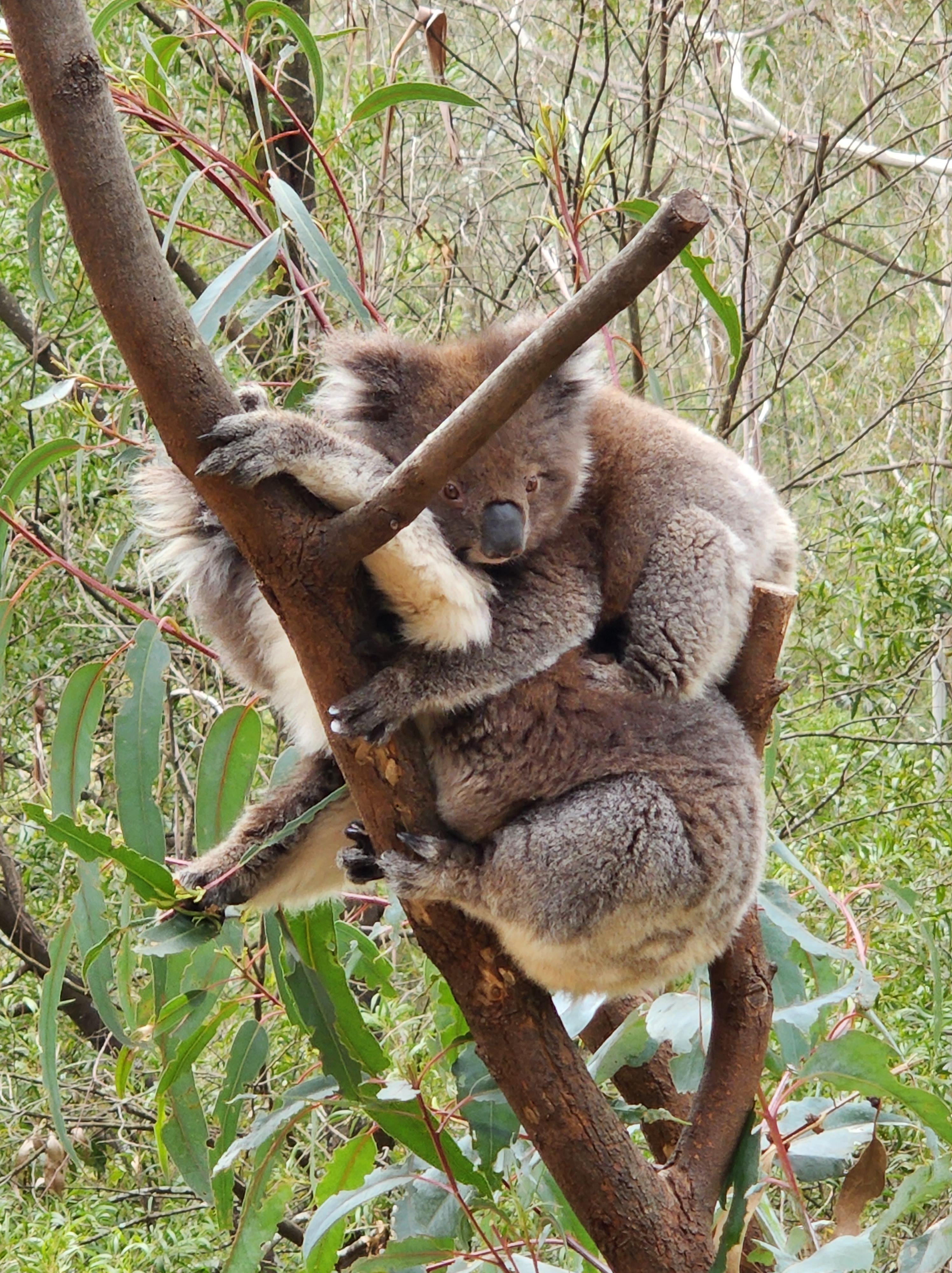

Koalas (Phascolarctos cinereus) are labeled as endangered within the ACT one of the major threats to the koalas are the intensification of urbanization causing a clearing of their habitat which lead to the fragmentation of their population causing genetic diversity to go down and increasing their chances of diseases making them endangered (Department of Sustainability, 2012). Koalas were also hunted for their skins during the 1870s and 1880s (Georges, 2019) and the affect of bushfires and predation from invasive species. During the black Christmas bushfire, the Tidbinbilla sanctuary was also affected, and one of the survivor koalas was named lucky after the event. It is important for us to protect them as koalas are important to the Australian environment and the ecosystem because their manure feed the forest floor that help the woodlands grow and regenerate leading to an increase in biodiversity. Droppings are also known to be a source of food for small mammals and insects (IFAW, 2022).

The main way Tidbinbilla is protecting this species is through breading programs and creating protected habitats for the species (Canberra, 2012). The main goal for us was to do surveys and renew their enclosure. The surveys are done so that we know how much koalas are within the sanctuary as the carrying capacity for the sanctuary is 13 koalas within the 17ha of area to prevent over-browsing (Victoria, 2022). The main way we try to identify if a koala is nearby is by the manure(Department of Planning, 2021) and the potential of the tree being a good place for them to rest. But to survey the whole area while not double counting koalas is difficult for humans, it was interesting that one of the workers mentioned a potential use of drones which would make monitoring koalas within the area more effective.
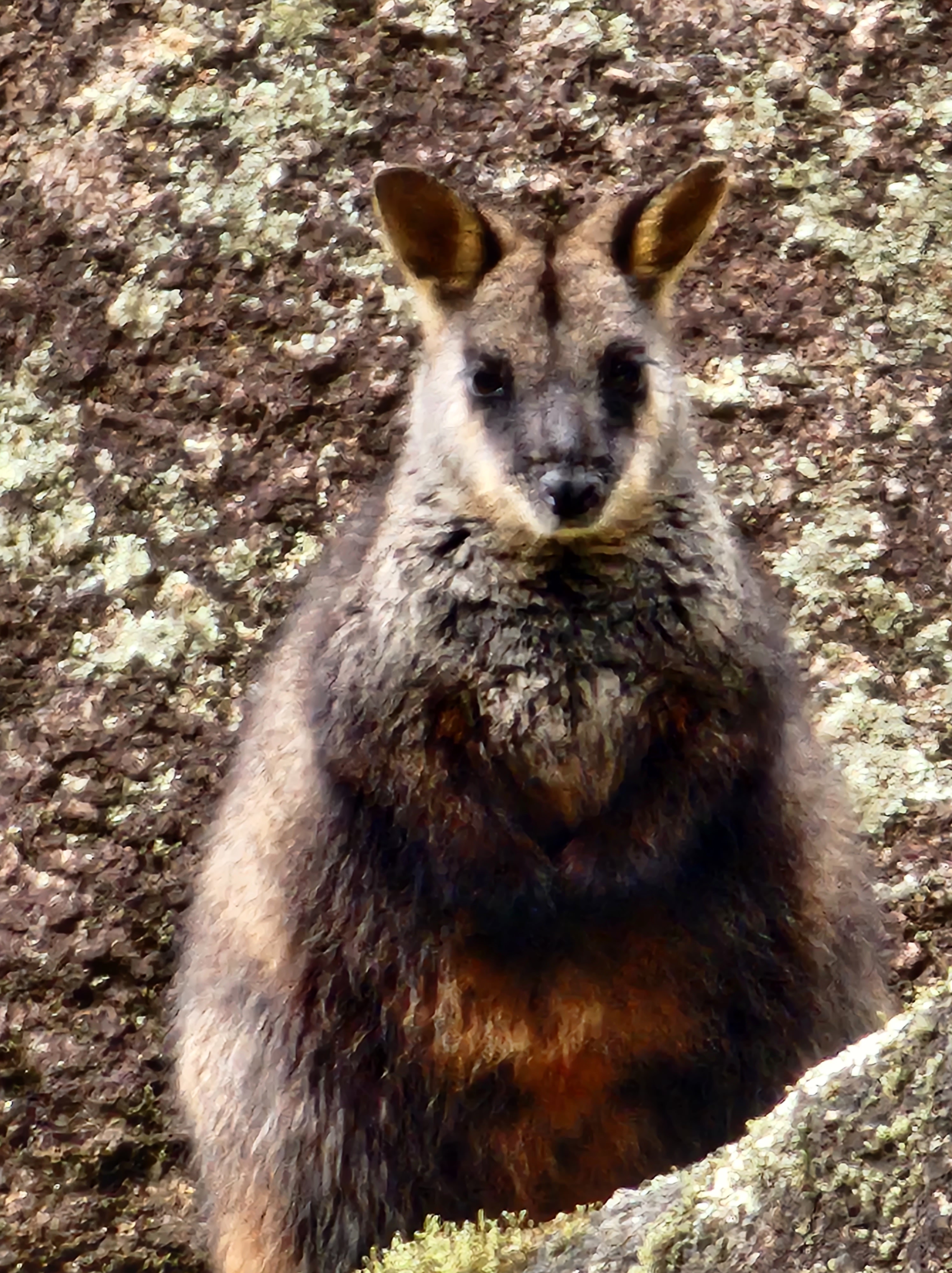
If you are lucky during the walk within the sanctuary you might be able to spot other animals that are being protected within such as Southern Brush-tailed Rock Wallaby and Tidbinbilla is the only place in ACT where it can be found. And smaller animals like the bettong.
Canberra, A. G. T. N. R.-. 2012. The Eucalypt Forest.
Department of Planning, I. a. E., 2021. NSW Koala Monitoring Framework.
Department of Sustainability, E., Water, Population and Communities, 2012. Koala populations in Queensland, New South Wales and the Australian Capital Territory and national environment law.
Georges, A., 2019. Nature Conservation (Koala) Conservation
Advice 2019.
IFAW, 2022. Koalas.
Victoria, F. F. M., 2022. 10 facts about koalas in Victoria.

 Biodiversity Conservation