
By u6951572
Did you know koalas are eucalypt connoisseurs? Did you know koala scat smells like eucalyptus essential oil? Did you know koalas were previously extinct in the ACT? I didn’t… Until I joined a group of Tidbinbilla staff, Parkcare volunteers and ANU students for a day of work experience surveying and caring for ‘koala bears’ at Tidbinbilla Nature Reserve, a protected area in the ACT. I’m here to share this experience with you, some of the fun facts I learnt along the way and raise awareness for the threats facing this iconic Australian animal.
Koala’s carrying capacity
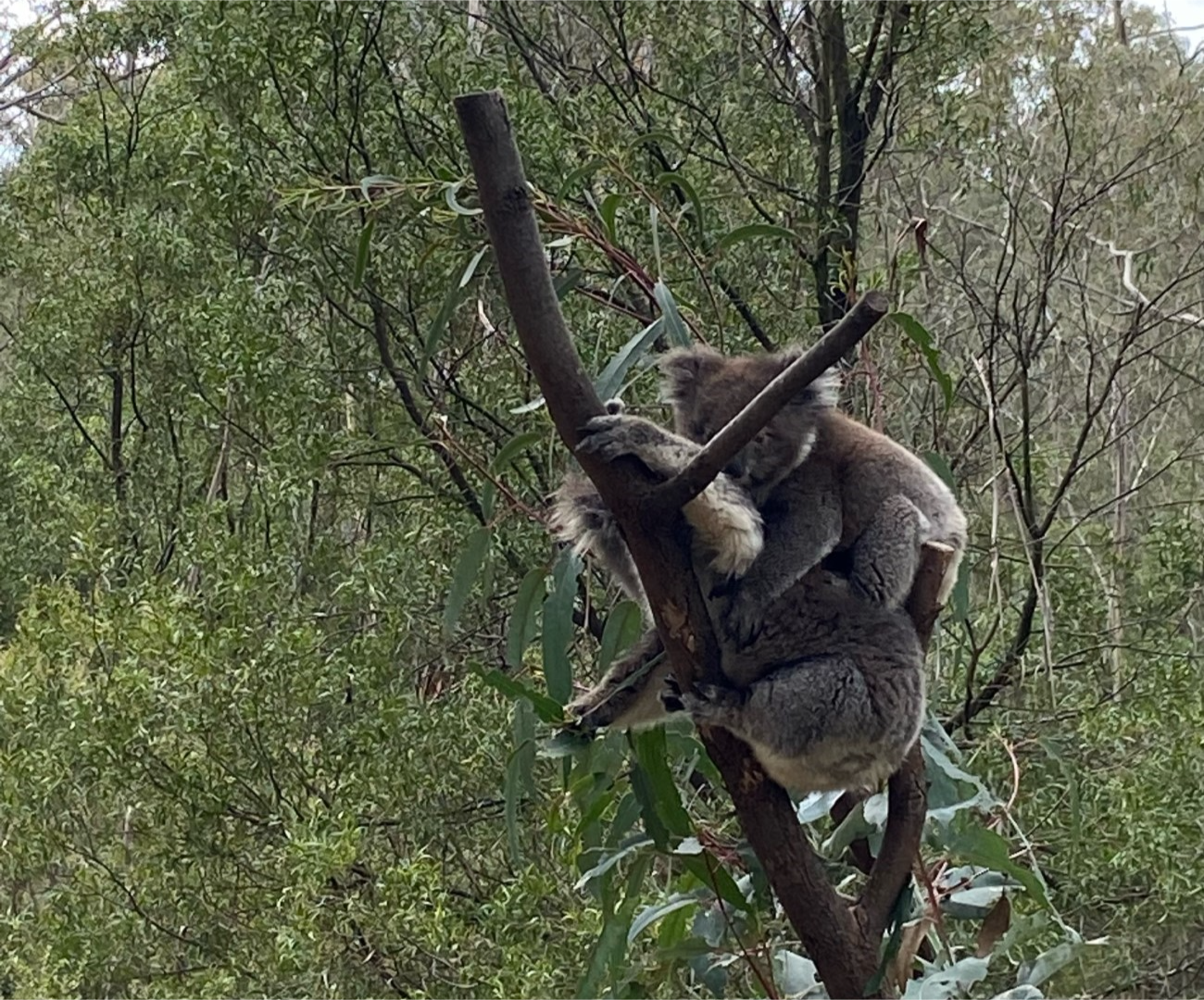
Koalas (Phascolarctos cinereus) are tree-dwelling marsupials which feed almost exclusively on eucalyptus leaves. As connoisseurs, the koalas at Tidbinbilla only like to eat six species of eucalyptus leaves as their acute sense of smell can detect the different toxicity levels. Part of our work experience involved husbandry (not midwifery) of the breeding koalas by providing them with their favoured leaf flavours and renovating their enclosure to meet their high-maintenance habitat requirements.
Why is this important? Well, the presence and density of their preferred species influences the distribution and numbers of koalas. If primary species are not present or occur in low densities, koalas must subsist on secondary species, meaning the sustainable number of animals per hectare (aka the carrying capacity) is lower. Surveying koalas to monitor population trends and health is therefore essential to ensure they don’t exceed their carrying capacity, leading to devastating consequences such as severe canopy defoliation, tree death and distressed, malnourished and declining koala populations.
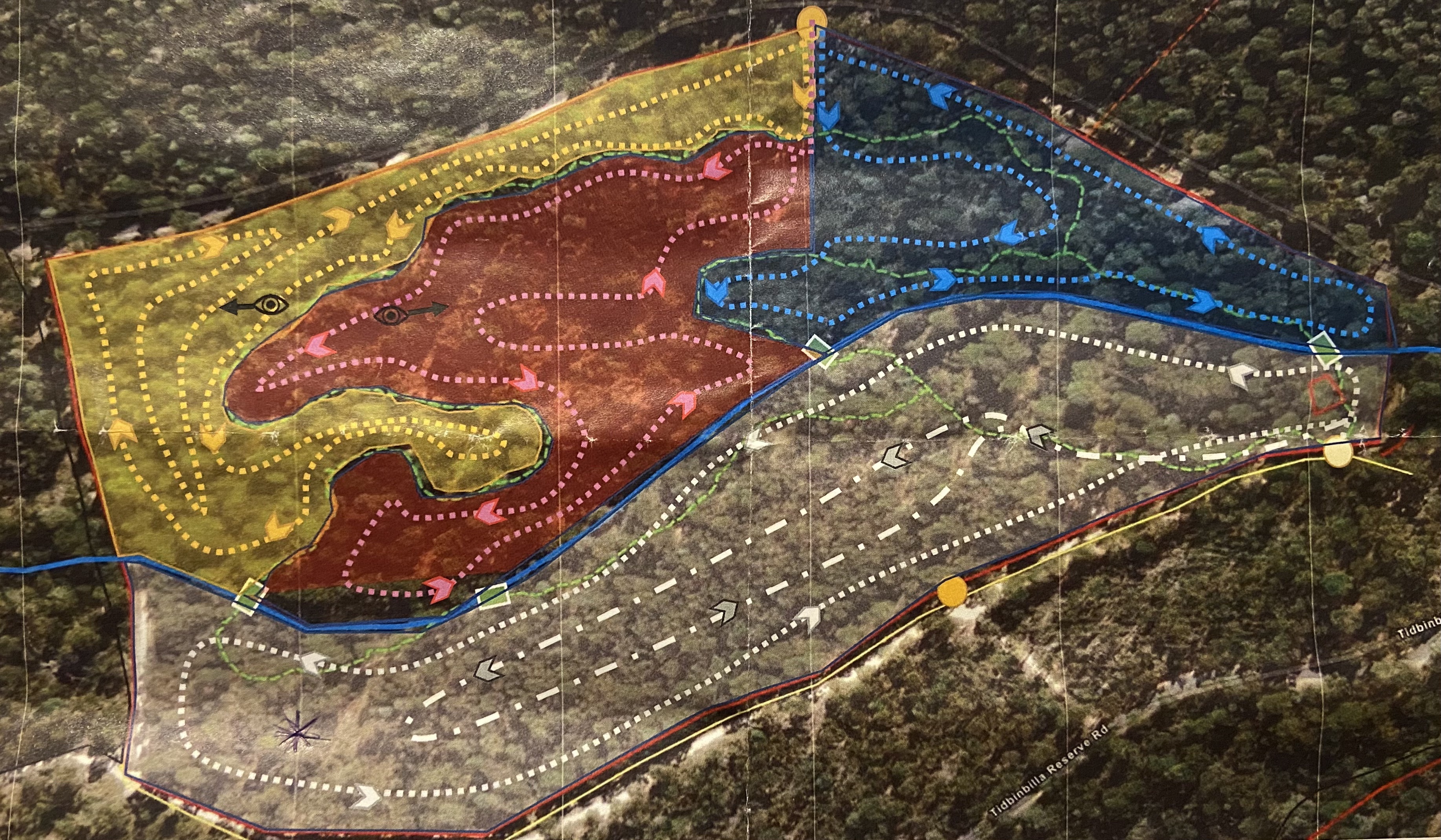
At Tidbinbilla, the koala’s carrying capacity is around 12 individuals in the 17-hectare Eucalyptus forest, as explained by threatened species manager Dr Sarah May. Their koala survey is designed by dividing the forest into four quadrants with transects. We walked these transects in four small groups and used binoculars to scan the canopy for small balls of grey fur. Any koala sightings are recorded with the time, location and tree species. Our group walked the white quadrant and after 2 hours ‘hot on the trail’ – following eucalyptus scented scat – we finally spotted the elusive koala!
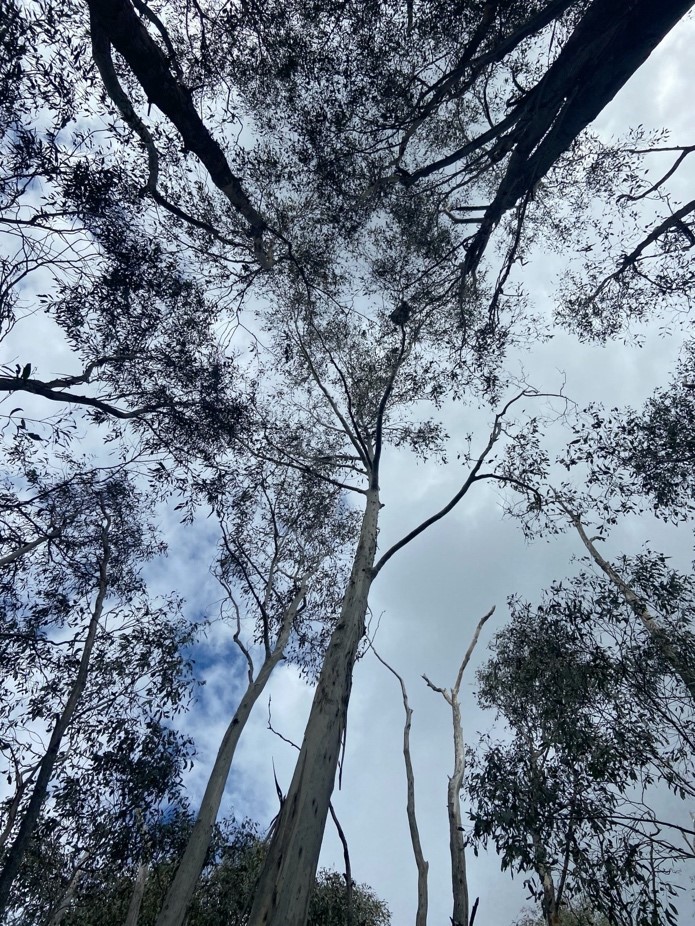
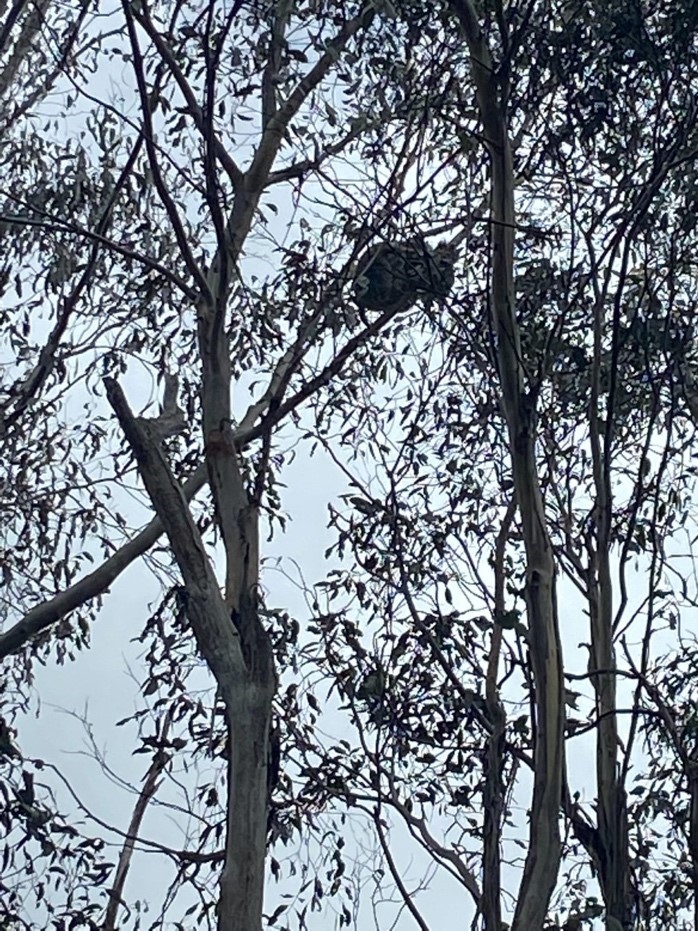
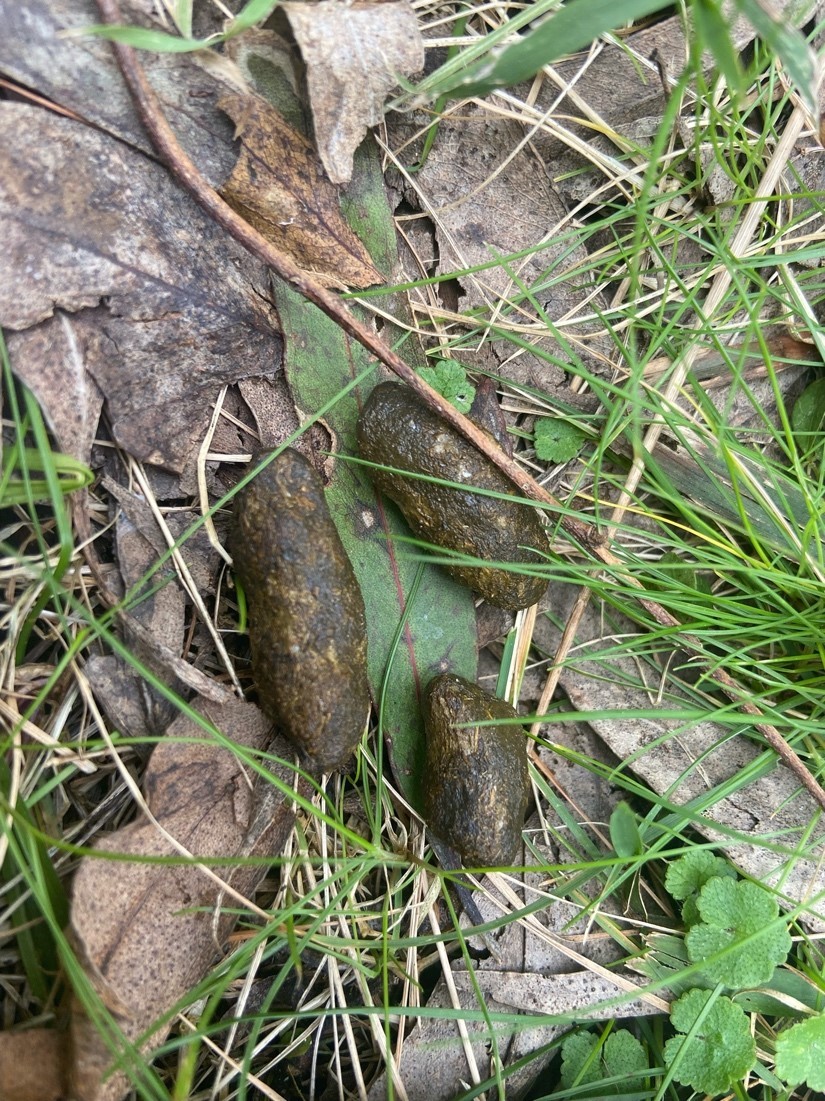
One of the many challenges of koala conservation is that they’re difficult to detect and therefore knowledge of koala populations is patchy, making it problematic to accurately estimate their current and changing status. The good news is… with koalas producing up to 360 pellets 24/7, surveying koala scat is an effective method for monitoring koala occupancy and could help overcome the challenge of imperfect detection.
The koala surveys at Tidbinbilla inform passive adaptive management of the koalas. If the population is below carrying capacity, managers supplement the population with their successful breeding program, if at or above carrying capacity, koalas are put on contraception.
Koalas are in danger!
Koalas were previously extinct in the ACT until a breeding population was successfully reintroduced to Tidbinbilla. In February this year, the combined koala populations of ACT, NSW and Queensland were listed as endangered under the EPBC. This is due to key drivers of biodiversity loss; like habitat loss, modification and fragmentation, disease (chlamydia), predation by invasive species, fire, drought and climate change. These drivers result in small, fragmented and isolated populations which are subject to the extinction vortex. Koala monitoring is critical to inform the management of this cute, cuddly and endangered species and avoid extinction.
Want to help the koalas? Visit Tidbinbilla Nature Reserve or get involved in volunteering!
Thank you to the team at Tidbinbilla for this experience.

 Biodiversity Conservation