
Tonami Deed – u6956662
My work experienced involved removing a large collection of biodegradable tree growth-tubes, protective guards, and wooden stakes as part of a native forest regeneration project on a private cattle property in Environa, NSW. My team consisted of nine volunteer students from the ANU and Mr. David Larcombe, the property owner and manager.

Trees!
Native forest regeneration requires careful planning, investment, and long-term commitment to ensure biodiversity gains are achieved. For several years, Mr. Larcombe and his family have dedicated much time and resources to restoring native forest across his property that had previously been cleared to make room for cattle. To achieve this, several hundred tube-stock plantings were dug by hand. Although this is a laborious and expensive task compared to alternative methods, it allows seed establishment rates to be maximised.
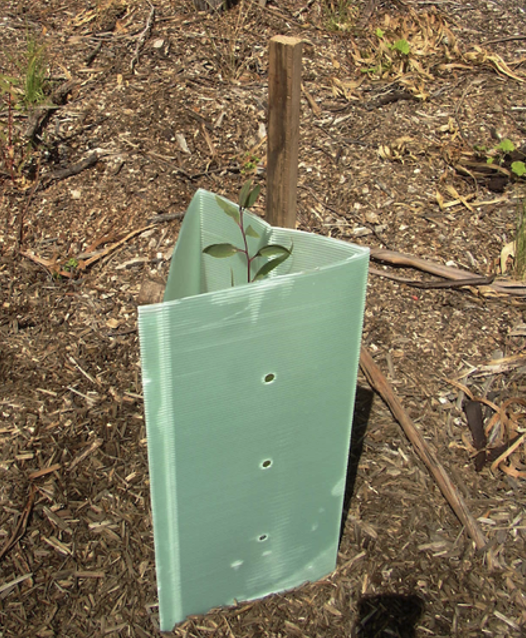
The aim of this regeneration project is two-fold: 1) “maximise biodiversity” and 2) “look after” native bird species like the White-faced heron (Egretta novaehollandiae) and Scarlet Robin (Petroica boodang). These goals are long-term because as these trees grow and mature over the years, structural diversity, coarse woody debris, and man-made hollows will be created to provide new habitat favourable for attracting and retaining a complement of bird species. Hence, while it takes little time and effort to cut-down trees to make room for cattle, it is not so easy to restore the landscape back to its natural state!
“The plan is to have 250 hollows by the end of this year” – Mr. Larcombe.
Project Beginnings
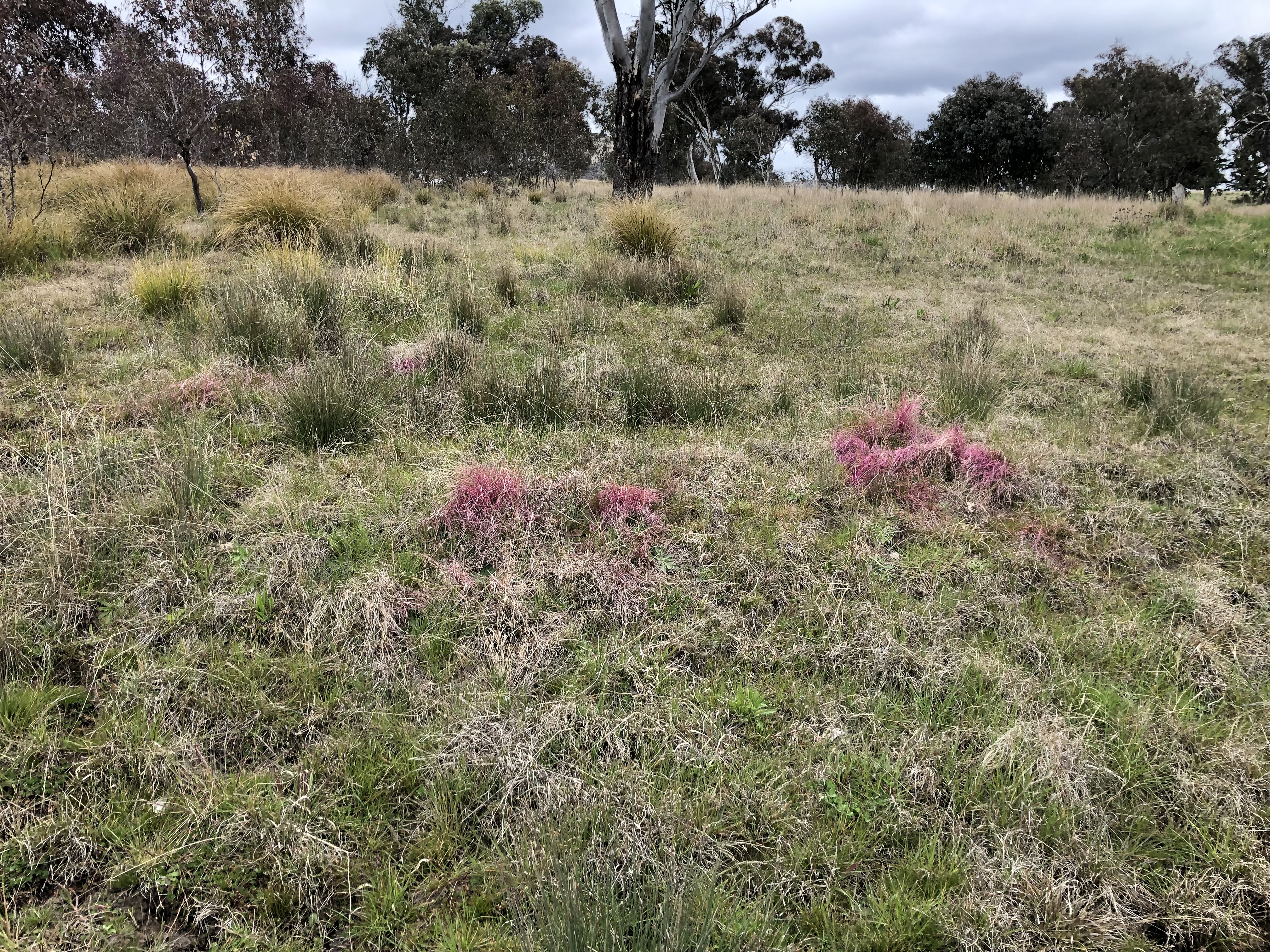
At the beginning, plantings required regular maintenance and monitoring as guards were installed to prevent African lovegrass (Eragrostis curvula) and feral pig predation from interfering with tree growth, and careful, persistent watering was undertaken to ensure plantings survive and grow until they reach maturity.
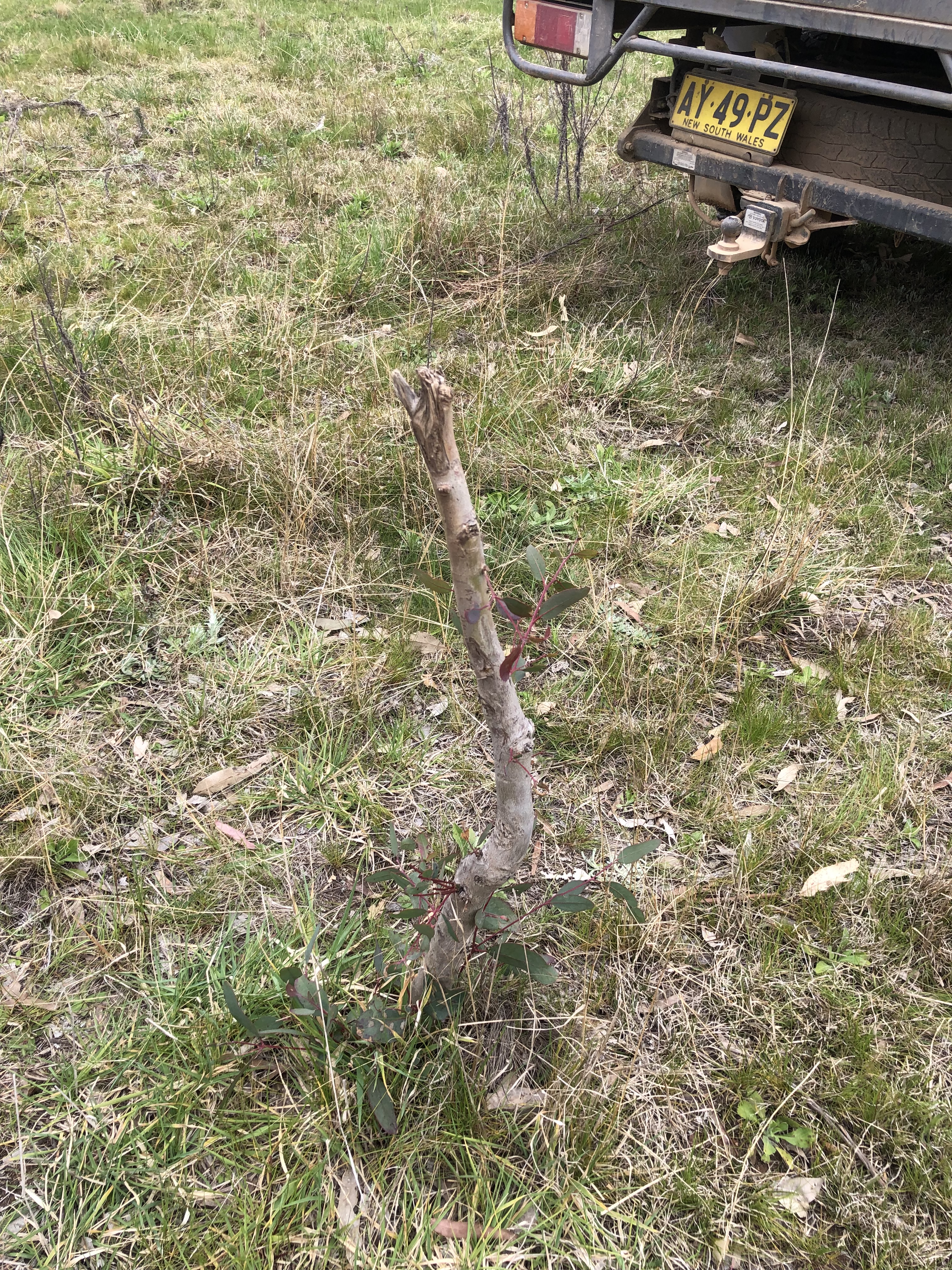
A barbed wire fence was erected around the entire perimeter of the regeneration site to prevent cattle from eating plantings. Today, the plantings have matured and no longer require protective guards, however the fence remains in place to prevent predators like foxes (Vulpes vulpes) from threatening birds nesting in the ground layer.
What Does the Future Hold for Bird Species?
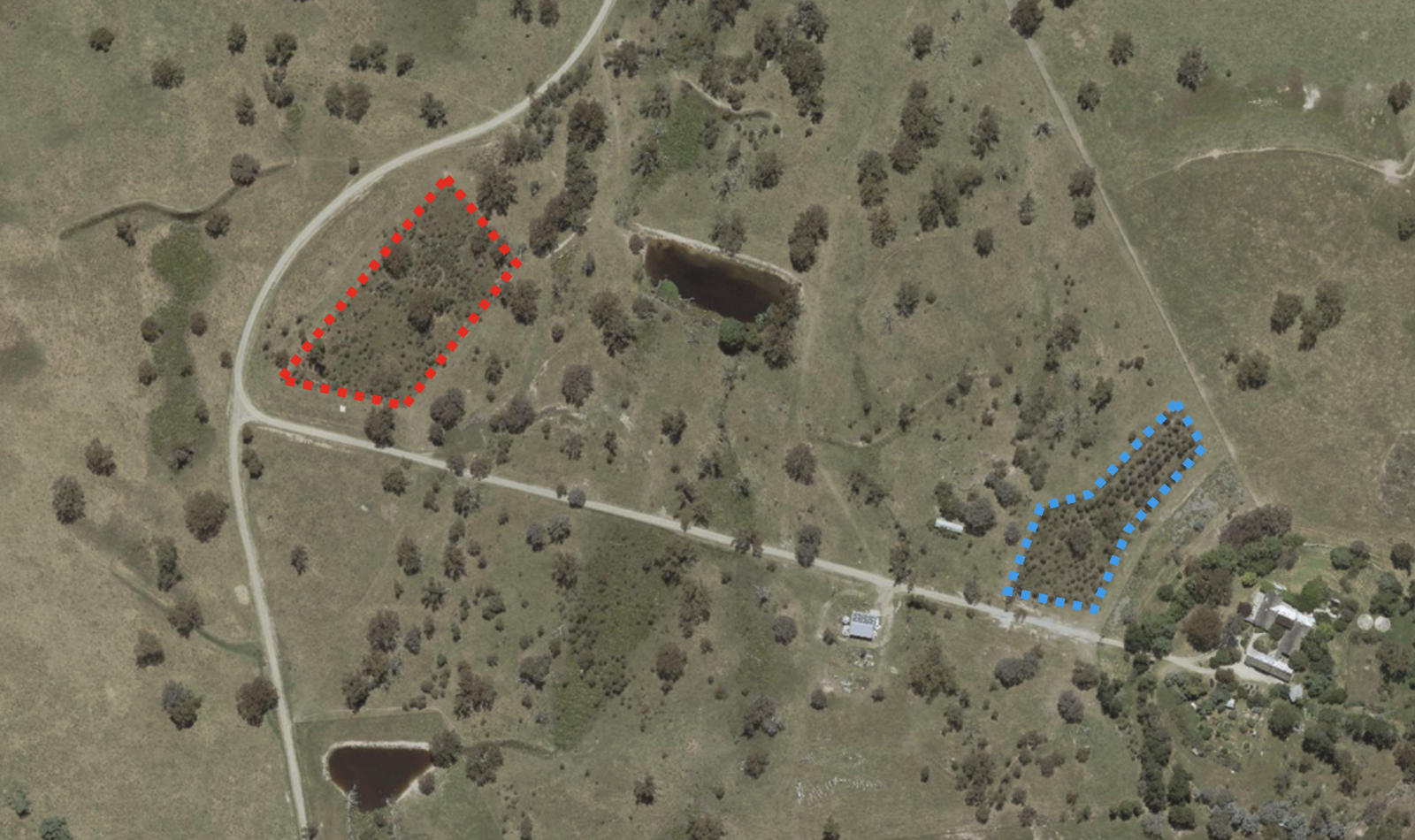
Although canopy cover is small as trees are yet to fully grow, habitat suitable for bird species are limited but projected to increase with time. This is reflected in my limited observations of birds on-site. Additionally, the site only covers a small area of 0.67 hectares. Some bird species like the Hooded Robin (Melanodryas cucullate) and Brown Treecreeper (Climacteris picumnus) are sensitive to patch disturbance and require several hectares of resources and tree cover otherwise they will leave an area.
Consequently, in the future, if the site is to attract and retain a large complement of diverse bird species, more trees should be planted across a larger area and efforts should be undertaken to increase connectivity between nearby isolated remnants of native forest and Box-Gum Grassy Woodland.
Nevertheless, this regeneration site will provide a safe new home for birds – a plus for biodiversity!
Reflection
My experience was enjoyable and insightful as I learned just how important volunteers are in lessening the workload for labour intensive restoration projects. Limited opportunities and funding for restoration work on private land in NSW means that similar projects would not be green lit if it weren’t for concerned and committed landowners like Mr. Larcombe and interested volunteers!

 Biodiversity Conservation