
By Sabina Aitken u7105859
How do you get home from work? What if I took away your roads and footpaths and replaced it all with woodland? Will you still be able to find the way?
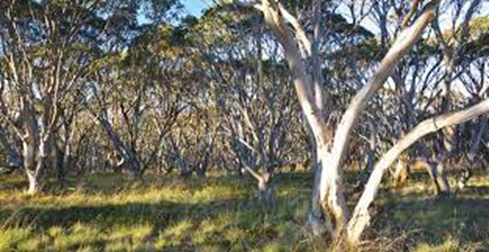
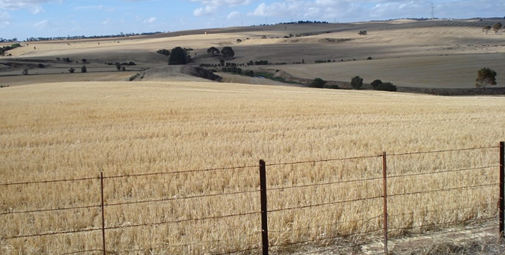
Land clearing in the ACT and NSW has seen the loss of 90% of Box Gum Grassy Woodland and temperate grassland ecosystems. In most cases these ecosystems have been replaced with pastures for grazing, leaving only small remnants of native vegetation spread out across the landscape.
While we would struggle to find our way home through bushland, native species struggle to move through our cleared landscapes. Areas cleared for pasture are devoid of large trees and shrubs meaning there is no shelter or food for natives as they make the journey across them. Because of this many species become trapped in their current ranges which can bring a whole host of other problems
Moving day: Why species need to relocate
Connectivity is important for maintaining genetic diversity by allowing individuals to move between subpopulations of the same species. Sharing genetics between subpopulations means species are more likely to have the right traits to adapt to changing climates. Connectivity also ensures that species can bounce back after stochastic events such as bushfires or floods allowing individuals from neighbouring populations to recolonise the affected areas.
The need for connected landscapes is only becoming more important with climate change driving species out of their current ranges and increasing the frequency of natural disasters. Areas that once offered suitable microclimates are becoming less suitable as our climate warms. This means species have to relocate for survival, to find new areas that suit their habitat needs but to do this they need to be able to cross these vast cleared areas.
Natures Highways: Increasing connectivity
Just like we cross the country by driving down highways, flora and fauna need highways too. These highways take the form of connected protected areas, where native vegetation is managed and restored. While Australia has an extensive state and national park system this isn’t always enough to build fully connected highways.
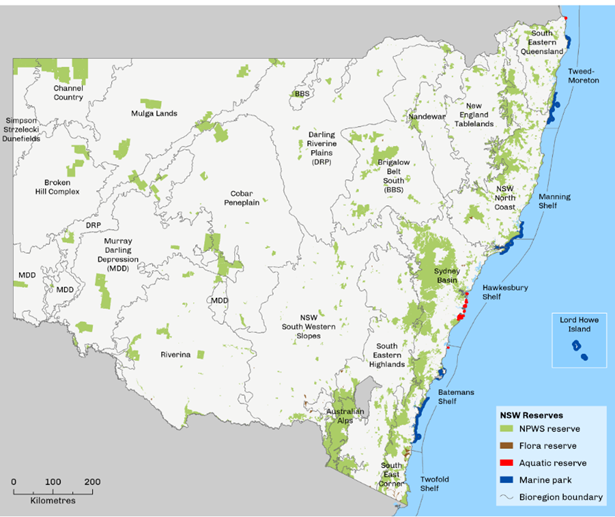
This is where organisations such as Bush Heritage come in. Bush Heritage buy and manage private land, often in areas where no public land is available for conservation. In particular, Bush Heritage focus on ‘priority landscapes’ that help build connectivity between existing parks and reserves.
An example of this is Bush Heritage’s Scottsdale Reserve in Bredbo NSW. Scottsdale helps connect remnant vegetation along the Murrumbidgee River corridor with Namadgi and Kosciusko National Parks as well as other local nature reserves.
Bush Heritage has been working hard to restore the critically endangered Yellow-Box Gum Grassy Woodland community that used to dominate the Scottsdale reserve area. Volunteers have spent many hours planting native vegetation across more than 300ha of the reserve.
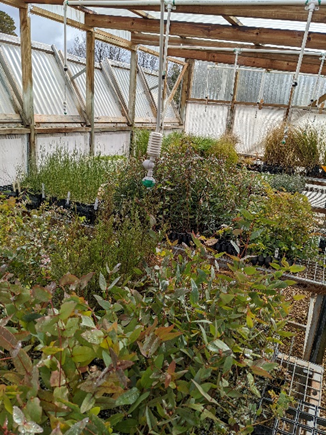
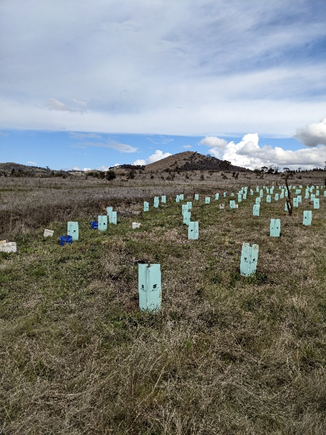
Evidence suggests that more restoration on private reserves, like Scottsdale, can increase habitat connectivity as well as create more representative and adequate protected area networks in Australia and beyond.

 Biodiversity Conservation