
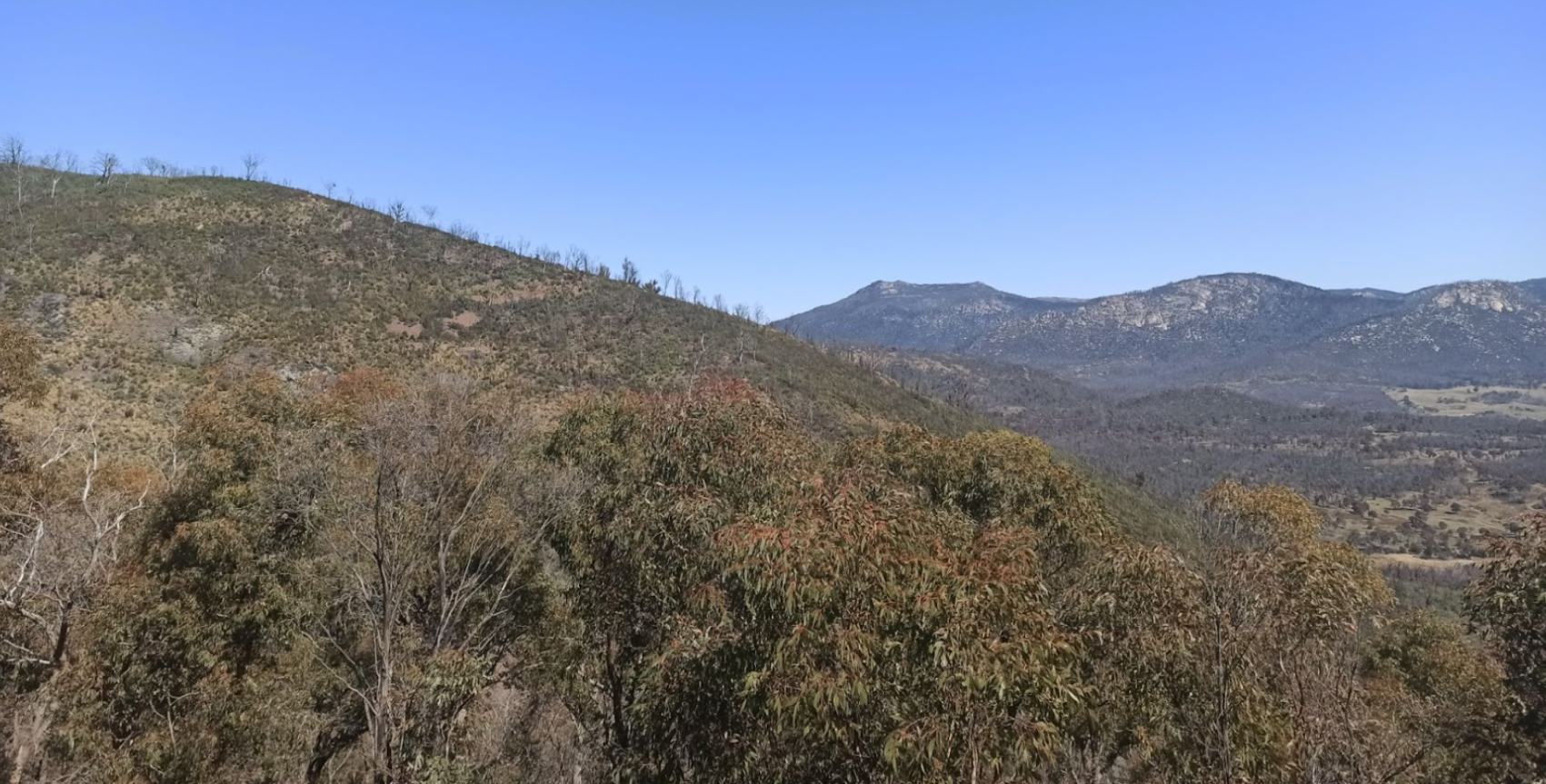
The 2020 wildfires which ravaged much of south-east Australia had a tremendous impact on the ACT region’s wildlife and ecosystems. Namely, 80% of the Namadgi National Park‘s (NNP) surface was burned, leaving behind a greatly damaged landscape.
Small mammals and reptiles are generally known to be vulnerable in post-fire conditions, due to an absence of proper shelter to protect them for predators. In the NNP, species such as antechinus, house mice, skinks, bush rats, bandicoots and brush-tailed possums were left exposed to opportunistic dingoes and cats, benefitting from an obstacle-less hunting areas.
The ACT government implemented many post-fire recovery strategies for human infrastructure and health as well as for wildlife. Heather Burns and her research project were part of one such strategy. Heather’s research aims to understand the condition of these vulnerable species in the years following the fires and what management actions would help them regain pre-fire populations and habitat. Heather and her team focus on whether adding piles of coarse woody debris across the park would be used by small mammals and reptiles as shelter. Indeed, such infrastructure is highly valuable to species of small sizes for protection and habitat, and become rare in burned landscapes.
Thus, during an approximately two year long study, Heather is monitoring the activity of said species on different sites, displaying characteristics which may reveal whether piles of woody debris are in fact used by the small mammals and reptiles. Eighty sites regrouped by fours are scattered accross the park, each equipped with monitoring equipment, and forming twenty seperate blocks. In each block, one site displays piles of wooden debris covered by chicken wire for increased predator protection, one site displays uncovered piles of wooden debris, one site uses chicken wire alone, and a final site has no modifications. To attract life under the camera, some tuna and sesame oil is spread on a cork tile… delicious !


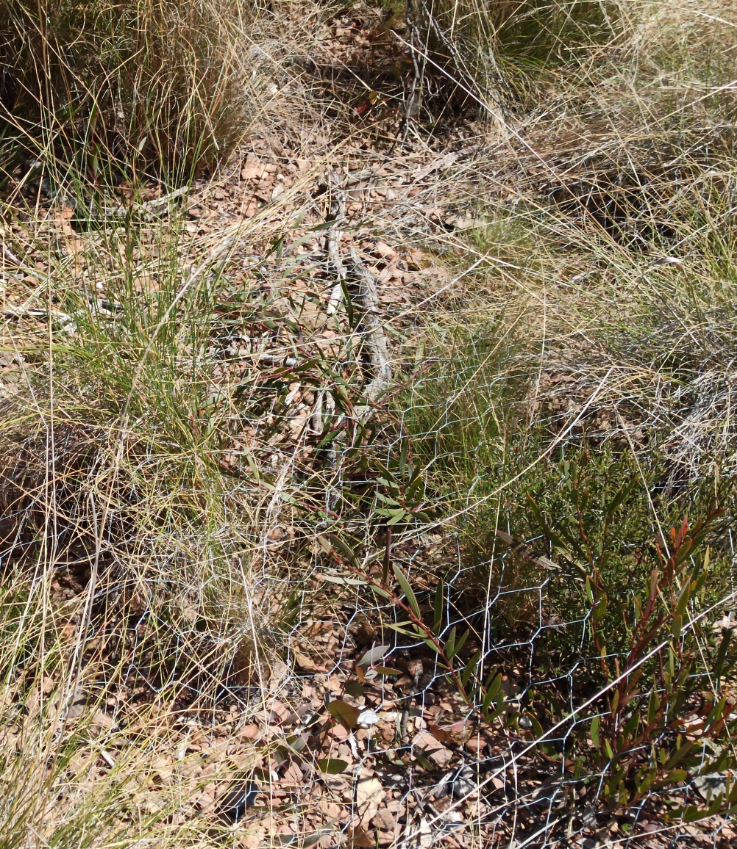
Once the study period is over, Heather will have to sort the (hopefully) plentiful pictures of curious mammals and reptiles. If coarse woody debris indeed does offer an attractive shelter opportunity to the target species, then more activity should be recorded on the sites displaying such infrastructures. If this is the case, Heather’s research findings could be used to guide the ACT government’s management actions. Coarse woody debris could indeed become a main strategy to increase shelter availability for these species, in the NNP. Otherwise, the government and other relevant bodies can learn from Heather’s findings, and focus their efforts and available funding on other strategies, or researching other actions, which could help the park’s biodiversity bloom again.
Post by Eloise Saint-Girons – u7523576
Sources
ACT Planning and Sustainable Development Directorate. (2022, October 8). Bushfire recovery – Our recovering ecosystems. Www.environment.act.gov.au. https://www.environment.act.gov.au/nature-conservation/conservation-research/bushfire-recovery-ecosystems
ACT/NSW Rapid Risk Assessment Team. (2020). Orroral Valley Fire Rapid Risk Assessment Namadgi National Park. Unpublished report. https://www.environment.act.gov.au/__data/assets/pdf_file/0003/1495236/orroral-valley-fire-rapid-risk-assessment-namadgi-national-park.pdf
Brown, J. K., Reinhardt, E. D., & Kramer, K. A. (2003). Coarse woody debris: Managing benefits and fire hazard in the recovering forest. Gen. Tech. Rep. RMRS-GTR-105. Ogden, UT: U.S. Department of Agriculture, Forest Service, Rocky Mountain Research Station. 16 P., 105. https://doi.org/10.2737/RMRS-GTR-105
Leahy, L., Legge, S. M., Tuft, K., McGregor, H. W., Barmuta, L. A., Jones, M. E., & Johnson, C. N. (2015). Amplified predation after fire suppresses rodent populations in Australia’s tropical savannas. Wildlife Research, 42(8), 705. https://doi.org/10.1071/wr15011
Sutherland, E. F., & Dickman, C. R. (1999). Mechanisms of recovery after fire by rodents in the Australian environment: a review. Wildlife Research, 26(4), 405. https://doi.org/10.1071/wr97045
Wintle, B. A., Legge, S., & Woinarski, J. C. Z. (2020). After the Megafires: What Next for Australian Wildlife? Trends in Ecology & Evolution, 35(9). https://doi.org/10.1016/j.tree.2020.06.009

 Biodiversity Conservation