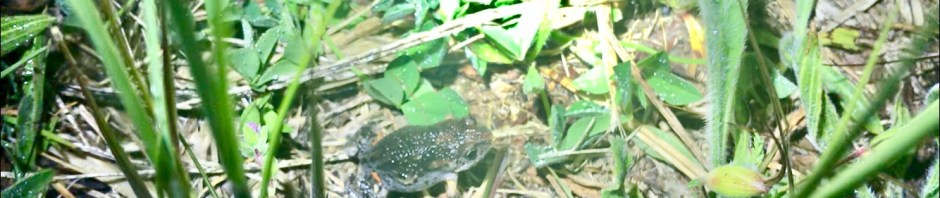
Spring is a wonderful time in Canberra – the weather is getting warmer, the flowers are out in force, and the summer feelings are on their way.
But for a couple of hundred of Frogwatch volunteers, spring is also time to dust off the gumboots, grab a census kit and recording device, and go listen to some frogs.
What is Frogwatch doing?
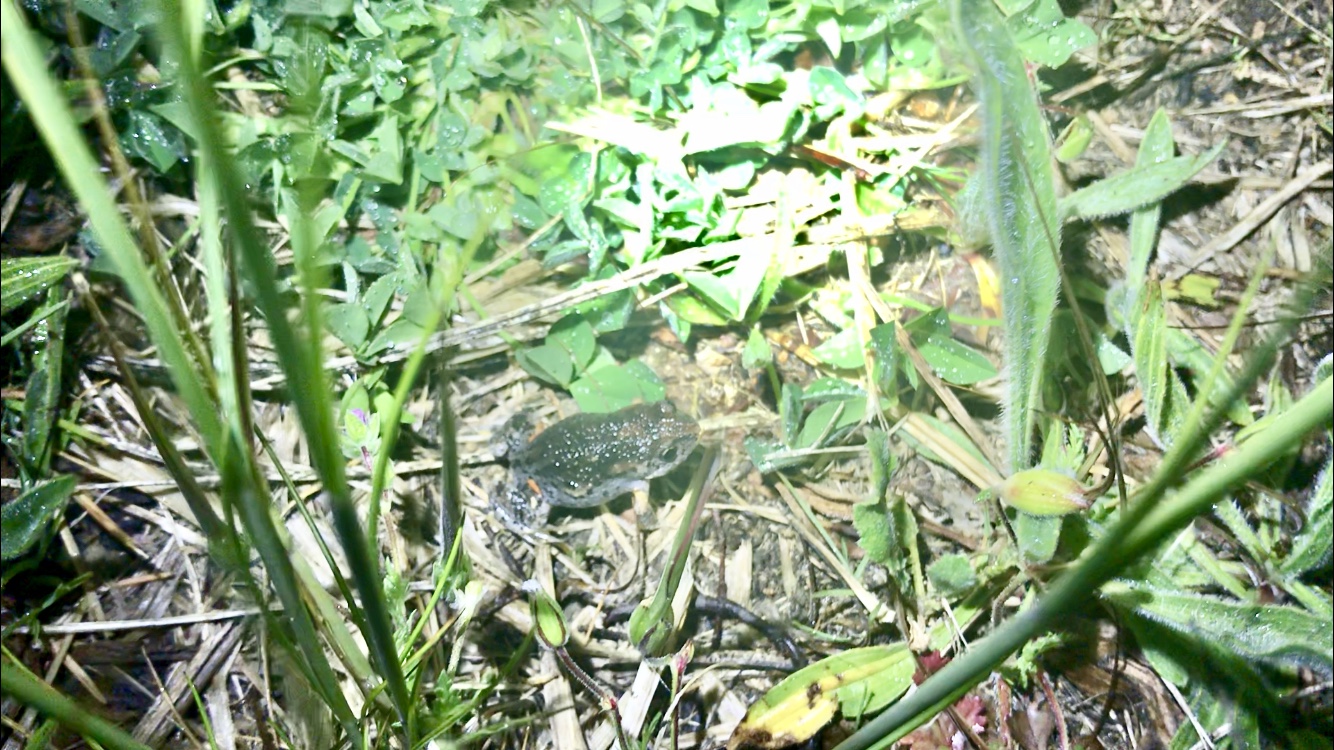
Frogwatch is a community-based frog monitoring program run by the Ginninderra Catchment Group. For the month of October, it conducts its annual census, recording information about the presence and abundance of frog populations in the ACT and surrounds.
Over 200 volunteers get involved monitoring approximately 140 sites, recording observations about the numbers and types of frog species present, and making assessments about the habitat quality, such as recording the vegetation cover, depth of the pond and evidence of modification such as mowing.
The significance of frog song
October is breeding season for many of Canberra’s frog species, which means that the males are busy calling away to get the attention of the females. Each frog species has a unique mating call that can be used to identify which species are present at a site.
Why frogs?
Frogs are one of the most threatened groups of animals on the planet. Of the approximately 230 known frog species in Australia, 37 species are listed as nationally threatened, and 4 have gone extinct in the last 50 years. Some of the threats to frog populations include climate change, habitat loss, as diseases such as Chytrid fungus.
The ponds that my team have been monitoring are on the edge of MacGregor and Dunlop in west Belconnen – at the very edge of Canberra’s urban sprawl. Urbanisation can impact frog populations at a local level by altering the water quality and surface hydrology through runoff and erosion as well as at larger scales by fragmenting and altering the habitat and creating barriers to dispersal and migration between ponds.
Frogs are also indicators of ecosystem health. The presence (or absence) of different frog species can be indicative of water and habitat quality, and overall wetland health.
Sites like those we are monitoring are important to survey as they can provide insight into how urbanisation is impacting both frog populations and the quality of our waterways in the ACT as Canberra continues to grow.
Importance of citizen science!
Citizen science projects like this one provide a comprehensive dataset and are an incredible resource for researchers. They can help to inform policies, conserve natural resources and support our local ecosystems!
They are also a great way to increase awareness and knowledge about local wildlife and allow the community to get involved in natural resource management.
If you are interested and want to learn more about FrogWatch and the work of Ginninderra Catchment Group or want to get involved, see here.

References:
Department of Agriculture, Water and the Environment (n.d.) EPBC Act Threatened Species List. [Online] [Accessed on 12th October 2020] https://www.environment.gov.au/cgi-bin/sprat/public/publicthreatenedlist.pl?wanted=fauna.
Hoefer, A. M., and D. Starrs (2016) ‘One pond fits all? Frogs as an indicator of urban wetland health. Final Report to Upper Murrumbidgee Waterwatch.’ Ginninderra Catchment Group, Canberra.
Kruger, D. J. D., Hamer, A. J. and Du Preez, L. H. (2015) ‘Urbanization affects frog communities at multiple scales in a rapidly developing African city.’ Urban Ecosystems, 18(4) pp. 1333–1352.
Pellet, J., Guisan, A. and Perrin, N. (2004) ‘A Concentric Analysis of the Impact of Urbanization on the Threatened European Tree Frog in an Agricultural Landscape.’ Conservation Biology, 18, December, pp. 1599–1606.

 Biodiversity Conservation