
Anna Penington u6351985
For my volunteering experience, I approached Tom North the associate director of the National Seed Bank in the Australian National Botanic Gardens to see if he needed any help.
Importance of Seed Banking
Seed banking is an often overlooked but incredibly important aspect of biodiversity conservation and biological research, becoming increasingly important with the growing impacts of climate change. As mentioned by Geoff Cary, as the intervals between fires get smaller, some non-sprouting tree species do not have time to germinate and regrow before the next fire. Seed banks provide a backup of biodiversity as these kinds of threats become more common.
The National Seed Bank
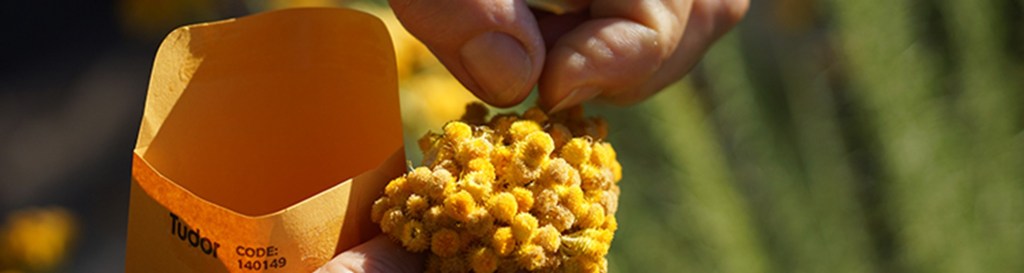
The National Seed Bank is a vital part of Australia’s biodiversity conservation efforts, and works as part of the Australian Seed Bank Partnership to create a comprehensive collection of Australian flora. The collection they house is not just useful for conservation efforts, but also has practical benefits for germination and planting into the Botanic Gardens itself.
Currently the seed bank at the ANBG consists of a few small demountable buildings inside the Botanic Gardens, just up the road the from Pollen Café. Their setup consists of several offices, a laboratory, two drying rooms, a freezer room and the tea room where I work from.
In order to expand their capacity for conserving flora species diversity, the team is moving to a new facility in two years’ time. Through funding from the government and their New National Seed Bank campaign, the Seed Bank will have a majorly upgraded new home with more advanced facilities in order to expand their banking capacity.
My role at the National Seed Bank
When I started, Tom took me to meet a number of strategy and marketing staff members throughout the ANBG to scope out how I could be of help to them. We established that I might be able to assist with some science communication for the facility in order to shed a light on what they do to conserve biodiversity and provide some content for the donation campaign.
After some workshopping and discussing what priorities the seed bank had in terms of their science communication strategy, we landed on creating a virtual tour of the new seed bank. This fulfilled several objectives of the team, including making information about the seed bank more accessible to the public, as well as providing a platform to fundraise for some much-needed equipment in the new facility. I have been working on writing descriptions of what occurs in the different rooms and the equipment needed, to eventually be included in a larger virtual tour of the new Seed Bank where donors will be able to find out how they can contribute to this important cause and interested members of the public can learn more about the process.
Creating interesting and accessible information about the Seed Bank’s work is a great way to highlight the importance of the work they do and provide a pathway for education.

 Biodiversity Conservation