
Author: Niam Foxcroft, u6384642.
Over the past few weekends, I have had the pleasure of planting a range of grasses with the Friends of Aranda Bushlands (FoAB) and Friends of the Grasslands (FoG) at the Aranda Bushland and Stirling Park sites. These groups run monthly planting events to facilitate the restoration of the box-gum grassy woodlands in the ACT – a critically endangered, native ecosystem with just 5% of its original distribution remaining across Australia.
However, having now spent 3 years in an environmental science degree, I became cynical that my volunteering was impactful or mattered in the long-term. Individual species survival rates can vary depending on site, species and skill as well the level of browsing and weed control present on site. Perhaps as reader or first-time volunteer, you feel held back in the same way I am. So, let’s talk about volunteer labour in conservation.
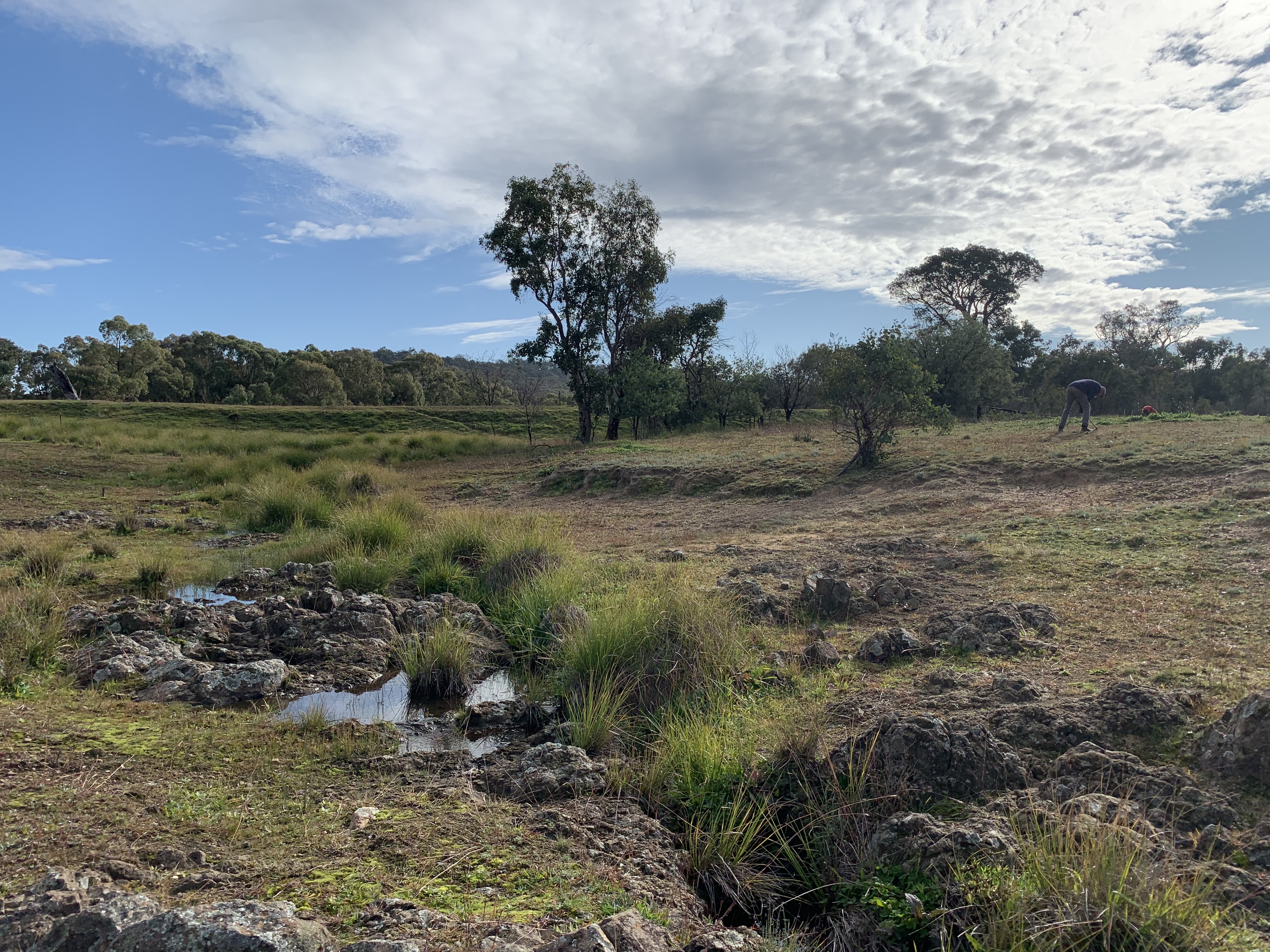
Figure 1. Aranda Bushland, a site that relies on volunteer labour for ecological maintenance. Source: Friends of Aranda Bushland.
Just volunteering is not enough.
While it may provide a glimmer of hope, it is important to recognise that individual volunteering on its own is not enough to undo the decline of biodiversity that is being observed globally. National level policy responses have either fallen short or been slow to implement, meaning that we currently only protect 15% of terrestrial and freshwater environments and 7% of marine environments (IPBES, C1), falling short of the 2020 goal of 17% and 10% respectively. The areas that are protected are not believed to be ‘ecologically representative’, meaning that they do not properly represent the species, communities and ecosystems that are the most threatened.
Just doing nothing is not enough.
Given that it is humanity that is driving the decline of global biodiversity (IPBES, A4 & A5), it is essential that we take some form of action to prevent it. If volunteering your labour seemingly does nothing at the national or global level, then perhaps consider it at the local level instead. In recent years, volunteers have been essential in monitoring endangered species given the cutting of staff in federal environmental conservation positions. And now with the emergence of crowdfunding, more conservation projects are getting the financial support they need. But to truly reverse the damage humans have on biodiversity, more needs to be done.
“Nature is essential for human existence and good quality of life. Most of nature’s contributions to people are not fully replaceable, and some are irreplaceable.”
IPBES, The Global Assessment Report on Biodiversity and Ecosystem Services: Summary for Policymakers (A1).
Going further than volunteering: transformative change.
Transformative change is recognised as the main way in which biodiversity decline can be reversed (IPBES, D1-10). Taking note from the late Ruth Bader Ginsburg, impactful change is a step-by-step process.
“Real change, enduring change, happens one step at a time.”
Ruth Bader Ginsburg.
A good place to start would be with the Aichi Biodiversity Targets. Target 1 asks people to be “aware of the values of biodiversity” and Target 4 requires “stakeholders at all levels to have taken steps to achieve… sustainable production”. Start that step-by-step change by learning more about biodiversity value and ask your local member or an industry representative how they intend to achieve sustainable production.
Why was I planting grass on the weekend? It was not an attempt to single-handedly reverse climate change, but rather because I was taking the first steps towards transformative change for the planet.
Acknowledgements
Thankyou to FoAB and FoG for having me. Please see their websites below for ways to get involved:
Word count: 499 excl. quote blocks & figure captions

 Biodiversity Conservation