
Invasive species are present in just about every ecosystem in the world, and their impacts vary from system to system. While some introduced species can coexist harmoniously with their colonized environment, the vast majority have a detrimental impact on the environment and these invasive species are recognized globally as a leading cause of biodiversity loss(1). To get a better picture of the issues, and to understand how everyday Australians can help, I sat down with Dr. Richard Duncan, a centenary professor at the University of Canberra and expert on invasive species.

Dr. Duncan’s research focuses on invasive flora and fauna of Australia and New Zealand. Dr. Duncan describes his job as understanding the processes of invasive species well enough to manage them efficiently.
How do Invasive Species Threaten Biodiversity
Most Australians would not be surprised to see 1080 poison in our national parks and protected areas, and for good reason. In a country with the highest mammal extinction rates in the world, Australian scientists are well aware of the impact that invasive predators can have on its unique environment(2). While Australian readily think about the European Red fox (Vulpes vulpes) when thinking of an invasive species and a pest, they often don’t consider some of the other equally troubling offenders.
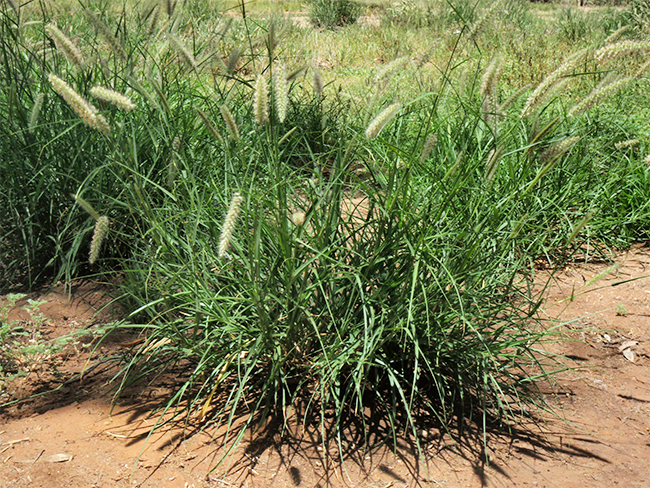
Invasive species that pose the greatest risk to the environment are those that possess the ability to fundamentally change how ecosystems function(3). Dr. Duncan referred to these species as ‘transformative’, in that they could transform an environment and impacts its natural systems. Crucially, for a country recently ravaged by bushfires, it is invasive grasses and grasslands, such as the Buffel Grass (Cenchrus ciliaris) in Central and Northern Australia, that are playing a significant role in altering Australia’s traditional fire regime. Invasive grasses like these are highly flammable and produce greater biomass than native grasses, completely altering the wildfire regime to which our native ecosystems have evolved (6,7).
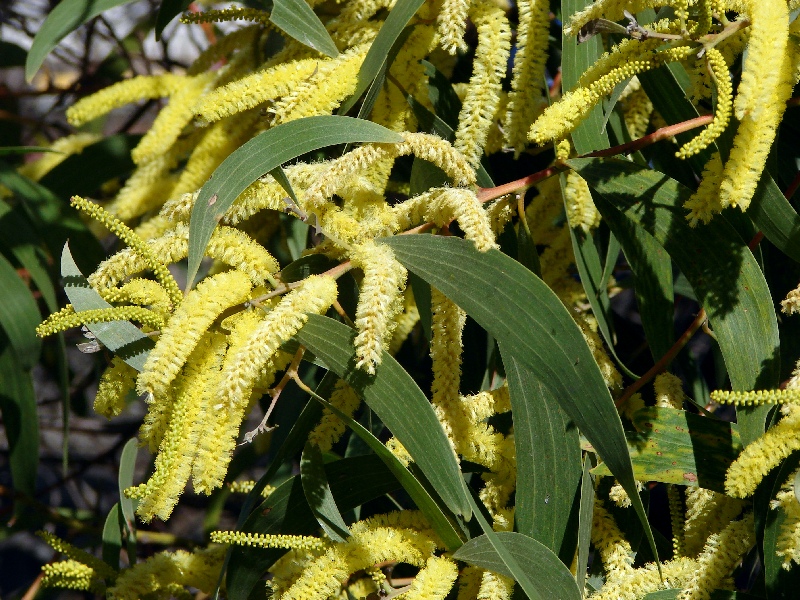
‘’a lot of species coexist harmoniously, however, the ones that don’t can fundamentally change ecosystems’’
We also have nitrogen-fixing species of Acacia that can reshape the ecological landscape when introduced to non-native environments. In the wrong environment, Acacias can disrupt the natural soil fertility of the landscape and completely alter plant-soil feedbacks(4,5) While improving soil fertility may seem advantageous agriculturally, for a natural system adapted to infertile soil, an invasive species like the Acacia can devastate native biodiversity(3)
What could be done better to conserve our Biodiversity?
While it is clear that managers and researchers are working together to manage these issues, what was not clear to me was how society can better play a role in this dilemma Hence I posed the question to Dr.Duncan ‘What can everyday Australians do to better conserve threatened biodiversity?’
His Answer:
Awareness and education will play a massive role in influencing the social and political backing of environmental care. In order to gain political support and funding for environmental issues, it is crucial that first ‘’people understand that we live in a unique area of the world with highly endemic ecosystems that are rapidly disappearing’’. By understanding what is unique about our landscape, and the importance of maintaining its uniqueness, only then can it be managed sustainably.
u6514309

 Biodiversity Conservation