
Introduction and Background
written by Jiacheng Yong (u6248417)
Due to various reasons, such as immigration, comfortable living environment, the population in Canberra has experienced a rapid increase. This trend drives local government to develop brand new residential areas vigorously to satisfied increasing living demands. However, urban developing (building new residential areas) inevitably leads to impacts on wildlife living in original areas, especially birds. Similar situation happens everywhere in the world. We can kid ourselves that this is necessary sacrifices during economic or social development at the beginning, but continuous urban area expansion reminds us that we must try to protect these bird species and find a balance point between biodiversity and urban development. Therefore, I attended the research organized by Dr. Gibbons targeting on identifying the value of mature trees for birds.
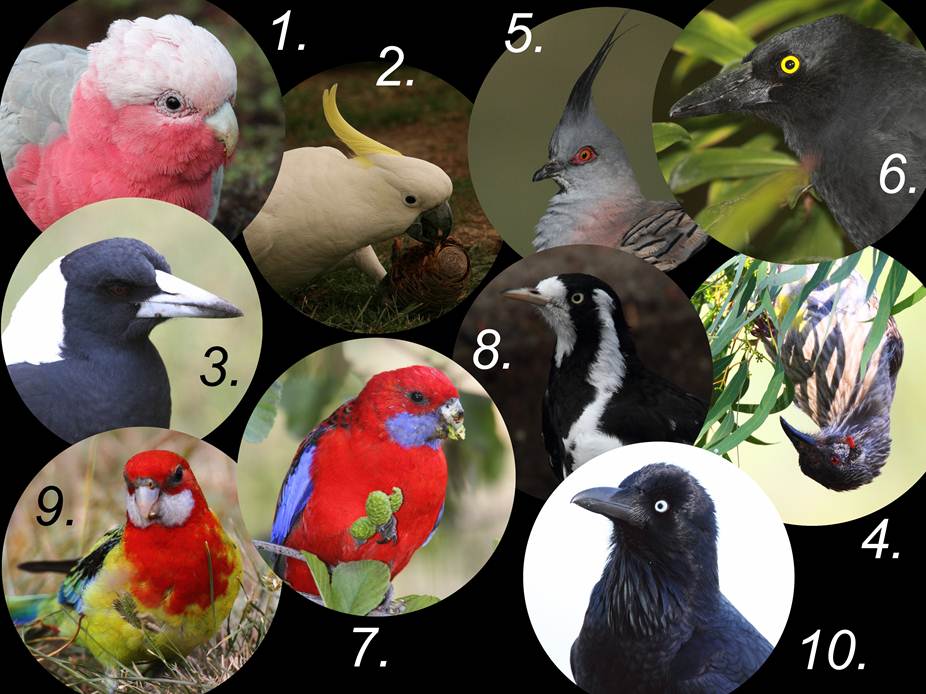
Biodiversity threats of birds in urban area
Dr. Gibbons shared a lot of views to biodiversity conservation in urban areas in Week 7. During the process of urbanization, original landscape and biodiversity structure are suffering from modification. Obviously, there are fewer trees, dead trees, hollow-bearing trees, native plants in urban areas in Canberra than those in nature reserves. Unfortunately, the terrible impacts caused by urbanization bring birds in Canberra a lot of challenges. Around 29% of the birds prefer using mature native trees (>80cm diameter) in the ACT.

Working process and results
My job was only observing the target tree for 20 minutes and recorded if there were any birds and further activities. I assisted Philip Gibbons, my lecturer, on 19th September and Julia Paschal on 23rd September. We were divided into several groups to observe target trees through professional telescopes, where the trees were marked in advance. Most of the trees were isolated because we also need to identify whether isolated trees can attract birds more. The results reflected that bird species like using trees > 80cm diameter, and isolated trees in urban land support more bird species I also put forward a question, using telescope still means group members have a very close distance to target trees. Will it scare birds and bring bias to the survey? It might be better if we can use some hidden cameras instead of observing trees artificially.


What should it be in future?
As Conservation Biology indicated, there is a positive correlation between people’s satisfaction with neighbourhoods and richness of birds. We really need to understand the importance of biodiversity to our daily life. We really need to ensure that urbanization is running in a sustainable way and maintaining enough landscapes (especially trees with 80cm diameter or larger) for birds in urban area.

 Biodiversity Conservation