
Over two days in late September I was able to accompany Thea O’Loughlin and other members of ACT Parks and Conservation Service to multiple offset areas around the ACT region.
Thea O’Loughlin is a field ecologist currently working on a project on the Delma impar (striped legless lizard). The project hopes to help better understand the preferable living conditions of the Delma impar and further find the densities of the striped legless lizard in areas around Canberra.
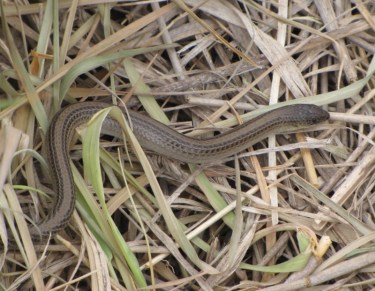
Figure 1. Delma Impar (Credit to Robertson, 2013)
Delma Impar Status?
The striped legless lizard is currently listed as vulnerable in the ACT. This vulnerability can be directly related in the removal of grasslands for urban development around the ACT. As large open and flat grassland areas are often seen as perfect sites for development.
The Experience
Throughout my two days with Thea, we ventured to the different offset sites around Canberra in which roofing tiles had been placed as temporary artificial shelters for the striped legless lizards. These artificial shelters provided both cover from predators and a food source, due to the large amounts of crickets, spiders and other smaller insects living under the shelter, since the striped legless lizard feeds on these.
The offset sites that were visited had often been poorly managed and had issues with weeds and overgrazing by kangaroos. This often had led to them becoming poor sites for the striped legless lizard. The preferable habitat for the striped legless lizard according to Thea is knee height grass allowing for cover from predators. Due to the over grazing by the kangaroos the offset sites had grass eaten down to the roots making it a more difficult habitat for the striped legless lizard to evade predators, thus impacting the density in the areas. The artificial shelters were created as an alternative shelter for helping the legless lizards.
Each location had areas set up with small groups of 8 tiles spaced 5 metres apart in a large square. At each group of tiles, we recorded any reptiles found including any lizards, skinks, snakes or dragons. Each specific tile was observed and recorded into a database, describing whether there were any reptiles under the artificial shelter.

Figure 2. Eastern Bearded Dragon found under a tile in Jerrabomberra
Recordings for database
For reptiles found under the tiles, they were recorded using the following;
Which tile number?
Species name?
Adult, Subadult or Juvenile?
Tail lost? Yes or no.
The temperature and humidity were recorded throughout the day as well as the temperature of the tiles both on the top and underneath. This was also recorded into the database to assist in the understanding of the weather conditions most suitable for the reptiles to be found under the artificial shelters, and whether there was a time of day when the conditions became too hot for the shelters to be useful.
According to Emma, a colleague of Thea’s, they could see a trend of tile temperatures above 40-50 degrees Celsius having reduced number of reptiles found under the artificial shelters.
The data collected in the field was sent directly back to the office located in Farrer where it was to be analysed and assist in forming a better understanding into preferences in conditions and locations for the striped legless lizard.

Figure 3. Known locations of Striped Legless Lizards in Australia (Credit to Geoscience Australia)
Problems
The Parks team and many rangers have had a massive impact into improving the offset sites however often due to low manpower, areas which are left unmanaged can often become out of control. Habitat loss is the major threat to the survival of the striped legless lizard. It is vital for survival of the species that current locations with known populations are kept in better condition. Community awareness and participation in volunteering opportunities aids organisations such as Parks and allows for a greater reach in management of offsets and nature reserves and the increased quality of these sites.
Final Notes
The striped legless lizard is one of many species suffering from poor quality habitats and the ever-expanding urbanisation of Canberra. With habitat loss being the major threat to the species, an increase in community awareness and involvement will see an improvement in the management of these habitats and a species such as the Delma impar will be around for many years to come.
U6080600

 Biodiversity Conservation