
For my work experience, I participated in the Mount Majura Nature Reserve for twice volunteer activities. Each activity was 3 hours. There are had different location for this two projects. Firstly, we improve the endangered Yellow Box-Red Gum Grassy Woodland in the Fair. And second activity is ditch weeds and create habitat for frog close to Hackett. This is a long – term activity that work on every Friday. Community will try to protect to biology under Mount Majura.
How can we improve?
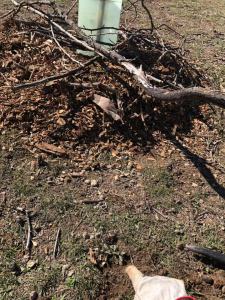
Figure 1 endangered grassy
The temperature of there suit for grassy grow. In the morning, we take some bucket to this protect area and fill in this timbers. The purpose of timbers that will prevent other weeds enter. So, we need to make a donut shape around the growing grassy. The important step was removed all of Paterson’s cures. This plant was a big issue for grassy, it will influence their growing when they occupied the soil. We also need to fill the timber around grassy after clear the weeds. Not only to prevent the invasion of plants, but also to prevent kangaroo damage. During the day, we couldn’t see the kangaroos, but in the evening, they went down the mountain and the leader told me that the kangaroos would also divide the site. If there were other kangaroos, they would fight and destroy the plants. Even more unexpected is that they will embrace or rub against the plants. So we put some twigs on the doughnuts shape to prevent them from getting close. Protecting them is a challenge that why they were endangered. (Figure 1)
The second week, we have activities near the first place under the Mount Majura Nature Reserve. The project purpose was protected the frog’s habitat. This drainage ditch have two sections. Just one side had some frogs. Firstly, we remove English Ivy on the dry area. This picture shows that most area was occupied. (Figure 2) Seriously affected the habitat of the frog. The population of frogs was reduced and they are not happy in there. The roots of this plant are deep in the soil. It is hard to remove takes a lot of energy. As we cleared the roots, we found young frogs and lizards hiding in the mud and transferring them to the place where there was tall sedge. (Figure 3) And planted more tall sedge Carex appressa on both sides of the drain. There had about one meter for every plant.( Figure 4)
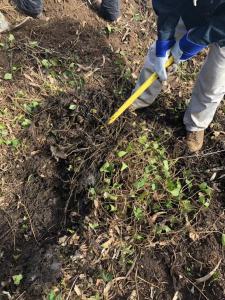
Figure 2 remove English Ivy
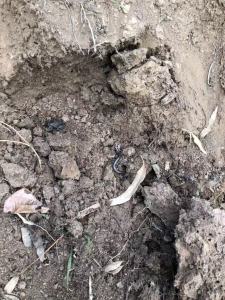
Figure 3 frog and lizard

Figure 4 Carex appressa
In this activity, let me know more about the protection of plants and animals. Activities such as the protection of grassy are not expensive, and they are all done by the efforts of volunteers. The people who worked together gave me a lot of help and made me know more about these plants. If I have time, I will come to be a volunteer again.
u5794476

 Biodiversity Conservation