
u6046650-
On Thursday mornings a small group of volunteers sets out to do a diverse range of jobs including building fences, plantings, weeding and whatever else Ranger Bernie needs a hand with. They work with Park Care ACT’s Ranger Assist project, and their aim is simple: to do as much as they can to support best environmental outcomes the Upper Murrumbidgee River Corridor. I had the pleasure of joining them on Thursday the 5th and 12th of September and this is my experience.
Image 1: ACT Parks conservation and Lands Ranger logo
Urambi Hills Nature reserve:
After the 2003 Fires that ripped through the ACT parts of the Murrumbidgee catchment area which had had plantations across it were left bare and exposed to risks such as erosion, soil accumulation and instability. This is particularly true on steep slopes. Urambi Hills was just one of the locations left in the ACT which was particularly exposed. Part of a management decision in the area was to replant with native plants and restore naturally occurring woodlands. The area became recipient to part of the ACTs governments portion of the Australian Governments Million Trees Project. Sites for the million tree project was also appointed to improve connectivity of natural habitats.
Our job was to cut off tree guards that were placed to protect the million tree plantings. As a group we collected the tree guards which had been placed at Urambi Hills in 2008 when over 230,000 plants were planted in the Murrumbidgee River Corridor.
The new, and now well-established, trees effect on the landscape was visibly noticeable, particularly compared to grazing paddocks and unrestored paddocks in the area. Not only do these trees support more biodiversity like birds, but the success of the trees indicate that there root systems have become established and therefore successful as a method in stabilising the soil after the 2003 fire.
Ingledene State Forest
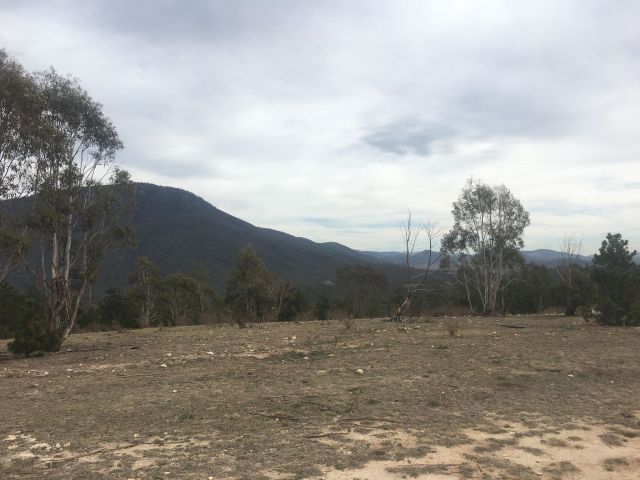
Image 2: From the top of a mountain at Ingledene Forest, approximately around the area to be turned into offset plantation.
On the second Thursday we were located out at Ingledene State Forest. Bernie was involving the group in an initial planning phase of management projects that would need to be carried out in the area due to the upcoming transformation of the are into an offset site. This site will have a Carbon Radiata plantation pine planted on it as part of ACT governments Carbon neutral offsetting.
Key management decisions for discussion were:
- Potential areas to protect wildflowers and other key ecological areas.
- The need to protect corridors of vegetation and plant undergrowth in order to maintain suitable habitats and connectivity for birds and species such as Apraxia (pink tailed leg less lizard) which is listed as vulnerable under the EPBC act.
- Weed control of Blackberries (Rubus fruticosus aggregate) and Serrated tussocks (Nassella trichotoma) on surrounding landowners properties which are listed as invasive species of national significance.
- Creating comparison sites for research, which will exclude areas from disruptions and environmental pressures including grazing.

Image 3: Volunteers discussing future management projects in the Ingledene State Forest area.
Overall my experience with Bernie and the rest of the Ranger Assist team has taught me the impact of management decisions, decisions about offsetting and the role of volunteer groups such as this do in improving and shaping environmental outcomes.
“Without groups like this, these kinds of jobs would just never get done. It’s a real help.”
(Ranger Bernie, 12/09/2019)

 Biodiversity Conservation