
u5717208
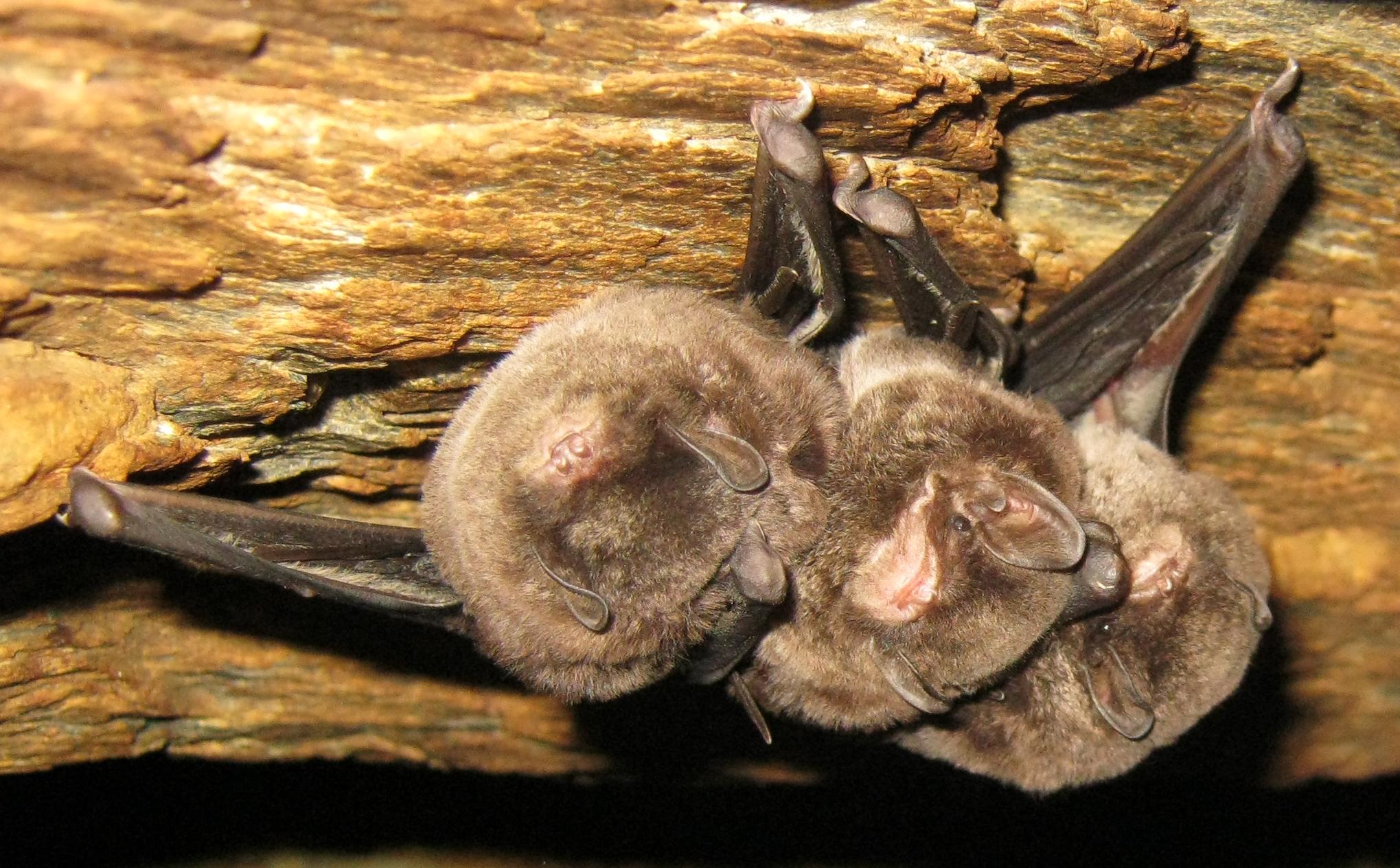
The Eastern Bent-wing Bat (Miniopterus schreibersii oceanensis), is one of three subspecies of the Bent-wing bat and is found along the east and north-west coast of Australia. These cute little creatures grow up to around 6 cm with a wing span of 30-35 cm and are identified by the bone of their third finger being longer than the other fingers thereby giving the ‘bent’ appearance.
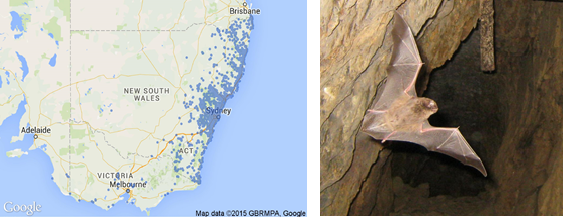
Map of Eastern Bent-wing bat distribution: Atlas of Living Australia and Image of Eastern Bent-wing bat: Fauna and Flora Research Collective
Classified as vulnerable under the Threatened Species Conservation Act 1995 due to being at a high risk of extinction within New South Wales, I was surprised to find out how important maternity caves were to this species with the bats only dispersing within 300 km of these caves alongside using them during the spring and summer months for birthing and rearing young, often migrating to sea caves in the south of Eden from mid-March onwards. Yet there are plans in place to build wind turbine farms across the migratory paths of this species, which could prove detrimental to the population.
So this leads pretty nicely into my own work experience with Doug Mills from NSW Department of Environment and Heritage. He has been monitoring this species at two of the three maternity caves for 8 years now, one at Wee Jasper called Church Cave and Drum cave in Bungonia State Conservation Area. Doug’s focus is primarily on the population at Church Cave due to due to its close proximity to Canberra and higher success rates in counting the population. Arriving just before sunset we helped to set up the thermal camera and recording equipment used to capture the bats leaving the cave before settling down and simply waiting for the bats to appear. Honestly some of the easiest work experience I’ve ever done but definitely still exciting hearing the thousands of bats flying past.
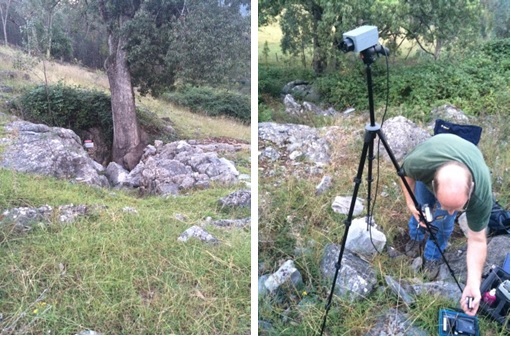
Entrance of Church Cave at Wee Jasper and setting up the thermal camera and equipment required to record the population.
While the thermal camera is definitely efficient with only a 2% counting error, Doug still managed to count the bats himself off the screen roughly every hour meaning when it came to analysing the data the following day he was able to compare the two sets of data. During my nights out with the bats, population hit 39,000 with Doug estimating this represented 82% of the total population within the cave, and since beginning this study he has overall seen an increase in the population within both Church Cave and Drum Cave, which is obviously great news for the conservationists!
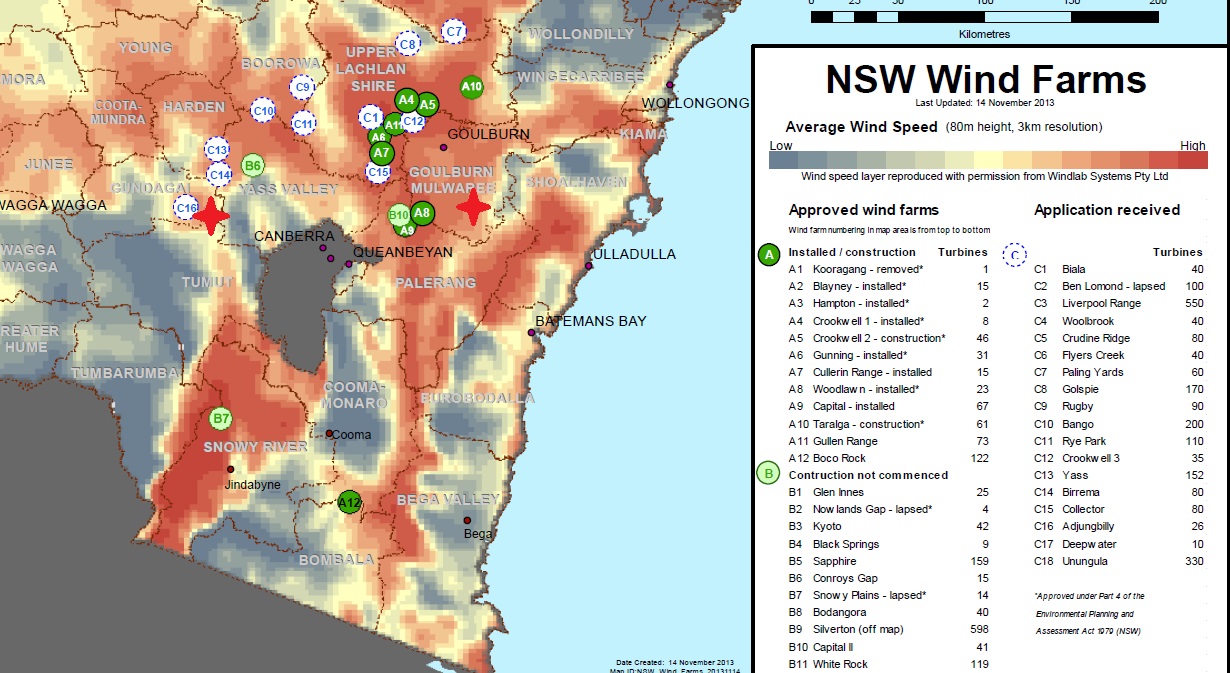
Location of two of the maternity colonies (red stars) in relation to the approved and proposed wind farm locations.
With some of the proposed locations of the Wind Farms in such close proximity to at least the Church Cave colony with many other ones interfering with the migratory paths of the bats, surveys such as this one conducted by Doug has meant there is stronger voice for the Eastern Bent-wing bat by showing how vital these maternity caves are to the species. When combined with the two week migratory window which has now been realised, there can be greater co-operation between the developers of the wind farms and the conservationist to ensure the welfare and protection of this bat population is a primary focus, even if this does come at the expense of a few wind turbines.
Further reading and references
Eastern Bent-wing bat profile and conservation efforts;
http://www.environment.nsw.gov.au/threatenedspeciesapp/profile.aspx?id=10534
http://www.environment.nsw.gov.au/resources/nature/landholderNotes07BatRoosts.pdfhttp://www.environment.nsw.gov.au/savingourspeciesapp/project.aspx?ProfileID=10534
The Atlas of Living Australia;
http://bie.ala.org.au/species/urn:lsid:biodiversity.org.au:afd.taxon:e261aeb0-b757-4627-afbf-fa3a91b7e844#
Information on proposed Wind Farms;
http://www.resourcesandenergy.nsw.gov.au/energy-consumers/sustainable-energy/wind
http://www.planning.nsw.gov.au/Portals/0/Images/NSW_Wind_Map.pdf
Pictures of the Eastern Bent-wing bat;
https://faunaandfloraresearchcollective.wordpress.com/the-species/eastern-bent-wing-bat/

 Biodiversity Conservation
Interesting work! Why exactly is the eastern bent-wing bat threatened? What has caused it’s decline? I’m also interested to know what are some of the specific impacts that wind farms have on bat colonies – and how would the development of a wind farm near Church Cave or Bungonia affect the populations at those locations?