Our work experience began with a warm welcome to the NSW Office of Environment and Heritage by employees Suzie Lamb and Doug Mills. We were setting out to conduct monitoring of the Eastern Bent-Wing bat, a vulnerable species of microbat found in caves in Wee Jasper and Bungonia. They roost in these caves due to their suitable temperature, humidity and year-round darkness. The reason for our work was the large number of proposed and existing wind farms in the NSW and ACT areas, these developments pose a potential threat to the bats as they migrate to the coast and other caves.
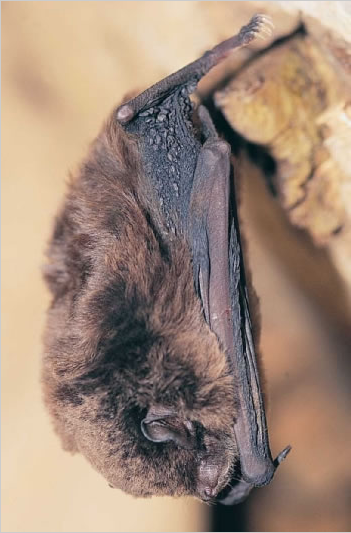
Photo credit: Office of Environment and Heritage, NSW
Video of software processing the number Eastern Bentwing bats departing Church cave, Wee Jasper (Office of Environment and Heritage, NSW)
Getting out in the field
We drove out to a beautiful farm close to Bungendore close to the proposed wind farms. This area was deemed a possible fly-over spot for bats and we were setting up ultrasonic detectors to determine whether this was the case. As an aside I would like to note that as tiring and monotonous as field work can be it can also involve frequent snack breaks, tea, horse feeding and tree climbing. The process of programming the expensive bat monitoring devices made me feel like a cross between a bomb defuser, elite hacker, karaoke star and the owner of an old Nokia phone.
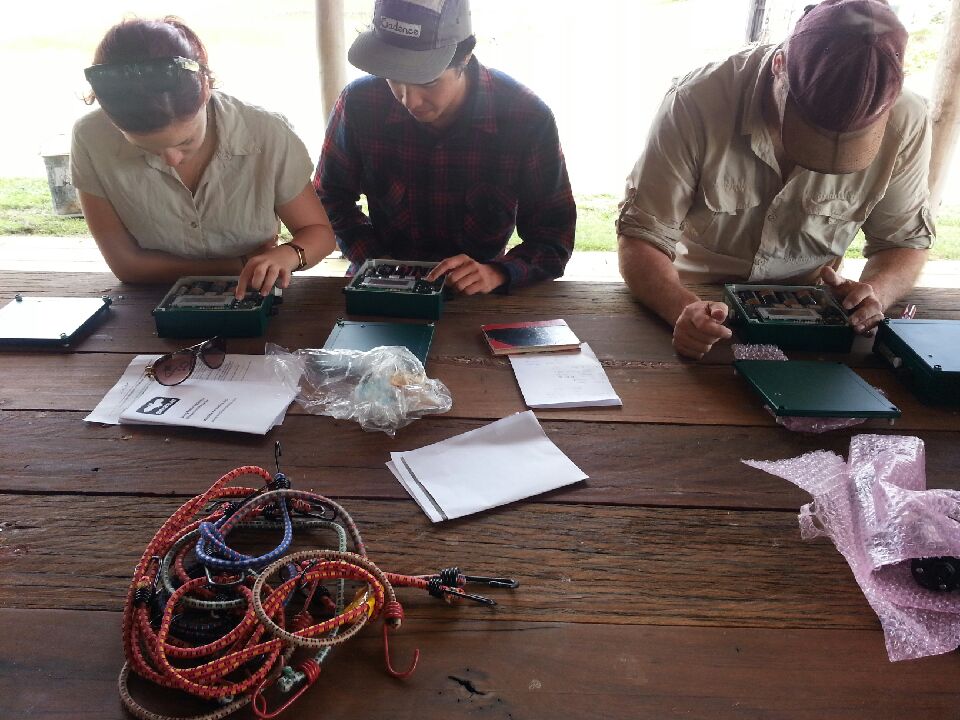
Programming the ultrasonic detectors
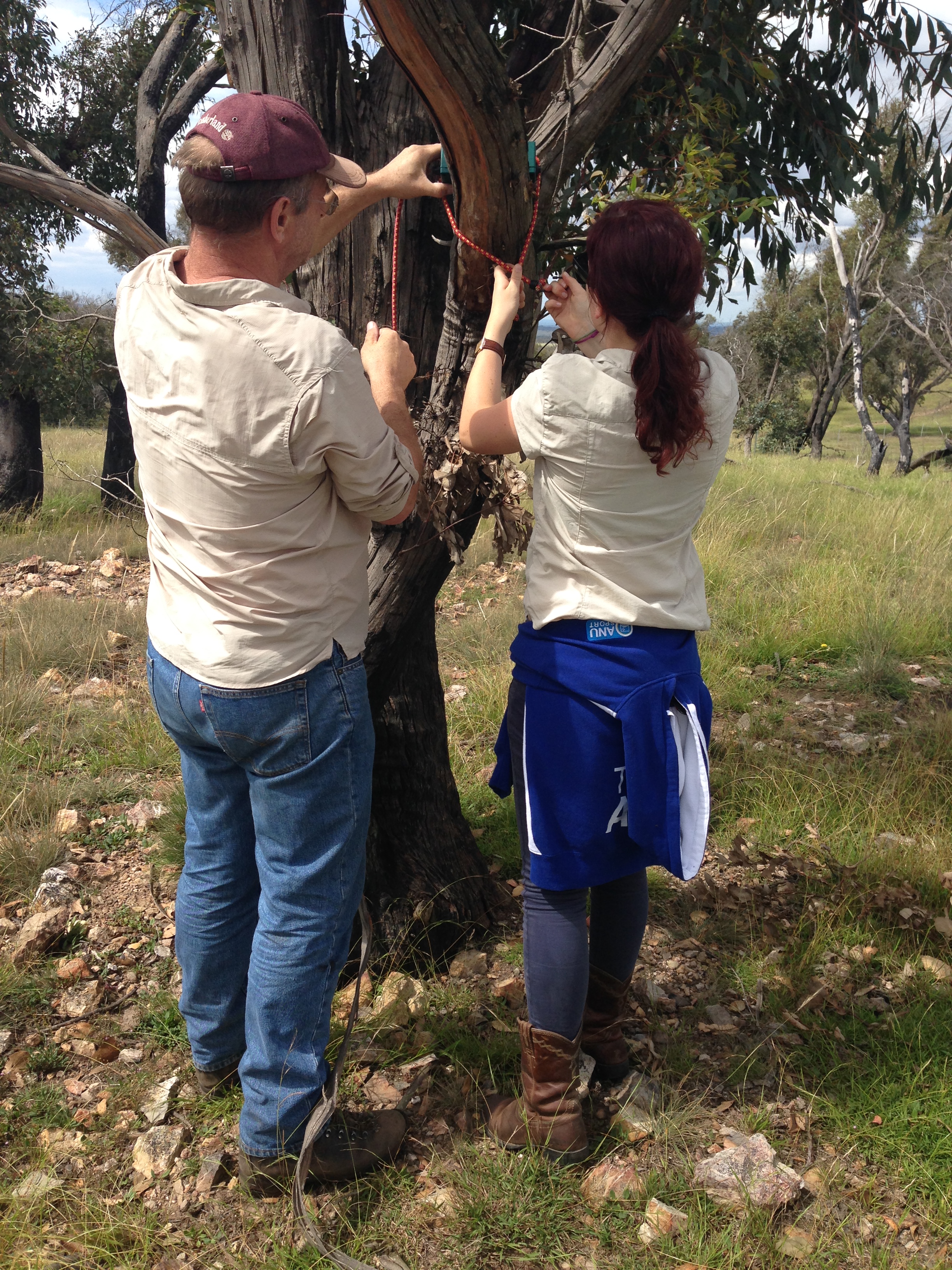
Installing an a detector in a tree
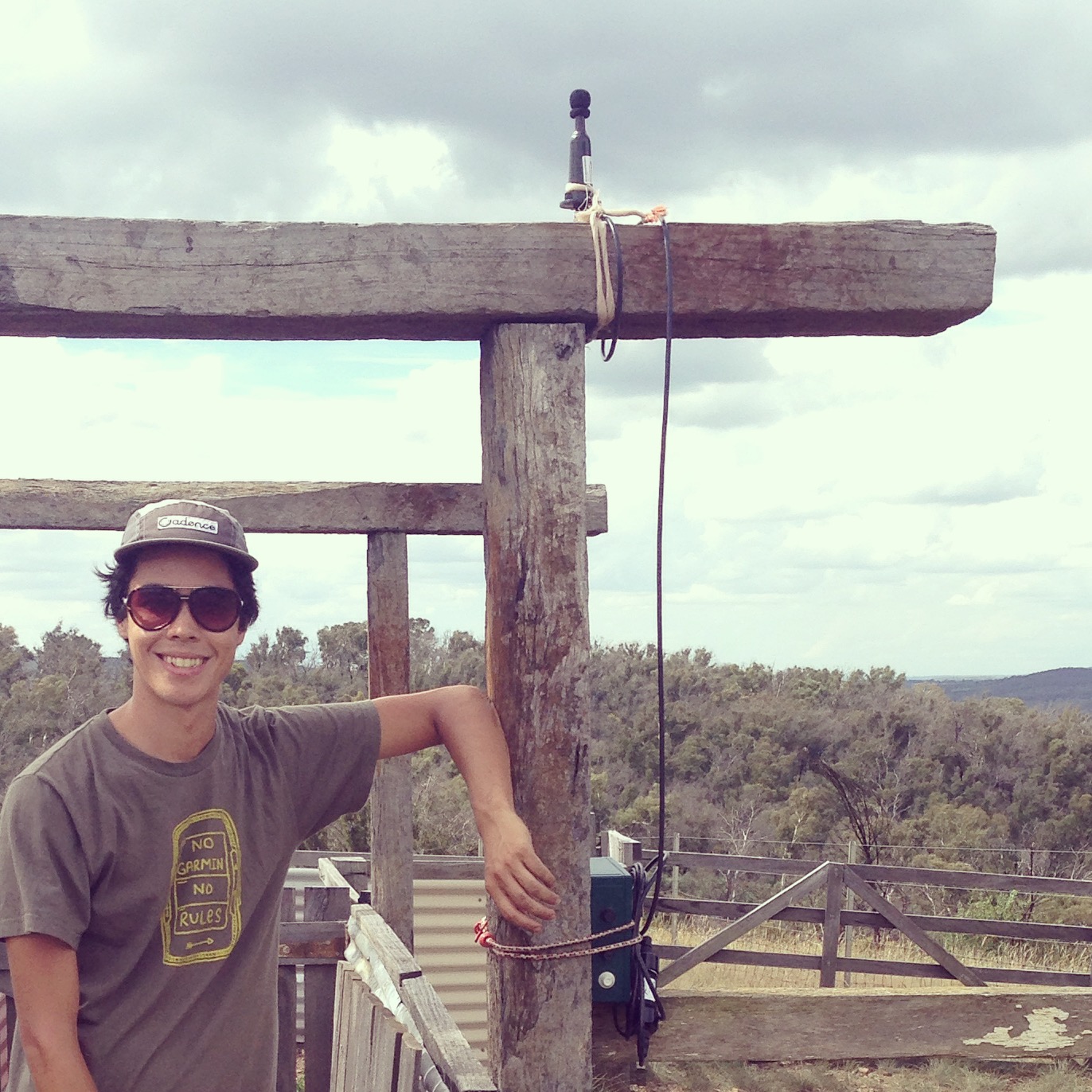
Pleased with my inventive placement of this detector
The echolocation call of the Eastern Bent-Wing bat allows them to build a virtual ‘map’ of their surroundings so they can navigate objects and detect prey. These calls are what we detect using the monitoring devices, analysis of the calls in a spectrogram or sonogram allows the species that issued the call to be identified.
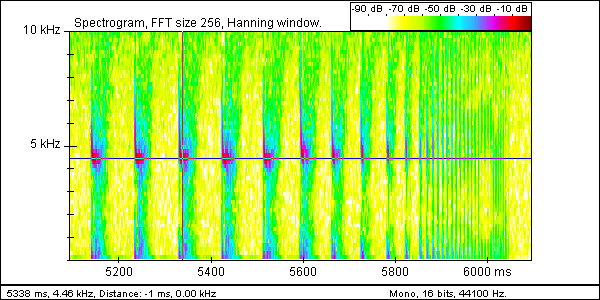
Example sonogram (visual representation) of a bats call. Source: http://en.wikipedia.org/wiki/Bat_species_identification
What does this all mean?
The findings from this project will provide information on the migratory patterns of the bats, particularly in relevance to the development of windfarms in the area. It may sound strange, but after going to the trouble of programming and setting up multiple detectors the ideal result would be to find nothing. Unfortunately the current state of development is such that threatened species don’t receive a great deal of priority and it isn’t a simple nor easy task to relocate large-scale developments such as wind farms. Biodiversity offsets have been used to mitigate the impacts of wind energy projects through the NSW BioBanking scheme with some success however due to the rarity of cave habitats creating effective offsets which directly supplement the Eastern Bent-Wing bat would be very difficult.
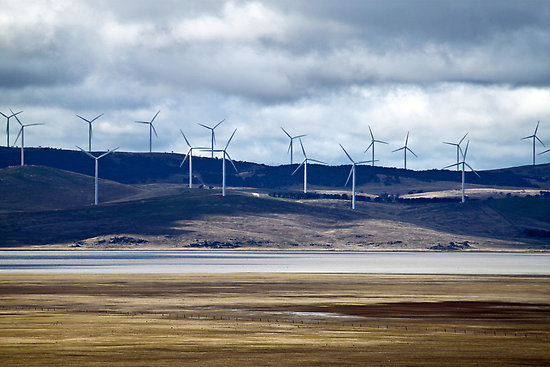
Lake George Wind Farms – Belinda Doyle
Whilst the implementation of wind farms may seem like a black and white issue it is far from that. Are the negative impacts of wind farms on biodiversity being considered? Will these issues also occur with other renewable sources such as wave power? Weighing up the costs and benefits of issues such as these is incredibly difficult and a great deal more research needs to be undertaken before properly informed decisions can be made.
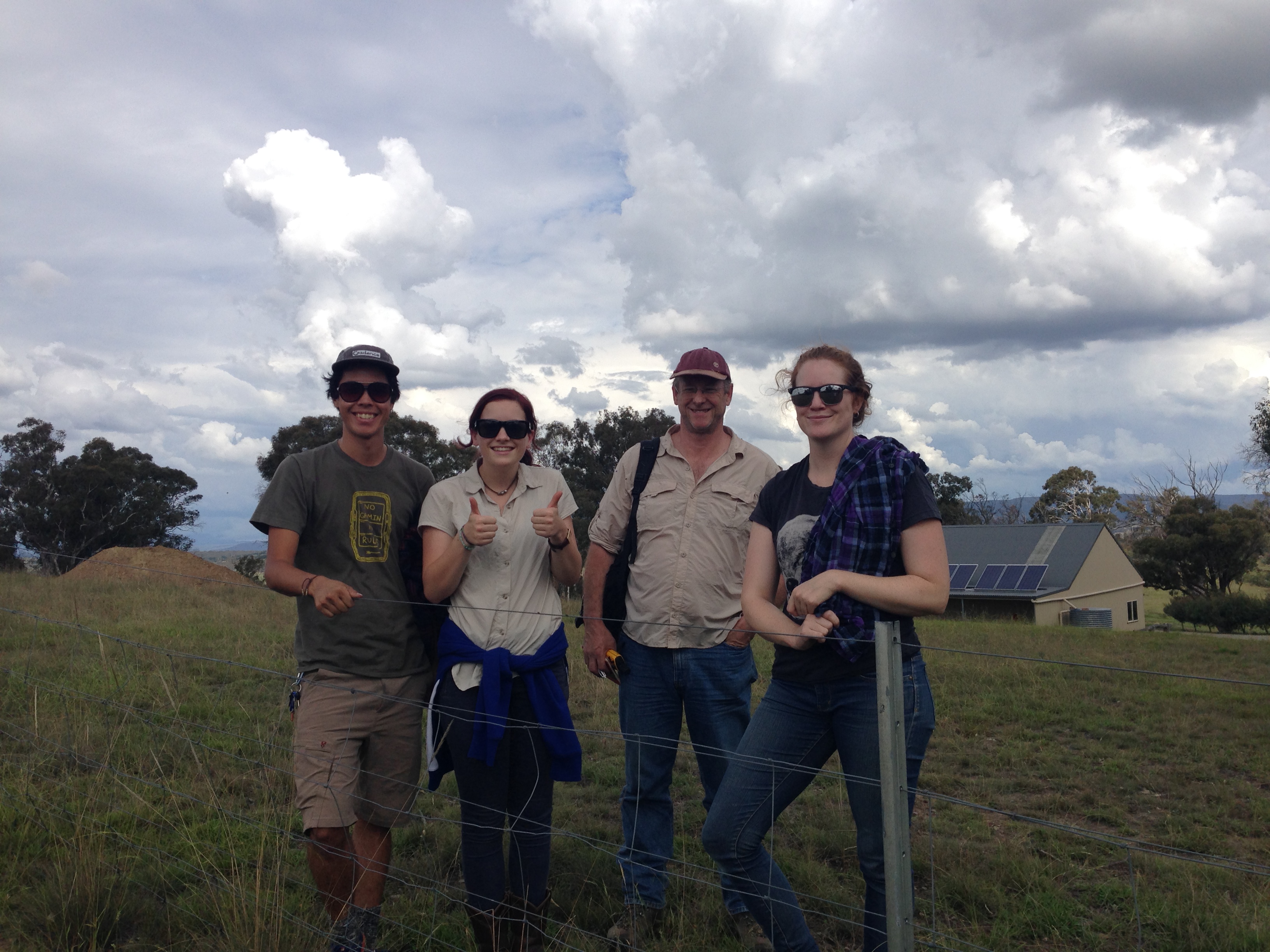
Bat team 1 a.k.a Sean (me), Jess, Doug and Suzy
Further reading:
More information on the Eastern Bent-Wing bat:
http://www.environment.nsw.gov.au/threatenedspeciesapp/profile.aspx?id=10534
The wind farm planning guidelines for NSW:
http://www.planning.nsw.gov.au/Portals/0/PolicyAndLegislation/NSW_Wind_Farm_Guidelines_Web_Dec2011.pdf
A review of the NSW BioBanking program
http://www.environment.nsw.gov.au/resources/biobanking/biobankingoverview07528.pdf

 Biodiversity Conservation