
On a recent trip to Bowra Station, Queensland some fantastic mammals, amphibians and reptiles were found in addition to the birds discussed in an earlier post. On the approach to the Queensland border from Bourke the grass beside the Mitchell Highway was bright green after good rain during February-April 2014. In this area a Stripe-faced Dunnart (Sminthopsis macroura) which is a small marsupial listed as vulnerable in NSW was found hiding under an old beer ad sign (an extinct QLD beer in fact)!

Don’t be fooled by this face…

Dunnarts are carnivorous: Considering its tiny size (25g) this Stripe-faced Dunnart gave me a good bite – the sharpness of his incisors was impressive.
At a site in Bowra where there was considerable surface water a Crucifix Frog (Notaden bennettii) was found right where we were bird banding. This truly stunning creature is found in the grasslands of the Murray-Darling Basin and further north and is most often encountered after rain.
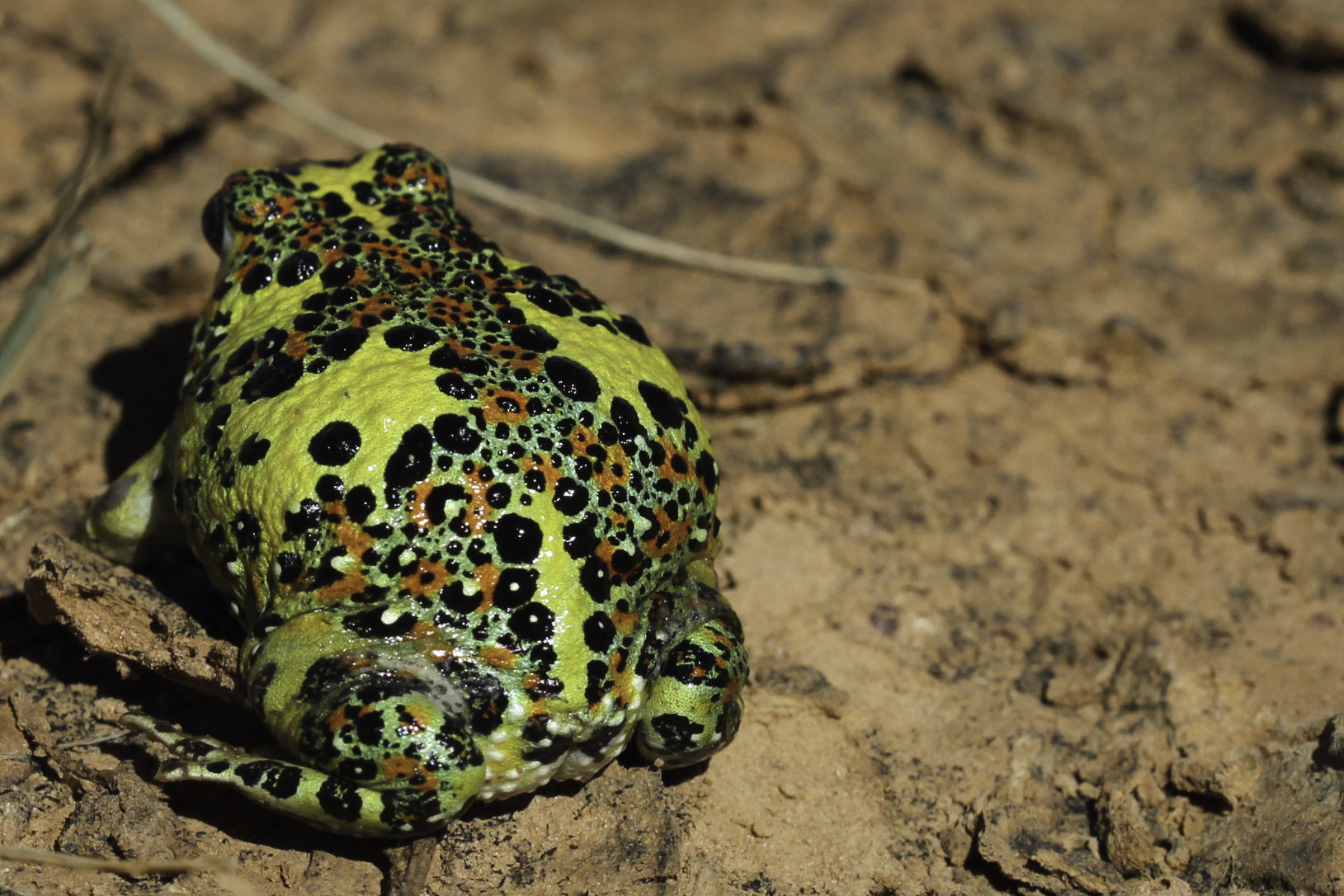
The Crucifix Frog was named after the distinctive pattern on its back.

The Crucifix Frog has glands on its body through which it can secrete a strong glue-like substance. This attribute could potentially be used to seal the mouths of predators.
Also visiting Bowra were some students and researchers from the University of Queensland who were keen to look for frogs and reptiles. One evening by the lagoon at Bowra homestead the inland subspecies (Morelia spilota metcalfei) of the widespread Carpet Python was found.

Carpet Python: Note the ticks on the snake’s neck.
Another creature seen by the lagoon was the Short-footed Frog (Cyclorana brevipes). It is a burrowing frog found in the grasslands and woodlands of eastern and central QLD.

Short-footed Frog
After dinner one night I found a Marbled Velvet Gecko (Oedura marmorata) right next to my swag. It was hiding in a fissure of a Gidgee (Acacia cambagei) which is by far the smelliest tree I have ever encountered. The Marbled Velvet Gecko is a relatively widespread species in northern Australia and has tiny scales which give its skin a velvet like texture.

Marbled Velvet Gecko
Prior to this trip I had never paid any attention to moths but this one that my younger brother found on the bark of a Gidgee was particularly striking.

Thalaina macfarlandi: A species of the Ennominae subfamily. This superb species inhabits the arid and semi-arid zones and was first described in 1972.
At first glance this moth of the Noctuidae family looked drab in comparison with the Thalaina macfarlandi. However, a close-up view of its eyes and antennae reveals quite a regal looking critter.
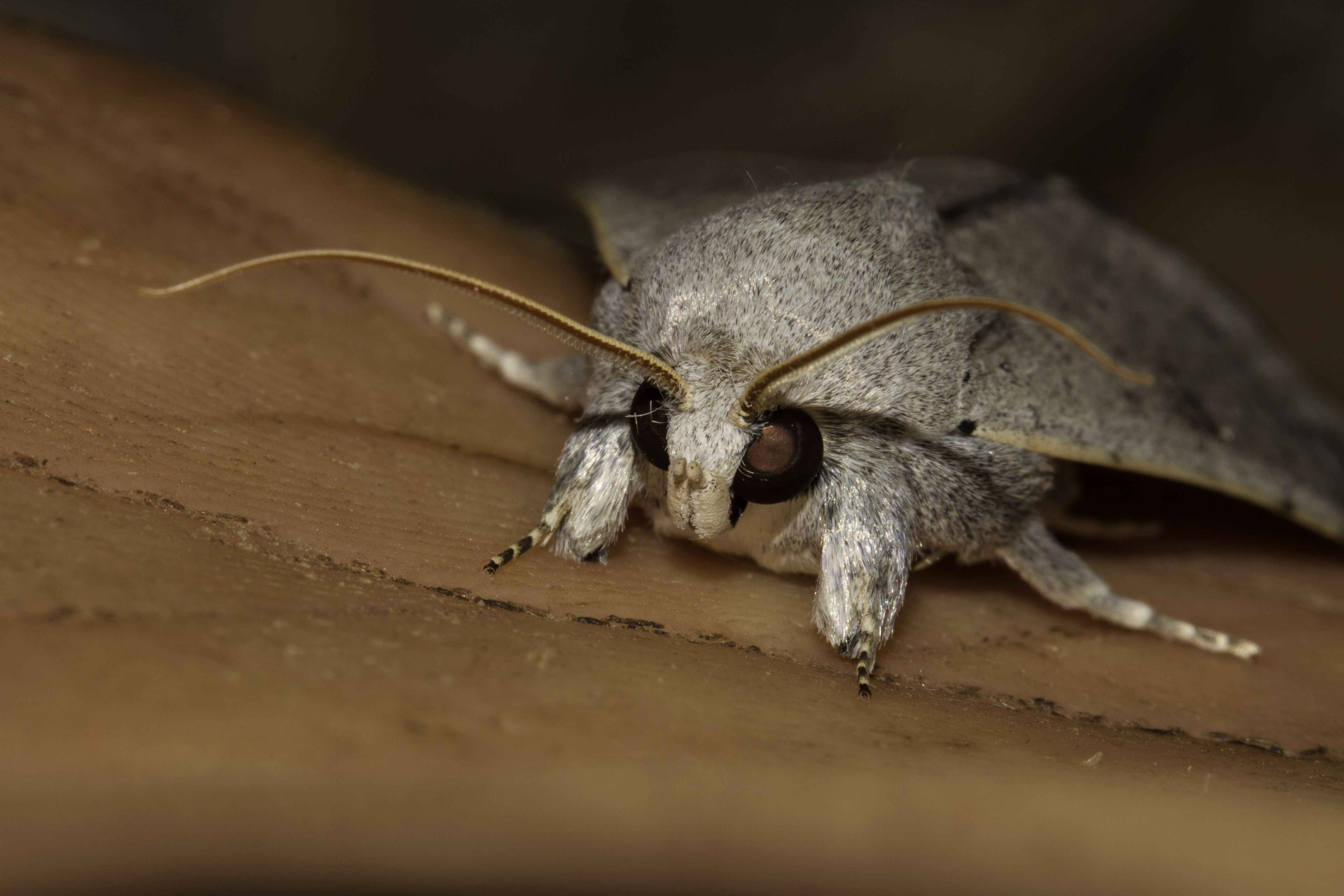
This moth is a pasture pest of the Noctuidae family.
The Desert Tree Frog (Litoria rubella) was one of the most common frogs at Bowra whilst we were visiting in April. This species has a large geographic range and can be found in a wide range of habitats in northern Australia from grassland to gallery forest.

A Desert Tree Frog chowing down an unfortunate invertebrate.
I hope I’ve presented to you, my fellow classmates (especially the Ecuadorians and Brazilians), an indication of the diversity of creatures that can be found in the typically dry and bleak-looking landscapes of the Australian semi-arid zone. I would like to thank Stephen Zozaya, Len Willan and Ted Edwards for their identification assistance.
By Mark Allen
Photography: Brett Allen

 Biodiversity Conservation
A stunning blog Mark. And thanks also to your photographer. Phil
Pingback: Bowra Station: April 2015 | ausnature